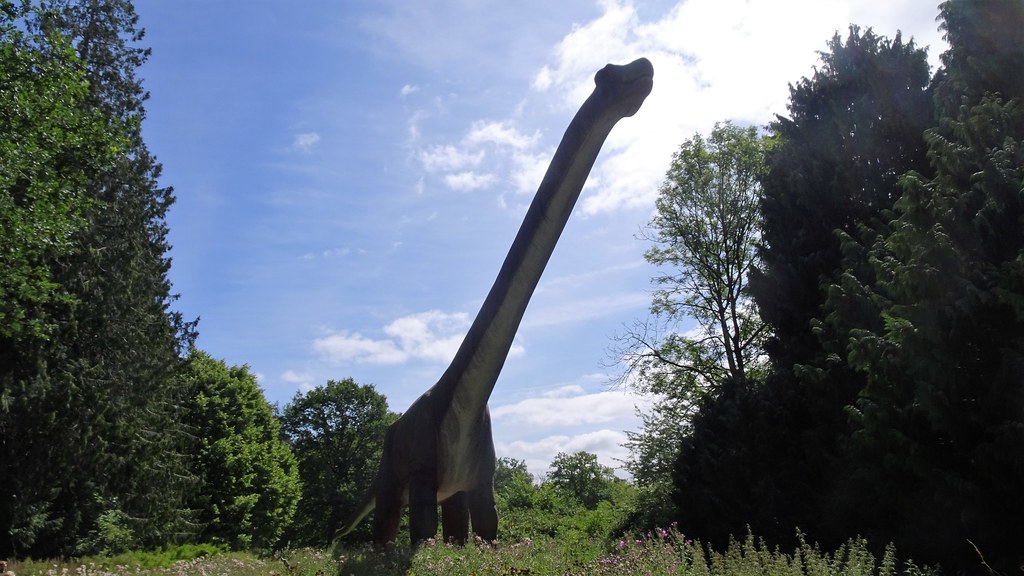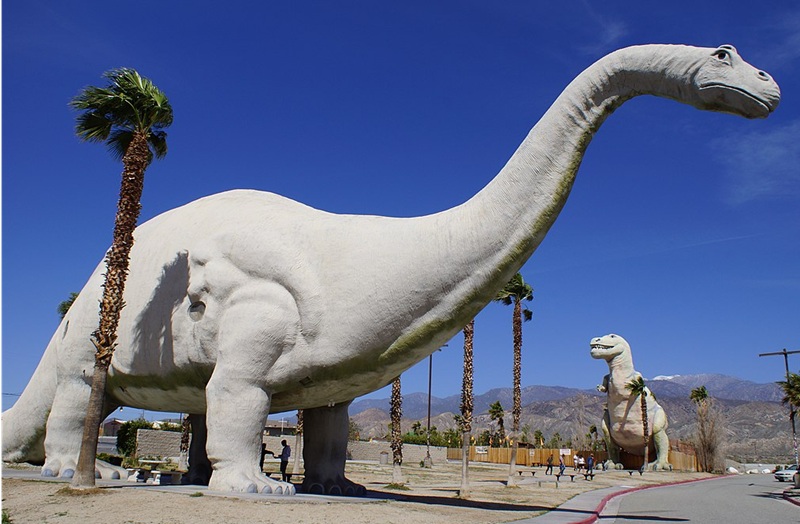
The question of whether dinosaurs had belly buttons takes us on a fascinating journey through paleontology, embryology, and evolutionary biology. While we can observe naval scars on modern animals, including ourselves, the soft tissue structures of dinosaurs rarely fossilize, making this an intriguing scientific mystery. Dinosaurs dominated Earth for over 165 million years, evolving diverse reproductive strategies and physiological adaptations. Understanding their embryonic development and birth processes might provide clues about whether these ancient reptiles possessed anything resembling the umbilical structures we recognize today. Let’s explore what science can tell us about this curious aspect of dinosaur anatomy.
Understanding Modern Belly Buttons

Before we can determine if dinosaurs had belly buttons, we need to understand what these structures actually are in modern animals. In mammals like humans, the belly button (umbilicus) forms as a scar after birth when the umbilical cord is detached. This cord connects the developing fetus to the placenta, allowing for nutrient exchange, oxygen supply, and waste removal.
The resulting navel scar varies in appearance—from “innies” to “outies”—depending on how the umbilical cord healed after separation. Not all living animals have belly buttons as we know them; their presence and form depend entirely on reproductive methods and embryonic development. Even among modern mammals, the appearance and prominence of the umbilical scar vary significantly between species.
Reproduction in Dinosaurs
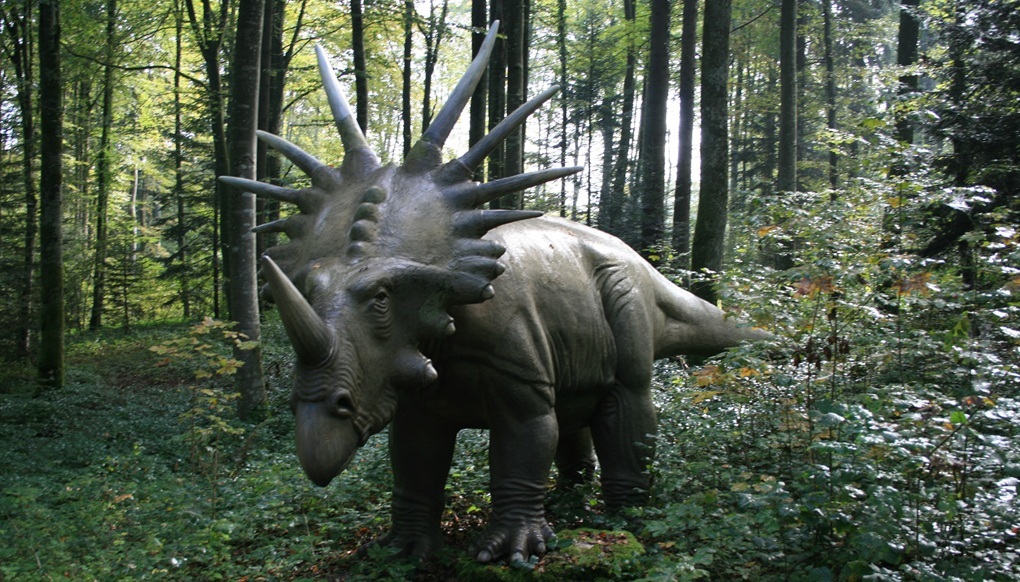
Dinosaur reproduction differed fundamentally from that of placental mammals. Scientific evidence strongly indicates that all dinosaurs laid eggs rather than giving live birth. Numerous fossil discoveries of dinosaur nests, eggs, and even embryos have confirmed this egg-laying (oviparous) reproductive strategy. This reproductive method is consistent with modern reptiles and birds, which are dinosaurs’ closest living relatives.
In egg-laying species, embryos develop inside protective shells, receiving nutrition from the egg yolk rather than through a placental connection. This fundamental difference in reproductive strategy has major implications for whether dinosaurs could have had structures resembling belly buttons, as the developmental mechanism that creates mammalian navels simply wasn’t present in dinosaur reproduction.
The Yolk Sac Connection
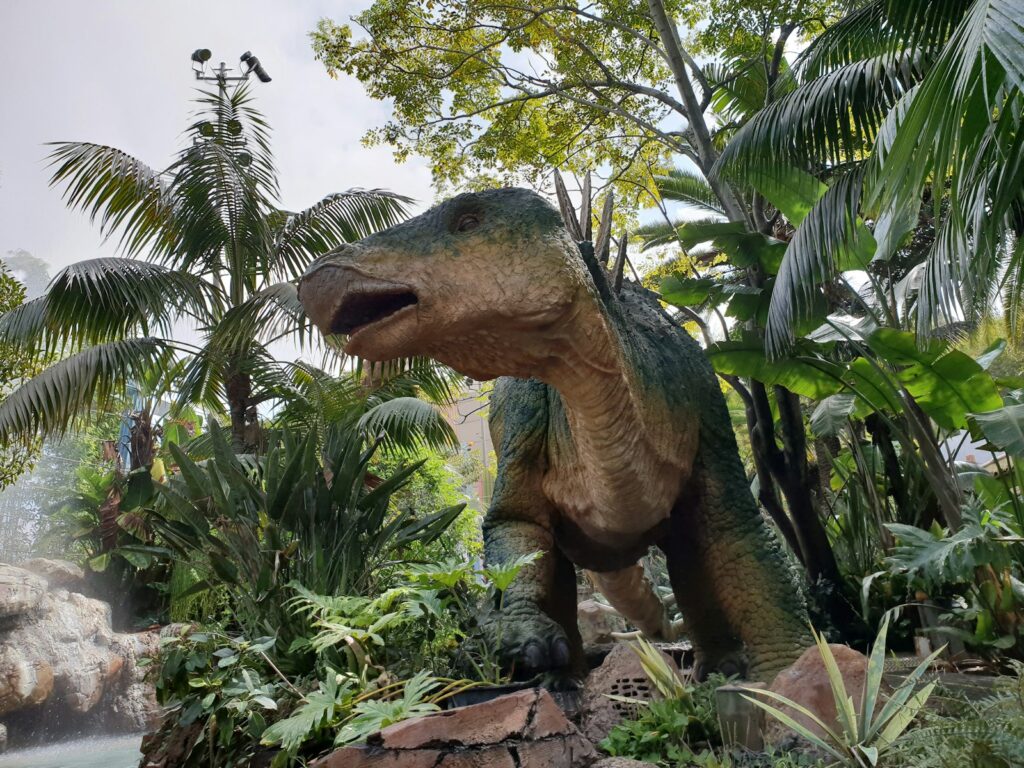
Although dinosaurs didn’t have umbilical cords connecting to a placenta, their embryos did develop with a yolk sac that provided nutrition during development. In modern birds and reptiles, this yolk sac connects to the developing embryo’s intestines through a yolk stalk or omphalomesenteric duct. As the embryo approaches hatching, it absorbs the remaining yolk, and the connection point heals, sometimes leaving a small temporary scar or indentation.
This structure differs significantly from a mammalian belly button both in formation and appearance. In modern birds, this yolk sac scar typically disappears completely within days after hatching, leaving no permanent mark. If dinosaurs followed a similar developmental pattern, they might have had temporary yolk sac scars that quickly healed and disappeared.
What the Fossil Record Tells Us
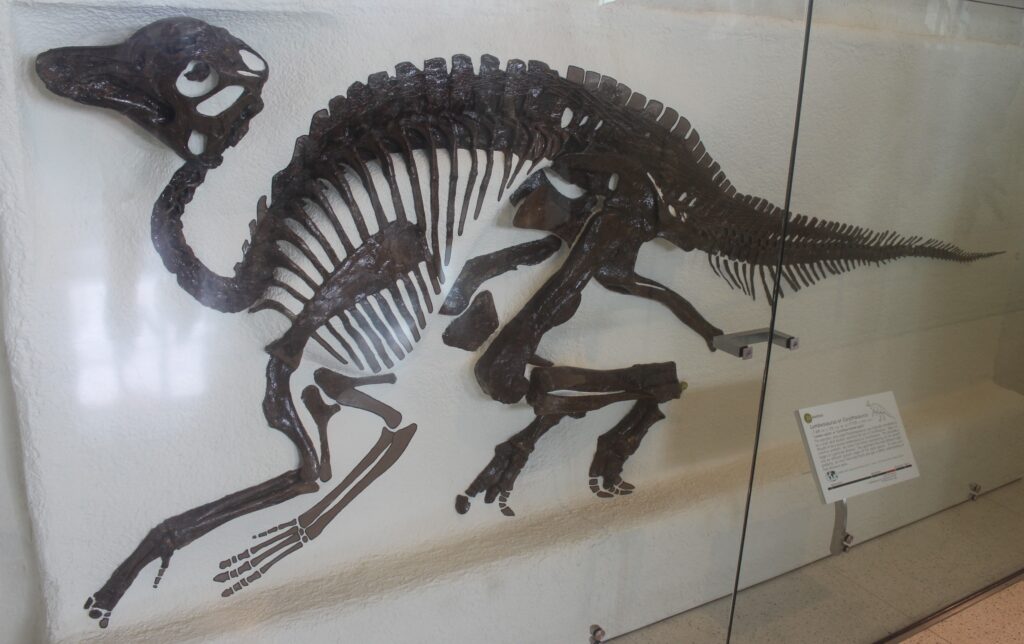
The fossil record offers limited direct evidence regarding dinosaur belly buttons or yolk sac scars. Soft tissue structures rarely fossilize, and the abdominal regions of dinosaur fossils are often poorly preserved compared to bones. Even in exceptionally preserved dinosaur fossils with skin impressions, no clear evidence of umbilical structures has been documented.
This absence of evidence, however, doesn’t conclusively prove dinosaurs lacked yolk sac scars—it might simply reflect the challenges of fossil preservation. Some exceptionally preserved dinosaur fossils, like mummified hadrosaurs, show extensive skin impressions but have revealed no structures resembling naval scars. Paleontologists continue searching for fossils with the right preservation conditions that might capture these delicate soft tissue features.
Evidence from Modern Birds
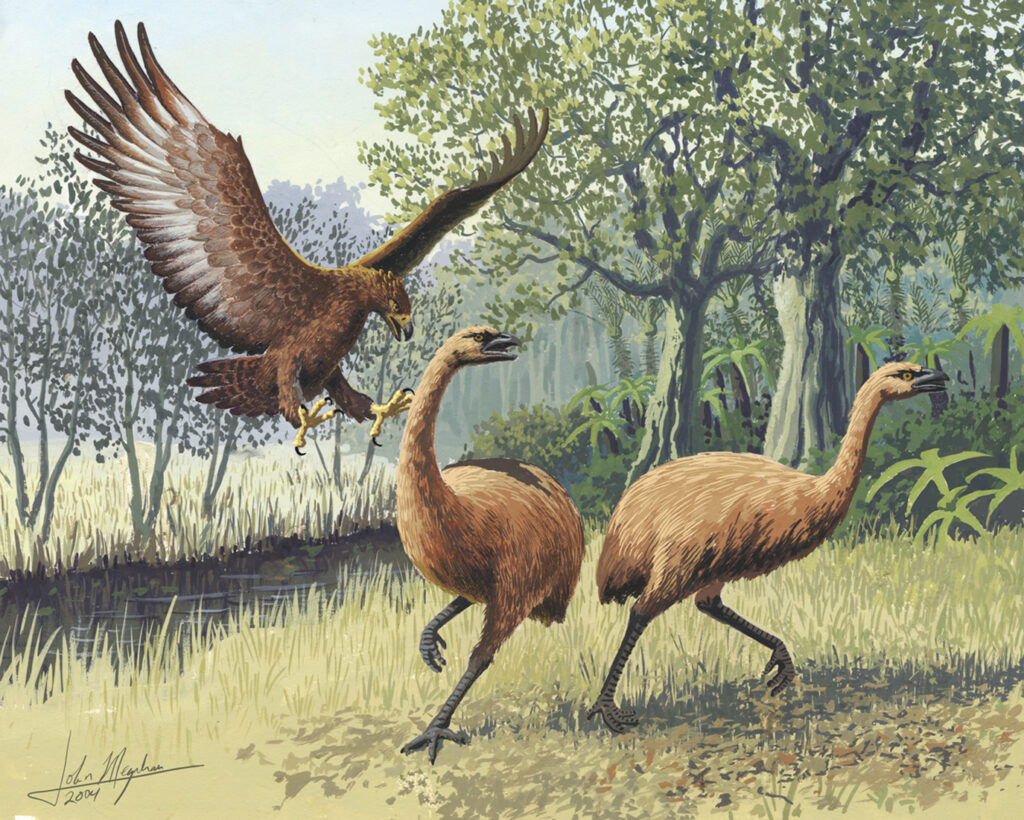
Birds, as the direct descendants of theropod dinosaurs, provide our best living model for understanding dinosaur physiology. Modern birds develop with a yolk sac that connects to the intestines through a yolk stalk. Shortly before or after hatching, birds absorb the remaining yolk material, and the connection site heals. This process sometimes leaves a small, temporary scar that disappears within days or weeks after hatching.
Young birds may briefly have a visible yolk sac scar, but it’s not a permanent feature like the mammalian umbilicus. The rapid healing and temporary nature of this structure in birds suggest that if dinosaurs had similar developmental biology, their yolk sac connections would have similarly left no permanent mark. This supports the hypothesis that dinosaurs likely didn’t have permanent belly buttons.
Reptilian Comparisons

Modern reptiles offer another relevant comparison for understanding potential dinosaur naval structures. Like birds, reptiles develop using yolk sacs rather than placentas (with some exceptions like certain lizards and snakes that give live birth). When reptiles hatch, they typically show a small ventral opening where the yolk sac was absorbed, which heals completely within days or weeks.
This temporary structure doesn’t leave a permanent scar comparable to a mammalian belly button. In some reptile species, parts of the eggshell may attach to this region during hatching, but this attachment is quickly shed. The rapid healing and temporary nature of these structures in modern reptiles further suggest that dinosaurs, as egg-laying animals, would not have retained permanent naval markings into adulthood.
Dinosaur Embryology
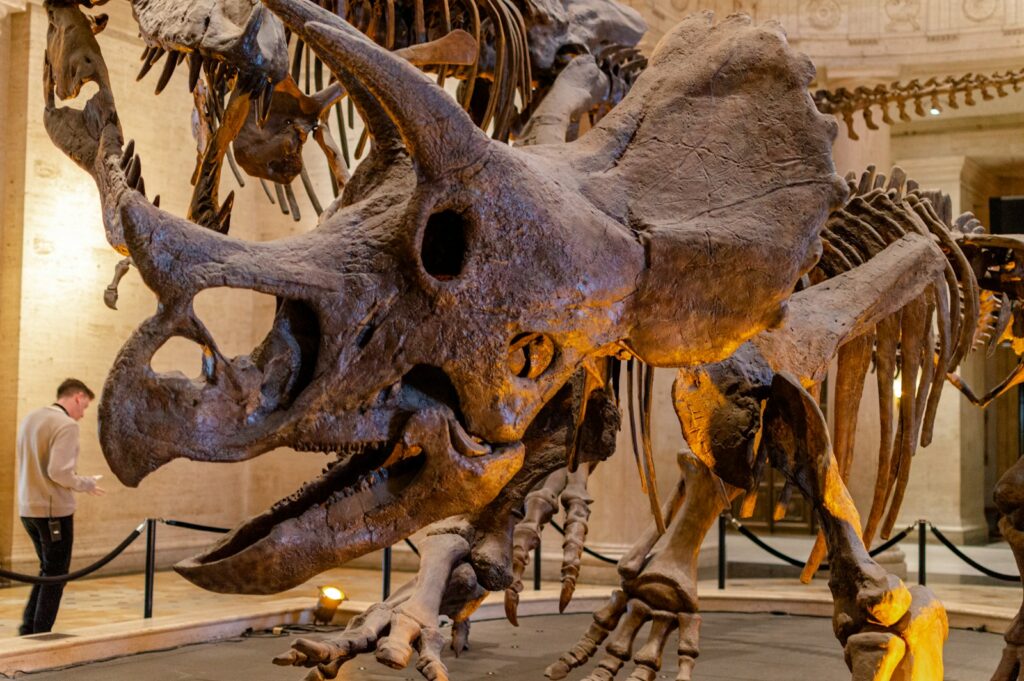
Fossilized dinosaur embryos provide valuable insights into dinosaur development but have limitations regarding soft tissue structures like potential naval connections. Several exceptionally preserved dinosaur embryos have been discovered, including those of oviraptors, theropods, and sauropodomorphs. These embryos show developing skeletons and sometimes even skin impressions, but the preservation typically doesn’t capture the fine details of soft tissue connections to the yolk sac.
Embryological studies of dinosaurs focus primarily on bone development rather than the soft tissues that would be involved in yolk sac connections. However, the general position and development of dinosaur embryos within eggs appear consistent with patterns seen in modern birds and reptiles, suggesting similar developmental processes may have been at work.
Theoretical Dinosaur “Belly Buttons”
If dinosaurs had any structure resembling a belly button, it would have been fundamentally different from the mammalian umbilicus. Rather than a scar from an umbilical cord, dinosaurs might have temporarily had a small mark where the yolk sac connected to the intestinal tract. This structure would likely have been a small, circular healing site rather than an indentation or protrusion.
Based on evidence from modern birds and reptiles, this yolk sac connection site would have healed quickly after hatching, leaving no permanent mark. Unlike mammalian belly buttons, which persist throughout life, dinosaur “belly buttons” would have been transient features present only in hatchlings. The rapid growth of young dinosaurs would have further obscured any trace of these temporary structures as the animals matured.
Scientific Debate and Speculation

The question of dinosaur belly buttons remains open to scientific interpretation due to limited direct evidence. Some paleontologists suggest that certain dinosaur groups, particularly those most closely related to birds, might have had temporary structures similar to the yolk sac scars seen in modern birds. Others point to the lack of preserved evidence as an indication that such structures either didn’t exist or were too ephemeral to leave traces in the fossil record.
The scientific consensus leans toward dinosaurs having temporary yolk sac connection sites rather than permanent naval structures. This debate illustrates how paleontologists must often make educated inferences about soft tissue structures based on comparative anatomy with living relatives. Until exceptionally preserved fossils provide direct evidence, this aspect of dinosaur anatomy remains somewhat speculative.
Dinosaur Physiology and Development
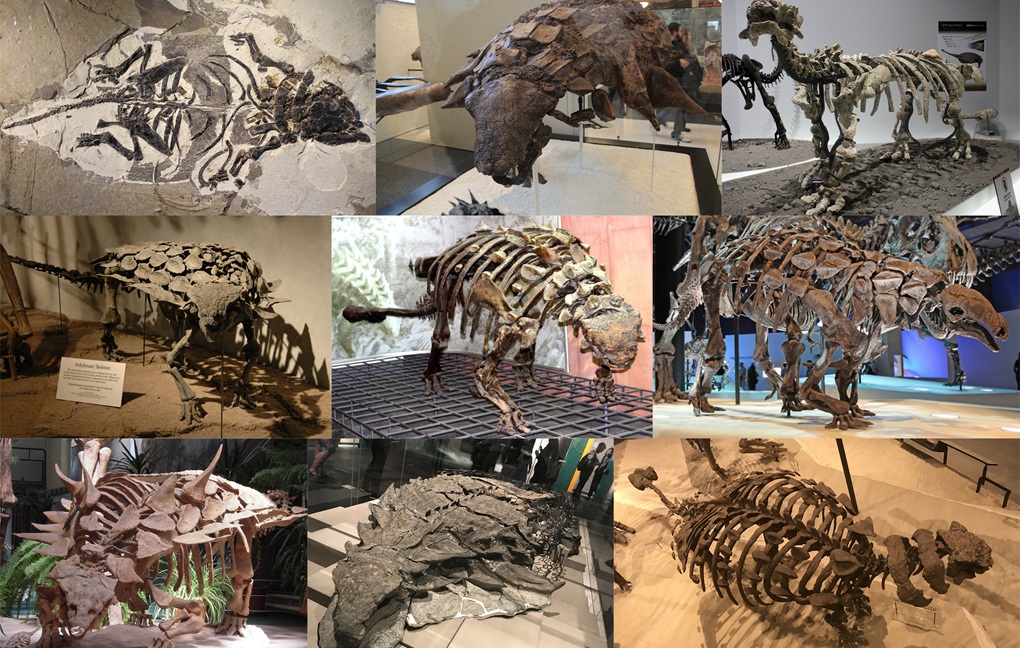
Broader understanding of dinosaur physiology provides context for interpreting their embryonic development. Growing evidence suggests many dinosaurs had relatively rapid growth rates and metabolisms intermediate between modern reptiles and birds. This physiological characteristic might have influenced how quickly any yolk sac scars healed after hatching.
Studies of dinosaur bone microstructure indicate that many species grew quickly during early life stages, which would have rapidly stretched and remodeled abdominal skin. Dinosaurs appear to have had sophisticated reproductive physiologies, with some evidence suggesting parental care in certain groups. This complex reproductive biology might have been accompanied by equally sophisticated embryonic development, potentially affecting how yolk sac connections formed and healed.
Evolutionary Perspective
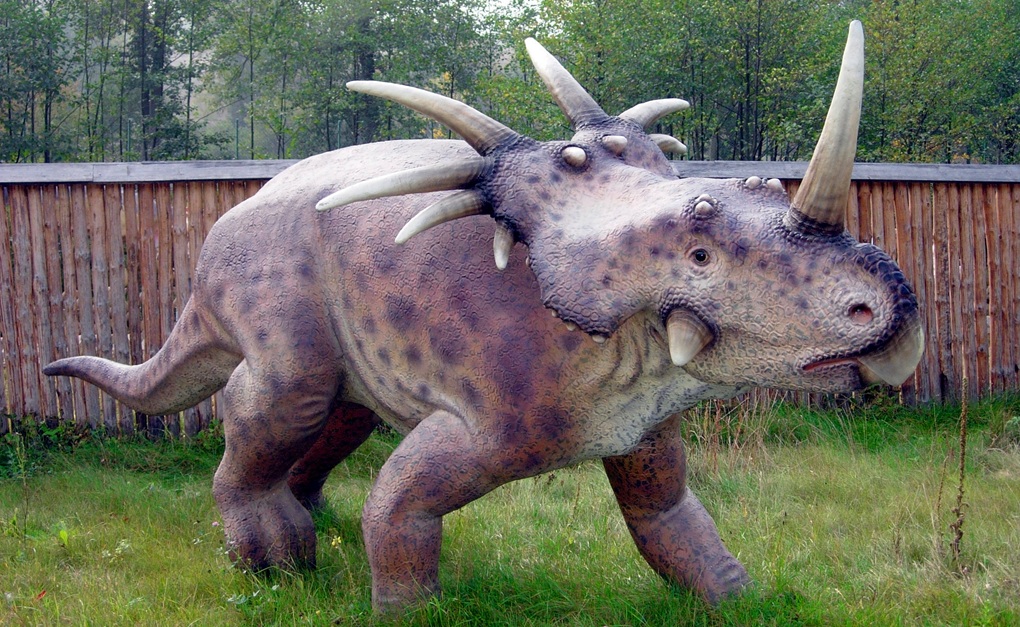
From an evolutionary standpoint, the structures that become belly buttons evolved along specific lineages leading to placental mammals. The common ancestor of dinosaurs and mammals, which lived more than 320 million years ago, likely reproduced by laying eggs. Placental reproduction, with its accompanying umbilical structures, evolved much later in the mammalian lineage.
Dinosaurs, following their own evolutionary path, retained and refined egg-laying reproduction throughout their 165-million-year history. The absence of mammal-like belly buttons in dinosaurs reflects these divergent evolutionary pathways rather than representing a “primitive” condition. This evolutionary context reminds us that different animal groups developed diverse solutions to the challenges of reproduction and embryonic development.
Cultural Representations
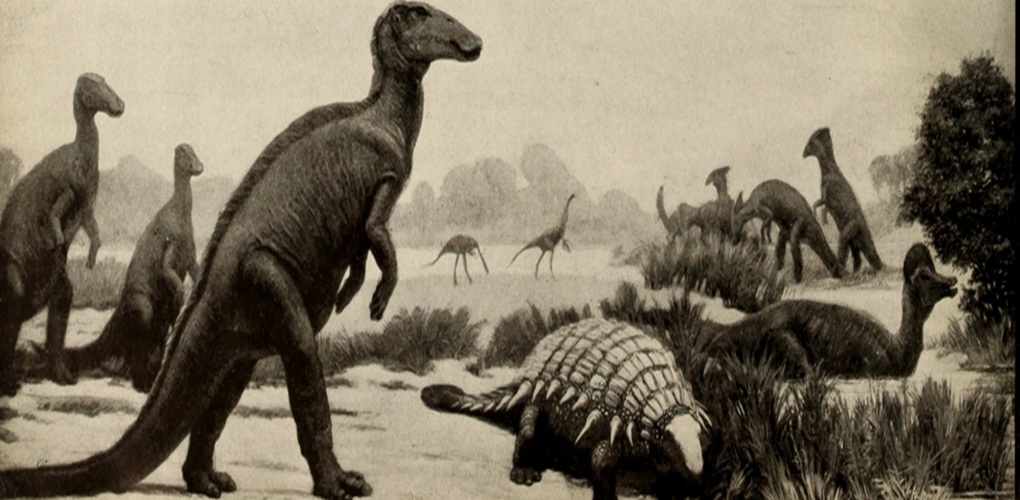
Popular culture often depicts dinosaurs with mammalian features, including belly buttons, which has contributed to misconceptions about dinosaur anatomy. Movies, television shows, and illustrations frequently humanize dinosaurs by giving them characteristics familiar to audiences rather than scientifically accurate features. These artistic representations sometimes show dinosaurs with distinct navels similar to human belly buttons, despite the lack of scientific support for such structures.
The question of dinosaur belly buttons provides an excellent example of how paleontologists must carefully distinguish between evidence-based reconstruction and speculative or artistic interpretation. By examining questions like these, people can develop a more nuanced understanding of how scientists reconstruct extinct animals and the limitations of our knowledge about prehistoric life.
Conclusion: The Verdict on Dinosaur Belly Buttons
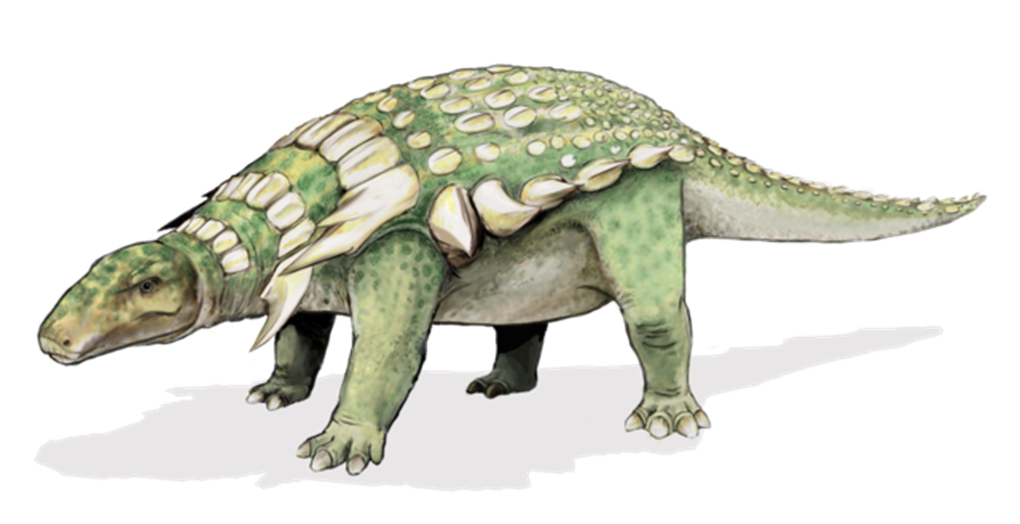
Based on our current scientific understanding, dinosaurs almost certainly didn’t have belly buttons in the mammalian sense. As egg-laying animals, they lacked the placental connection that creates the umbilical cord and resulting navel scar in mammals. However, dinosaur hatchlings likely had temporary yolk sac scars similar to those in modern birds and reptiles—small, quickly-healing marks that disappeared as the animals grew. These structures would have been fundamentally different from mammalian belly buttons in both origin and appearance.
While direct fossil evidence of these soft tissue structures remains elusive, comparative anatomy with dinosaurs’ living descendants provides a reasonable basis for these conclusions. The question of dinosaur belly buttons ultimately highlights how paleontologists use multiple lines of evidence—from fossils to comparative anatomy to embryology—to reconstruct aspects of extinct animals that don’t readily preserve in the fossil record.