Imagine standing face to face with a Tyrannosaurus rex. Your first instinct is probably terror, raw and instant. You’re not thinking about whether that particular T. rex is bold or cautious by nature, whether it tends to explore new environments or stick to familiar ground. Personality, after all, feels like a human or at least a mammalian thing. Surely a 66-million-year-old reptile-like giant was nothing more than a magnificent, mindless killing machine, right?
Well, here’s the thing: modern science is starting to challenge that assumption in ways that are genuinely surprising. Paleontologists, neuroscientists, and behavioral biologists have been piecing together a growing body of evidence suggesting that dinosaurs may have been far more complex, individually varied creatures than most of us ever imagined. Prepare to rethink everything you thought you knew about these ancient giants. Let’s dive in.
What Do We Even Mean by “Personality” in a Dinosaur?
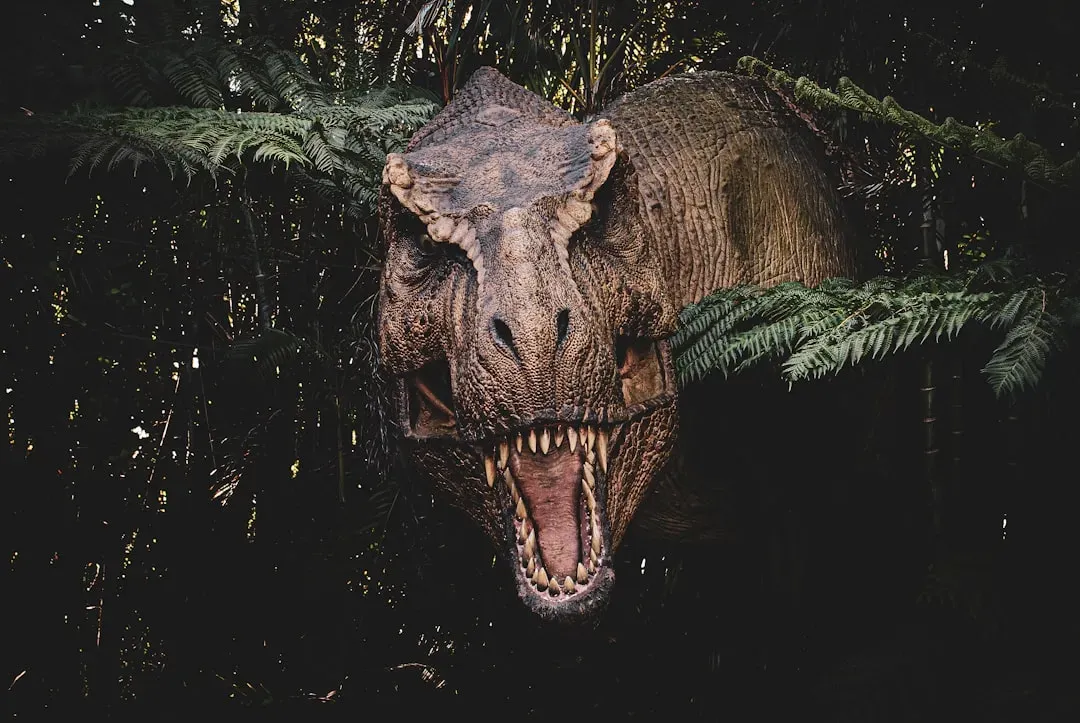
Before we go down this fascinating rabbit hole, let’s be real about definitions. When scientists talk about animal personality, they don’t mean the quirky kind you’d assign a golden retriever. They mean consistent individual differences in behavior, things like boldness, curiosity, aggressiveness, and sociability, that show up reliably across different situations and over time.
This concept, well-documented in modern animals from chimpanzees to fish, raises a thrilling question: could extinct animals like dinosaurs have expressed similar individual variation? Many people write off prehistoric animals as dullards or intensely aggressive creatures because of the lack of detailed information on who they were and how they behaved, but paleontologist Dr. David Hone notes that behaviors across the whole range of dinosaur species, from feeding and communication to reproduction and sociality, are more nuanced than commonly assumed. The idea that dinosaurs were one-dimensional automatons is almost certainly an oversimplification, and scientists increasingly think so too.
The Brain Question: How Much Did Dinosaurs Actually Think?
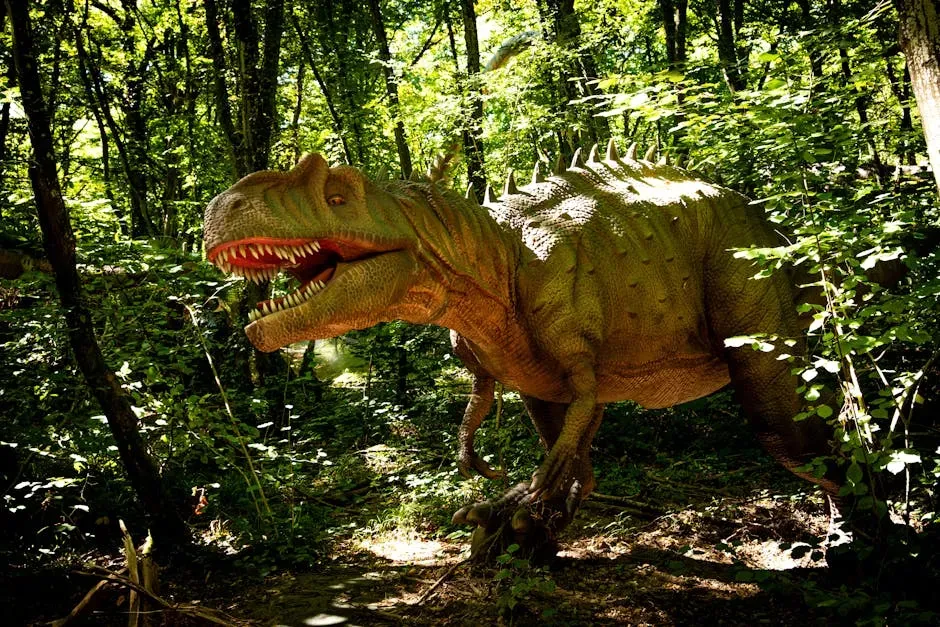
You can’t talk about personality without talking about the brain, and dinosaur brains have been at the center of one of the most heated scientific debates of recent years. A researcher named Herculano-Houzel argued that fossil endocasts and comparative neurological data from living sauropsids could be used to reconstruct neuron counts in Mesozoic dinosaurs, suggesting that large theropods like Tyrannosaurus rex were exceptionally intelligent animals potentially equipped with “macaque- or baboon-like cognition.”
That claim caused a firestorm. An international team of paleontologists, behavioral scientists, and neurologists re-examined brain size and structure in dinosaurs and concluded they behaved more like crocodiles and lizards. It was claimed that high neuron counts could directly inform on intelligence, metabolism, and life history, and that T. rex was rather monkey-like in some of its habits. Research found that the brain of T. rex and many other dinosaurs floated in fluid, a trait found in modern crocodiles, and that T. rex’s brain only occupied around 30 to 40 percent of its braincase. In other words, its skull was much bigger than its actual brain.
Crocodile-Like, Not Monkey-Like: What the Consensus Actually Says
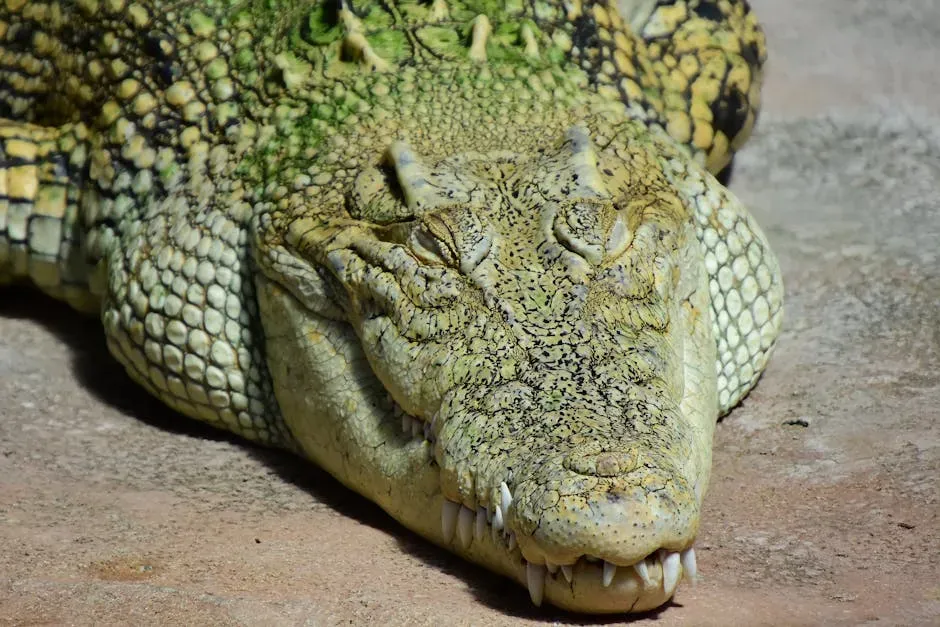
So where does the science actually land right now? The general consensus on non-bird dinosaurs is that they were most likely on par in cognitive terms with turtles, lizards, and crocodylians, though bird-like maniraptorans were likely more similar to birds like emus and ostriches. That might sound underwhelming at first, but honestly, modern crocodilians are not the blank-slate creatures many people assume them to be.
Crocodiles show remarkable patience, problem-solving, and in some studies, even apparent emotional responses during parenting. To reliably reconstruct the biology of long-extinct species, researchers argue for looking at multiple lines of evidence, including skeletal anatomy, bone histology, the behavior of living relatives, and trace fossils. Research tells us that like modern predators, T. rex had a proportionally large brain compared with its plant-eating prey, and a substantial part of its brain was devoted to olfaction, so Tyrannosaurus probably did sniff the air to locate its next meal. That’s actually a fairly sophisticated sensory strategy.
Social Behavior: The Strongest Clue We Have
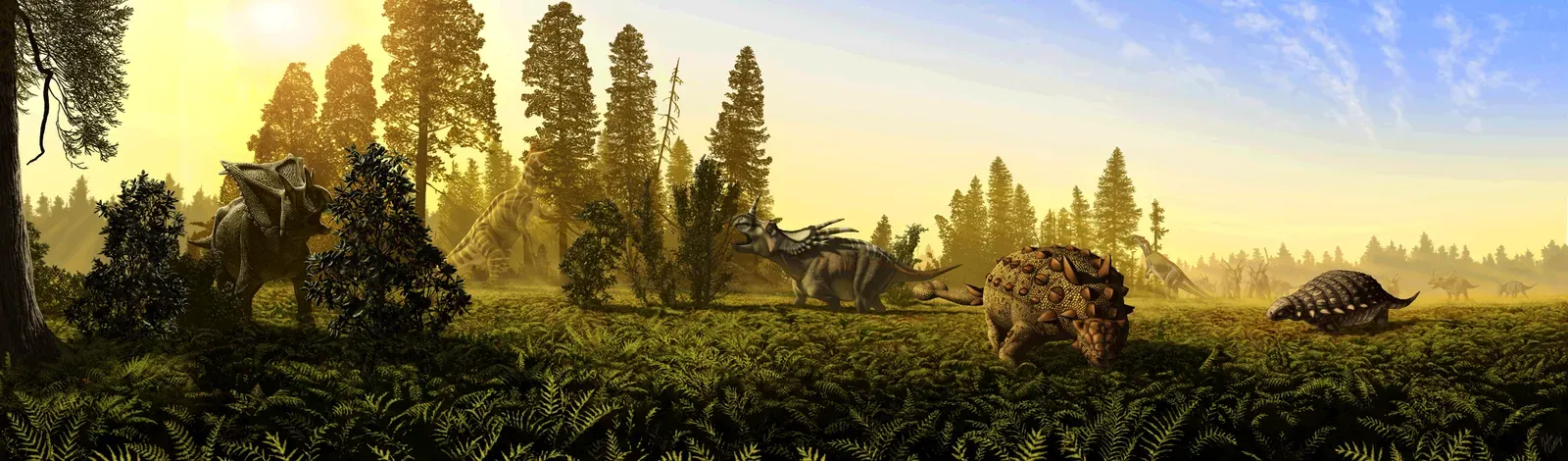
Here’s where things get really interesting, because personality doesn’t exist in a vacuum. It shows up most powerfully in social contexts. Fossil footprints of a mixed herd of ceratopsians and ankylosaurs have been discovered in Dinosaur Provincial Park in Canada, and the most logical inference is that species with different sensory and defensive mechanisms could increase the overall survival rate of the herd by cooperating, much like modern herbivores do. This is considered evidence that ceratopsians and ankylosaurs engaged in complex social behavior.
In the last two decades, several assemblages of ceratopsians and duckbills containing thousands of individuals have been found, and even Tyrannosaurus rex is now known from sites where a group has been preserved together. Think about that for a second. A T. rex group burial. There is evidence that many types of dinosaurs, including various theropods, sauropods, ankylosaurians, ornithopods, and ceratopsians, formed aggregations of immature individuals, and nests and eggs have been found for most major groups, suggesting dinosaurs communicated with their young in a manner similar to modern birds and crocodiles. Social complexity, at any level, is the kind of environment where personality differences become both visible and evolutionarily useful.
Display, Communication, and Individual Identity
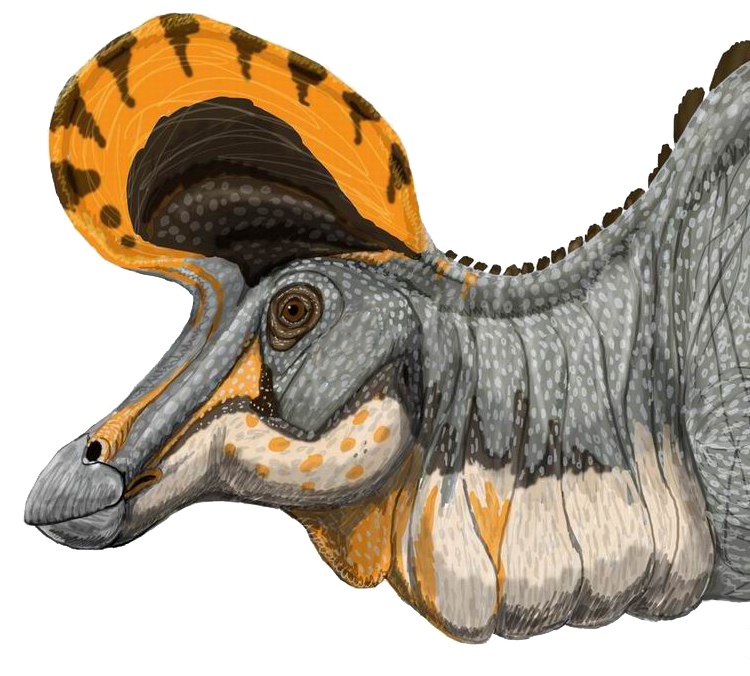
If you ever needed a hint that dinosaurs had something like individual identity and social signaling, look no further than their extraordinary physical features. The crests and frills of some dinosaurs, like the marginocephalians, theropods, and lambeosaurines, may have been too fragile to be used for active defense, and so they were likely used for sexual or aggressive displays. That’s the language of individuality right there. Display structures are nature’s way of saying “here I am, and I am different from the others.”
Archosaurs and other diapsids are profoundly visual animals, using many types of visual displays including static ones like colors or crests, and moving ones like dances and head bobs. Almost certainly, extinct dinosaurs would have done the same. Furthermore, archosaurs are very communicative, with both birds and crocodilians having large repertoires of calls and signals, and almost assuredly non-avian dinosaurs did the same. Communication rich enough to involve individual display is communication rich enough to reflect individual personality.
Parental Care: Evidence of Emotional Investment
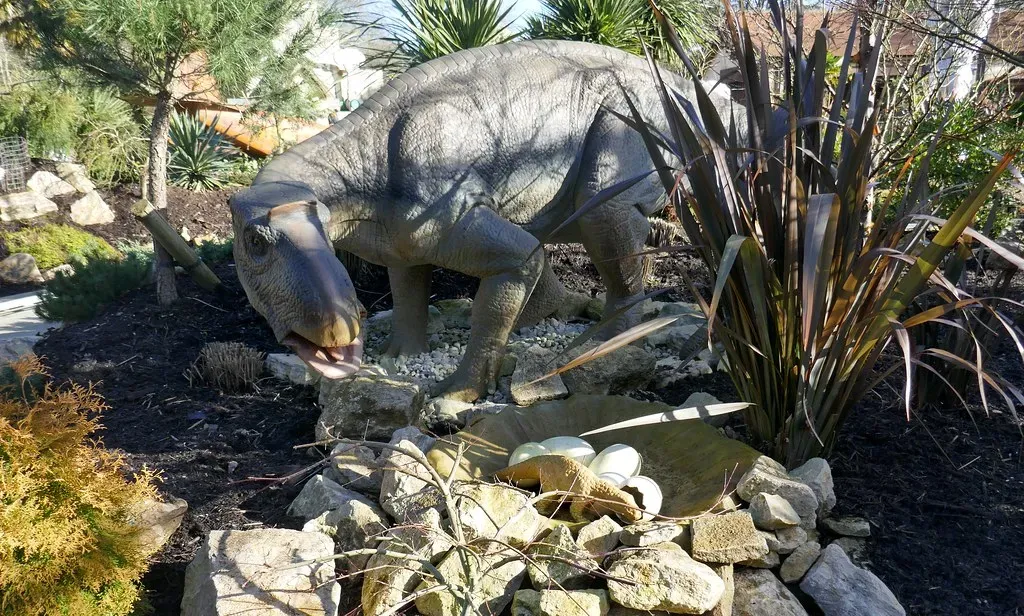
One of the most emotionally resonant pieces of this puzzle is parental behavior, because caring for offspring requires sustained, motivated, individualized action. The most famous example of behavior that has become known through fossil material is parental care in Maiasaura, a hadrosaur from North America. By studying the nests found in Montana, paleontologists were able to conclude that these hadrosaurs did take care of their young.
Recent osteological studies have shown that young Maiasaura didn’t have fully ossified limbs, which made it difficult for them to walk longer distances, helping explain why they stayed in the nests. This provides very hard evidence for the hypothesis that at least some hadrosaurs were likely caring parents. I think it’s worth pausing on that. A dinosaur that stays by its nest, actively bringing food to helpless young, is an animal expressing something that feels remarkably close to devotion. Whether we call that personality or simply instinct may be a matter of semantics more than biology.
What Living Dinosaur Descendants Tell Us About Personality

Let’s not forget something crucial: dinosaurs are not actually extinct. Birds are living dinosaurs, the direct descendants of theropods, and their behavior offers our best living window into what their ancient relatives might have been like. The small Chinese dinosaur Mei has been preserved in a resting posture extremely similar to that seen in modern birds, and researchers note the need to focus on their nearest living relatives, birds and crocodylians, as well as the nearest analogs of large species like elephants and lions.
Paleontologists have recently pieced together the colors and patterns of some feathered dinosaurs using electron microscopes to see tiny preserved structures that used to contain the pigments of the animals in life. While it can currently only tell us the color of the individual animal at the time of its death, studying more specimens of the same species could reveal if males and females were the same colors or differed, and whether feathers underwent seasonal changes or varied with the environment. Birds, of course, show remarkable individual variation in behavior, problem-solving ability, and social strategy. It would be strange, almost scientifically contradictory, to assume that the lineage simply switched off individuality sometime between the Cretaceous and today.
Conclusion: Ancient Creatures, More Complex Than We Imagined
So, did dinosaurs have personalities? The honest answer is: probably yes, in the most scientifically meaningful sense of the word. They displayed socially, communicated with their young, formed herds, navigated complex inter-species dynamics, and operated with brains that, while not quite monkey-level, were far more sophisticated than the old “tiny-brained reptile” stereotype ever gave them credit for.
There are a lot of misconceptions that the public has about dinosaur behavior, including things that are outdated, things that were never right, and all kinds of slightly twisted ideas about what we know and what we don’t. The real, evolving science paints a picture of creatures that were deeply adapted to complex ecological and social worlds. Individual variation, curiosity, boldness, and behavioral flexibility were almost certainly part of their repertoire. The next time you look at a dinosaur skeleton in a museum, don’t just see the bones. Try to imagine the individual that once carried them. Was it bold or cautious? Dominant or peripheral in its herd? It’s hard to say for sure, but the question itself is no longer ridiculous to ask. What do you think: does imagining dinosaurs as individuals with personalities change the way you see them?