The vast, frozen landscapes of the Arctic, with their long, dark winters and extreme conditions, seem like the last place dinosaurs would call home. Yet, the scientific evidence tells a different story—one that challenges our traditional views of dinosaurs as primarily tropical or temperate-dwelling creatures. Recent discoveries have revealed that various dinosaur species not only lived in the Arctic Circle but thrived there, adapting to conditions we once thought incompatible with reptilian life. This fascinating aspect of paleontology opens new windows into understanding dinosaur physiology, behavior, and evolution. Let’s explore what we know about dinosaurs in Earth’s northernmost regions and what it tells us about these remarkable animals that dominated our planet for over 165 million years.
Defining the Arctic Dinosaur Frontier

When paleontologists refer to Arctic dinosaurs, they’re specifically discussing fossils found within the Arctic Circle, above 66.5 degrees north latitude. During the Mesozoic Era (252-66 million years ago), these regions experienced different climate conditions than today, though they still faced seasonal extremes, including months of darkness. Important Arctic dinosaur fossil locations include northern Alaska in North America, parts of northern Canada including Ellesmere Island, northern Russia, and Svalbard—a Norwegian archipelago. These regions may have been positioned slightly differently during dinosaur times due to continental drift, but they still experienced the unique challenges of polar conditions, including seasonal light changes that modern Arctic regions face today.
The Surprising Fossil Record

The fossil evidence for Arctic dinosaurs is remarkably robust, contradicting initial skepticism in the scientific community. Over the past few decades, expeditions to Alaska’s North Slope, particularly along the Colville River, have unearthed thousands of dinosaur fossils, including bones, teeth, and even trackways. These discoveries represent at least 13 different dinosaur types, ranging from tyrannosaurs to duck-billed hadrosaurs and horned ceratopsians. What makes these findings particularly valuable is that they’re not just isolated specimens but entire dinosaur communities, suggesting permanent residency rather than seasonal migration. The preservation quality of these fossils also tends to be exceptional, with some specimens including soft tissue, providing invaluable insights into dinosaur biology that few other locations can match.
Ancient Arctic Climate: Not What You Might Expect

The Arctic of the Cretaceous period (145-66 million years ago) differed significantly from today’s frozen landscape. While still experiencing the unique polar light cycle—months of darkness followed by months of continuous daylight—the climate was considerably warmer due to different continental configurations and higher global temperatures. Research suggests mean annual temperatures may have ranged from 2-8°C (35-46°F), making it comparable to modern-day British Columbia or southern Alaska. Despite these milder conditions, Arctic dinosaurs still contended with freezing temperatures during the dark winter months, substantial seasonal variation in food availability, and occasional snowfall. The region resembled a high-latitude forest rather than tundra, with conifer trees, ferns, and other vegetation supporting diverse dinosaur populations.
Who Were the Arctic Dinosaurs?
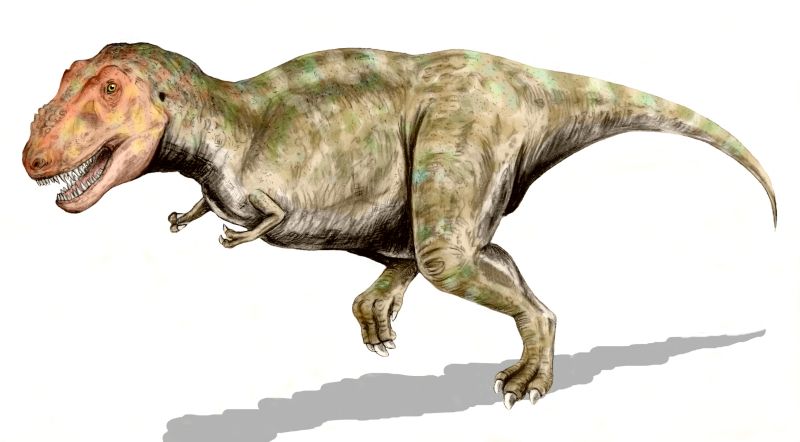
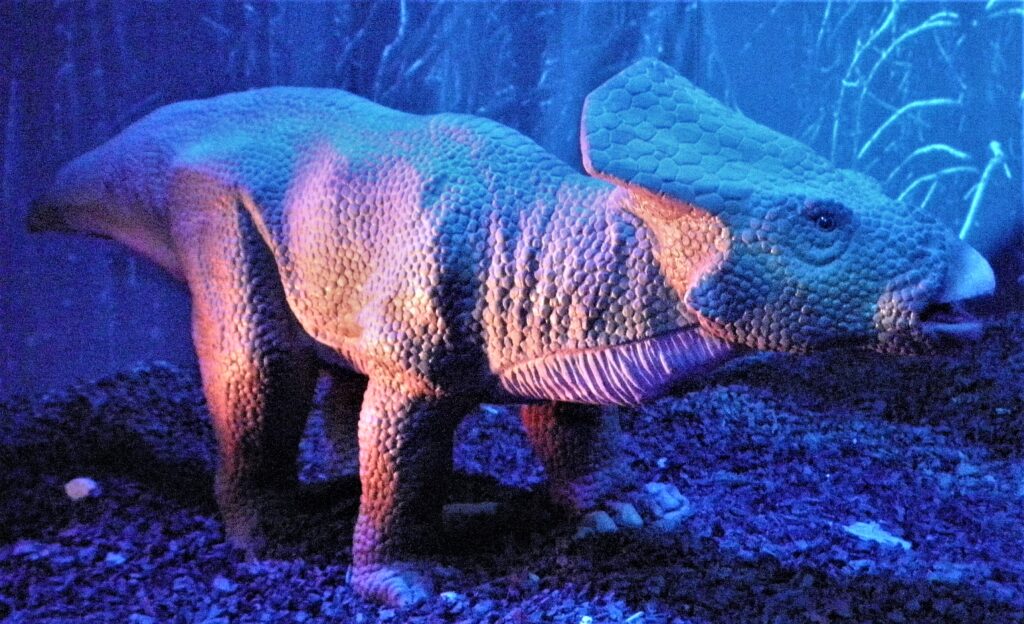
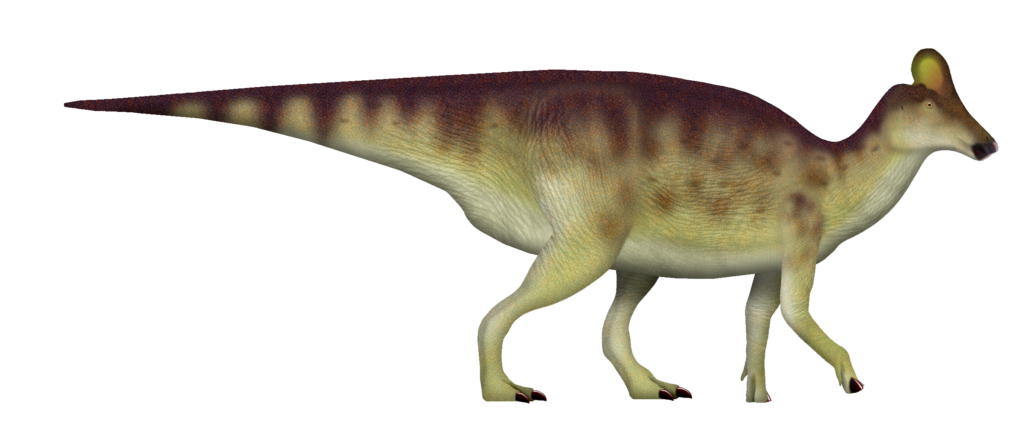
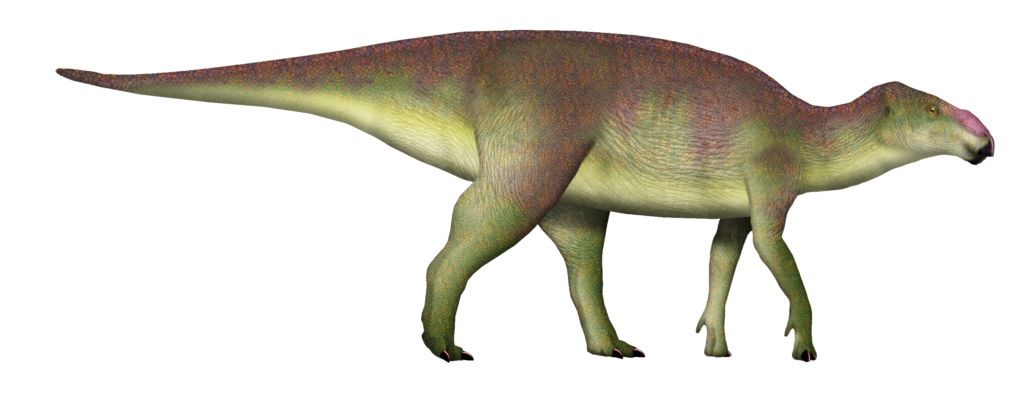
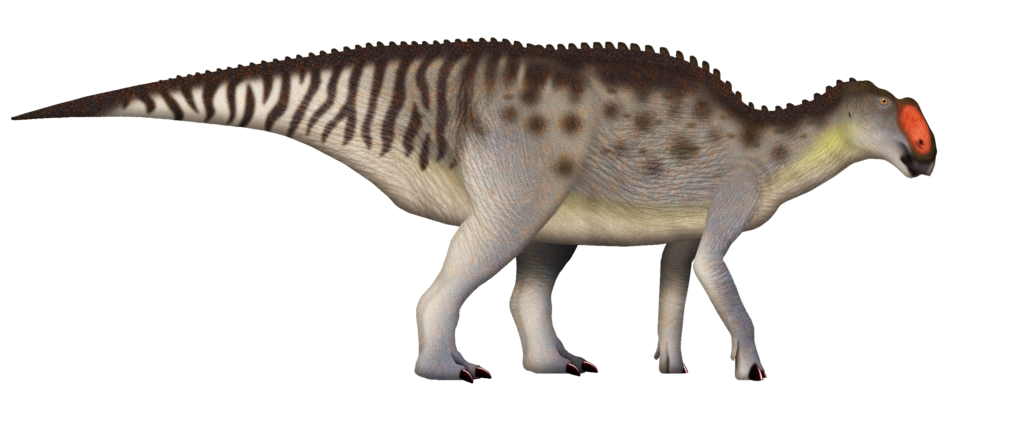
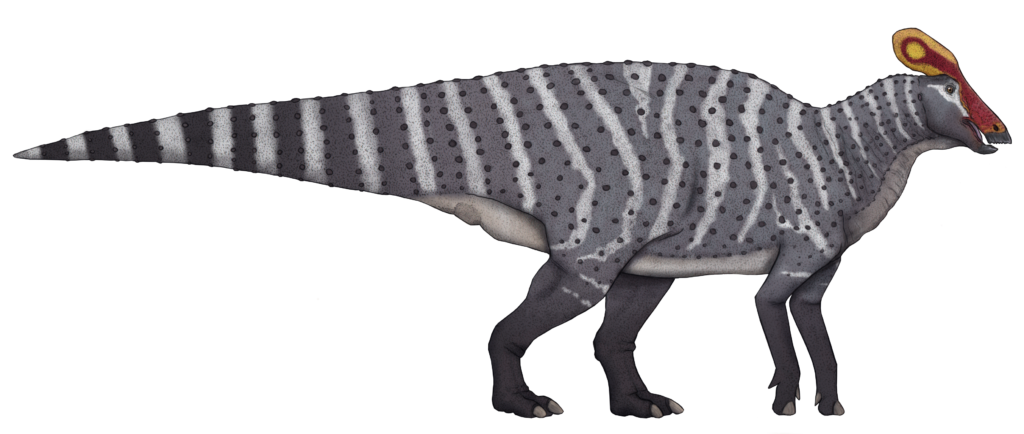
Fossil discoveries reveal a surprising diversity of dinosaur species that called the Arctic home. Among the most abundant were the hadrosaurs (duck-billed dinosaurs), with species like Edmontosaurus and Ugrunaaluk kuukpikensis dominating northern ecosystems. Small carnivorous dinosaurs such as Troodon and Dromaeosaurids (raptor-type dinosaurs) were also common residents. Perhaps most surprisingly, researchers have found evidence of tyrannosaurs, though typically smaller than their southern relatives, adapted for Arctic living. Notably, many Arctic dinosaur species appear to represent unique polar-adapted varieties rather than simply being identical to their southern counterparts. Ceratopsians (horned dinosaurs) and pachycephalosaurs (dome-headed dinosaurs) have also left fossil evidence in these northern reaches, painting a picture of complex, year-round dinosaur communities.
Cold-Weather Adaptations
Arctic dinosaurs developed remarkable adaptations to survive in polar conditions that challenge our traditional understanding of reptilian capabilities. Many species evolved enhanced depth perception and larger eyes, likely adaptations for functioning during the low-light conditions of polar winters. Some species show evidence of seasonal fat storage, similar to modern Arctic animals, allowing them to survive periods of food scarcity. Particularly fascinating is the evidence suggesting some Arctic dinosaurs may have had higher metabolic rates than their southern relatives, approaching the warm-blooded metabolism seen in modern birds. Growth-ring analysis in dinosaur bones indicates some species, like the polar Edmontosaurus, grew faster during summer months and slowed during winter—a pattern consistent with animals permanently residing in seasonal environments rather than migrating away during difficult periods.
The Migration Question: Stay or Go?
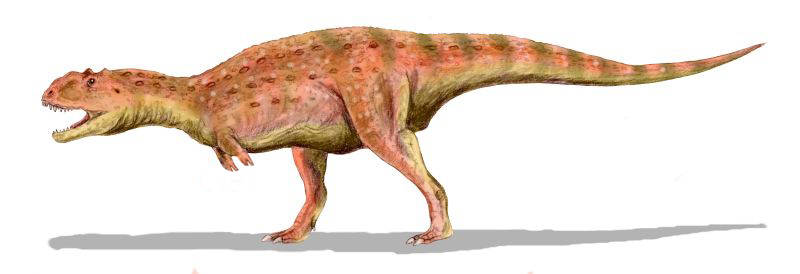
One of the most intriguing debates surrounding Arctic dinosaurs concerns whether they migrated seasonally or remained year-round residents. The evidence increasingly supports year-round residency for many species, particularly for larger dinosaurs. Computer modeling of energy requirements suggests that the extreme distances required for seasonal migration (potentially thousands of kilometers) would have been energetically prohibitive for many dinosaur species. Additionally, fossils of very young dinosaurs and hatchlings in Arctic regions strongly indicate that these animals were breeding in the polar regions, not just visiting. Growth patterns visible in dinosaur bones from the Arctic show seasonal variations consistent with animals experiencing and adapting to the changing conditions throughout the year rather than escaping them through migration. While some smaller species may have migrated, the consensus is shifting toward viewing many Arctic dinosaurs as permanent residents.
Dinosaur Nesting in Polar Environments
Perhaps the most compelling evidence for year-round Arctic dinosaur residency comes from discoveries of nesting sites and juvenile remains. Multiple hadrosaur nesting sites have been uncovered in Alaska containing fragmented eggshells, nestling bones, and evidence of nesting colonies. These findings fundamentally challenge earlier assumptions that dinosaurs could not reproduce in polar regions due to cold temperatures affecting egg incubation. Scientists now theorize that some species may have employed strategies like nest insulation through rotting vegetation (similar to modern crocodilians) or body heat from adults to maintain viable incubation temperatures. The presence of very young dinosaurs unable to undertake long migrations further reinforces the conclusion that these were permanently resident breeding populations. These discoveries force us to reconsider dinosaur reproductive biology and their remarkable adaptability to extreme environments.
The Polar Light Cycle Challenge
Beyond temperature, Arctic dinosaurs faced another significant challenge: the extreme light cycle of polar regions. The modern Arctic experiences months of darkness during winter and continuous daylight during summer, a condition that would have existed (though with less extreme temperature drops) during the Mesozoic Era as well. This light cycle presented unique challenges for finding food, avoiding predators, and regulating biological rhythms. Evidence suggests dinosaurs developed enhanced vision and possibly larger optic lobes in their brains to better navigate during low-light conditions. Some researchers speculate certain species might have employed behavioral adaptations like seasonal torpor (a mild form of hibernation) during the darkest months, though direct evidence for this remains elusive. The ability to adapt to these dramatic seasonal light changes represents one of the most impressive aspects of Arctic dinosaur biology.
Polar Predator-Prey Dynamics
The Arctic dinosaur ecosystem featured unique predator-prey relationships shaped by polar conditions. Fossil evidence indicates a higher proportion of juvenile dinosaurs in the diets of Arctic predators compared to similar ecosystems at lower latitudes. This may reflect the vulnerability of young dinosaurs during harsh winter conditions. Interestingly, Arctic tyrannosaurs and other predators were typically smaller than their southern cousins, possibly representing a form of polar dwarfism—an adaptation seen in some modern Arctic mammals that reduces energy requirements. Tooth wear patterns on carnivore fossils suggest opportunistic feeding behaviors, potentially including scavenging during resource-scarce winter months. The relative abundance of predator and prey remains also hints at complex community dynamics where predator populations were naturally limited by the Arctic environment’s carrying capacity during the challenging dark season.
The Alaska-Siberia Land Connection
During much of the Late Cretaceous period, a land bridge connected what is now Alaska with Siberia, creating a region paleontologists call Beringia. This connection served as a crucial migration corridor, allowing dinosaur species to move between Asia and North America. Analysis of Arctic dinosaur species shows remarkable similarities between North American and Asian specimens, supporting the idea of regular movement across this northern passage. This land bridge likely facilitated dinosaur dispersal between continents far more effectively than more southern routes, which were frequently interrupted by seaways. The fossil evidence from both sides of the modern Bering Strait reveals closely related species, suggesting an ancient polar dinosaur superhighway. This connection helps explain the surprising similarity between certain North American and Asian dinosaur species that would otherwise be difficult to account for.
Arctic Plants: Sustaining Dinosaur Life
The ability of herbivorous dinosaurs to thrive in the Arctic depended entirely on the plant life that could support them through challenging seasonal conditions. Paleobotanical evidence indicates that the polar regions supported diverse vegetation during the Cretaceous period, including conifer forests, deciduous trees, ferns, horsetails, and various flowering plants. Unlike the modern Arctic tundra, these regions featured forests with trees reaching heights of 25-30 meters. However, these plants still faced the fundamental challenge of photosynthesizing during the dark winter months. Evidence suggests many plant species were deciduous, dropping their leaves during winter darkness and rapidly regenerating during the continuous summer daylight. The high productivity during summer months likely allowed herbivorous dinosaurs to build fat reserves, while consuming more fibrous plant material like conifer needles may have sustained them through leaner winter periods.
The End of Arctic Dinosaurs
Arctic dinosaurs disappeared along with their counterparts worldwide during the mass extinction event at the end of the Cretaceous period approximately 66 million years ago. However, some evidence suggests polar dinosaur communities may have been experiencing unique pressures even before the asteroid impact that delivered the final blow to dinosaur dominance. Cooling trends in the late Cretaceous might have increasingly stressed polar dinosaur populations, reducing diversity in the final million years of dinosaur existence. When the asteroid struck, the resulting global climate catastrophe would have been particularly devastating for high-latitude ecosystems, where the margin for survival was already narrower. The fossil record indicates a complete ecosystem collapse, with no evidence of dinosaur survival in the Arctic beyond the Cretaceous boundary—though, ironically, the Arctic would later serve as a crucial corridor for the mammals that would rise to prominence in the dinosaurs’ absence.
Modern Implications of Arctic Dinosaur Research

The study of Arctic dinosaurs has significant implications beyond paleontology, offering valuable insights for understanding contemporary climate change and biology. By analyzing how these animals adapted to polar conditions, scientists gain perspective on the potential adaptability of modern species facing rapid environmental shifts. The Arctic fossil record provides a natural laboratory for studying evolutionary responses to extreme conditions and seasonal stresses. Additionally, the evidence of warmer polar regions during dinosaur times serves as important data points for climate modeling, helping scientists understand how global systems operate under different temperature regimes. Perhaps most fundamentally, the discovery of thriving dinosaur communities in the Arctic continues to transform our understanding of dinosaur physiology, challenging the old notion of dinosaurs as simply oversized cold-blooded reptiles and revealing them as highly adaptable creatures with sophisticated biological solutions to environmental challenges.
Conclusion: Redefining Dinosaur Capabilities

The evidence for dinosaurs not just surviving but thriving in Arctic environments fundamentally transforms our understanding of these remarkable animals. Far from being restricted to warm, tropical environments, dinosaurs proved extraordinarily adaptable, conquering some of Earth’s most challenging ecosystems through physiological and behavioral innovations. Their ability to cope with extreme seasonal light changes, temperature fluctuations, and resource variability speaks to biological capabilities that blur the traditional distinctions between warm and cold-blooded animals. As our knowledge of Arctic dinosaurs continues to expand through new fossil discoveries and analytical techniques, we’re gaining a more nuanced appreciation of dinosaur biology and ecology. These polar pioneers remind us that dinosaurs were not evolutionary dead-ends but highly successful animals whose adaptability allowed them to dominate Earth’s diverse environments for over 165 million years—a testament to evolutionary innovation that continues to astonish scientists and capture the public imagination.