The question of whether dinosaurs migrated seasonally across continents represents one of paleontology’s most fascinating debates. While modern animals like birds and mammals undertake impressive migrations to follow food sources or find suitable breeding grounds, determining whether their distant dinosaur relatives engaged in similar behaviors presents significant scientific challenges. Recent fossil discoveries, advanced research techniques, and comparative studies with living animals have begun to shed light on this intriguing aspect of dinosaur behavior. The evidence suggests that at least some dinosaur species likely undertook seasonal movements, though the scale and nature of these migrations may have varied considerably across different species and periods.
The Challenge of Studying Prehistoric Migration
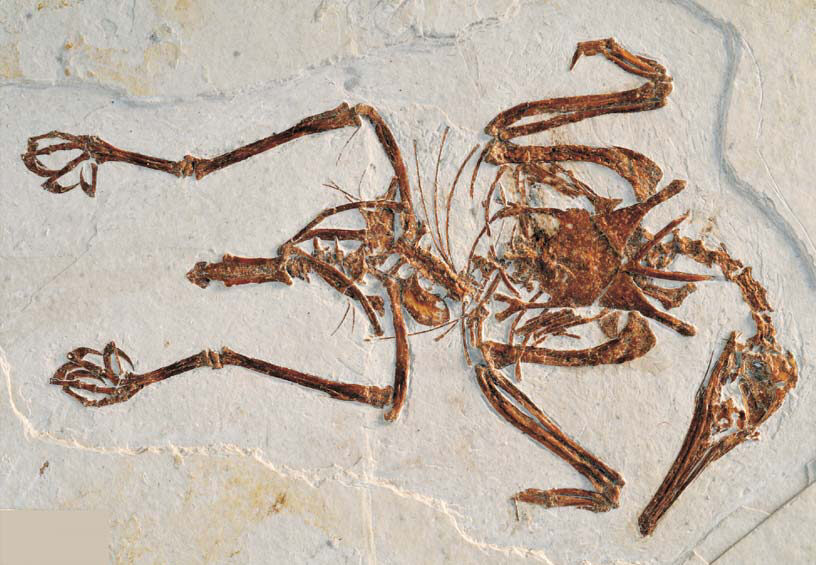
Studying migration patterns in extinct animals poses unique difficulties that paleontologists have struggled with for decades. Unlike modern wildlife that can be directly observed or tracked with GPS technology, dinosaur movements must be inferred from fossil evidence that is often incomplete and scattered across geological time. The fossil record preserves only snapshots of dinosaur lives, making it difficult to establish seasonal patterns with absolute certainty. Additionally, the dynamic nature of Earth’s geology means fossils may be displaced from their original locations through continental drift, further complicating migration studies. Despite these challenges, scientists have developed innovative techniques involving isotope analysis, bone histology, and comparative anatomy to piece together compelling evidence of dinosaur movement patterns across ancient landscapes.
Evidence from Fossil Trackways
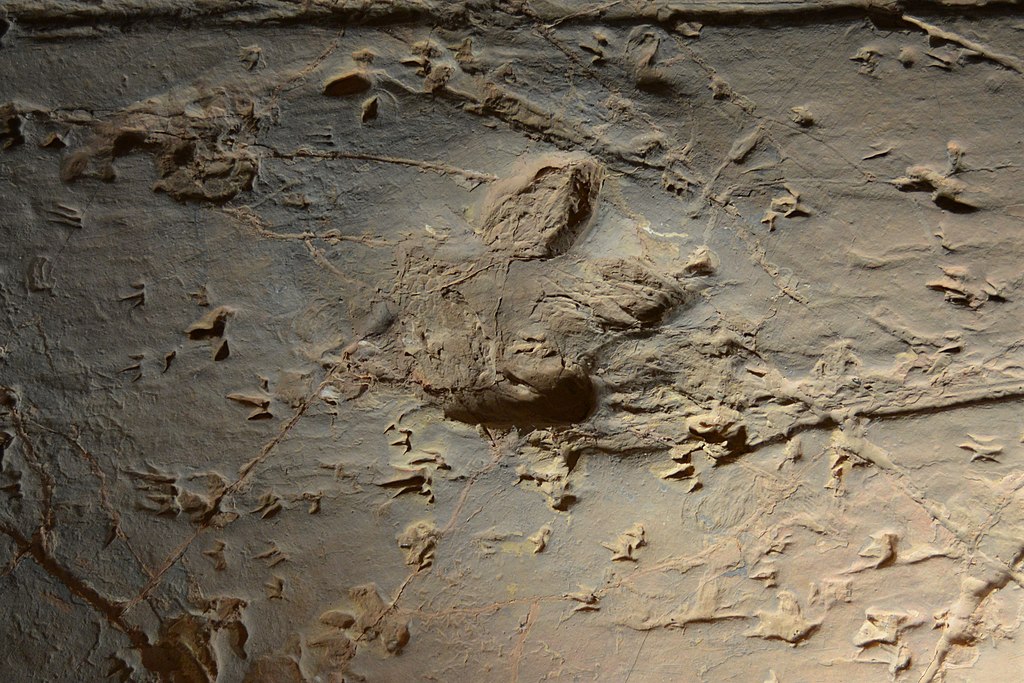
Fossil footprints provide some of the most direct evidence for dinosaur movement patterns across ancient landscapes. In locations like the western United States, Australia, and parts of Europe, paleontologists have discovered extensive trackway sites showing multiple individuals moving in the same direction, suggesting group travel consistent with migratory behavior. Some trackways extend for several kilometers, indicating sustained directional movement rather than random wandering. Particularly compelling are sites showing seasonal variations in trackway abundance, with certain areas showing heavy dinosaur traffic during specific times of the year, followed by periods of apparent absence. The orientations of these trackways sometimes align with what would have been natural geographic corridors between ancient ecosystems, further supporting the migration hypothesis.
Isotope Analysis and Seasonal Movements

Chemical analysis of dinosaur teeth and bones has revolutionized our understanding of their potential migratory behaviors. Elements like strontium, oxygen, and carbon occur in different isotopic ratios depending on local geology, water sources, and plant communities. When dinosaurs ate and drank in different regions, these isotopic signatures became incorporated into their growing tissues. By sampling growth layers in teeth and bone, which form sequentially like tree rings, scientists can detect changing isotopic patterns that suggest movement between distinct environments. For example, studies on hadrosaur teeth from the Late Cretaceous have revealed seasonal shifts in oxygen isotope ratios consistent with animals moving between coastal lowlands and inland highlands. Similarly, analysis of Triceratops teeth has shown evidence of seasonal movements of up to several hundred kilometers, suggesting these giant herbivores didn’t remain in one area year-round.
Bone Histology and Growth Patterns
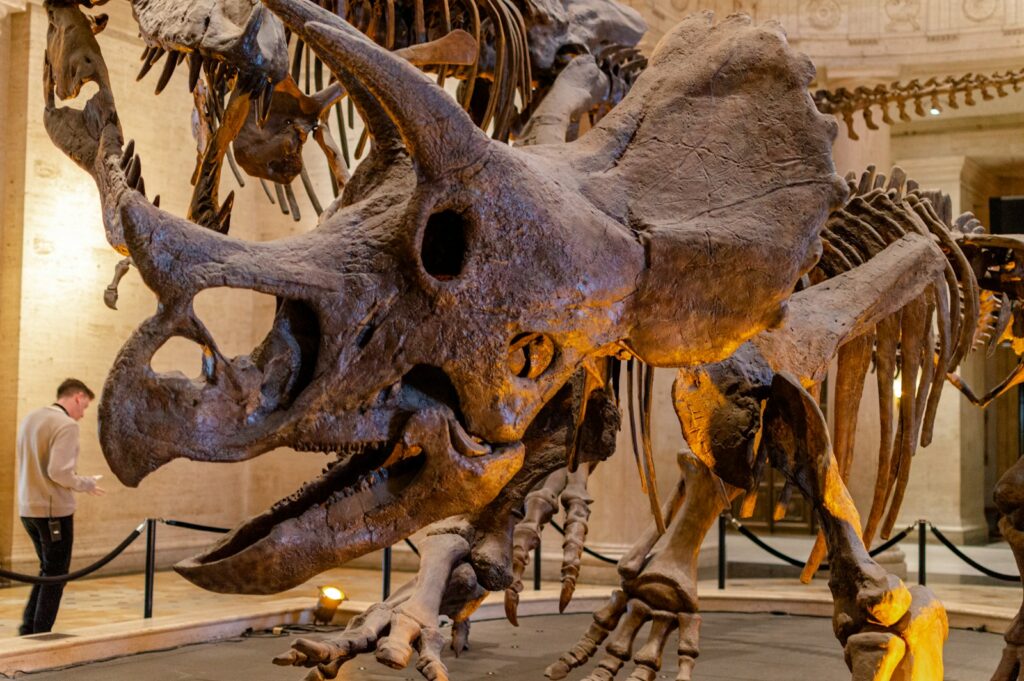
The microscopic structure of dinosaur bones has yielded important clues about seasonal behaviors, including potential migration. Many dinosaur species show evidence of cyclical growth patterns in their bones, with distinct lines of arrested growth (LAGs) indicating seasonal slowdowns in development. These growth rings, similar to those found in trees, suggest dinosaurs experienced significant seasonal variations in resource availability. In some dinosaur populations, researchers have found that these growth patterns synchronize across individuals from the same fossil beds, indicating shared responses to seasonal environmental changes. Notably, some species show evidence of consistent rapid growth during certain seasons, followed by periods of slower growth, a pattern that would align with seasonal migration to more resource-rich environments during particular times of year. This bone evidence, while indirect, supports the hypothesis that at least some dinosaurs altered their behavior and location seasonally.
The Role of Climate in Dinosaur Migration

Climate conditions during the Mesozoic Era (252-66 million years ago) would have significantly influenced dinosaur movement patterns and potentially driven migratory behavior. While the Mesozoic climate was generally warmer than today with less extreme temperature variations between seasons, paleoclimate research indicates that dinosaurs still experienced meaningful seasonal changes, particularly in precipitation patterns and resource availability. High-latitude dinosaur populations faced pronounced seasonal light changes, with long dark winters that would have reduced plant productivity and potentially necessitated southward migrations. Evidence from fossilized soils (paleosols) and plant remains demonstrates that many dinosaur habitats experienced distinct wet and dry seasons, which would have caused dramatic fluctuations in food availability across different regions. These climate-driven resource patterns would have created ecological pressure for seasonal movement, especially for larger dinosaur species that required substantial food intake.
Continental Configurations and Migration Routes

The arrangement of Earth’s continents during the dinosaur era differed dramatically from today’s configuration, creating unique opportunities and challenges for potential long-distance migrations. During the early Mesozoic, most landmasses were joined as the supercontinent Pangaea, which gradually broke apart throughout the dinosaur age. This continental fragmentation created changing patterns of land bridges and barriers that would have influenced migration possibilities. Paleographic reconstructions suggest that during certain periods, dinosaurs could have traveled between what are now separate continents without crossing major oceans. However, as continental drift progressed, emerging seaways would have increasingly restricted intercontinental movement for terrestrial species. Mountain ranges, river systems, and deserts would have further shaped potential migration corridors, funneling dinosaur movements along specific geographic routes. These changing geographic configurations help explain why certain dinosaur groups show regional distribution patterns that evolved.
Migration Patterns in Herbivorous Dinosaurs

Plant-eating dinosaurs likely had compelling ecological reasons to migrate seasonally, making them prime candidates for migratory behavior. Large herbivores like sauropods, hadrosaurs, and ceratopsians consumed enormous quantities of vegetation daily, quickly depleting local plant resources and necessitating movement to fresh feeding grounds. Fossil evidence from multiple herbivore species shows tooth wear patterns and stomach contents indicating seasonal shifts in diet composition, suggesting movement between different plant communities throughout the year. Isotope studies from hadrosaur fossils in Alaska indicate these dinosaurs likely remained in high latitudes during summer months to take advantage of abundant vegetation, but may have moved southward during winter when food became scarce. The discovery of large bone beds containing multiple herbivore individuals suggests these animals may have died during migration events, perhaps while crossing rivers or during harsh weather conditions encountered during seasonal travels.
Predator Migration Following Prey Species
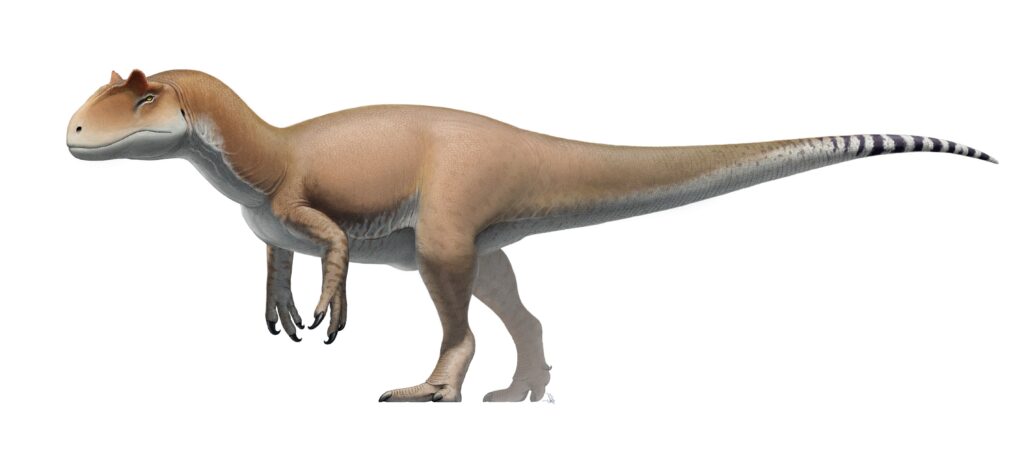
Carnivorous dinosaurs likely adjusted their movements in response to prey availability, potentially following migrating herbivore herds across seasonal ranges. This predator-prey relationship would have created complex ecological dependencies similar to what we observe in modern ecosystems like the Serengeti, where lions and other predators track wildebeest migrations. Fossil discoveries occasionally show associations between particular predator and prey species across different geographic areas, suggesting linked movement patterns. Evidence from theropod dinosaurs like Allosaurus and Tyrannosaurus shows anatomical adaptations for sustained locomotion that would have facilitated long-distance travel in pursuit of prey. Interestingly, smaller predatory dinosaurs might have been more likely to migrate than the very largest carnivores, as the energy economics of migration would have been more favorable for medium-sized hunters. Juvenile specimens of large predator species are sometimes found in different environmental contexts than adults, suggesting possible age-segregated migration patterns within carnivorous dinosaur populations.
Social Structures and Herd Migration

Fossil evidence increasingly suggests many dinosaur species lived in social groups, which would have influenced their migratory behaviors and capabilities. Bone beds containing multiple individuals of the same species, particularly among herbivores like hadrosaurs and ceratopsians, indicate these animals likely traveled in herds similar to modern ungulates. Trackway sites occasionally show numerous footprints of the same species moving in coordinated directions, further supporting herd movement. Social migration would have offered several advantages, including protection from predators, efficient resource location, and enhanced navigation capabilities through collective knowledge. Young dinosaurs born during migration seasons might have benefited from the protection of traveling groups during their vulnerable early months. The discovery of nesting colonies for some dinosaur species suggests these animals may have undertaken seasonal movements between breeding grounds and feeding territories, similar to patterns seen in modern migratory birds.
Altitudinal Migration Versus Continental Migration
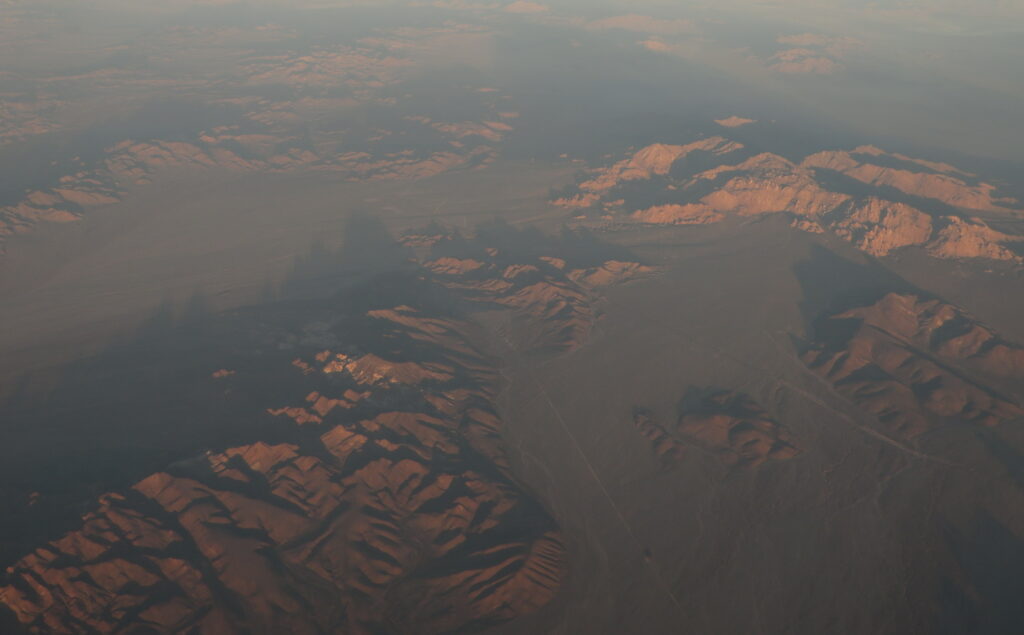
While dramatic cross-continental migrations capture the imagination, evidence suggests many dinosaur species may have engaged in more modest altitudinal migrations—moving up and down elevational gradients with the seasons rather than traveling vast horizontal distances. This pattern, common in modern mountain-dwelling animals, would have allowed dinosaurs to access different food resources as plant communities responded to seasonal temperature changes. Fossil evidence from mountainous regions during the Mesozoic shows dinosaur remains at various elevations, with different species compositions at different heights. Isotope studies occasionally indicate that individual animals moved between highlands and lowlands throughout the year. Altitudinal migration would have required less energy than transcontinental journeys while still providing access to changing food resources. For some dinosaur populations, especially those in tropical regions with minimal temperature seasonality, these vertical migrations may have been more common than long-distance horizontal movements.
Comparison with Modern Migratory Animals

Examining the migratory behaviors of living animals provides valuable context for interpreting potential dinosaur migrations. Birds, the direct descendants of theropod dinosaurs, exhibit some of the most impressive migrations on Earth today, with species like the Arctic Tern traveling over 70,000 kilometers annually. Large terrestrial mammals like wildebeest, caribou, and elephants undertake seasonal migrations spanning hundreds of kilometers, demonstrating that substantial body size doesn’t preclude migratory behavior. Notably, many modern reptiles, though more distantly related to dinosaurs than birds, show limited migratory tendencies, suggesting physiological factors may influence migration capacity. The thermoregulatory abilities of dinosaurs, which likely fell somewhere between modern reptiles and birds, would have significantly affected their migration potential. Many paleontologists now believe that certain dinosaur groups possessed elevated metabolic rates and temperature regulation capabilities that would have facilitated sustained movement across diverse climatic zones.
Technological Advances in Migration Research
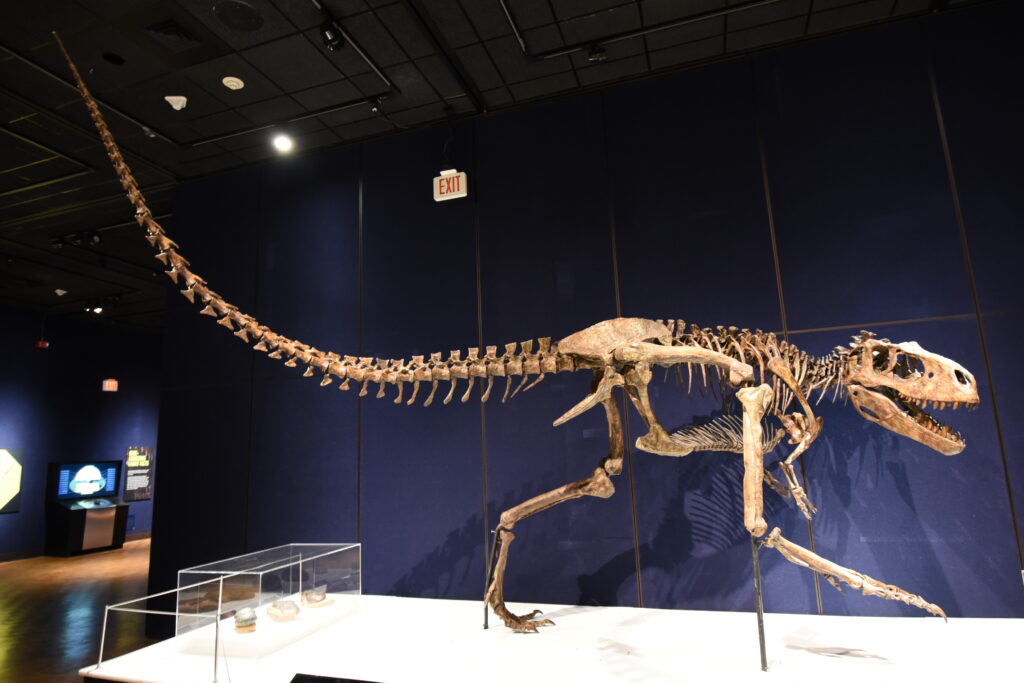
Recent technological breakthroughs have dramatically enhanced scientists’ ability to detect and analyze potential migration patterns in dinosaur fossils. Advanced imaging techniques like synchrotron rapid scanning X-ray fluorescence can map elemental distributions within fossil teeth at microscopic scales, revealing chemical signatures of changing environments encountered during an animal’s life. Increasingly sophisticated computer modeling allows researchers to simulate Mesozoic ecosystems and test hypotheses about resource availability and movement patterns against fossil evidence. DNA and protein recovery from exceptionally preserved dinosaur remains, though still rare, has begun to yield insights into genetic adaptations that might relate to migratory capability. Collaborative international research networks have improved data sharing between fossil sites across continents, making it easier to track potential migration corridors through coordinated analysis. These technological advances have transformed migration studies from speculative to evidence-based, though significant uncertainties remain due to the inherent limitations of the fossil record.
The Ongoing Scientific Debate
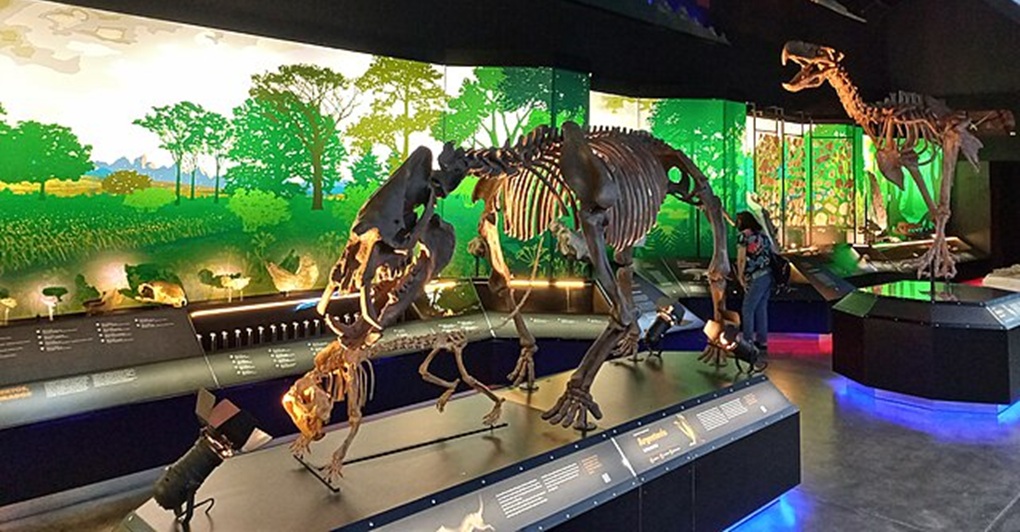
The question of dinosaur migration remains actively debated in paleontological circles, with scientists bringing diverse evidence and perspectives to the discussion. Some researchers emphasize the energetic challenges that long-distance migration would have posed, particularly for larger dinosaur species, arguing that more localized movements represent a likelier scenario. Others point to the substantial body of isotopic, growth pattern, and fossil distribution evidence suggesting that at least some dinosaur groups undertook significant seasonal movements. The debate is further complicated by the vast diversity of dinosaur species across 165 million years of evolution, making generalizations difficult. Most paleontologists now adopt a nuanced view, recognizing that migration behaviors likely varied considerably among different dinosaur groups, with factors like body size, metabolic capability, diet specialization, and environmental context all influencing movement patterns. As new analytical techniques develop and more fossils are discovered, our understanding of dinosaur migration continues to evolve, highlighting the dynamic nature of paleontological research.
Conclusion

The evidence increasingly suggests that at least some dinosaur species did engage in seasonal migrations, though perhaps not all at intercontinental scales. Fossil trackways, isotope analysis, bone growth patterns, and ecological considerations all provide compelling support for seasonal movement patterns in various dinosaur groups. The extent and nature of these migrations likely varied considerably across different species, periods, and geographic contexts. Some species may have undertaken long-distance journeys across what would become different continents, while others made more modest movements between highlands and lowlands or across regional ecosystems. As research techniques continue to advance, our understanding of dinosaur migration behavior grows increasingly sophisticated, revealing these ancient animals as dynamic participants in complex, seasonally changing ecosystems rather than static inhabitants of unchanging prehistoric landscapes.