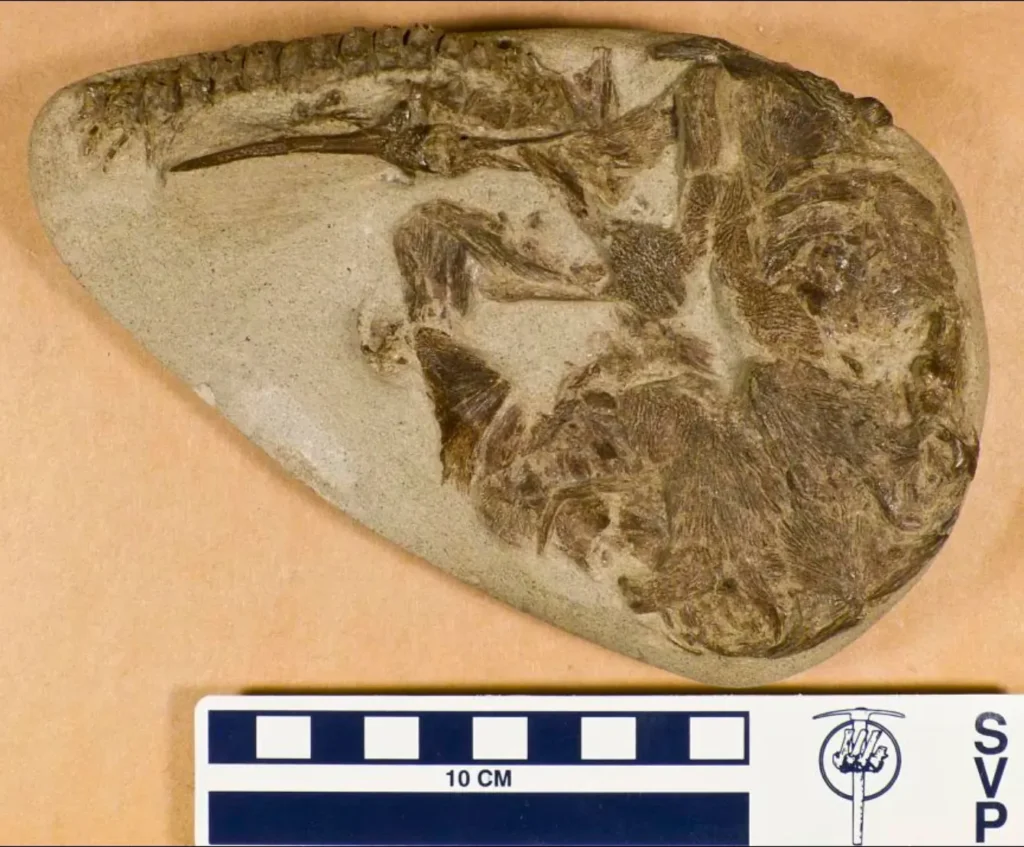
Fossilized bones, teeth, and tracks provide us with windows into the prehistoric world, offering tantalizing glimpses of dinosaur lives that ended millions of years ago. While we can determine much about dinosaur anatomy and habitats from these remains, questions about their behaviors—including whether they migrated—have been more challenging to answer. Recent paleontological discoveries and cutting-edge analytical techniques, however, are beginning to reveal fascinating evidence about dinosaur movement patterns. This article explores what we currently know about dinosaur migration, the evidence supporting these theories, and how modern science continues to unravel the mysteries of these magnificent creatures’ travels across ancient landscapes.
The Migration Question: Did Dinosaurs Travel Seasonally?
The question of whether dinosaurs migrated has intrigued paleontologists for decades, representing one of the many behavioral mysteries surrounding these ancient creatures. Migration—the seasonal movement of animals between different regions—is common among many modern species, particularly birds (the living descendants of dinosaurs), mammals, and some reptiles. These journeys are typically driven by changing environmental conditions, food availability, or breeding requirements. For dinosaurs, which existed in a variety of climatic conditions over their 165-million-year reign, similar pressures may have prompted regular seasonal movements. However, unlike directly observable modern animal behavior, dinosaur migration patterns must be inferred from fossil evidence, making this area of study particularly challenging but increasingly revealing as new techniques emerge to analyze ancient remains.
Fossil Distribution Patterns as Migration Clues
One of the primary lines of evidence for dinosaur migration comes from analyzing the geographical distribution of fossil specimens belonging to the same species. When paleontologists discover identical species in locations separated by significant distances, it suggests these animals had extensive ranges and the potential for migratory behavior. For example, fossils of Centrosaurus and other ceratopsians have been found across broad regions of western North America, indicating these animals may have traveled considerable distances. Similarly, the presence of certain hadrosaur species across wide latitudinal ranges suggests these “duck-billed” dinosaurs potentially engaged in north-south migrations as seasons changed. These distribution patterns, while not conclusive proof of migration on their own, provide important spatial evidence that supports the possibility of regular dinosaur movements between distant territories during different times of the year.
Isotopic Analysis: Reading Ancient Migration Records

Modern paleontology has embraced sophisticated chemical analysis techniques that reveal previously hidden information about dinosaur lifestyles. Isotopic analysis of fossil teeth and bones has emerged as a particularly powerful tool for tracking ancient migrations. This technique examines the ratios of various isotopes, such as oxygen, carbon, and strontium, which vary by geographic location and are incorporated into an animal’s tissues as it feeds and drinks. When an animal moves between regions with different isotopic signatures, these changes become recorded in its growing tissues, creating a chemical “diary” of its movements. Studies of hadrosaur teeth, for instance, have revealed changing isotopic patterns consistent with seasonal migrations between coastal lowlands and interior highlands. Similarly, analysis of sauropod teeth has indicated potential movement patterns between different feeding grounds. These chemical signatures provide some of the most compelling evidence for dinosaur migration, offering a way to trace prehistoric movements that would otherwise remain invisible in the fossil record.
Growth Rings in Bones: Seasonal Movement Indicators

Just as trees grow rings that reflect seasonal changes, dinosaur bones often contain growth lines that record periods of abundance and scarcity. These histological features, visible under microscopic examination of thin bone sections, appear as alternating light and dark bands that form as bone growth slows during resource-limited periods and accelerates during favorable conditions. In some dinosaur species, these growth patterns show evidence of regular seasonal stress that might be associated with migratory behavior. For example, studies of Maiasaura, a duck-billed dinosaur from Montana, reveal distinct growth lines suggesting these animals experienced predictable seasonal changes in their environment. While these growth patterns alone don’t prove migration, they align with the hypothesis that some dinosaurs may have traveled to avoid seasonal resource scarcity, similar to how modern migratory animals move to access food supplies that vary with the seasons.
Trackway Evidence: Footprints Pointing to Movement Patterns

Fossil footprints, or trackways, provide rare but valuable insights into dinosaur movement patterns and potential migrations. Unlike isolated skeletal remains, trackways capture moments of dinosaur behavior, showing direction of travel, speed, and whether animals moved individually or in groups. Particularly significant are extensive trackway sites that show large numbers of the same species moving in a consistent direction, suggesting coordinated group travel. In the western United States, some hadrosaur and sauropod trackways extend for considerable distances in single directions, potentially indicating the beginning of migratory journeys. Similarly, trackways in Europe and Asia sometimes reveal evidence of dinosaurs moving parallel to ancient shorelines or along specific geographical corridors. These prehistoric “highways” offer compelling physical evidence of dinosaur movement patterns, though distinguishing regular seasonal migration from other types of movement remains challenging without additional contextual evidence.
Herd Behavior and the Migration Connection

The social structure of dinosaur species likely played a significant role in their movement patterns and potential migratory behavior. Fossil evidence has firmly established that many dinosaur species lived and traveled in herds, a behavior that often correlates with migratory lifestyles in modern animals. Mass bone beds containing hundreds or thousands of individuals of the same species—such as those found for Centrosaurus in Alberta, Canada, or Maiasaura in Montana—suggest these animals lived in large social groups. These assemblages sometimes include individuals of various ages, indicating family groups that traveled together. The energetic advantages of group migration are considerable, as seen in modern birds and mammals that migrate in flocks or herds. Leading individuals break wind resistance, navigation becomes more accurate through collective decision-making, and predator protection improves. The extensive evidence for herding behavior among many dinosaur species thus strengthens the case that these animals may have undertaken regular seasonal migrations as cohesive social units.
Climate Factors and Seasonal Pressures

The paleoclimate of the Mesozoic Era presented dinosaurs with environmental challenges that may have necessitated seasonal movements. Though generally warmer than today’s world, the Mesozoic still experienced seasonal variations, particularly in regions farther from the equator. Evidence from plant fossils, ancient soils, and geological indicators reveals that many dinosaur habitats experienced wet and dry seasons or temperature fluctuations throughout the year. These seasonal changes would have affected food availability, water access, and nesting conditions—the same factors that drive migration in modern animals. Late Cretaceous environments in western North America, for instance, experienced pronounced dry seasons that would have limited plant growth in certain regions, potentially prompting herbivorous dinosaurs to travel in search of greener pastures. Similarly, evidence suggests that polar regions experienced months of darkness during the winter, likely creating food scarcity that might have driven dinosaurs to migrate toward the equator during the colder months, similar to the patterns observed in many modern migratory birds.
Energy Requirements and Migration Feasibility

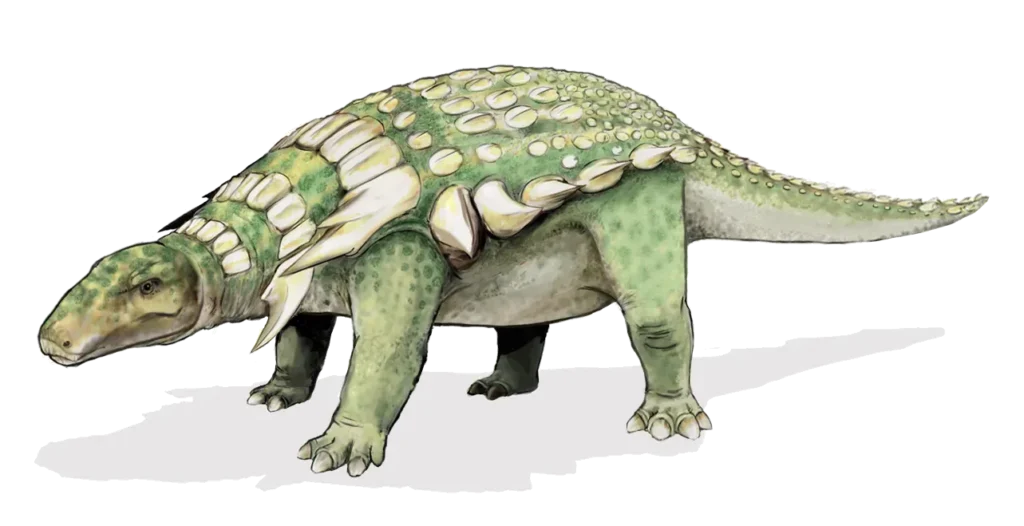
The enormous size of many dinosaur species raises important questions about the energetic feasibility of long-distance migration. Massive sauropods like Argentinosaurus, weighing up to 70 tons, would have required tremendous energy expenditure to travel long distances, leading some researchers to question whether true migration was possible for the largest dinosaurs. However, recent studies on dinosaur metabolism suggest many species, particularly theropods and some ornithischians, had relatively high metabolic rates more similar to modern birds and mammals than to reptiles. This elevated metabolism would have provided the sustained energy necessary for long journeys. Additionally, paleontologists have noted that even modern elephants, weighing up to 6 tons, successfully migrate seasonal distances of hundreds of kilometers. The biomechanics of large dinosaur locomotion, with efficient weight distribution and movement patterns, may have made migration more energetically feasible than initially assumed. Different dinosaur groups likely had varying migratory capacities, with more nimble theropods potentially covering greater distances than heavier sauropods or armor-bearing ankylosaurs.
Case Study: Hadrosaur Migration Evidence

Duck-billed dinosaurs (hadrosaurs) have provided some of the most compelling evidence for dinosaur migration. These herbivorous ornithopods were abundant during the Late Cretaceous period and left behind numerous fossils that suggest migratory behavior. A particularly notable study examined hadrosaur teeth from the Two Medicine Formation in Montana, using oxygen isotope analysis to reveal seasonal movements between coastal lowlands and interior highlands. The isotopic signatures showed regular patterns consistent with animals that spent part of the year feeding in one region before moving to another as seasons changed. Additionally, hadrosaur fossils found in Alaska’s North Slope, which experienced months of winter darkness, have prompted theories that these dinosaurs either migrated south during winter or developed special adaptations for polar living. The discovery of juvenile hadrosaurs in high-latitude regions suggests that some species at least remained long enough to establish nesting grounds, though they may have migrated during the harshest months. The combination of isotopic evidence, geographic distribution, and ecological considerations makes hadrosaurs one of the strongest candidates for having exhibited true migratory behavior among dinosaurs.
Comparing Modern Animal Migrations to Dinosaur Evidence

Modern migratory patterns offer valuable frameworks for interpreting potential dinosaur migrations. Contemporary birds—the living descendants of theropod dinosaurs—undertake some of the most impressive migrations on Earth, with Arctic terns traveling over 44,000 miles annually between Arctic and Antarctic regions. Large mammals like caribou and wildebeest migrate hundreds of miles following seasonal resource availability. These modern examples demonstrate how migration can be an effective adaptation to seasonal environmental changes. The parallels between modern migratory species and dinosaurs extend beyond their shared challenges. Many migratory birds and mammals travel in flocks or herds, just as fossil evidence suggests many dinosaurs moved in groups. They follow established routes determined by geographical features like rivers, coastlines, and mountain passes—similar to the dinosaur trackway patterns discovered by paleontologists. Modern migrations are often timed to breeding seasons and resource availability, considerations that would likely have affected dinosaurs as well. These comparative insights help paleontologists develop testable hypotheses about dinosaur movement patterns, creating bridges between observable present-day behaviors and the mysterious lives of prehistoric creatures.
Technological Advances in Migration Research
Recent technological innovations have revolutionized the study of dinosaur migration, allowing paleontologists to extract previously unobtainable information from fossil remains. Advanced imaging techniques, including CT scanning and synchrotron radiation analysis, can reveal microscopic structures within fossils without destroying valuable specimens. These methods have enhanced our ability to examine growth lines in bones and teeth that might indicate seasonal stress associated with migration. Increasingly sophisticated chemical analyses can now detect minute variations in isotope ratios, providing detailed records of ancient diets and movements. Laser ablation techniques allow scientists to sample tiny sections of teeth, creating sequential records of isotopic changes throughout an animal’s life that might correlate with seasonal movements. Computer modeling has also become an important tool, enabling researchers to simulate the energetic costs of migration for different dinosaur species based on their estimated metabolic rates, body mass, and locomotion styles. These models help determine which dinosaur groups could realistically have undertaken long-distance seasonal migrations and which might have been more sedentary or made only shorter seasonal movements.
Dinosaur Navigational Abilities: How Did They Find Their Way?

If dinosaurs did migrate seasonally, they would have needed sophisticated navigational abilities to find their way across vast distances. While direct evidence of dinosaur navigational mechanisms remains elusive, their descendant group—birds—offers intriguing possibilities. Modern birds use multiple navigational systems, including sensing Earth’s magnetic field, recognizing celestial patterns, identifying landmarks, and detecting infrasound. Given the evolutionary relationship between birds and theropod dinosaurs, it’s reasonable to hypothesize that some dinosaurs might have possessed similar capabilities. The dinosaur brain, particularly in theropods, shows neuroanatomical similarities to bird brains in regions associated with sensory processing. Some paleontologists speculate that dinosaurs might have used visual landmarks like mountain ranges or coastlines to navigate, much as many modern migratory animals do. Alternatively, they might have relied on inherited knowledge of migration routes passed down through generations, with experienced individuals leading herds along traditional pathways. While these ideas remain speculative, they represent plausible mechanisms that would have enabled dinosaurs to navigate seasonal journeys across prehistoric landscapes.
The Evolutionary Significance of Dinosaur Migration
Migration behaviors, if confirmed in dinosaurs, would have had profound evolutionary implications for these ancient reptiles. Migratory capabilities might explain how certain dinosaur species achieved such widespread geographic distributions despite environmental barriers. The ability to avoid seasonal resource scarcity through migration could have contributed to the remarkable 165-million-year success story of dinosaurs as a group, allowing them to exploit a wider range of habitats than would otherwise have been possible. Migration might also have influenced dinosaur social structures, favoring the evolution of herd behaviors and communication systems necessary for coordinated group travel. Additionally, seasonal movements would have affected predator-prey dynamics, with predatory dinosaurs potentially following herbivore migrations or developing their migratory patterns to track prey availability. From an evolutionary perspective, if migration was indeed common among dinosaurs, it represents a behavioral adaptation that likely developed early in dinosaur evolution and was inherited by their avian descendants, who display some of the most impressive migratory behaviors of any modern animals.
Ongoing Mysteries and Future Research Directions

Despite significant advances in our understanding of potential dinosaur migrations, many questions remain unanswered and await future research. Scientists continue to debate which dinosaur groups were most likely to have migrated, how far they typically traveled, and whether migrations occurred annually or in response to longer-term climate shifts. The specific routes taken by potentially migratory dinosaurs remain largely unknown, though continuing discoveries of trackways may eventually reveal prehistoric migratory corridors. Researchers are also investigating potential differences between migration patterns in the earlier Jurassic period versus the later Cretaceous, when flowering plants emerged and transformed terrestrial ecosystems. Promising avenues for future research include more extensive isotopic sampling across wider geographic ranges, further development of computer models simulating dinosaur movements, and integration of paleoclimatic data to better understand the environmental pressures that might have driven migration. Each new fossil discovery adds pieces to this complex puzzle, gradually revealing a more complete picture of how dinosaurs moved across ancient landscapes in response to their ever-changing world.
Conclusion

The question of dinosaur migration represents one of paleontology’s most fascinating frontiers, where modern scientific techniques meet ancient mysteries. While definitive proof of regular, seasonal migrations remains elusive, the accumulating evidence—from isotopic analyses and bone growth patterns to fossil distributions and trackways—increasingly suggests that at least some dinosaur species undertook significant seasonal journeys. These prehistoric travels would have been driven by the same factors that motivate modern animal migrations: changing food availability, breeding requirements, and climate fluctuations. As research techniques continue to advance, our understanding of dinosaur movements will undoubtedly become more refined. What remains clear is that dinosaurs were not static inhabitants of unchanging environments but dynamic creatures responding to seasonal challenges through various behavioral adaptations—potentially including some of the most impressive migrations in Earth’s history.