The mystery of how dinosaurs managed their skin renewal has fascinated paleontologists for decades. As these magnificent creatures left our planet approximately 66 million years ago, they took many secrets with them, including the specifics of their skin maintenance. The question of whether dinosaurs shed their skin like modern reptiles or molted like their avian descendants presents a fascinating window into prehistoric life cycles. By examining fossil evidence, studying living relatives, and applying our understanding of evolution, scientists have made remarkable progress in uncovering this aspect of dinosaur biology. Let’s explore what we know about dinosaur skin renewal and how it compares to the processes we observe in animals today.
The Evolutionary Context of Dinosaurs

Dinosaurs occupied a pivotal position in evolutionary history, bridging ancient reptiles and modern birds. These creatures first appeared during the Triassic period around 230 million years ago and diversified into numerous species throughout the Mesozoic Era. Understanding their place in the evolutionary tree is crucial to interpreting their biological processes, including skin renewal. Dinosaurs were not the cold-blooded, slow-moving reptiles once portrayed in early scientific literature, but rather a diverse group that included both endothermic (warm-blooded) and ectothermic (cold-blooded) species. This diversity in metabolic strategies suggests that skin renewal processes might have varied significantly across different dinosaur lineages. The evolutionary relationship between dinosaurs and modern birds—with birds being direct descendants of theropod dinosaurs—provides important clues about the skin maintenance strategies these prehistoric animals might have employed.
What Fossil Evidence Tells Us About Dinosaur Skin

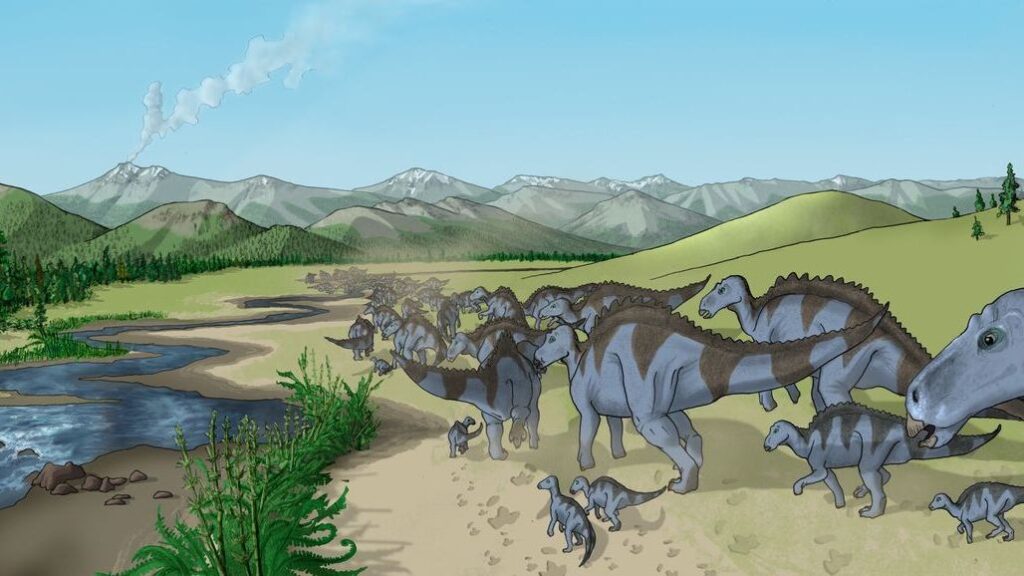
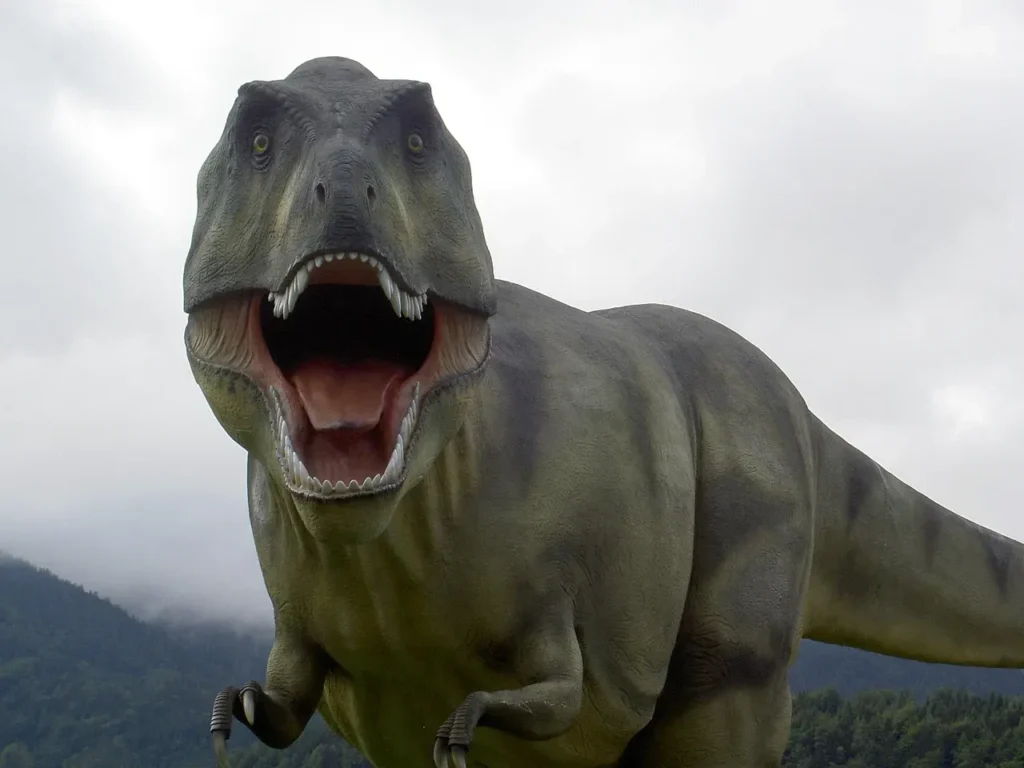
Fossilized dinosaur skin impressions provide our most direct evidence about their skin characteristics and possible renewal processes. These rare findings offer glimpses of skin texture, patterns, and structures from various dinosaur species. Notable examples include the “mummified” duck-billed hadrosaurs, which preserved remarkable skin impressions showing complex patterns of scales and tubercles. The ceratopsian Psittacosaurus also left behind exceptional skin fossils that reveal details about pigmentation and scale arrangement. Interestingly, some tyrannosaur fossils show evidence of specialized scales and possible feather-like structures. These fossilized skin impressions, while informative about texture and appearance, rarely capture evidence of active molting or shedding. However, microscopic examination of these remains can reveal subtle clues about skin growth patterns and renewal strategies, helping scientists piece together how dinosaurs might have maintained their skin.
The Reptilian Model: How Modern Reptiles Shed Their Skin

Modern reptiles employ a process called ecdysis, where the entire outer skin layer is shed periodically as a single piece or in large fragments. Snakes are perhaps the most dramatic example, often shedding their skin in one complete piece, while lizards typically shed in patches. This process is hormonally controlled and begins with the separation of the old outer skin layer (epidermis) from the new one forming beneath it. Fluid fills the space between these layers, helping to separate them. The reptile then rubs against rough surfaces to create a tear in the old skin and carefully works to remove it. This shedding process allows reptiles to accommodate growth, remove parasites, and repair damaged skin. Since many early dinosaurs retained reptilian characteristics, some paleontologists have suggested that at least the more basal dinosaur species might have employed similar shedding methods, particularly among the more reptile-like lineages.
The Avian Connection: Bird Molting Patterns
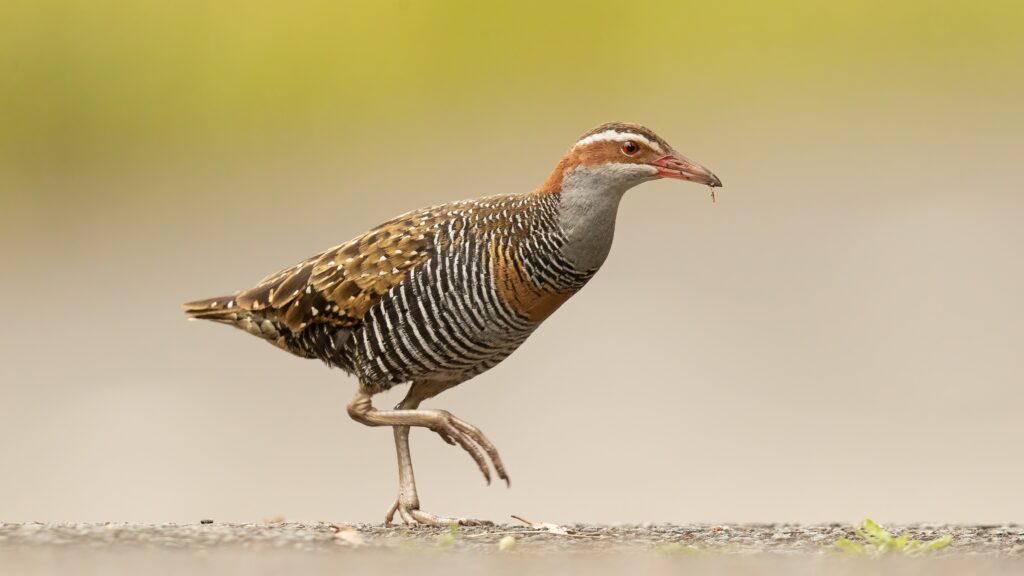
Birds, the direct descendants of dinosaurs, employ a different strategy for renewing their external covering. Unlike reptiles that shed their skin, birds molt their feathers in a carefully choreographed process that ensures they maintain flight capability while replacing worn plumage. Most birds undergo periodic molts where they gradually replace feathers in a symmetrical pattern rather than all at once. This process can take weeks or months to complete, allowing birds to maintain enough feathers for flight and insulation throughout the molting period. The molting process is energetically demanding, requiring significant protein resources to grow new feathers. Given the now-established evolutionary connection between birds and theropod dinosaurs, many scientists believe that feathered dinosaurs likely followed molting patterns similar to modern birds. This connection provides a crucial window into understanding how at least some dinosaur lineages—particularly those closest to the bird evolutionary branch—might have managed their external coverings.
Feathered Dinosaurs and Their Skin Renewal
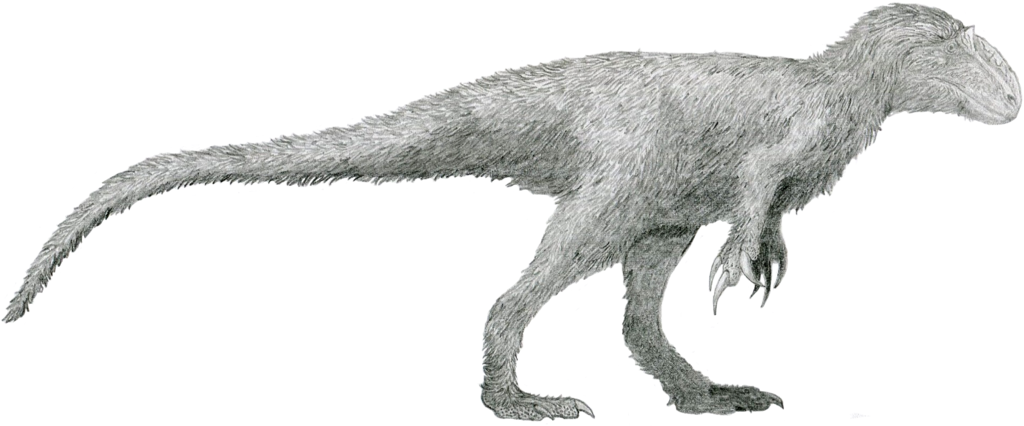
The discovery of numerous feathered dinosaur fossils has revolutionized our understanding of dinosaur appearance and biology. Species like Microraptor, Sinornithosaurus, and Yutyrannus have preserved clear evidence of feather structures ranging from simple filaments to complex flight feathers. These feathered dinosaurs almost certainly molted their feathers rather than shedding them with skin, similar to their avian descendants. Evidence from exceptionally preserved specimens shows growth patterns consistent with periodic replacement rather than simultaneous shedding. Some fossils even appear to capture dinosaurs in the midst of molting, with partially replaced feather coverings. The presence of molting in these feathered dinosaurs suggests that the avian-style renewal process evolved early in the theropod lineage, well before the emergence of true birds. This evidence strongly indicates that feathered dinosaurs would have followed molting patterns more similar to birds than the ecdysis seen in reptiles, at least for their feathered body parts.
Scale-Covered Dinosaurs: Different Mechanisms?
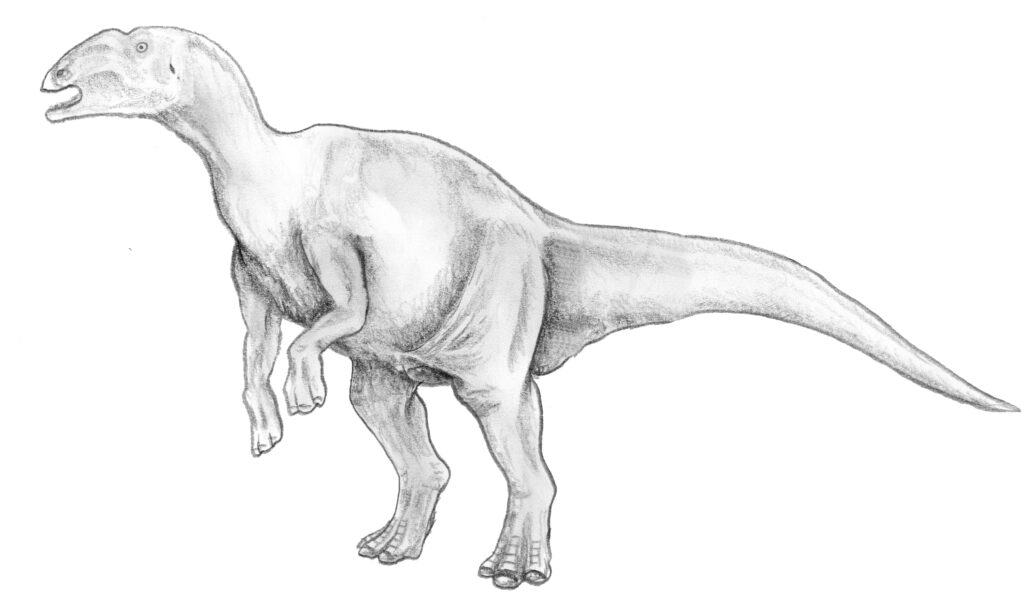
Not all dinosaurs possessed feathers, and many species were predominantly covered in scales. Evidence from hadrosaurs, ceratopsians, and sauropods shows extensive scale coverage with complex patterns and arrangements. These scales likely developed differently from the smooth, flexible scales of snakes and many lizards. Dinosaur scales appear to have been more similar to the scales found on bird legs or the scutes of crocodilians. For these scale-covered dinosaurs, skin renewal might have involved a process different from both complete reptilian shedding and avian molting. Microscopic examination of fossilized dinosaur skin suggests that many species may have shed their scales individually or in small patches rather than as a complete layer. This method would allow for continuous renewal without compromising the protective function of the skin. The varied skin coverings across different dinosaur lineages—from heavily armored ankylosaurs to lightly scaled ornithopods—likely required different renewal strategies adapted to their specific needs and environments.
The Metabolic Factor: How Energy Needs Influenced Skin Renewal

Dinosaur metabolism plays a crucial role in understanding their skin renewal processes. The energy requirements and growth patterns associated with different metabolic strategies would have significantly influenced how and when dinosaurs renewed their skin. Evidence increasingly suggests that many dinosaur lineages, particularly theropods and some ornithischians, had elevated metabolic rates more similar to birds than reptiles. These “warm-blooded” dinosaurs would have required more efficient and continuous skin renewal processes to match their higher growth rates and activity levels. Conversely, larger sauropods might have employed more reptilian growth patterns with periodic episodes of more extensive skin renewal. The timing of skin shedding or molting would also have been influenced by seasonal changes, with evidence suggesting that even dinosaurs in relatively stable tropical environments experienced some seasonal variation in growth and skin renewal. The metabolic demands of producing new skin or feathers would have required significant nutritional resources, potentially influencing feeding behavior during these periods.
Paleoenvironmental Influences on Dinosaur Skin Renewal

The diverse environments inhabited by dinosaurs likely influenced their skin renewal strategies. Dinosaurs lived across various habitats, ranging from humid tropical forests to arid deserts and seasonal temperate regions. These environmental conditions would have imposed different demands on skin function and maintenance. Desert-dwelling dinosaurs might have developed more water-efficient skin renewal processes, perhaps shedding less frequently but more completely when they did. Conversely, dinosaurs in humid environments might have needed more frequent renewal to combat fungal and bacterial growth on their skin. Seasonal changes in temperature and resource availability would have also influenced the timing of skin renewal, potentially triggering synchronized shedding or molting events within populations. Fossil evidence occasionally shows preservation of multiple dinosaur specimens from the same species at similar growth stages, suggesting some synchronization of life cycle events, including potential skin renewal periods. These environmental adaptations would have contributed to the diverse skin renewal strategies across different dinosaur lineages.
Dinosaur Growth Patterns and Skin Elasticity
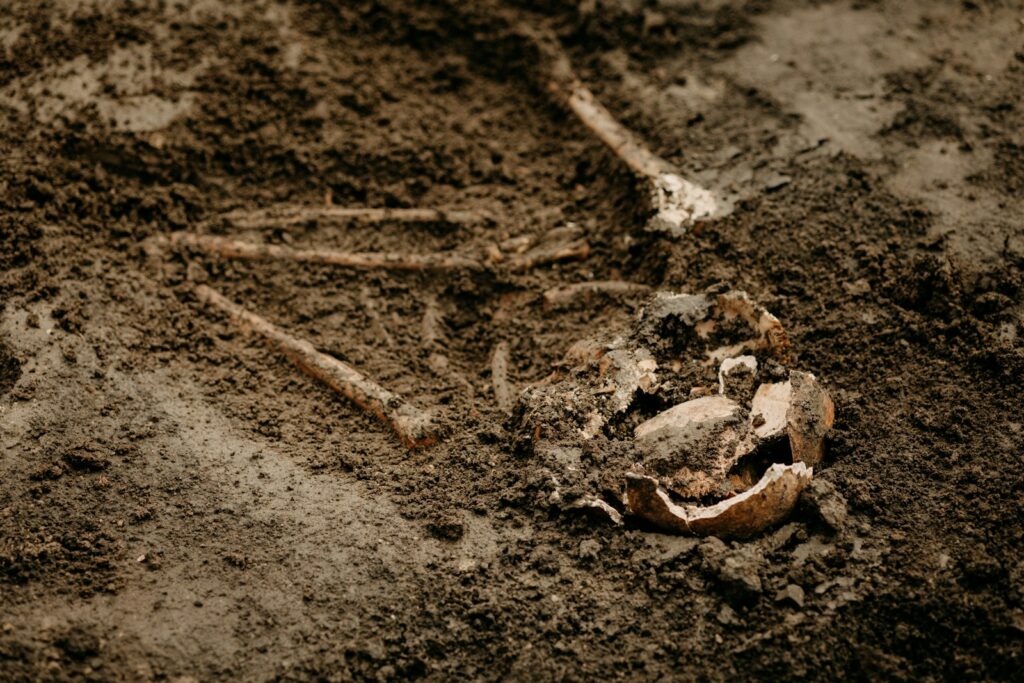
The remarkable growth rates observed in many dinosaur species would have required specialized skin adaptation and renewal strategies. Studies of dinosaur bone histology reveal that many species experienced rapid growth during juvenile stages, sometimes adding thousands of pounds in a single year. This rapid growth would have placed significant demands on skin elasticity and renewal processes. Unlike snakes that shed their entire skin to accommodate growth, evidence suggests most dinosaurs employed more continuous renewal strategies. Some dinosaur skin fossils show evidence of micro-structures that would have allowed for considerable stretching during growth phases. For rapidly growing juveniles, skin renewal likely occurred more frequently than in adults, similar to patterns observed in modern reptiles and birds. Once reaching adult size, the renewal process might have shifted focus from accommodation of growth to repair and maintenance functions. The varied growth rates among dinosaur lineages—from the explosive growth of some theropods to the more measured development of larger sauropods—almost certainly translated to different skin renewal strategies across the dinosaur family tree.
Comparison with Crocodilians: Our Closest Living Comparison
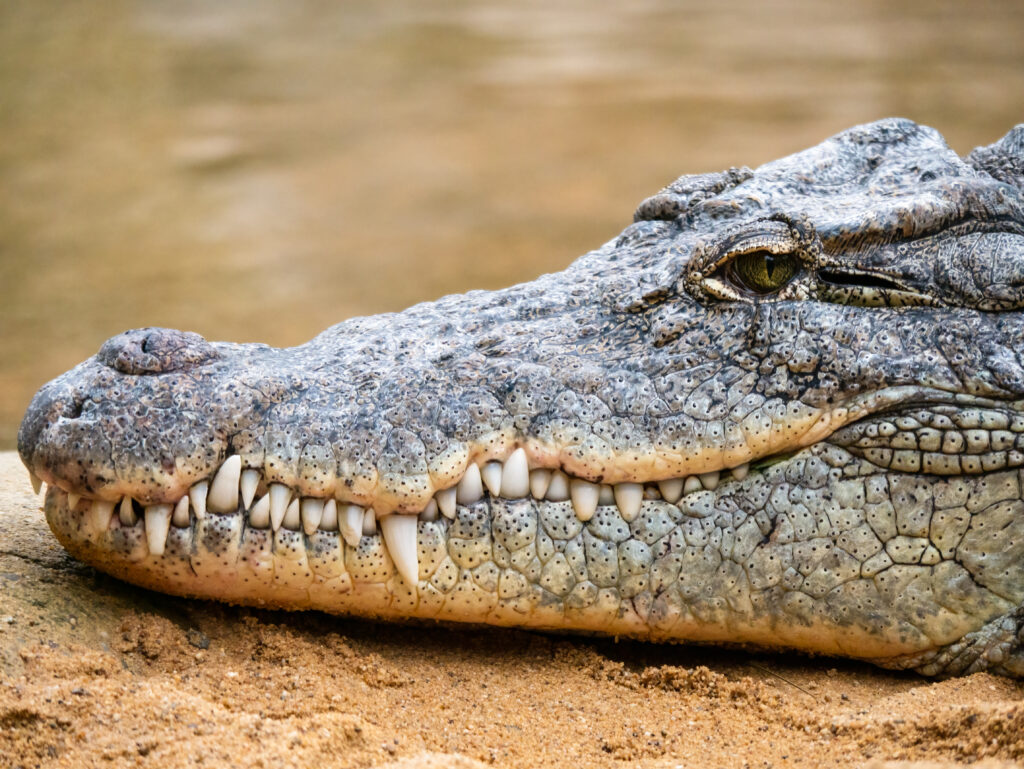
Crocodilians (crocodiles, alligators, and their relatives) represent the closest living relatives to dinosaurs aside from birds, making their skin renewal processes particularly relevant to understanding dinosaur biology. Unlike snakes, crocodilians do not shed their skin as a single unit but instead continuously replace individual scales or small patches throughout their lives. This more gradual renewal process allows them to maintain their protective armor while accommodating growth. The thick, keratinized scutes of crocodilians bear some similarities to the scale structures observed in many dinosaur fossils. Crocodilian skin also shows regional specialization, with different renewal patterns on their dorsal shields compared to more flexible ventral and limb areas. This pattern of regional specialization was likely present in dinosaurs as well, with different body regions potentially employing different renewal strategies. Given their shared ancestry and some similarities in scale structure, the crocodilian model of continuous, localized renewal may be particularly relevant for understanding how the more heavily armored or scaled dinosaur species maintained their skin.
Functional Advantages: Why Different Renewal Methods Evolved
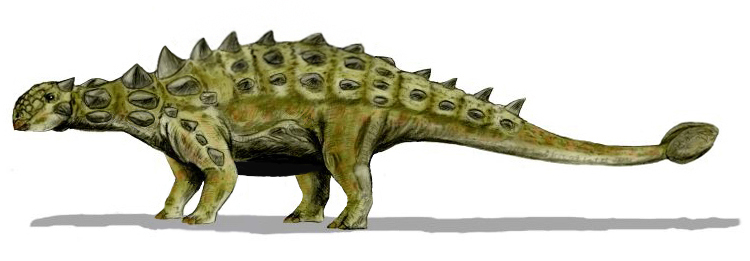
The evolution of different skin renewal strategies across dinosaur lineages reflects adaptation to varied ecological niches and physiological demands. For active, predatory theropods, continuous renewal rather than complete shedding would have maintained optimal sensory perception and mobility at all times. Complete shedding, as seen in snakes, might have left dinosaurs temporarily vulnerable or impaired, a significant disadvantage for predators or prey species. For feathered dinosaurs, sequential molting provided the advantage of maintaining insulation and display capabilities throughout the renewal process. The heavily armored dinosaurs, like ankylosaurs and stegosaurs, would have benefited from renewal processes that maintained their defensive capabilities without compromising protection. Dinosaurs with highly specialized skin structures, such as the sail-backed Spinosaurus or the crested hadrosaurs, likely employed renewal strategies that preserved these specialized features while allowing for maintenance and growth. These functional considerations suggest that dinosaurs evolved a spectrum of skin renewal strategies optimized for their specific ecological roles and physiological requirements, rather than following a single reptilian or avian model.
Modern Scientific Techniques Revealing New Insights
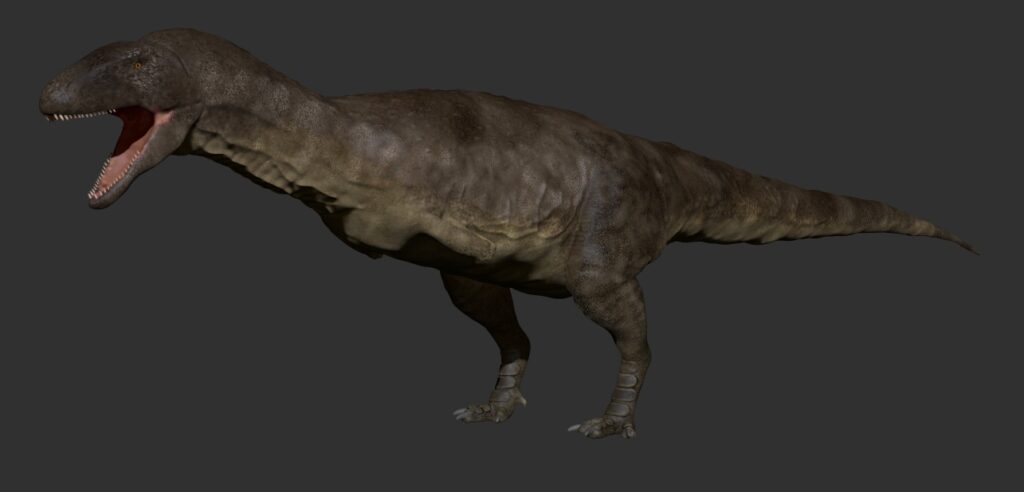
Advances in paleontological techniques are continuously enhancing our understanding of dinosaur skin biology. Electron microscopy now allows scientists to examine fossilized skin at the cellular level, revealing microscopic structures and growth patterns invisible to previous generations of researchers. Chemical analysis can detect traces of proteins and other compounds that provide clues about skin composition and function. Sophisticated imaging technologies like synchrotron radiation and CT scanning permit non-destructive examination of fossils, revealing internal structures and preservation details that help reconstruct skin renewal processes. Comparative studies using developmental biology and genetics in modern birds and reptiles provide frameworks for interpreting fossil evidence in an evolutionary context. Computer modeling can simulate how different skin structures would have performed under various conditions, helping to test hypotheses about dinosaur skin function and renewal. These technological advances, combined with new fossil discoveries, continue to refine our understanding of how dinosaurs maintained their skin, gradually filling in this fascinating aspect of prehistoric life.
Synthesis: The Most Likely Scenario for Dinosaur Skin Renewal

Integrating the available evidence points toward dinosaurs employing diverse skin renewal strategies that combined elements of both reptilian and avian processes, tailored to their specific lineages and needs. Most evidence suggests that non-avian dinosaurs did not shed their entire skin simultaneously as snakes do, instead employing more gradual, regional renewal patterns. Feathered dinosaurs almost certainly molted their feathers sequentially like modern birds, particularly for species where flight or display played important roles. Heavily scaled or armored dinosaurs likely replaced their scales individually or in small sections, similar to modern crocodilians, maintaining protection while accommodating growth. Different body regions probably employed different renewal strategies, with more specialized structures like crests, frills, and armor following distinct renewal patterns from the general body covering. Renewal cycles are likely synchronized with seasonal changes and life stages, with more frequent renewal during rapid growth phases. This mosaic of renewal strategies reflects the evolutionary position of dinosaurs between reptiles and birds, as well as their remarkable diversity and specialization across different ecological niches. The most accurate view sees dinosaur skin renewal not as exclusively reptilian or avian, but as a diverse spectrum of strategies that foreshadowed the specializations seen in their modern descendants.
Conclusion

The question of whether dinosaurs shed like snakes or molted like birds ultimately has no single answer. Instead, the evidence reveals a complex picture where different dinosaur groups employed varied strategies along a spectrum between reptilian and avian approaches. Feathered theropods likely followed patterns similar to their bird descendants, while heavily armored or scaled species may have used methods more akin to modern crocodilians, with continuous, localized renewal. This diversity of skin maintenance strategies reflects the extraordinary adaptability and evolutionary innovation that characterized dinosaurs throughout their 165-million-year reign. As paleontological techniques continue to advance, we can look forward to even greater insights into this fascinating aspect of prehistoric life, further illuminating the biology of these remarkable animals that continue to capture our imagination across the vast gulf of time.