Close your eyes for a second and picture a T. rex. You probably hear it too, that deep, gut-shaking roar that practically rattles your ribcage. It’s one of the most iconic sounds in cinema history, and it has shaped how nearly every person on Earth imagines the prehistoric world. The thing is, science is now telling us it almost certainly never happened that way.
What if dinosaurs didn’t roar at all? What if they cooed, boomed, chirped, or hummed in ways we’ve only just begun to understand? The latest research in paleontology is overturning decades of assumptions, and the story of how these ancient giants actually sounded is far stranger and more fascinating than Hollywood ever imagined. Let’s dive in.
The Roar That Wasn’t: How Hollywood Got It Wrong
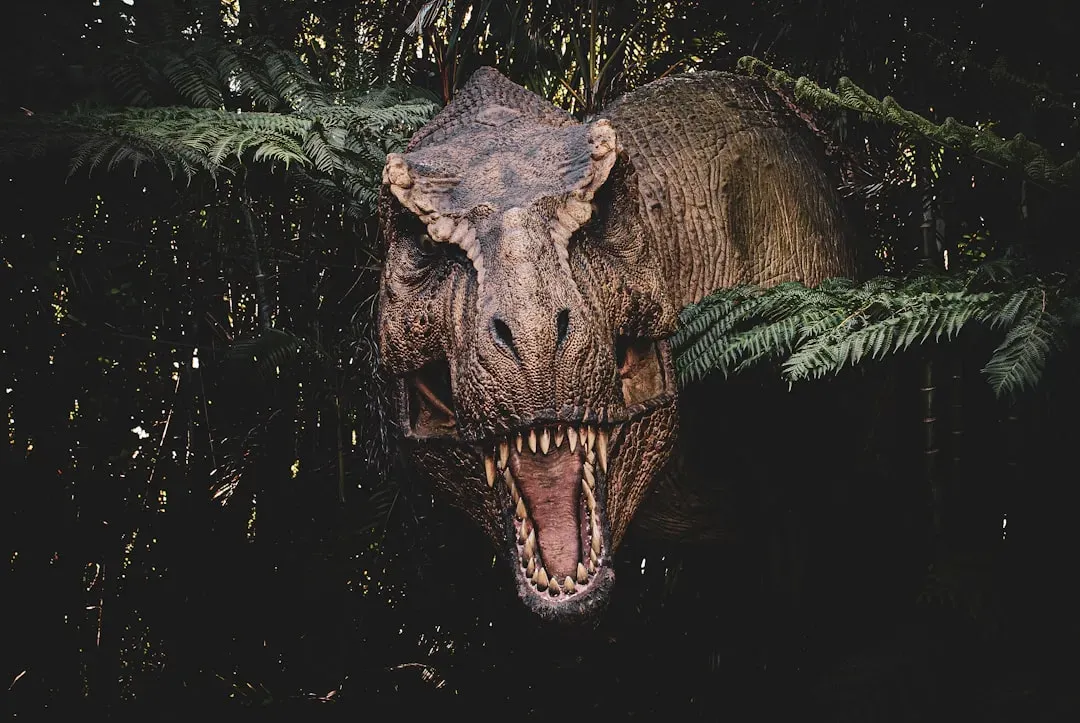
For thirty years, the sound of a dinosaur has essentially been the sound of a baby elephant mixed with an alligator and a tiger. That roar that shook theaters in 1993 became the default setting for an entire prehistoric world, echoed across documentaries, theme parks, and children’s toys until it settled into collective memory as fact. Honestly, it’s one of pop culture’s most convincing lies.
Paleontologists spent those same three decades trying to correct the record. The problem was always the evidence: vocal cords, larynxes, and soft tissues decompose, leaving only bones and teeth for scientists to interpret. Without direct fossil evidence, the debate over dinosaur sounds remained speculative, a battle between anatomical inference and Hollywood’s persuasive power. Think about that. The roar you grew up believing was never based on a single confirmed fossil. Not one.
What Fossils Actually Tell You About Dinosaur Voices
Most creatures, including humans, vocalize using softer organs and membranes that tend to decompose instead of entering into the fossil record. Parasaurolophus is a rarity in this regard, as no other animal has been known to dedicate so much hard, fossil-friendly tissue to making noise. This rarity is exactly why progress in this field has been so painfully slow.
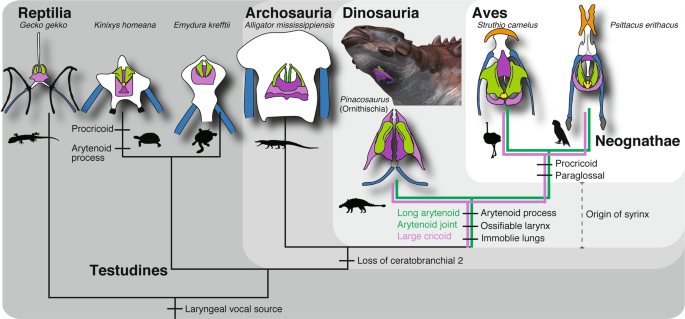
That changed in 2023. Researchers published the first description of a fossilized voice box from a non-avian dinosaur, and a second discovery followed in early 2025. Fossil preservation of the larynx in archosaurs is extremely rare. The Pinacosaurus fossil material represents the oldest voice box known to science, providing scientists with an opportunity to better understand the evolution of the larynx in non-avian dinosaurs. Two fossilized voice boxes in the span of just two years. That is a seismic shift for paleoacoustics.
The Pinacosaurus Discovery and the Bird-Like Voice Box
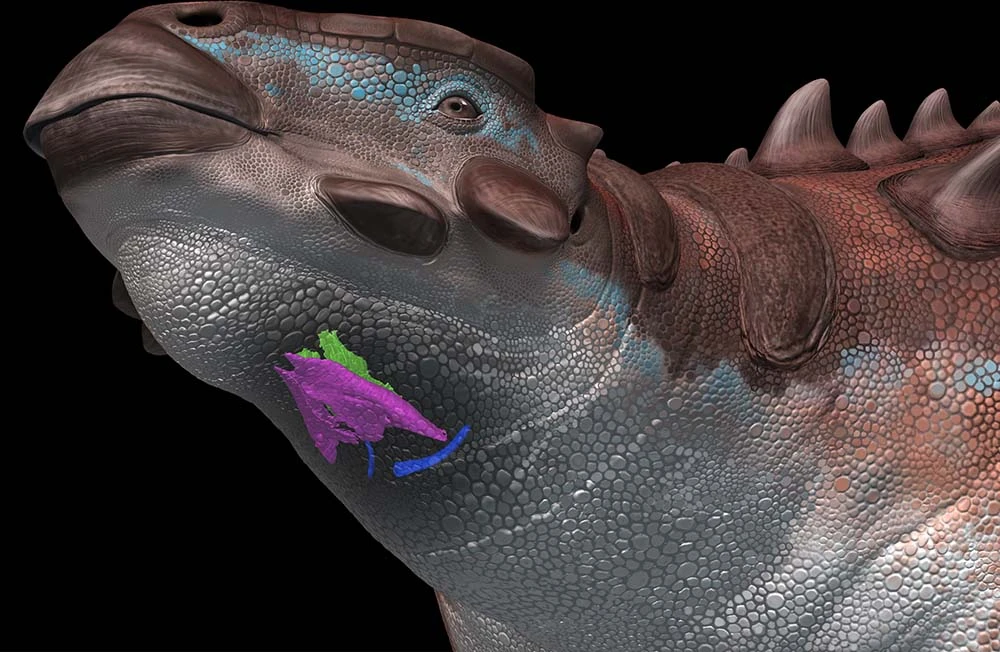
A team of scientists studying a Pinacosaurus larynx concluded that this armored dinosaur was probably capable of producing a variety of sounds and calls. A juvenile specimen preserved a hyoid and two laryngeal elements in almost life articulation. From these remains, researchers concluded that just like crocodilians and birds, Pinacosaurus was capable of producing a range of vocalizations.
The calls may have had several functions: to alert others of a predator approaching, to threaten a predator, to define territory, or to search for a mate. The sounds made by this ornithischian dinosaur may have been related to courtship, or perhaps helped to call offspring to its side. I find this detail genuinely moving. The idea that a heavily armored, tank-like dinosaur might have called softly to its young is one of those surprising moments where prehistoric life suddenly feels less alien and more real.
Pulaosaurus and the Chirp That Changed Everything
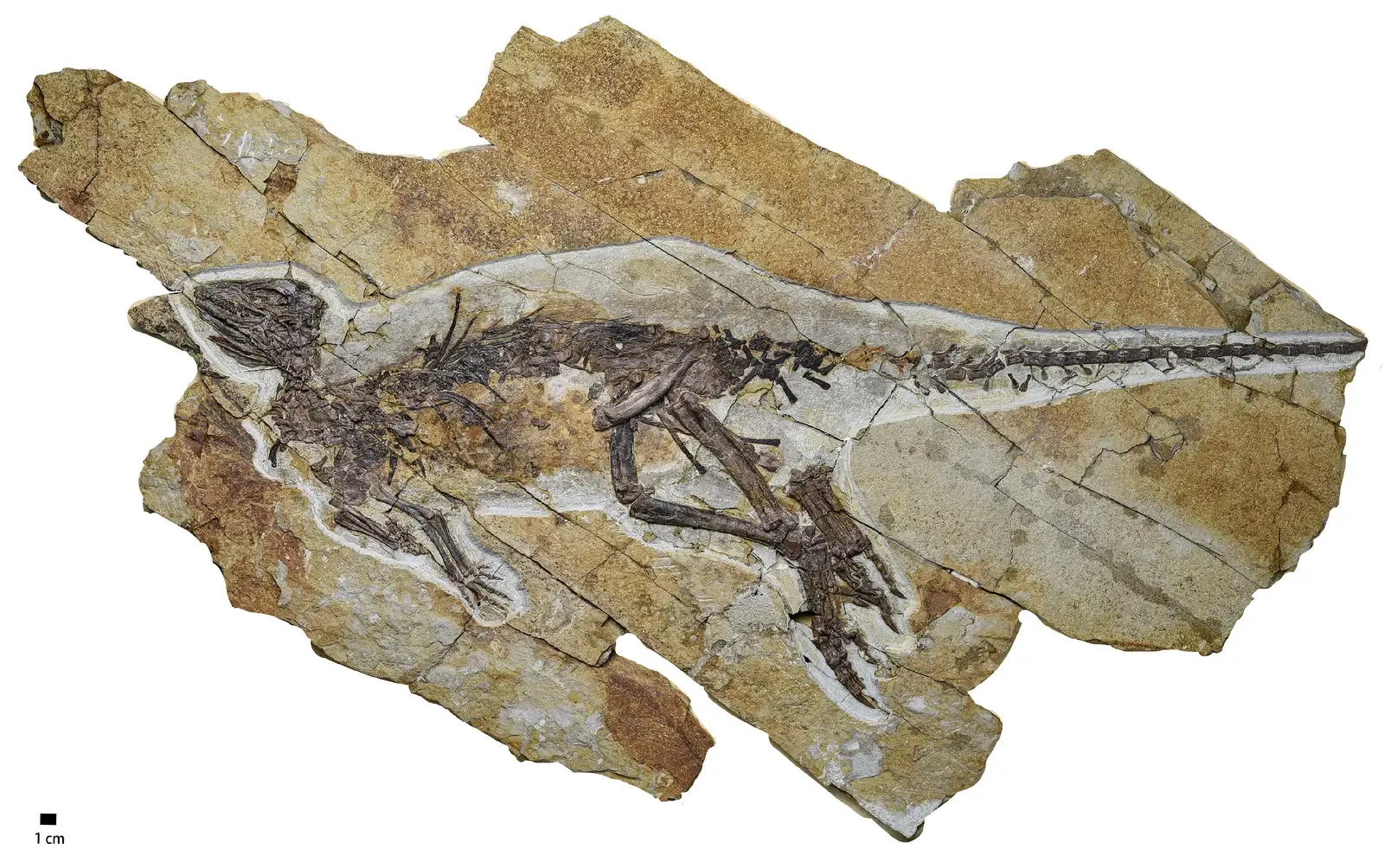
In northeastern China, researchers found the fossil of a small dinosaur preserved in 163-million-year-old sandstone. At just 28 inches long, Pulaosaurus qinglong wasn’t much of a fighter, but possibly a singer. The fossil includes unusually well-preserved vocal bones that hint at an ancient origin for birdlike sounds. It’s a tiny creature with an outsized impact on what we think we know.
The presence of a bony, bird-like throat in two different dinosaur species suggests that “a bird-like vocalization evolved early in non-avian dinosaur evolution.” Though Pinacosaurus and Pulaosaurus are distantly related, separated by around 90 million years of evolution, both show similarities in their voice box structures. This raises the intriguing possibility that chirping may have been widespread among dinosaur species, not just among those directly related to birds. The Pulaosaurus find strengthens the theory that the evolution of avian vocalization began far earlier than previously assumed.
Closed-Mouth Rumblers: The Real Soundtrack of the Mesozoic
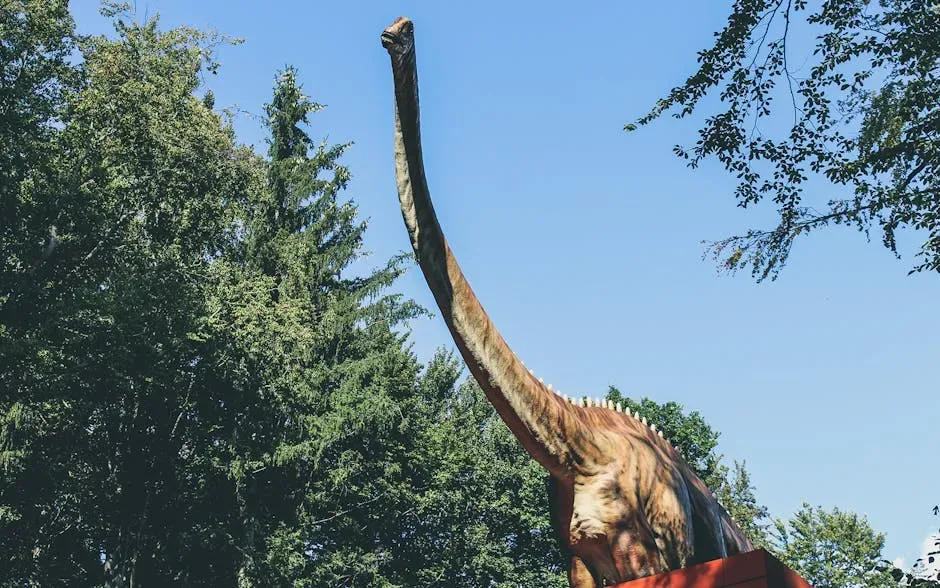
Instead of open-mouthed roars, scientists theorize that many dinosaurs may have produced closed-mouth vocalizations. Animals produce closed-mouth vocalizations by inflating their esophagus or tracheal pouches while keeping their mouth closed, producing something comparable to a low-pitched swooshing, growling, or cooing sound. Picture an enormous sauropod not bellowing like a lion, but booming like an emu. A very, very big emu.
A separate line of research published in the journal Evolution in 2016 examined vocalization data from more than 200 bird and crocodilian species, the closest living relatives of dinosaurs. Researchers found that closed-mouth vocalization evolved independently at least sixteen times within this group. Modern birds including doves, ostriches, and emus use this method to generate low-frequency sounds that travel long distances without exposing the caller to predators. That’s remarkable convergent evolution, and it tells you something powerful about the deep biological logic behind how large animals communicate.
Parasaurolophus: The Dinosaur That Played Its Head Like a Trombone
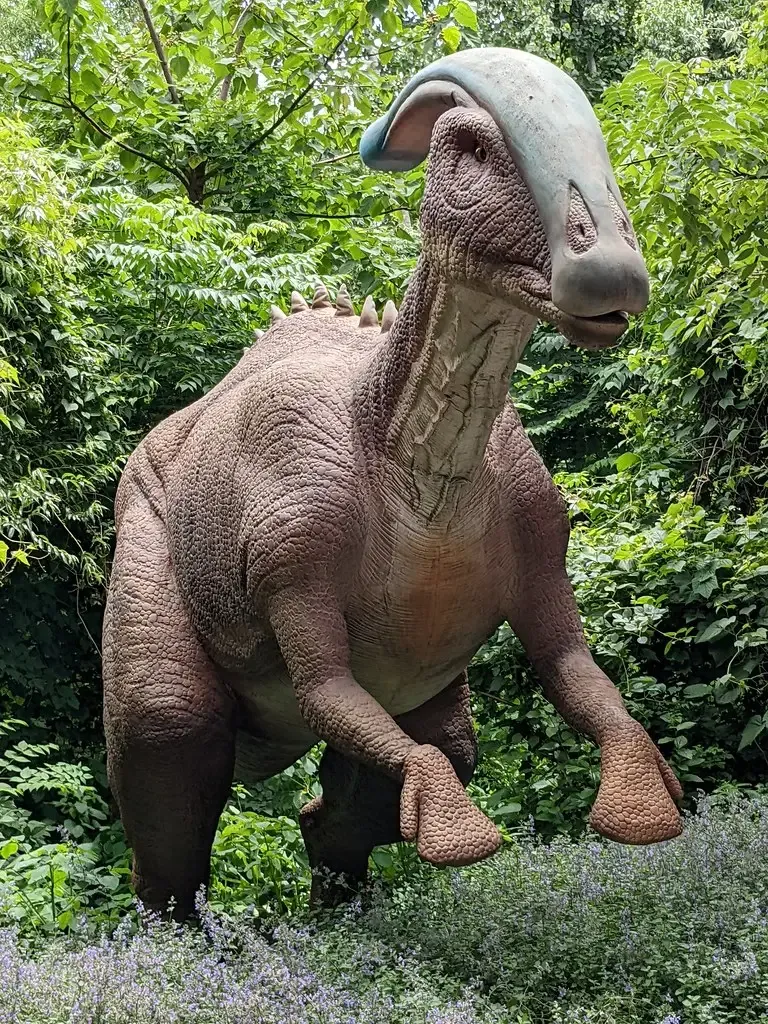
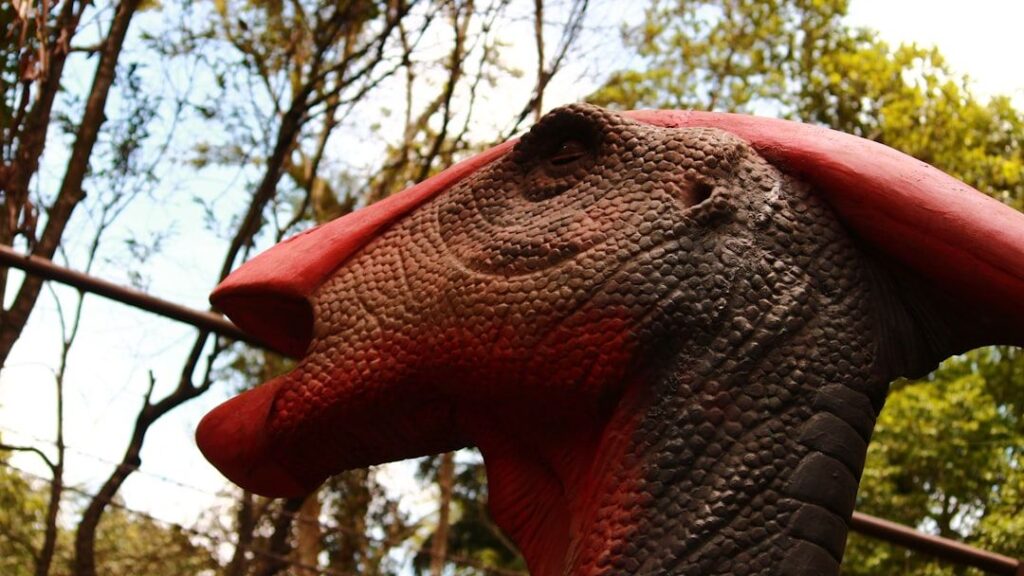
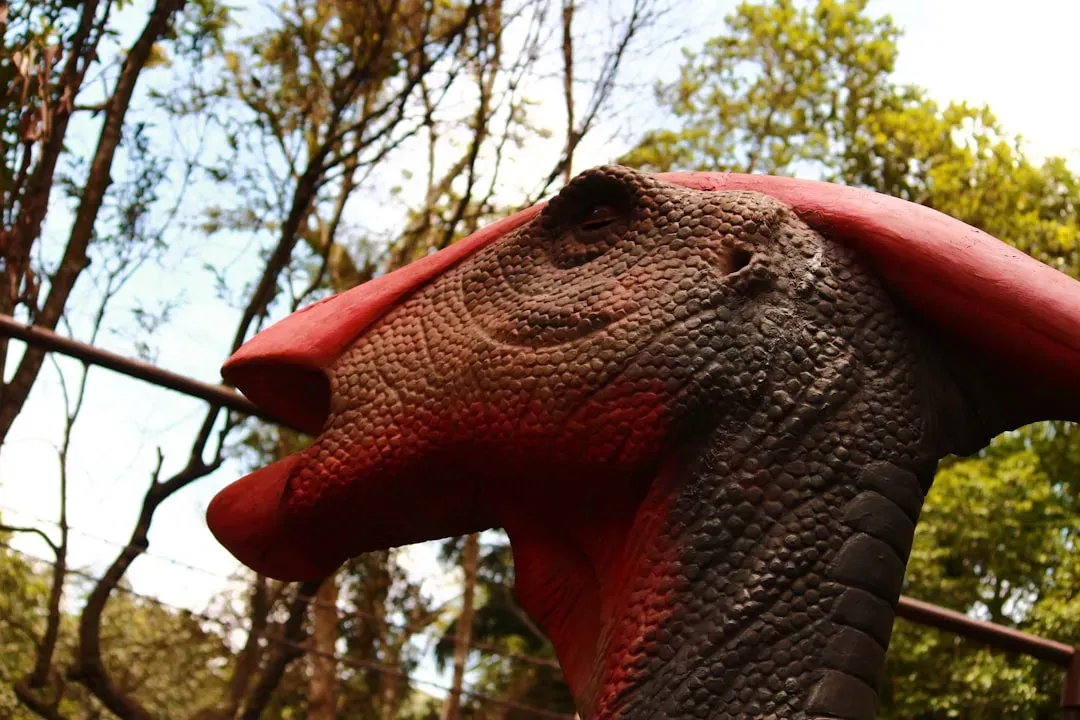
The study of dinosaur vocalization gained real momentum after the discovery in August 1995 of a rare Parasaurolophus skull fossil measuring about 4.5 feet long. The dinosaur had a bony tubular crest that extended back from the top of its head. Many scientists have believed the crest, containing a labyrinth of air cavities and shaped something like a trombone, might have been used to produce distinctive sounds. Here’s a creature that essentially grew its own musical instrument on top of its skull.
Based on the structure of the crest, the dinosaur apparently emitted a resonating low-frequency rumbling sound that could change in pitch. Each Parasaurolophus probably had a voice distinctive enough to not only distinguish it from other dinosaurs, but from other Parasaurolophuses. The dinosaur’s ability to make distinctive sounds probably enhanced its tendency to socialize with other Parasaurolophuses. Think of it as a prehistoric fingerprint made entirely of sound, a personal acoustic signature humming through the Late Cretaceous forests.
Conclusion: A World Alive with Sound We’re Only Starting to Hear
Honestly, re-examining what we thought we knew about dinosaur sounds is one of the most exhilarating things happening in paleontology right now. The more researchers dig, the more they find a world that was alive with communication, territory marking, mating calls, and parent-to-offspring crooning. Not roars. Rumbles. Not screams. Songs, of a kind.
Fossils are lifeless and yet full of life, packed not only with the shapes and forms of the creatures they came from, but also with their habits, movements, and more subtle and surprising traces of how ancient animals perceived the world. Take the dinosaurs, those pop-icons of paleontology. Fossilized footprints reveal that they traveled in herds, hunted in packs, or nurtured offspring that stuck close to their mother’s footsteps. Every fossil is a sentence in a much longer story we’re still learning to read.
The next time you watch Jurassic Park and that iconic roar fills the room, you’ll know the truth hiding behind the spectacle. Somewhere between a crocodile’s boom, a dove’s coo, and a bird’s chirp lies the real voice of the dinosaur age. A voice that science is finally, painstakingly, bringing back to life. What would you have guessed it sounded like?