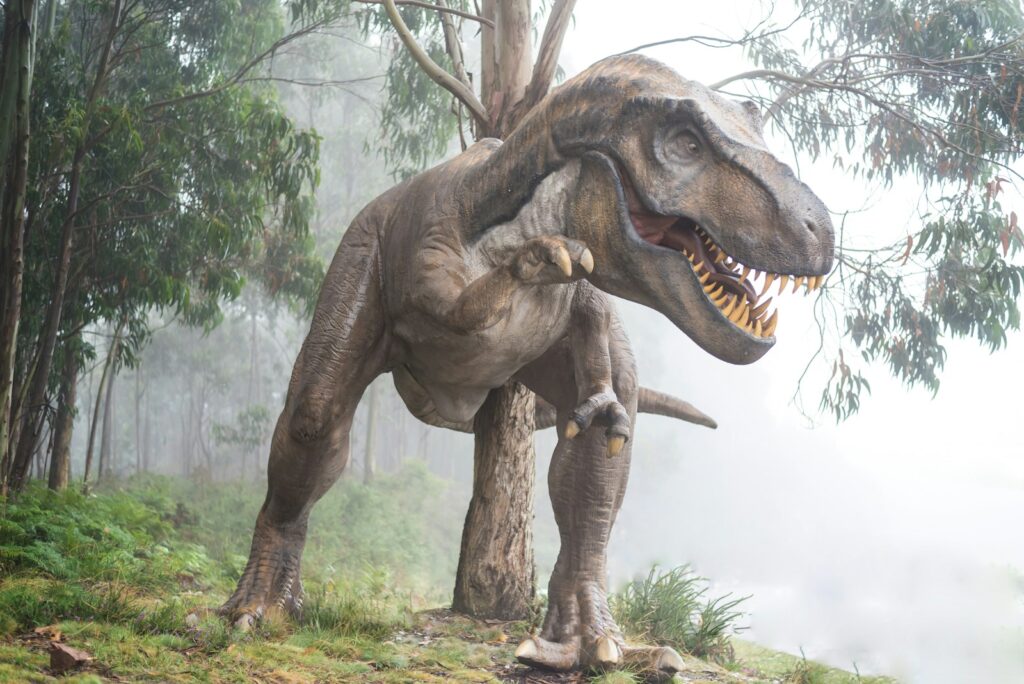
Imagine standing in a primordial forest 150 million years ago, surrounded by towering ferns and ancient conifers. Suddenly, the air fills with sounds you’ve never heard before – not quite roars, not quite songs, but something hauntingly beautiful echoing through the prehistoric landscape. What you’re hearing might be the ancient equivalent of a love ballad, performed by creatures that dominated Earth long before humans ever existed.
The Mystery of Prehistoric Sounds
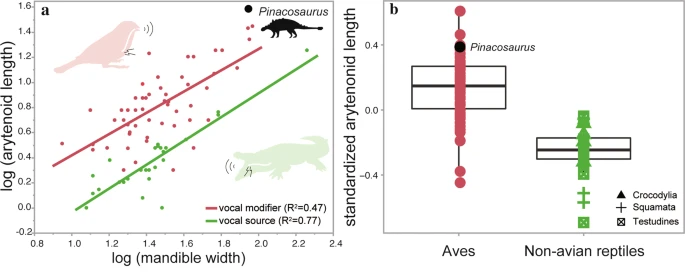
Scientists have long wondered whether dinosaurs could produce complex vocalizations, especially for courtship purposes. Unlike the simplified roars we hear in movies, the reality of dinosaur communication was likely far more sophisticated and varied. Recent discoveries have revolutionized our understanding of how these ancient giants might have “talked” to each other.
The question isn’t just about whether dinosaurs made noise – we know many did – but whether they used intricate vocal displays to woo potential mates. This distinction matters because it suggests a level of social complexity that would rival modern birds and mammals.
Modern Birds Hold Ancient Secrets

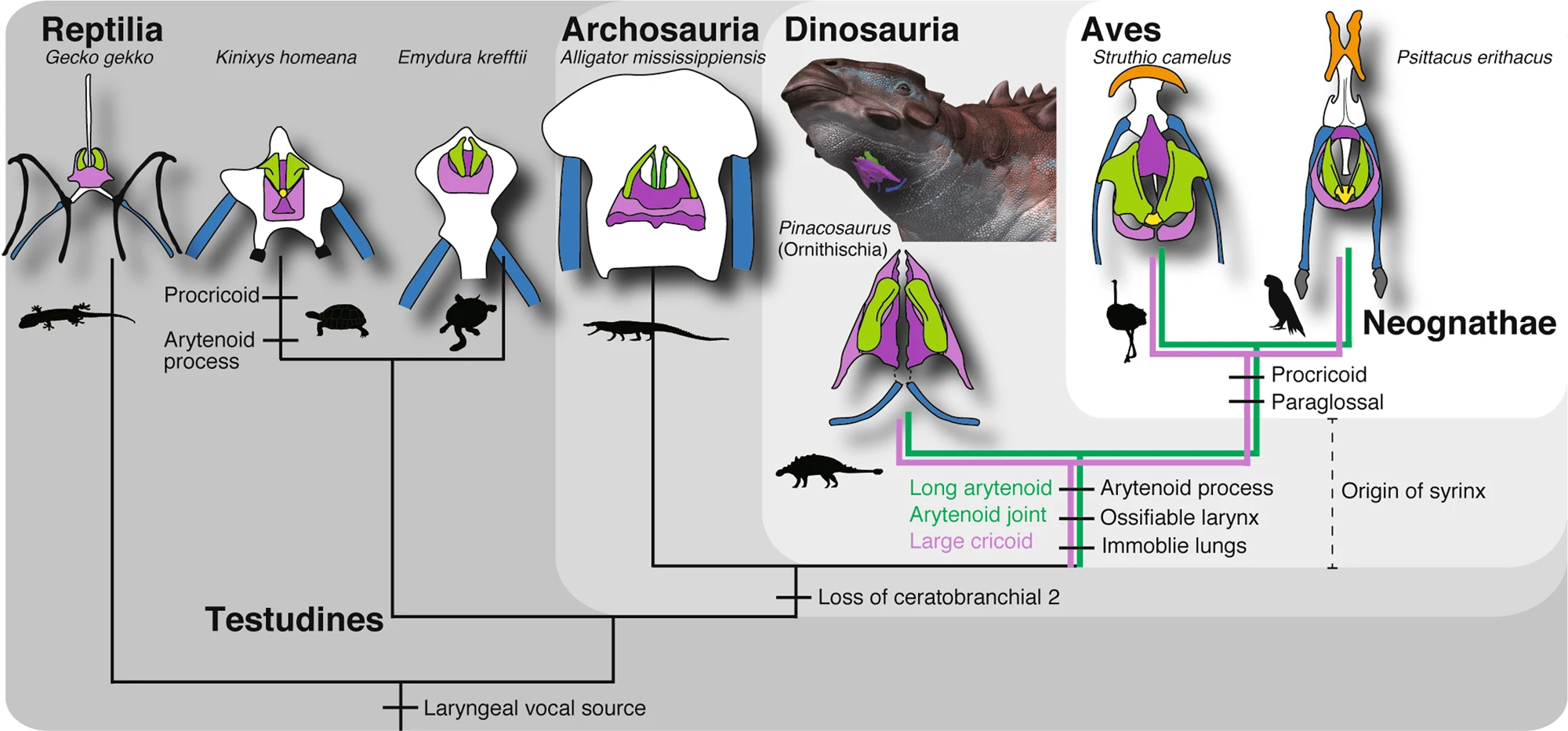
Birds are living dinosaurs, and their incredible vocal abilities provide our best window into prehistoric soundscapes. From the haunting calls of loons to the complex symphonies of mockingbirds, modern avians demonstrate that dinosaur descendants are capable of remarkable acoustic feats. The syrinx, a specialized vocal organ found in birds, allows for sounds that mammalian vocal cords simply cannot produce.
Consider the male peacock’s elaborate tail display paired with its distinctive calls, or the intricate dawn chorus performed by countless songbird species. These behaviors suggest that the capacity for complex courtship vocalizations has deep evolutionary roots, potentially stretching back to the age of dinosaurs.
Fossil Evidence of Sound Production
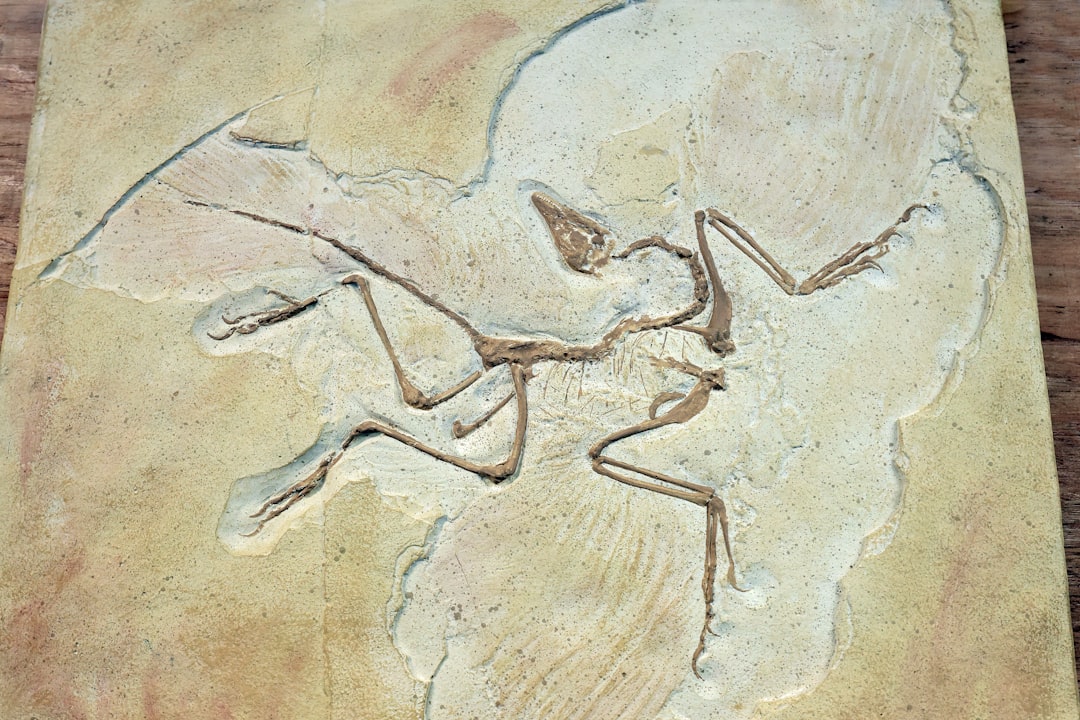
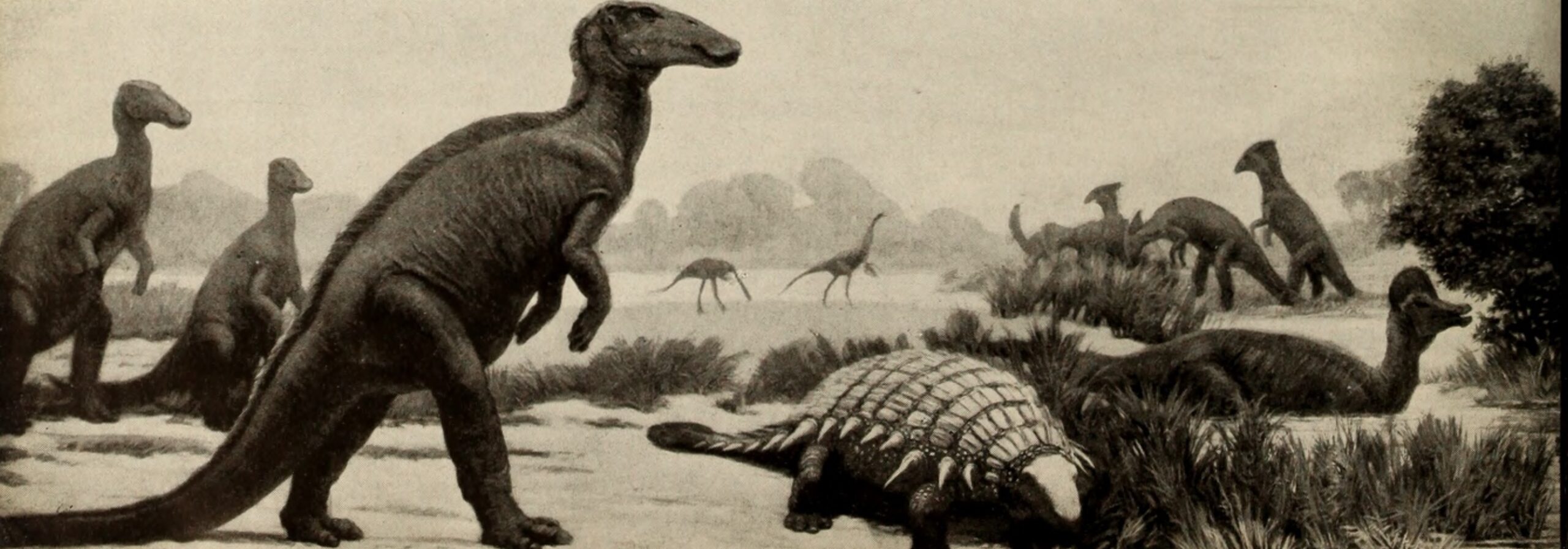
Remarkably, paleontologists have discovered fossilized evidence of sound-producing structures in dinosaurs. The lambeosaurine hadrosaurs, commonly known as duck-billed dinosaurs, possessed elaborate hollow crests that functioned as resonating chambers. These structures could have produced deep, trumpet-like sounds that carried across vast distances.
One species, Parasaurolophus, had a crest that scientists have actually modeled acoustically. Computer simulations suggest these dinosaurs could produce notes ranging from deep bass tones to higher-pitched calls, creating a prehistoric orchestra that would have been audible for miles. The variation in crest shapes between different hadrosaur species hints at species-specific “songs” that might have helped individuals identify potential mates.
The Physics of Prehistoric Communication

Size matters when it comes to sound production, and dinosaurs had size in abundance. Larger animals typically produce lower-frequency sounds that travel farther distances – think of an elephant’s rumbling calls that can be heard miles away. Many dinosaurs were considerably larger than elephants, suggesting they could have produced infrasonic communications that we might not even be able to hear.
The physics of sound transmission through dense prehistoric forests would have favored certain frequencies over others. Low-frequency calls penetrate vegetation better than high-pitched sounds, making them ideal for long-distance mate attraction in heavily forested environments where many dinosaurs lived.
Behavioral Clues from Bone Structure
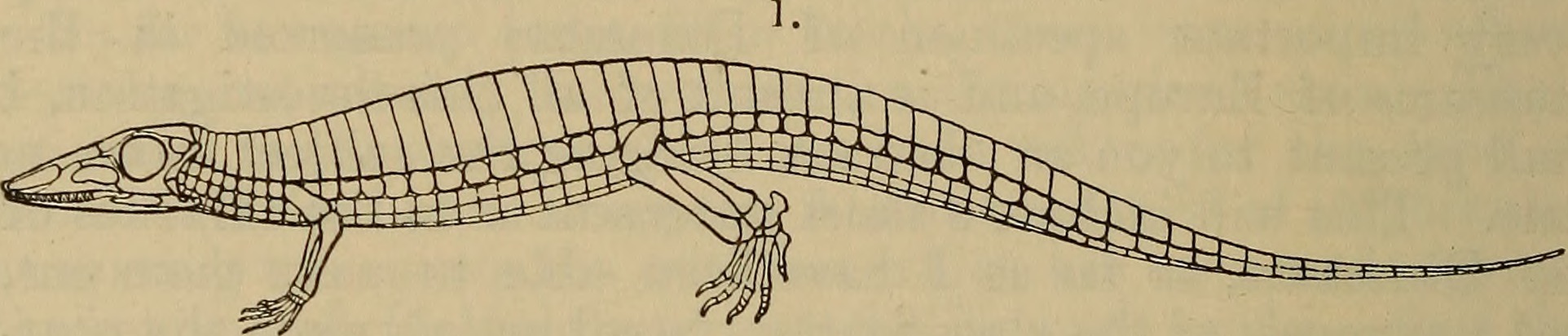
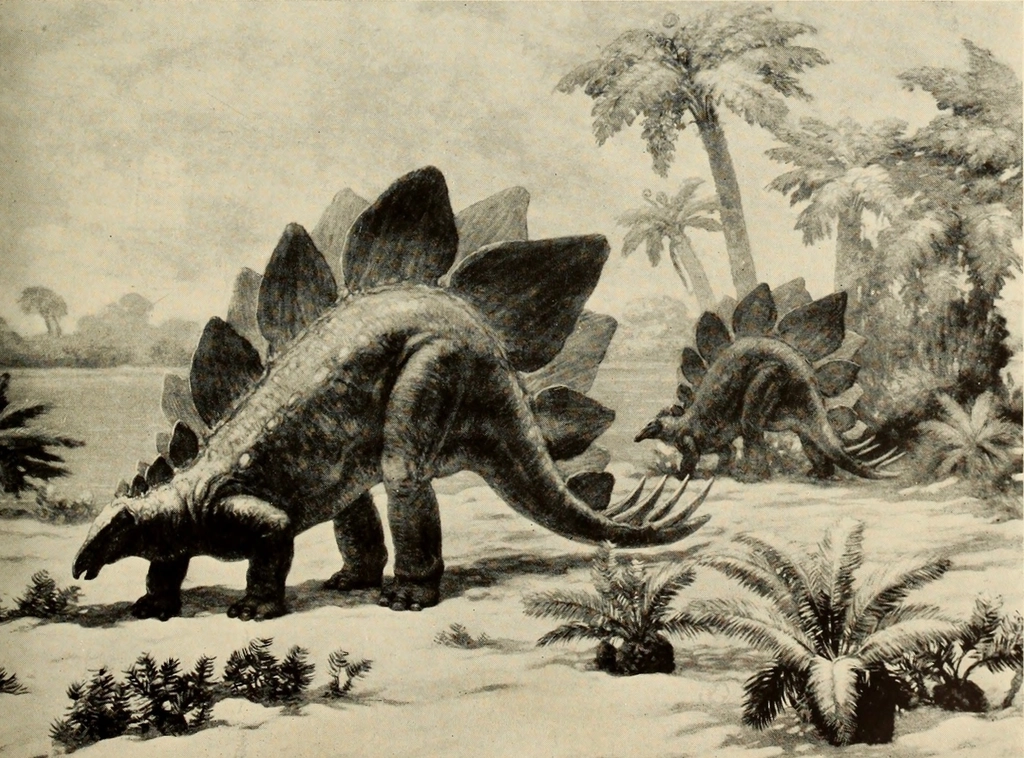
Dinosaur skeletons reveal tantalizing hints about their social behaviors and potential for complex vocalizations. Species with elaborate frills, crests, and other ornamental features often show evidence of highly social lifestyles. These decorative elements likely worked in conjunction with vocalizations to create multi-sensory courtship displays.
The discovery of dinosaur “dance floors” – areas where multiple individuals gathered and left distinctive footprint patterns – suggests coordinated social behaviors that would have been enhanced by vocal communication. These gathering spots paint a picture of dinosaurs engaging in complex courtship rituals that may have included synchronized movements and calls.
Comparing Ancient and Modern Courtship
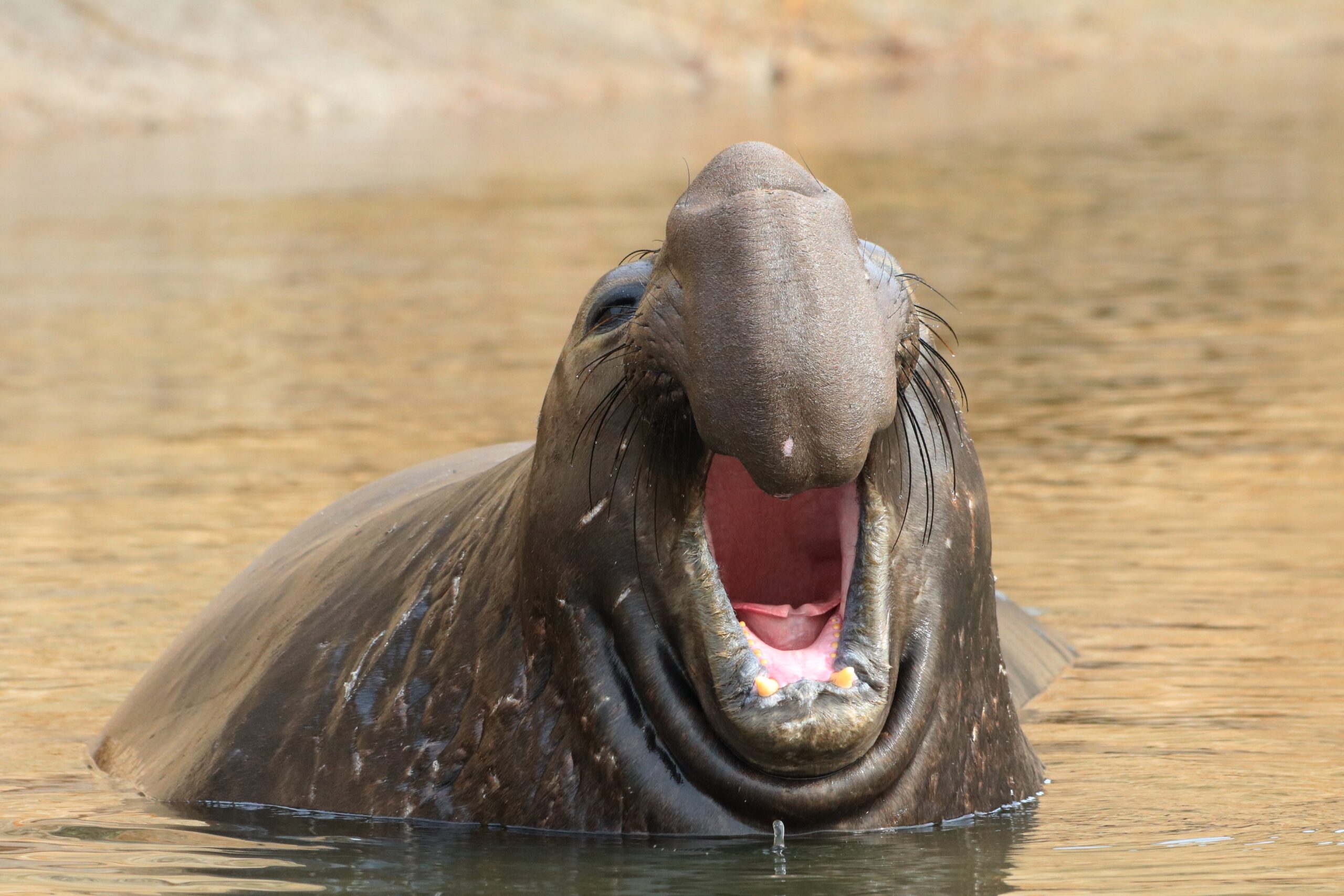
Modern animals provide endless examples of how vocalizations enhance mating success. Male elephant seals produce haunting calls that establish dominance and attract females, while whales sing elaborate songs that can travel across entire ocean basins. These behaviors demonstrate that large animals are perfectly capable of sophisticated vocal communication.
Even more relevant are the courtship behaviors of large ground birds like ostriches and cassowaries, which use deep booming calls as part of their mating rituals. These modern examples suggest that large, terrestrial dinosaurs might have employed similar strategies, using their size to produce powerful, far-reaching vocalizations.
The Role of Environmental Acoustics
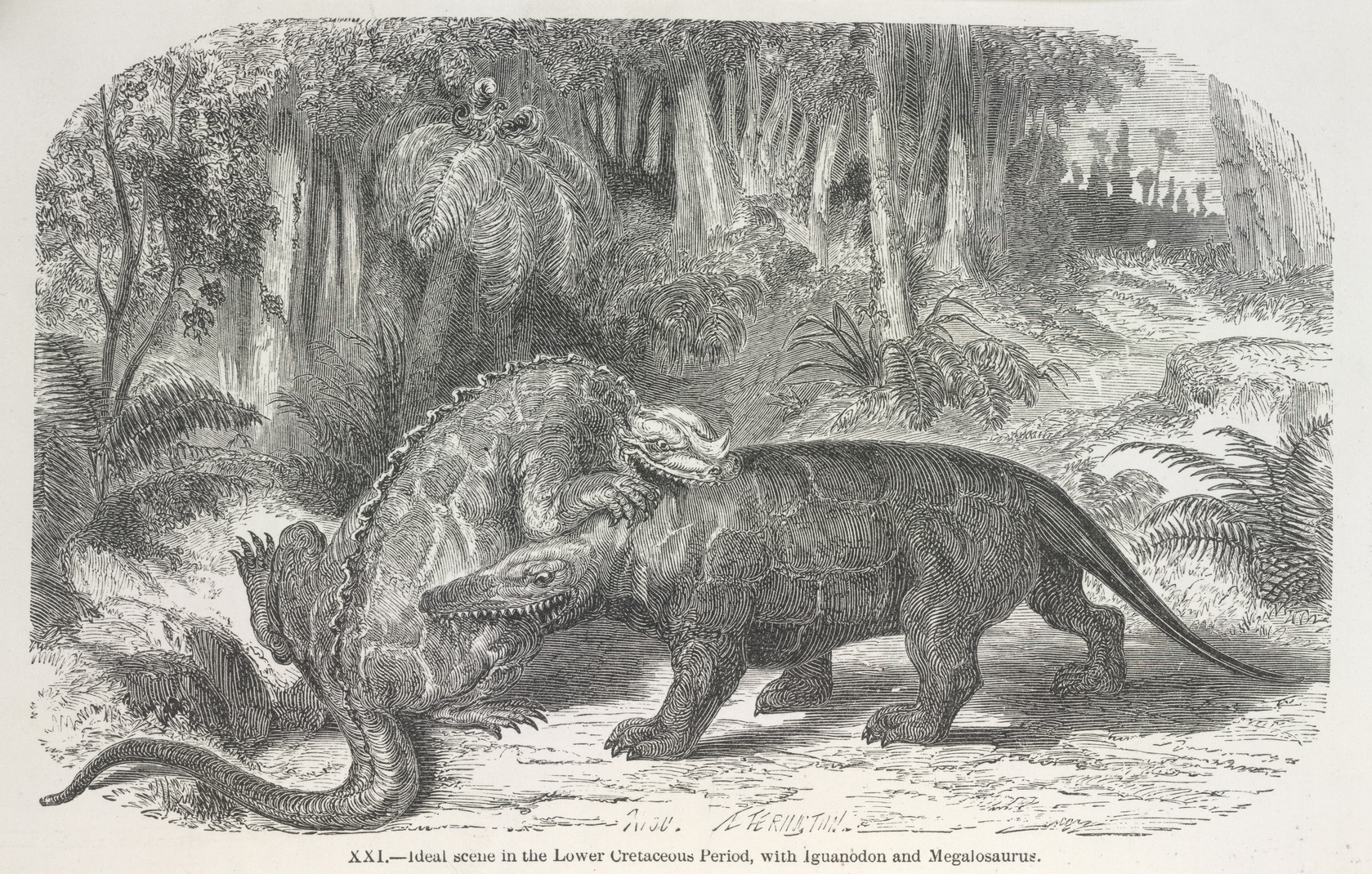
The Mesozoic world sounded very different from today’s Earth. Without grass, flowers, or modern trees, sound transmission would have followed different patterns. The landscape was dominated by ferns, conifers, and cycads, creating acoustic environments that would have shaped how dinosaurs evolved their communication strategies.
Coastal environments, where many dinosaur fossils are found, would have provided excellent acoustic conditions for long-distance communication. Sound travels well over water and open spaces, potentially allowing dinosaurs to communicate across much greater distances than forest-dwelling species could manage.
Evidence from Dinosaur Brain Structure
Fossilized brain cases and CT scans of dinosaur skulls reveal sophisticated neural structures that could have supported complex vocalizations. Some species show enlarged areas associated with hearing and sound processing in modern animals, suggesting they were adapted for acoustic communication.
The brain structure of certain theropod dinosaurs, particularly those closely related to modern birds, shows regions that correspond to areas involved in vocal learning and production in contemporary species. This neurological evidence supports the possibility that some dinosaurs could learn and modify their vocalizations, much like songbirds do today.
Seasonal Singing and Migration Patterns
Many modern animals time their vocalizations to coincide with breeding seasons, and dinosaurs likely followed similar patterns. Fossil evidence suggests that some dinosaur species migrated seasonally, potentially gathering in large numbers at specific breeding grounds where vocal displays would have been most effective.
The discovery of mass dinosaur nesting sites indicates that these animals had complex reproductive behaviors that would have benefited from sophisticated communication systems. Imagine thousands of hadrosaurs gathering at traditional nesting grounds, their calls creating a prehistoric symphony that announced the arrival of breeding season.
Gender Differences in Vocal Structures
Sexual dimorphism in dinosaur fossils sometimes extends to features that could have affected sound production. Males and females of certain species show differences in crest size, skull shape, and other features that might have influenced their vocal capabilities.
In modern birds, males often have more elaborate vocal abilities than females, using complex songs to attract mates and defend territories. Similar patterns might have existed in dinosaurs, with males developing specialized structures and behaviors for acoustic courtship displays that gave them reproductive advantages.
Predator-Prey Acoustic Dynamics

The relationship between dinosaur predators and prey would have created interesting acoustic dynamics that influenced the evolution of vocalizations. Prey species needed to communicate without attracting unwanted attention from predators, while carnivorous dinosaurs might have used calls to coordinate hunting or establish territorial boundaries.
This acoustic arms race could have driven the evolution of increasingly sophisticated communication systems. Herbivorous dinosaurs might have developed quiet, low-frequency calls for close-range communication, while predators evolved acute hearing to detect these subtle sounds.
Technology Reveals Ancient Voices
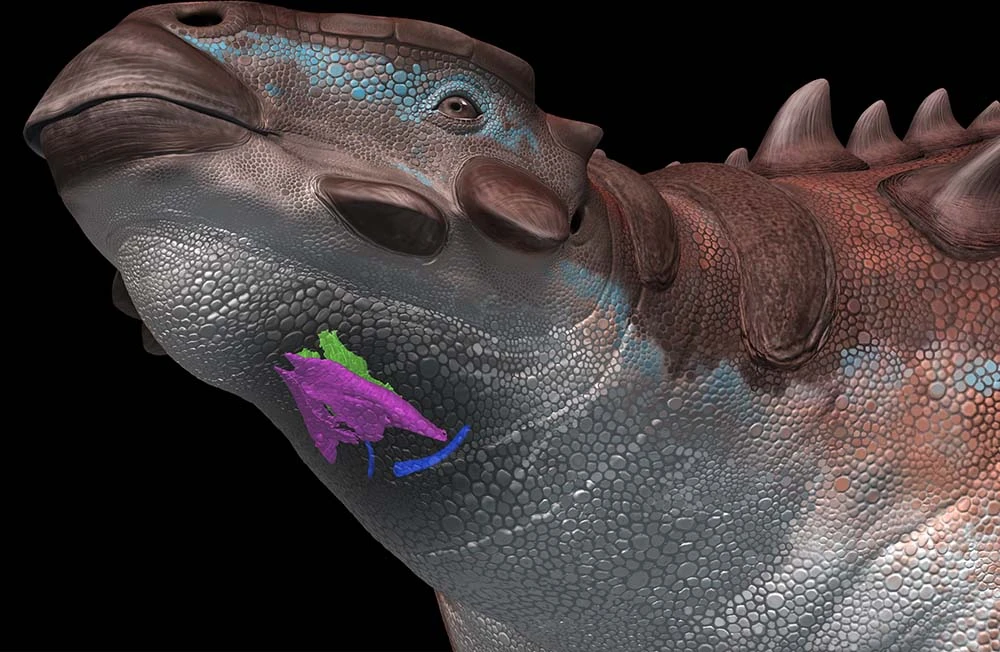
Modern technology has revolutionized our ability to understand how extinct animals might have sounded. Computer modeling, based on fossilized structures and comparisons with living relatives, allows scientists to recreate possible dinosaur vocalizations with increasing accuracy.
3D printing technology has even been used to create physical models of dinosaur vocal structures, which can then be tested to determine their acoustic properties. These experiments have produced haunting sounds that might represent the closest we’ll ever come to hearing actual dinosaur calls.
The Evolution of Complex Communication
The development of sophisticated vocal communication in dinosaurs would have required significant evolutionary investment. The neural processing power, specialized anatomy, and behavioral complexity needed for elaborate courtship songs suggest that such abilities provided substantial reproductive advantages.
This investment in communication technology mirrors what we see in modern animals with complex social structures. Species that rely on intricate vocal displays often show enhanced cognitive abilities, suggesting that singing dinosaurs might have been among the most intelligent creatures of their time.
What Dinosaur Songs Might Have Conveyed

If dinosaurs did indeed sing to attract mates, their vocalizations likely conveyed complex information about the caller’s fitness, territory quality, and genetic advantages. Modern animal songs often serve multiple functions simultaneously, providing information about everything from the singer’s health to their social status.
Dinosaur songs might have included species identification calls, territorial warnings, and detailed information about the caller’s condition and reproductive readiness. The ability to process and respond to such complex acoustic information would have been crucial for successful mating in competitive prehistoric environments.
Conclusion: Echoes Across Deep Time
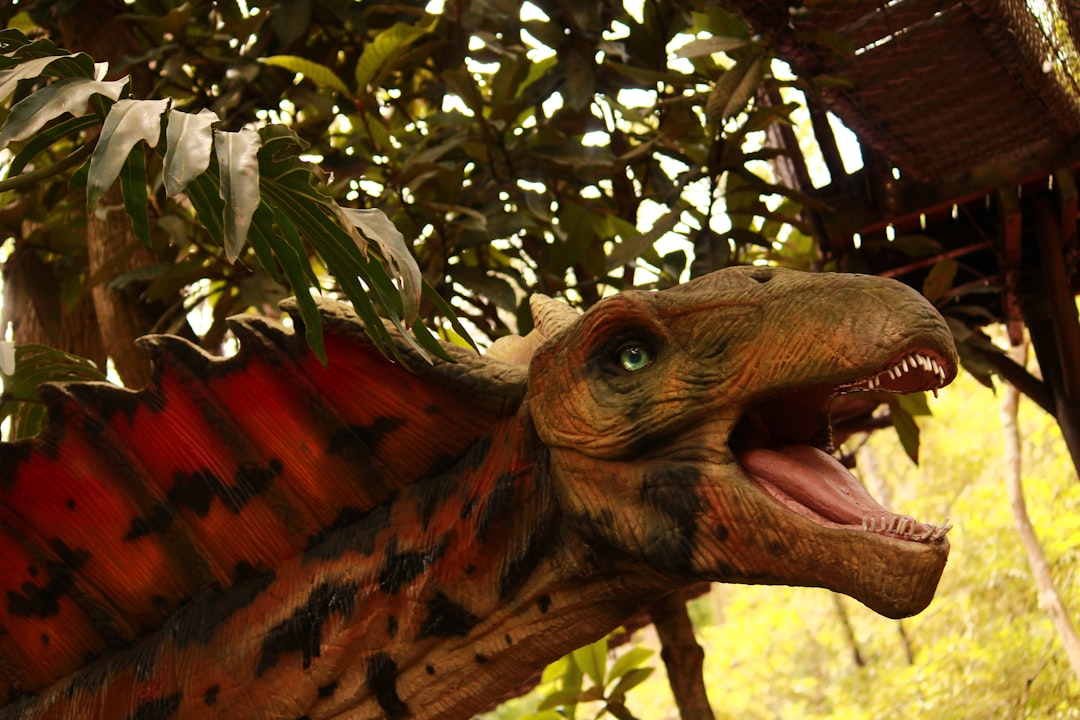
The evidence strongly suggests that many dinosaurs possessed sophisticated vocal abilities that they used to attract mates and communicate complex social information. From the trumpet-like calls of hadrosaurs to the potentially infrasonic rumbles of massive sauropods, the prehistoric world was likely filled with a rich tapestry of sounds that we’re only beginning to understand.
While we may never hear an actual dinosaur song, the combination of fossil evidence, technological modeling, and comparisons with modern descendants paints a compelling picture of ancient Earth as a place where giants serenaded each other across primordial landscapes. The next time you hear a bird’s dawn chorus, remember that you’re listening to the descendants of creatures that may have filled the Mesozoic world with their own prehistoric love songs millions of years ago.