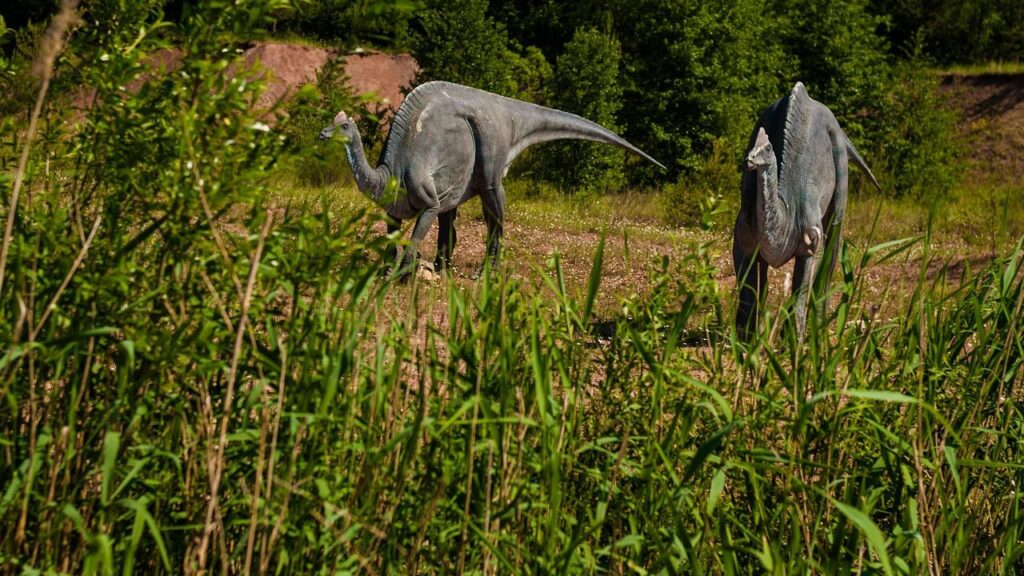
For over 160 million years, dinosaurs dominated Earth’s terrestrial ecosystems, evolving into a remarkable diversity of forms. Among their most striking characteristics was the tremendous size many species achieved—from the 85-foot Brachiosaurus to the 40-foot Tyrannosaurus rex. These dimensions far exceed those of most modern land animals, raising fascinating questions about how size influenced dinosaur evolution and survival. Did their often-gigantic proportions represent an evolutionary advantage that helped sustain their reign, or did it ultimately contribute to their downfall? This article examines the complex relationship between dinosaur size and survival through various biological, ecological, and environmental perspectives.
The Evolution of Dinosaur Gigantism

Dinosaurs didn’t start as giants. The earliest dinosaurs that appeared in the Late Triassic period (about 230 million years ago) were relatively small creatures, many no larger than modern turkeys or dogs. Over millions of years of evolution, certain lineages gradually increased in size. The sauropods, in particular, underwent spectacular growth, ultimately producing the largest land animals ever to walk the Earth. This trend toward gigantism was not universal among dinosaurs—many species remained small throughout the Mesozoic Era—but the capacity for extreme size represented a distinctive evolutionary pathway that dinosaurs exploited more successfully than any other terrestrial vertebrate group before or since. The evolution of gigantism required numerous adaptations, including specialized respiratory systems, unique bone structures, and efficient metabolic processes to support such massive bodies.
Advantages of Size: Predator Defense

For many herbivorous dinosaurs, large size served as a crucial defense mechanism against predators. Once a sauropod like Argentinosaurus reached adult dimensions—potentially weighing over 70 tons—it became virtually immune to predation from even the largest carnivores. Sheer mass made these giants difficult to attack successfully, as their vital organs were protected by thick layers of muscle and their height placed vulnerable areas out of reach. Juvenile giants remained vulnerable, but those that survived to adulthood gained what paleontologists call “size refuge”—a state where predation risk dramatically decreases. For species like Diplodocus or Apatosaurus, reaching enormous size may have been more energetically efficient than developing elaborate armor or weapons, as seen in ankylosaurs or ceratopsians, which evolved different defensive strategies while remaining smaller.
Feeding Advantages of Massive Bodies
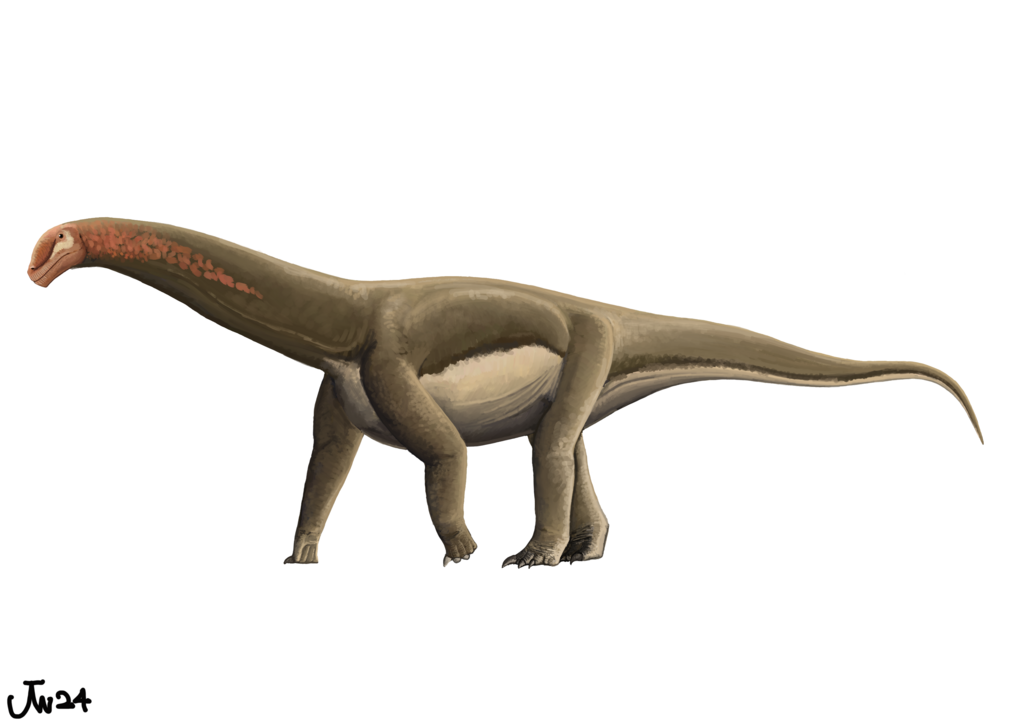
Gigantism offered significant advantages in accessing and processing food resources. Tall sauropods could reach vegetation inaccessible to smaller herbivores, effectively creating a feeding niche with minimal competition. Their long necks allowed them to sweep across large areas without moving their massive bodies, conserving energy while maximizing food intake. Moreover, large body size correlates with longer digestive tracts, providing more time and space for microbial fermentation of plant material. This likely allowed giant herbivorous dinosaurs to extract nutrients from lower-quality vegetation that smaller animals couldn’t process effectively. Their enormous gut capacity also meant they could consume greater quantities of food at once, potentially allowing them to spend less time exposed during vulnerable feeding activities.
Thermal Regulation Benefits

The physics of body size creates interesting thermal advantages for very large animals. As an animal increases in size, its volume (and mass) grows faster than its surface area, resulting in what scientists call a favorable surface-to-volume ratio. This physical property helps giant animals retain body heat more effectively than smaller creatures. For dinosaurs living in the generally warm Mesozoic climate, this thermal inertia would have helped maintain stable body temperatures despite environmental fluctuations. Large dinosaurs would have cooled and heated more slowly than smaller animals, potentially allowing them to function effectively through daily temperature cycles without expending excessive energy on internal temperature regulation. This thermal efficiency might have been particularly advantageous during seasonal changes or in environments with significant day-night temperature differences.
Reproductive Challenges of Being Giant
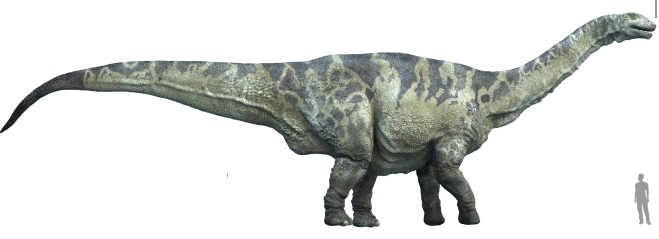
Despite its advantages, extreme size created significant reproductive challenges for the largest dinosaurs. Producing and laying eggs proportional to their massive adult size would have been physically impossible, so even the largest dinosaurs laid eggs relatively small compared to their body size. This created an enormous growth disparity between hatchlings and adults—a baby Argentinosaurus would need to increase its weight by more than a millionfold to reach adult size. This extended growth period likely made juvenile mortality extremely high, requiring these giants to produce many offspring to ensure species survival. Additionally, the energy investment in reproduction would have been substantial, potentially making large dinosaurs more vulnerable during breeding seasons or limiting their reproductive frequency compared to smaller dinosaurs with less extreme growth requirements.
Metabolic Demands of Gigantism

Supporting an enormous body mass required sophisticated metabolic adaptations. While paleontologists continue to debate whether dinosaurs were ectothermic (cold-blooded), endothermic (warm-blooded), or exhibited an intermediate physiology, it’s clear that giant dinosaurs faced unique energetic challenges. The square-cube law dictates that as an animal’s size increases, its mass increases proportionally more than its surface area, affecting everything from heat dissipation to oxygen absorption. For the largest dinosaurs, this meant developing specialized respiratory systems with air sacs similar to those in modern birds, creating a more efficient oxygen exchange system than found in reptiles. Their metabolic rates would have needed careful calibration—high enough to support massive bodies and potential activity levels, but not so high that food requirements became unsustainable in prehistoric ecosystems with seasonal fluctuations in resource availability.
Locomotion and Size Constraints
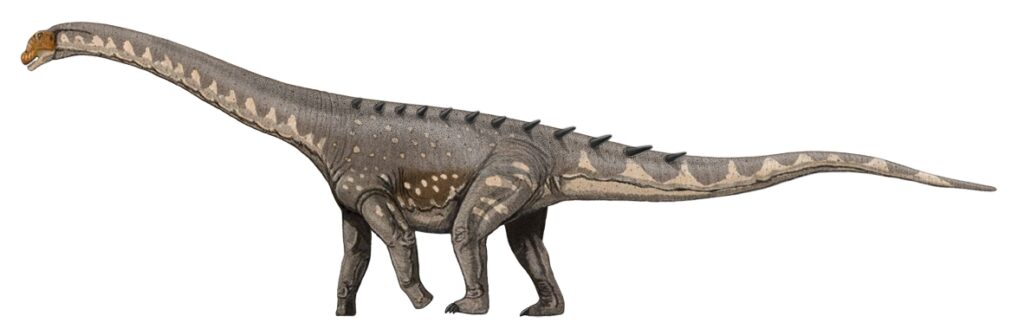
Moving enormous bodies presents significant biomechanical challenges. The largest sauropods likely moved relatively slowly compared to smaller dinosaurs, as their massive limbs and bodies required tremendous energy to accelerate and decelerate. Recent studies using computer modeling and comparative anatomy suggest that despite their size, many large dinosaurs possessed surprisingly efficient locomotion through specialized limb arrangements and joint structures not seen in modern animals. Nevertheless, gigantism imposed fundamental limitations on agility, speed, and terrain accessibility. Massive sauropods would have struggled with steep slopes, soft ground, or densely forested areas where their bulk became a liability rather than an asset. These movement constraints potentially restricted their habitat range and ability to respond to environmental changes, especially compared to smaller, more agile dinosaur species.
Resource Requirements and Vulnerability
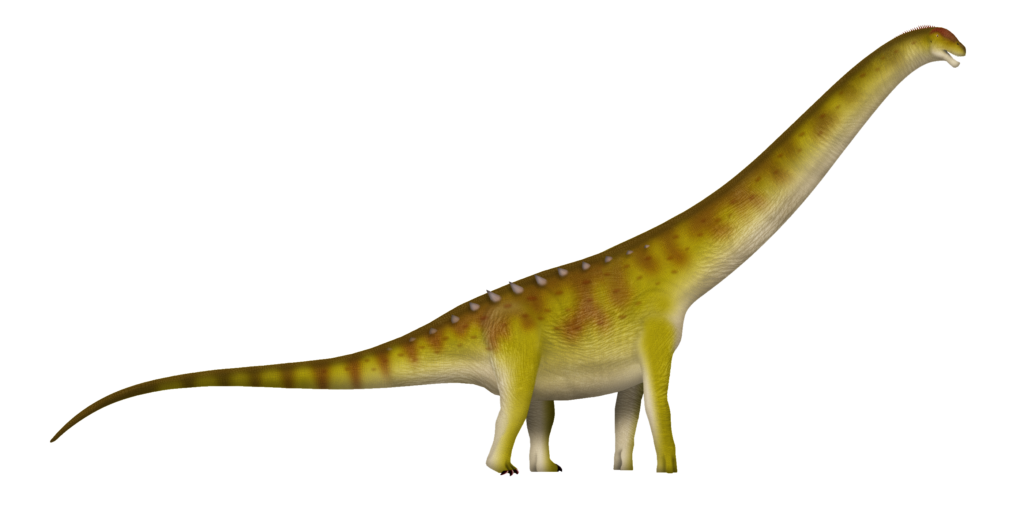
The sheer caloric needs of giant dinosaurs created potential survival vulnerabilities. Paleontological estimates suggest the largest sauropods may have consumed hundreds of pounds of vegetation daily to sustain themselves. This massive food requirement meant they needed access to abundant plant resources and sufficient territory to support their feeding needs. During periods of environmental stress, such as droughts or significant habitat changes, giant dinosaurs would have been particularly vulnerable to resource limitations. Their specialized dietary adaptations likely provided advantages during stable environmental conditions but might have become liabilities during times of ecological disruption. Unlike smaller dinosaurs that could potentially survive on less food or adapt to alternative food sources, the largest dinosaurs had less flexibility in their resource requirements due to their absolute metabolic demands.
Population Dynamics and Extinction Risk

Large body size typically correlates with several population characteristics that increase extinction vulnerability. Giant dinosaurs likely had relatively small population densities compared to smaller species, longer generation times, and slower reproductive rates—all factors that reduce a species’ ability to recover from population declines. Mathematical models of population ecology consistently show that animals with these characteristics face higher extinction risks during environmental disturbances than more numerous, faster-reproducing, smaller species. The largest dinosaur species probably existed in relatively fragile population structures where the loss of a significant number of breeding adults could trigger irreversible decline. This inherent demographic vulnerability may have played a crucial role during extinction events, including the final Cretaceous-Paleogene extinction that eliminated all non-avian dinosaurs approximately 66 million years ago.
Gigantism and Mesozoic Environmental Changes
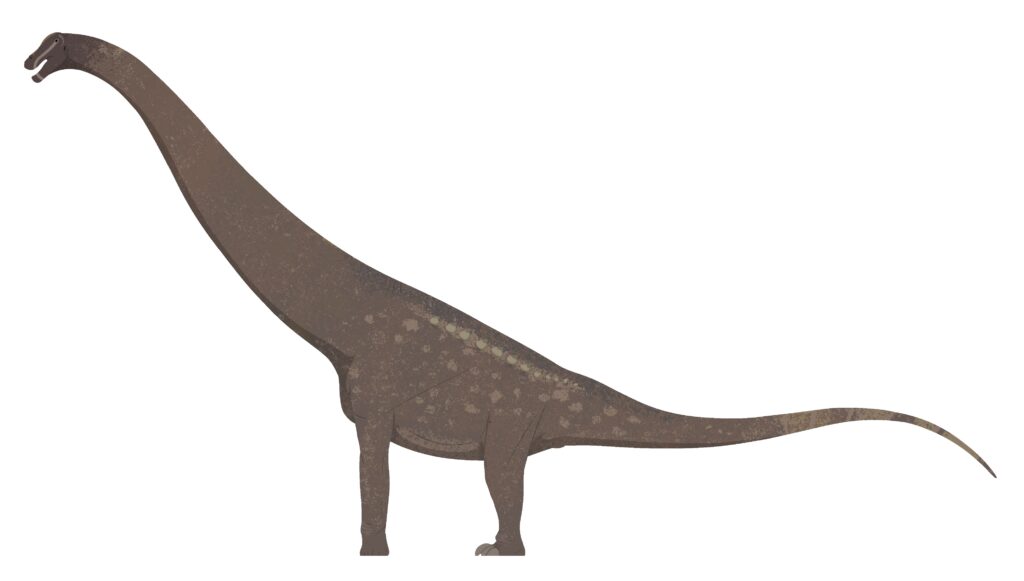
Throughout the Mesozoic Era, Earth experienced numerous environmental shifts, including changes in atmospheric composition, continental arrangements, sea levels, and climate patterns. Giant dinosaurs showed remarkable resilience through many of these changes, with sauropods maintaining their enormous size across millions of years despite fluctuating conditions. However, paleontological evidence suggests that extreme gigantism may have evolved and diminished multiple times in response to environmental pressures. For instance, the largest known sauropods appear concentrated in certain periods and geographical regions where conditions particularly favored gigantism. This pattern indicates that while gigantic size represented a successful adaptive strategy under specific environmental conditions, it was not universally advantageous across all Mesozoic ecosystems and periods. The environmental context ultimately determined whether enormous size was beneficial or detrimental to survival.
Size and Vulnerability During the K-Pg Impact

The Cretaceous-Paleogene (K-Pg) mass extinction, triggered primarily by the Chicxulub asteroid impact approximately 66 million years ago, eliminated all non-avian dinosaurs regardless of their size. However, body size likely influenced survival prospects during this catastrophic event and its aftermath. The impact created a “nuclear winter” scenario where sunlight was blocked by atmospheric debris, collapsing plant productivity, and disrupting food chains globally. Large dinosaurs with massive caloric requirements would have faced starvation more rapidly than smaller species that could survive on less food. Additionally, the potential for finding refuge from immediate impact effects (blast waves, thermal radiation, tsunamis) would have been more limited for larger animals that couldn’t shelter in burrows, caves, or water bodies. While size alone doesn’t explain the extinction pattern, as even small non-avian dinosaurs perished, it likely compounded vulnerability during this particular extinction event.
Comparing Dinosaur Gigantism to Modern Animals

Modern ecosystems provide intriguing comparative perspectives on dinosaur gigantism. Today’s largest land animals—elephants—reach only a fraction of the size achieved by the largest dinosaurs, suggesting that contemporary terrestrial environments may not support the extreme gigantism seen in the Mesozoic. However, the largest modern animals—blue whales—exceed the size of any known dinosaur, achieving this in the buoyant marine environment that helps support their mass. This comparison highlights how environmental context determines whether gigantism represents an adaptive advantage or limitation. Modern megafauna studies also reveal that large-bodied species face disproportionate extinction threats from human activities and environmental changes, paralleling the vulnerabilities that giant dinosaurs likely experienced. The relative scarcity of very large land animals in post-dinosaur ecosystems suggests that extreme terrestrial gigantism may have limited long-term evolutionary stability in changing environments.
Evolutionary Legacy of Dinosaur Size
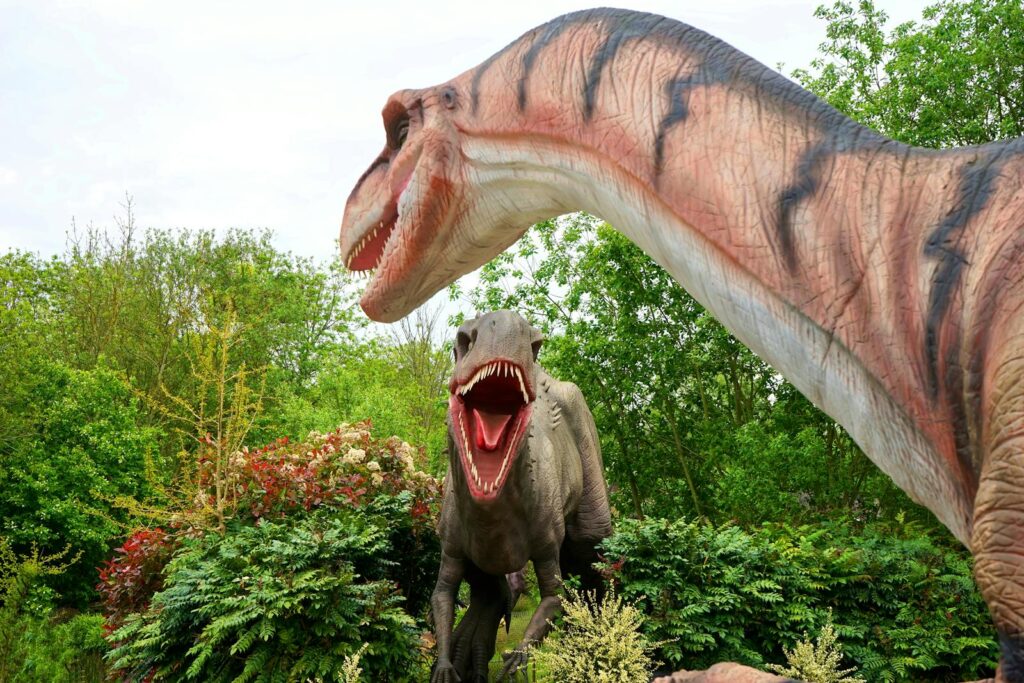
While non-avian dinosaurs vanished 66 million years ago, their evolutionary experiment with gigantism offers important insights for understanding adaptation and extinction dynamics. The fact that dinosaurs sustained their enormous sizes across tens of millions of years demonstrates that gigantism was not an evolutionary dead end but rather a successful strategy under specific environmental conditions. The only surviving dinosaur lineage—birds—took the opposite path toward miniaturization, which may have contributed to their survival through the K-Pg extinction event. This evolutionary contrast between extinct giant dinosaurs and their surviving small relatives highlights how body size profoundly influences species’ resilience to environmental changes. The absence of comparable terrestrial giants in the mammal-dominated Cenozoic era further suggests that the unique combination of Mesozoic environmental conditions, dinosaur physiology, and ecological relationships created a singular opportunity for extreme gigantism that has not been replicated since.
Conclusion: The Double-Edged Sword of Size
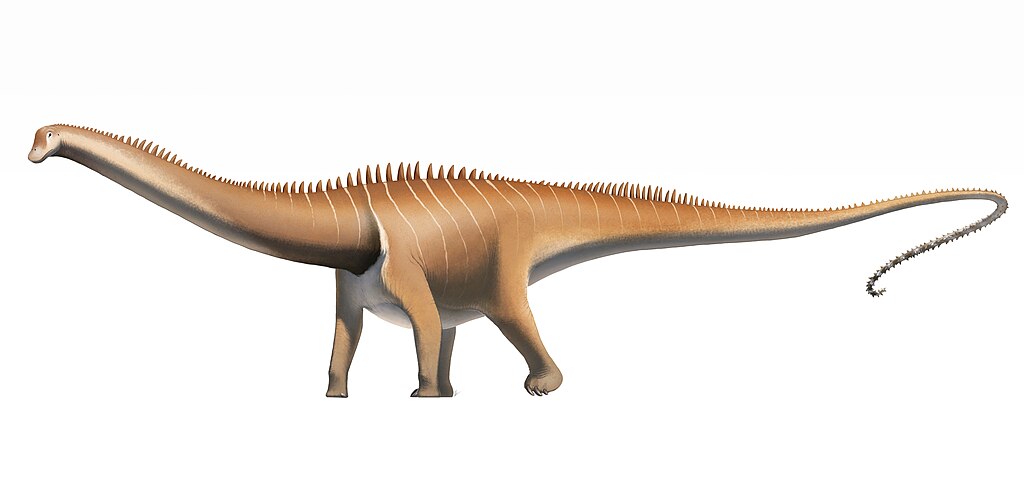
Dinosaur gigantism represents one of evolution’s most remarkable experiments—a biological phenomenon that showcased both the impressive capabilities and inherent vulnerabilities of extreme size. Throughout their 160-million-year reign, gigantic dimensions provided significant advantages that contributed to dinosaurs’ long-term success: predator defense, feeding efficiency, thermal stability, and competitive dominance in their ecosystems. Yet these same massive proportions created vulnerabilities through enormous resource requirements, reproductive challenges, mobility constraints, and demographic fragility. Whether size helped or hindered dinosaur survival ultimately depended on environmental context, providing advantages during stable periods but potentially becoming liabilities during times of rapid change. The evolutionary legacy of dinosaur gigantism reminds us that in biology, adaptations rarely represent unqualified advantages, but rather trade-offs whose value fluctuates as environments and selective pressures change across deep time.