When we think about the massive herbivorous dinosaurs that once roamed our planet, questions about how they processed enough vegetation to sustain their enormous bodies naturally arise. Today’s large herbivores like cows have specialized digestive systems featuring multiple stomach chambers and microbiome-assisted fermentation. But did dinosaurs, separated from modern mammals by millions of years of evolution, develop similar digestive solutions? This article explores the fascinating evidence about dinosaur digestion and compares it with the well-known digestive systems of modern ruminants like cattle. Through fossil evidence, comparative anatomy, and paleobiological insights, we’ll uncover how these magnificent prehistoric creatures processed their plant-based diets.
The Basics of Cow Digestion

Modern cows possess a remarkable digestive system known as rumination. Their stomachs contain four specialized chambers—the rumen, reticulum, omasum, and abomasum—each serving a specific function in breaking down tough plant material. The process begins when cows consume vegetation and send it to the rumen, where microbes begin breaking down cellulose, the stubborn plant fiber that most animals cannot digest on their own. Cows later regurgitate partially digested food (cud) for additional chewing before it continues through the digestive tract. This complex system allows them to extract maximum nutrition from low-quality plant foods, particularly through fermentation processes that convert cellulose into digestible fatty acids. The entire system represents an evolutionary masterpiece that developed in mammals over millions of years.
Dinosaur Digestive System Fundamentals

Dinosaurs, unlike mammals, evolved from a reptilian lineage with fundamentally different digestive adaptations. They lacked the specialized four-chambered stomachs characteristic of ruminants like cows. Instead, most evidence suggests dinosaurs possessed a single stomach chamber more similar to their reptilian relatives. However, this doesn’t mean their digestion was simple. Many herbivorous dinosaurs evolved unique adaptations to handle plant material, including expanded digestive tracts, specialized teeth for mechanical processing, and in some cases, gastroliths (stomach stones) that helped grind food. The dinosaur digestive system represents a fascinating case of convergent evolution—where different evolutionary lineages developed distinct solutions to the same problem: how to digest tough plant material efficiently.
Fossil Evidence of Dinosaur Digestion
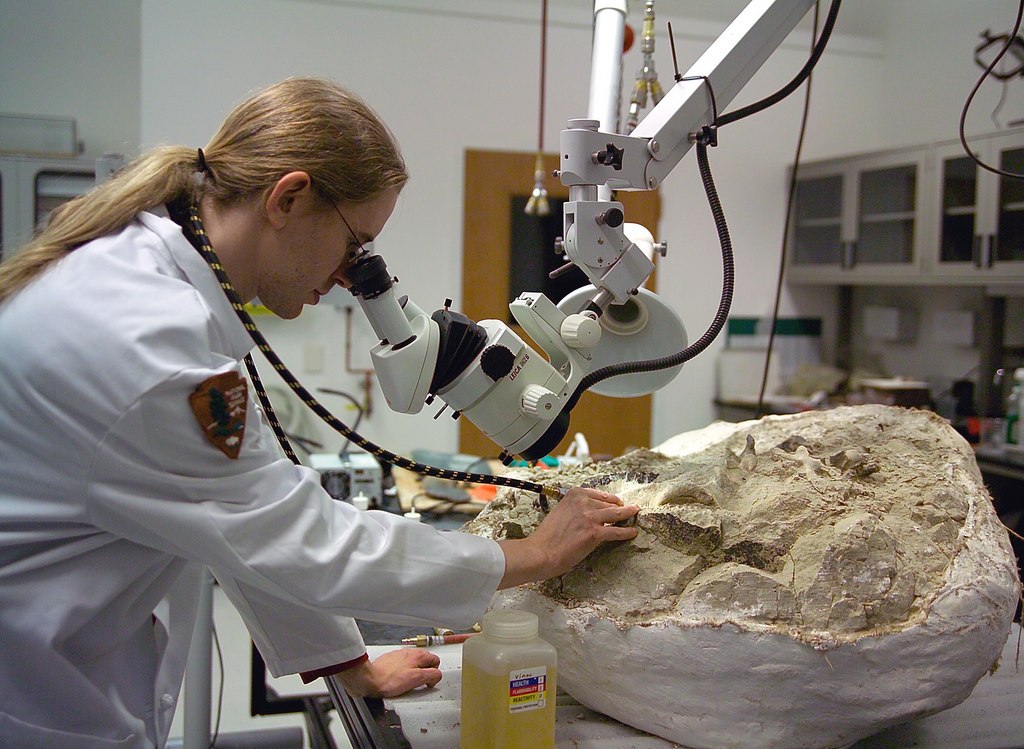
Direct evidence of dinosaur digestive systems comes primarily from exceptionally preserved fossils that include stomach contents or traces of soft tissues. One remarkable example is the nodosaur Borealopelta, discovered in Alberta, Canada, which preserved stomach contents revealing its last meal of ferns, conifers, and other plants. Other notable findings include fossilized dinosaur coprolites (fossilized feces) that provide insights into digestion efficiency and diet composition. In some remarkable cases, scientists have identified potential “cololites”—fossilized intestinal contents—that reveal more about the digestive process. While these fossils don’t preserve stomach chambers directly, they offer invaluable glimpses into how dinosaurs processed their food. Examining the degree of breakdown in these remains helps paleontologists infer digestive efficiency and mechanisms.
Sauropods: Giants with Unique Digestive Solutions
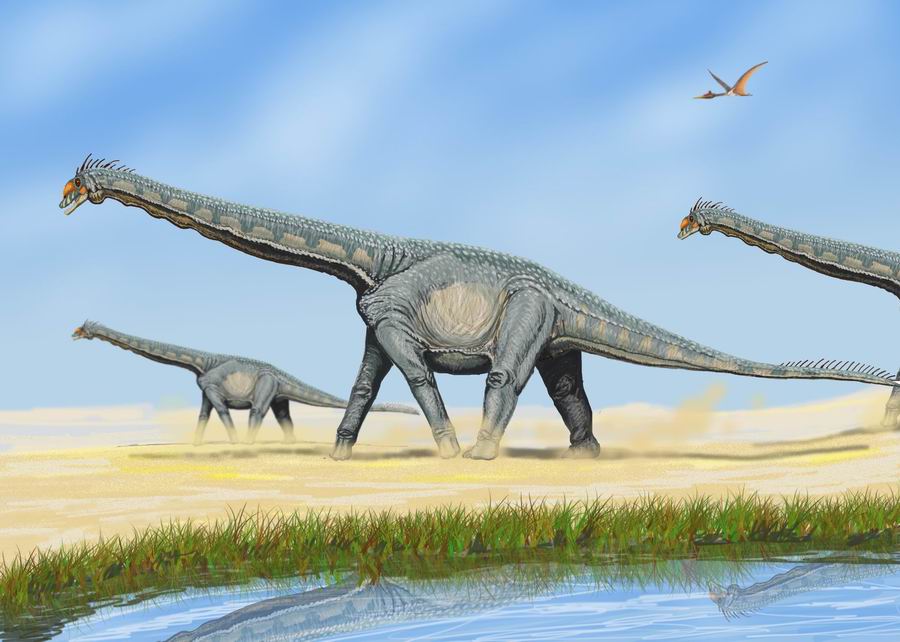
Sauropods—the long-necked giants like Brachiosaurus and Diplodocus—presented a special digestive challenge due to their enormous size and plant-based diet. Research suggests these titans likely used a form of hindgut fermentation rather than the foregut fermentation seen in cows. In this system, food passes through a simple stomach before entering an expanded cecum and colon where bacterial fermentation occurs. Modern examples of hindgut fermenters include horses and elephants. Sauropods may have possessed enormous fermentation chambers that allowed plant material to remain in the digestive tract for extended periods, maximizing nutrient extraction. Their long necks and small heads indicate minimal oral processing, suggesting they relied heavily on gut fermentation to break down food. Some scientists estimate that sauropods would have needed digestive tracts up to 30 meters long to process sufficient vegetation.
Ornithischians and Their Digestive Innovations
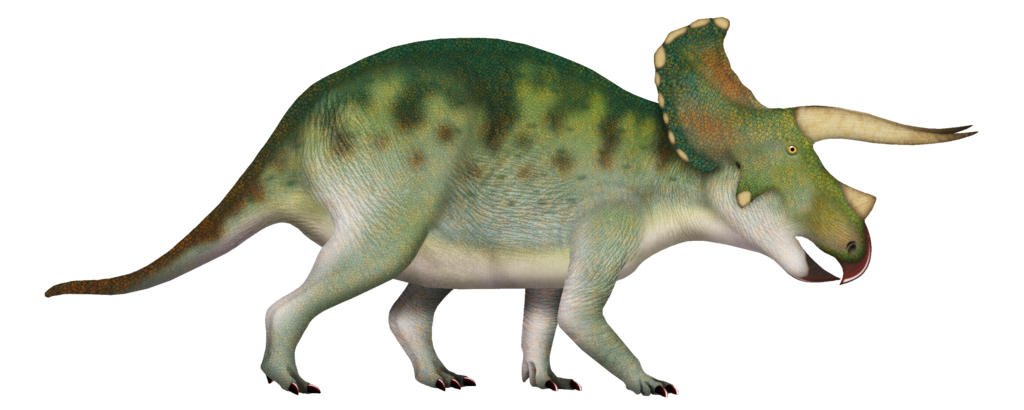
Ornithischian dinosaurs—including hadrosaurs, ceratopsians, and stegosaurs—show some of the most compelling evidence for specialized digestion among dinosaurs. These herbivores possessed extremely sophisticated dental batteries capable of thoroughly grinding plant material, suggesting a different approach to digestion than sauropods. Some evidence indicates certain ornithischians may have had enlarged fermentation chambers similar to the rumen in cows, but occurring in the hindgut rather than foregut. Hadrosaurs (duck-billed dinosaurs) in particular show evidence of complex dental adaptations with hundreds of teeth arranged in dental batteries capable of thorough plant grinding. Recent research on hadrosaur fossils suggests they may have had specialized digestive tracts with expanded chambers that served as fermentation vats, representing convergent evolution with mammalian herbivores but achieved through different anatomical structures.
Gastroliths: Dinosaur Digestive Aids

Many herbivorous dinosaurs appear to have utilized gastroliths—polished stones swallowed and retained in the digestive tract—to help process tough plant material. These stones functioned similarly to a gizzard in modern birds, mechanically grinding food when stomach muscles contracted. Numerous dinosaur fossils have been discovered with collections of smooth stones in their abdominal regions, particularly among sauropods and some ornithopods. Modern birds, the descendants of theropod dinosaurs, continue to use this digestive strategy today. Unlike cows, which rely on thorough chewing and microbial fermentation, dinosaurs using gastroliths supplemented their digestion with this mechanical grinding method. The presence of gastroliths represents a distinctive dinosaurian solution to the challenge of plant digestion that differs fundamentally from the mammalian approach.
Microbiomes and Fermentation in Dinosaur Guts
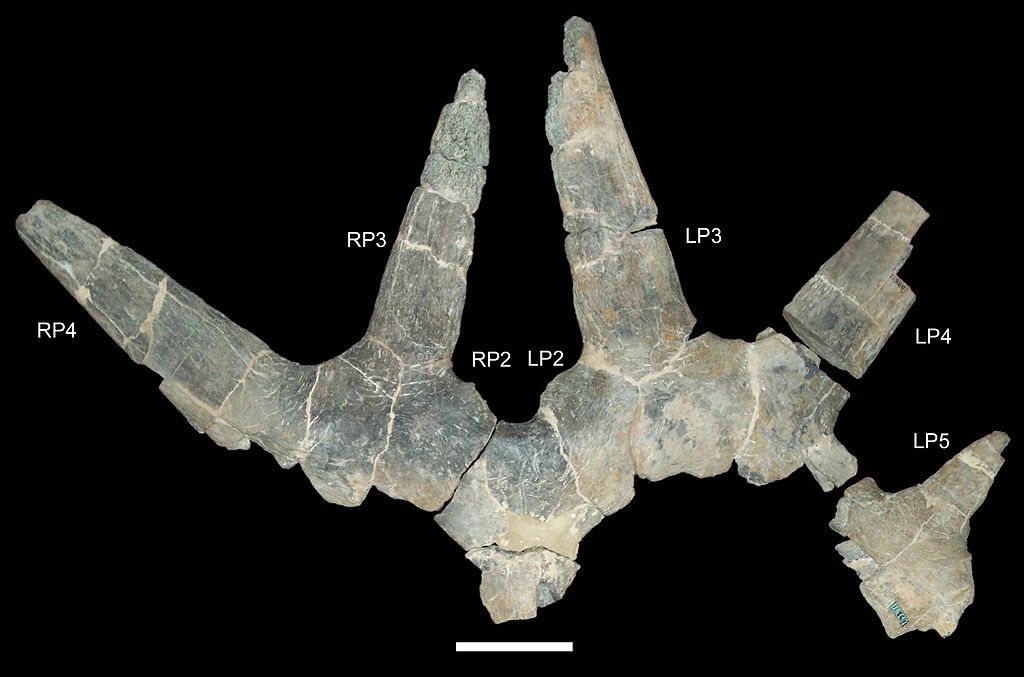
While direct evidence of dinosaur gut microbiomes doesn’t exist, comparative biology strongly suggests herbivorous dinosaurs hosted complex communities of microorganisms to aid digestion. Like modern herbivores, dinosaurs almost certainly relied on bacterial and protozoal symbionts to break down cellulose and other complex plant compounds. The question becomes not whether dinosaurs had gut microbes, but how their digestive systems were organized to house these microbial communities. Evidence suggests dinosaurs likely used hindgut fermentation similar to modern horses and elephants, rather than the foregut fermentation system of cows. This means food would first pass through the stomach and small intestine before entering expanded chambers in the latter portions of the digestive tract where microbes would ferment plant material. Such a system doesn’t require the specialized multi-chambered stomach seen in cows.
Comparing Dinosaur and Mammalian Herbivore Evolution
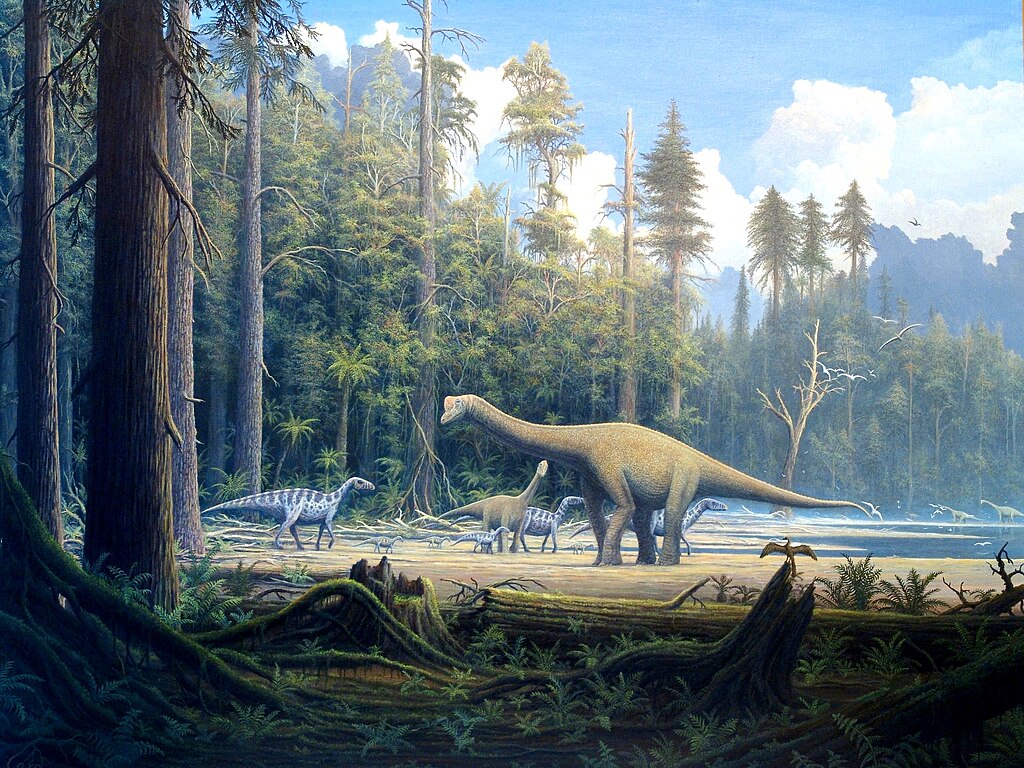
Dinosaurs and mammals represent two separate evolutionary experiments in developing large herbivores, with each lineage finding unique solutions to similar problems. Mammals evolved rumination approximately 50 million years ago, long after dinosaurs had disappeared, suggesting this specific digestive strategy wasn’t available to dinosaurs. Instead, dinosaurs likely evolved digestive systems more similar to modern birds and reptiles, modified for herbivory through expanded hindgut chambers. Both dinosaurs and mammals had to solve the problem of extracting nutrition from plants, but their different ancestral starting points led to distinct solutions. The mammalian strategy emphasizes thorough chewing and foregut fermentation, while the dinosaurian approach appears to have relied more on hindgut fermentation, sometimes supplemented by gastroliths. These different approaches reflect the constraints and opportunities presented by their respective evolutionary histories.
The Role of Body Size in Dinosaur Digestion
Body size plays a crucial role in herbivore digestion, and dinosaurs pushed the boundaries of terrestrial animal dimensions. Larger body size generally confers digestive advantages through scaling effects—as an animal grows larger, its digestive tract volume increases more rapidly than its metabolic requirements. This relationship means that larger animals can retain food longer for more thorough digestion, potentially compensating for lower-quality diets. For massive sauropods weighing up to 70 tons, this scaling effect would have allowed for extremely long food retention times. Their enormous digestive tracts likely served as massive fermentation vats where plant material could be broken down over extended periods. Intriguingly, this digestive advantage may help explain why dinosaurs evolved such extreme body sizes compared to mammals. The largest mammalian herbivores today are elephants weighing around 6 tons, while sauropods reached weights over ten times greater.
Evidence from Modern Reptiles and Birds
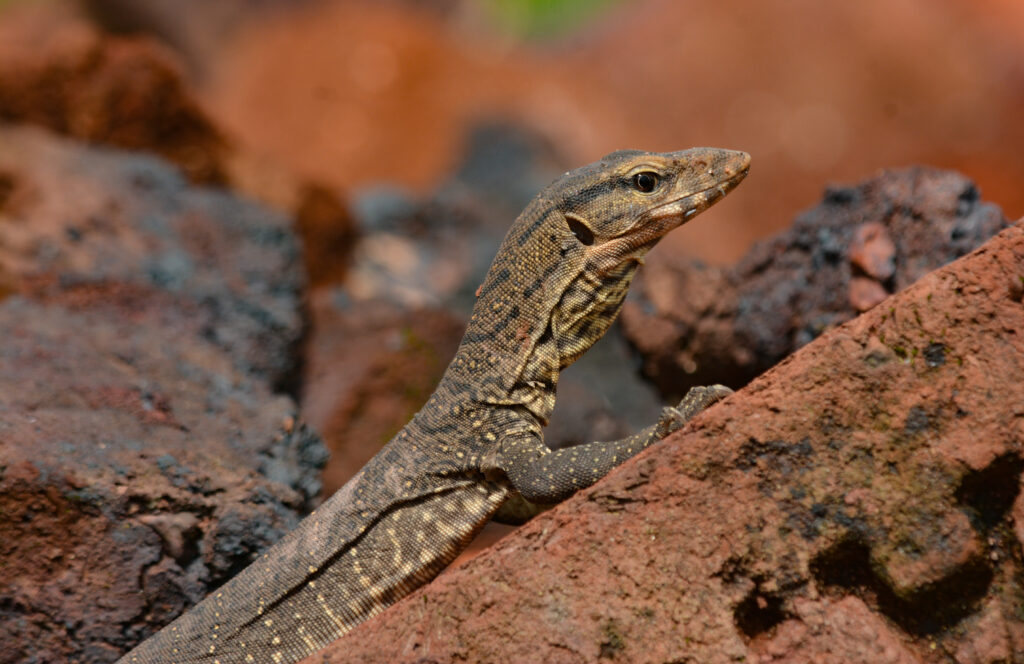
Examining the digestive systems of modern reptiles and birds—the closest living relatives of dinosaurs—provides valuable insights into potential dinosaur digestion. Modern herbivorous reptiles like iguanas employ hindgut fermentation in their relatively simple digestive tracts, while lacking the specialized multi-chambered stomachs of ruminants. Birds, as direct descendants of theropod dinosaurs, offer particularly relevant comparisons. Herbivorous birds like ostriches have expanded hindgut chambers for fermentation and use a muscular gizzard containing gastroliths to grind food. The combination of evidence from these living dinosaur relatives strongly suggests that herbivorous dinosaurs employed similar digestive strategies. While modern reptiles and birds are generally much smaller than herbivorous dinosaurs were, the basic digestive blueprints they exhibit likely represent modified versions of the systems dinosaurs used, scaled up to accommodate their larger bodies.
The Mystery of Dinosaur Teeth and Their Digestive Implications
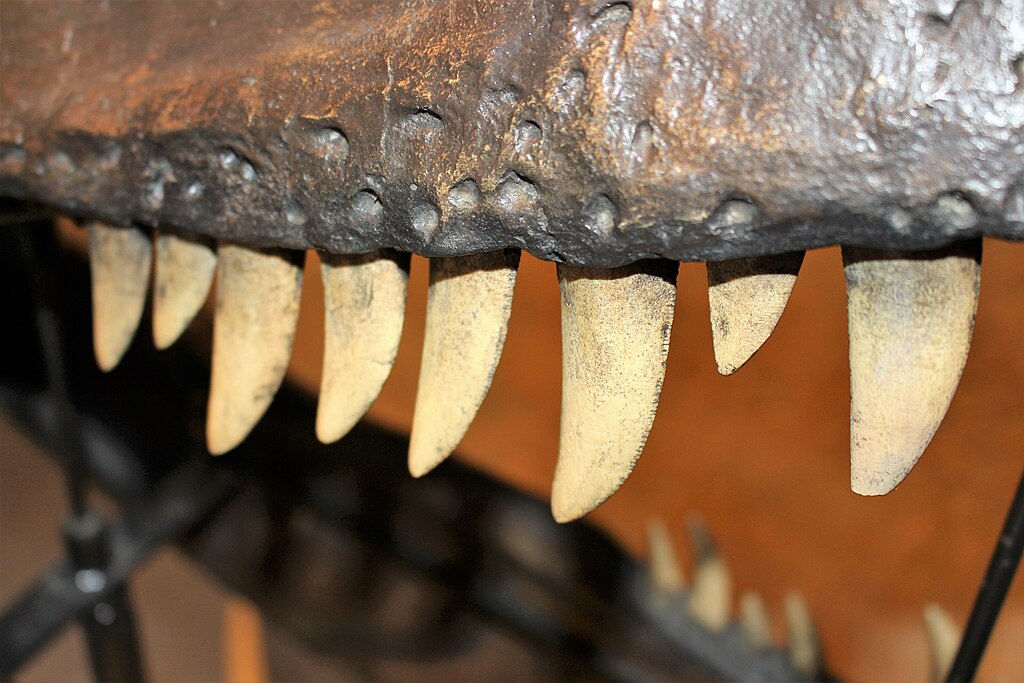
Dinosaur teeth provide crucial insights into their digestive capabilities and strategies. Unlike cows, which thoroughly chew cud as part of rumination, different dinosaur groups show vastly different approaches to oral processing. Sauropods had simple, pencil-like teeth used primarily for stripping vegetation rather than chewing it, suggesting they relied heavily on gut fermentation. By contrast, ornithischians like hadrosaurs and ceratopsians evolved complex dental batteries capable of thoroughly grinding plant material. These differences imply varied digestive strategies among different dinosaur lineages. Hadrosaurs, with their sophisticated chewing capabilities, may have extracted more nutrition through mechanical breakdown before gut fermentation began. Sauropods, with minimal oral processing, would have depended almost entirely on their gut bacteria and long retention times. These dental adaptations represent different evolutionary solutions to herbivory that correspond to different digestive strategies.
Recent Scientific Advances in Understanding Dinosaur Digestion
Modern scientific techniques are revolutionizing our understanding of dinosaur digestion. Advanced CT scanning of fossils has revealed previously invisible details of dinosaur gut contents and internal anatomy. Chemical analysis of fossilized feces (coprolites) provides information about diet composition and digestive efficiency. Stable isotope analysis of dinosaur teeth and bones offers insights into their diets and metabolism. One particularly promising area is the examination of bone microstructure, which can indicate growth rates and metabolic patterns related to digestive efficiency. Recent research on exceptionally preserved dinosaur specimens has also identified possible soft tissue remnants of digestive organs. In a groundbreaking 2020 study, researchers identified what appeared to be the cloaca (the terminal end of the digestive tract) in a remarkably preserved Psittacosaurus specimen, offering rare direct evidence of dinosaur digestive anatomy.
Convergent Evolution in Digestive Systems
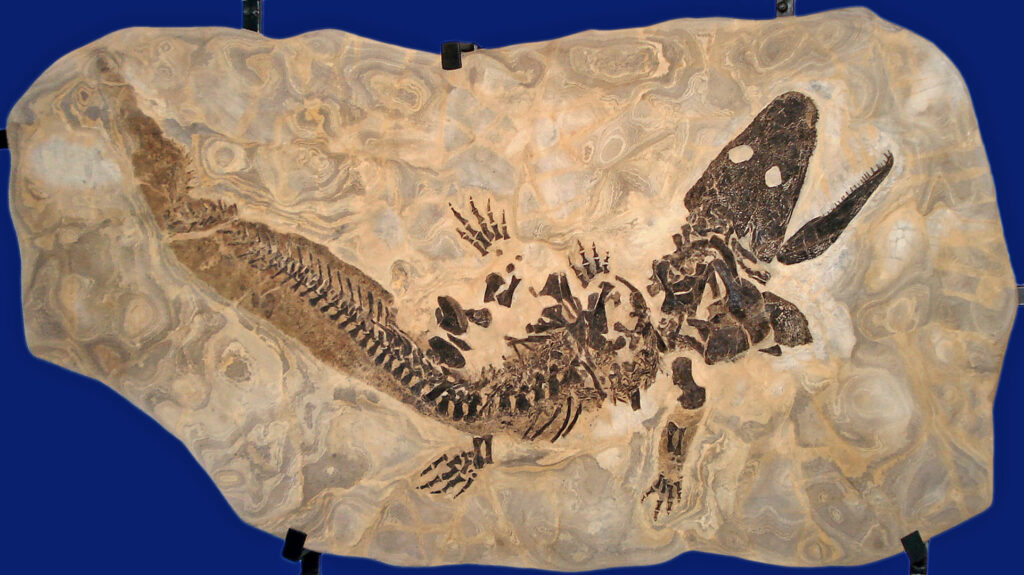
While dinosaurs didn’t have cow-like stomachs, both groups represent fascinating examples of convergent evolution—where similar traits evolve independently in different lineages facing similar challenges. Herbivorous dinosaurs and mammals both evolved specialized digestive adaptations to process plant material, but through different anatomical and physiological pathways. Cows developed rumination with multiple stomach chambers and foregut fermentation, while dinosaurs likely relied on expanded hindgut chambers for fermentation, sometimes supplemented by gastroliths. These different solutions address the same fundamental problem: how to break down cellulose and other tough plant components. The comparison illustrates an important principle in evolution—that similar functional needs often drive the development of different structural solutions based on the ancestral starting materials. Dinosaurs and mammals represent two separate but equally successful evolutionary experiments in large-bodied herbivory, each finding their own path to efficiently extracting energy from plants.
Conclusion: Different Solutions to the Same Problem
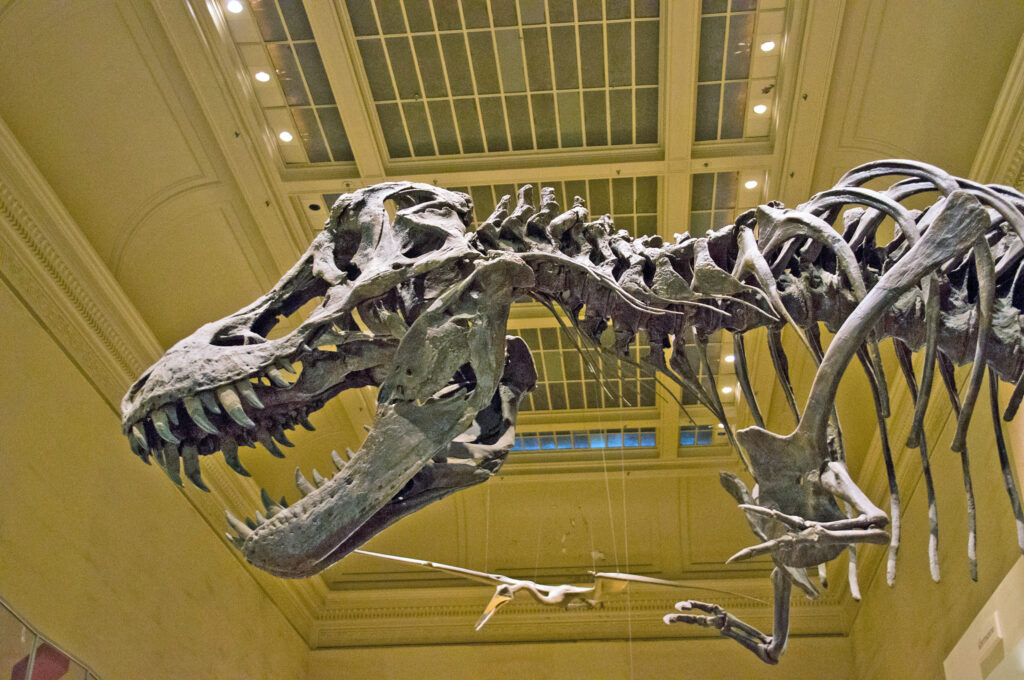
While herbivorous dinosaurs didn’t possess the specialized four-chambered stomachs characteristic of cows and other ruminants, they clearly evolved effective digestive strategies suited to their reptilian anatomy and enormous size. The evidence suggests most herbivorous dinosaurs employed some form of hindgut fermentation, potentially supplemented by gastroliths for mechanical breakdown, rather than the foregut fermentation seen in cows. Some dinosaur groups, particularly ornithischians, developed sophisticated oral processing capabilities, while others like sauropods relied more heavily on gut fermentation. What’s remarkable is how these different lineages—dinosaurs and mammals—evolved distinct but equally effective solutions to the challenge of herbivory. As we continue to refine our understanding of dinosaur digestion through new fossil discoveries and analytical techniques, we gain not only insights into these magnificent prehistoric creatures but also a deeper appreciation for the diverse pathways that evolution can take when solving similar biological challenges.