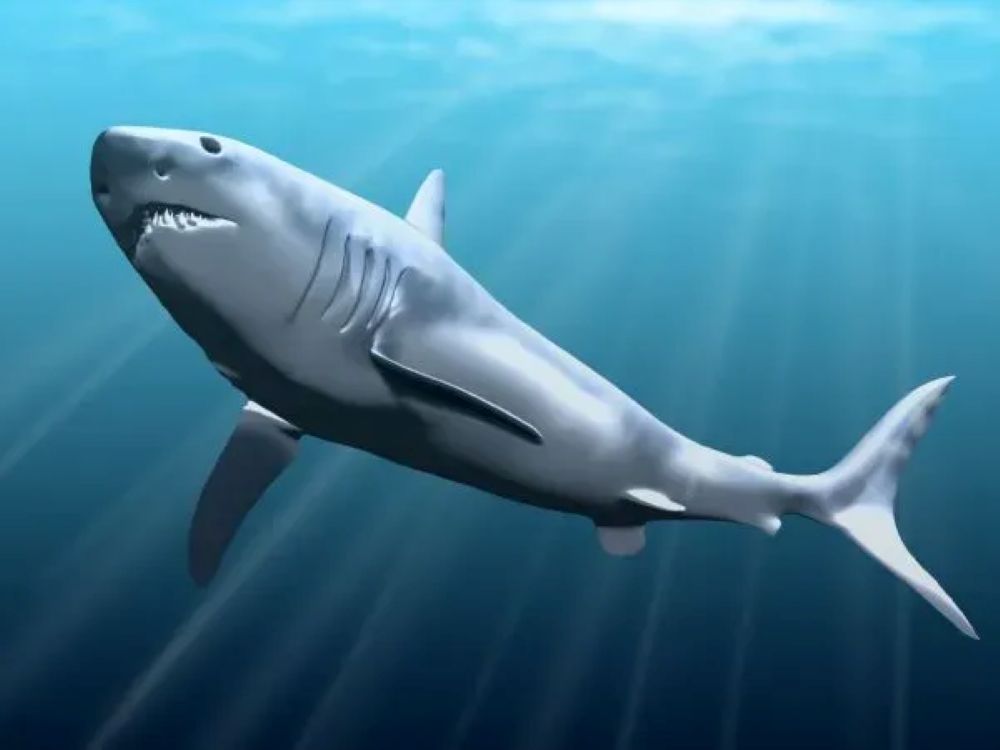
You’ve probably heard whispers about the megalodon before. That massive prehistoric shark that supposedly dwarfed every creature in the ocean and made today’s great white look like a guppy. It sounds almost mythical, doesn’t it? Yet the evidence we keep finding tells us this beast was absolutely real. Recently, scientists have been unearthing fascinating new discoveries along the American coastline that are forcing us to rethink what we thought we knew about where megalodons lived, how they behaved, and just how enormous they actually were. Let’s be real, the more we learn, the more incredible and slightly terrifying this ancient predator becomes. So let’s dive in and see what’s really lurking in the fossil record.
The American Coastline Was Megalodon Territory
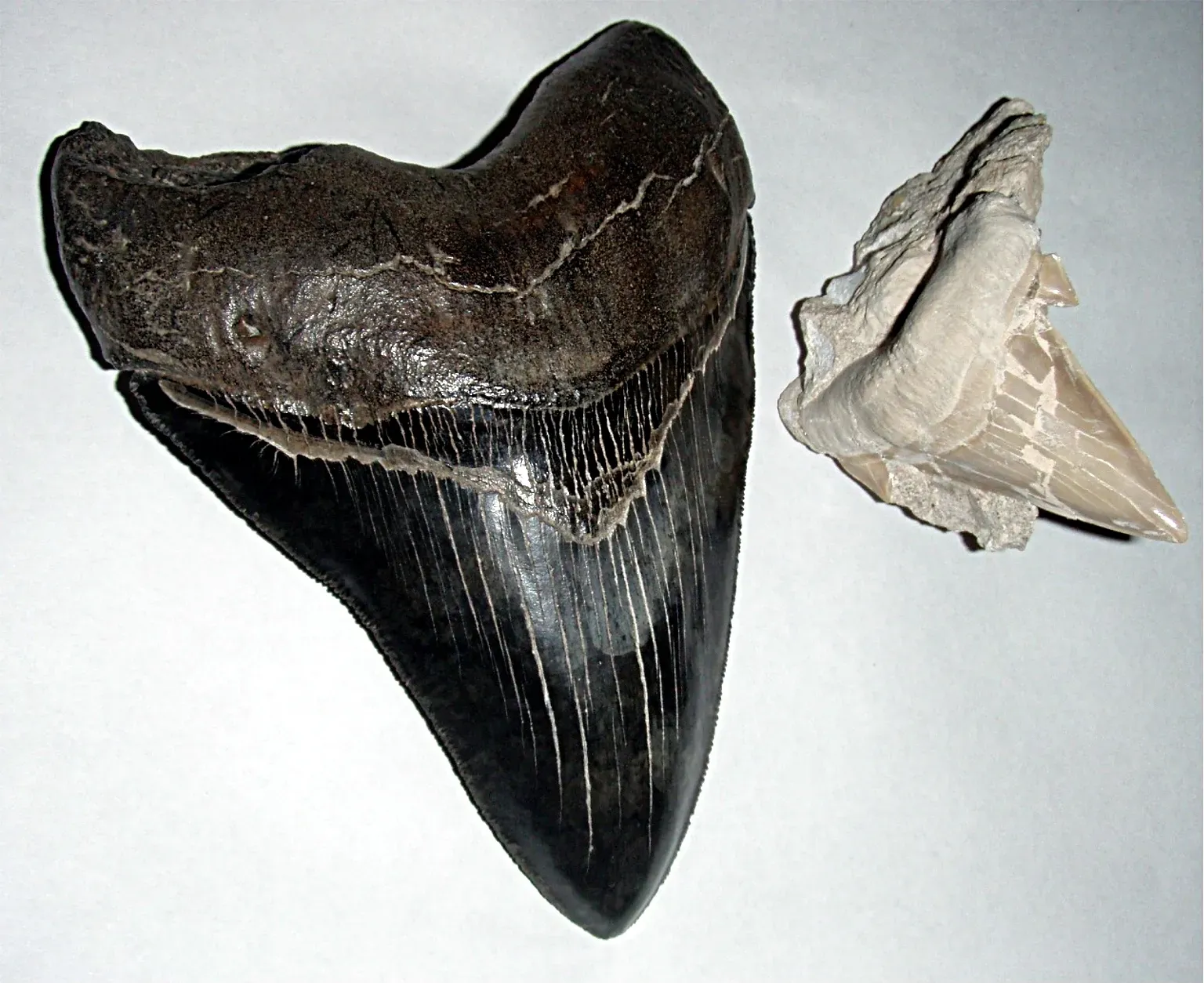
Off the east coast of North America, along the coasts and at the bottom of saltwater creeks and rivers of North Carolina, South Carolina and Florida, you can find lots of megalodon teeth. These aren’t just random scattered fossils either. Millions of years ago sea levels were substantially higher meaning much of coastal North Carolina was covered by the Atlantic Ocean, and fossil megalodon teeth are frequently found in rivers, on the beaches and by scuba divers off the North Carolina coast.
The sheer abundance of teeth in these regions tells us something critical. Megalodons used nursing grounds that were near shore, with the East Atlantic Coastal Plain and Florida being two such nursing grounds. Think about it: these ancient giants were raising their young right where you might vacation today. That’s pretty wild when you picture a 60-foot predator cruising through what is now someone’s favorite beach town.
Recent Fossil Discoveries Are Rewriting the Story

As sea levels shift and erosion continues to reshape coastlines, new fossil-rich areas are being uncovered, especially along the U.S. East Coast, and these discoveries have increased the supply and visibility of authentic megalodon teeth. Just this past year, enthusiasts have been finding impressive specimens. Kristina Scott found a 6-inch megalodon shark tooth while fossil diving in Venice, Florida.
Here’s the thing: Only 1% of all megalodon shark teeth found are 6 inches. So when someone pulls up a tooth that size, they’re holding something truly exceptional. In 2013 the North Carolina state legislature officially designated the fossil teeth of the prehistoric megalodon shark as the North Carolina state fossil, recognizing that the megalodon was the largest shark to ever have existed reaching massive sizes of close to 60 feet in length. The state knew what they had beneath their beaches.
Scientists Just Made Megalodons Even Bigger
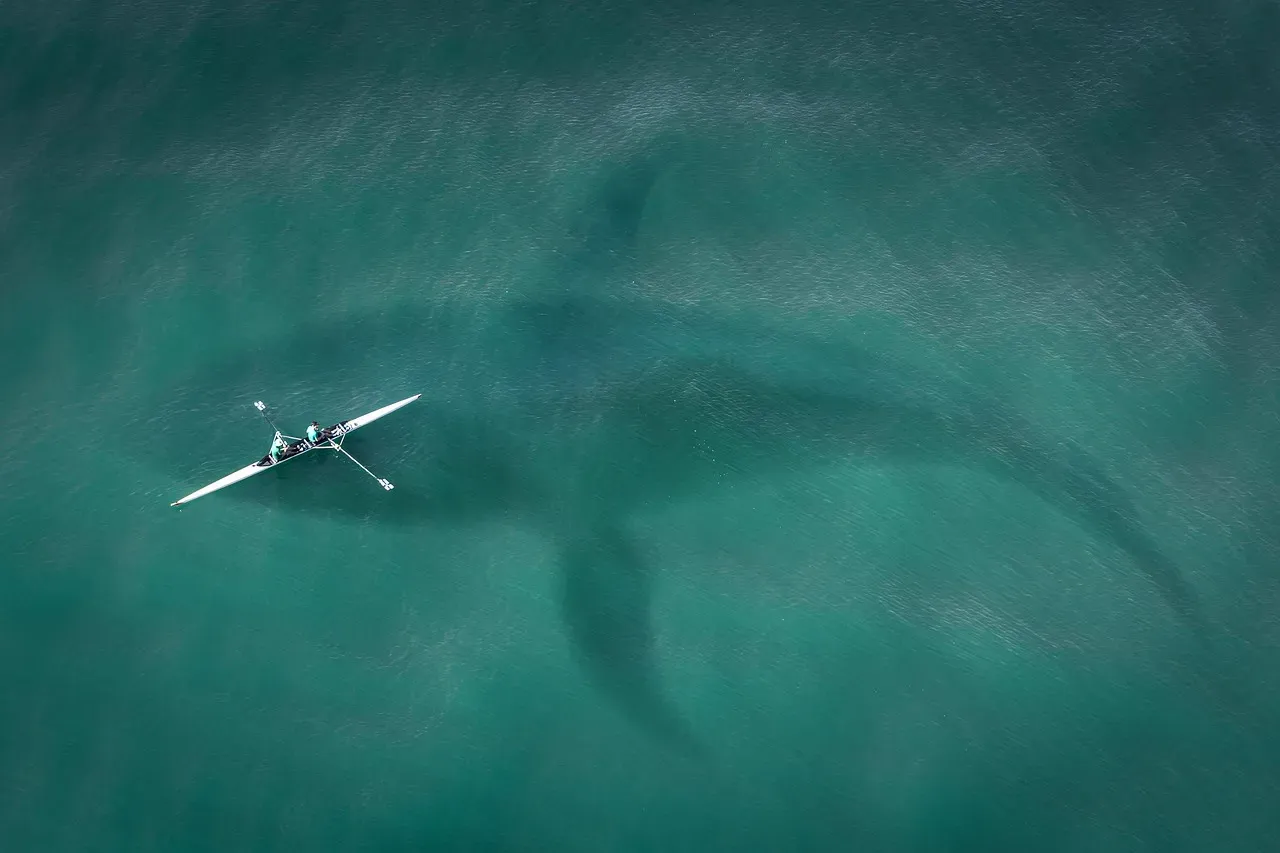
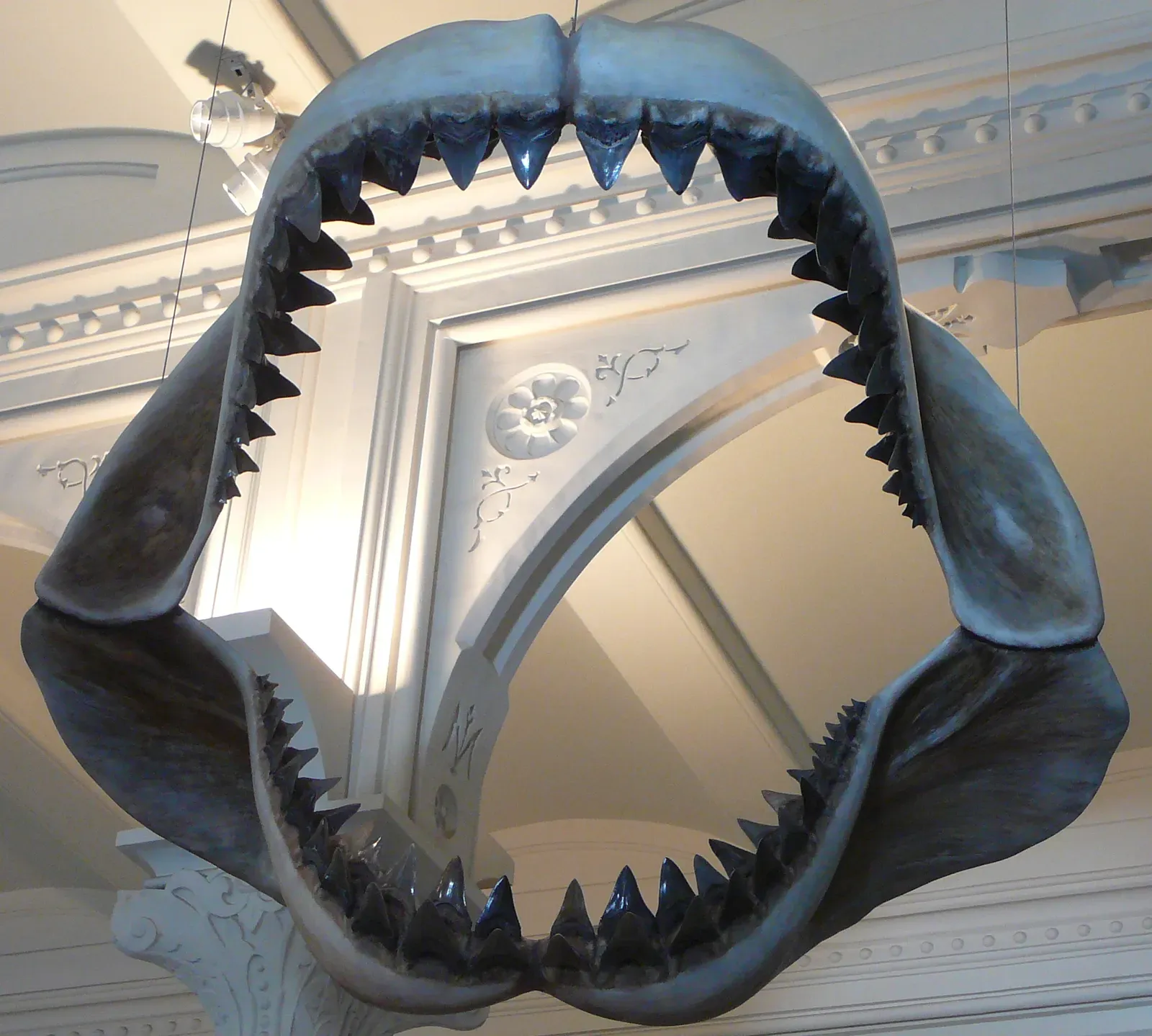
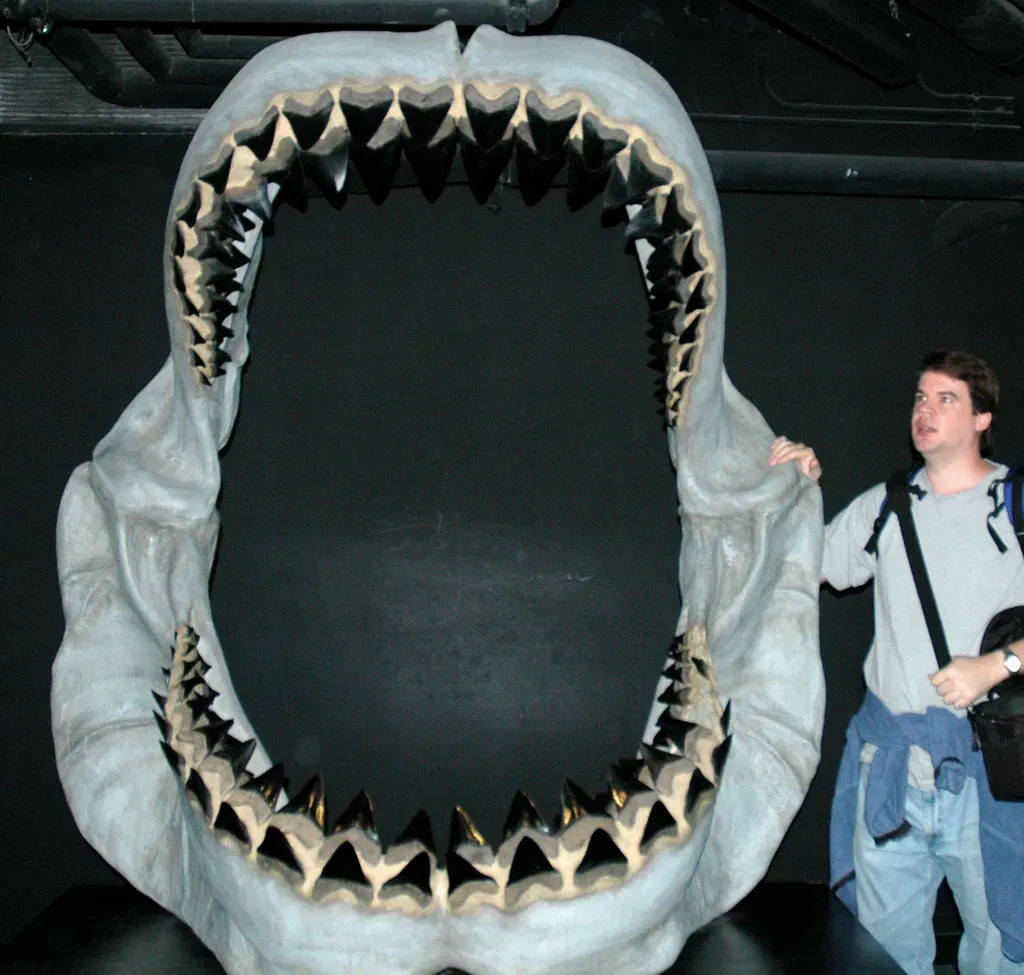
If you thought megalodons were already terrifying, hold onto your dive fins. After comparing portions of a megalodon’s vertebral column to over 100 species of living and extinct shark species, researchers now estimate the megalodon may have topped out at around 80 feet long, or about two school buses, while weighing as much as 94 tons. That’s not a typo. Eighty feet.
If Danish vertebrae represent the largest vertebrae in the body, that individual could have measured about 24.3 meters (80 feet) long, with the length of 24.3 meters being currently the largest possible reasonable estimate that can be justified based on science and the present fossil record. Even more fascinating is that these creatures didn’t look exactly like supersized great whites. The body form of megalodon likely resembled superficially the modern lemon shark, which has a more slender body than the modern great white shark.
They Weren’t Speed Demons After All
Pop culture loves to portray megalodons as lightning-fast killing machines. Turns out, that might be exaggerated. New research reveals that megalodon’s tiny placoid scales are not equipped with narrowly-spaced ridges characteristic of fast-swimming sharks, leading researchers to consider megalodon to be an average swimmer with occasional bursts of faster swimming for prey capture.
A new study reveals the iconic extinct megalodon was a rather slow cruiser that used its warm-bloodedness to facilitate digestion and absorption of nutrients. So instead of being the Ferraris of the ocean, they were more like heavily armored tanks that could still move when they needed to. Honestly, that makes them even more impressive in my opinion. They didn’t need speed when you’re that massive and powerful.
Deep Sea Discoveries Challenge What We Thought We Knew
For decades, scientists assumed megalodons stuck mostly to shallow coastal waters. A fossil was collected at a depth of over 10,000 feet by remotely operated vehicle Hercules while exploring a never-before-surveyed seamount roughly 150 miles south of Johnston Atoll, and this species was among the largest sharks ever to inhabit our planet but went extinct approximately 3.5 million years ago, representing the first reported case of an in-situ observation of a fossil megalodon tooth in the deep sea.
This fossil provides important insights into the distribution of megalodon, indicating that megalodon was not a purely coastal species and that this species migrated across ocean basins similar to many modern-day species such as the great white shark. That changes everything. These weren’t just nearshore ambush predators. They were ocean wanderers capable of traversing massive distances between continents.
What These Giants Actually Ate
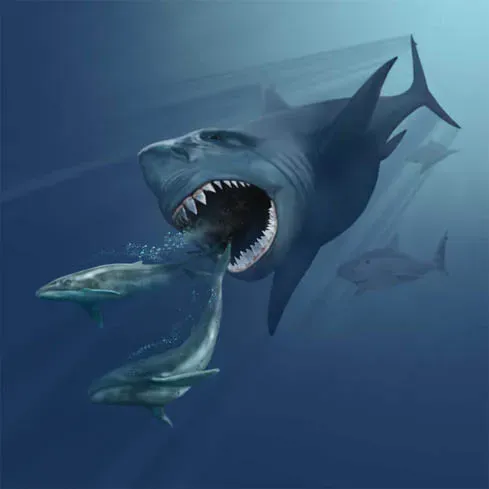
The megalodon’s menu was basically everything with a pulse. Direct fossil evidence indicates that megalodon preyed upon many cetacean species such as dolphins, small whales, cetotheres, squalodontids, sperm whales, bowhead whales, and rorquals, and also targeted seals, sirenians, and sea turtles, as the shark was an opportunist and piscivorous.
Many whale bones have been found with deep gashes most likely made by their teeth, and various excavations have revealed megalodon teeth lying close to the chewed remains of whales. Imagine being a whale back then, constantly looking over your shoulder for a creature the size of a bus with jaws that could crush bone. Mature megalodon moved to offshore areas and consumed large cetaceans. The older they got, the bigger their prey became.
Why They Vanished and What It Means Today
As the shark preferred warmer waters, it is thought that oceanic cooling associated with the onset of the ice ages, coupled with the lowering of sea levels and resulting loss of suitable nursery areas, may have contributed to its decline. During the Pliocene, there was a drop in ocean temperatures that likely contributed to the megalodon’s demise.
The closure of the Central American Seaway also played a role. For much of the Cenozoic Era, a seaway existed between the Pacific and Caribbean that allowed for water and species to move between ocean basins, with Pacific waters filled with nutrients easily flowing into the Atlantic, but that all changed when the Pacific tectonic plate butted up against the Caribbean and South American plates during the Pliocene, and the Isthmus of Panama began to take shape. Their world literally closed in on them. The giant megalodon was unable to sustain its massive body size due to these changes and the loss of prey, and eventually went extinct.
The discoveries along the US coast continue to reveal just how dominant megalodons were in ancient American waters. From nursing grounds in Florida to hunting territories off the Carolinas, these apex predators shaped marine ecosystems for millions of years. Every tooth that washes ashore or gets pulled from a riverbed adds another piece to this incredible puzzle. What do you think about knowing these giants once ruled the waters where people swim today? Pretty mind-blowing, right?