
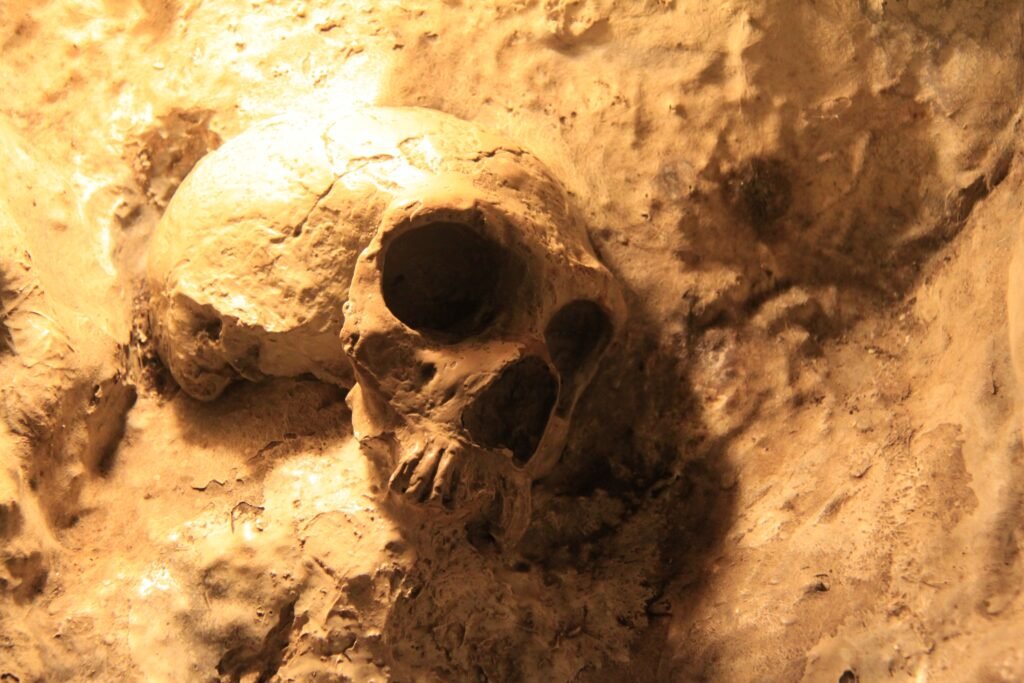
Imagine standing in a dark cave forty or fifty thousand years ago, watching a small group of Neanderthals gathered around the body of someone they knew. Did they feel a heavy ache in their chest, the way we do at a funeral? Or are we simply projecting our own emotions backward in time onto a species we barely understand? That uncomfortable uncertainty sits at the heart of one of the most haunting questions in archaeology: did Neanderthals grieve like we do?
The short answer is that the evidence is fascinating, emotional, and deeply ambiguous. Archaeologists have uncovered burials, strange arrangements of bones, and hints of care for the sick and dying that look a lot like compassion. But every time the story starts to sound too familiar, the data reminds us: these were not modern humans, and our emotional worlds might only partially overlap. To make sense of it, we have to walk a tightrope between empathy and evidence.
The Emotional Trap: Are We Seeing Grief or Just Seeing Ourselves?
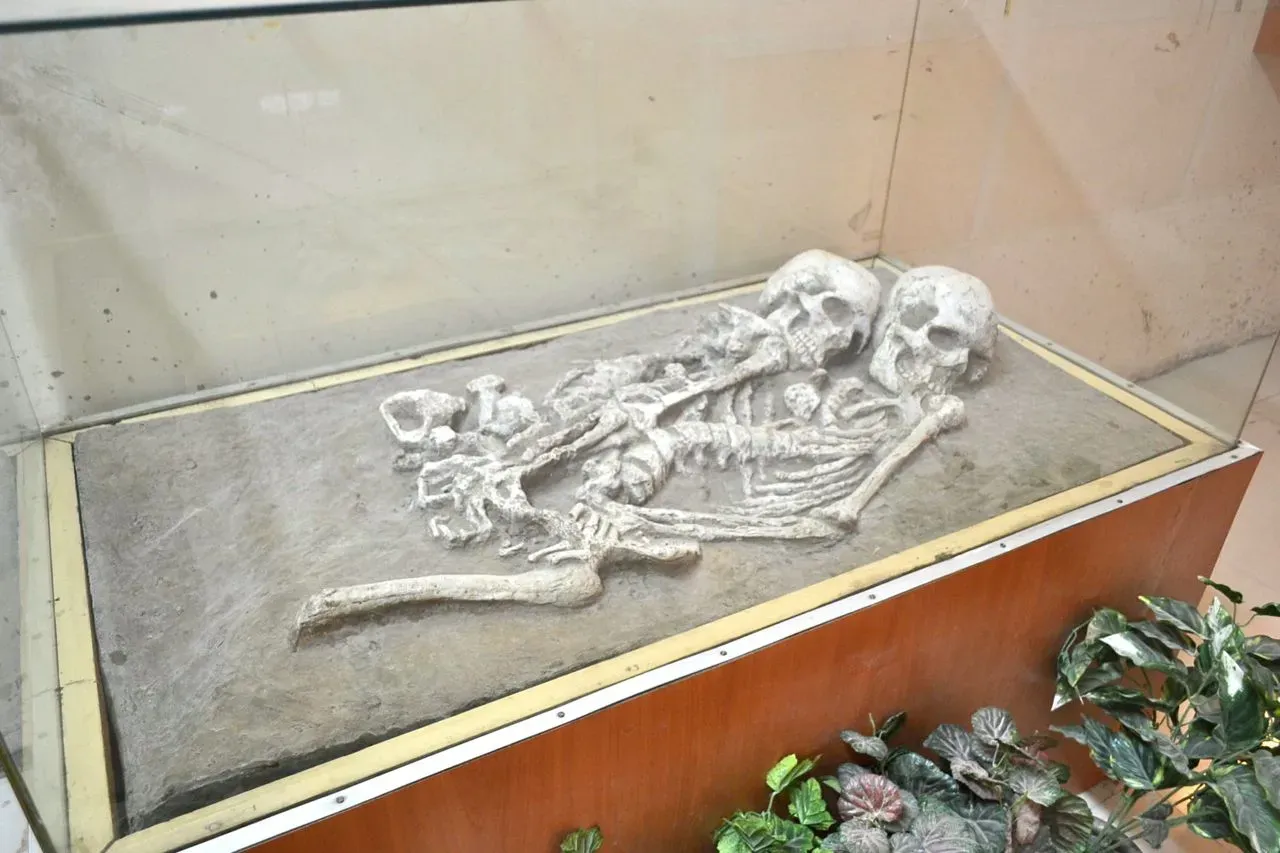
The most seductive mistake in this whole debate is how easy it is to see Neanderthals as slightly rougher versions of us. We look at a skeleton carefully placed in a pit and instantly think of funerals, mourning, and final goodbyes, because that is what those scenes mean in our lives. Our brains grab familiar scripts and paste them over ancient behavior, almost without asking permission. Archaeologists call this problem projection, and it is the first big obstacle to answering whether Neanderthals grieved.
In reality, the same physical evidence can often be interpreted in very different ways. A body laid in a depression could be a deliberate burial, a way to honor the dead, an attempt to keep predators away, a practical act to keep camp clean, or even a byproduct of natural processes. When we talk about emotions in the deep past, we are always working with traces of behavior, not direct feelings. So the real question becomes: when does a pattern of behavior become so unlikely to be random or purely practical that grief and attachment become the most reasonable explanation?
Neanderthal Burials: Careful Graves or Convenient Pits?
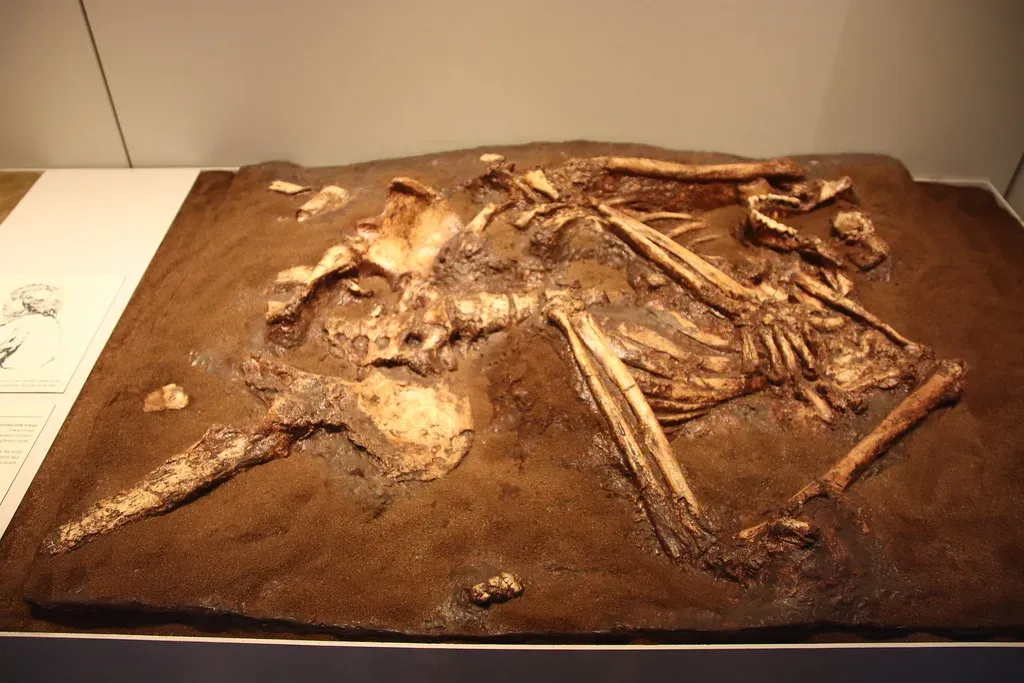
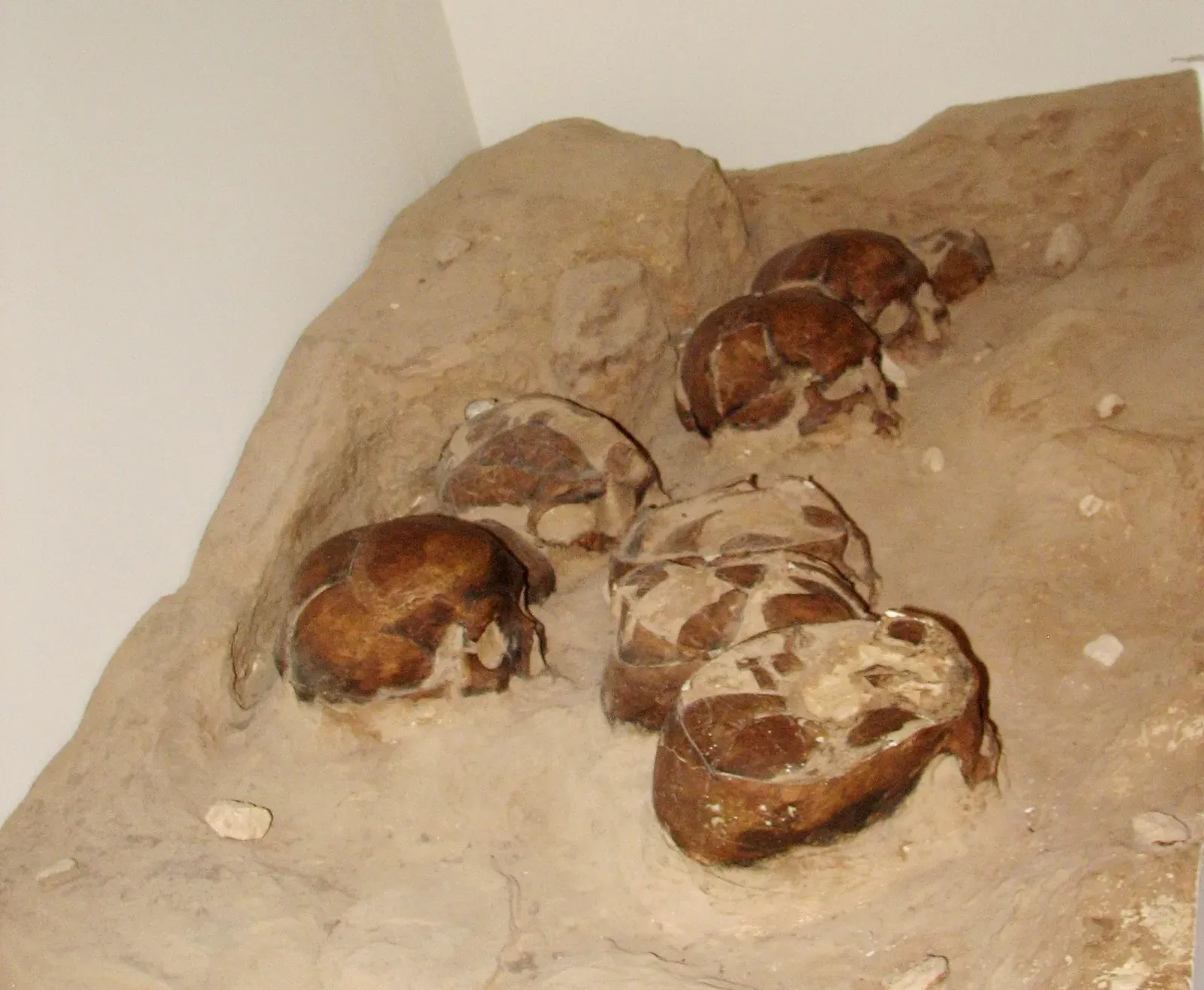
Some of the strongest arguments for Neanderthal grief come from sites where individuals seem to have been intentionally buried. Skeletons are sometimes found in anatomical position, lying on their sides or backs, with limbs still articulated and the surrounding sediment suggesting they were placed in a pit and then covered. That kind of preservation is hard to explain if bodies were just left on the surface to rot or be scavenged. It hints that somebody, at some point, handled the dead with deliberate care.
But even here, the story is messy and controversial. Some researchers argue that at a number of classic Neanderthal sites, what look like graves might actually be the result of natural depressions or subtle cave collapses, later filled in by sediments. Others counter that repeated patterns across different regions and time periods are hard to dismiss as pure coincidence. The safest stance is that at least some Neanderthal groups were very likely doing something more deliberate with their dead than simply abandoning them to the elements, but that does not automatically prove they felt grief exactly as we do.
Grave Goods, Flowers, and the Myth of the Sentimental Caveman
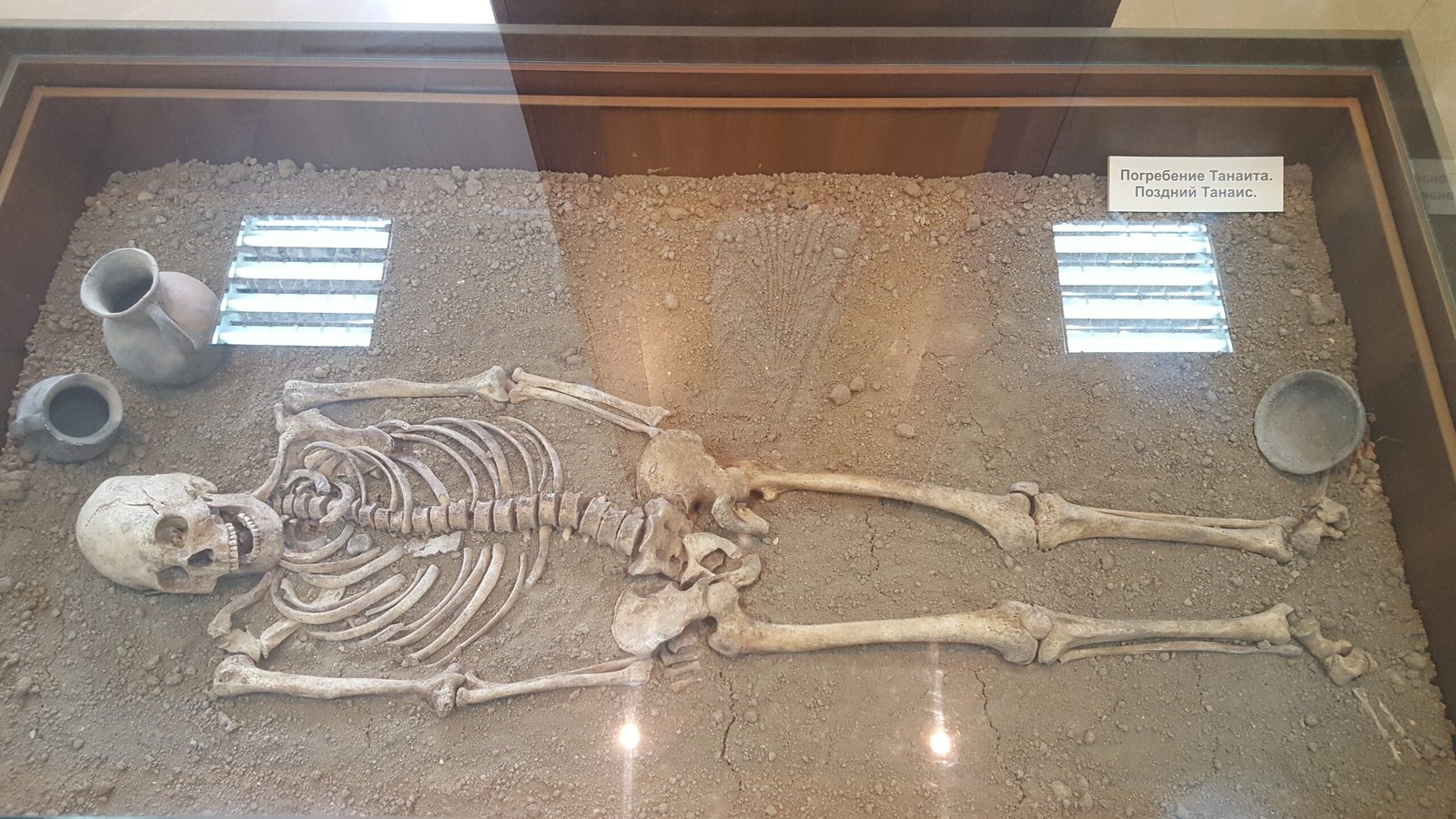
One of the most famous and romanticized ideas is that Neanderthals placed flowers in graves, creating tender scenes of prehistoric funerals covered in blooms. This image largely comes from a single site where pollen grains were found near a Neanderthal skeleton, once interpreted as evidence that bouquets had been laid near the body. For decades this fueled the narrative of sensitive, flower-loving Neanderthals who mourned in ways instantly recognizable to us.
Later research cast serious doubt on that rosy picture, showing that burrowing animals likely dragged pollen-rich plants into their tunnels, accidentally concentrating them around the skeleton. This does not mean Neanderthals never used flowers or symbolic objects with their dead; it just means the best-known case turned out to be shakier than we hoped. Right now, evidence for clear, consistent grave goods in Neanderthal burials is thin and debated. That suggests that if symbolic ritual around death existed, it was probably less elaborate and less widespread than in many later Homo sapiens communities.
Caring for the Weak: Compassion Before Death, Not Just After
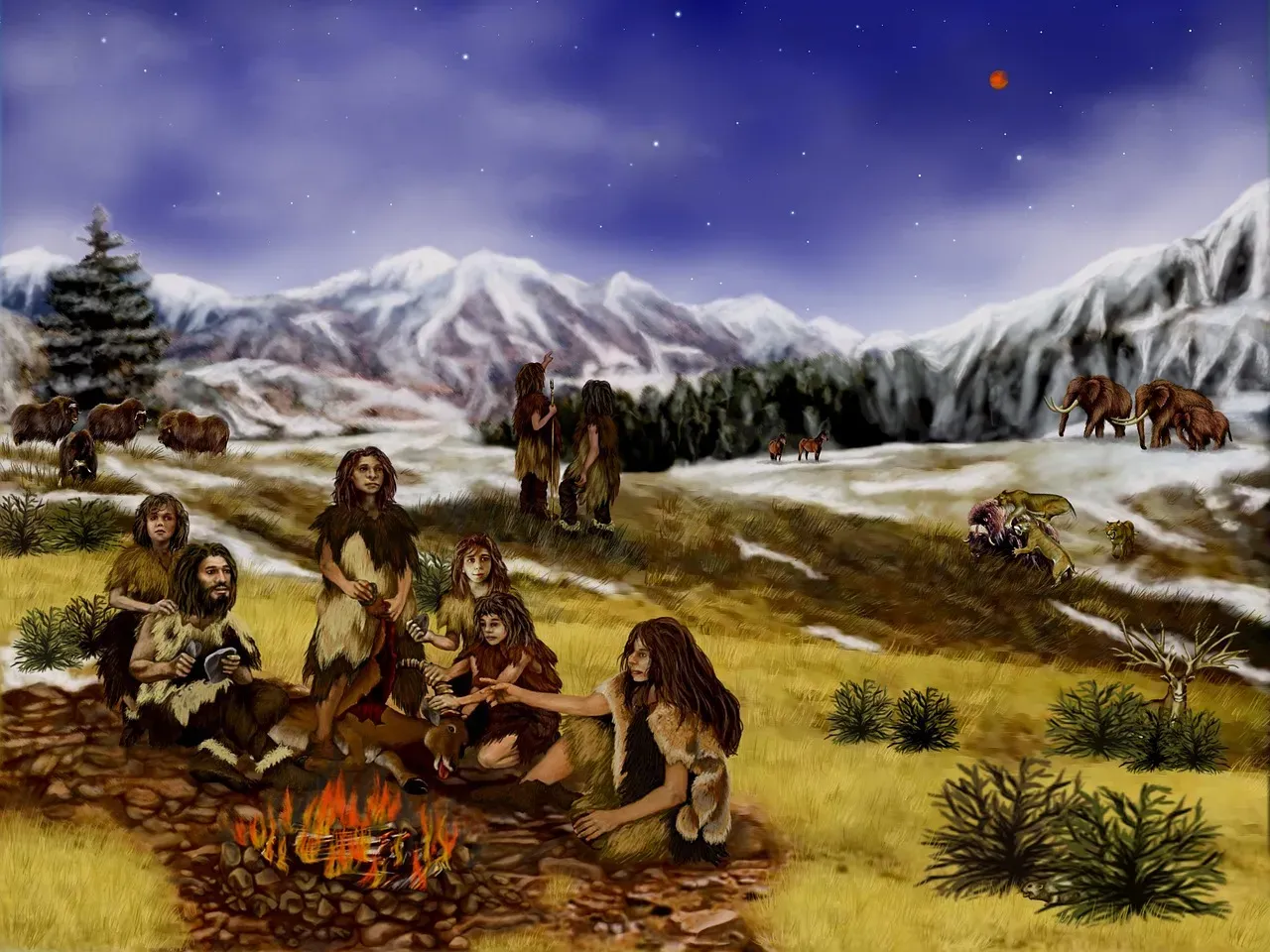
If you want a strong emotional punch, you do not have to look only at graves. Some of the most powerful evidence for Neanderthal empathy comes from skeletons that show individuals living for years with serious injuries, disabilities, or illnesses. There are cases of individuals with damaged limbs, missing teeth, or chronic conditions who survived long enough that it is hard to imagine them doing so without help. That implies that someone fed them, protected them, and kept them within the group.
This kind of care matters when we talk about grief, because deep attachment and long-term support before death make postmortem emotions much more plausible. If you are willing to share food with an injured relative who cannot contribute much to the hunt, you already recognize their value beyond simple utility. That does not prove they held funerals, told stories about the dead, or believed in an afterlife, but it does undercut the stereotype of Neanderthals as cold, purely survival-driven brutes. A group capable of nursing the vulnerable is almost certainly capable of feeling loss when those individuals finally die.
Brains, Language, and the Architecture of Sorrow
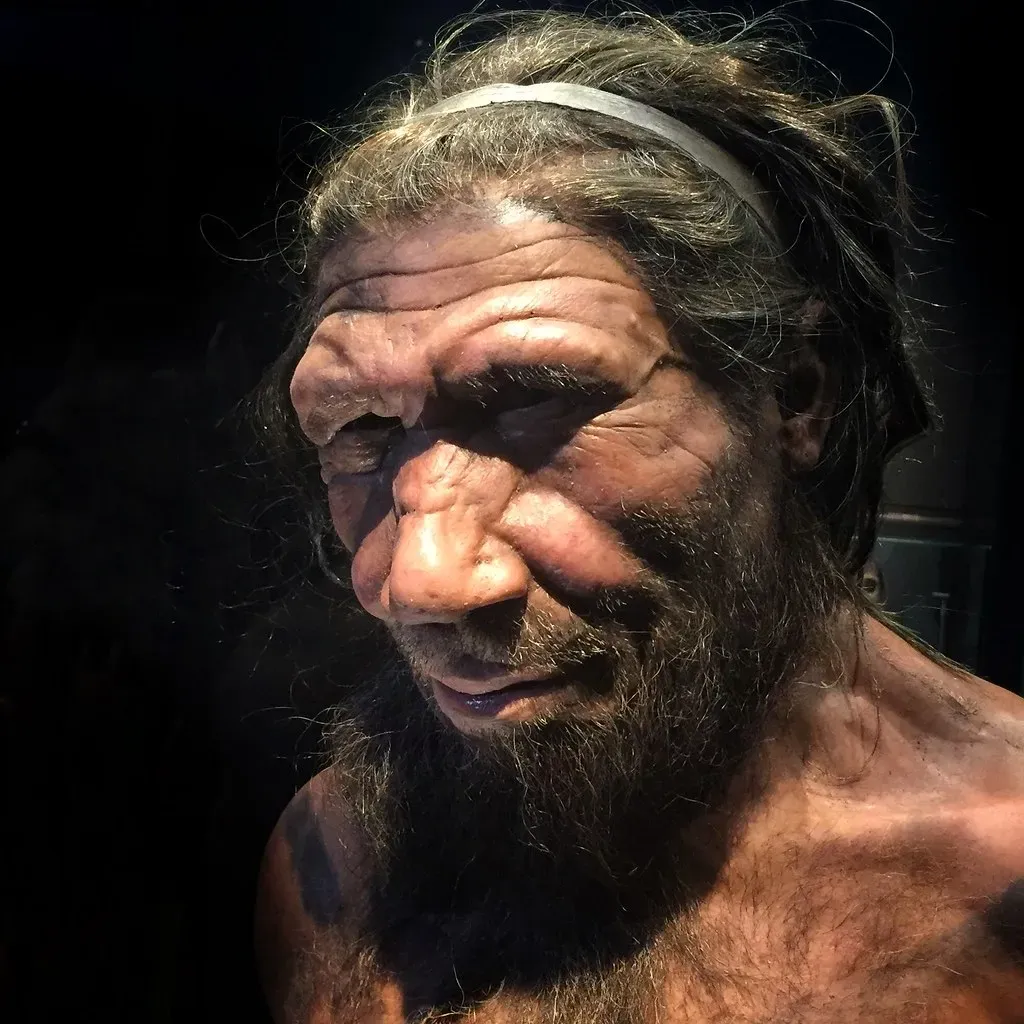
Another way to approach the grief question is to ask what kinds of minds Neanderthals had. Their brain sizes overlapped and often matched or exceeded those of modern humans, but brain size alone does not tell us how they thought or felt. The internal wiring and regional proportions matter, and those details are much harder to reconstruct from skulls. Still, given their tool complexity, hunting strategies, and probable social structures, it is reasonable to infer that they were capable of rich emotional lives, even if the nuances differed from ours.
Language is the other big piece of this puzzle. Complex grief, the kind that spirals into memory, storytelling, and shared rituals, is often woven through words. Some anatomical evidence suggests that Neanderthals had vocal tracts and hearing ranges compatible with speech-like communication. That does not automatically grant them full modern language, but it makes it hard to argue they only communicated with a few grunts. If they could tell each other that someone was gone, reminisce about hunts, or refer to absences, then their grief might have been less like an animal’s immediate distress call and more like a sustained, socially shared experience.
Comparing Neanderthal Loss to Animal Mourning

One of the most grounded ways to talk about Neanderthal grief is to look sideways at other animals, instead of only backward in time. Elephants linger over bones of their dead. Some primates carry deceased infants for days or weeks, grooming them and refusing to let go. Certain whales change their vocal patterns or stay close to dead calves, nudging them gently at the surface. Those behaviors are not identical to human funerals, but they are hard to dismiss as emotional emptiness.
If species that diverged from us millions of years ago can show something that looks like mourning, it is not a stretch to think Neanderthals, who were much closer relatives with complex social lives, felt forms of loss too. The key is humility: elephant grief is not human grief, and Neanderthal grief likely was not either. It might have been less wrapped in abstract beliefs and more in immediate social disruption, the absence of a familiar face at the fire. They may not have asked the same metaphysical questions we do, but that does not mean they were emotionally numb.
Ritual, Symbolism, and the Line Between Practical and Sacred
To see grief in the archaeological record, researchers often look for ritual and symbolism, especially around death. Did Neanderthals place bodies in consistent positions, return to particular caves, or use pigments and modifications that go beyond pure function? There are tantalizing hints of symbolic behavior in some Neanderthal contexts, such as pigments, modified shells, or unusual cave structures. If those same impulses carried into how they treated the dead, it would strengthen the case for emotionally and symbolically charged responses to loss.
The frustrating part is that very little of this can be pinned down with absolute confidence. You can always argue that a pigment was used for practical reasons, or that an unusual arrangement of bones is the result of postmortem disturbance. The line between practical and sacred is fuzzy even in modern societies, and in prehistory it is basically drawn in charcoal on fog. What seems most plausible is a spectrum: some Neanderthal groups may have developed more ritualized responses to death, while others stayed closer to pragmatic disposal, all within a shared capacity for attachment and sorrow.
What I Think Neanderthal Grief Really Looked Like
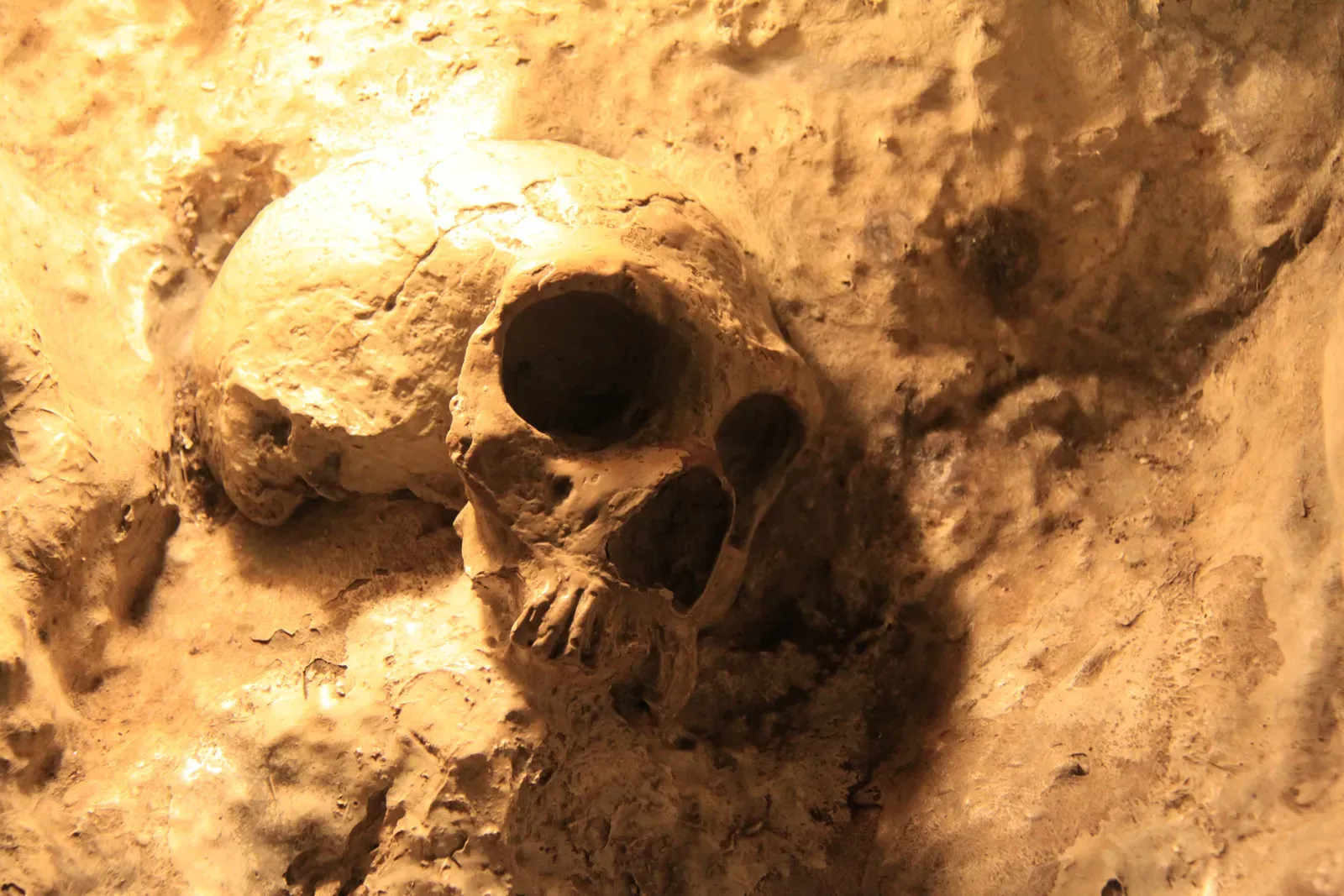
When I sift through all this evidence and its limitations, I end up somewhere between the sentimental story and the cold, minimalist one. I do not think Neanderthals were throwing elaborate funerals with floral arrangements, chants, and strict doctrine. But I also do not buy the idea that they were indifferent, dragging bodies to the side like broken tools. The patterns of care, the likely deliberate burials, and the parallels with other social animals all point toward beings who felt the weight of loss, even if they expressed it in simpler, less symbol-heavy ways.
If I had to picture it, I imagine small groups going quieter after a death, routines shifting, individuals lingering where someone used to sleep or sit. Maybe there were gestures we would recognize instantly: a hand on a still body, a reluctance to leave the cave where someone died, a watchful eye on the place where they were buried. Were they asking cosmic questions about the soul and the afterlife? Probably not in the highly abstract, doctrinal way many of us do today. But did they feel absence, confusion, and a kind of ache when someone important was gone? I would be surprised if they did not. And maybe the real challenge for us is not to decide whether they grieved exactly like we do, but to accept that sorrow itself has a deeper, older history than our own particular version of it.