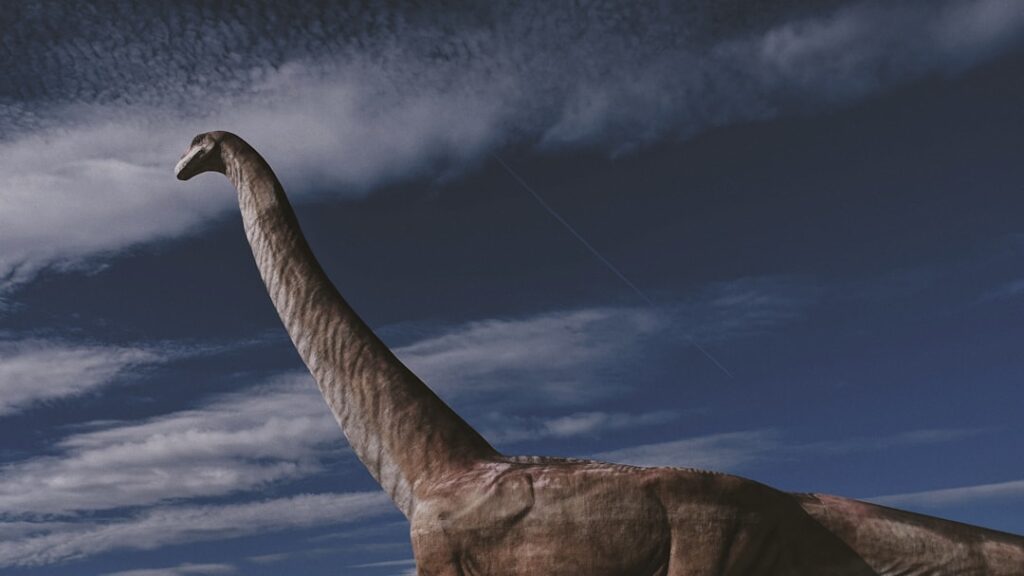
Picture this. Gigantic creatures with necks stretching toward the sky, walking for decades across a land so vast it defies imagination. The question of whether sauropods migrated thousands of miles across Pangea has captivated paleontologists for years. These weren’t your average road trips, these were journeys spanning what would later become continents.
What’s fascinating is that we’re not just guessing anymore. Scientists have pieced together clues from fossils, ancient footprints, and chemical signatures trapped in teeth to paint a picture of these colossal wanderers. Were they seasonal travelers like today’s elephants? Did climate shifts force them north from South America to Greenland? Let’s dive into what the evidence actually tells you about these titans and their potential journeys.
The Continental Canvas Where Giants Roamed
You could have walked from one end of Pangea to the other during the Triassic and Jurassic periods, when the supercontinent dominated Earth’s surface. The landmass stretched from pole to pole with no oceans blocking the way. Yet despite its geographic extent, Pangea experienced significant climatic variations, with inner parts considerably drier and cooler than its shores, likely forming one of the most extensive desert systems in Earth’s geological history.
Pangea possessed a great degree of climatic variability, with its interior exhibiting cooler and more arid conditions than its edge. Think of a supercontinent with tropical coastlines but a scorching, dry heart. For giant plant-eating dinosaurs needing massive amounts of food and water, this geography created both opportunities and challenges. The climate wasn’t uniform, shifting from lush forests to arid deserts depending on latitude and distance from ancient seas.
Chemical Clues Locked in Ancient Teeth
Here’s where it gets really interesting. Chemical signals in prehistoric tooth enamel reveal that roughly bus-length Camarasaurus dinosaurs walked hundreds of miles on marathon migrations in late Jurassic North America. Scientists analyzed oxygen isotopes in fossilized teeth and compared them to soil from lowland areas.
Because the dinosaurs’ isotope levels were lower than levels found in the basin, results indicated the dinosaurs had left the basin at some recent point and then returned. Each tooth recorded what these animals drank during its lifespan, essentially creating a chemical diary of their travels. The dinosaurs probably traveled more than 350 miles to find food and water in the highlands, comparable to modern elephant migrations across African savannahs.
Footprints Frozen in Time Tell Stories of Movement
Trackways preserved in stone offer you tangible evidence of sauropod journeys. A 110-step trackway in France extends over 155 meters, representing a world record for sauropods, though this tracks individual movement rather than continental migration. More revealing are the patterns researchers have discovered.
African and South American sites confirm that dinosaurs strolled across a contiguous landmass long after Pangea began unraveling, using the same river corridors that would later drown beneath the Atlantic, preserving what researchers now call the Dinosaur Dispersal Corridor. These matched trackways on opposite sides of the Atlantic Ocean prove sauropods moved across vast distances before the continents fully separated.
The Great South American to Greenland Trek
One of the most remarkable migration stories involves a journey that should’ve been straightforward but took an astonishingly long time. About 230 million years ago, sauropodomorphs lived mainly in what is now northern Argentina and southern Brazil, but at some point these early dinosaurs picked up and moved as far north as Greenland, and if they had walked at a slow pace of one to two kilometers per day, it would have taken them approximately 20 years to reach Greenland.
It took 15 million years for this migration to occur, as if snails could have done it faster, according to researchers. The puzzle wasn’t the distance but the timing. Between 212 million and 215 million years ago when sauropodomorphs arrived in Greenland, carbon dioxide levels were halved at 2,000 parts per million, and this event may have made conditions on Earth more hospitable, with tropical regions likely becoming more mild and arid regions becoming less dry.
Physical Limitations and Capabilities of Migrating Behemoths
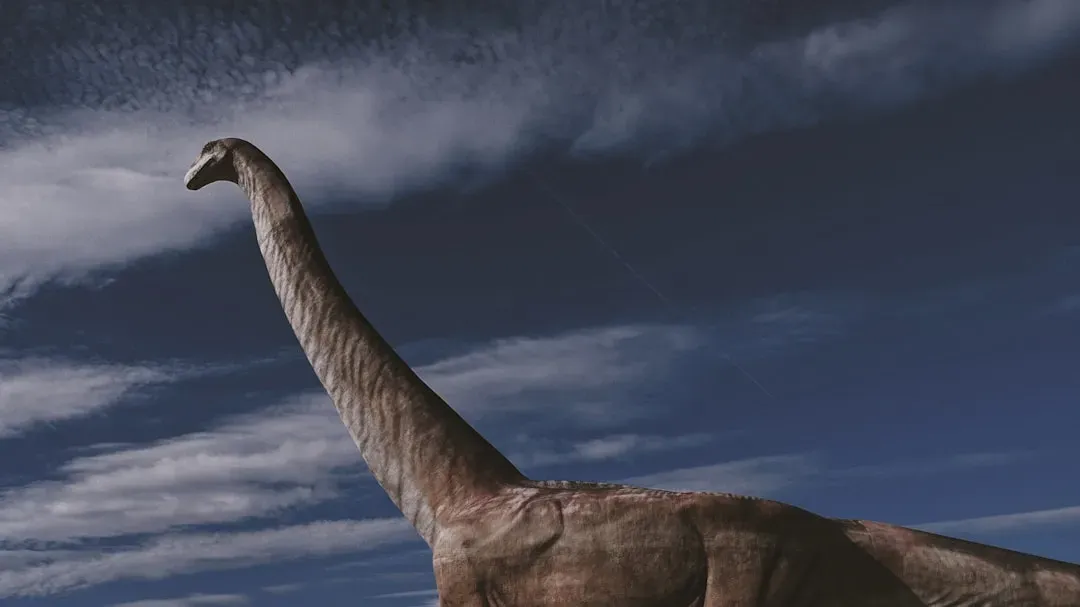
Let’s be real. Moving tens of tons of body mass across thousands of miles poses serious challenges. Sauropodomorphs tend to be less mobile, particularly compared to theropods, as these were really big animals, probably less likely to swim and less likely to be able to get across sea waves than some of the other smaller dinosaurs.
Combining fossil data with climate data revealed that sauropods’ range across latitudes was more restricted during colder periods, and they were restricted to warmer, drier habitats than other dinosaurs. They seem to have avoided any temperatures approaching freezing, suggesting sauropods had different thermal requirements from other dinosaurs, relying more on their external environment to heat their bodies, slightly closer to being cold-blooded like modern-day reptiles. This wasn’t just preference but biological necessity.
Seasonal Migrations Versus Continental Dispersal
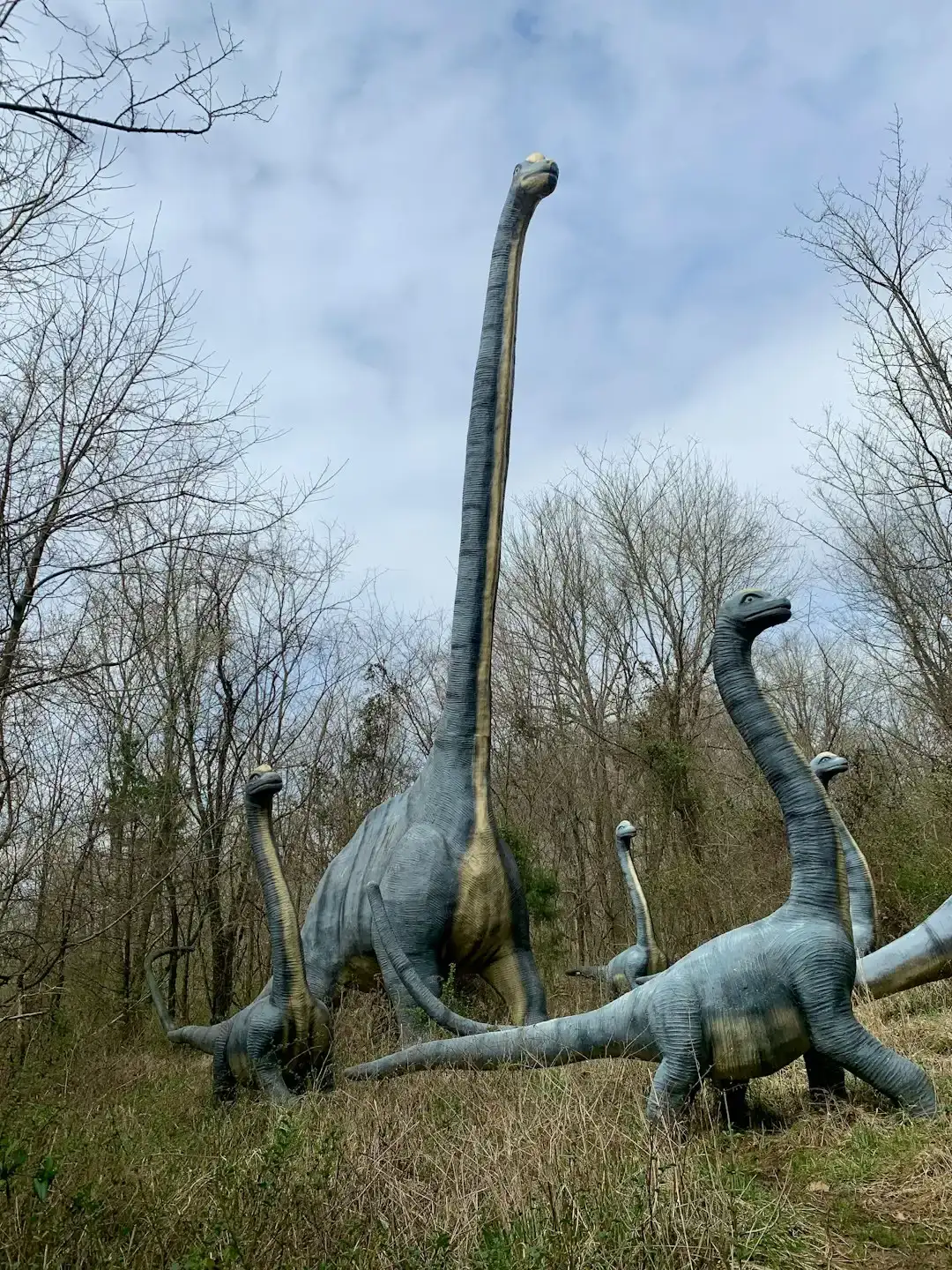
You need to distinguish between two different types of movement here. Gigantic plant-eating dinosaurs called sauropods took yearly jaunts to high ground to escape drought, and by analyzing fossilized dinosaur teeth, researchers determined dinosaurs migrated hundreds of miles from their home to find food and water during dry spells, representing the first direct evidence supporting the theory that certain types of dinosaurs migrated to avoid seasonal food slumps.
This seasonal behavior differs dramatically from the slow continental dispersal that occurred over millions of years as populations gradually expanded into new territories. Migrating to areas where food was available year-round could have facilitated sustained growth, and some sauropods likely migrated great distances, for example from the Great Lakes region to the Rocky Mountains, with the ability to continue growing throughout the year possibly being a key innovation sustained by great migrations.
How Pangea’s Breakup Influenced Movement Patterns
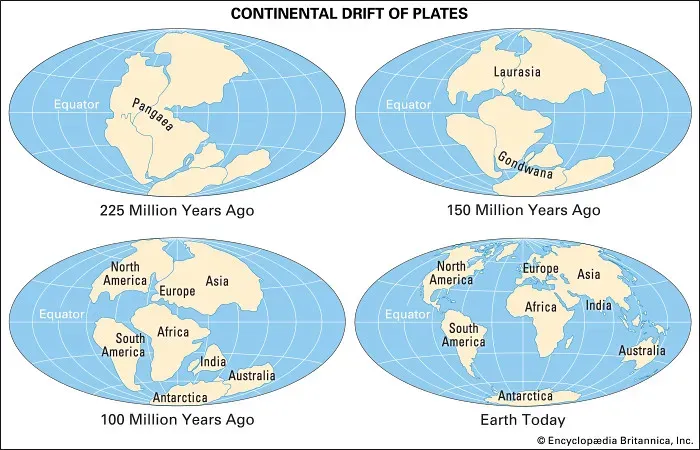
As continents drifted apart, you’d expect dinosaur migrations to slow or stop, right? Not exactly. Even though migration of dinosaur groups slows down, it doesn’t completely stop, with movement of dinosaur groups occurring between major continental land masses even when continents appear to be really isolated.
Dinosaurs used to migrate between continents and islands using temporary land bridges, and studies reveal these bridges might have been formed due to fluctuating sea levels during the Cretaceous period. Rising and falling sea levels created ephemeral pathways, allowing determined creatures to keep moving even as geography worked against them. The fossil record becomes patchier during these periods, making it harder for you to distinguish true migration patterns from gaps in preservation.
Modern Evidence Reshaping Ancient Understanding
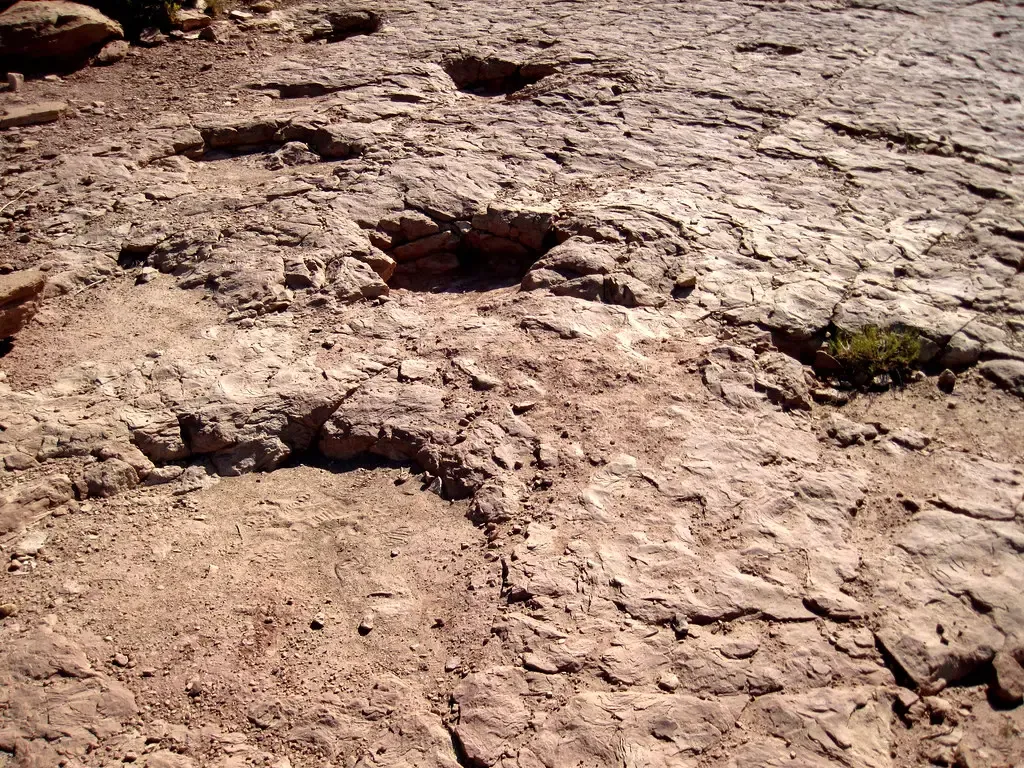
Recent discoveries keep refining your understanding of sauropod movement. An analysis of a unique looping trail of ancient footprints in the United States reveals the dinosaur which made it may have been limping, with 150-million-year-old sauropod trackway in Colorado showing a complete looping path with variations in footprint width and a consistent difference in left and right step lengths of about 10 cm. These details reveal behavior impossible to infer from bones alone.
Scientists now use sophisticated methods like network theory to map how dinosaur families spread across continents. Using fossil data, scientists mapped where dinosaurs trekked as the supercontinent was becoming fractured. The picture emerging shows both extraordinary mobility and surprising limitations based on body size, metabolism, and environmental tolerance.
Conclusion: A Complex Picture of Ancient Journeys
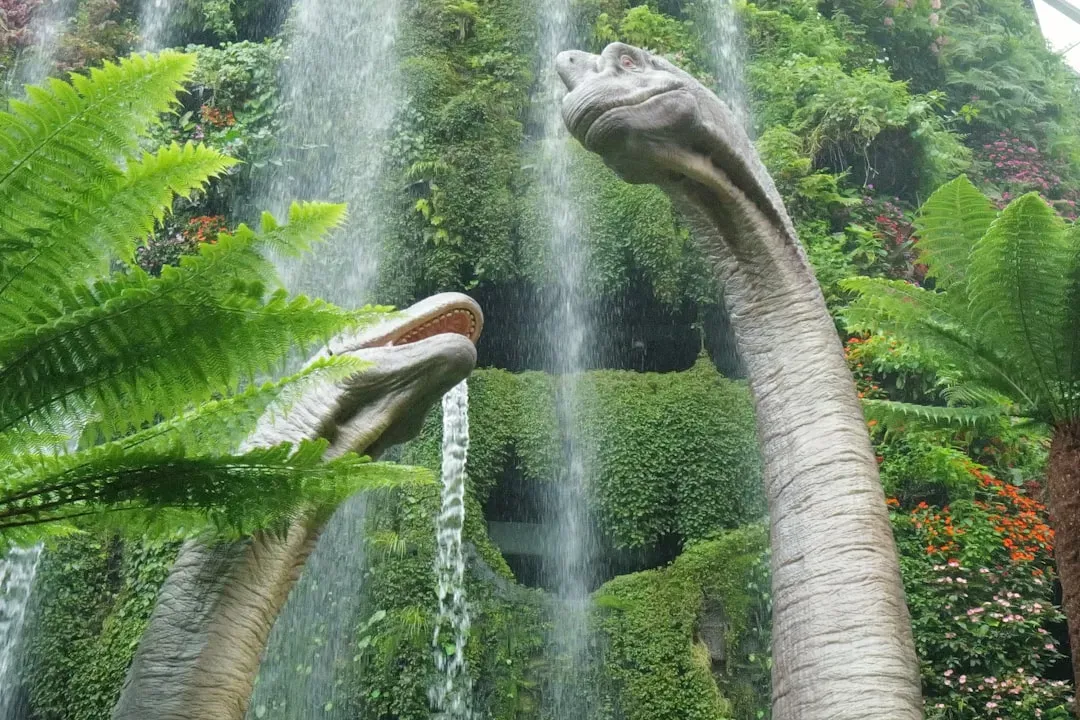
So did sauropods truly migrate thousands of miles across Pangea? The answer is yes, but with important nuances you should understand. Seasonal migrations of hundreds of miles occurred regularly, driven by the search for food and water. Continental dispersals spanning thousands of miles happened too, but unfolded over millions of years as populations slowly expanded their range.
Climate change, particularly shifts in carbon dioxide levels and temperature, acted as the accelerator or brake on these movements. The largest sauropods faced more constraints than their smaller cousins, preferring warmer climates and struggling with cold temperatures. Honestly, the evidence suggests these animals were simultaneously more mobile than we once imagined for seasonal movements, yet more restricted for truly transcontinental journeys than a simple look at Pangea’s geography would suggest.
What do you think drove these migrations more, the search for food or escaping harsh climates? The fossil record still holds secrets waiting to reveal more about these magnificent wanderers.