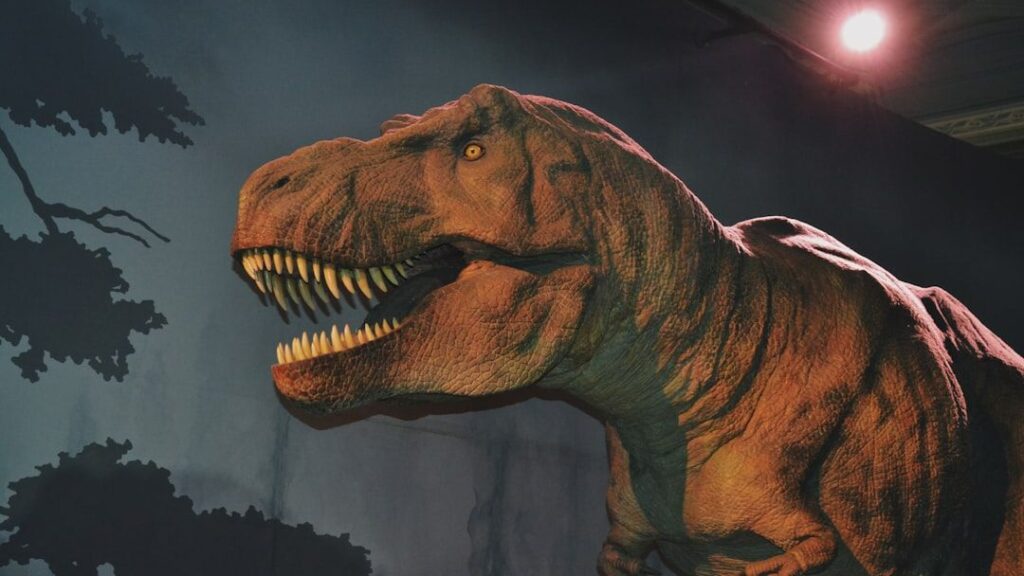
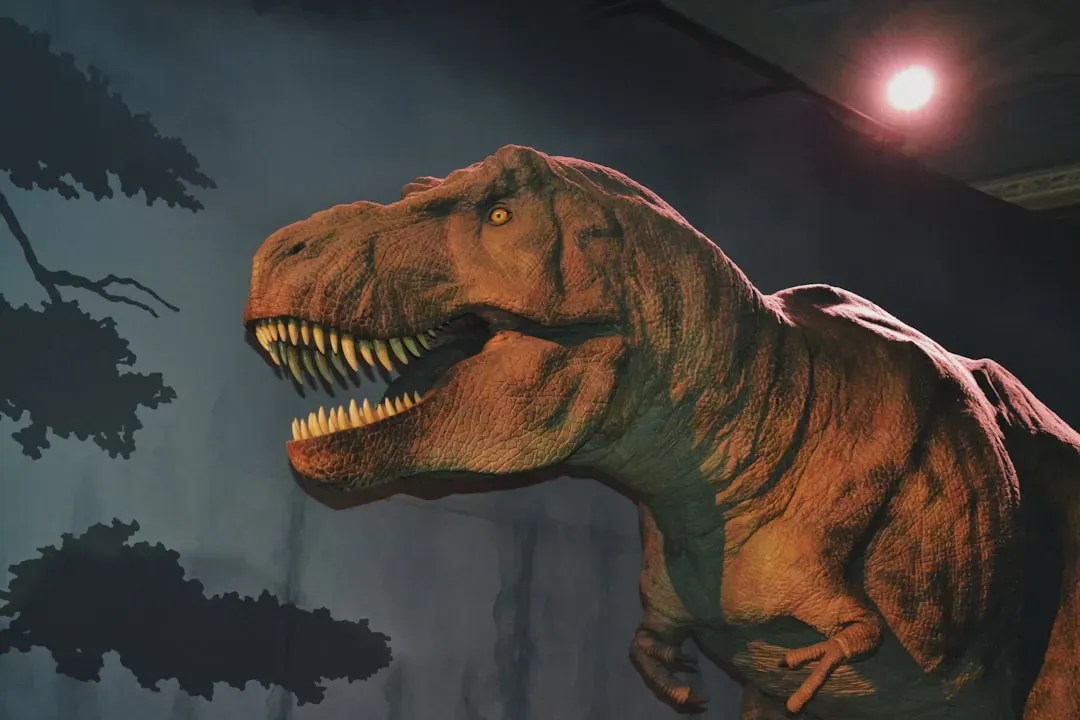
You’ve probably stood in front of a dinosaur exhibit and chuckled at the sight. There it is, the mighty Tyrannosaurus rex, one of the most fearsome predators ever to walk the Earth, equipped with a massive skull filled with bone-crushing teeth and legs as thick as tree trunks. Then your eyes drift down to those arms. Those ridiculously short, almost comical little arms. They barely reach past the creature’s chest, looking more like props from a comedy sketch than weapons of a fearsome hunter.
It’s hard not to wonder what nature was thinking. Here’s the thing though: what if everything we’ve been told about those arms is wrong? What if those supposedly useless limbs held secrets that scientists are only now beginning to unravel? Let’s dive into one of paleontology’s most enduring mysteries and discover whether those tiny arms were truly as pathetic as they appear.
The Shocking Size Comparison That Changes Everything
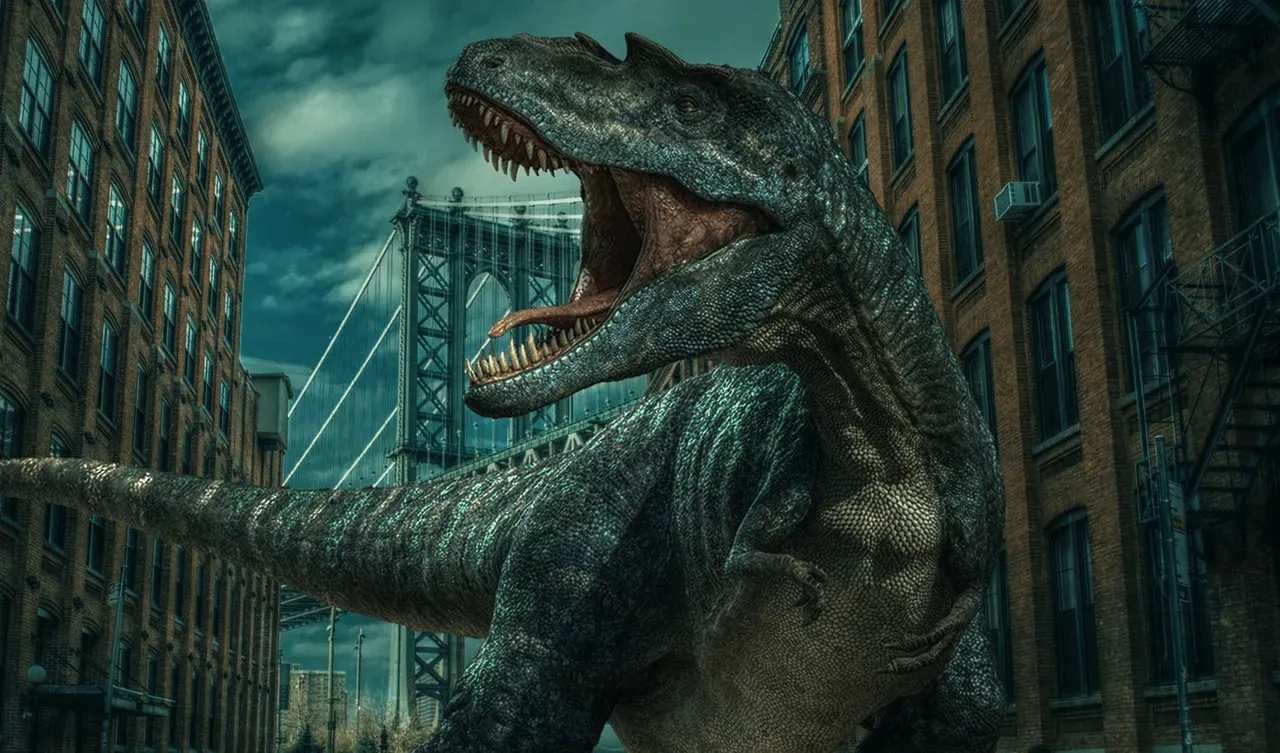
A fully grown T-rex might have stretched to a staggering forty-five feet in length, with a skull measuring around five feet long, yet its arms were only about three feet in total length. Picture this for a moment: if you’re roughly six feet tall, having arms proportionally similar to a T-rex would give you limbs about five inches long. Think about that. You’d struggle to scratch your own nose.
A fully grown specimen, weighing between roughly six to eight thousand kilograms, possessed arms that measured about one meter from shoulder to claw tip, attached to an animal that stood over twelve feet tall at the hips and stretched up to forty feet long. The proportions are genuinely bizarre. Honestly, when the famous dinosaur hunter Barnum Brown first unearthed T-rex fossils back in 1900, he genuinely couldn’t believe the arms belonged to the same skeleton. He thought the arms were too small to be part of the skeleton.
They Were Stronger Than You Think
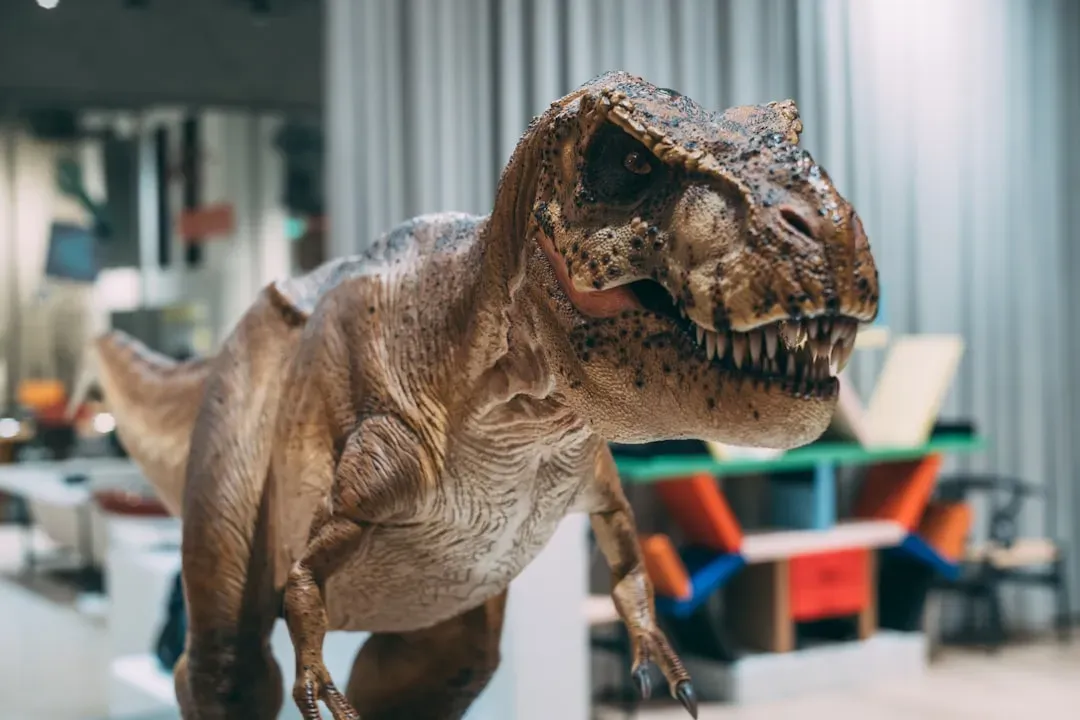
Here’s where things get interesting. Those puny-looking arms weren’t the weak, floppy appendages you might imagine. The biceps brachii muscle of an adult T-rex was capable of lifting roughly four hundred and forty pounds by itself, and other muscles such as the brachialis would work along with the biceps to make elbow flexion even more powerful. Let that sink in for a second.
Some researchers calculated that each arm could potentially bench press around four hundred pounds. The bones show large areas for muscle attachment, indicating considerable strength. The arms were built like steel cables wrapped around compact bone. Despite their relative shortness, the bones of the T-rex forelimb were heavily constructed and robust, with an exceptionally thick humerus providing considerable area for muscle attachment. These weren’t vestigial leftovers dangling uselessly from the creature’s shoulders.
The Pack Feeding Hypothesis Turns Everything Upside Down
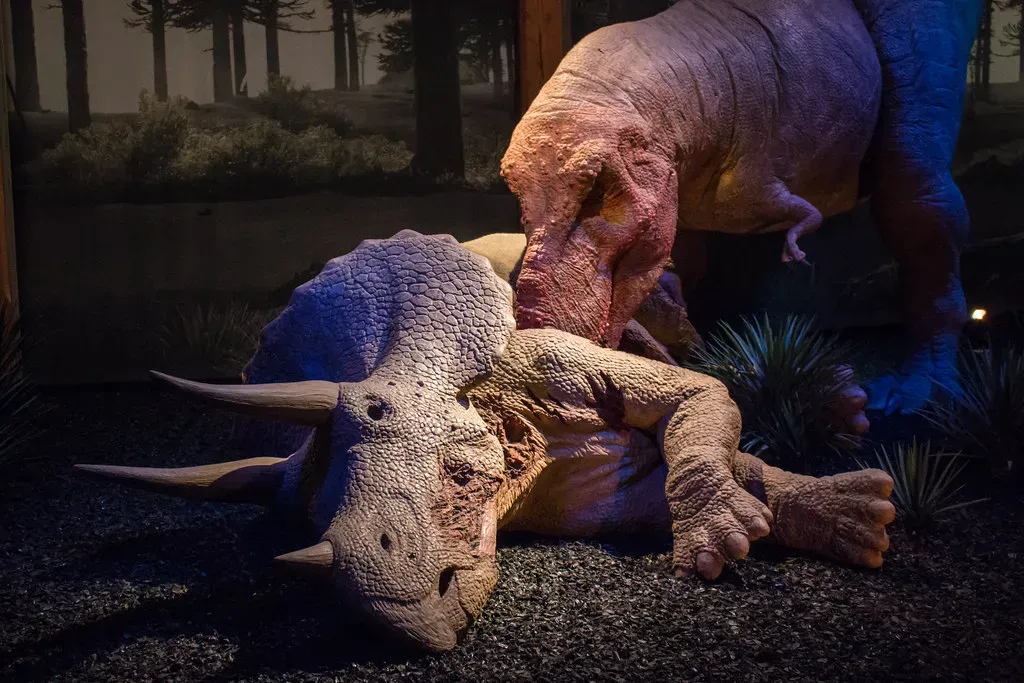
So why would such powerful limbs remain so ridiculously short? One of the most compelling recent theories sounds almost unbelievable at first. Scientists believe the reason that the iconic T-rex had such short arms was to protect them during feeding frenzies on carcasses, with the theory suggesting the predator’s arms shrank to their tiny size to prevent accidental or intentional amputation when a pack of T-rexes descended on prey with their massive heads and bone-crushing teeth.
Think about the scene for a moment. Multiple adult tyrannosaurs converging on a fresh kill, each sporting a five-foot skull packed with teeth designed to crush bone. Severe bite wounds could lead to infection, hemorrhaging, shock and even death for the T-rex. In that chaotic environment, having your arms dangling near the mouths of your hungry packmates would be a recipe for disaster. Shorter arms meant less risk of losing a limb to an overeager companion.
The Head Got Bigger So The Arms Got Smaller
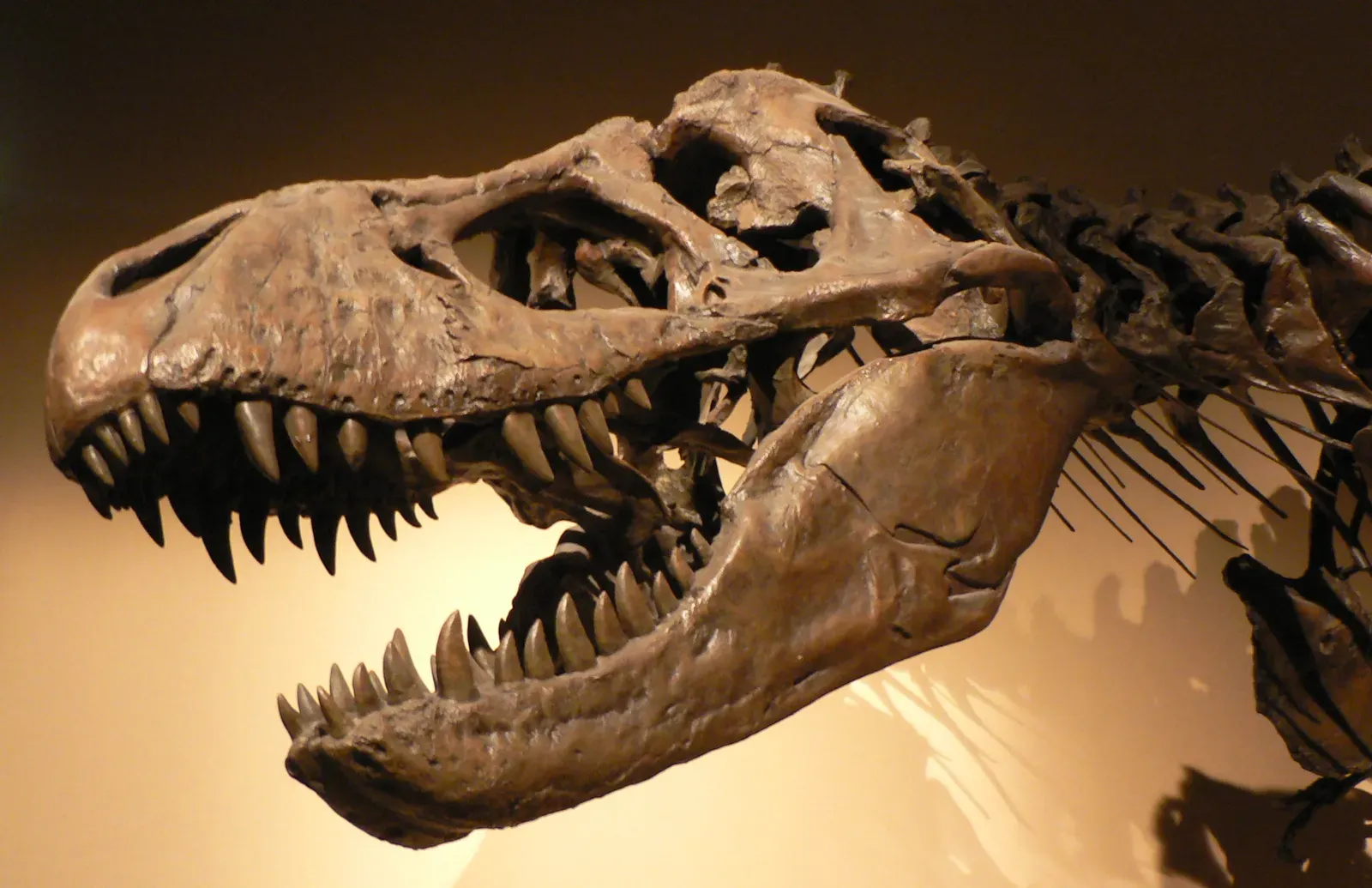
There’s another explanation that makes a lot of sense when you think about it. As the animals got bigger, the forelimbs got smaller and the head got bigger, with tyrannosaurs adapting a bone-crushing killer bite in their head, really specializing their head and then really reducing their forelimbs. It’s basically an evolutionary trade-off.
To have a strong bite, you need big, powerful jaw muscles, which require a big head for the muscles to attach, and if you have a big head, you also need big neck muscles to support that head, yet neck and arm muscles compete for muscle attachment space across the bones of the shoulder. An animal’s body only has so much real estate for muscle attachment. You can’t be a jack-of-all-trades when you weigh several tons. Evolution forced a choice, and T-rex went all-in on that devastating bite.
Could They Actually Slash Prey to Ribbons?
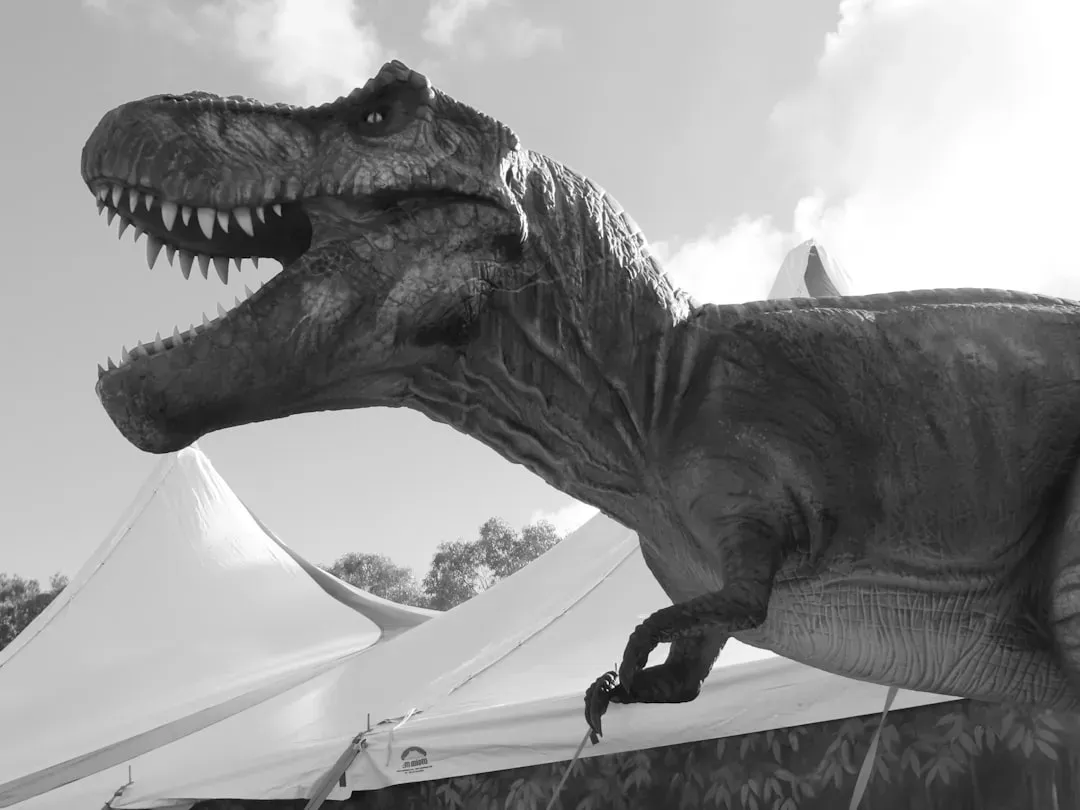
Not everyone buys into the idea that T-rex arms were merely defensive or vestigial. Some researchers believe Tyrannosaurus arms were well-adapted for vicious slashing at close quarters, making use of four-inch-long claws to inflict deep wounds, with strong forelimbs and large claws permitting T-rex to inflict gashes a meter or more long and several centimeters deep within a few seconds.
The scientist points to T-rex’s strong arm bones, which would have made effective slashing tools, while an unusual quasi-ball-and-socket joint would have allowed the arms to move in several directions, ideal for slashing. Imagine a T-rex mounting the back of a struggling Triceratops, using those claws to rake devastating wounds across its victim’s flanks. Other experts remain skeptical though, noting that the arms were simply too short to reach most prey effectively. The debate continues to rage.
What The Fossils Actually Tell Us About Function
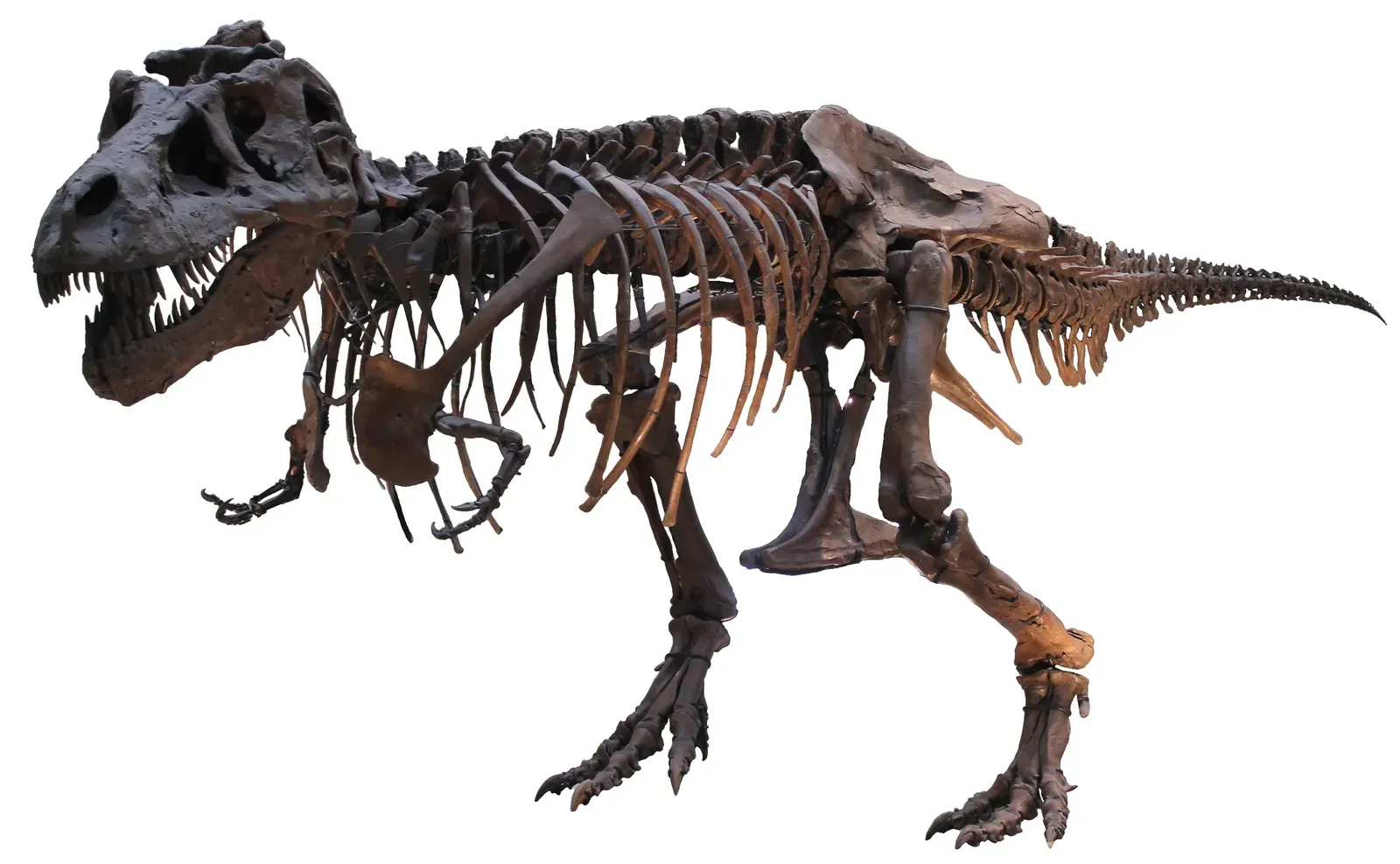
Physical evidence on the bones themselves tells a fascinating story. Three of the five T-rex wishbones that scientists studied showed telltale signs of injury, including stress-fractures which must have re-healed in life. This is huge. If the arms were completely useless, why would they show evidence of repeated stress injuries?
The forelimbs were subjected to a great deal of repetitive stress, which was not uniform or steady, with moments of extraordinarily great force applied to the arms, suggesting T-rex used its forelimbs to grab hold of large, struggling prey. A thrashing victim weighing thousands of pounds could easily cause those kinds of injuries. The bones don’t lie. Those arms were doing something that put them under significant mechanical stress.
The Juvenile Mystery Deepens The Plot
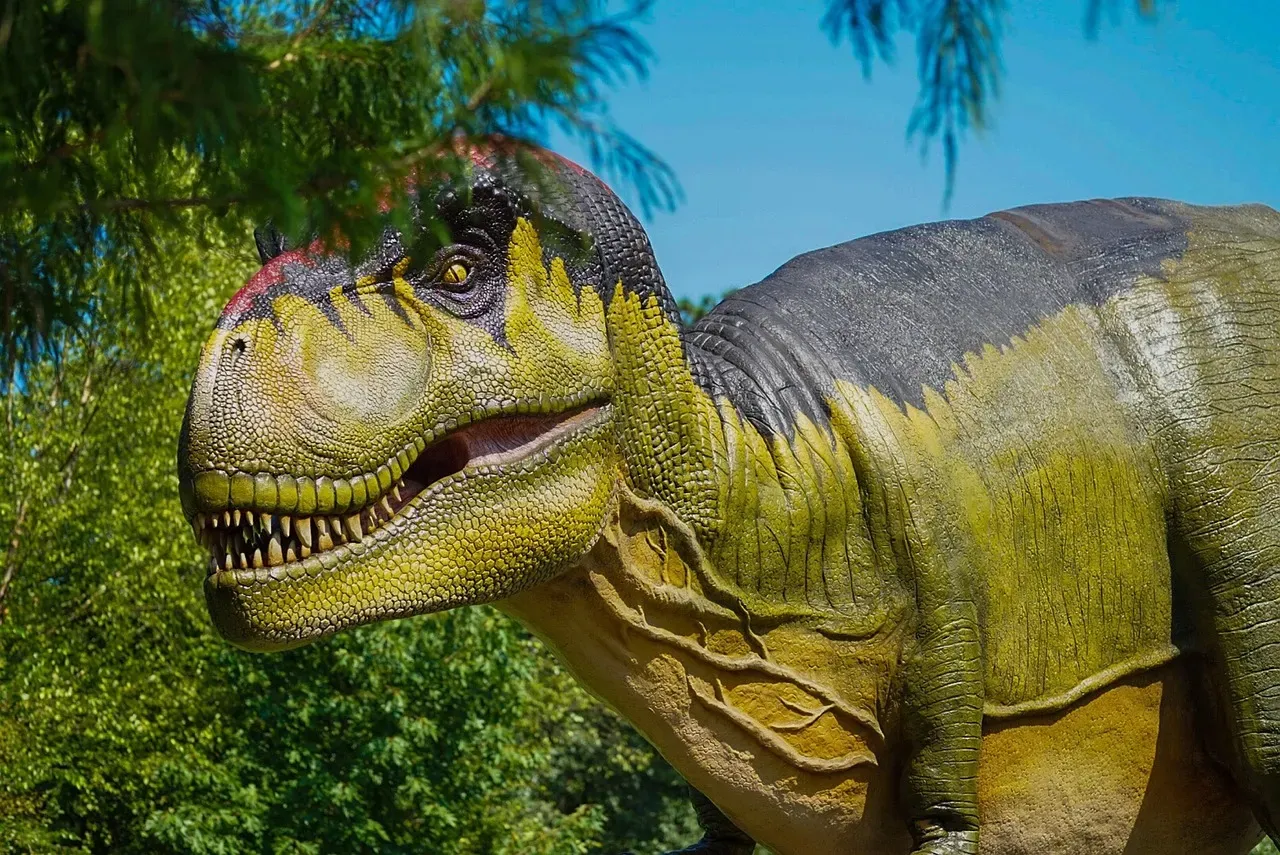
Here’s something that really complicates the picture. During its lengthy juvenile years, a T-rex’s arms would have been larger relative to its body, with the arms being actually more functional in young T-rex and becoming reduced in function as it became older. Younger tyrannosaurs had proportionally longer arms than their gigantic parents.
What does this tell us? The discovery that juvenile Tyrannosaurus seem to have had proportionately longer arms than the gigantic adults complicates theories, with the possibility that youngsters clasped onto thrashing prey before they eventually grew out of the habit. Maybe those arms served a genuine hunting function early in life, becoming less critical as the skull grew into an unstoppable killing machine. The arms didn’t disappear though. They stuck around, suggesting they retained some purpose even in adulthood.
It Happened Multiple Times Across Different Species
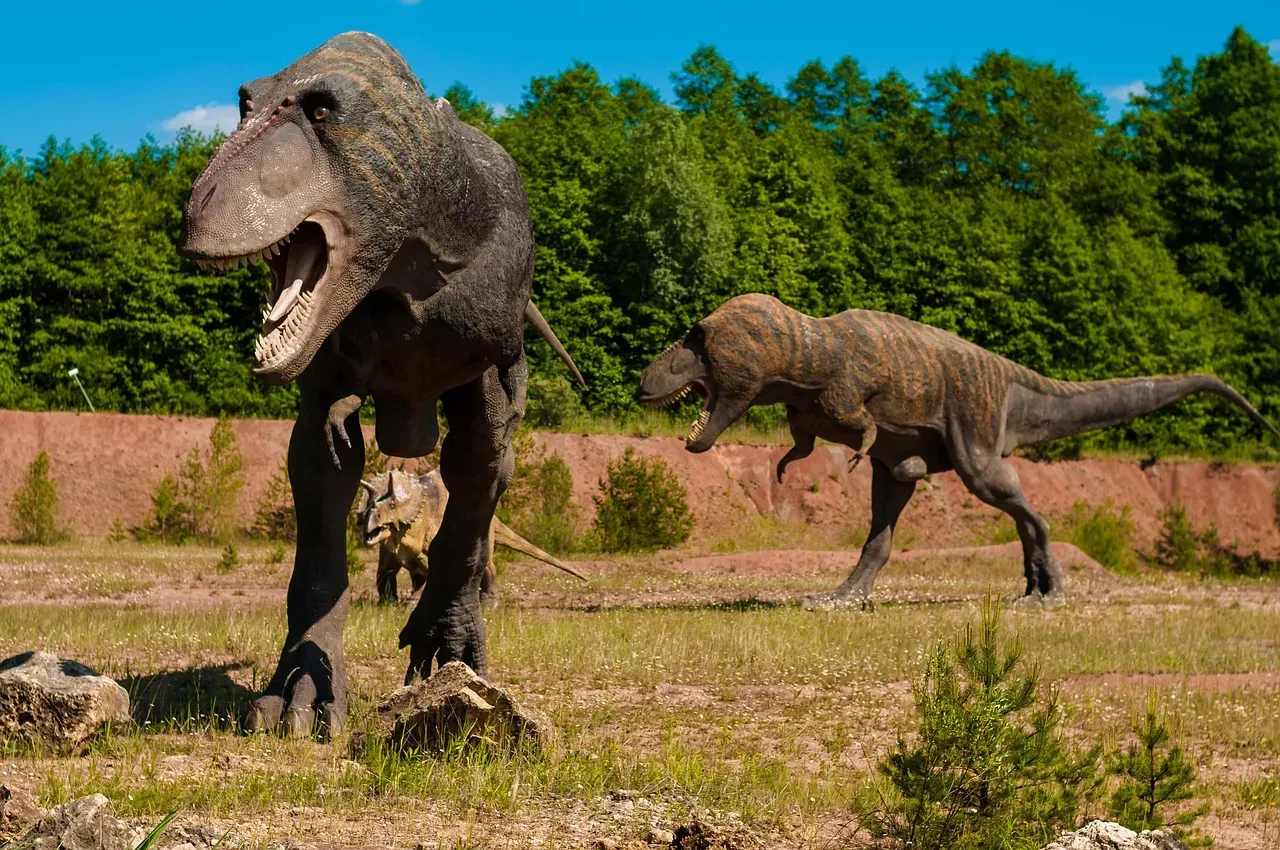
The really wild thing is that T-rex wasn’t alone in this bizarre evolutionary path. Meraxes and T-rex lived millions of years apart and are not closely related, yet they evolved the small arms independently, suggesting that reduced forelimbs served an important function. Other massive carnivorous dinosaurs like Carnotaurus and various abelisaurids also sported ridiculously short arms.
Their similar arm anatomy is an example of convergence, describing the independent evolution of similar traits in unrelated lineages, which typically occurs when distantly related groups of animals face similar biological or ecological hurdles. When evolution keeps arriving at the same solution across millions of years in completely different species, it’s telling us something important. Those short arms weren’t just a fluke or a cosmic joke.
So What’s The Real Answer?
Let’s be real here. After more than a century of research, we still don’t have a definitive answer. Ultimately, we don’t really know, with the biomechanics expert noting that despite various theories, the full story remains elusive. Multiple theories each hold pieces of the puzzle: the pack-feeding safety hypothesis, the head-arm trade-off explanation, the slashing weapon idea, the prey-grasping function.
None of the hypotheses fully explain why the arms would get smaller, as the best they could do is explain why they would maintain the small size, and in every case, all of the proposed functions would have been much more effective if the arms had not been reduced. Perhaps the truth lies somewhere in the intersection of all these ideas. Maybe those arms served different purposes at different life stages. Maybe they were useful for getting up off the ground, offered some slashing capability in desperate situations, and were kept short to avoid injury during group feeding.
What we do know is this: those arms weren’t useless. The muscle scars, the stress fractures, the thick bones all point to limbs that were actively used for something. Evolution doesn’t maintain expensive structures for no reason. T-rex invested considerable energy into keeping those arms muscular and functional, even as they shrank relative to the rest of its massive frame. The shocking truth? Those tiny arms might have been one of the keys to T-rex’s success as the ultimate apex predator, not despite their size, but because of it. What do you think about it? Did those stubby little limbs hold more power than we ever gave them credit for?