
Imagine stepping into a cave, running your hand along the walls, and realizing the grooves you’re touching were carved not by water or machines, but by the claws of an animal the size of a car. That is the strange, almost unbelievable world of the giant ground sloths. Long before humans built highways and subway systems, these massive mammals were busy scratching their own underground routes into the earth.
What makes this story so gripping is that it sounds like science fiction, yet it is rooted in hard geology and paleontology. In parts of South America, there really are tunnels so wide that adults can walk inside them, and strong evidence suggests they were dug by enormous extinct sloths. Once you see the claw marks and the sheer scale of these passages, it becomes hard not to feel like you’ve stumbled into a lost chapter of Earth’s history.
The Bizarre World of Giant Ground Sloths
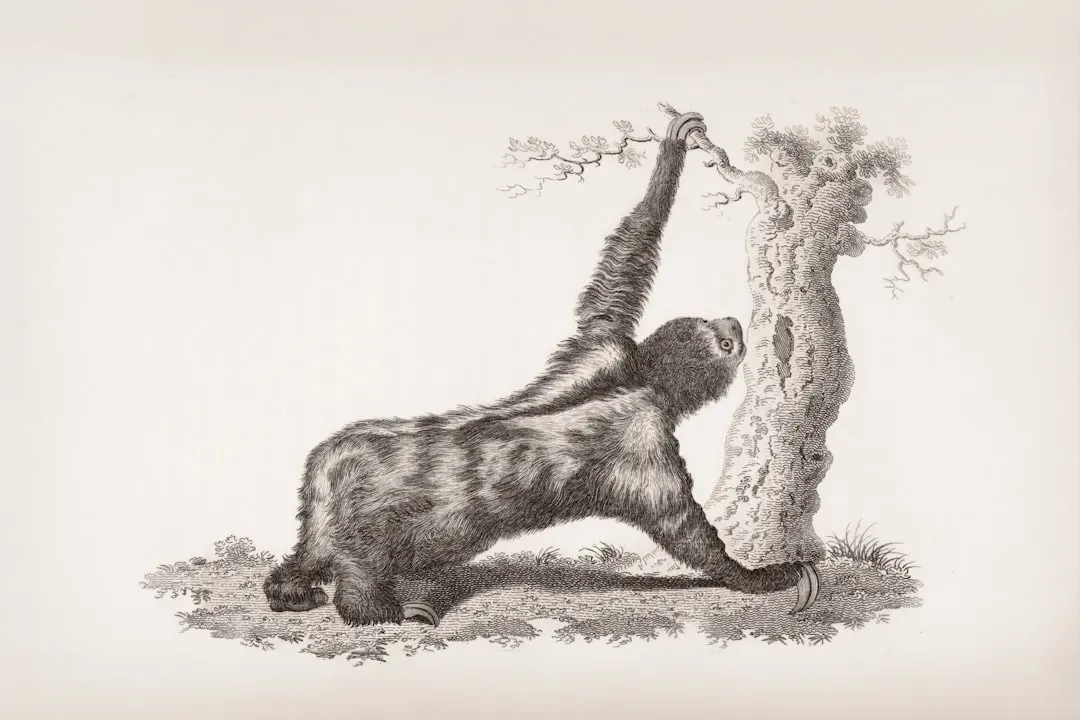
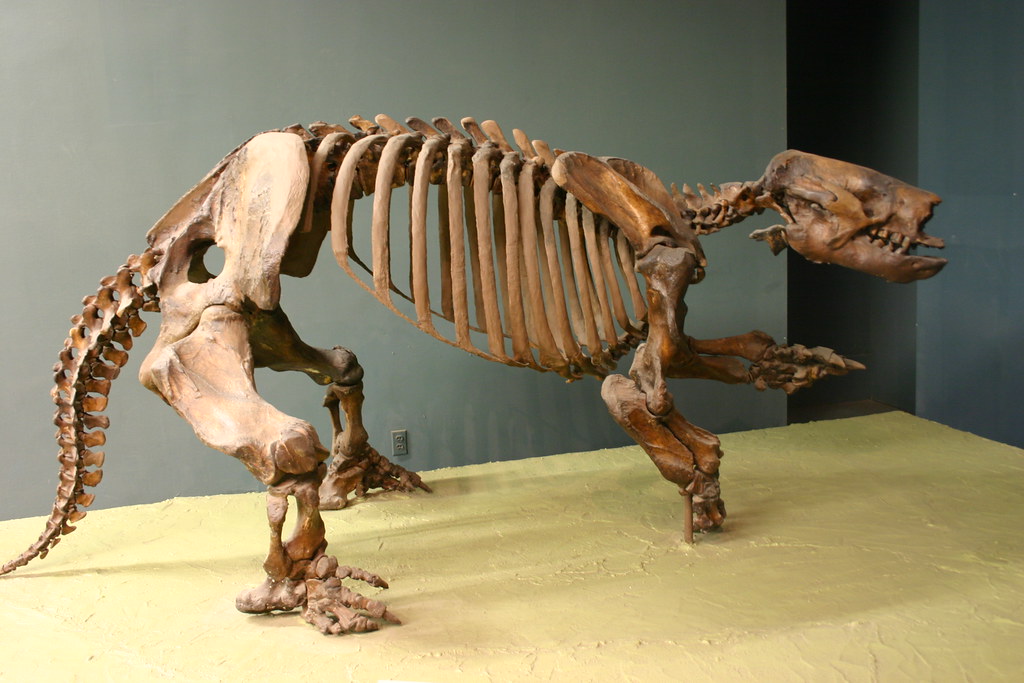
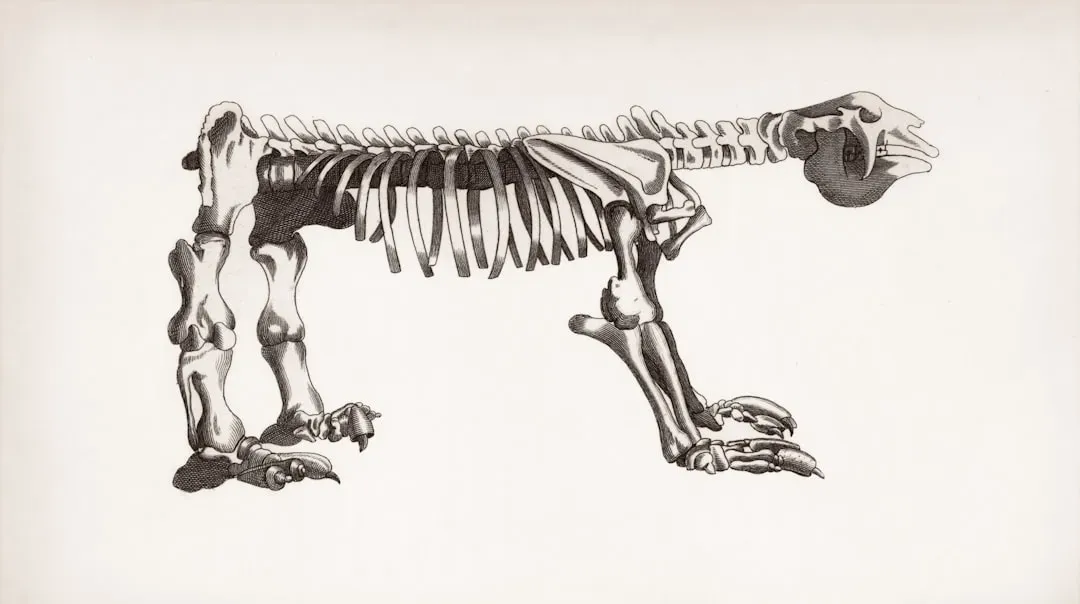
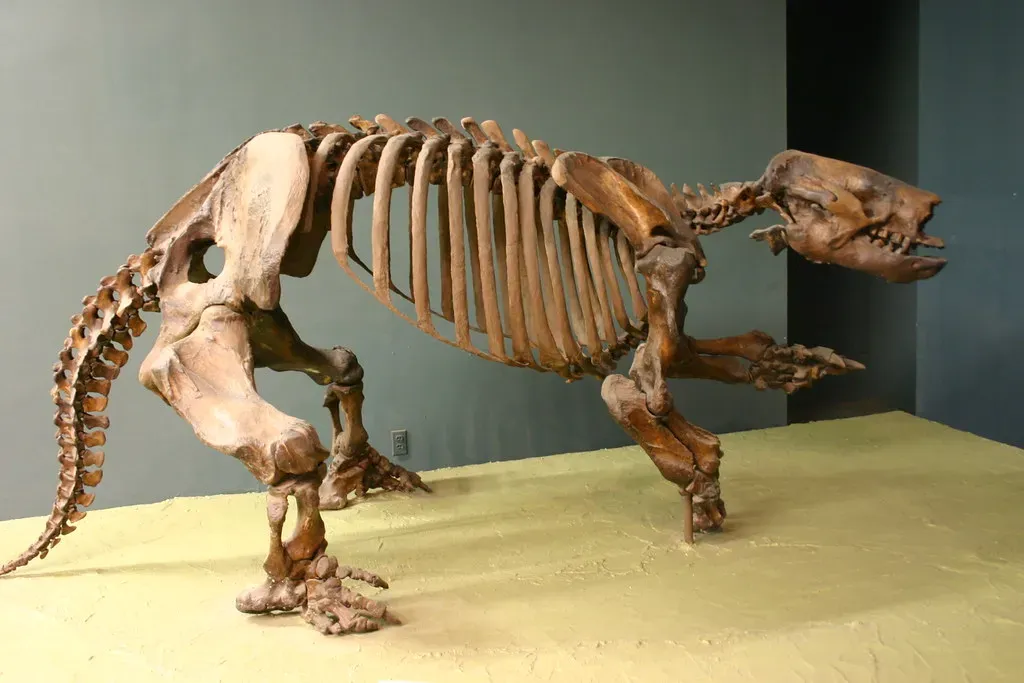
Giant ground sloths were nothing like the sleepy tree-dwellers we know today. Some species stood taller than an adult human even when on all fours, and when they reared up, they could reach heights comparable to a small giraffe. With thick bones and heavy bodies, they were more like slow-moving tanks than gentle forest loungers, lumbering across ancient landscapes that looked very different from today.
Despite their size, these animals were herbivores, using powerful jaws and large, peg-like teeth to grind down tough vegetation. Their massive claws, which look terrifying at first glance, were tools more than weapons, helping them dig, pull down branches, and manipulate their environment. It is those same claws that left the deep scars in rock, suggesting these giants literally shaped the ground beneath their feet.
What on Earth Is a Paleoburrow?
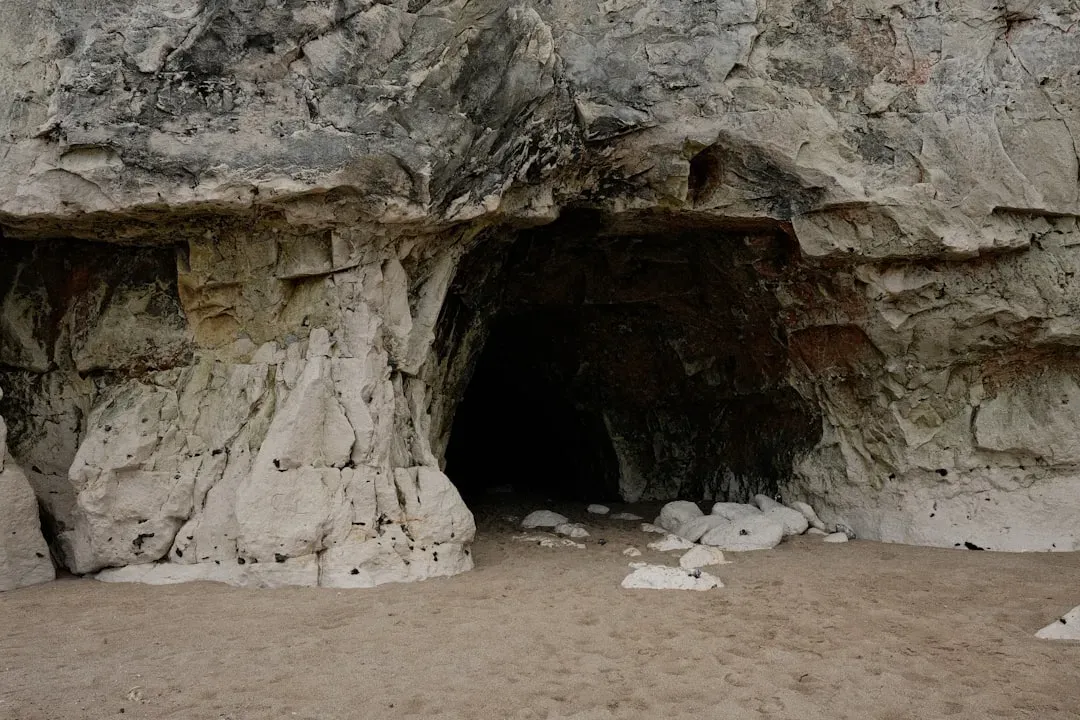
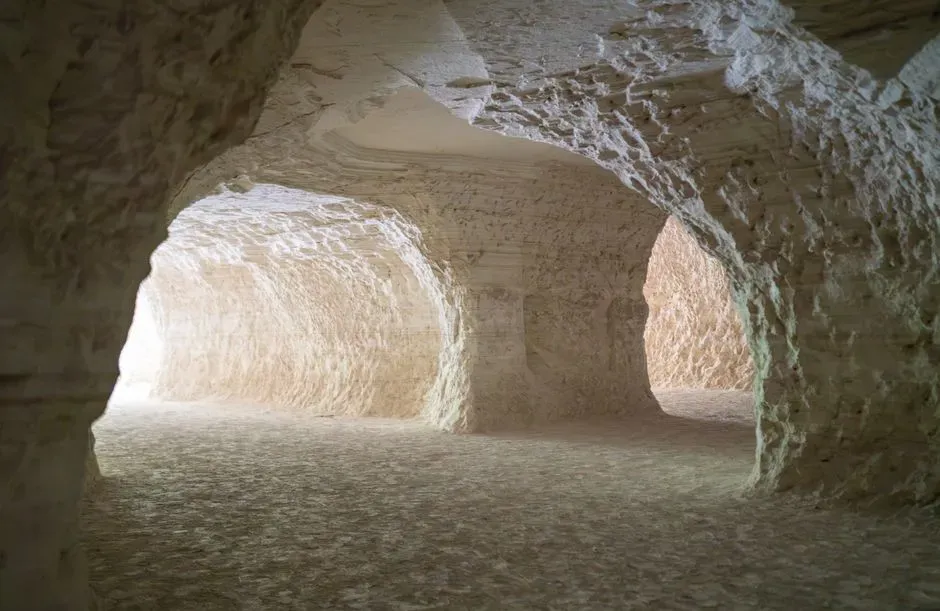
The tunnels linked to giant ground sloths fall into a category scientists call paleoburrows. In simple terms, a paleoburrow is a fossilized animal tunnel – an ancient underground passage that has survived long after its builder vanished. Unlike natural caves carved by water, these tunnels tend to have oddly consistent shapes, rounded ceilings, and patterned grooves that hint at repeated scratching and digging.
In parts of Brazil, Argentina, and neighboring regions, researchers have discovered hundreds of these burrows, some stretching tens of meters, and occasionally even longer. Walk into one and you’ll often see rock walls covered in long, parallel claw marks, like someone raked oversized garden tools through soft stone. That physical pattern is a major clue that these were not random cracks or collapses, but deliberate constructions by large animals that insisted on going underground.
How We Know Sloths Were the Tunnel Engineers
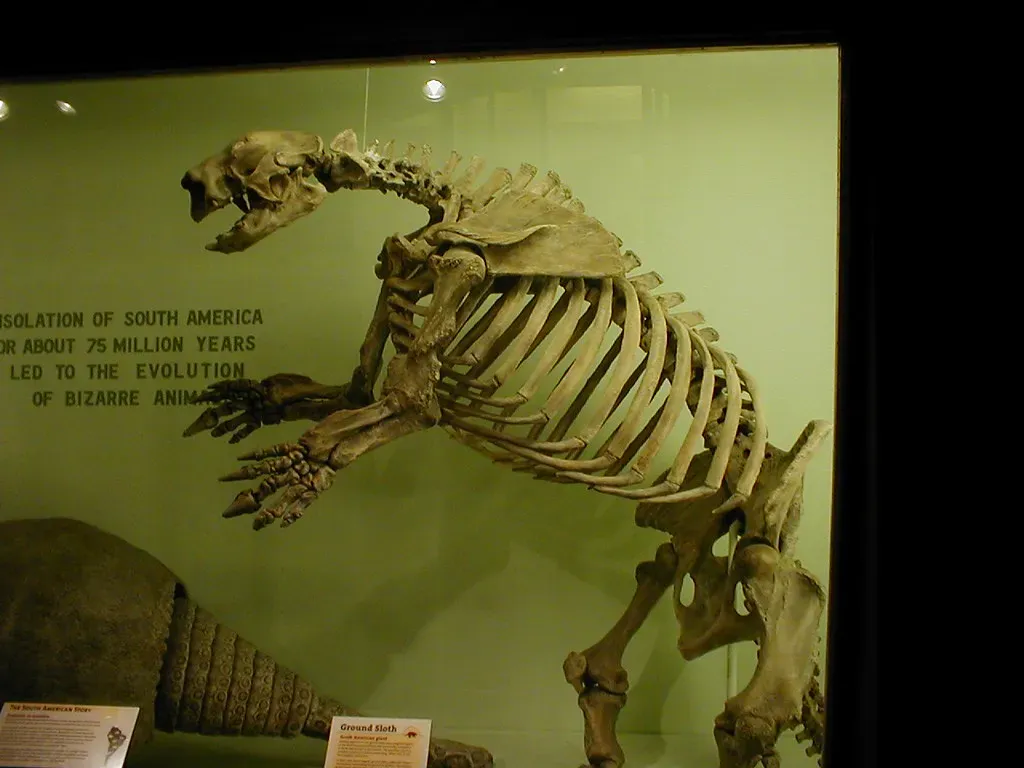
Linking these tunnels to giant ground sloths is not just a wild guess made for a good story; it’s based on a stack of independent clues. First, the size alone narrows down the suspects. Many paleoburrows are simply too large to have been made by smaller digging animals like armadillos or rodents. They match the body size and width of known giant ground sloth skeletons remarkably well, which is a pretty solid starting point.
Then there are the claw marks themselves. When scientists compare the spacing and curvature of the grooves on the walls with the claws of extinct sloths, they see a striking match in both pattern and angle. In some cases, fragments of bones and fossilized remains of large mammals have been found in or near these tunnels, reinforcing the idea that these burrows were used – and likely built – by giant ground sloths. It is not perfect detective work, but the evidence lines up in a way that is hard to dismiss.
Tunnels Big Enough for You to Walk Through
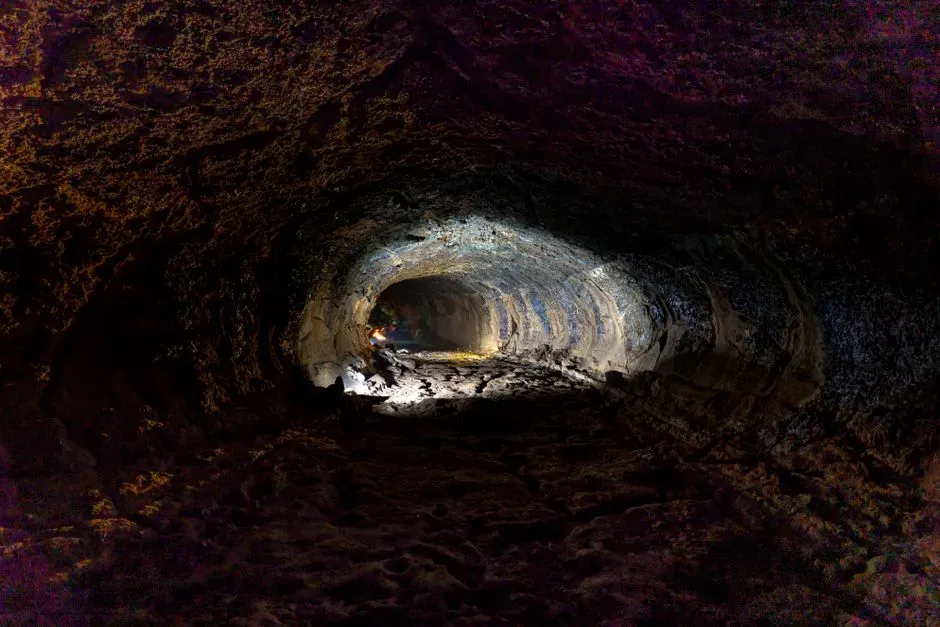
One of the wildest things about these paleoburrows is just how human-scaled they feel. Many of them are roughly as wide and high as a small hallway or a subway corridor, allowing people to stand upright and move through without crouching. When you are inside one, you don’t just see the size of the animal; you experience it physically, with the roof above your head and the floor beneath your feet shaped to fit a creature far bulkier than you.
The walls often preserve a kind of frozen motion: deep parallel scratches, overlapping like brushstrokes, telling you exactly where those claws gouged through softer rock or packed soil. There is something strangely intimate about being able to run your fingers along those markings, knowing each line was made by an animal that has been gone for tens of thousands of years. It feels less like visiting a museum and more like walking directly through a memory of the past.
Why Would a Giant Herbivore Dig Tunnels Anyway?
It is natural to wonder why a massive plant-eater would bother carving out underground passageways at all. One idea is that these burrows functioned as shelters, offering protection from temperature extremes, predators, and harsh weather. For a big animal with a slow metabolism, stepping into a cool, stable tunnel could have been the prehistoric version of good air conditioning and a locked front door.
Another possibility is that some burrows served as long-term resting or denning sites, maybe even reused across generations. If you picture a giant ground sloth retreating into a tunnel to escape midday heat or seasonal drought, the behavior starts to feel practical rather than strange. It is also possible that the act of digging exposed roots and underground plant parts – an extra food source as a side benefit of excavation. The truth is, we probably do not have the full story, but the hints we have paint a picture of animals deeply engaged with their environment rather than just wandering aimlessly over it.
What These Sloth Tunnels Reveal About Our Planet’s Past
These giant tunnels are more than a fun fact; they are physical proof that ancient ecosystems were structured in ways we would hardly recognize today. When Earth was home to megafauna like giant sloths, glyptodons, and huge armadillo relatives, the land itself was constantly being bulldozed, trampled, and tunneled by animal activity. In a sense, these creatures were ecosystem engineers on a scale almost comparable to glaciers or rivers, reshaping soils and landscapes with every move.
Standing inside a paleoburrow is a jarring reminder that our present world is only one version of how life can look on this planet. The absence of such massive animals today leaves our ecosystems quieter, in some ways more stable but also less dramatically sculpted by living things. To me, that feels bittersweet: fascinating to uncover, but also a little sad, like realizing you arrived at a party just after the most outrageous guests had already left.
Why This Story Still Matters Today
It might be tempting to treat giant ground sloth tunnels as a quirky, distant curiosity, but they touch on bigger questions about extinction, climate, and our own role in shaping the planet. These animals disappeared roughly around the time humans spread more widely into the Americas and climates shifted, and their absence likely transformed vegetation, soils, and even fire patterns. When you remove a slow-moving giant that digs massive burrows, you are pulling a big piece out of the ecological machine, and the rest of the system has to adjust, for better or worse.
Personally, I think the story of sloths that dug human-sized tunnels forces us to confront how temporary our current version of nature really is. The landscapes we take for granted – our forests, grasslands, and dry hillsides – are just snapshots between past and future configurations. Knowing that the ground beneath our feet still hides the fingerprints, or rather claw marks, of vanished engineers makes our world feel both more fragile and more astonishing. It leaves me wondering: when someone explores the traces we leave thousands of years from now, what surprising tunnels, scars, or structures will they find and struggle to believe were really ours?