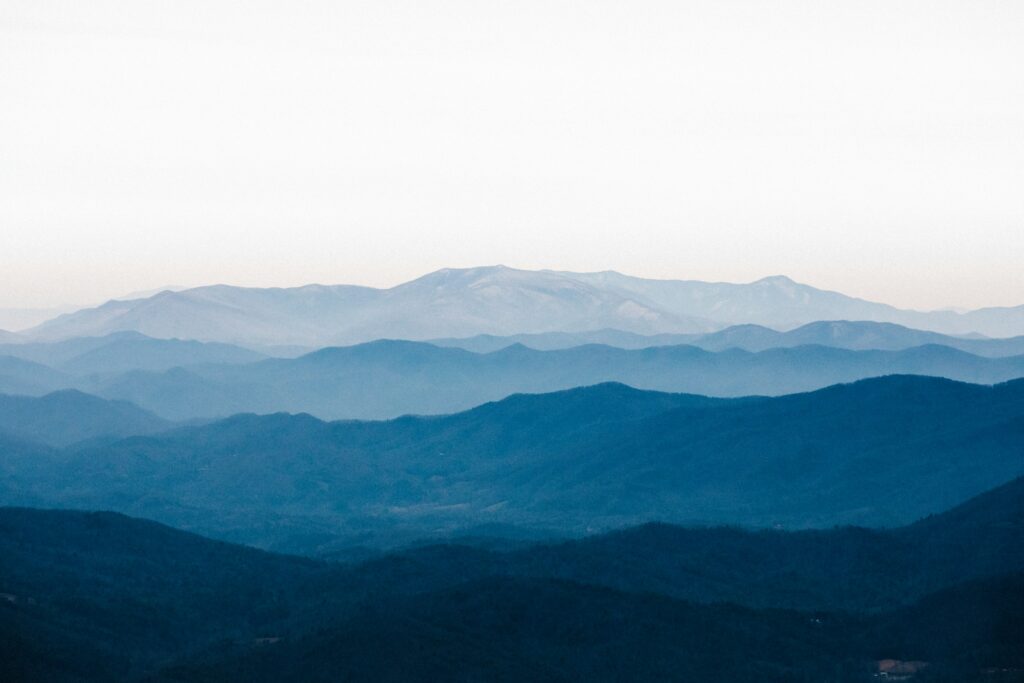
If you have ever driven through the eastern United States and glanced at the soft, rolling blue ridges on the horizon, you probably did not think you were looking at something more ancient than the first dinosaurs. Yet that is exactly what the Appalachian Mountains are: the worn-down skeleton of a mountain system that rose long before any dinosaur ever took a step on Earth. In a world obsessed with the newest thing, the Appalachians are a quiet reminder that age can be almost unimaginable.
Once you understand just how old these mountains are, the landscape stops being just “pretty scenery” and starts to feel like a time machine. Every rounded summit, every rocky outcrop, every deep valley is a page torn from a planetary history book that most of us were never taught to read. By the time the first dinosaurs appeared, the Appalachians had already been mountains for hundreds of millions of years – already battered, reshaped, and partly eroded away. That twist alone is enough to make you rethink everything you thought you knew about Earth’s past.
Older Than Dinosaurs: Putting Appalachian Time Into Perspective
Here is the mind-bending part: the Appalachians began forming roughly about four hundred and eighty million years ago, while the earliest dinosaurs did not show up until around two hundred and thirty million years ago. That means the Appalachians are roughly about twice as old as the very first dinosaurs, and their main periods of uplift were long over before any T. rex, Triceratops, or Velociraptor ever existed. When dinosaurs finally appeared, these mountains were already veterans of multiple geological battles.
Think of it like this: if Earth’s history were compressed into a single 24-hour day, complex life would not appear until late evening, dinosaurs would stroll in around 10:45 p.m., and humans would show up in the final seconds before midnight. The core of the Appalachians, though, would already have been raised, folded, and partly eroded hours earlier on that same clock. When we say the Appalachians are old, we are not talking grandparent old – we are talking elder-of-the-universe old, at least from a human perspective.
How the Appalachians Were Born: Colliding Continents and Ancient Supermountains
The Appalachians did not simply rise out of nowhere; they were built in slow motion as ancient continents crashed together over hundreds of millions of years. Long before the Atlantic Ocean existed, there were repeated collisions between continental fragments and volcanic island chains along what is now eastern North America. Each collision crumpled the crust, lifting rocks from deep underground and stacking them like a geological accordion. These slow, grinding impacts created towering mountain ranges that would eventually become the backbone of the Appalachians.
One of the biggest of these collisions happened when a supercontinent called Gondwana ran into the early version of North America. The impact was so intense that the resulting mountains were likely as high as, or even higher than, today’s Himalayas. It is almost surreal to realize that the gentle hills we hike now were once razor-sharp peaks scraping the sky. Over time, erosion shaved those peaks down, but deep inside the rocks, you can still see the scars of those continental car crashes – folded layers, twisted structures, and minerals forged under enormous heat and pressure.
What Did Earth Look Like Before Dinosaurs Walked These Slopes?
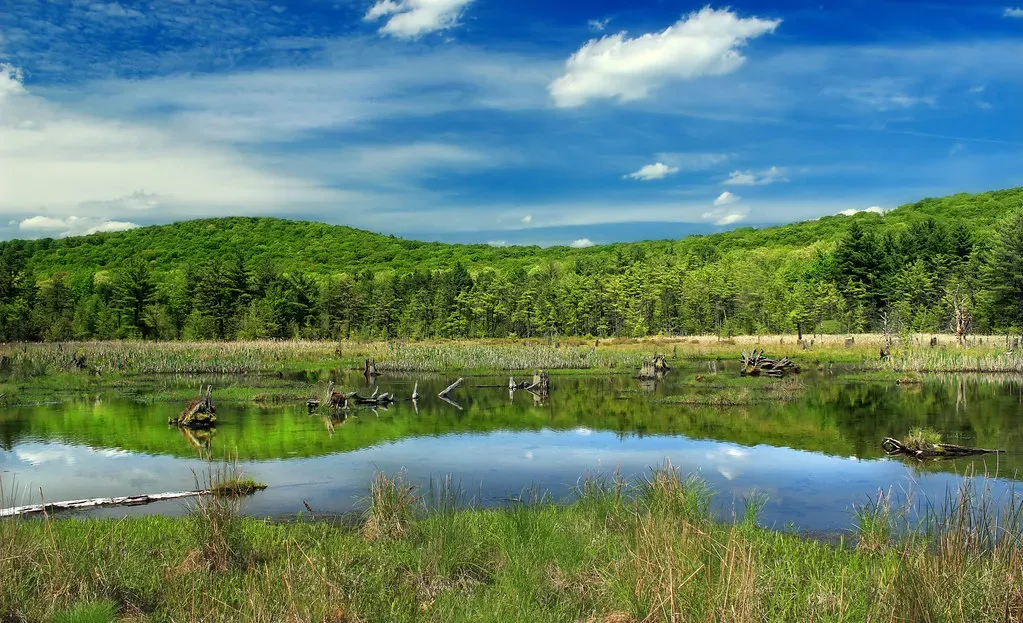
Before dinosaurs arrived, the world surrounding the young Appalachians would have looked totally alien to us. During much of their early history, what is now the eastern United States sat closer to the equator, meaning the climate was often warm and humid, more like a tropical zone than the seasonal forests we see today. Instead of birdsong, you might have heard the hiss of enormous insects; at certain times in Earth’s past, dragonfly relatives with wings as wide as a hawk’s glided through swampy forests near these rising mountains.
The early Appalachian landscape was framed by strange, ancient seas and thick forests of plants that would look almost prehistoric in a modern park. Giant club mosses, towering horsetail-like plants, and tree-sized ferns created dark, dense jungles that later formed many of the coal deposits mined in the region today. Vertebrate life on land was still in its experimental phase, with early amphibians and reptile-like creatures exploring the shorelines and lowlands. The idea that all of this played out while the Appalachians were still young makes the modern view from a scenic overlook feel suddenly much deeper and more layered.
From Jagged Peaks to Gentle Ridges: Erosion’s Long, Slow Art Project
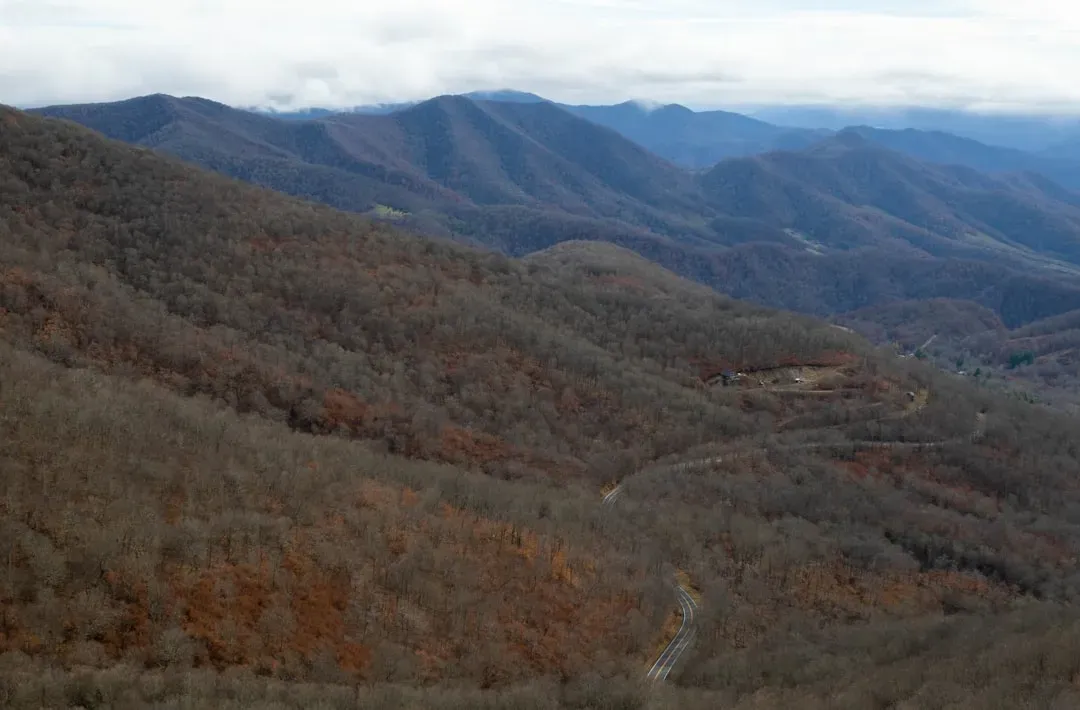
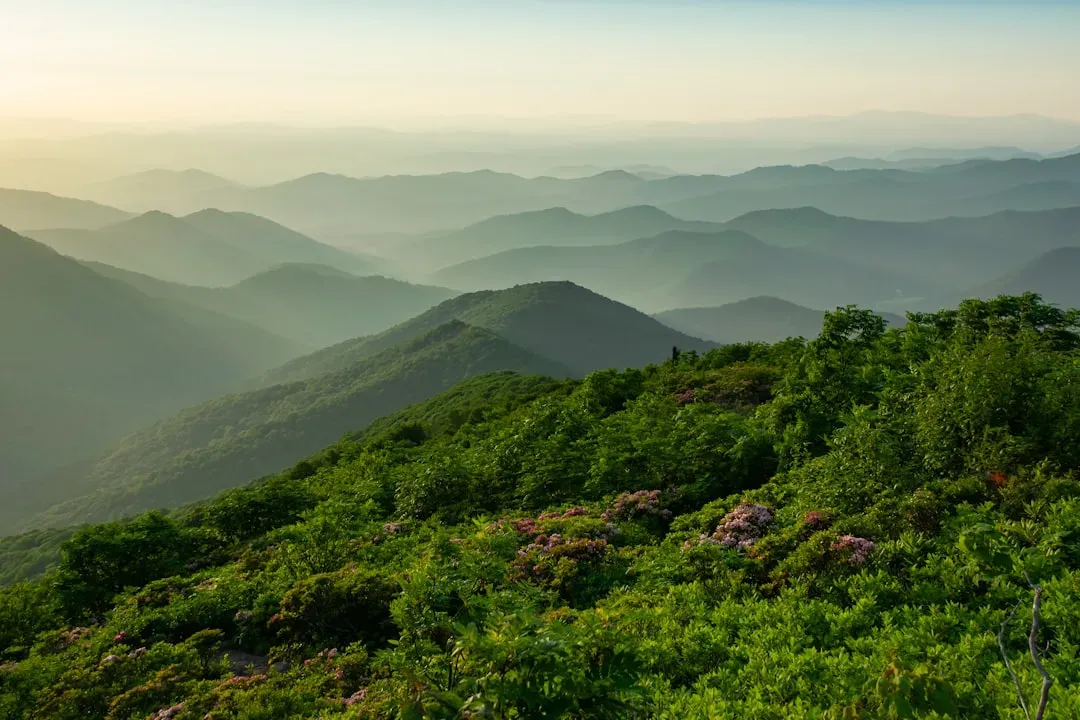
When you stand on a Blue Ridge overlook today, it is easy to assume these mountains were always smooth, rounded, and modest in height. In reality, what you see is the end result of hundreds of millions of years of erosion – water, ice, wind, and gravity wearing down once-massive peaks into softened forms. Mountain ranges are like living things in slow motion: they are born violently, grow taller, then gradually sag and crumble as the elements tear at them. The Appalachians are deep into that last phase, the wise elders of Earth’s mountain families.
Rivers have carved deep valleys through their flanks, glaciers in some periods reshaped the landscape to the north, and countless rockfalls, landslides, and weathering cycles have chewed away at their bulk. What remains is a kind of geological ghost of their former selves. To me, that makes them more impressive, not less. Anyone can be awed by a young, spiky range like the Andes or Himalayas, but it takes a different kind of respect to appreciate mountains that have survived almost half a billion years of being ground down and are still standing.
The Rocks Tell the Story: Reading Deep Time in Appalachian Stone
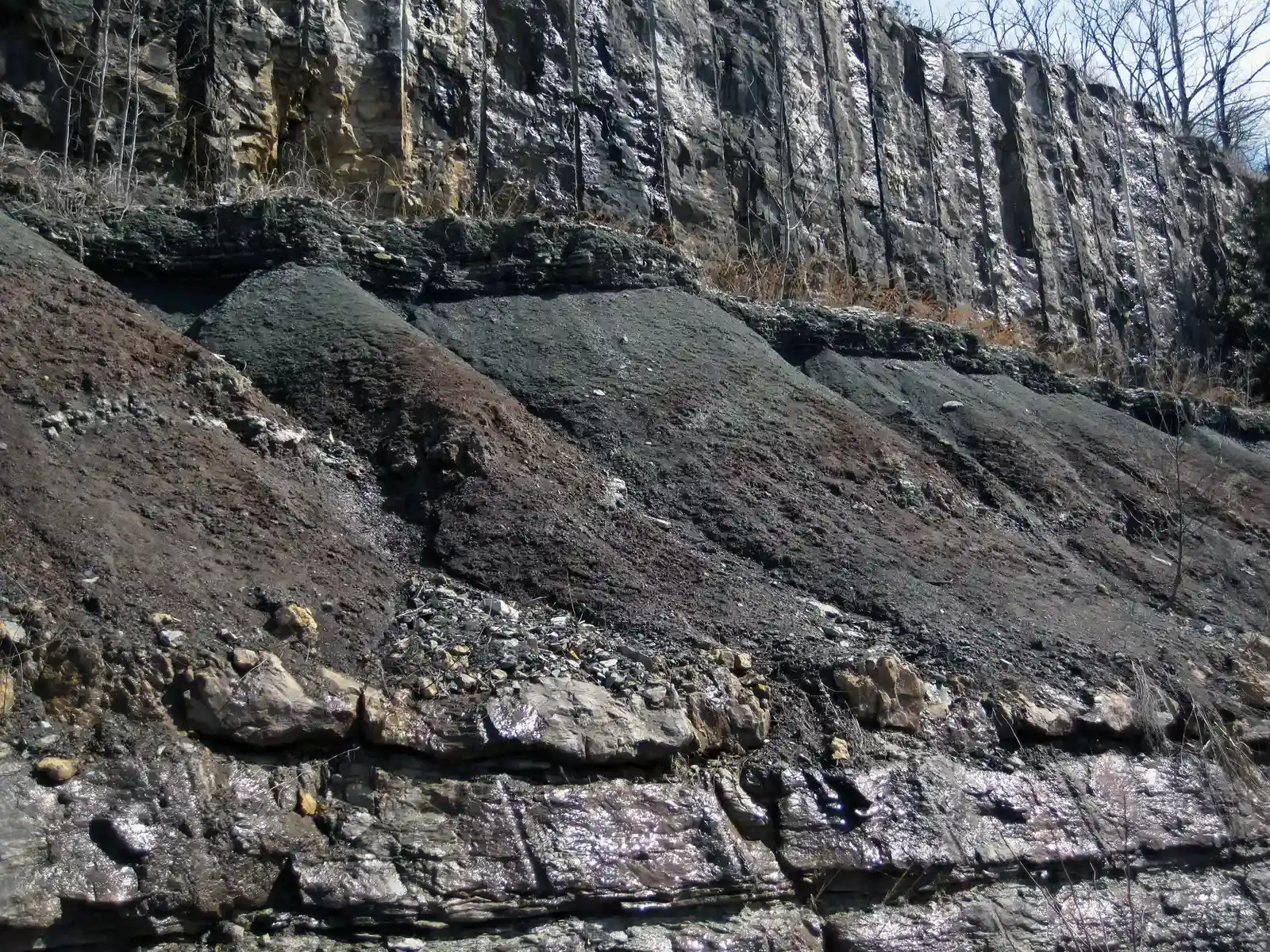
One of the coolest things about the Appalachians is that they are basically a natural museum of Earth’s deep history, and the rocks are the exhibits. In some places, you can literally walk from younger layers to older ones in a short hike, crossing time spans that make human history look microscopic. There are metamorphic rocks that were once buried miles underground, now pushed up to the surface; sandstones that started as beach deposits on vanished shorelines; and limestones that formed in ancient tropical seas teeming with marine life. Each outcrop is a clue to what this part of the world used to be.
Fossils in and around the region tell their own stories: seas full of trilobites and early shellfish, swampy forests that would later compress into coal, and marine creatures that lived long before the first dinosaur skeleton took shape. While dinosaur bones themselves are not common in the high Appalachian ridges, the wider region preserves slices of time that bracket the age of dinosaurs – before, during, and after their reign. If you have ever picked up a rock on an Appalachian trail and seen a faint shell imprint or a ripple pattern preserved in stone, you were literally holding a snapshot from a world that existed hundreds of millions of years earlier.
Why This Ancient Range Still Shapes Life in the Eastern United States
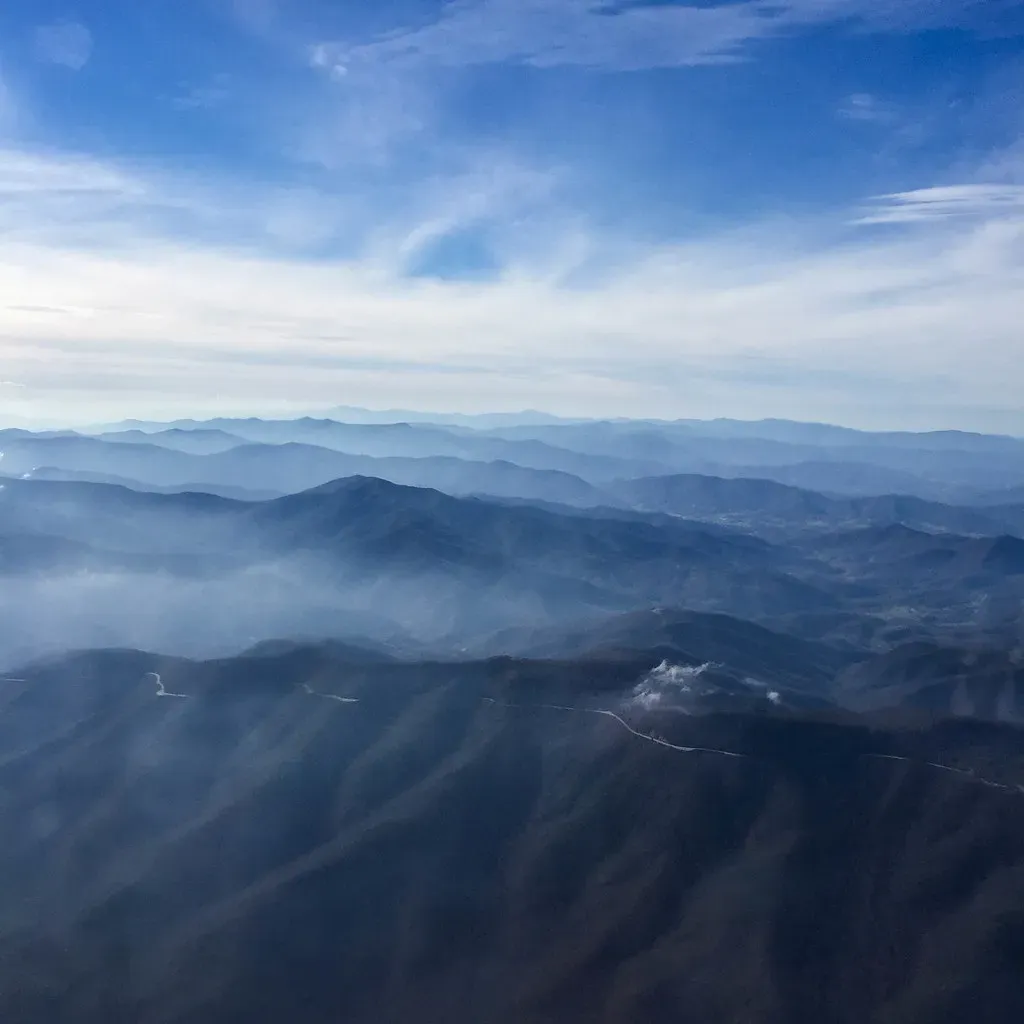
Even in their eroded state, the Appalachians quietly control a huge amount of what life is like on the eastern side of North America. They influence weather patterns, steering moisture and storm tracks, which in turn shapes where forests thrive, where farms do well, and even how severe some storms become. Towns and cities grew up along their rivers, in their valleys, and at their gaps, because mountains dictate where it is easiest to travel or settle. In that sense, decisions we make today – from where highways run to which regions boom economically – still trace back to events that happened before dinosaurs existed.
The Appalachians also cradle some of the most biodiverse temperate forests on the planet. Their long, complex history, combined with shifting climates over millions of years, has turned them into a kind of refuge for species. As glaciers advanced and retreated to the north, many plants and animals found shelter in these ridges and hollows, then spread out again when conditions improved. So when you hike a quiet gorge and see salamanders, wildflowers, and old-growth trees all sharing the same cool, shaded slope, you are witnessing the living echo of geological history that began in a world without dinosaurs.
Standing on an Ancient Backbone: Culture, Identity, and Awe
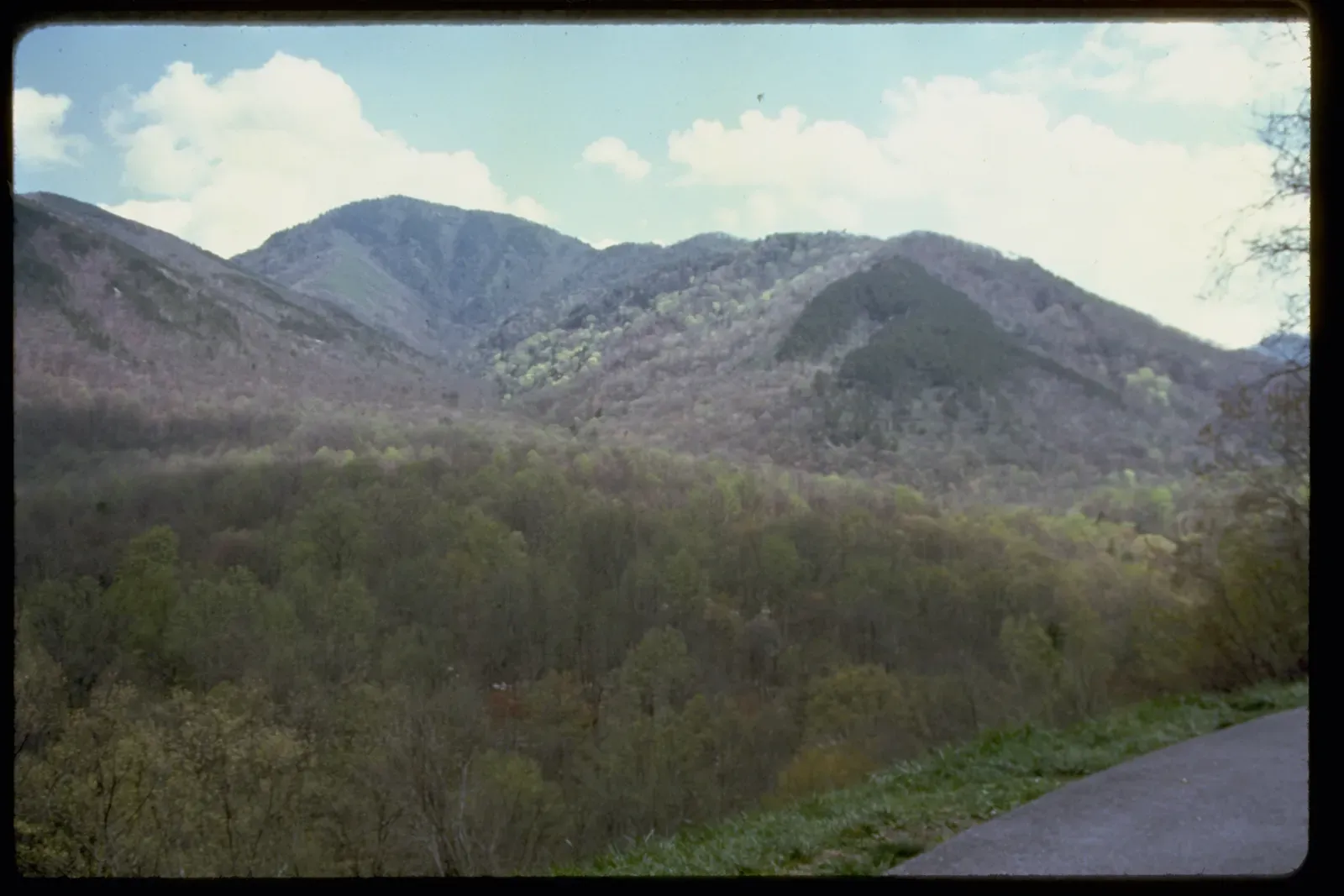
Beyond the science, the Appalachians are deeply wrapped into the culture and identity of the people who live among them. Music, storytelling, folklore, and even food traditions have been shaped by life in and around these ridges and valleys. There is something very grounding about knowing that your family’s history – whether it is a few generations or many – plays out on a stage that was already ancient before any dinosaur walked the Earth. It puts human struggles and joys in perspective, without making them feel meaningless.
I remember the first time I really grasped how old these mountains were while driving a winding road at dusk, the hills fading into layers of blue. It hit me that people have been moving through these passes, telling stories around fires, and watching the same silhouettes for a blink of time compared to how long the rocks have been here. That realization was both humbling and strangely comforting. It is like living on the ribs of a planet that has seen everything come and go and is still quietly carrying us along for the ride.
Conclusion: Ancient Mountains, Fresh Perspective
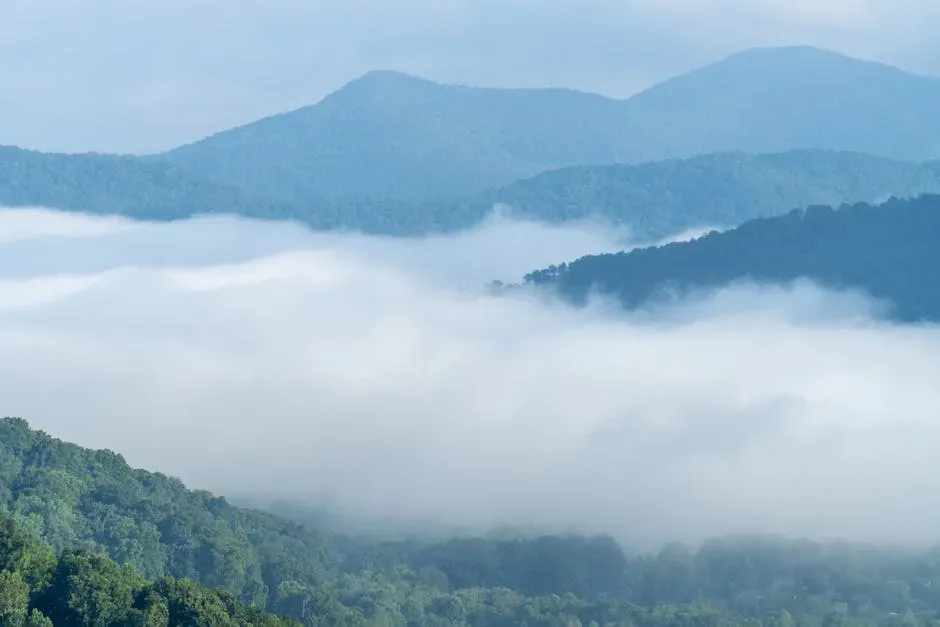
Knowing that the Appalachian Mountains are older than the first dinosaurs is more than just a fun fact; it is a mental reset button. It shatters the idea that the dramatic age of dinosaurs was the “beginning” of Earth’s real story and reminds us that our planet had already lived through entire mountain-building sagas long before that chapter opened. When you see those rounded ridges now, it becomes hard to shrug them off as ordinary – because nothing about surviving hundreds of millions of years of impact, uplift, and erosion is ordinary.
In my view, we undervalue these ancient ranges precisely because they are subtle and familiar, not flashy and snow-capped like some younger mountains. But there is a quiet power in a landscape that has outlived supercontinents, global climate swings, mass extinctions, and yes, the entire age of dinosaurs. Next time you find yourself driving through or hiking in the Appalachians, it might be worth pausing and asking: if these hills could talk, what stories from before the dinosaurs would you most want to hear?