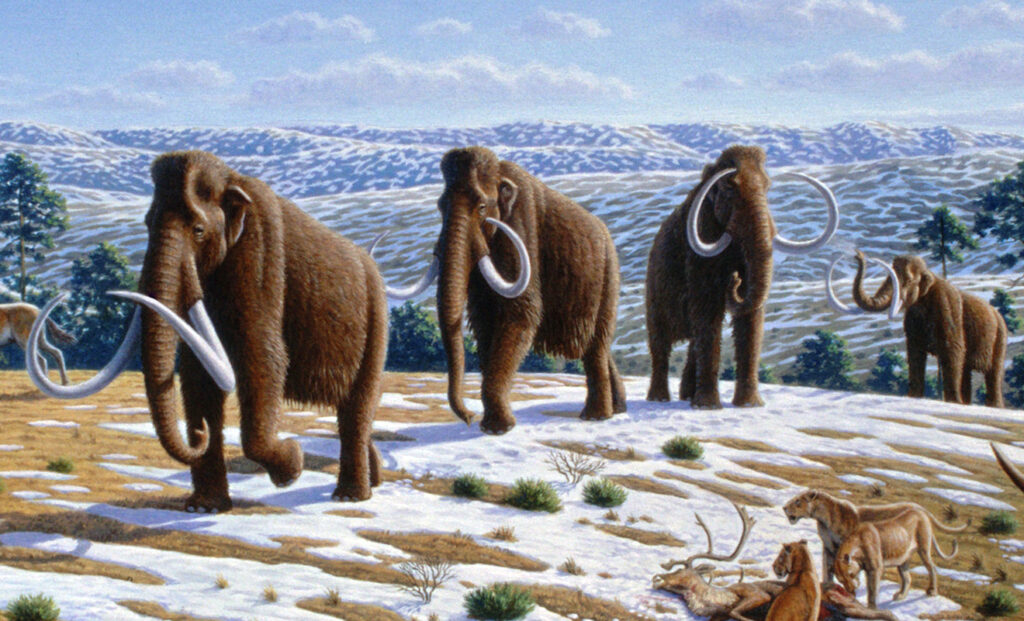
It sounds like a trivia joke that has to be wrong: while workers were hauling stone blocks to build the Great Pyramid of Giza in ancient Egypt, there were still woolly mammoths walking around on a remote Arctic island. Yet that is exactly what the evidence suggests. The last mammoths did not vanish in some unimaginably distant age; they survived into a time of pharaohs, sailing ships, and organized kingdoms.
Once you realize this, history suddenly feels a lot stranger and much closer. The ice age world that we imagine as a frozen, alien landscape is only a few thousand years away from the start of written history, not millions. It blurs the line between what we think of as “prehistoric” and “civilized,” and raises an unsettling thought: if mammoths could quietly disappear while human societies were already recording their own greatness in stone, what does that say about our ability to notice, or even care about, the other species fading around us today?
Mammoths and Pyramids: A Timeline That Feels Impossible
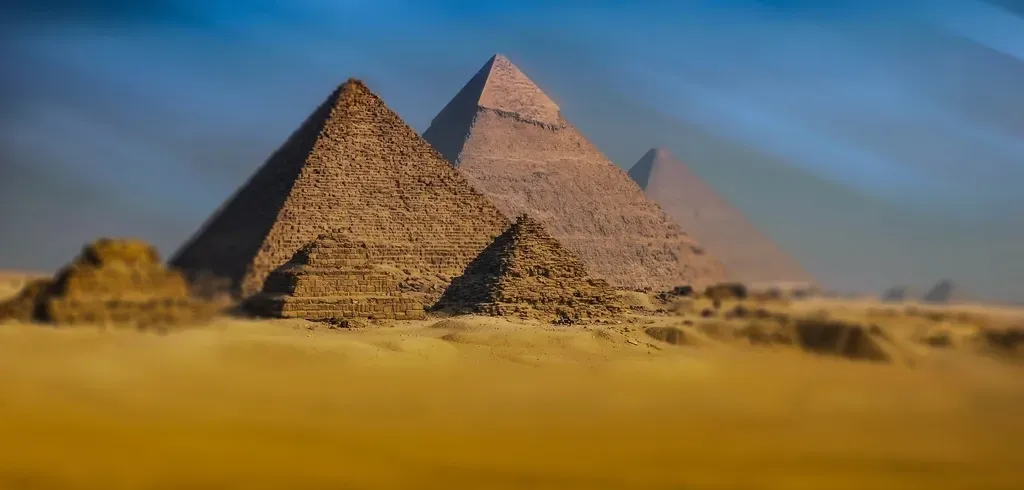
The Great Pyramid of Giza, built for the pharaoh Khufu, was completed around the middle of the third millennium BCE, often dated to roughly about twenty‑six centuries before the common era. That is solid, well‑established history, backed by archaeology, inscriptions, and careful study of Egyptian records. For most people, this sits mentally in the category of “very old, but human,” something we can still picture being built by determined, organized workers.
Now put that next to the last known population of woolly mammoths on Wrangel Island, off the coast of Siberia, which persisted until roughly about two thousand years before the common era. That means mammoths survived for several centuries after the Great Pyramid was already standing under the desert sun. I remember the first time I read that comparison; it felt like someone had told me that knights in armor once took selfies with smartphones. It forces your brain to stitch together two worlds we usually keep in separate mental boxes: one of stone monuments and one of ice age giants.
How We Know Mammoths Survived So Late
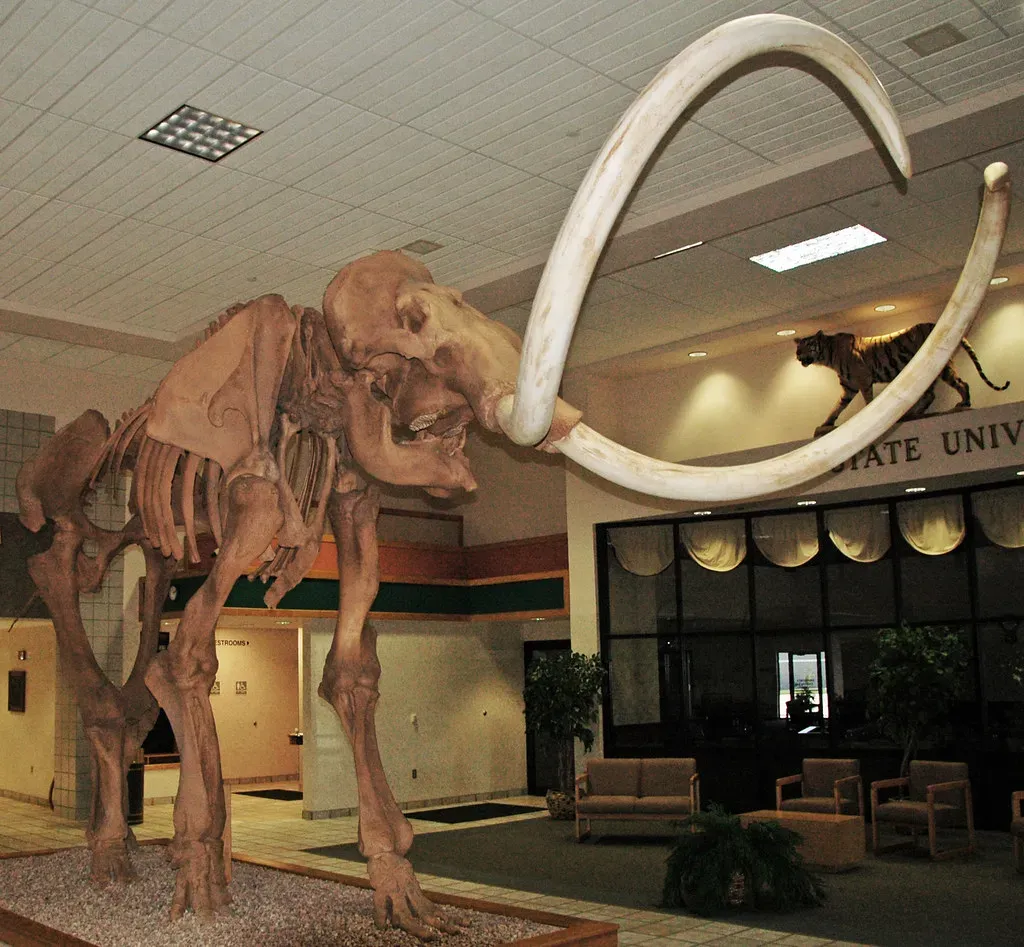
This overlap is not some wild guess or fringe theory. It comes from solid physical evidence: bones, teeth, and, crucially, radiocarbon dating. Scientists measure tiny amounts of radioactive carbon in remains to estimate how long ago an animal died, like a natural clock slowly ticking down in every once‑living thing. When researchers dated mammoth remains from isolated northern islands, they got surprisingly recent numbers, landing in the same broad time frame as early civilizations.
On islands like Wrangel in the Arctic Ocean, and possibly others in the far north, mammoth bones and tusks tell a story of survival long after mainland populations disappeared. Instead of vanishing at the end of the last ice age, some small groups held on in icy refuges as the rest of the world warmed, forests spread, and humans expanded. The dates are not exact to a specific year, of course, but they are good enough to say: yes, there were still mammoths on Earth when people were carving hieroglyphs and organizing state bureaucracies thousands of kilometers away.
Why Mammoths Disappeared from Most of the World First
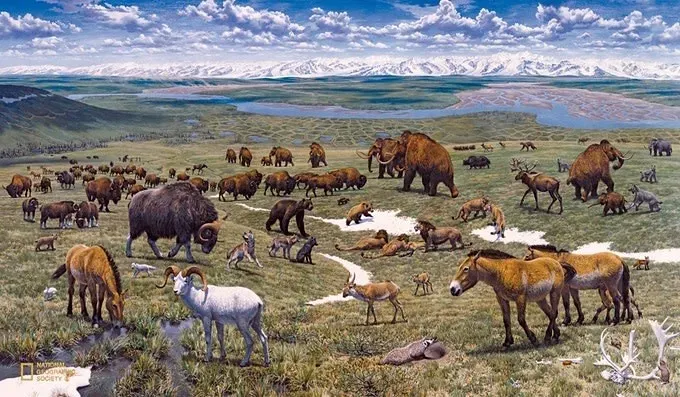
To understand how mammoths managed this late survival, you have to look at why they declined in the first place. During the last ice age, huge, cold grasslands stretched across much of the Northern Hemisphere, forming what scientists sometimes call the “mammoth steppe.” It was a perfect world for these shaggy giants: open, dry, and full of grasses, herbs, and low shrubs. As the climate warmed after the ice age ended, that habitat shrank and broke apart. Forests crept northward, wetlands changed, and the once‑continuous mammoth steppe became a patchwork.
At the same time, humans were spreading farther and farther into these regions, armed with increasingly effective hunting tools and strategies. It is still debated exactly how much was climate and how much was human pressure, but together they were a devastating combination. On the continents, mammoths had to cope with less suitable food, changing seasons, and people that saw them as mobile mountains of meat, bone, and ivory. In my view, blaming only climate lets our own species off the hook too easily; it is much more honest to say we were part of the problem, even if not the only cause.
The Island Refuges: Tiny Worlds Where Mammoths Hung On
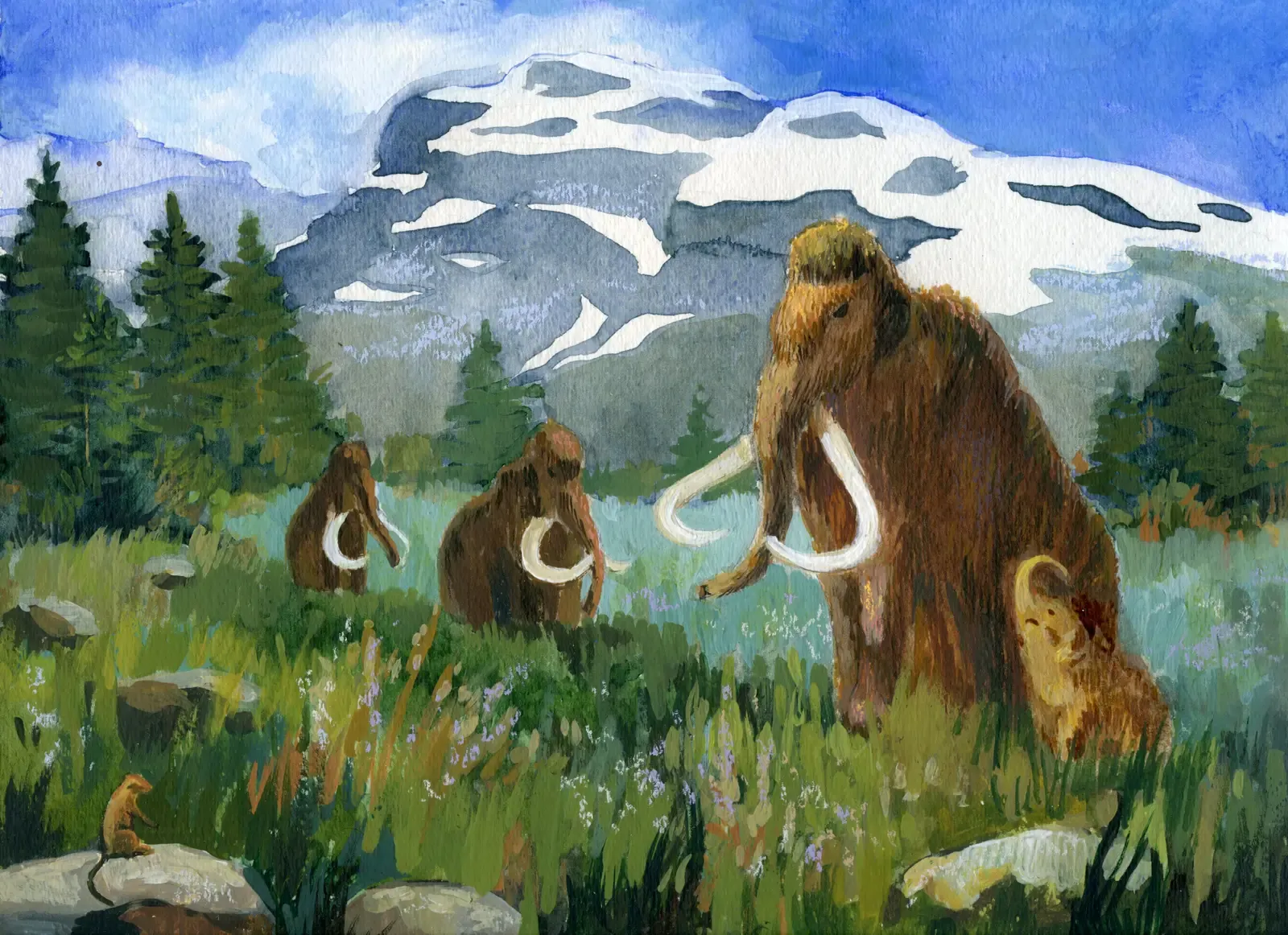
Islands like Wrangel became accidental lifeboats for some mammoth populations. Cut off by rising seas at the end of the ice age, these isolated pieces of land preserved colder conditions and open tundra‑like habitats for longer than the mainland. They also had far fewer, or possibly no, humans for much of their history. Imagine a small, chilly Eden where a reduced herd could still graze, breed, and live mostly undisturbed while their cousins vanished elsewhere.
But island life came with serious downsides. Small populations are more vulnerable to disease, random bad years, inbreeding, and sudden environmental shocks. Genetic studies of these late mammoths suggest they may have suffered from reduced genetic diversity, which can weaken a species over time. It is like trying to run an entire orchestra with only a handful of musicians; you can make some music, but you lose flexibility and resilience when something goes wrong. Eventually, even these last mammoth enclaves reached a tipping point they could not recover from.
Humans and Mammoths: Did Our Ancestors Notice the End?
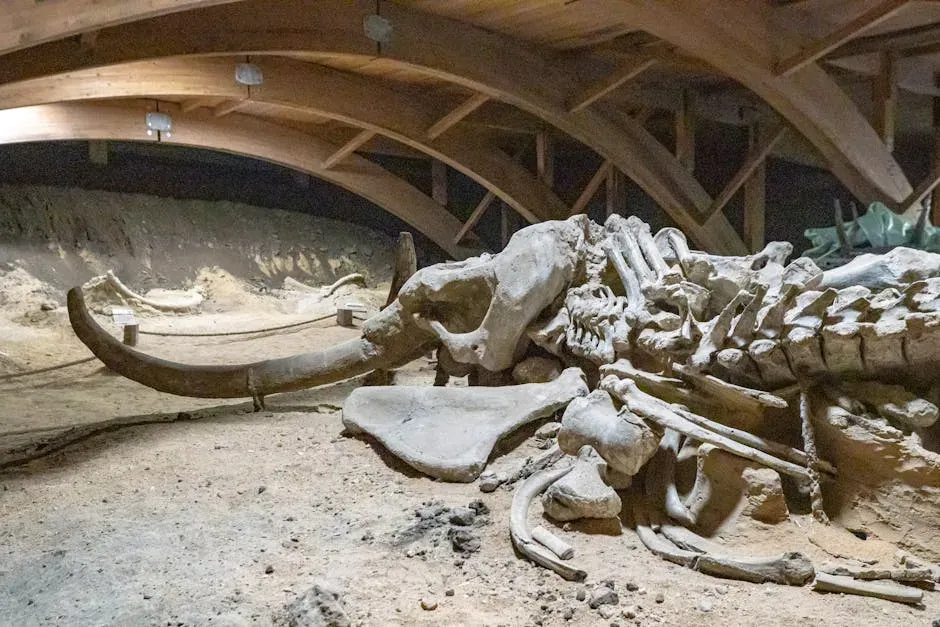
We know that earlier humans definitely encountered mammoths on the continents, because they left behind carved bones, stone tools, and even ancient cave paintings. For the final island populations, though, the picture is murkier. People were already sailing, trading, and exploring northern coasts by the time these last mammoths were fading out, but there is no clear written record of someone calmly noting, “By the way, we just saw enormous hairy elephants on that northern island.” If those encounters happened, they never made it into the kind of documents that survive.
There is something haunting about that silence. A legendary animal that had shaped ecosystems for hundreds of thousands of years likely vanished without fanfare, without a story or myth that scholars can definitively link to it. I cannot help wondering whether some small group of people did see them, told stories around a fire about the strange giants they had watched from their boats, and then those stories simply dissolved over generations. It makes our own time feel fragile too: how many extinctions today are being marked only by a brief press release and a few fading photos?
What Mammoths Teach Us About Extinction and Climate Change
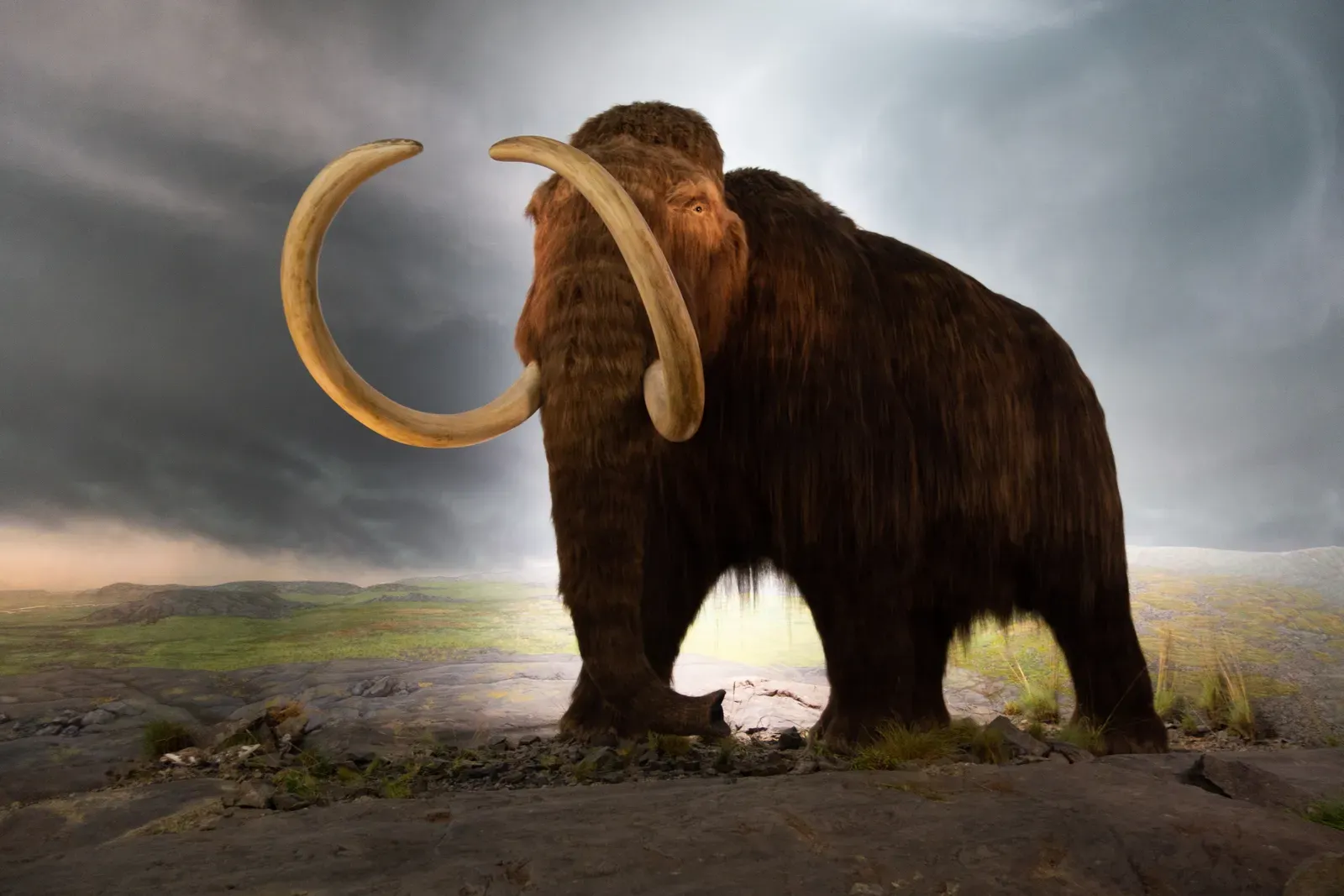
The mammoth timeline is more than a fun fact; it is a blunt warning. These animals did not disappear in some unimaginably ancient world, totally disconnected from ours. They were still around when humans were building monuments, organizing states, and reshaping landscapes. Their story shows how powerful it is when climate change and human activity push in the same direction. When habitats shift and large animals lose space, a little bit of hunting pressure or disturbance can be the final nudge toward extinction.
Right now, we are watching something disturbingly similar unfold with elephants, rhinos, big cats, and countless less famous species. We like to think we are more aware and more compassionate than ancient societies, and in some ways we are. But we are also changing the climate faster and on a bigger scale than anything mammoths ever faced. The idea that mammoths were still alive in the age of pyramids should not just amaze us; it should sting a little, because it proves that complex human civilizations and silent extinctions have gone hand in hand before.
Could Mammoths Ever Return – and Should They?
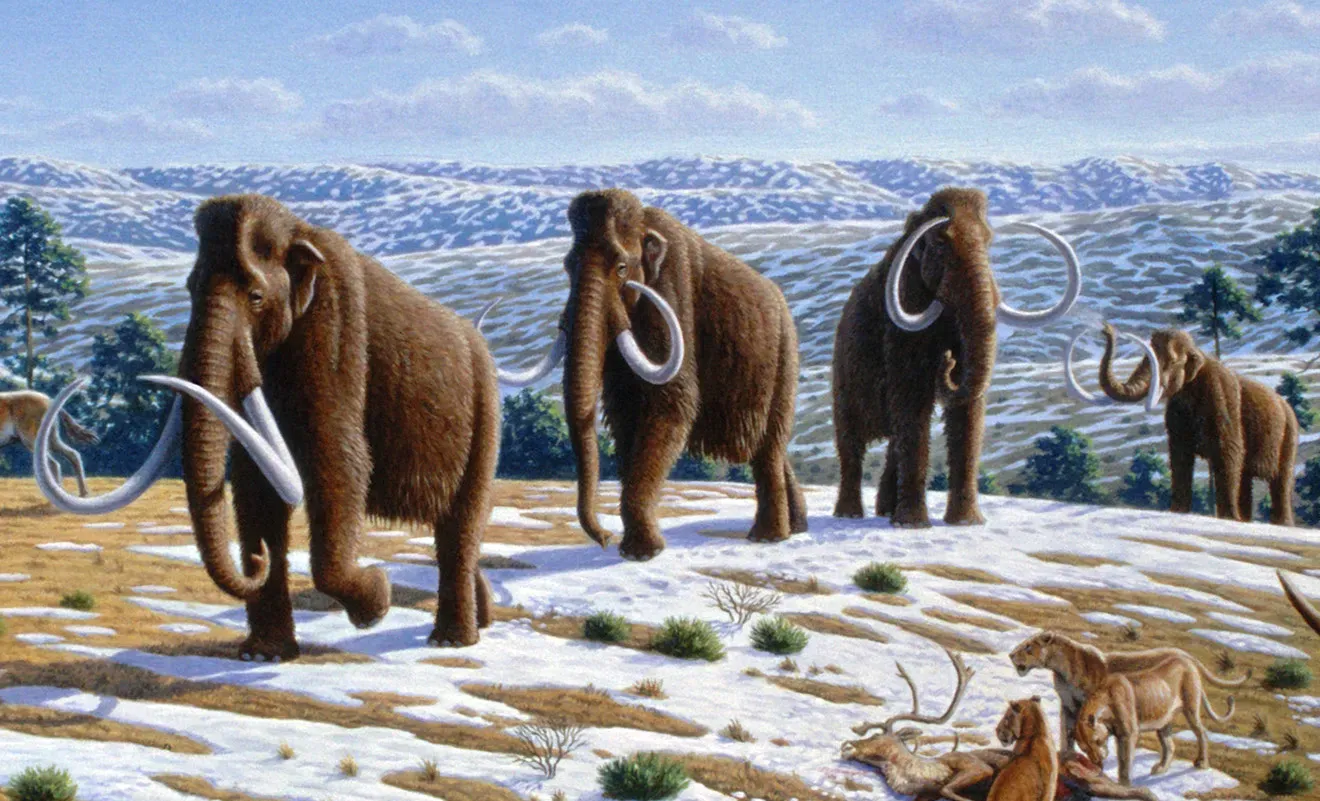
The overlap between mammoths and the pyramids has helped fuel a very modern fascination: the idea of bringing mammoths, or at least mammoth‑like elephants, back through genetic engineering. Researchers have sequenced ancient mammoth DNA and compared it with that of modern Asian elephants, and some teams are exploring ways to insert mammoth‑like genes into elephant embryos. In theory, this could create cold‑adapted elephants with shaggy coats and other traits similar to their extinct cousins, especially suited for northern environments.
Personally, I find the science thrilling but the ethics complicated. On one hand, the idea of seeing shaggy giants roam northern landscapes again taps into a deep sense of wonder and a desire to repair what humans helped destroy. On the other hand, reviving a version of mammoths into a world already struggling with habitat loss and climate instability might be more about our curiosity than their well‑being. To me, the more urgent task is protecting the elephants and ecosystems we still have, so that in a thousand years people are not saying, with the same mix of awe and regret, that elephants outlived our skyscrapers by only a few centuries.
Why This One Fact Changes How We Picture the Past
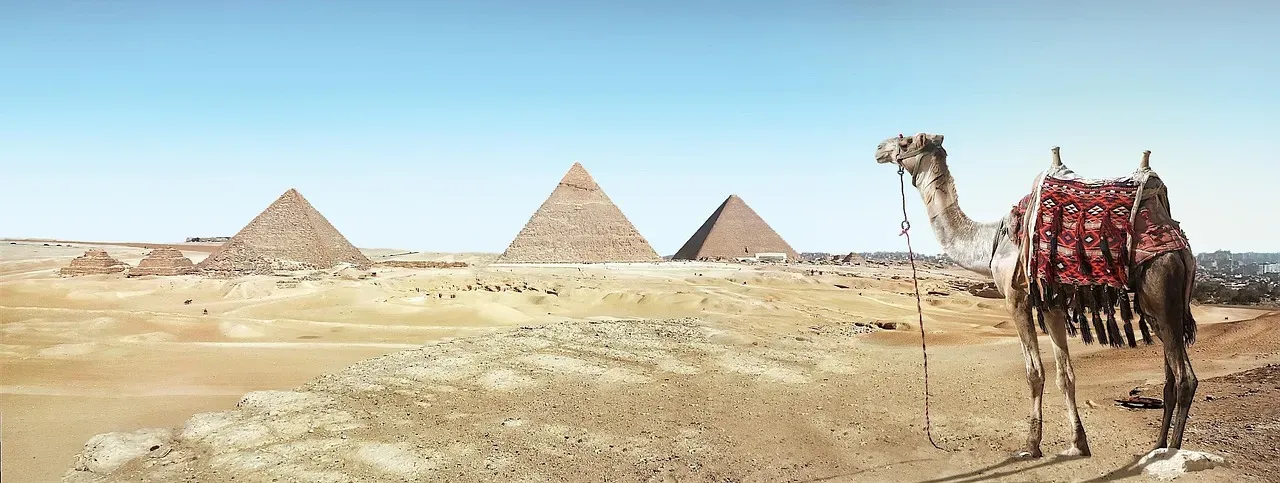
Once you really sit with the idea that mammoths were walking around while the Great Pyramid was already an ancient landmark in the making, your mental image of history shifts. The usual schoolbook timeline, with “prehistoric animals” on one side and “civilizations” on the other, turns out to be far messier and more intertwined. The deep past bleeds into the shallow past. The gap between cave paintings and carved stone monuments is not a clean break; it is more like a gradual fade, with ice age giants casting long shadows into the age of pharaohs.
I actually find that comforting in a strange way. It reminds me that the world has always been a patchwork of old and new, ancient and emerging, instead of a neat staircase of progress. But it is also a quiet accusation. If we could let mammoths slip away while building timeless wonders like the pyramids, what are we quietly letting vanish today while we obsess over our own monuments, from skyscrapers to digital empires? That one weird fact does not just make history more interesting; it makes our present feel more responsible.
Conclusion: A Giant That Vanished in the Shadow of a Pyramid
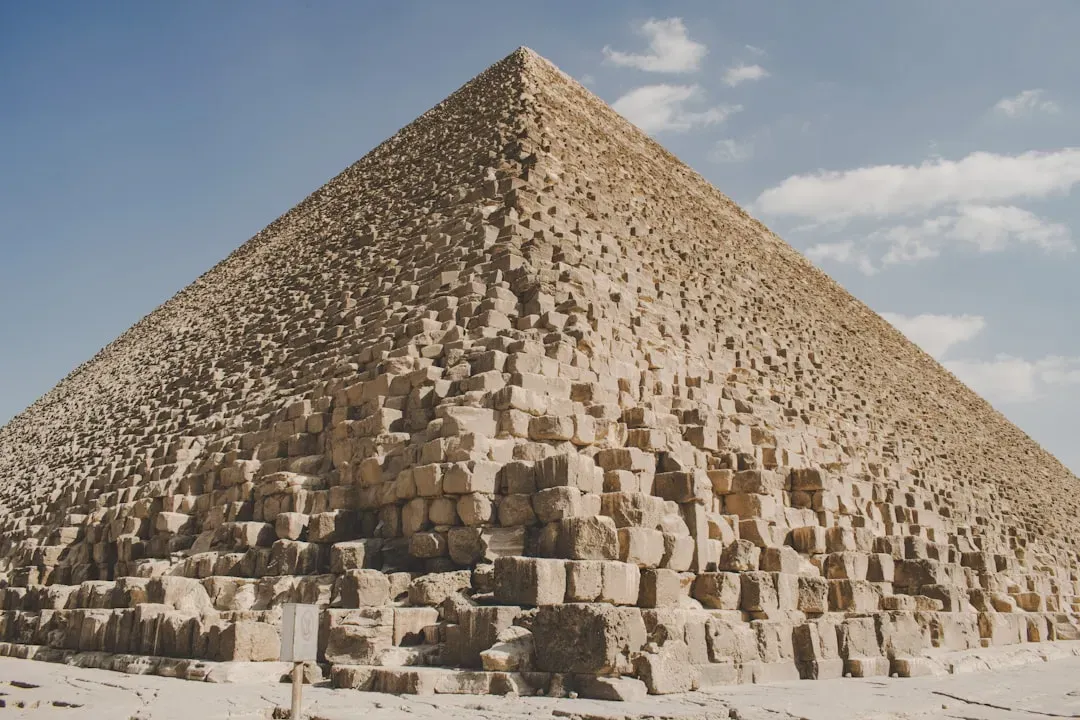
For me, the most startling part of the mammoth‑and‑pyramid overlap is not the trivia value; it is the moral punch. Knowing that mammoths were still alive after the Great Pyramid of Giza was built turns extinction from a distant, abstract concept into something that brushed right up against recorded history. These animals survived long enough to coexist, at least in time, with bureaucrats, architects, and sailors, and yet they still slipped away almost unnoticed. That should bother us more than it does.
My opinion is that we romanticize the past to avoid seeing patterns that make us uncomfortable in the present. It is easy to imagine mammoths as symbols of a lost, untouchable world, but their real story says otherwise: our kind was there, changing environments, hunting, expanding, and eventually writing our triumphs in stone while other species quietly disappeared in the background. If that was true in the age of pyramids, why would it be any less true now, in the age of satellites and smartphones? The next time you think about the Great Pyramid, will you picture the desert alone, or will you also imagine, far to the north, the last lonely mammoths walking toward the edge of history?