Picture this: a sleek, graceful predator stalking through ancient forests 190 million years ago, its distinctive twin crests glinting in prehistoric sunlight. This isn’t the venomous, frilled monster from Jurassic Park that terrorized moviegoers worldwide. The real Dilophosaurus was something far more fascinating – and far more complex – than Steven Spielberg’s imagination could conjure.
The Hollywood Hoax That Fooled Millions
When Jurassic Park hit theaters in 1993, audiences watched in horror as a seemingly innocent Dilophosaurus transformed into a venom-spitting nightmare, complete with an expandable neck frill that would make any cobra jealous. This cinematic creation became so iconic that many people still believe these features were real.
The truth is shocking: none of these Hollywood additions existed on the actual dinosaur. No evidence has ever been found for poison glands, neck frills, or any of the other theatrical enhancements that made this creature a movie monster. It’s like imagining a modern lion with the ability to shoot lasers from its eyes – pure fantasy masquerading as science.
Meet the Real Dilophosaurus: A Jurassic Giant
The authentic Dilophosaurus wetherilli was a magnificent beast that roamed what is now the southwestern United States during the Early Jurassic period. Standing roughly 7 feet tall at the hip and stretching up to 23 feet in length, this predator was built like a deadly ballet dancer – elegant yet powerful.
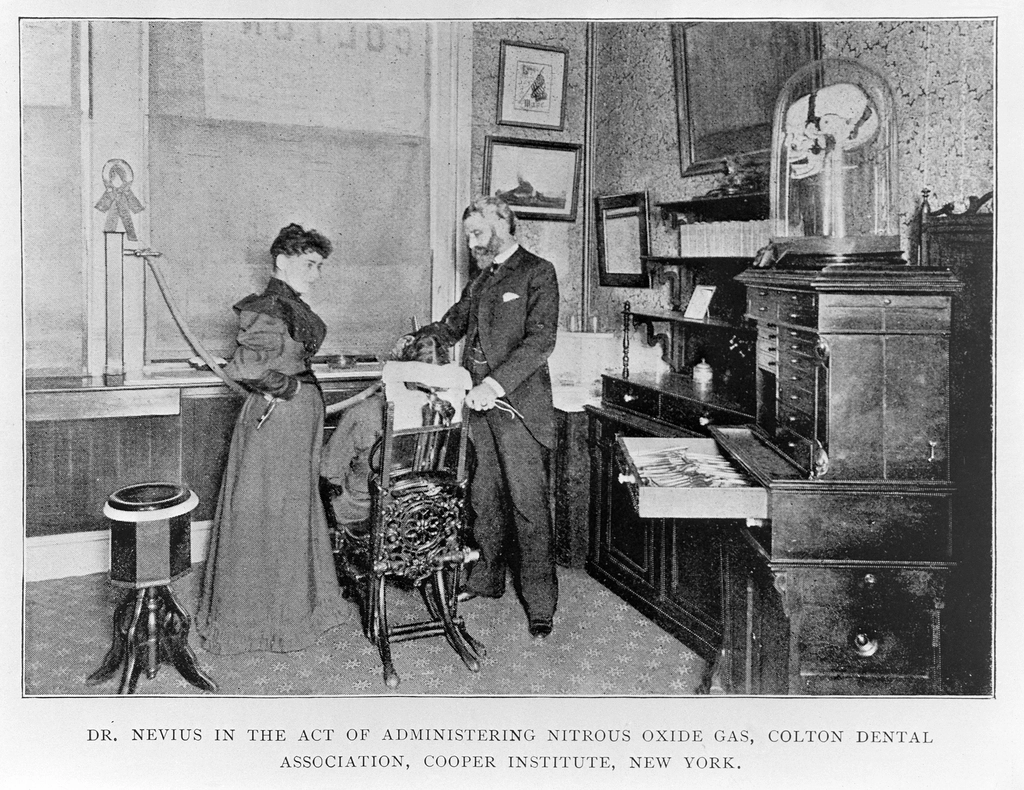
Its most striking feature wasn’t fictional frills or venom sacs, but rather two prominent, parallel crests that crowned its skull like a natural tiara. These bony structures gave the dinosaur its name, which literally translates to “two-ridged reptile.” The crests were likely as individual as fingerprints, with each Dilophosaurus sporting unique patterns and sizes.
Those Magnificent Crests: Nature’s Crown Jewels
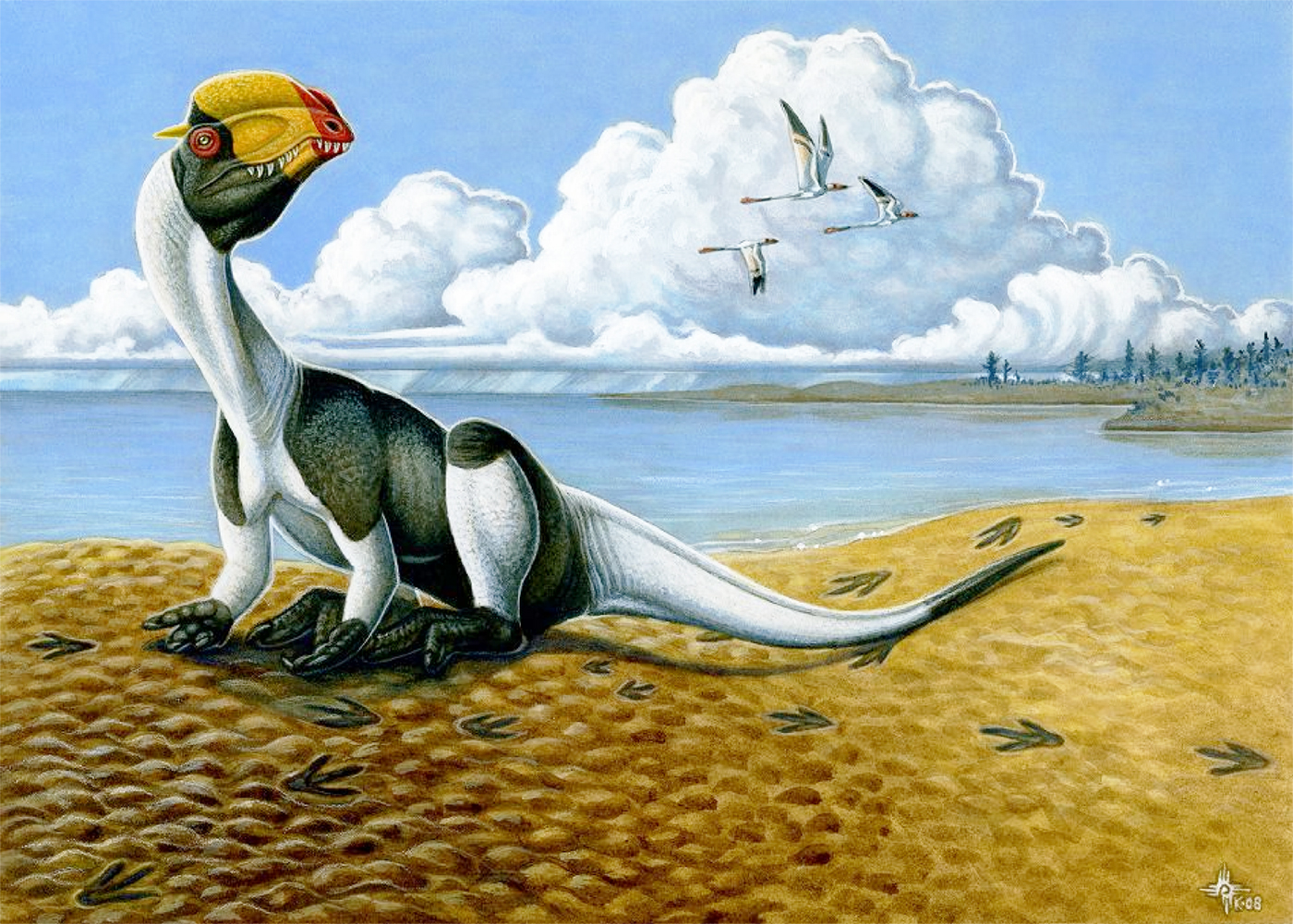
The twin crests of Dilophosaurus weren’t just for show – they were sophisticated biological billboards. Scientists believe these structures served multiple purposes, from species recognition to mate selection, much like the colorful plumage of modern birds.
The crests were made of thin bone with intricate internal air spaces, making them surprisingly lightweight despite their impressive appearance. Think of them as nature’s version of a punk rock mohawk, but with evolutionary purpose. These delicate structures also suggest that Dilophosaurus engaged in ritualized combat rather than brutal head-bashing contests.
Built for Speed, Not Slow Intimidation
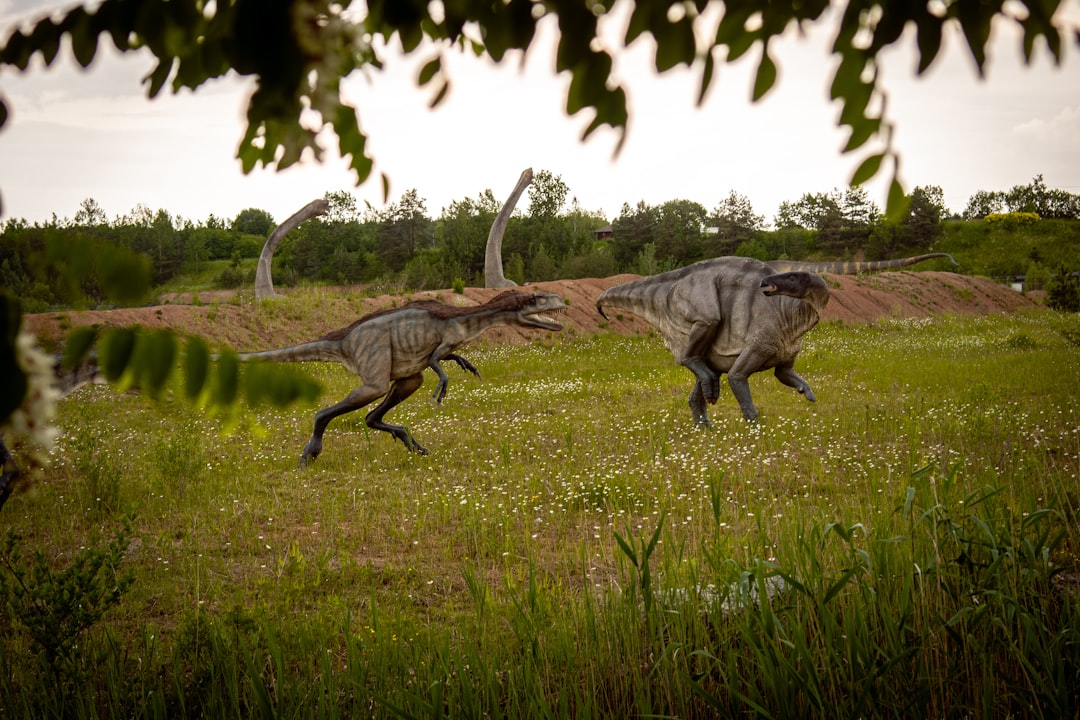
Unlike the sluggish movie portrayal, the real Dilophosaurus was built for speed and agility. Its long, powerful legs and lightweight frame suggest it could reach impressive running speeds, possibly exceeding 25 miles per hour in short bursts.
The dinosaur’s body proportions tell a story of athletic prowess that Hollywood completely missed. Its tail, making up nearly half its total length, served as a dynamic counterbalance during high-speed pursuits and sharp turns. This wasn’t a creature that needed to rely on surprise attacks from hiding – it was a pursuit predator that could run down its prey in open terrain.
The Predator’s Arsenal: Claws Over Venom
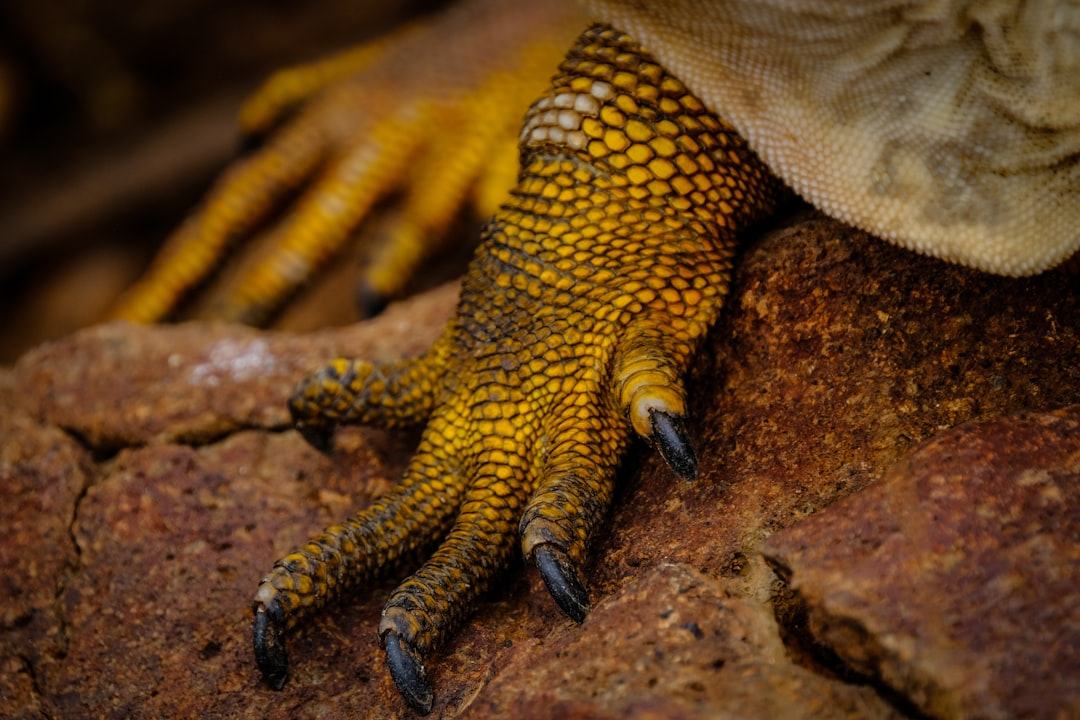
While movies gave Dilophosaurus fictional poison, nature equipped it with very real and very dangerous weapons. Its hands featured four fingers, each tipped with sharp, curved claws that could grow up to 10 inches long. These weren’t just tools for killing – they were multipurpose instruments for hunting, feeding, and possibly climbing.
The dinosaur’s jaws housed dozens of sharp, serrated teeth designed for slicing rather than crushing. Unlike the massive, bone-crunching teeth of later predators like T. rex, Dilophosaurus teeth were built for precision cutting, suggesting it preferred softer tissues and smaller prey items.
A Pioneer in Dinosaur Evolution
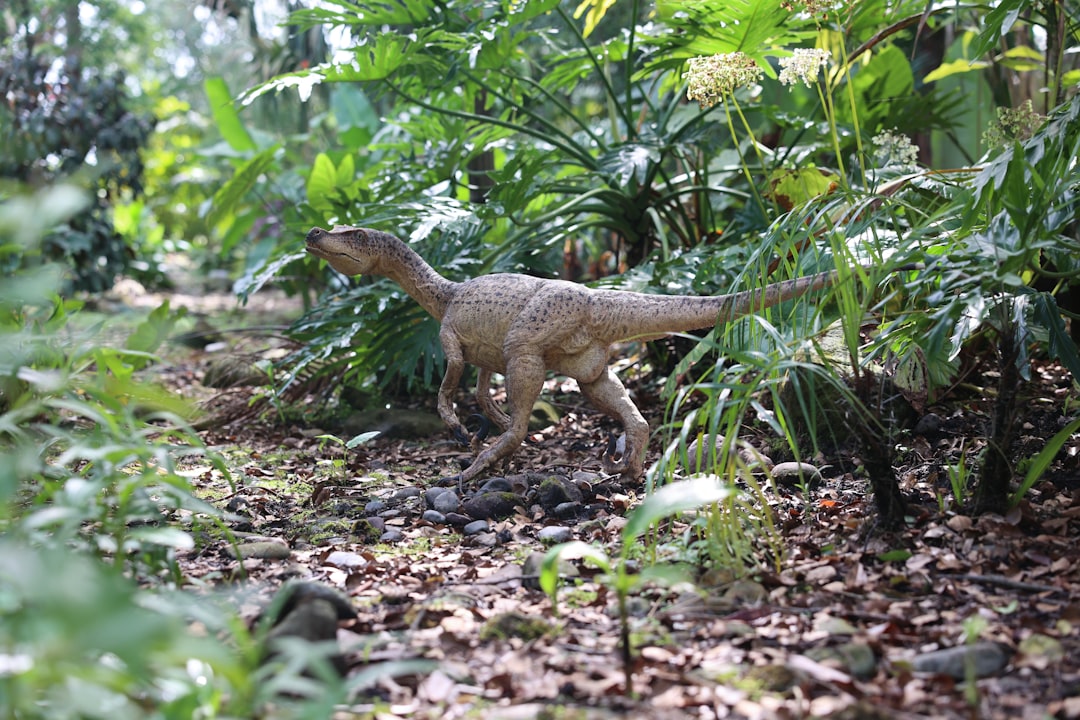
Dilophosaurus holds a special place in paleontological history as one of the earliest large theropod dinosaurs. Living during a time when dinosaurs were still establishing their dominance, this species represents a crucial evolutionary stepping stone between smaller, earlier predators and the massive carnivores that would later rule the Earth.
Its anatomy reveals fascinating transitional features that bridge the gap between primitive and advanced theropod designs. The combination of four-fingered hands, crested skull, and proportionally long arms makes Dilophosaurus a living textbook of early dinosaur evolution.
Social Life: Lone Wolf or Pack Hunter?
Recent fossil discoveries have sparked intense debate about Dilophosaurus social behavior. Some evidence suggests these predators may have lived and hunted in small groups, challenging the traditional image of solitary dinosaur hunters.
Trackway fossils from the same time period show multiple large theropod dinosaurs traveling together, though conclusively linking these traces to Dilophosaurus remains challenging. If true, pack hunting would explain how these relatively lightly built predators could take down much larger prey animals that shared their ecosystem.
The Great Size Controversy
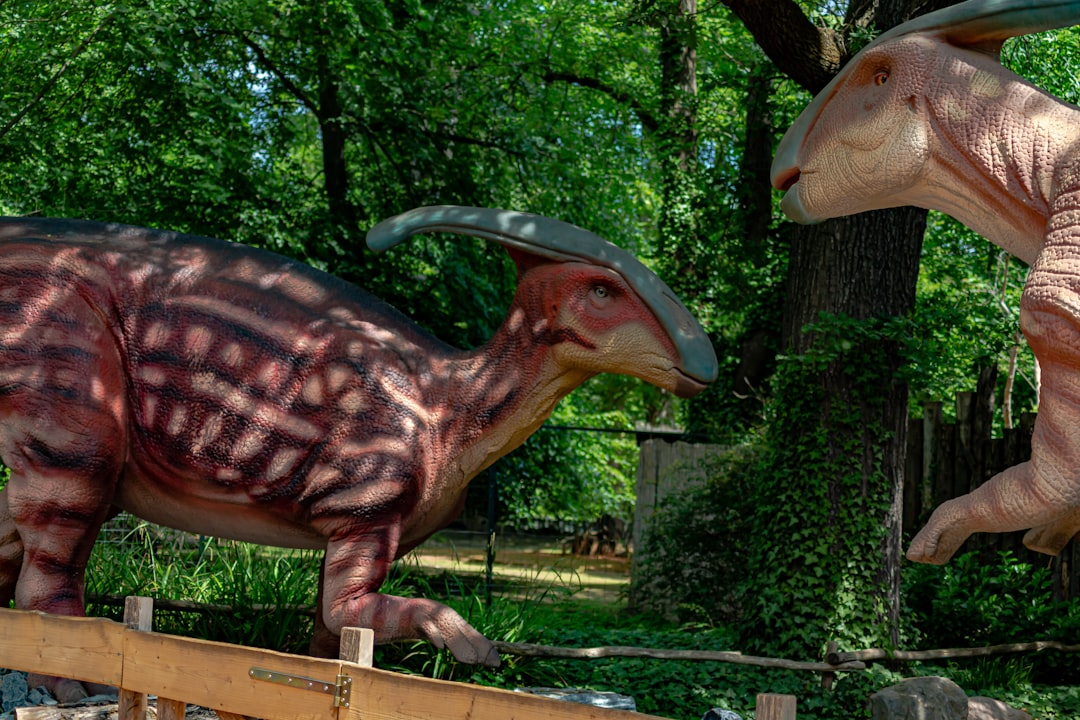
One of Hollywood’s biggest mistakes was drastically undersizing Dilophosaurus. The movie version appeared roughly the size of a large dog, when in reality, this predator was closer to the size of a modern pickup truck. This massive scaling error robbed audiences of appreciating the true majesty of these ancient giants.
The largest Dilophosaurus specimens suggest some individuals may have reached lengths approaching 26 feet, making them among the largest predators of their time. Their impressive size likely made them apex predators in their ecosystem, feared by plant-eaters and smaller carnivores alike.
What Did Dilophosaurus Actually Eat?
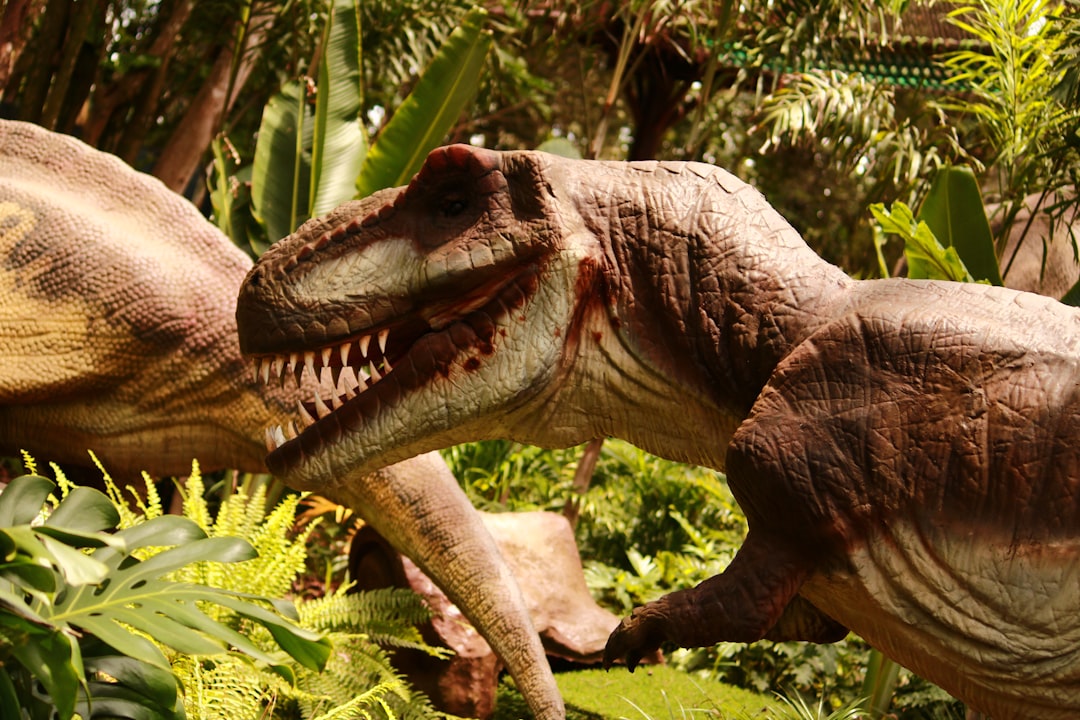
The diet of Dilophosaurus was far more varied than typical movie monster fare. Fossil evidence suggests these predators were opportunistic feeders, dining on everything from small mammals and reptiles to fish and possibly even carrion when available.
Their teeth and jaw structure indicate they were particularly well-suited for hunting smaller prey, though they certainly could have taken down larger animals when hunting in groups. Some paleontologists even suggest they may have been partially piscivorous, using their speed and agility to catch fish in shallow waters.
The Mystery of the Weak Bite
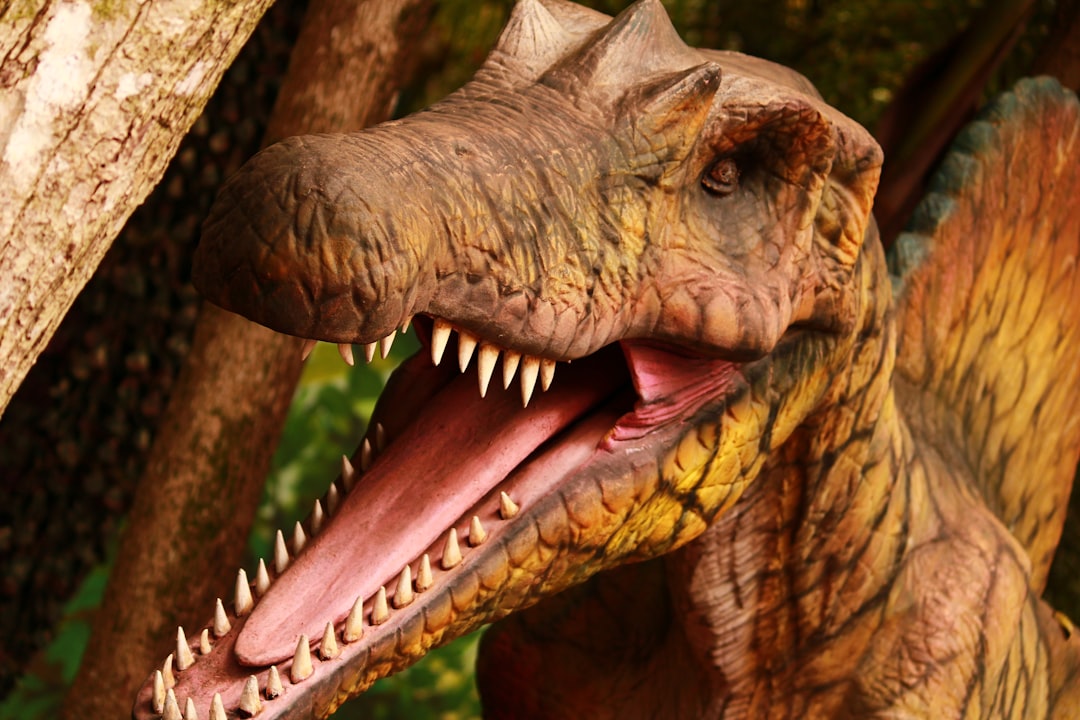
Here’s where Dilophosaurus gets really interesting: despite its fearsome appearance, this predator had a relatively weak bite force compared to other large carnivorous dinosaurs. Computer modeling suggests its jaw muscles were optimized for quick snapping motions rather than sustained pressure.
This “weakness” was actually a sophisticated adaptation. Rather than overpowering prey with brute force, Dilophosaurus likely used precision strikes to vital areas, much like modern big cats. Their hunting strategy was more surgical than sledgehammer, requiring intelligence and timing over raw power.
Environmental Context: Life in the Early Jurassic
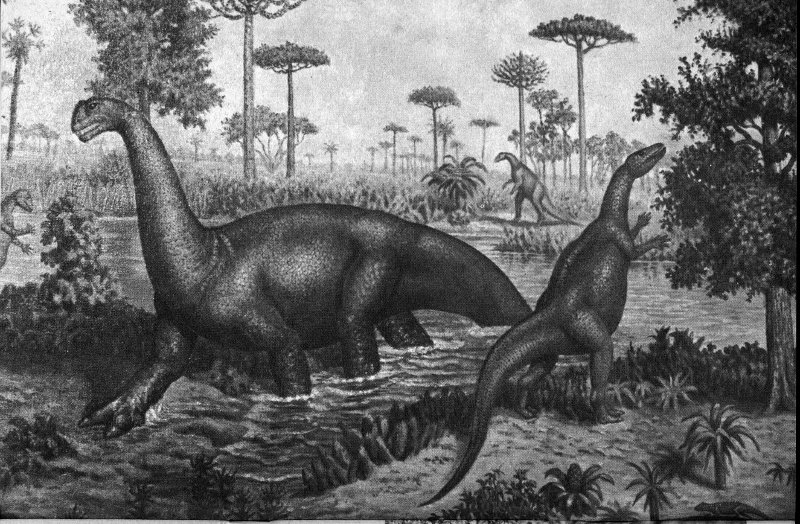
The world of Dilophosaurus was dramatically different from our modern Earth. Global temperatures were warmer, sea levels were higher, and lush forests covered much of the landscape. This greenhouse world provided abundant resources but also fierce competition.
Dilophosaurus shared its environment with early sauropods, primitive stegosaurs, and various other dinosaur species. The ecosystem was like a prehistoric Wild West, with new evolutionary experiments happening everywhere and survival depending on adaptation and innovation.
Fossil Discovery: From Accident to Icon
The first Dilophosaurus fossils were discovered in 1940 by Navajo Sam Welles in Arizona, though the species wasn’t properly described until 1954. Initially misidentified as a different dinosaur entirely, it took decades of careful study to understand what paleontologists had actually found.
The discovery site has continued yielding new specimens, each adding pieces to the puzzle of understanding this remarkable predator. Some of the most complete theropod skeletons ever found belong to Dilophosaurus, giving scientists unprecedented insight into early dinosaur anatomy and behavior.
Modern Research and New Revelations
Recent technological advances have revolutionized our understanding of Dilophosaurus. CT scanning of fossil skulls has revealed intricate internal structures, while computer modeling has helped scientists understand how these dinosaurs moved and hunted.
New studies suggest Dilophosaurus may have been more bird-like than previously thought, with possible proto-feathers or other integumentary structures that left no fossil trace. These discoveries continue reshaping our image of what early large predators actually looked like and how they behaved.
The Legacy of Misrepresentation
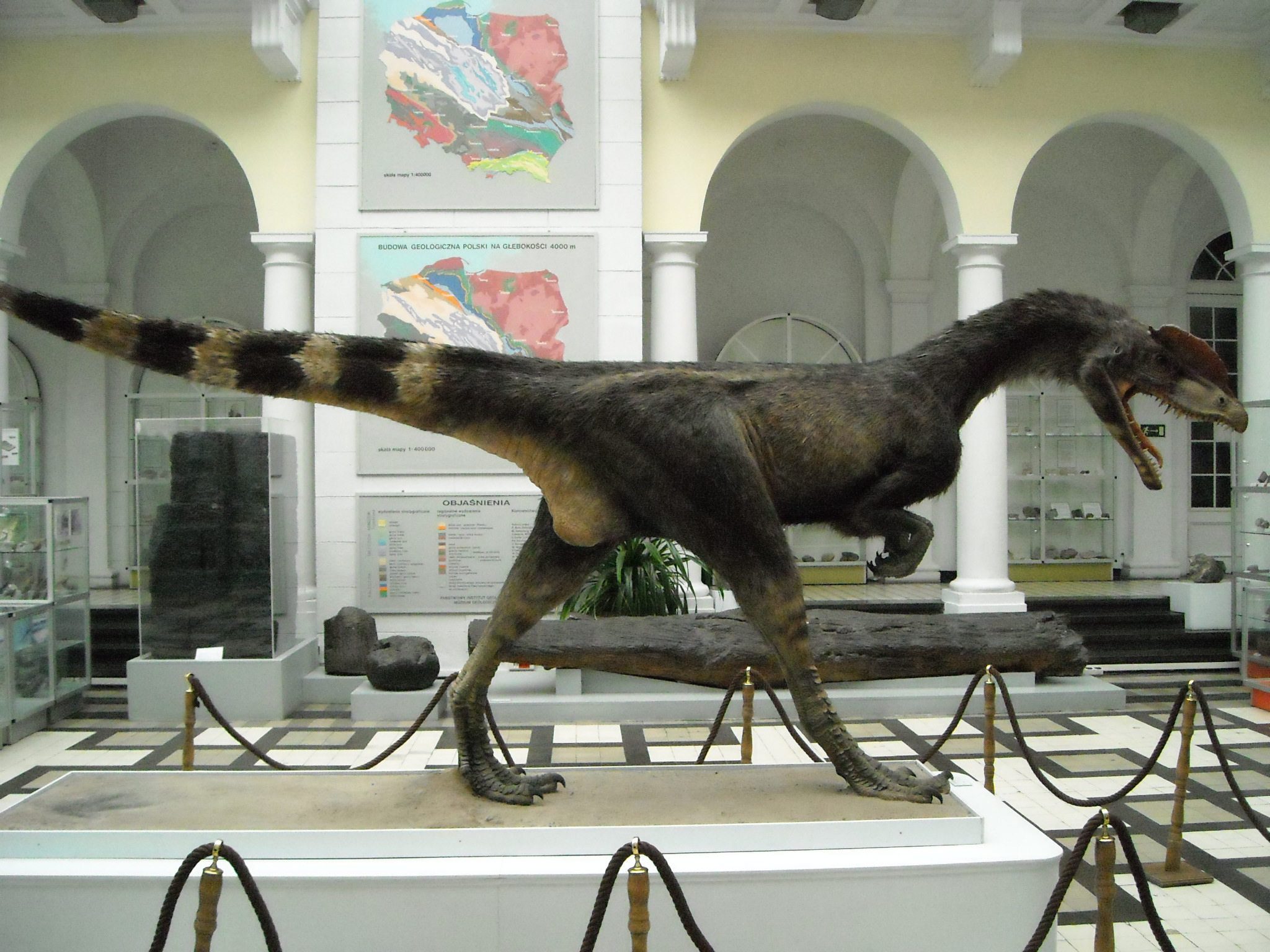
The cultural impact of Hollywood’s fictional Dilophosaurus extends far beyond entertainment. Educational materials, toys, and even some museum displays have perpetuated the movie myths, creating generations of dinosaur enthusiasts with completely incorrect ideas about this fascinating predator.
This misrepresentation highlights a broader problem in science communication: when fiction becomes more famous than fact, correcting misconceptions becomes an uphill battle. The real Dilophosaurus is far more interesting than its fictional counterpart, yet the movie version remains more widely recognized.
The true story of Dilophosaurus is one of evolution, adaptation, and prehistoric majesty that no Hollywood special effect could improve upon. This double-crested predator represents a pivotal moment in dinosaur evolution, when the blueprint for future giants was still being written in bone and blood. Rather than the cartoon monster of popular culture, Dilophosaurus emerges as a sophisticated predator perfectly adapted to its ancient world – a testament to nature’s ingenuity that puts any movie magic to shame. Next time you see a Jurassic Park sequel, remember that reality was already more incredible than anything screenwriters could imagine.