Imagine walking through the grand halls of Chicago’s Field Museum, where massive shadows loom overhead and ancient roars seem to echo through time. The Field Museum stands as one of America’s most spectacular windows into prehistoric life, housing some of the most complete and awe-inspiring dinosaur specimens ever discovered. These aren’t just dusty old bones gathering cobwebs in storage rooms – they’re carefully curated treasures that tell the most incredible story ever written: the rise and fall of Earth’s most magnificent creatures.
SUE the T. rex: The Crown Jewel of Chicago’s Dinosaur Collection
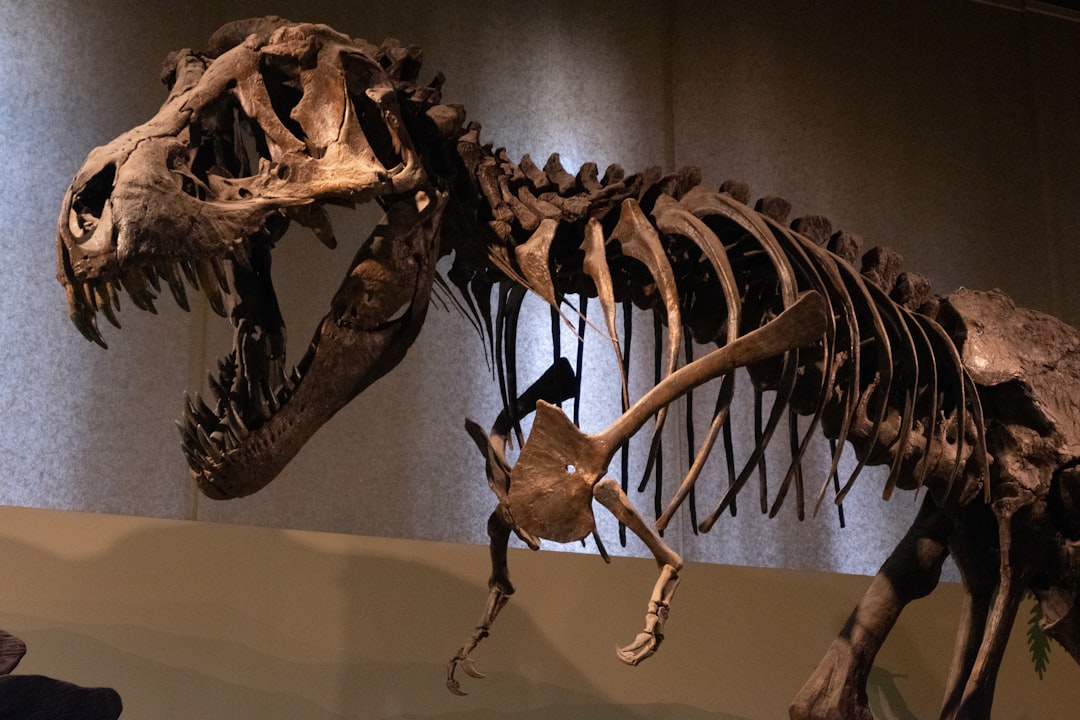
SUE stands as the most famous resident of the Field Museum, and for good reason. This magnificent Tyrannosaurus rex skeleton is not just any dinosaur – it’s the largest, most complete T. rex ever discovered, with over 90% of the bones intact. When visitors first glimpse SUE’s massive skull in the museum’s Stanley Field Hall, many are struck silent by the sheer enormity of this prehistoric predator.
The skeleton stretches an incredible 40 feet in length and towers 13 feet high at the hips. SUE’s skull alone weighs over 600 pounds and contains 58 razor-sharp teeth, some measuring up to 8 inches long. Scientists estimate that this apex predator lived approximately 67 million years ago and could have weighed as much as 9 tons when alive.
What makes SUE truly special isn’t just the size, but the wealth of scientific information this specimen provides. Researchers have discovered evidence of injuries and diseases that give us intimate glimpses into the life of this ancient giant. The skeleton shows signs of broken ribs that healed during SUE’s lifetime, suggesting these creatures could survive serious injuries in the brutal prehistoric world.
The Patagotitan: Earth’s Largest Land Animal Takes Center Stage
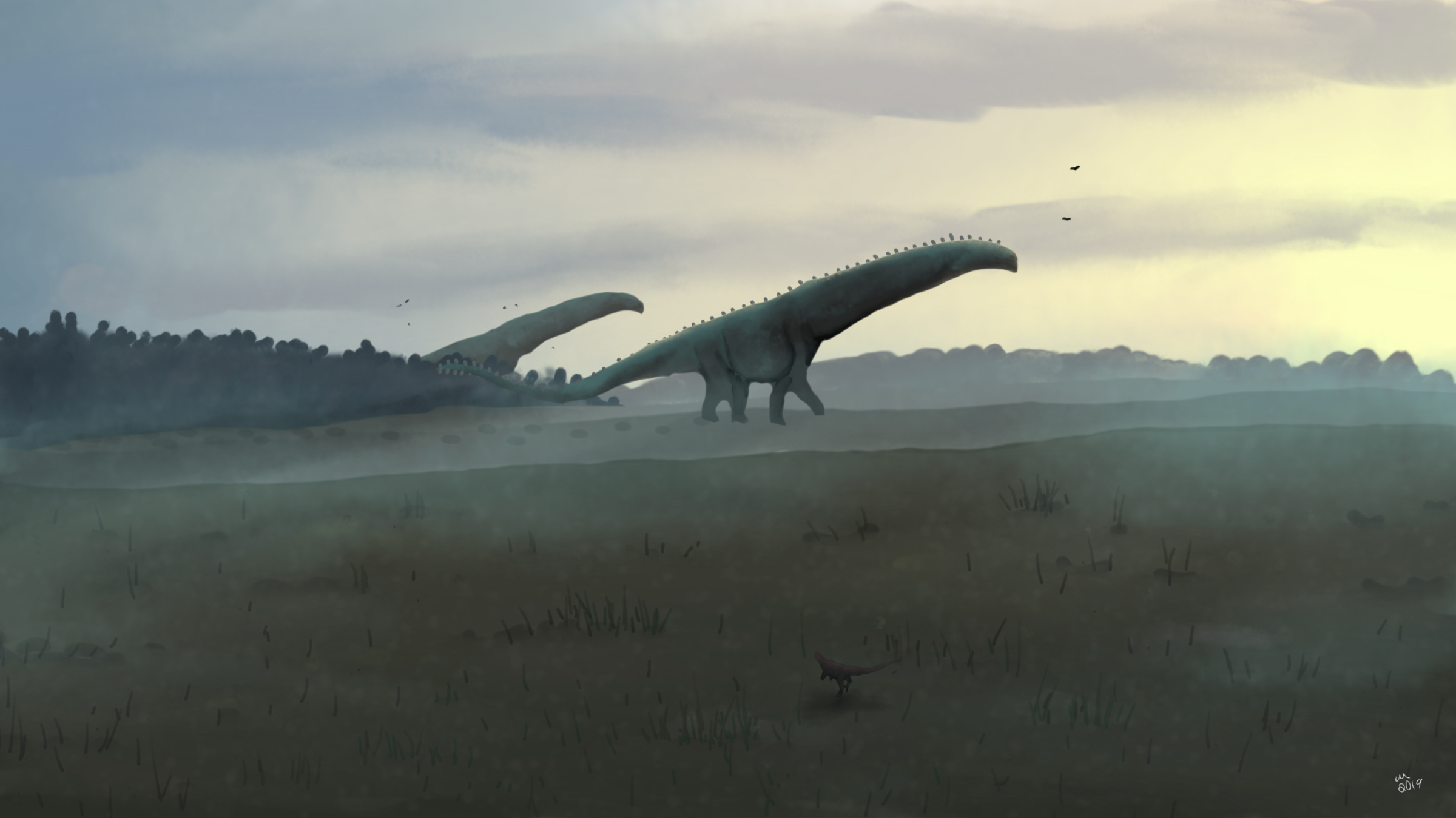
In 2018, the Field Museum unveiled a cast of Patagotitan mayorum, quite possibly the largest dinosaur that ever walked the Earth. This colossal sauropod makes even SUE look small by comparison, stretching an astounding 122 feet from nose to tail. The sheer scale of this creature challenges our understanding of how large land animals can actually grow.
The Patagotitan’s neck alone extends 39 feet, allowing it to browse vegetation at heights that would make a giraffe jealous. Scientists estimate this gentle giant weighed between 69 to 77 tons – equivalent to about 12 African elephants stacked together. The discovery of multiple Patagotitan specimens in Argentina suggests these massive creatures may have traveled in herds across the ancient landscape.
Standing beneath this towering replica, visitors often experience a profound sense of humility. The Patagotitan serves as a stunning reminder of just how diverse and extraordinary life on Earth has been, pushing the boundaries of what we thought possible for terrestrial animals.
The Prehistoric Puzzle: How Scientists Reconstruct Ancient Lives

Behind every dinosaur display lies years of painstaking detective work that would make Sherlock Holmes proud. Paleontologists at the Field Museum don’t just dig up bones and stick them together – they’re reconstructing entire ecosystems from millions of years ago using the tiniest clues nature left behind. A single tooth can reveal diet preferences, while bone density patterns tell stories about how these creatures moved and lived.
The process begins in remote locations around the world, where researchers endure scorching heat and brutal conditions to uncover fossilized remains. Back in Chicago, specialized laboratories buzz with activity as scientists use cutting-edge technology like CT scanners and 3D modeling to peer inside fossils without damaging them. These techniques have revolutionized our understanding of dinosaur biology, revealing everything from brain structures to possible feather patterns.
One of the most fascinating aspects of this work is how researchers can determine the age of dinosaur specimens when they died. By examining growth rings in bones, similar to counting tree rings, scientists discovered that SUE was around 28 years old at death – practically middle-aged for a T. rex.
Journey Through Deep Time: The Mesozoic Era Comes Alive
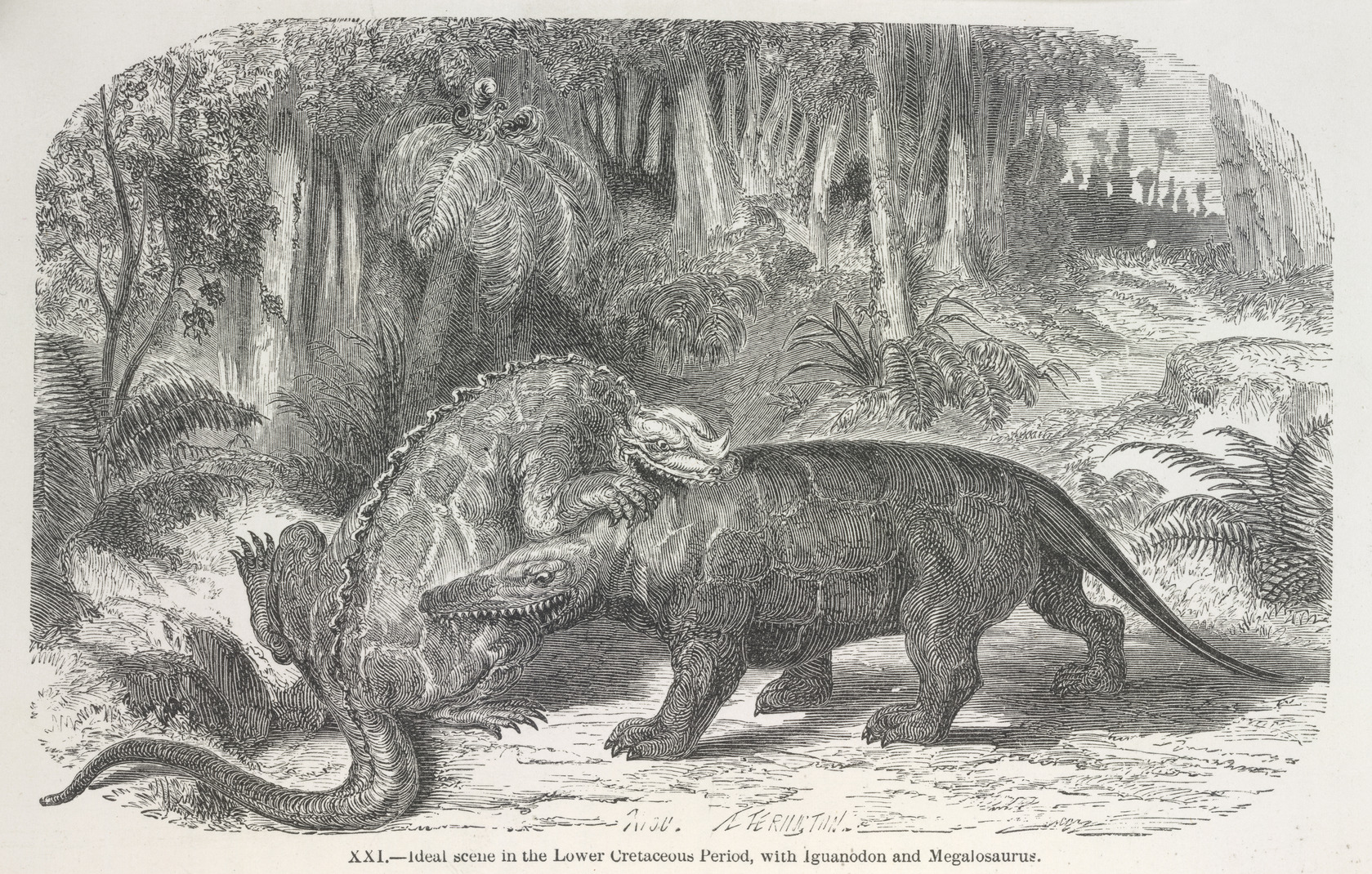
The Field Museum’s dinosaur exhibits transport visitors through three distinct periods of the Mesozoic Era, each with its own unique cast of characters. The Triassic Period, beginning around 252 million years ago, marked the dawn of dinosaur dominance when early species like Coelophysis roamed landscapes that would be unrecognizable today. These early dinosaurs were relatively small and agile, nothing like the giants that would follow.
The Jurassic Period brought forth the age of the long-necked sauropods, when massive creatures like Diplodocus and Brontosaurus thundered across ancient floodplains. This era, roughly 201 to 145 million years ago, represents perhaps the golden age of dinosaur diversity. The museum’s Jurassic displays showcase not just the famous giants, but also the incredible variety of armored, horned, and flying creatures that shared their world.
The Cretaceous Period, ending 66 million years ago with the famous asteroid impact, witnessed the evolution of some of the most sophisticated dinosaurs ever to exist. This era gave us not only T. rex but also the intelligent pack-hunting Deinonychus and the massive plant-eaters like Triceratops that engaged in epic battles for survival.
The Great Extinction Mystery: What Really Happened 66 Million Years Ago?
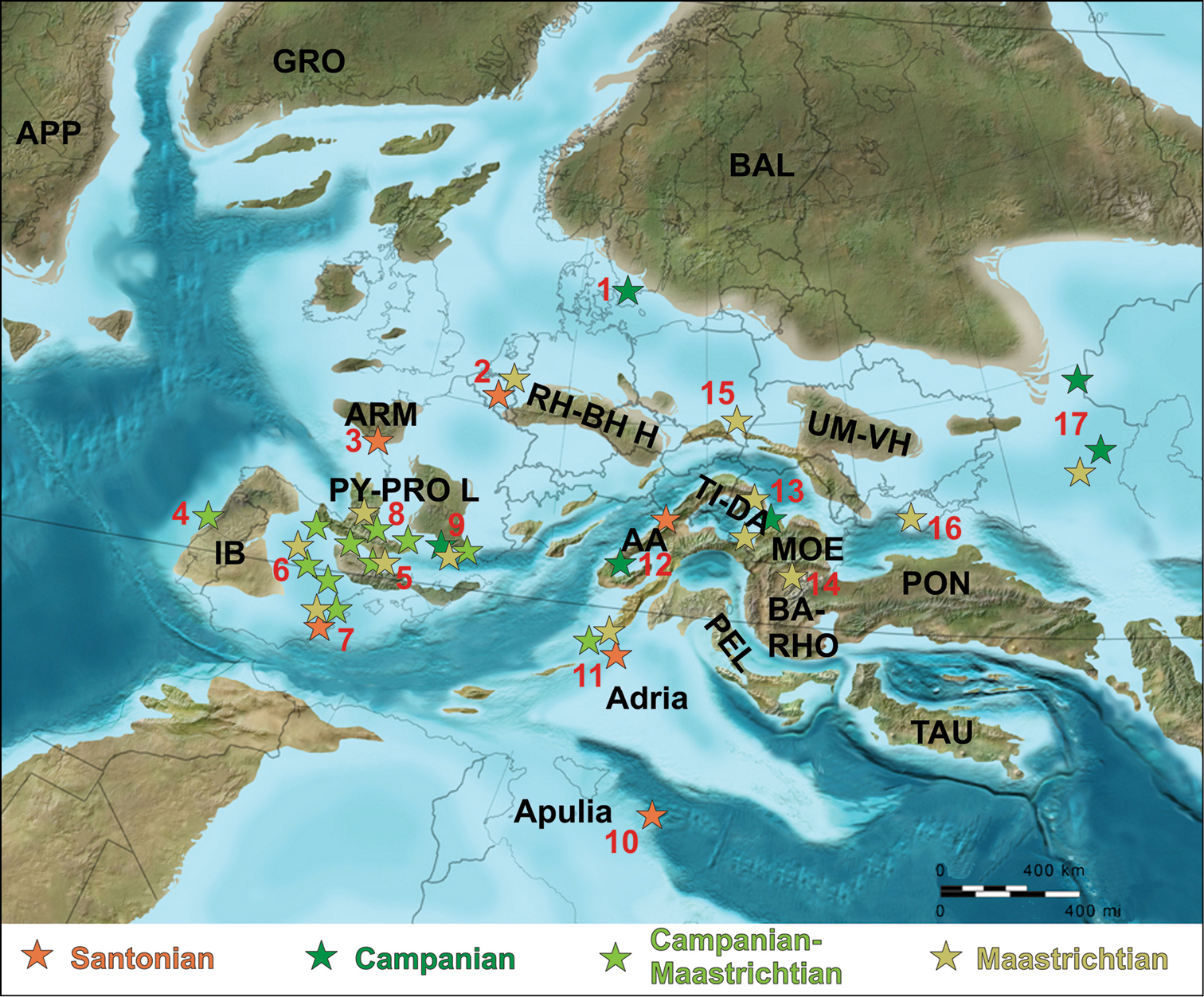
The story of how dinosaurs met their end remains one of paleontology’s most compelling mysteries, and the Field Museum doesn’t shy away from the dramatic details. While the asteroid impact theory dominates scientific consensus, researchers continue uncovering evidence that paints a more complex picture of this planetary catastrophe. The Chicxulub impactor, roughly 6 miles wide, struck Earth with the force of billions of nuclear bombs, instantly vaporizing everything within hundreds of miles.
But the immediate destruction was just the beginning of Earth’s nightmare. The impact threw massive amounts of debris into the atmosphere, blocking sunlight for months or possibly years. Plants died en masse, collapsing food chains from the bottom up. The museum’s extinction exhibit powerfully illustrates how this global winter would have looked, with skeletal trees reaching toward a darkened sky.
What makes this extinction event particularly fascinating is that not all dinosaurs died out. Birds are direct descendants of theropod dinosaurs, meaning that in a very real sense, dinosaurs still walk among us today. This revelation has fundamentally changed how scientists view the extinction event – it wasn’t a complete ending, but rather a dramatic reshuffling of life on Earth.
Hidden Treasures: The Field Museum’s Vast Fossil Collection
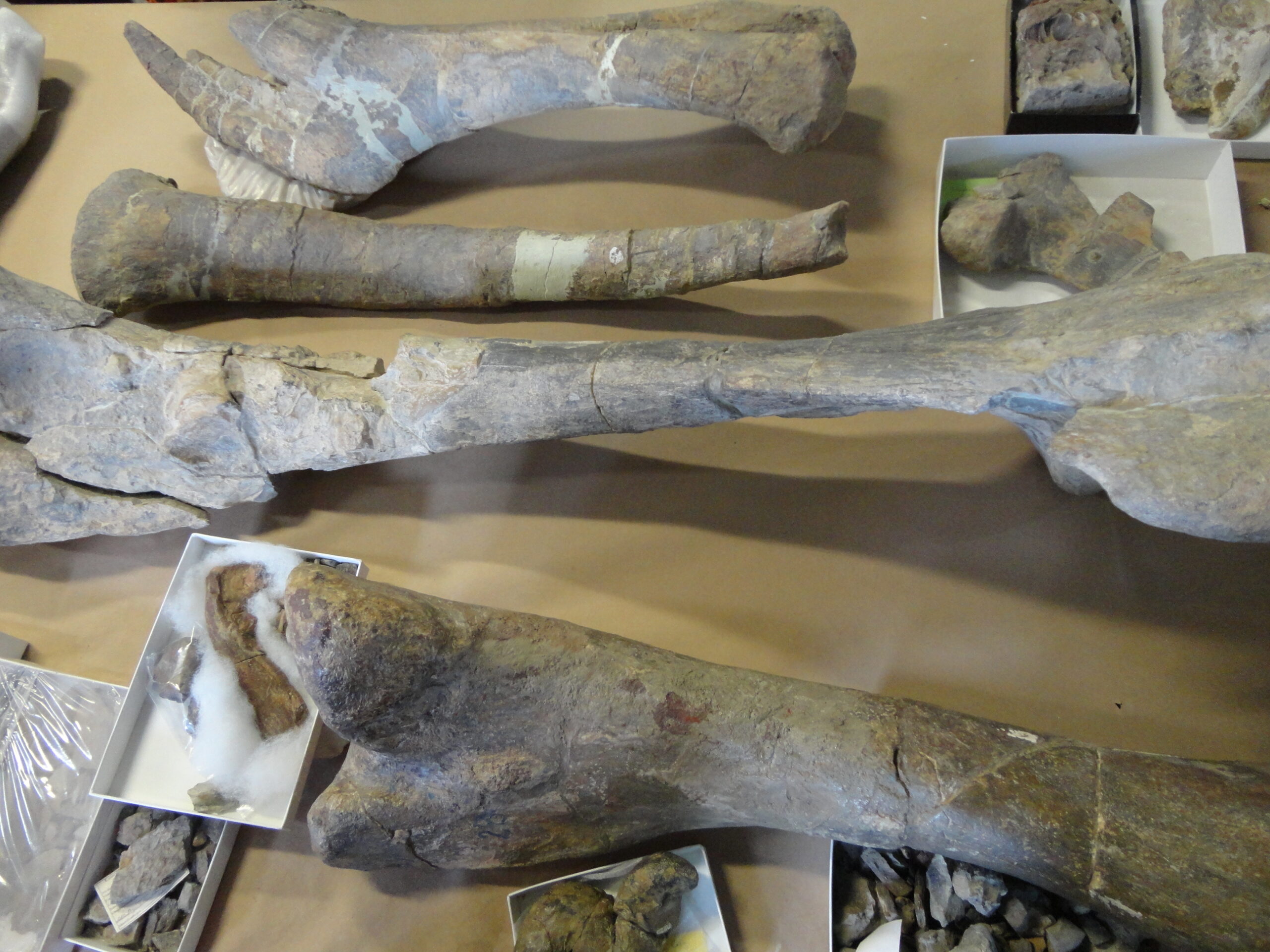
While SUE and the Patagotitan grab headlines, they represent just the tip of an enormous iceberg. The Field Museum houses over 300,000 fossil specimens, making it one of the world’s premier paleontological research institutions. Most of these treasures remain behind the scenes, carefully stored in climate-controlled environments where researchers from around the globe come to study them.
The collection includes everything from microscopic fossilized pollen grains to massive dinosaur bones, each piece contributing to our understanding of ancient life. Some of the most exciting discoveries happen not during field expeditions, but in the quiet laboratories where scientists examine specimens that have been sitting in storage for decades. New analytical techniques constantly reveal fresh insights from old bones.
One particularly remarkable aspect of the collection is its geographic diversity. Fossils arrive from every continent, including Antarctica, providing a global perspective on how life evolved and spread across our planet. This international scope allows researchers to track migration patterns and environmental changes that occurred millions of years ago.
Modern Technology Meets Ancient Bones: Revolutionary Research Methods
The Field Museum has embraced cutting-edge technology to unlock secrets that remained hidden for millions of years. Advanced CT scanning allows researchers to peer inside fossilized eggs without cracking them open, revealing developing embryos that provide unprecedented insights into dinosaur reproduction and growth. These non-destructive techniques have revolutionized paleontology, allowing scientists to study precious specimens without risking damage.
3D printing technology has transformed how museums share discoveries with the world. The Field Museum can now create perfect replicas of rare fossils, allowing other institutions to display specimens they could never afford to purchase or transport. This democratization of paleontological knowledge means that groundbreaking discoveries made in Chicago can instantly benefit researchers and educators worldwide.
Perhaps most exciting is the field of molecular paleontology, where scientists attempt to extract ancient proteins and even DNA from fossils. While we’re still far from creating a real Jurassic Park, researchers have successfully identified collagen proteins in T. rex bones, opening entirely new avenues for understanding dinosaur biology and evolution.
The Feathered Revolution: Rewriting Dinosaur Appearance
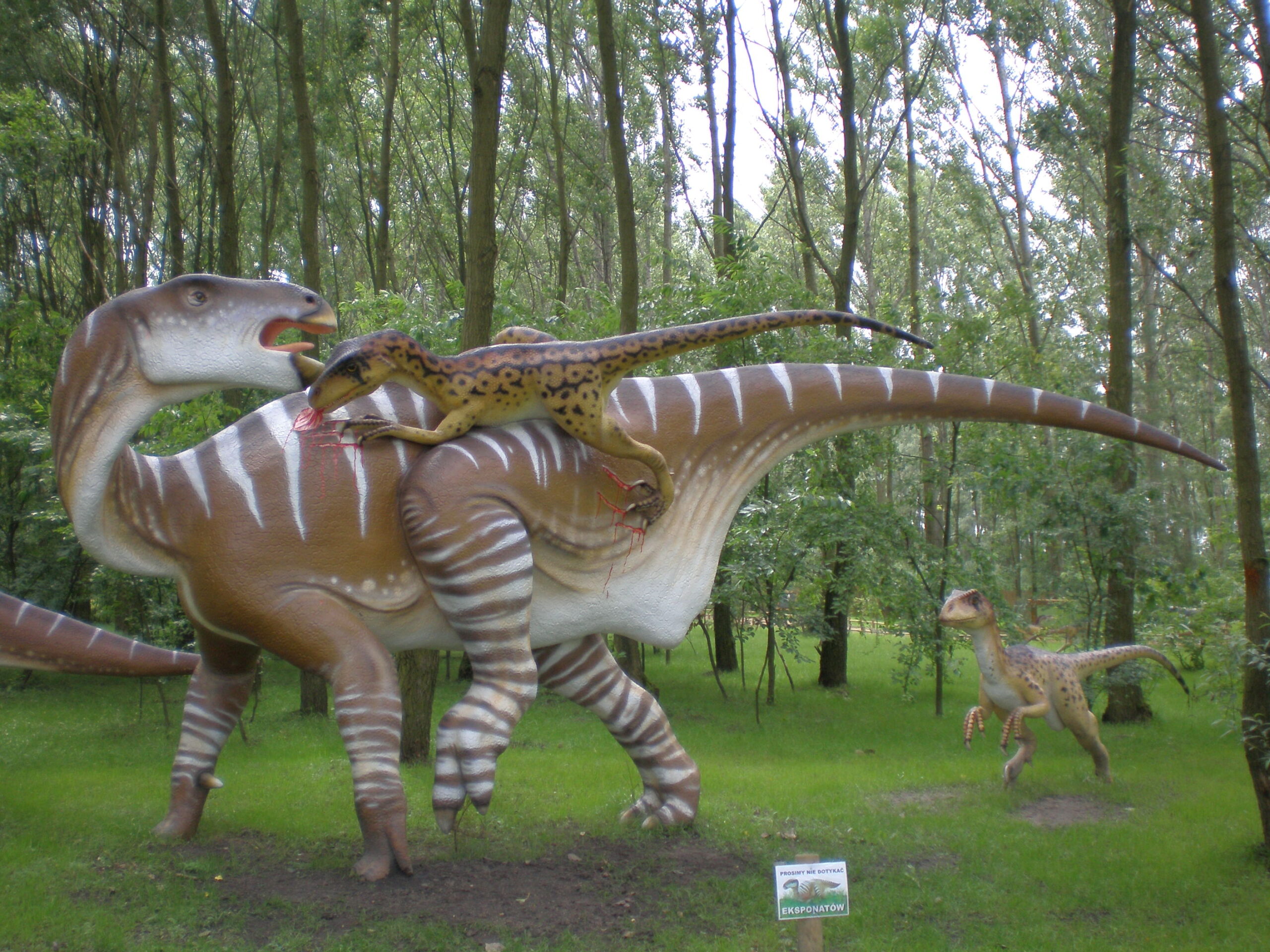
Recent discoveries have completely transformed our understanding of what dinosaurs actually looked like, and the Field Museum has been at the forefront of this visual revolution. Gone are the days when all dinosaurs were depicted as scaly, lizard-like creatures. Evidence now suggests that many dinosaurs, including some fearsome predators, were covered in colorful feathers that served purposes ranging from insulation to display.
The museum’s updated exhibits showcase dinosaurs with vibrant plumage that would have rivaled modern tropical birds. Sinosauropteryx, one of the first dinosaurs found with preserved feathers, sported a rusty red coloration with striped tail patterns. This discovery alone forced scientists to completely reconsider how these ancient creatures lived, communicated, and attracted mates.
Even more startling is evidence suggesting that T. rex juveniles may have been covered in downy feathers, looking more like massive, deadly chicks than the imposing scaled monsters of popular culture. These revelations continue reshaping our understanding of dinosaur behavior, social structures, and evolution into modern birds.
Dinosaur Social Lives: Evidence of Complex Behaviors
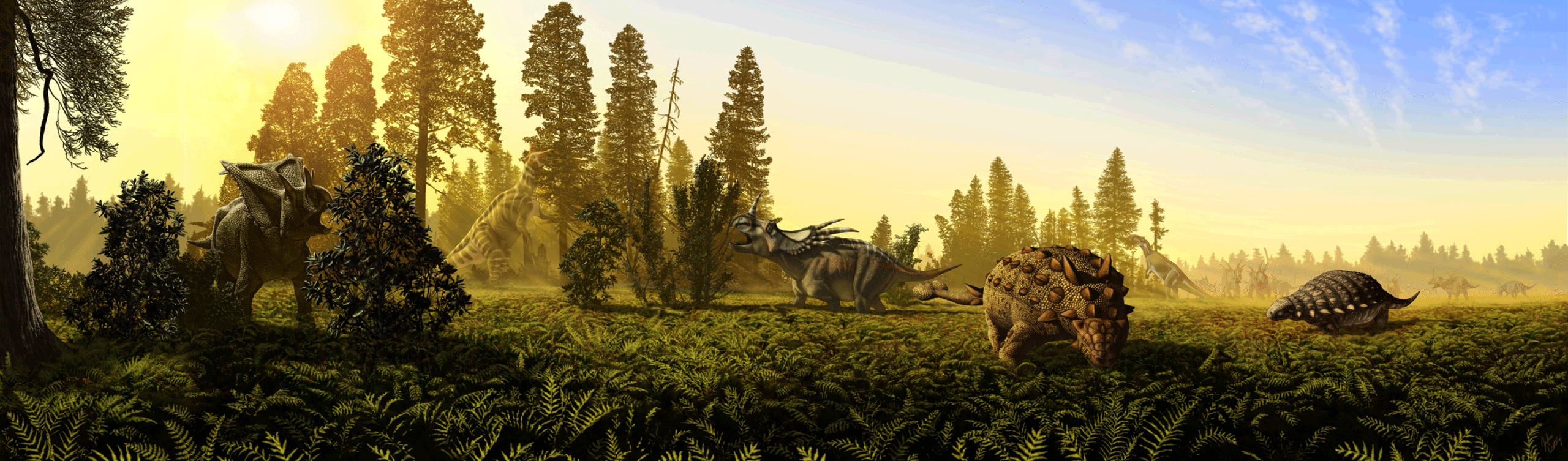
Fossil evidence increasingly reveals that dinosaurs weren’t just mindless eating machines, but rather intelligent creatures with complex social behaviors. The Field Museum’s research has contributed to discoveries showing that many dinosaurs lived in sophisticated social groups, cared for their young, and engaged in elaborate courtship rituals. Trackway fossils preserve actual footprints of dinosaur herds moving together across ancient landscapes.
Some of the most touching evidence comes from fossilized nests, where adult dinosaurs clearly tended to their eggs and hatchlings. Maiasaura, whose name literally means “good mother lizard,” built elaborate nesting colonies where parents brought food to their babies and protected them from predators. These discoveries paint a picture of dinosaur family life that’s surprisingly familiar to modern observers.
Evidence of dinosaur play behavior has also emerged, with fossils showing young dinosaurs engaged in activities that served no obvious survival purpose. Just like modern animals, young dinosaurs apparently spent time playing, learning, and developing the skills they would need as adults through recreational activities.
The Climate Connection: Ancient Worlds and Modern Lessons
The Field Museum’s dinosaur research provides crucial insights into how life responds to dramatic climate change, offering sobering lessons for our modern world. During the Mesozoic Era, Earth experienced extreme greenhouse conditions with atmospheric carbon dioxide levels far higher than today. Sea levels rose dramatically, and polar ice caps disappeared entirely, creating tropical conditions near the North and South Poles.
These ancient climates supported the massive dinosaurs that dominated terrestrial ecosystems for over 150 million years. The abundance of plant life during these warm periods provided the enormous amounts of food necessary to sustain creatures weighing dozens of tons. However, when climate conditions changed rapidly at the end of the Cretaceous, even these successful creatures couldn’t adapt quickly enough to survive.
Scientists studying these ancient climate transitions gain valuable insights into how modern ecosystems might respond to rapid environmental changes. The fossil record serves as a natural laboratory for understanding the long-term consequences of atmospheric changes, providing data that spans millions of years rather than the brief decades of modern climate monitoring.
Discovering New Giants: Recent Expeditions and Future Finds
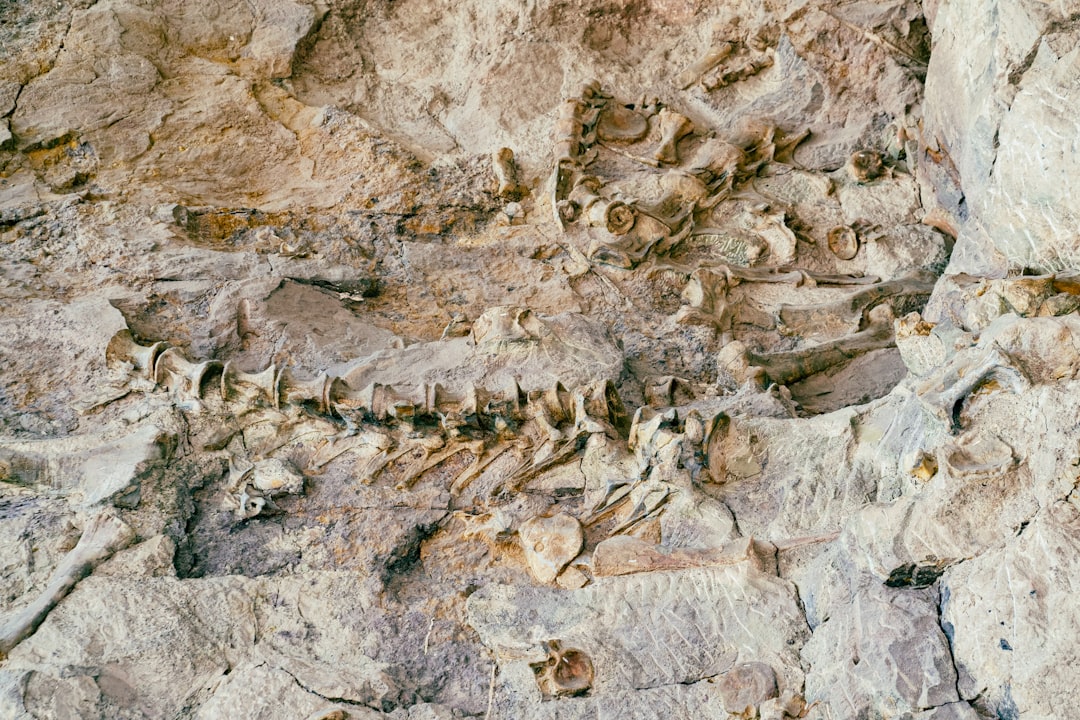
The Field Museum’s paleontologists continue pushing the boundaries of discovery through expeditions to remote locations around the globe. Recent years have brought spectacular finds from Argentina’s Patagonia region, where the Patagotitan was discovered alongside numerous other massive sauropods. These discoveries suggest that South America may have been home to the largest dinosaurs that ever lived.
Madagascar has emerged as another hotspot for dinosaur discovery, yielding bizarre species that evolved in isolation after the supercontinent Gondwana broke apart. The Field Museum’s expeditions to this island nation have uncovered creatures so strange they seem almost alien, including dinosaurs with unusual crests, horns, and body shapes unlike anything found elsewhere.
Perhaps most exciting are the ongoing discoveries in China, where exceptional preservation conditions have yielded dinosaurs with intact feathers, skin, and even stomach contents. These finds provide unprecedented windows into dinosaur biology and behavior, often preserved in volcanic ash that captured moment-by-moment snapshots of ancient life.
Educational Impact: Inspiring Future Paleontologists
The Field Museum serves as far more than just a repository for ancient bones – it’s a launching pad for future generations of scientists and explorers. Every year, thousands of students from Chicago and beyond encounter dinosaurs for the first time within these halls, sparking curiosity that often leads to lifelong passions for science and discovery. The museum’s educational programs reach students from kindergarten through graduate school, providing hands-on experiences with real fossils and research techniques.
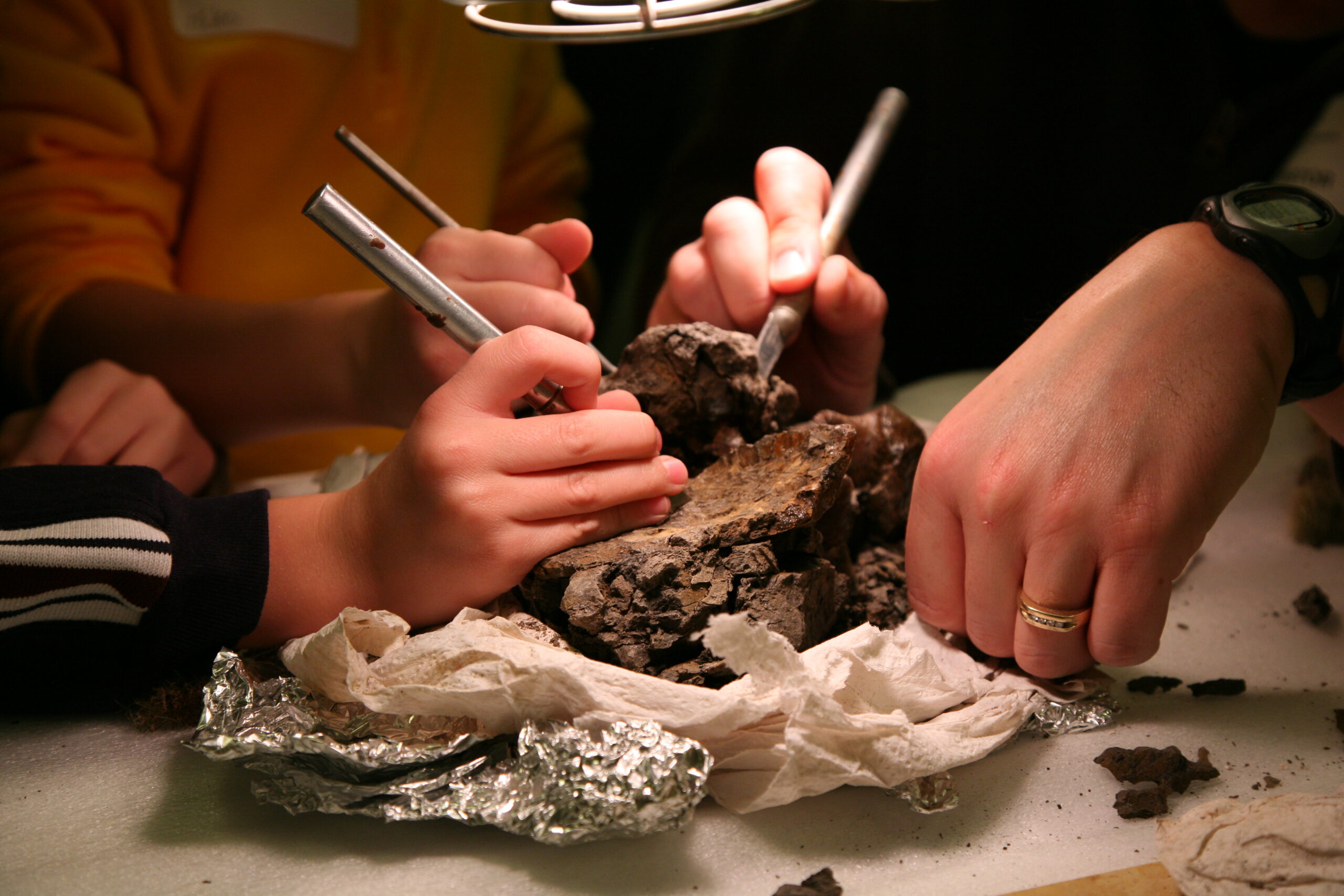
The museum’s summer camps and after-school programs give young people opportunities to work alongside professional paleontologists, learning the careful techniques required to prepare and study fossils. Many former participants have gone on to pursue careers in paleontology, geology, and related fields, creating a pipeline of future researchers who will continue unraveling Earth’s ancient mysteries.
Interactive exhibits allow visitors to experience the thrill of discovery firsthand, from virtual fossil digs to hands-on preparation laboratories where they can clean real specimens. These immersive experiences transform passive museum visits into active learning adventures that leave lasting impressions on curious minds.
Conservation Through Deep Time: Protecting Earth’s Ancient Heritage
The Field Museum’s work extends beyond research and education to active conservation of fossil sites around the world. Many of the locations where dinosaurs are found face threats from development, mining, and illegal fossil collecting. Museum researchers collaborate with local communities and governments to protect these irreplaceable scientific resources for future generations.
Illegal fossil trafficking represents a serious threat to paleontological research, as commercially collected specimens often lack the detailed location and geological context necessary for scientific study. The Field Museum advocates for responsible collecting practices and works to repatriate illegally obtained fossils to their countries of origin, ensuring that scientific knowledge benefits all humanity rather than private collectors.
The museum also leads efforts to train local researchers in fossil-rich regions, building scientific capacity in developing nations where many important discoveries are made. This collaborative approach ensures that paleontological knowledge grows globally while respecting the cultural and economic needs of local communities.
The Future of Paleontology: What Lies Ahead
As technology continues advancing at breakneck speed, the future of paleontology promises even more spectacular discoveries and insights. Artificial intelligence is beginning to assist in identifying and classifying fossils, potentially accelerating the rate of new species discoveries. Machine learning algorithms can analyze vast databases of fossil characteristics, identifying patterns and relationships that might escape human researchers.
Space-based paleontology represents an emerging frontier, as researchers use satellite imagery to identify potential fossil sites in remote locations around the world. This technology has already led to discoveries in previously unexplored regions of the Sahara Desert and Gobi Desert, where shifting sands occasionally reveal ancient treasures.
The integration of virtual and augmented reality technologies promises to revolutionize how we experience and understand prehistoric life. Future museum visitors might walk alongside living dinosaurs in immersive environments that blend real fossil evidence with scientifically accurate reconstructions, creating educational experiences more powerful than any traditional exhibit.
Legacy of Giants: Why Dinosaurs Still Matter Today
The Field Museum’s prehistoric giants serve as powerful ambassadors for scientific curiosity and wonder in our modern world. These ancient creatures remind us that Earth has hosted an incredible diversity of life forms throughout its long history, and that our current moment represents just one brief chapter in an ongoing story of evolution and change. The careful work of paleontologists in Chicago and around the world continues revealing new chapters of this epic tale, each discovery adding depth and complexity to our understanding of life itself.
In our age of rapid technological advancement and environmental change, dinosaurs offer both inspiration and caution. They demonstrate life’s remarkable ability to evolve and thrive under diverse conditions, while also serving as sobering reminders that even the most successful species can face extinction when environmental changes occur too rapidly for adaptation. The Field Museum’s ongoing research contributes not just to our knowledge of the past, but to our preparation for an uncertain future.