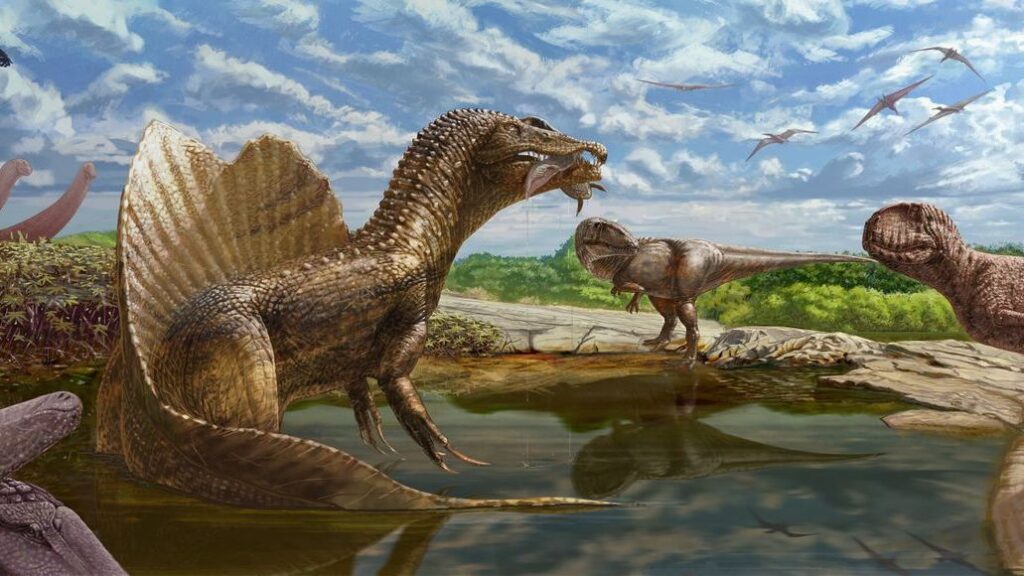
Imagine stumbling upon a prehistoric cemetery where dinosaurs from millions of years ago lie perfectly preserved, their bones telling stories of ancient catastrophes and lost worlds. These aren’t just random fossil discoveries scattered across the globe—they’re concentrated burial grounds where dozens, sometimes hundreds, of dinosaur remains cluster together in what scientists call “bone beds.” From the legendary Dinosaur National Monument in Utah to the haunting Ghost Ranch in New Mexico, these dino graveyards continue to baffle and fascinate researchers who spend their careers trying to unlock the secrets of why so many ancient creatures ended up in the same place.
The Mystery of Mass Fossil Accumulations
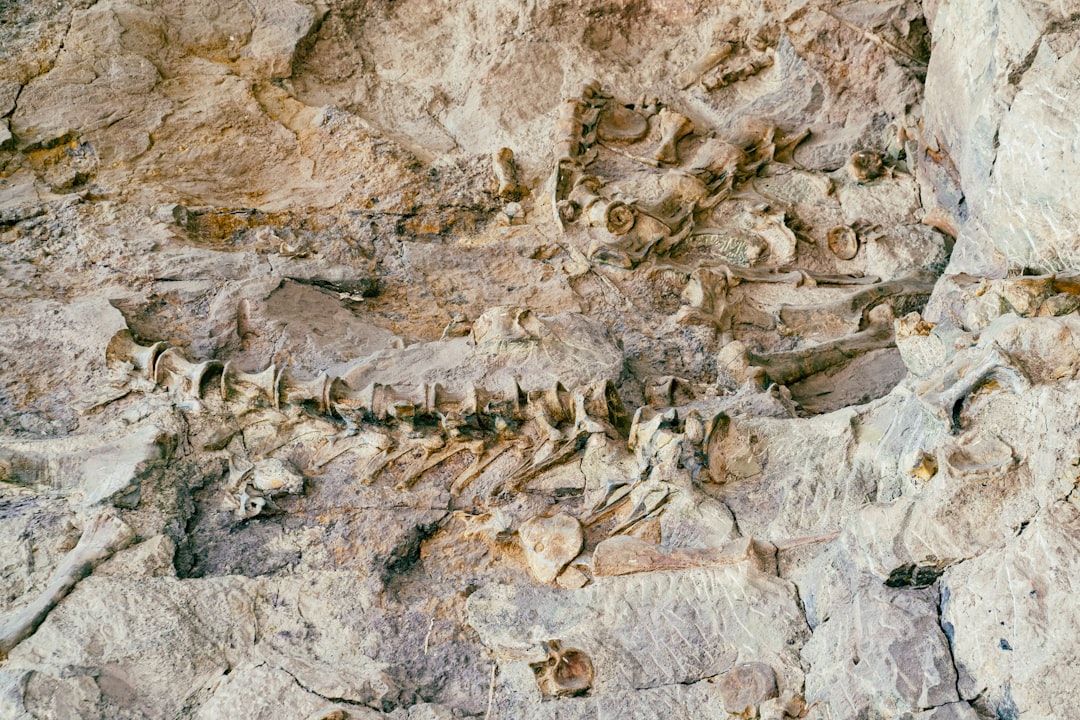
The phenomenon of finding multiple dinosaur fossils in concentrated areas has puzzled paleontologists for over a century. Unlike isolated fossil discoveries, these bone beds contain remains from various species and age groups, creating natural museums beneath our feet. The sheer density of fossils in these locations defies the typical pattern of scattered remains that would result from normal death and decay processes.
What makes these sites even more intriguing is that they often preserve not just bones, but entire ecosystems frozen in time. Scientists have discovered everything from microscopic pollen grains to massive sauropod vertebrae within the same rock layers. This preservation suggests that whatever caused these mass accumulations happened quickly and catastrophically, trapping entire communities of prehistoric life in geological amber.
Ancient River Systems and Flood Events
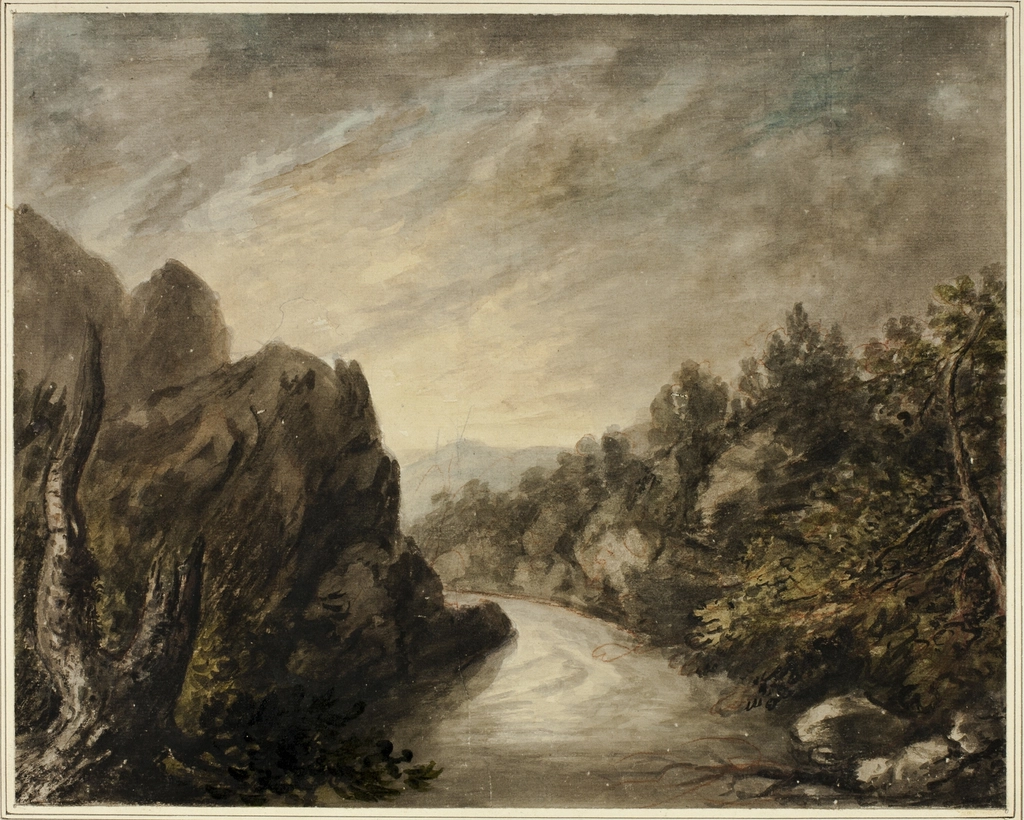
Rivers played a crucial role in creating many of the world’s most famous dinosaur graveyards. During the Mesozoic Era, massive river systems carved through landscapes, creating natural highways for dinosaur migration and unfortunately, natural death traps during seasonal flooding. When these ancient waterways overflowed their banks, they would sweep up everything in their path—living and dead dinosaurs alike.
The Morrison Formation, stretching across the western United States, provides compelling evidence of this process. Paleontologists have traced how ancient rivers transported dinosaur carcasses downstream, eventually depositing them in bend areas where water flow slowed. These river bends acted like giant collection points, accumulating bones from creatures that died hundreds of miles upstream.
Flash floods were particularly devastating, creating what researchers call “fossil lag deposits.” These sudden, violent water surges would strip flesh from bones and sort them by size and density, explaining why some bone beds contain primarily large femurs and skulls while others preserve mostly smaller vertebrae and ribs.
Drought and the Concentration Effect
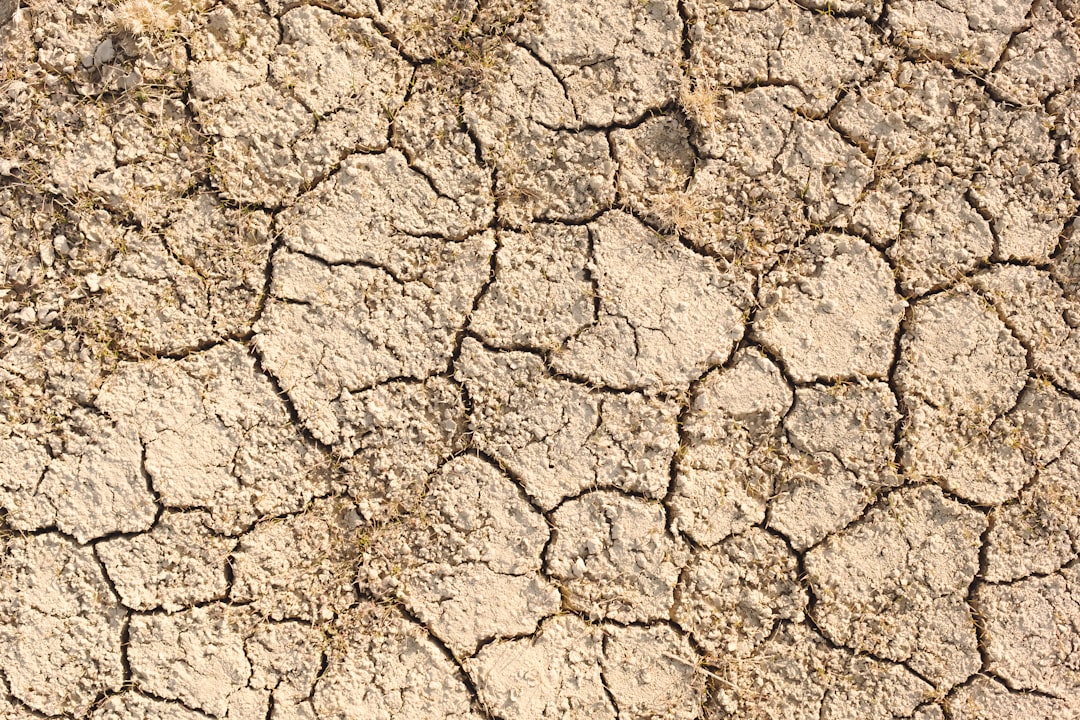
Extended drought periods created some of the most dramatic dinosaur death assemblages ever discovered. As water sources dried up across prehistoric landscapes, desperate animals would congregate around the few remaining water holes, creating perfect conditions for mass mortality events. The famous Coelophysis bone bed at Ghost Ranch, New Mexico, tells exactly this story.
During severe droughts, animals faced an impossible choice: venture into dangerous territory searching for water or remain near diminishing resources and risk starvation. Many chose to stay, leading to overcrowding around shrinking lakes and rivers. When these final water sources disappeared, hundreds of dinosaurs perished in concentrated areas, their bones later buried by wind-blown sediments.
Archaeological evidence suggests that some of these drought-related death sites were revisited repeatedly over thousands of years. Different layers of fossils indicate that the same locations served as final gathering places for multiple generations of dinosaurs, creating multi-story fossil apartments that preserve entire evolutionary lineages.
Volcanic Activity and Catastrophic Burial
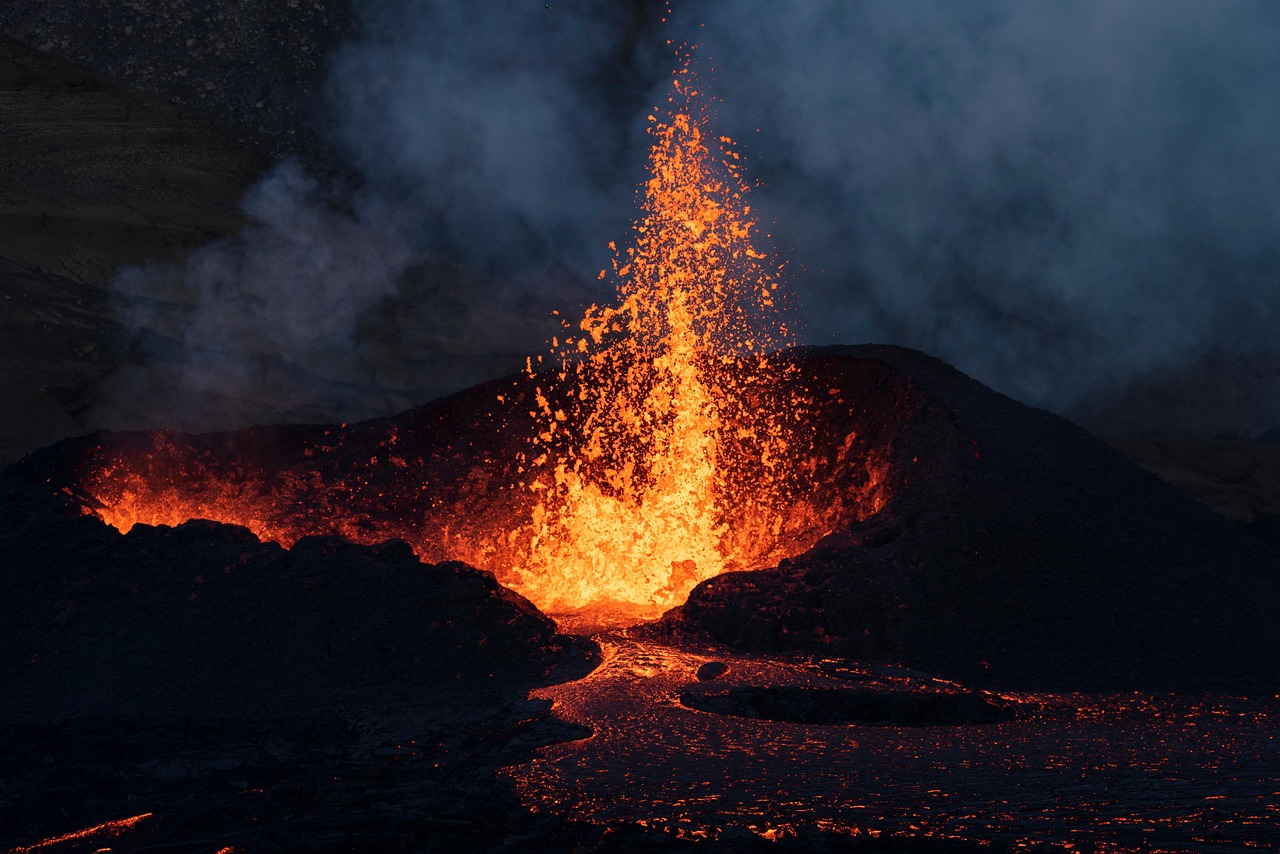
Volcanic eruptions provided another mechanism for creating instant fossil graveyards. When ancient volcanoes exploded, they didn’t just kill dinosaurs with toxic gases and ash—they also created perfect preservation conditions by rapidly burying entire ecosystems. The speed of volcanic burial prevented normal decomposition processes, preserving soft tissues and even fossilized stomach contents.
China’s Liaoning Province offers spectacular examples of volcanic preservation. Here, underwater volcanic activity created pyroclastic flows that swept through dinosaur habitats, instantly killing and burying creatures in fine-grained sediments. These deposits have yielded some of the most complete dinosaur specimens ever found, including feathered dinosaurs with preserved color patterns.
The timing of volcanic events often coincided with seasonal migrations, amplifying their deadly impact. Dinosaurs traveling in large herds would be caught in open areas with no shelter, creating concentrated death assemblages that paleontologists discover millions of years later as dense fossil layers.
Disease Outbreaks and Epidemic Death
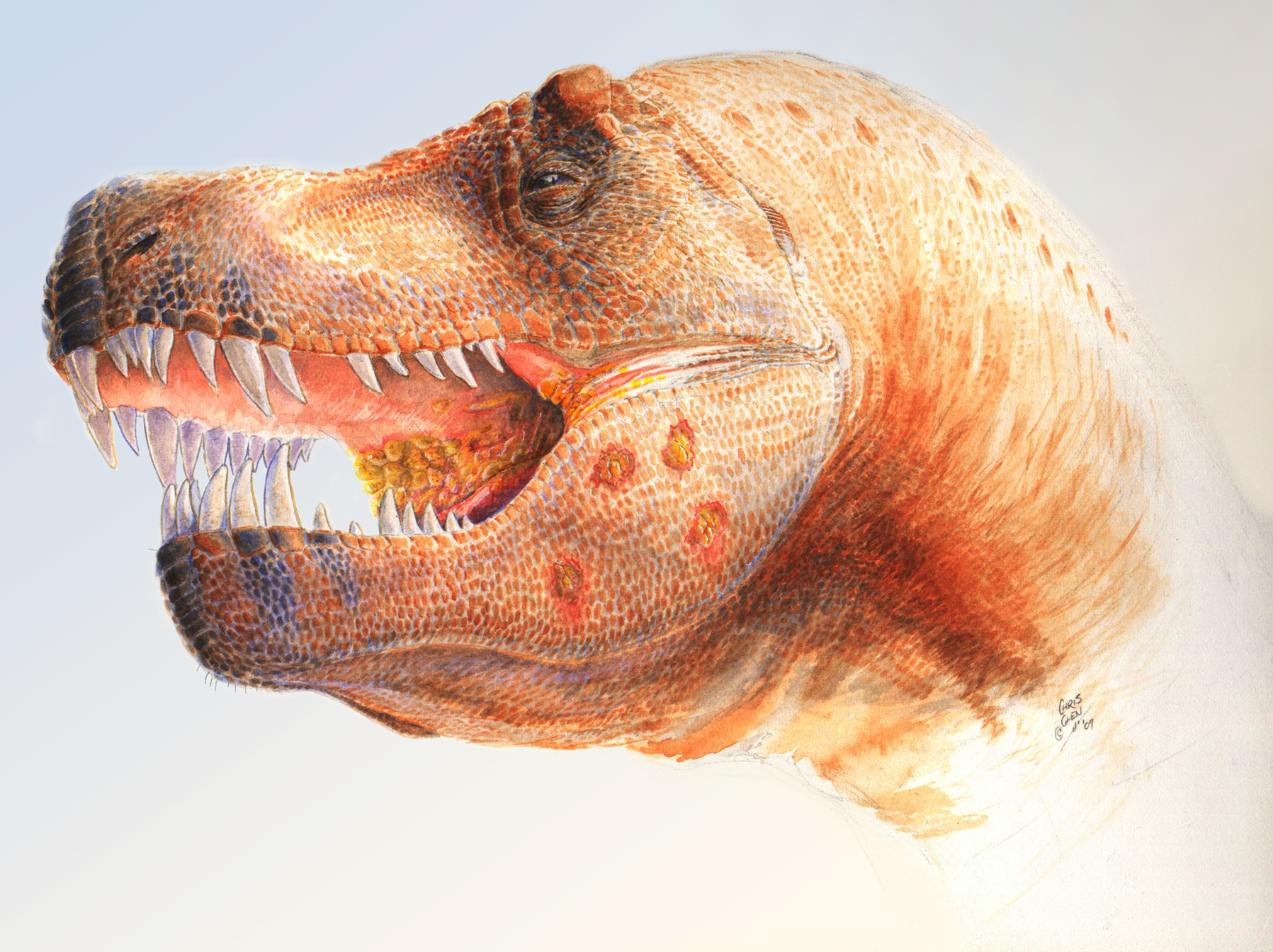
Evidence is mounting that prehistoric disease outbreaks contributed to some dinosaur mass mortality events. Just as modern wildlife populations can be decimated by viruses and bacteria, ancient dinosaur communities faced similar threats. Bone pathology studies reveal signs of infections, parasites, and other diseases that could have spread rapidly through dense populations.
Overcrowded conditions around water sources during droughts would have accelerated disease transmission. Weak and sick animals would have been unable to migrate to safer areas, leading to concentrated die-offs in specific locations. The stress of environmental pressures like food scarcity and extreme weather would have further compromised immune systems, making entire populations vulnerable to epidemic diseases.
Some researchers propose that certain bone beds represent “disease graveyards” where infected animals instinctively gathered to die, similar to elephant graveyards in modern Africa. This behavior, if it existed, would explain why some fossil sites contain primarily adult specimens while others preserve mainly juveniles—different age groups might have responded differently to disease outbreaks.
Predator Traps and Feeding Grounds

Certain geological features created natural predator traps that accumulated dinosaur remains over extended periods. Tar pits, similar to the famous La Brea Tar Pits in Los Angeles, trapped unwary dinosaurs who became stuck in sticky asphalt seeps. These sites then attracted predators and scavengers, who also became trapped, creating mixed assemblages of hunters and prey.
Quicksand and bog environments provided similar trapping mechanisms. Dinosaurs attempting to drink from innocent-looking water sources would become mired in unstable sediments, unable to escape. Their distress calls would attract both predators and potential rescuers, expanding the death toll and creating complex fossil assemblages that preserve predator-prey relationships frozen in time.
These predator trap sites often show evidence of repeated use over thousands of years. Seasonal patterns in bone accumulation suggest that animals followed regular migration routes that led them repeatedly into the same dangerous areas, creating layered fossil deposits that chronicle multiple extinction events.
Seasonal Migration Routes and Bottlenecks
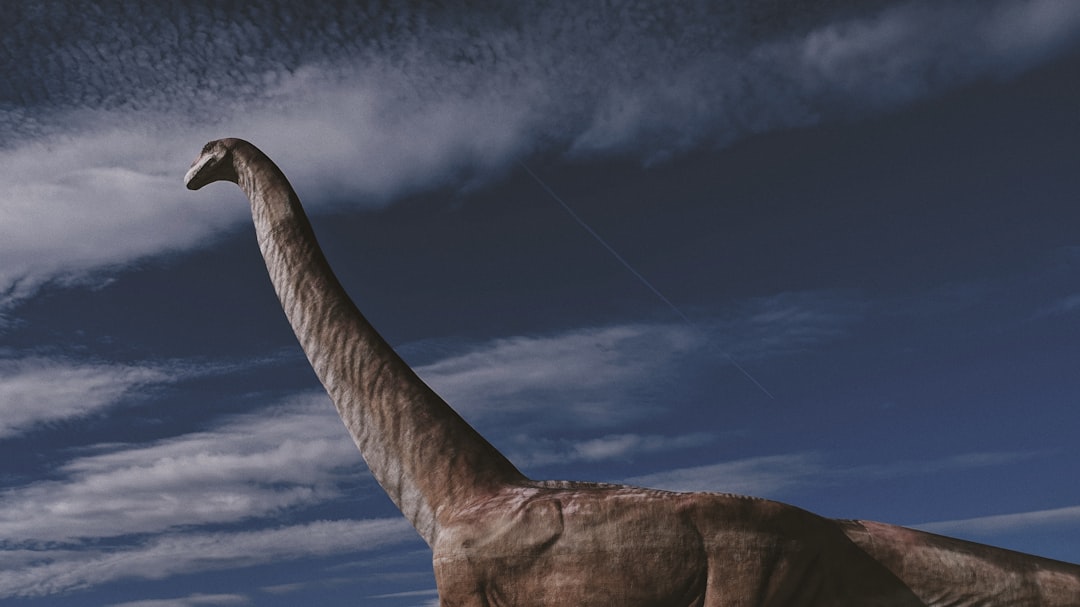
Many dinosaur graveyards align with ancient migration corridors where geographic features created natural bottlenecks. Mountain passes, river crossings, and coastal plains would have funneled migrating herds into narrow areas where environmental disasters could affect entire populations simultaneously. These prehistoric highways became death traps when conditions turned deadly.
The concept of migration-related mass mortality isn’t unique to dinosaurs—modern examples include caribou drowning during river crossings and wildebeest stampedes in Africa. Fossil evidence suggests that dinosaur migrations followed similar patterns, with predictable routes that exposed large populations to concentrated risks during specific seasons.
Geographic analysis of major bone bed locations reveals their strategic placement along ancient coastlines and river valleys. These areas provided abundant food and water during normal conditions but became deadly bottlenecks when environmental pressures intensified. The concentration of resources that attracted living dinosaurs also concentrated their remains after death.
Social Behavior and Herding Instincts
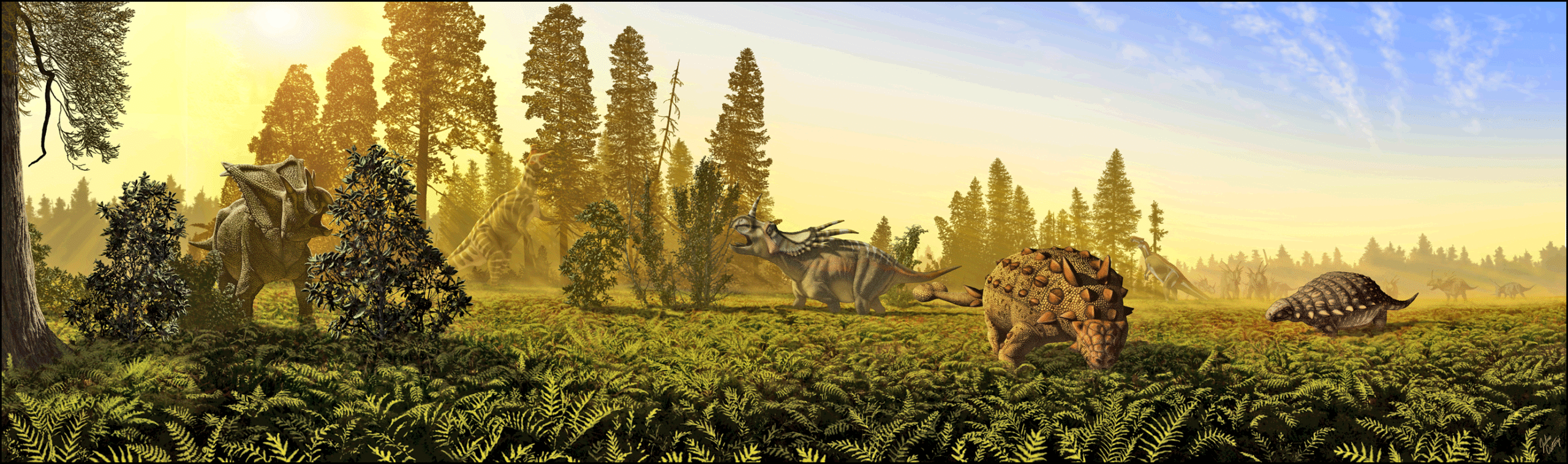
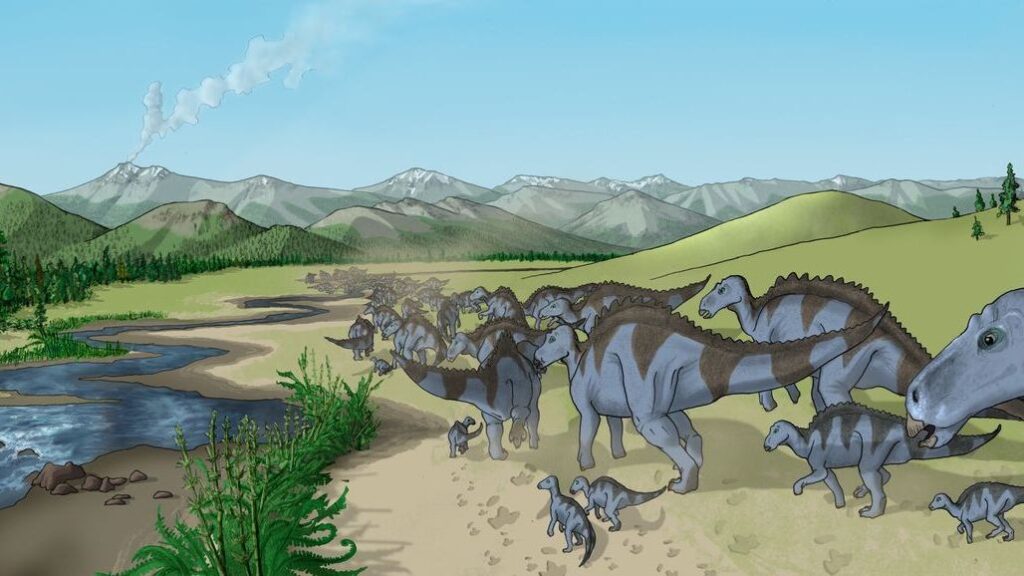
The discovery of monospecific bone beds—sites containing only one species of dinosaur—provides compelling evidence for complex social behaviors and herding instincts. These sites suggest that certain dinosaur species lived and died in large groups, traveling together and facing environmental challenges as unified communities rather than isolated individuals.
Maiasaura bone beds in Montana reveal family groups that perished together, with adults positioned protectively around juveniles. This preservation pattern indicates that parental care extended even into death, with adult dinosaurs attempting to shield their young from whatever catastrophe struck their community. The emotional resonance of these fossil tableaux brings ancient family bonds into sharp focus.
Mixed-age herding behavior created vulnerability to mass mortality events. When environmental pressures mounted, entire communities would make collective decisions about when and where to migrate, feeding, and shelter. If these decisions proved wrong, the consequences affected not just individuals but entire extended family groups, creating the concentrated fossil deposits we discover today.
Geological Processes and Rapid Burial
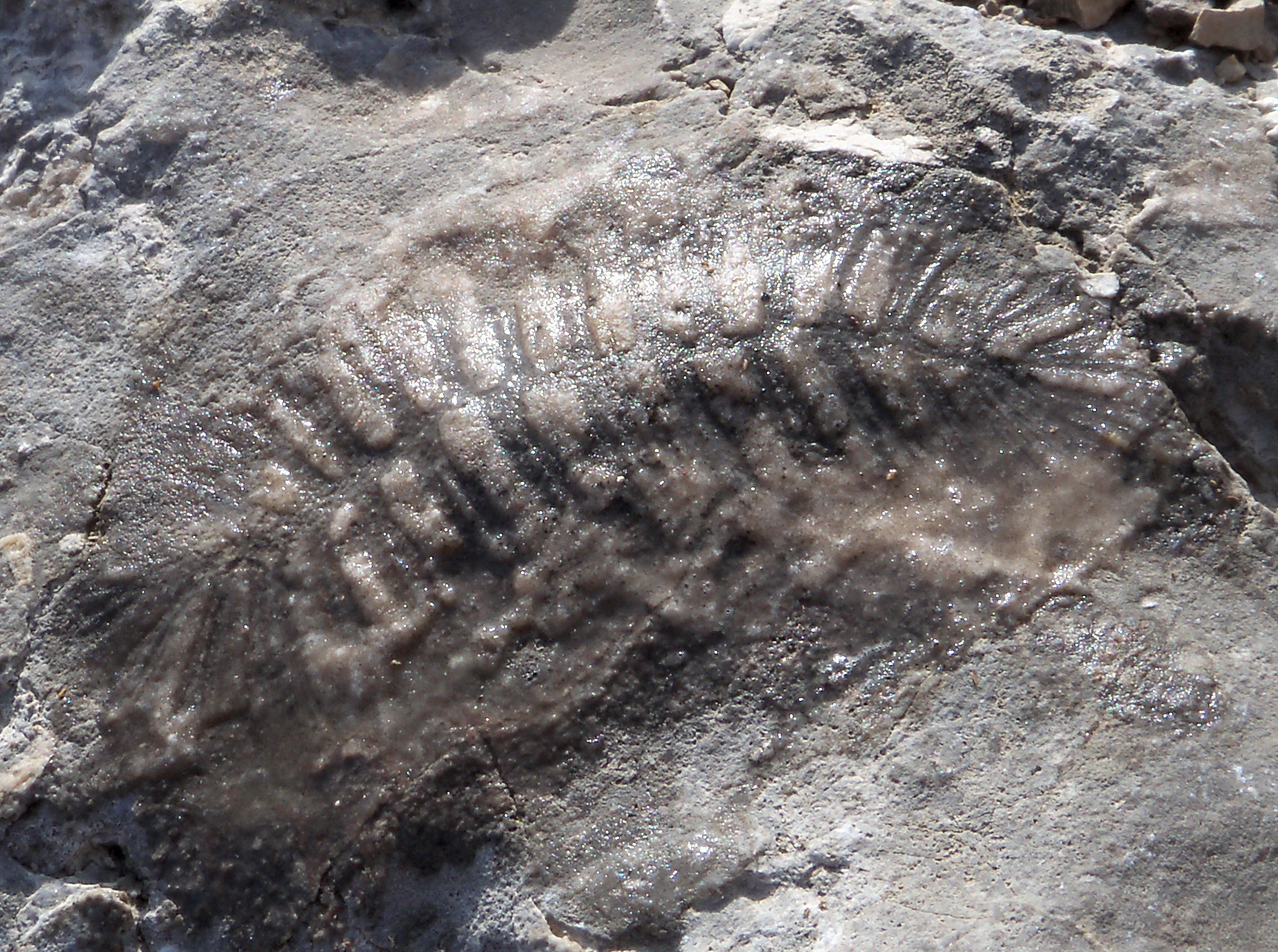
The preservation of dinosaur graveyards required specific geological conditions that prevented normal decomposition and scattering processes. Rapid burial was essential—without quick sediment coverage, bones would have been scattered by scavengers, weathering, and water action. The most spectacular fossil sites represent locations where burial occurred within days or weeks of death.
Sedimentary environments provided ideal conditions for fossil preservation. River deltas, lake beds, and coastal plains accumulated fine-grained sediments that could quickly cover and protect dinosaur remains. The chemistry of these burial environments—particularly low oxygen conditions—slowed decomposition and prevented bacterial destruction of organic materials.
Taphonomic studies reveal that the best-preserved bone beds formed in environments with rapid sedimentation rates. Seasonal flooding cycles would deposit thick layers of mud and sand over death assemblages, creating natural fossil vaults that remained undisturbed for millions of years until geological processes eventually brought them back to the surface.
Climate Change and Environmental Stress
Long-term climate shifts created environmental stresses that contributed to mass mortality events throughout dinosaur history. Ice ages, warming periods, and atmospheric changes altered rainfall patterns, vegetation distributions, and seasonal cycles that dinosaurs depended upon for survival. These gradual changes made populations vulnerable to sudden environmental catastrophes.
Research into ancient climate records reveals that many major bone bed formations coincide with periods of significant environmental transition. The end-Cretaceous extinction event provides the most dramatic example, but smaller climate fluctuations throughout the Mesozoic Era also created conditions that led to localized mass mortality events and concentrated fossil preservation.
The relationship between climate change and dinosaur graveyards offers sobering parallels to modern environmental challenges. Just as ancient ecosystems faced disruption from changing conditions, contemporary wildlife populations experience similar pressures from habitat loss, altered weather patterns, and resource scarcity that can lead to mass mortality events.
Taphonomy and Preservation Conditions
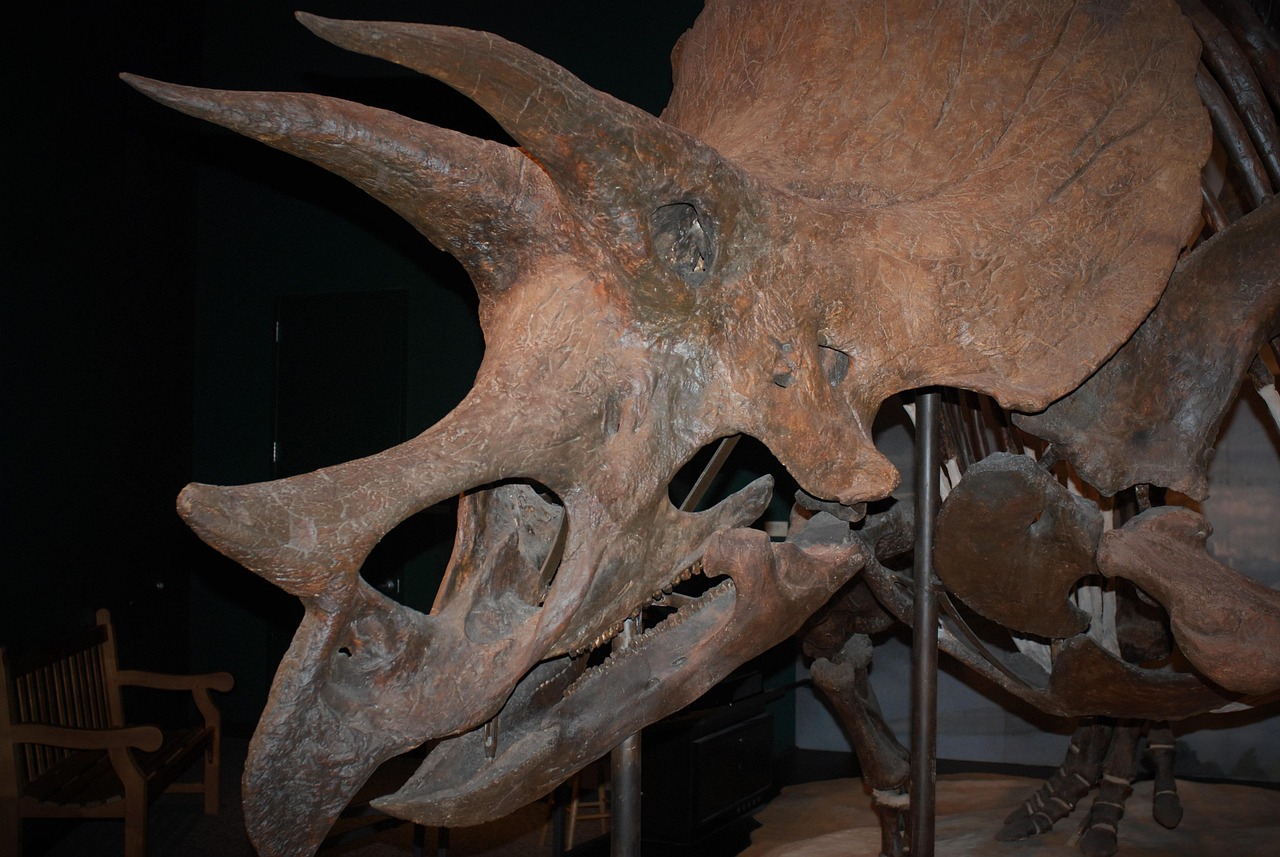
The science of taphonomy—studying how organisms become fossilized—reveals the complex processes that created dinosaur graveyards. Preservation required a delicate balance of environmental conditions: rapid burial, low oxygen levels, and stable geological conditions that prevented disturbance over millions of years. These requirements explain why fossil sites are relatively rare despite the abundance of dinosaur life.
Chemical analysis of bone bed sediments shows that preservation was enhanced by specific mineral compositions. High levels of calcium carbonate, silica, and other minerals helped replace organic bone material with stable minerals that could survive geological time. The pH levels and water chemistry of burial environments played crucial roles in determining which bones survived and which dissolved away.
Modern taphonomic experiments help scientists understand ancient preservation processes. By studying how contemporary animal remains decompose under different conditions, researchers can interpret the environmental conditions that created prehistoric bone beds. This research reveals that dinosaur graveyards represent only a tiny fraction of all dinosaur deaths—most remains were completely destroyed by natural processes.
Famous Dinosaur Graveyards Around the World
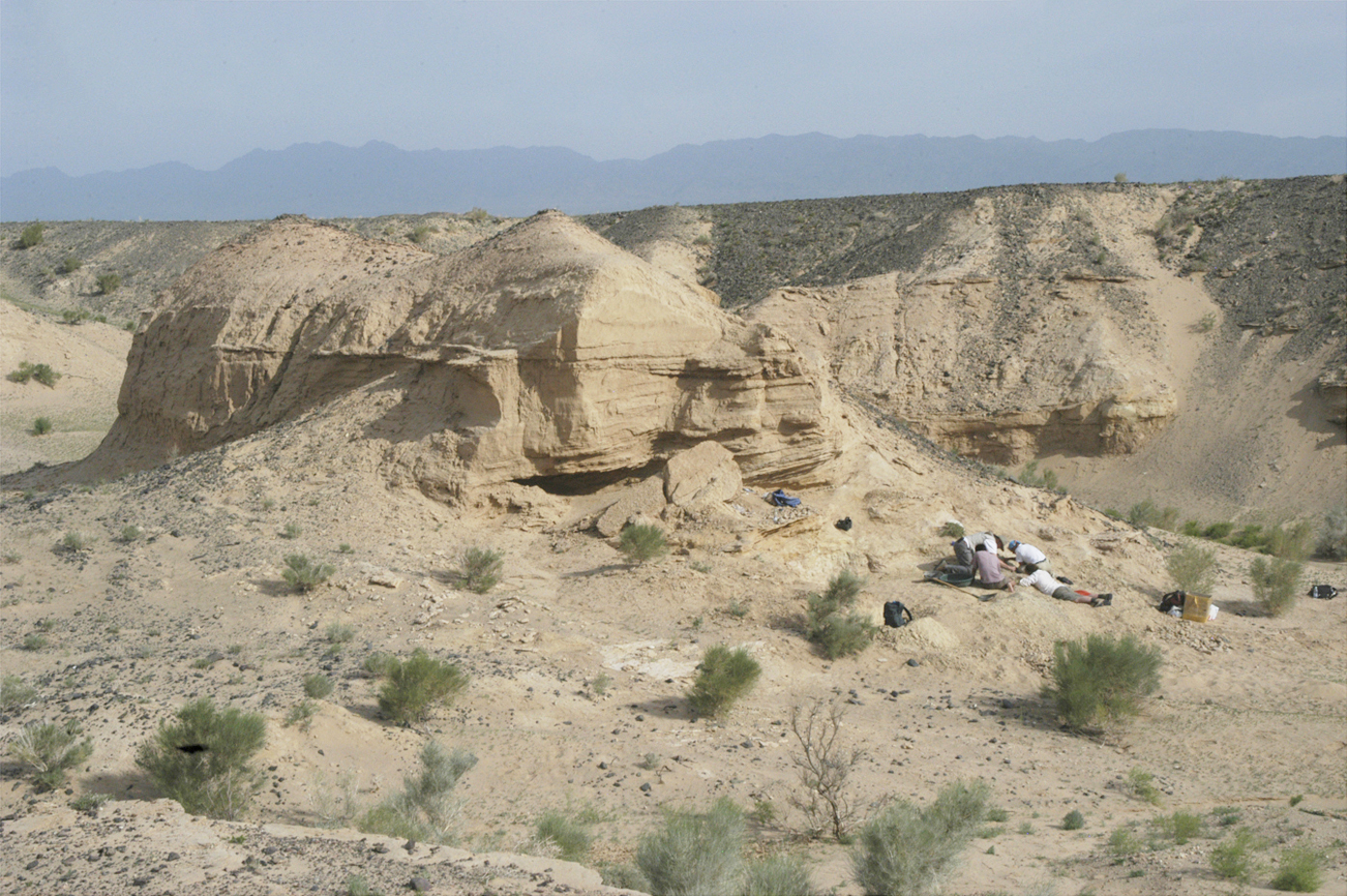
Several legendary sites have shaped our understanding of dinosaur graveyards and mass mortality events. Dinosaur National Monument in Utah preserves a spectacular river bend deposit where numerous dinosaur species accumulated over thousands of years. The site’s cliff face reveals a cross-section through time, showing how different environmental conditions created distinct fossil layers.
Mongolia’s Gobi Desert contains some of the world’s most dramatic dinosaur death assemblages. The famous “Fighting Dinosaurs” specimen—a Protoceratops and Velociraptor preserved in combat—illustrates how sudden sandstorms could bury entire scenes instantly. These desert bone beds preserve behavioral interactions that would normally be lost to time.
Germany’s Solnhofen Limestone represents a different type of preservation environment, where dinosaurs and other creatures were preserved in fine-grained lagoon sediments. The quality of preservation at this site is so exceptional that researchers can study fossilized feathers, skin impressions, and even the contents of dinosaur stomachs.
Modern Technology and New Discoveries
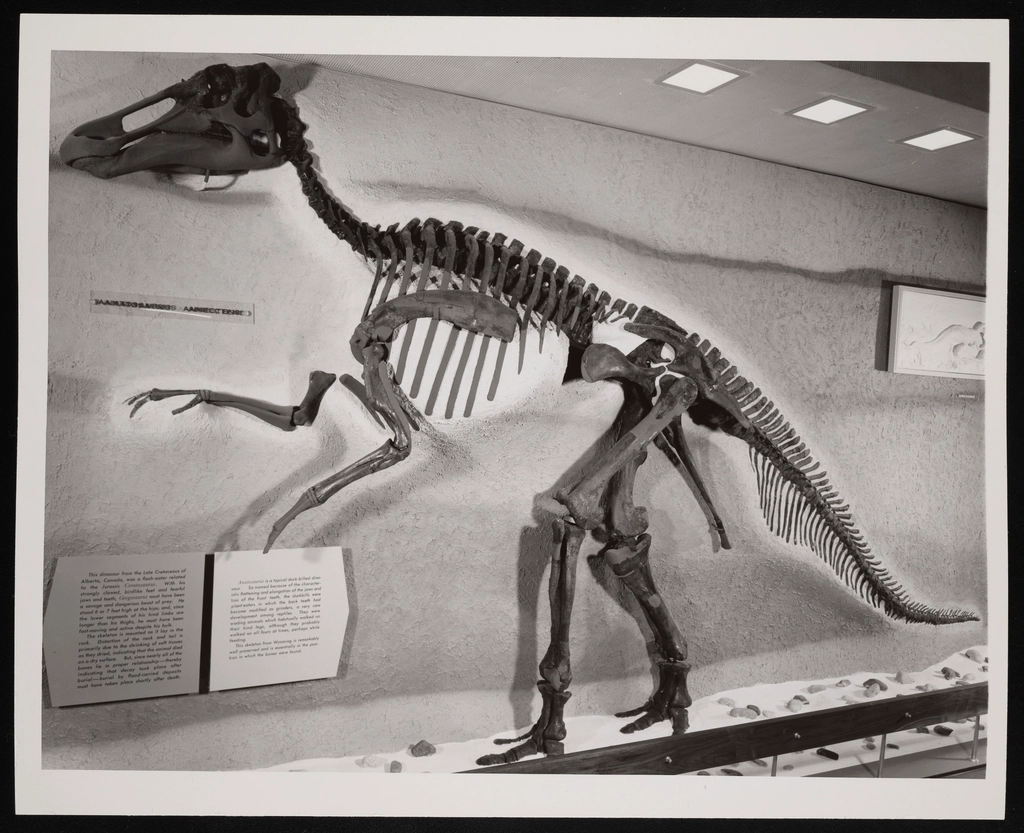
Advanced imaging techniques and analytical tools are revolutionizing our understanding of dinosaur graveyards. Ground-penetrating radar helps paleontologists locate bone beds before excavation, while CT scanning reveals internal bone structures without damaging precious specimens. These technologies allow researchers to study fossil sites in ways that were impossible just decades ago.
Chemical analysis of bone beds provides new insights into ancient environmental conditions. Isotope studies reveal details about diet, climate, and seasonal patterns that contributed to mass mortality events. This molecular-level information helps scientists reconstruct the precise conditions that created dinosaur graveyards millions of years ago.
Three-dimensional modeling and virtual reality technologies are making dinosaur graveyards accessible to researchers worldwide. Digital reconstructions allow scientists to study fossil sites remotely and test different theories about how these remarkable deposits formed. These tools are accelerating discoveries and expanding our understanding of prehistoric ecosystems.
Conservation and Future Research
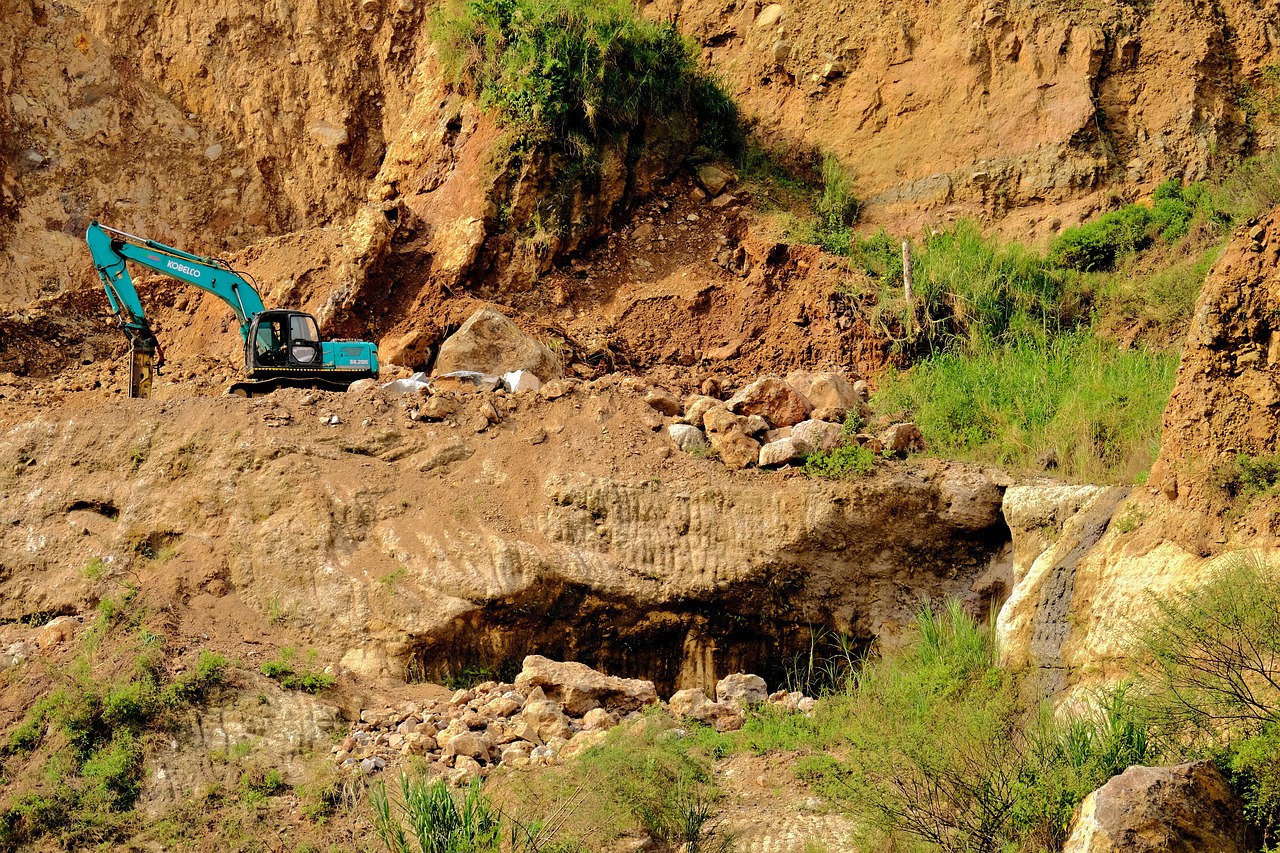
Many important dinosaur graveyards face threats from development, erosion, and illegal fossil collecting. Conservation efforts focus on protecting these irreplaceable scientific resources while making them accessible for education and research. International cooperation between museums, universities, and governments helps ensure that these fossil sites remain available for future generations of scientists.
Emerging research techniques continue to reveal new information about existing dinosaur graveyards. Environmental DNA analysis, advanced geochemistry, and improved dating methods are providing fresh insights into sites that have been studied for decades. These developments suggest that many “solved” mysteries about dinosaur graveyards may need to be reconsidered.
The study of dinosaur graveyards extends beyond academic curiosity—it provides crucial insights into how ecosystems respond to environmental pressures. As modern wildlife faces similar challenges from climate change and habitat loss, understanding how ancient ecosystems collapsed and recovered offers valuable lessons for contemporary conservation efforts.
Conclusion

Dinosaur graveyards represent more than just collections of ancient bones—they’re windows into catastrophic moments that shaped prehistoric ecosystems and influenced the course of evolution. From drought-stricken watering holes to volcanic burial grounds, these fossil sites preserve the final chapters of dinosaur communities that faced environmental challenges remarkably similar to those confronting modern wildlife.
The scientific study of these remarkable sites continues to evolve, revealing new details about dinosaur behavior, ancient environments, and the complex processes that created these natural museums. Each bone bed tells a unique story of survival and extinction, reminding us that even the most successful species can face sudden and overwhelming challenges.
As we face our own environmental uncertainties, the lessons preserved in dinosaur graveyards become increasingly relevant. What patterns from these ancient catastrophes might we recognize in our modern world?