Picture this: You’re standing in the frozen wilderness of Alaska, surrounded by endless white expanses, when suddenly your guide points to what looks like ordinary rock. But as you lean closer, your breath catches in your throat. There, preserved in stone for millions of years, are the unmistakable footprints of creatures that once ruled the Earth. These aren’t just any fossils – they’re trackways that tell stories of ancient migrations, family groups, and daily life from a time when Alaska was a tropical paradise teeming with dinosaurs.
The Frozen Time Capsule of Ancient Alaska

Alaska’s icy landscape holds secrets that would make even the most seasoned paleontologist’s heart race. The state’s unique geological history has created perfect conditions for preserving dinosaur tracks, turning what was once a warm, humid environment into a frozen museum of prehistoric life.
The Denali National Park region stands as one of the most significant dinosaur track sites in North America, with over 3,000 individual footprints discovered across multiple locations. These tracks date back approximately 65 to 70 million years, right at the boundary between the Cretaceous and Paleogene periods – a time when dinosaurs were making their final stand before the great extinction.
What makes these Alaskan discoveries particularly fascinating is their state of preservation. The tracks were formed when dinosaurs walked across muddy lake shores and river banks, leaving their footprints in soft sediment that later hardened into rock. The subsequent geological processes and Alaska’s harsh climate have acted like nature’s own deep freezer, protecting these ancient traces from erosion and decay.
When Alaska Was a Dinosaur Paradise
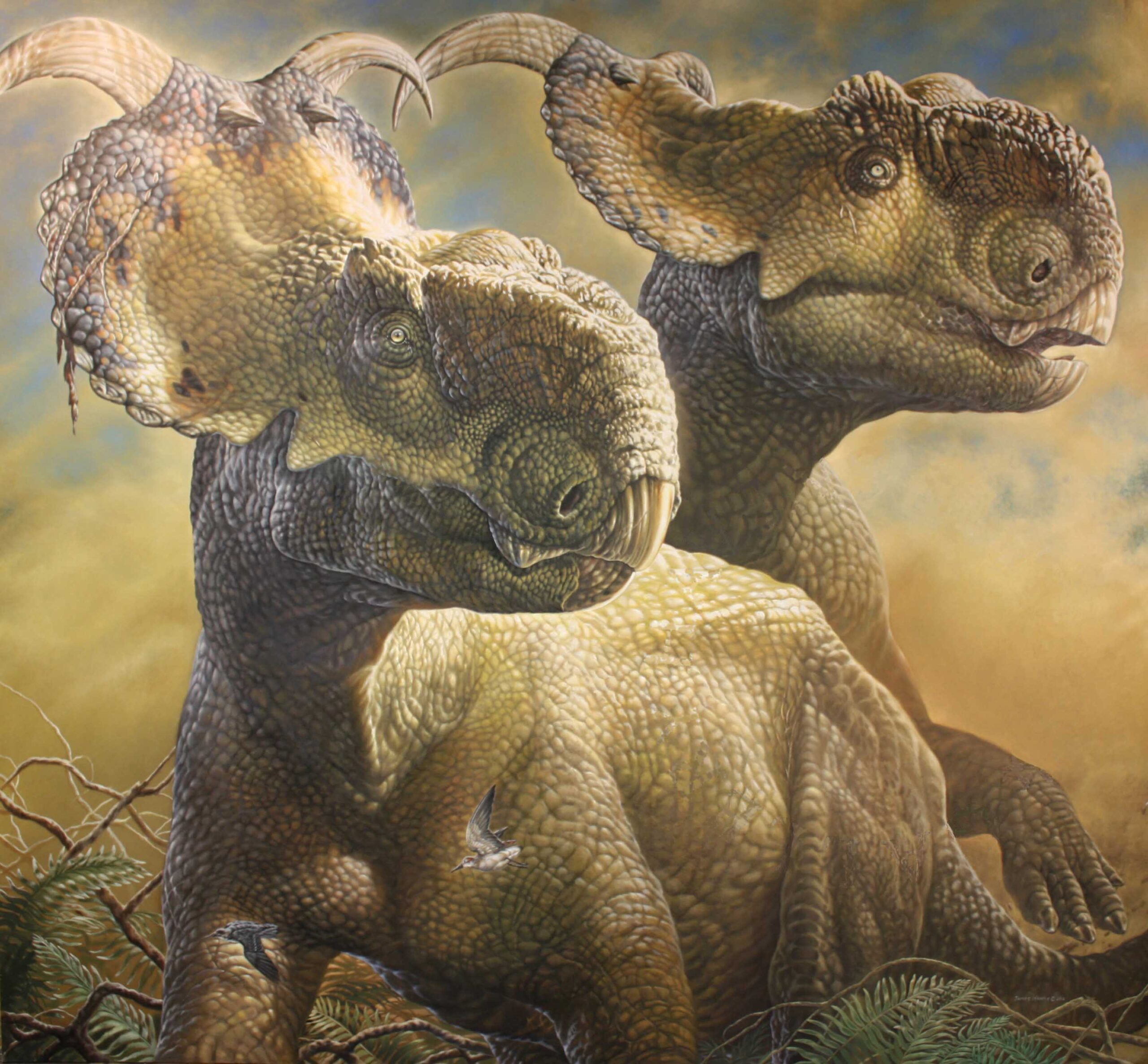
Imagine Alaska 70 million years ago – not the frozen tundra we know today, but a lush, subtropical landscape where giant ferns swayed in warm breezes and flowering plants carpeted the forest floor. This was the Alaska that dinosaurs called home, and it was nothing short of prehistoric paradise.
During the Late Cretaceous period, Alaska sat much closer to the equator than it does today, enjoying a climate similar to modern-day Florida or Louisiana. Vast inland seas stretched across much of the continent, creating a network of rivers, lakes, and coastal plains that provided ideal habitat for diverse dinosaur communities.
The abundance of plant life supported massive herbivorous dinosaurs, while predators lurked in the shadows of towering conifers and cycads. This ecosystem was so rich and diverse that it supported some of the largest dinosaur populations ever discovered, as evidenced by the sheer number of tracks found in the region.
The Science Behind Fossilized Footprints
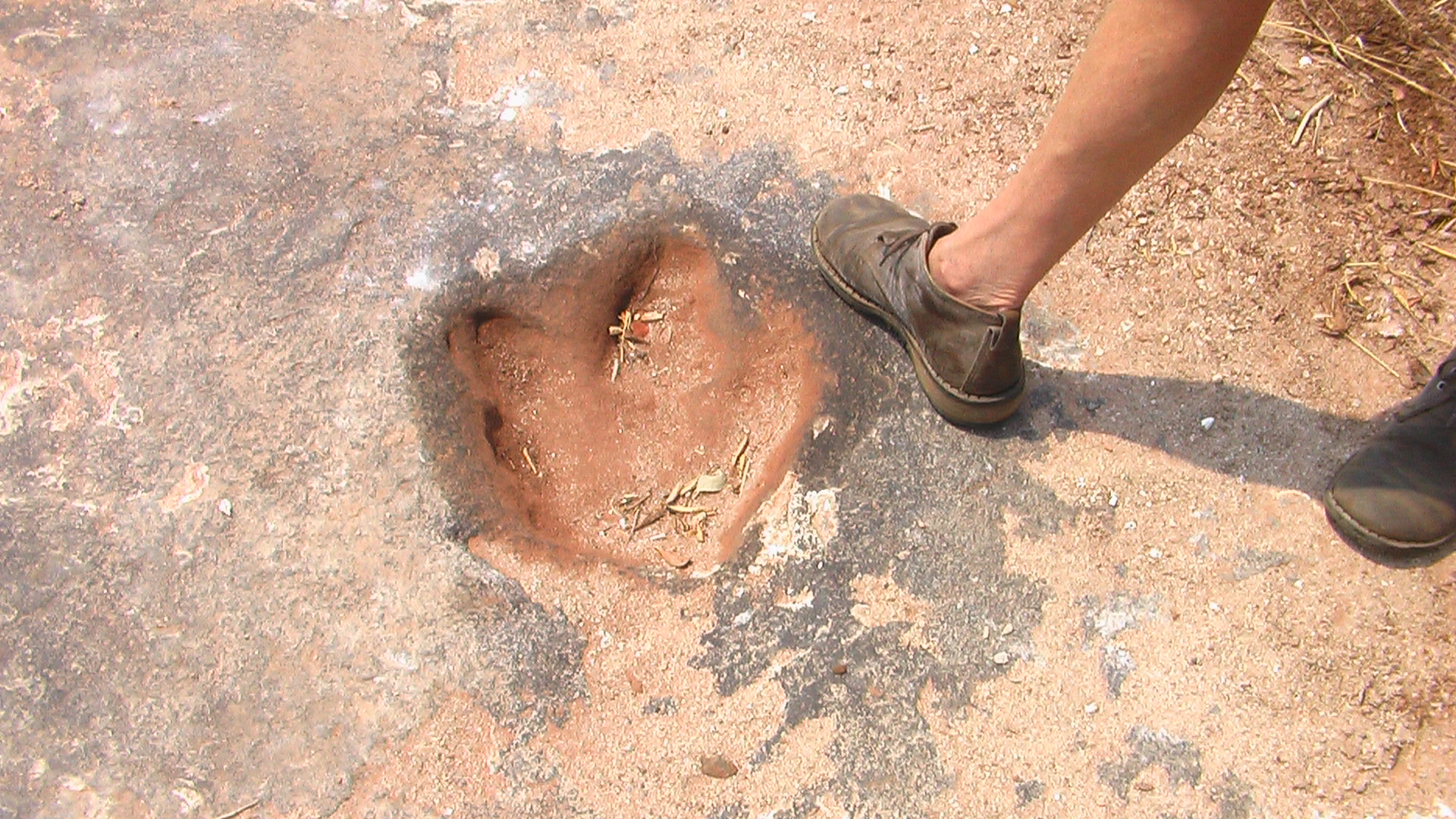
Fossilized dinosaur tracks, or ichnofossils, offer a unique window into prehistoric behavior that skeletal remains simply cannot provide. Unlike bones, which tell us about anatomy and death, tracks reveal secrets about life itself – how dinosaurs moved, where they traveled, and what they were doing when they left their mark.
The process of track formation requires a perfect storm of conditions. The substrate must be soft enough to capture the footprint but firm enough to hold its shape. The sediment needs to be quickly covered by new layers of mud or sand, protecting the track from erosion. Finally, the entire sequence must be buried and undergo the slow process of fossilization over millions of years.
Scientists can extract incredible amounts of information from these ancient footprints. The depth of the track reveals the dinosaur’s weight, while the spacing between footprints indicates speed and gait. The shape and size of the tracks can often identify the type of dinosaur that made them, and multiple trackways can reveal social behaviors like herding or hunting patterns.
Denali’s Dinosaur Highway Discovery
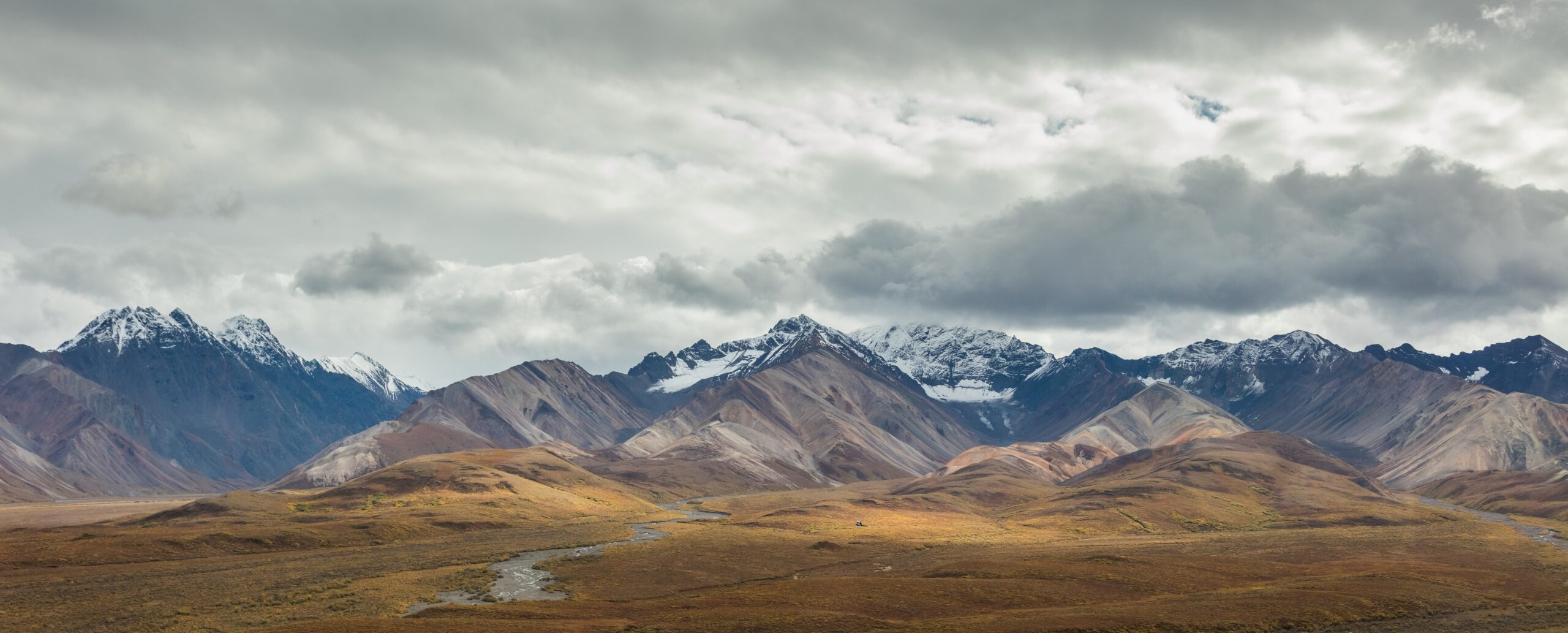
The discovery of what researchers have dubbed the “Dinosaur Highway” in Denali National Park ranks among the most significant paleontological finds in recent decades. This remarkable site contains hundreds of tracks from at least eight different dinosaur species, creating what appears to be an ancient superhighway used by various prehistoric creatures.
The trackways were first discovered in 2005 when a geology student noticed unusual patterns in the rock while conducting field research. What started as a curious observation quickly became a major scientific expedition as researchers realized they had stumbled upon one of the most diverse dinosaur track sites in the world.
The “highway” spans several hundred meters and appears to have been a major travel route for dinosaurs moving between feeding and nesting areas. The variety of tracks suggests this was a bustling corridor of prehistoric activity, with small, agile theropods darting between the massive footprints of long-necked sauropods and armored ankylosaurs.
Decoding the Footprint Mystery
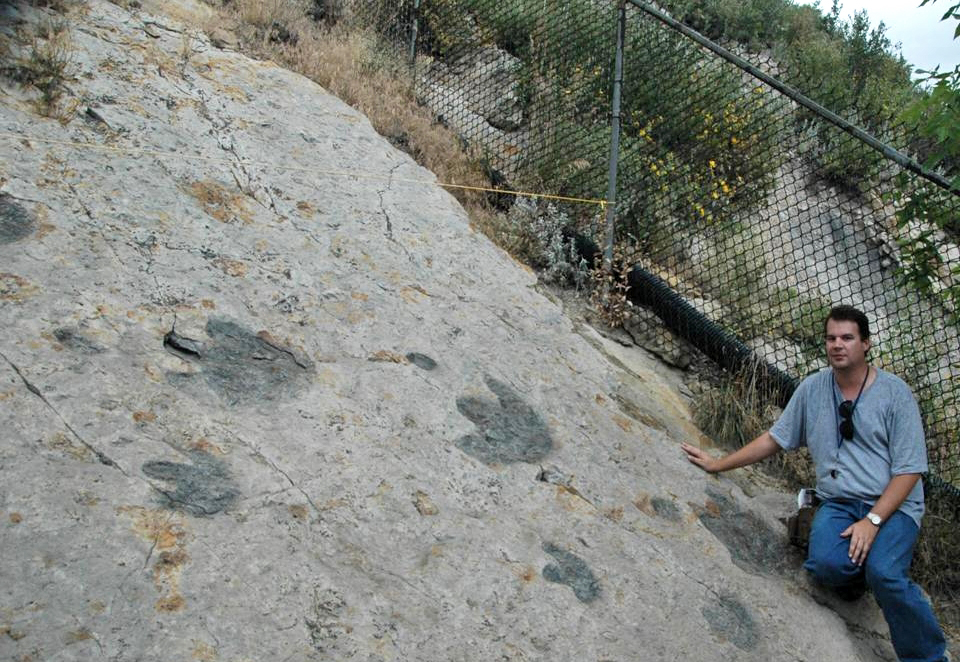
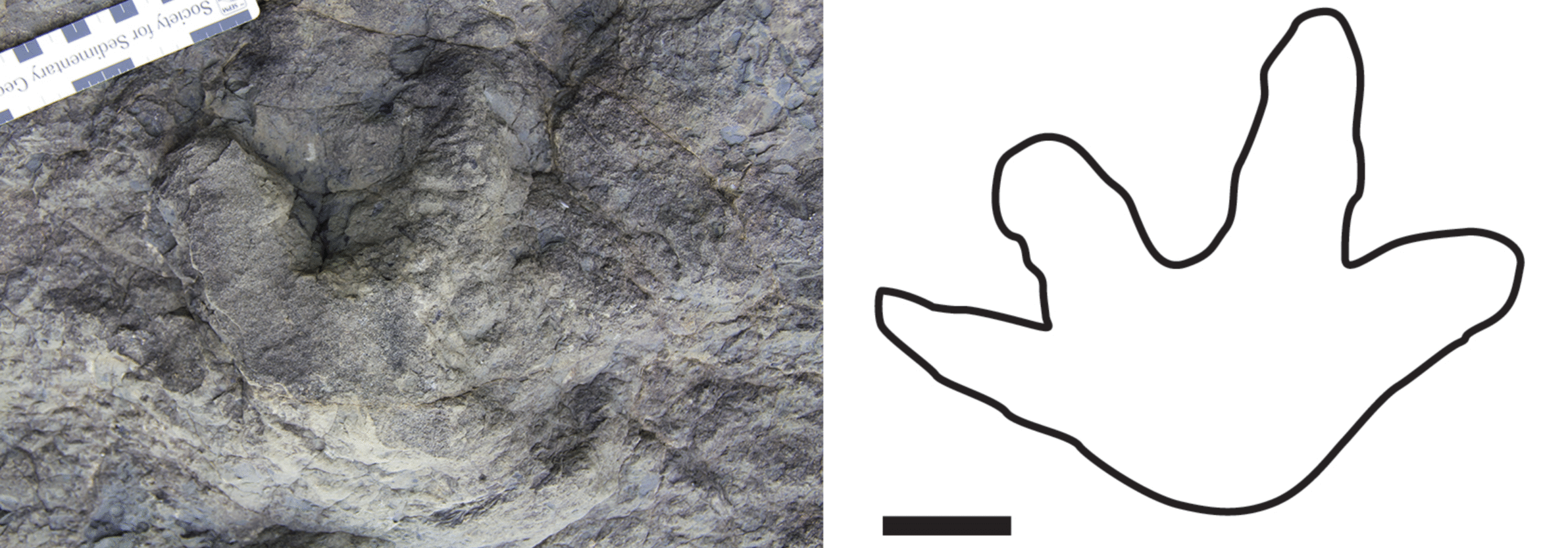
Each dinosaur footprint is like a prehistoric fingerprint, containing unique characteristics that allow scientists to identify not just the species, but sometimes even individual animals. The process of “reading” these tracks requires a combination of scientific knowledge, detective work, and sometimes a bit of educated guesswork.
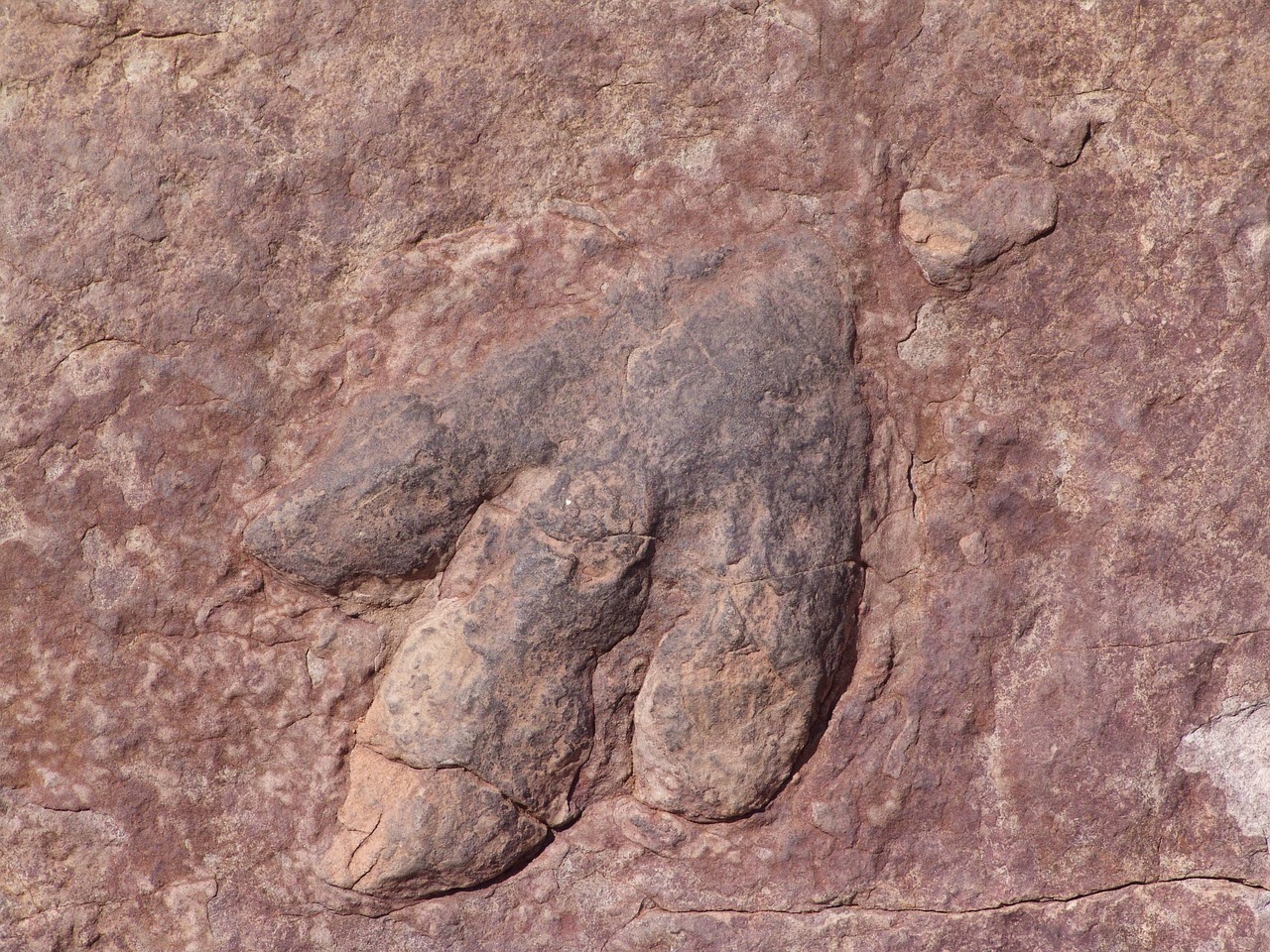
Theropod tracks, left by meat-eating dinosaurs, typically show three distinct toes with sharp claw marks extending from each digit. The spacing between tracks often reveals whether the animal was walking, running, or stalking prey. Some of the most exciting discoveries in Alaska include what appear to be running tracks, suggesting moments of high drama in the prehistoric landscape.
Herbivorous dinosaur tracks tell different stories. Sauropod footprints are massive, round impressions that sometimes show evidence of soft tissue pads on the feet. Hadrosaur tracks often appear in groups, providing evidence of herding behavior, while ceratopsian tracks reveal the distinctive four-toed pattern of these horned giants.
The Alaskan Dinosaur Menagerie
The diversity of dinosaur tracks found in Alaska paints a picture of an incredibly rich ecosystem that supported a wide variety of prehistoric life. From tiny bird-like dinosaurs to massive long-necked giants, Alaska’s fossil record reveals a complete dinosaur community that thrived in the high latitudes.
Among the most common tracks are those of hadrosaurs, or duck-billed dinosaurs, which appear to have been the dominant herbivores in Late Cretaceous Alaska. These social animals traveled in large herds, leaving behind trackways that sometimes contain dozens of parallel footprints. Their tracks tell stories of family groups moving together across the landscape, possibly following seasonal migration routes.
Theropod tracks, while less common, are perhaps the most exciting finds. These include everything from small, agile hunters about the size of modern turkeys to massive predators that could rival the famous Tyrannosaurus rex. The varying sizes and shapes of these tracks suggest that Alaska’s ecosystem supported a complete predator-prey relationship, with hunters of all sizes adapted to different niches in the prehistoric food web.
Seasonal Migrations Written in Stone
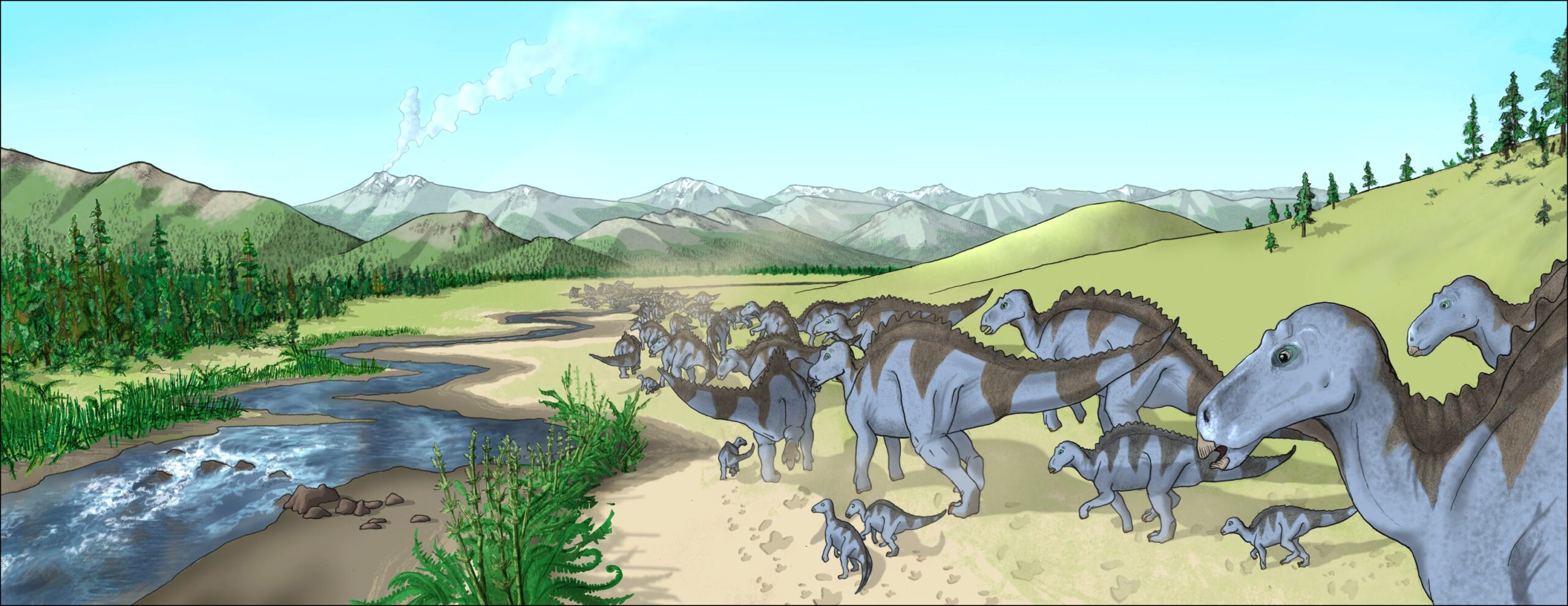
One of the most remarkable aspects of Alaska’s dinosaur tracks is what they reveal about prehistoric migrations. The arrangement and orientation of trackways suggest that many dinosaur species followed regular seasonal patterns, moving between summer and winter ranges much like modern caribou or birds.
The evidence for these migrations comes from the consistent directional patterns found in multiple trackways. Groups of tracks often point in the same direction, suggesting coordinated movement across the landscape. This behavior makes perfect sense when we consider that even though Alaska was warmer 70 million years ago, it still experienced extreme seasonal variations in daylight due to its northern latitude.
These prehistoric migrations would have been spectacular events, with hundreds or thousands of dinosaurs moving together across the landscape. The tracks preserve moments from these ancient journeys, offering glimpses into behavior patterns that developed over millions of years of evolution.
Beyond Alaska: Global Polar Dinosaur Discoveries
Alaska’s dinosaur tracks are part of a larger story of polar dinosaur discoveries that have revolutionized our understanding of prehistoric life. Similar finds in Antarctica, northern Canada, and Siberia have revealed that dinosaurs were far more adaptable to extreme environments than previously thought.
In Antarctica, researchers have discovered tracks and skeletal remains of dinosaurs that lived just 900 miles from the South Pole during the Cretaceous period. These finds challenge the long-held belief that dinosaurs were exclusively warm-weather creatures, showing instead that they developed remarkable adaptations for surviving in polar conditions.
The global pattern of polar dinosaur discoveries suggests that these ancient creatures were capable of thriving in environments that would challenge even the most adaptable modern animals. This adaptability may have been one of the keys to their success in dominating terrestrial ecosystems for over 150 million years.
Advanced Technology Reveals Hidden Secrets
Modern technology has revolutionized the study of dinosaur tracks, allowing scientists to extract information that would have been impossible to obtain just a few decades ago. 3D scanning, photogrammetry, and advanced imaging techniques now reveal details invisible to the naked eye.
Researchers use laser scanning to create precise digital models of trackways, allowing them to study the tracks from every angle and measure details down to the millimeter. This technology has revealed subtle features like skin texture impressions and evidence of soft tissue that was previously overlooked.
Chemical analysis of the sediment surrounding tracks has also provided new insights into the environment where the dinosaurs lived. By studying the minerals and organic compounds preserved in the rock, scientists can reconstruct ancient climates, vegetation, and even seasonal changes that affected the dinosaur communities.
The Great Dinosaur Detective Work
Studying dinosaur tracks requires a unique combination of scientific rigor and creative detective work. Each trackway presents a puzzle that researchers must solve piece by piece, using clues from the footprints to reconstruct moments from deep time.
Sometimes the detective work reveals surprising stories. At one site in Alaska, researchers discovered tracks that show a large theropod apparently stalking a group of hadrosaurs. The predator’s tracks follow the same path as the herbivores, with the spacing indicating a slow, deliberate approach – a 70-million-year-old hunting scene frozen in time.
Other trackways reveal gentler moments, such as adult dinosaurs walking alongside much smaller tracks that likely belonged to their young. These family groups provide touching evidence of parental care and social behavior that skeleton fossils alone could never reveal.
Preservation Challenges in Extreme Environments
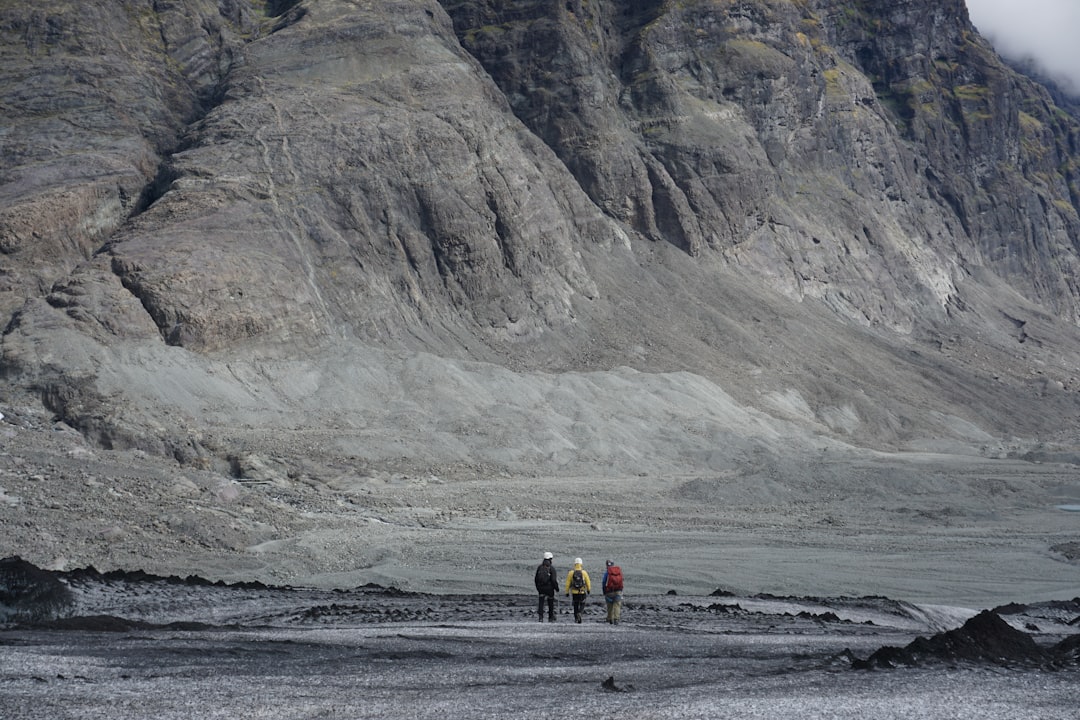
The harsh conditions that help preserve Alaska’s dinosaur tracks also create unique challenges for researchers trying to study them. Extreme weather, remote locations, and limited access windows make fieldwork a constant battle against the elements.
Many of the best track sites are only accessible during brief summer months when snow and ice have melted enough to expose the fossil-bearing rocks. Researchers must work quickly to document and study the tracks before winter returns, sometimes racing against early snowstorms that can bury sites for months.
The remote nature of many sites means that heavy equipment and advanced technology must be transported by helicopter or all-terrain vehicles, making each expedition a logistical challenge. Despite these obstacles, researchers continue to make remarkable discoveries that justify the effort and expense required to study these frozen time capsules.
Climate Change and Fossil Preservation
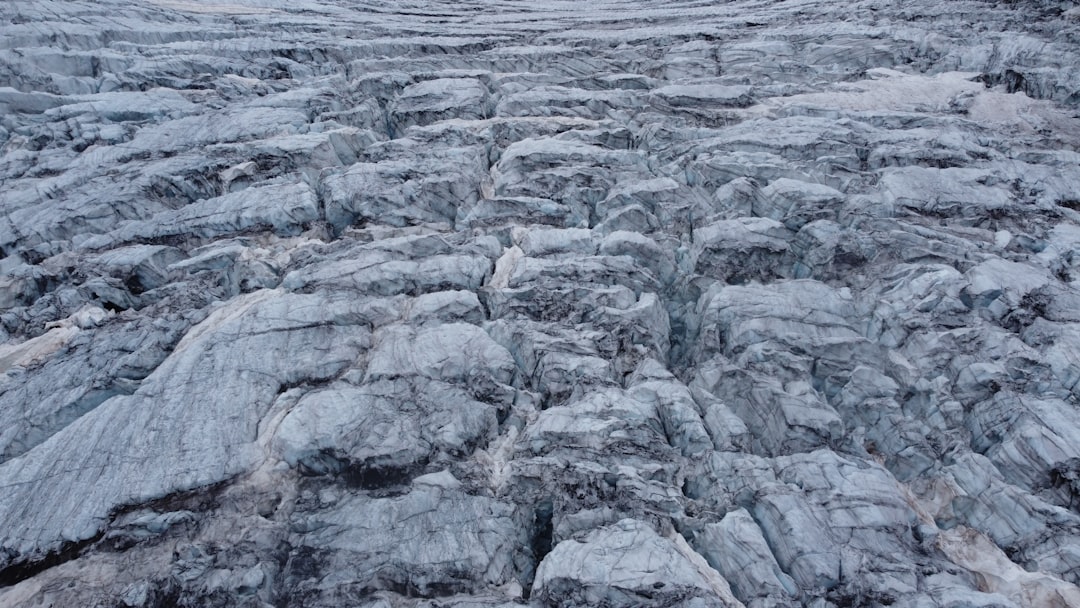
Ironically, while climate change threatens many aspects of our planet’s natural heritage, it has also begun to reveal new dinosaur track sites as permafrost melts and glaciers retreat. This creates both opportunities and urgent challenges for paleontologists working in polar regions.
As ice and snow cover shrinks, previously inaccessible fossil sites are being exposed for the first time in thousands of years. However, this exposure also makes the fossils vulnerable to weathering and erosion, creating a race against time to document and study them before they are lost forever.
The changing climate also affects the logistics of fieldwork, with unpredictable weather patterns making it difficult to plan research expeditions. Despite these challenges, scientists continue to discover new sites and make groundbreaking findings that add to our understanding of prehistoric life in polar environments.
What Dinosaur Tracks Tell Us About Extinction
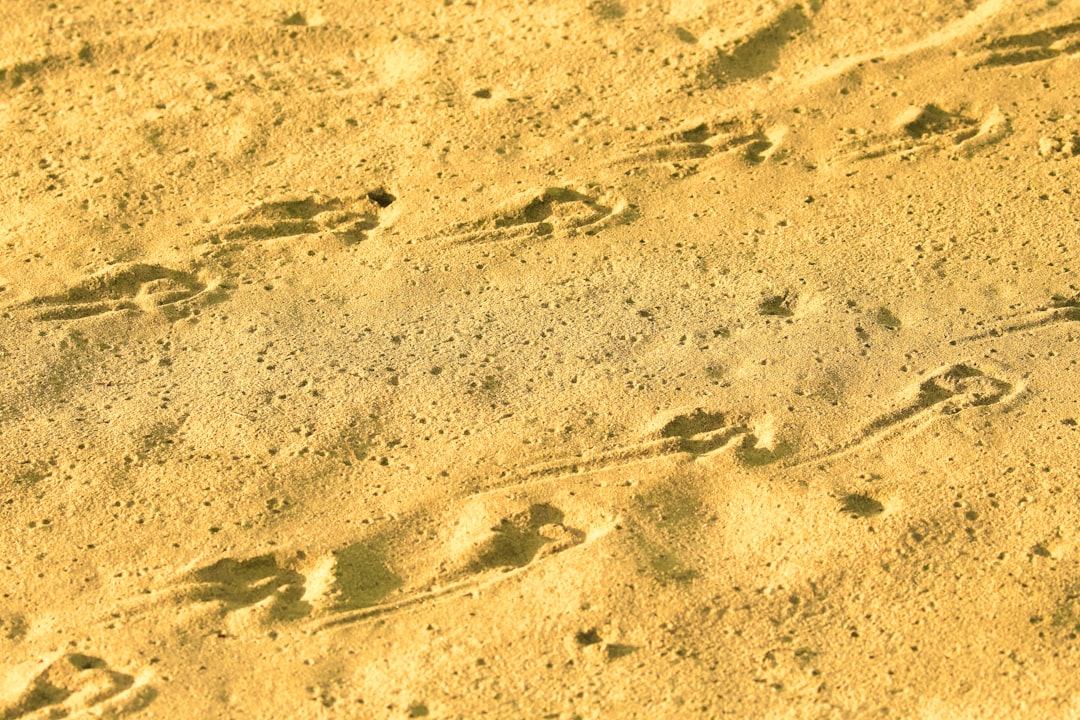
The timing of Alaska’s dinosaur tracks, dating to just before the mass extinction event that ended the dinosaur era, makes them particularly valuable for understanding the final chapter of dinosaur evolution. These tracks provide a snapshot of healthy, thriving dinosaur communities just before their world changed forever.
The diversity and abundance of tracks suggest that dinosaurs were not in decline before the asteroid impact that marked the end of the Cretaceous period. Instead, they appear to have been thriving in polar environments, possibly because they had adapted to survive in challenging conditions that other animals could not tolerate.
This evidence supports the theory that the mass extinction was a sudden, catastrophic event rather than a gradual decline. The dinosaurs preserved in Alaska’s tracks were living full, active lives right up until the moment their world was forever changed by forces beyond their control.
The Future of Polar Dinosaur Research
![The Future of Polar Dinosaur Research (image credits: [1], CC BY-SA 2.0, https://commons.wikimedia.org/w/index.php?curid=4294758)](https://dino-world.com/wp-content/uploads/2025/07/1752209423523_Pachyrhinosaurus.jpg)
As technology continues to advance and climate change reveals new fossil sites, the future of polar dinosaur research looks both exciting and urgent. New discoveries are being made every year, each one adding pieces to the puzzle of how dinosaurs lived and thrived in extreme environments.
Artificial intelligence and machine learning are beginning to play roles in track analysis, helping researchers identify patterns and behaviors that might be missed by human observation alone. These tools could revolutionize our understanding of dinosaur behavior and ecology in the coming decades.
The race to document and study newly exposed sites before they are lost to weathering means that paleontologists must work faster and more efficiently than ever before. This urgency is driving innovation in field techniques and preservation methods that will benefit dinosaur research worldwide.
The frozen landscapes of Alaska and other polar regions have revealed one of paleontology’s most remarkable treasures: windows into the daily lives of dinosaurs that lived at the very edges of their world. These tracks challenge everything we thought we knew about dinosaur adaptability and behavior, showing us creatures that were far more resilient and widespread than we ever imagined. As we continue to uncover these ancient footprints, we’re not just learning about the past – we’re discovering lessons about survival, adaptation, and the incredible diversity of life that once flourished in even the most challenging environments. What other secrets might be waiting beneath the ice, ready to rewrite our understanding of prehistoric life?