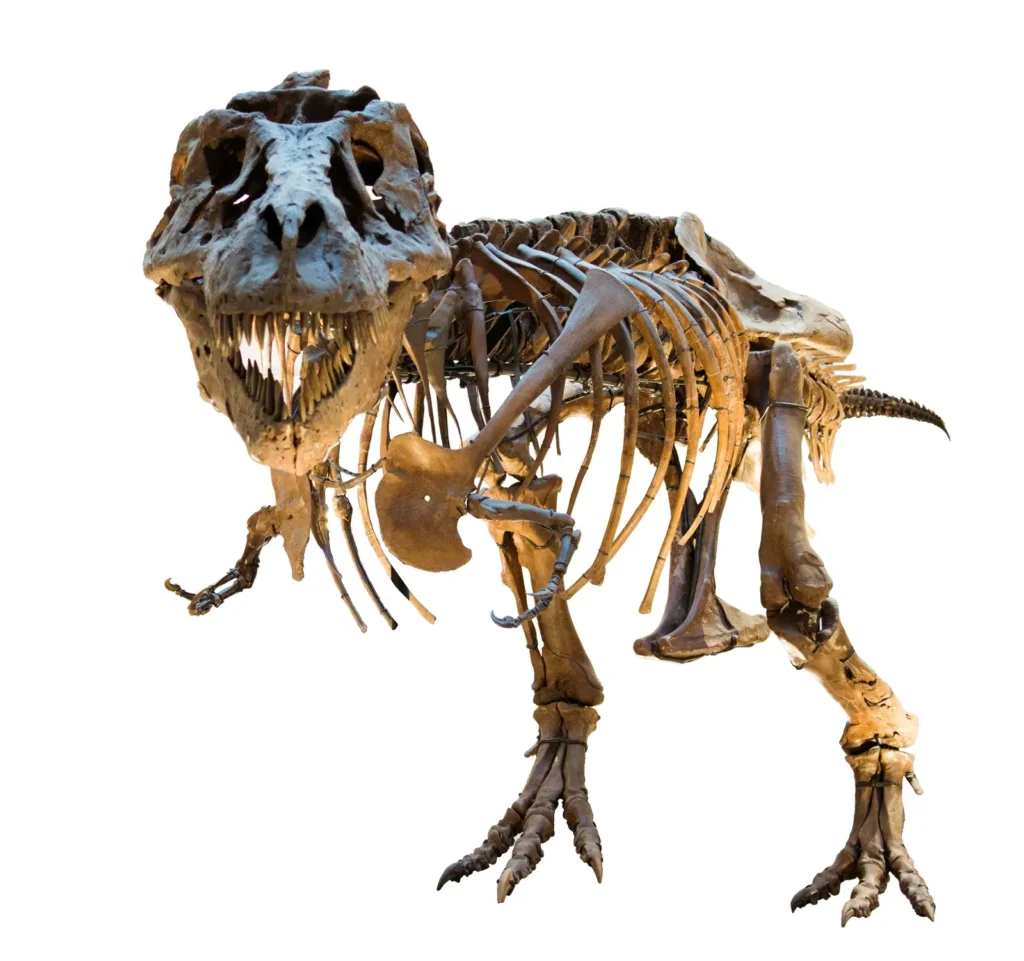
There is something almost humbling about the fact that creatures which walked the Earth over 66 million years ago were, in many ways, better engineered than anything humans have managed to build. Their bones were hollow yet impossibly strong. Their respiratory systems were more efficient than our own. Their teeth were layered like precision-cut industrial tools. When you really start digging into the biology of dinosaurs, you begin to realize that evolution had already solved problems we are still trying to crack in laboratories today.
This is not just a story about big animals and sharp teeth. It is a story about systems, design, and solutions so elegant they border on miraculous. Get ready, because the deeper you go into dinosaur anatomy, the more astonishing it becomes. Let’s dive in.
The Hip Revolution That Changed Everything
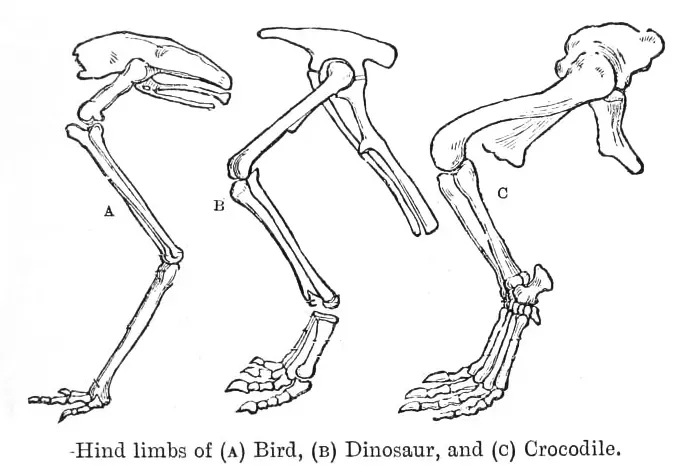
Here is something that might genuinely surprise you: the very feature that defines a dinosaur has nothing to do with its size, teeth, or ferocity. It all comes down to the hip. Open hip joints and vertically aligned legs enabled dinosaurs, including the massive Sauropods and the towering Tyrant dinosaurs, to maintain an upright stance, and an open hip joint, hind legs positioned directly beneath the body, and three or more sacral vertebrae fused to the pelvis are the primary criteria for classifying an animal as a dinosaur. Think about that for a second. The entire architectural identity of this animal group rests on how the leg connects to the pelvis.
Dinosaurs were land-dwelling reptiles that walked with an erect stance, and their unique hip structure caused their legs to stick out directly under their bodies, not sprawl out from the side as with other reptiles. This distinction is massive. It is the difference between a crocodile, which waddles and tires quickly, and a T. rex, which could sustain movement at scale. This adaptation became essential during the Jurassic period, when Titanosaurs roamed the Earth, and without this primitive yet fundamental anatomical feature, dinosaurs would not have been able to grow to the colossal sizes that fascinate us today.
Bones Built Smarter, Not Heavier
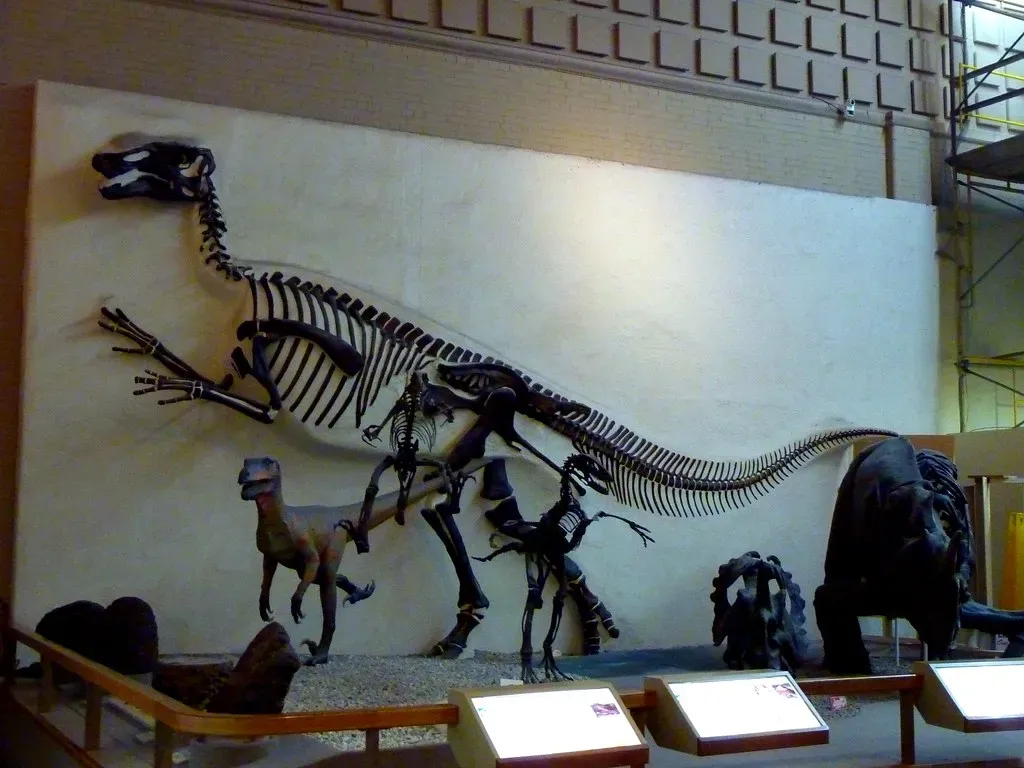
You might picture dinosaur bones as dense, solid slabs of rock-hard material. Honestly, that image is about as far from the truth as you can get. A unique collaboration between paleontologists, mechanical engineers, and biomedical engineers revealed that the trabecular bone structure of hadrosaurs and several other dinosaurs is uniquely capable of supporting large weights, and different than that of mammals and birds. This spongy inner architecture, sometimes compared to what you see inside a cut ham bone, is a structural genius move.
Without this weight-saving adaptation, the skeletal structure needed to support the hadrosaurs would be so heavy, the dinosaurs would have had great difficulty moving. In practical terms, imagine trying to build a skyscraper using solid concrete throughout, versus a steel lattice frame. The lattice wins every time, because it redirects force without adding unnecessary weight. The dinosaur trabecular bone architecture was uniquely capable of supporting large weights up to 47,000 kg, and different from that of mammals and birds. That is the weight of several fully loaded semi-trucks, all balanced on bones that were partly hollow.
An Air Sac System Ahead of Its Time
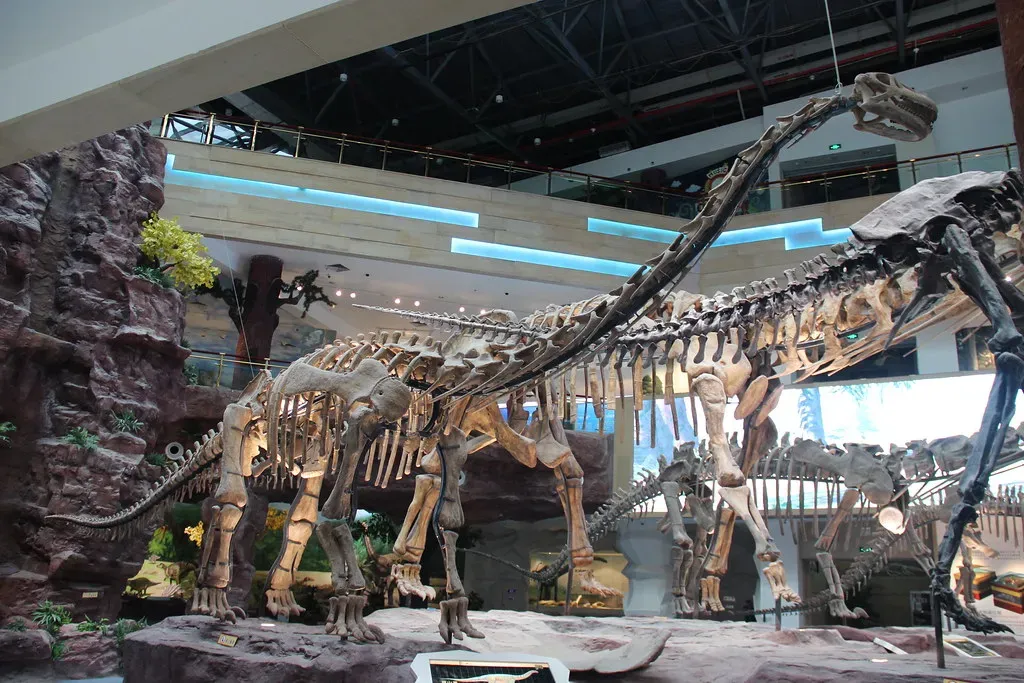
If you think breathing is simple, wait until you hear how dinosaurs handled it. One of the most remarkable features in sauropod dinosaurs relates to their pneumatized skeletons permeated by a bird-like air sac system, and many studies described the late evolution and diversification of this trait in mid to late Mesozoic forms. Air sacs are not merely passive pockets of air. They are active components of a breathing system so efficient it allowed these animals to survive and thrive at enormous body sizes.
Air sacs and skeletal pneumaticity probably facilitated the evolution of extremely long necks in some sauropod lineages by overcoming respiratory dead space and reducing mass. So those impossibly long Brachiosaurus necks? They were partly possible because the bones themselves were partially filled with air, making the neck lighter and the breathing system more capable. Immense, long-necked dinosaurs like Supersaurus had extraordinarily light bones assisted by a complex system of air sacs that so pervaded their skeletons that you can see exactly where they would have been even though the actual soft tissues decayed away millions of years ago. That is engineering at a level that still inspires engineers today.
Teeth That Were Engineered to Perfection
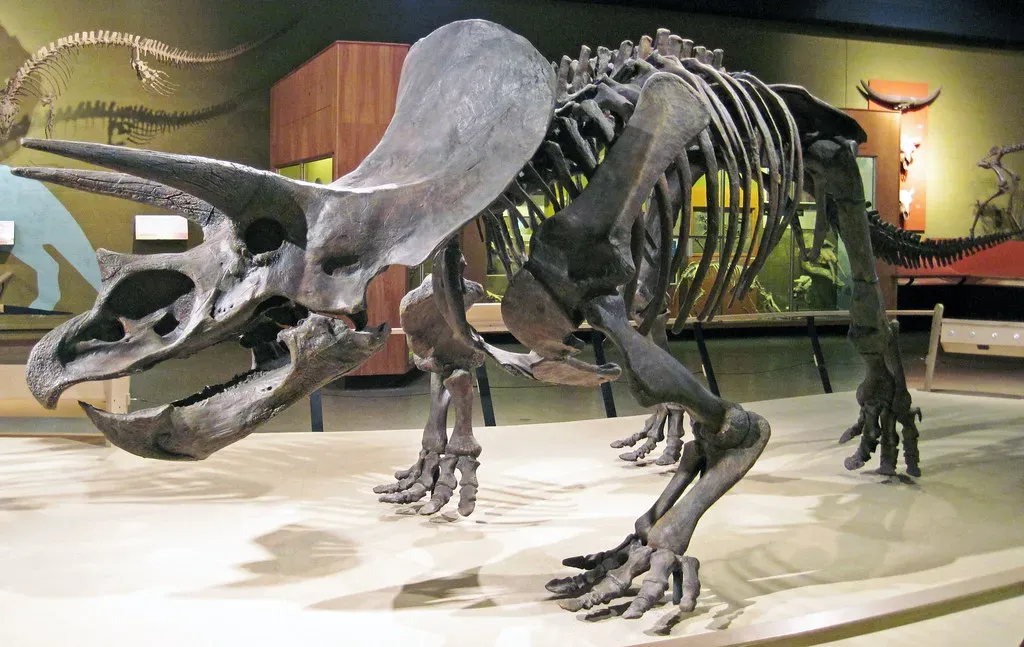
Let’s be real: most people think of dinosaur teeth as just pointy or flat, carnivore or herbivore. The reality is far more sophisticated. Researchers discovered that Triceratops teeth were made of five layers of tissue. In contrast, herbivorous horse and bison teeth, once considered the most complex ever to evolve, have four layers of tissue. Crocodiles and other reptiles have just two. Five layers, in a creature that went extinct 66 million years ago. That number should genuinely stop you in your tracks.
A team of researchers developed a sophisticated three-dimensional model to show how each tissue wore with use in a strategic manner to create a complex surface with a fuller on each tooth, which served to reduce friction during biting and promote efficient feeding. A fuller, as it happens, is the same recessed groove used in fighting knives and swords to reduce friction and drag. Nature had already discovered this design long before any blacksmith did. The wear model inspired by these teeth is inspiring new engineering techniques that can be used for industrial and commercial applications. Dinosaur teeth are quite literally teaching modern engineers how to build better materials.
Locomotion That Defied Scale
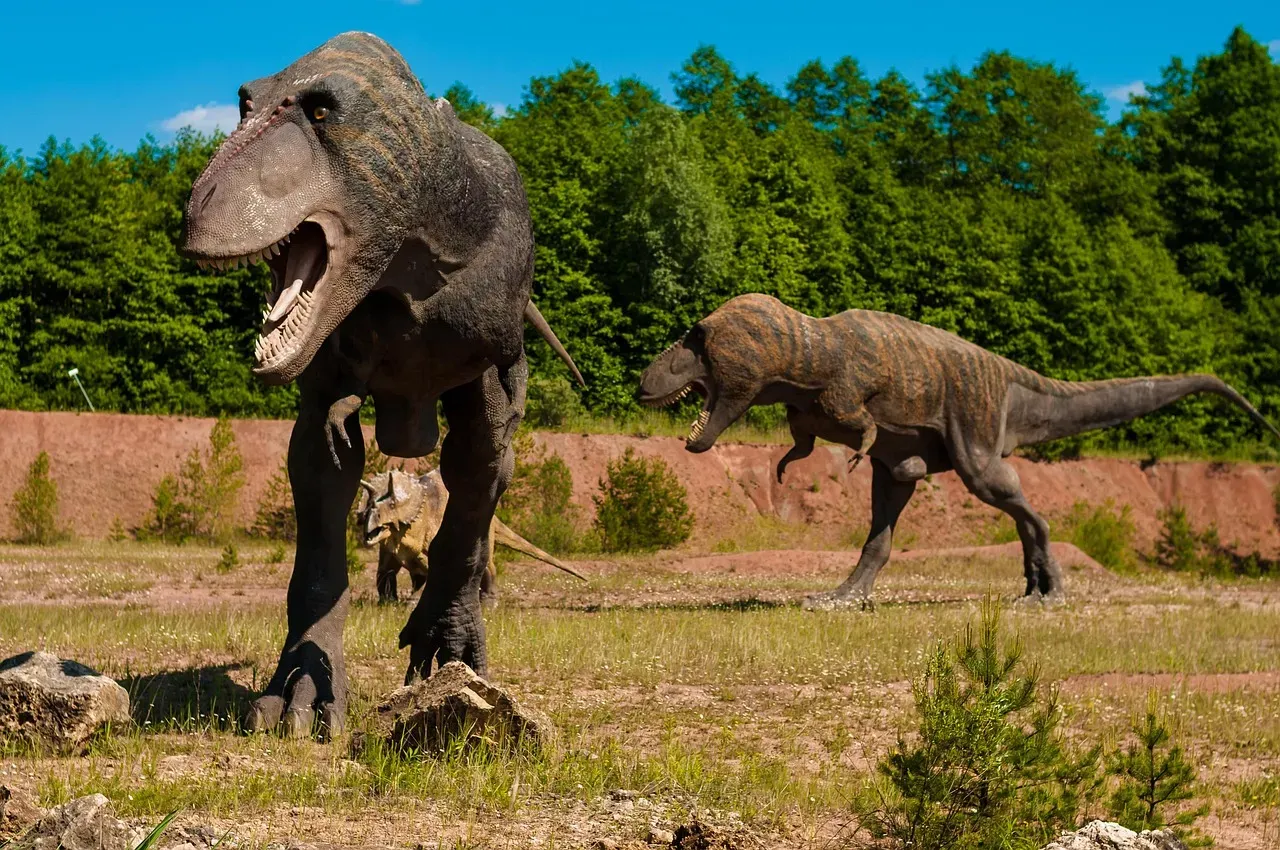
Moving a body the size of a school bus, or larger, without collapsing under your own weight is a mechanical puzzle that should be impossible. Yet dinosaurs pulled it off, repeatedly, across hundreds of millions of years. A ground-breaking study used 13 three-dimensional biomechanical computer models to reveal how the functions of 35 leg muscles in dinosaurs evolved over approximately 230 million years. Thirty-five individual muscles, each doing a specific job, each evolving in response to the demands of an increasingly sophisticated body plan.
The findings identify that movement in birds and their non-avian dinosaur ancestors differs significantly, consistent with the idea that the locomotion of early dinosaurs was more comparable to mammals like humans than to birds. So when you walk across a room, you are moving in a way that is more similar to an ancient theropod than to a modern chicken. The thick-walled, elliptical cross-sections often observed in theropod femora suggest adaptation to both bending and torsional loads, consistent with an upright, parasagittal gait. Every curve of their leg bones was shaped by millions of years of mechanical optimization.
Skin That Told Two Stories at Once
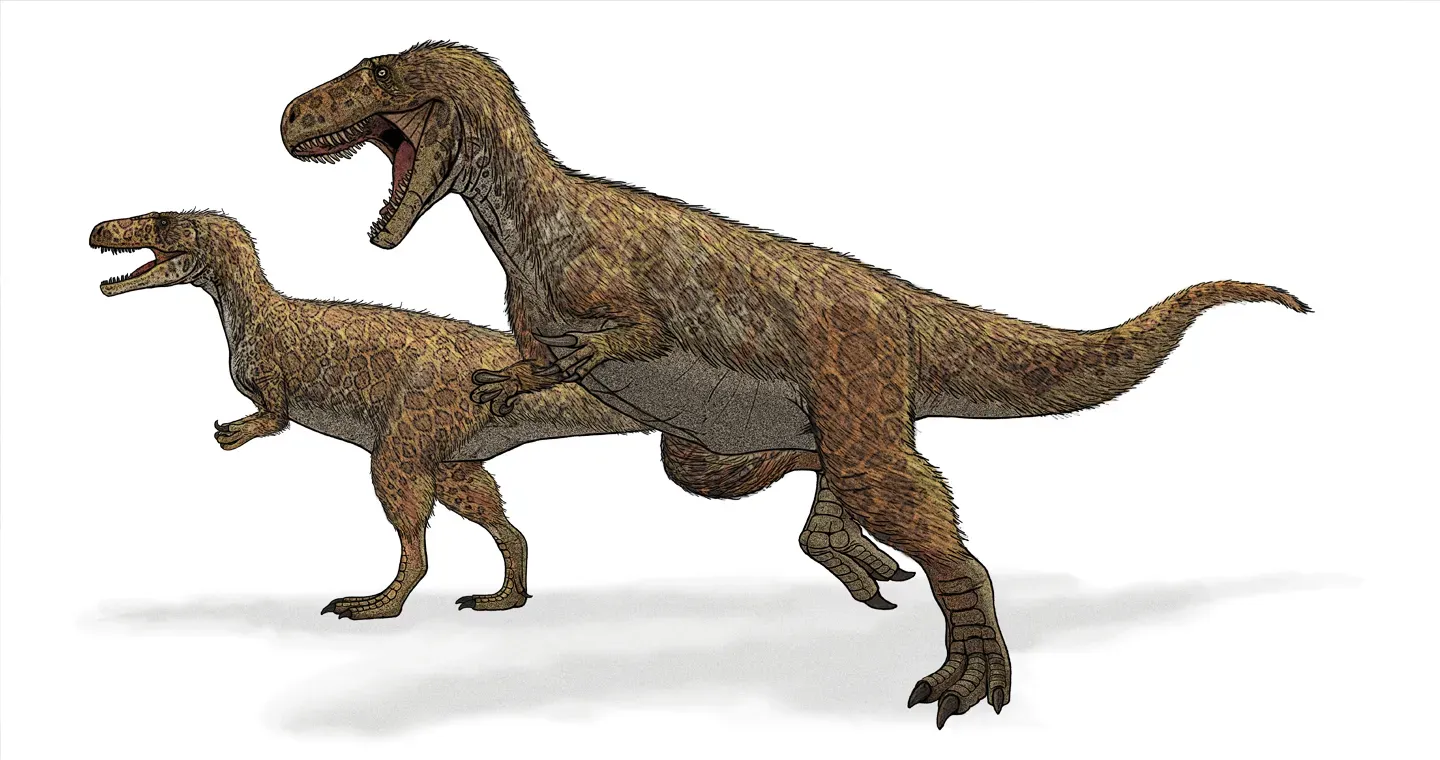
The skin of dinosaurs is one of those topics where the science keeps getting stranger and more wonderful the further you dig in. For a long time, the assumption was simple: some dinosaurs had scales, some had feathers, done. But the picture that has emerged is far more complex and, honestly, far more interesting. Research led by University College Cork paleontologists sheds light on this issue using preserved skin in Psittacosaurus, a non-avian feathered dinosaur from the Early Cretaceous epoch, and the fossil evidence supports partitioning of skin development: a reptile-type condition in non-feathered regions and an avian-like condition in feathered regions.
There is an increasing body of evidence that supports the display hypothesis, which states that early feathers were colored and increased reproductive success, and coloration could have provided the original adaptation of feathers, implying that all later functions such as thermoregulation and flight were co-opted. So feathers may have started as a fashion statement before becoming the engineering marvel that allows birds to fly today. Through the analysis of fossilized melanosomes, scientists can gain insights into the pigments produced by dinosaurs and the color patterns they exhibited, as melanosomes are organelles that generate pigment cells and when they become fossilized, they provide valuable information about the coloration of dinosaurs.
The Skull as a Cooling Machine
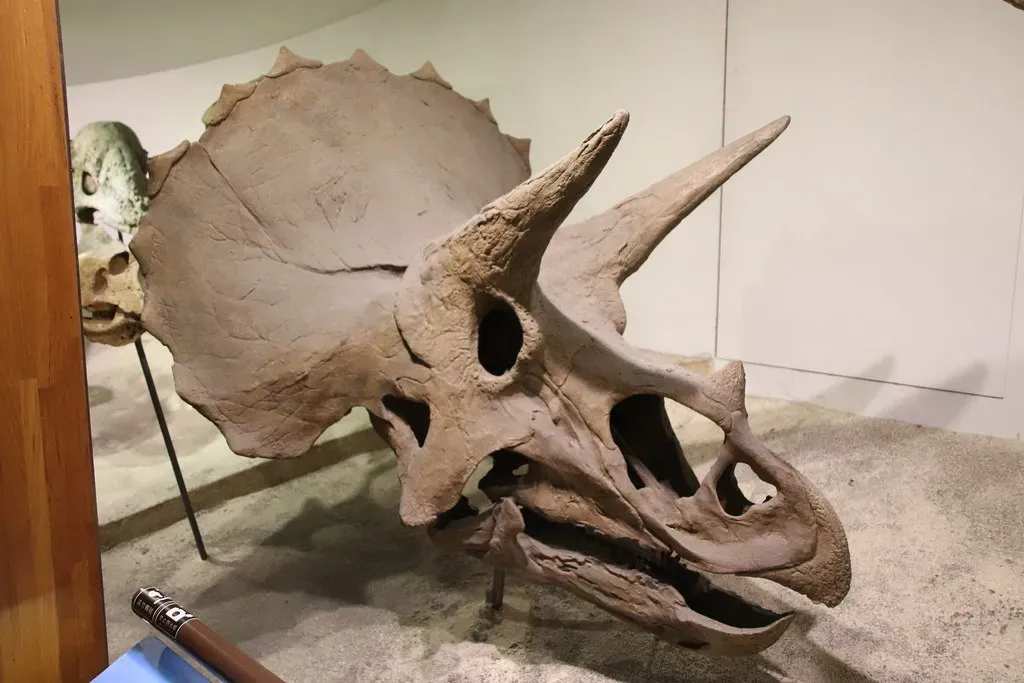
If you thought the outside of a dinosaur skull was impressive, wait until you hear what was going on inside it. Triceratops, for example, had one of the most complex cranial systems ever discovered in any animal. By peering through fossilized bone with CT scanners, scientists have discovered that Triceratops possessed a unique network of nerves and blood vessels in its huge nose that doubled as a heavy-duty air conditioner. An air conditioner in the skull. It sounds almost too creative to be real.
To paleontologists, the sheer size of its head presented a massive thermal engineering problem, specifically how to keep a brain cool inside a giant, bony helmet. That is a very real engineering challenge: a bony structure that size absorbs and retains heat aggressively. This was a fundamental reorganization of the cranial nervous system that appears unique among reptiles. Nature, in its typically ingenious fashion, solved the problem by rewiring the plumbing entirely, routing blood vessels through the nasal passages to cool the blood before it reached the brain. It is the biological equivalent of a radiator.
How Modern Science Finally Unlocks These Ancient Blueprints
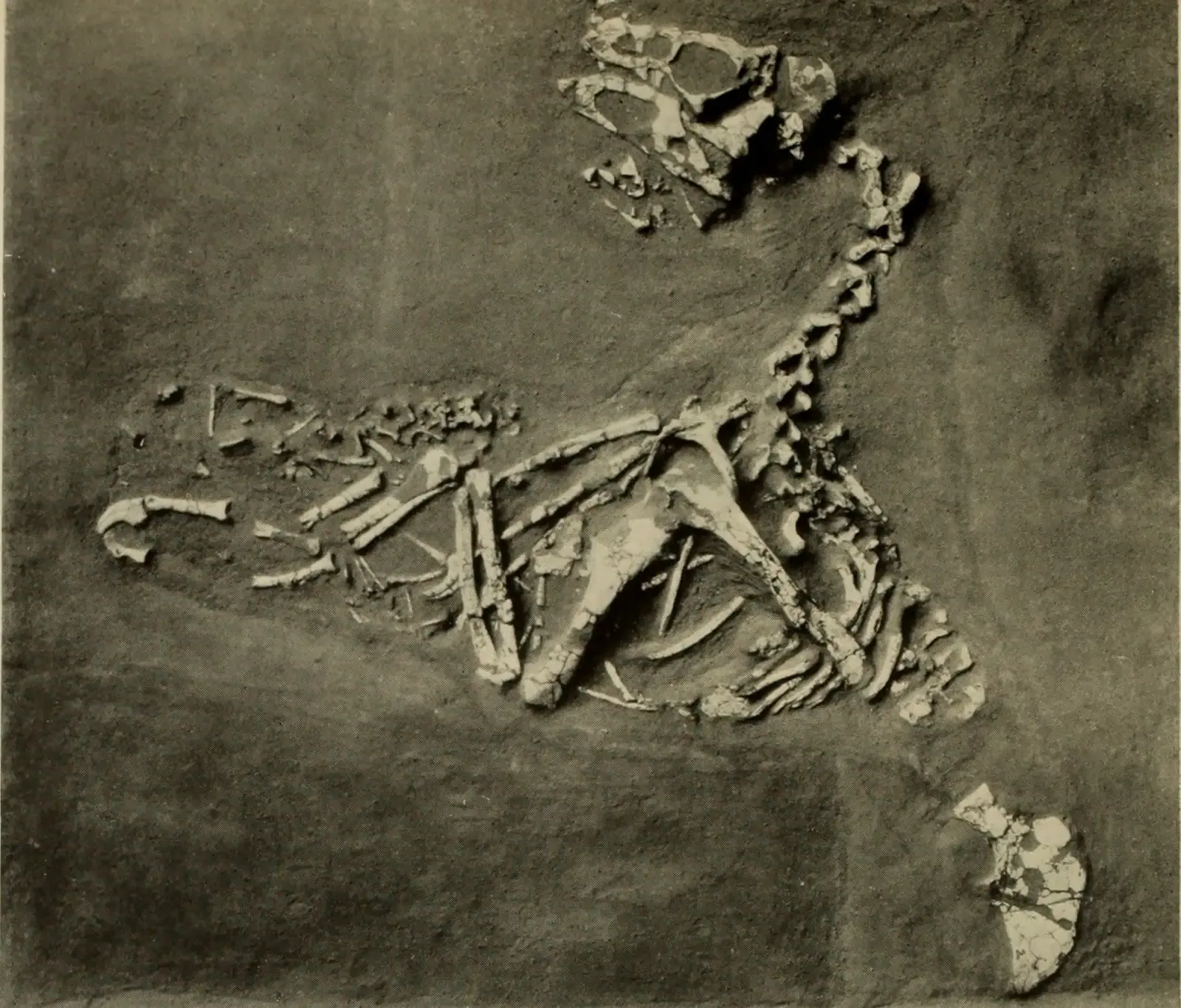
For most of history, understanding dinosaur anatomy meant carefully chipping bone from rock and making educated guesses. That era is gone, and what has replaced it is nothing short of extraordinary. Advanced imaging technology such as CT scans allows paleontologists to see the three-dimensional structure of fossils without having to remove the matrix, and paleontologists incorporate the research of biomechanics, applying the principles of both physics and engineering to reconstruct the biological movement of non-avian dinosaurs. The same technology used to diagnose illness in hospitals is now being used to peer inside 150-million-year-old bones.
Rough patches and flanges on bone can be used to reconstruct the positions of muscles, cartilage, and ligaments. From a single scarred surface on a fossilized femur, researchers can deduce the size, direction, and pull of a muscle that has not existed for tens of millions of years. The intersection of paleontology and biomechanics can be reciprocally illuminating, helping to improve paleobiological knowledge of extinct species and furthering our understanding of the generality of biomechanical principles derived from study of extant species. It is a two-way street: understanding dinosaurs teaches us more about biology itself, while modern biology keeps reshaping our picture of dinosaurs.
Conclusion: A Blueprint That Still Has Things to Teach Us
What makes dinosaur anatomy so endlessly fascinating is not just what it tells us about the past. It is what it tells us about the future. Their trabecular bones are inspiring lightweight construction materials. Their teeth are informing industrial wear design. Their air sac systems illuminate the limits of respiratory biology. These are not relics of a dead world. They are blueprints that nature refined across hundreds of millions of years, and we are only now beginning to fully read them.
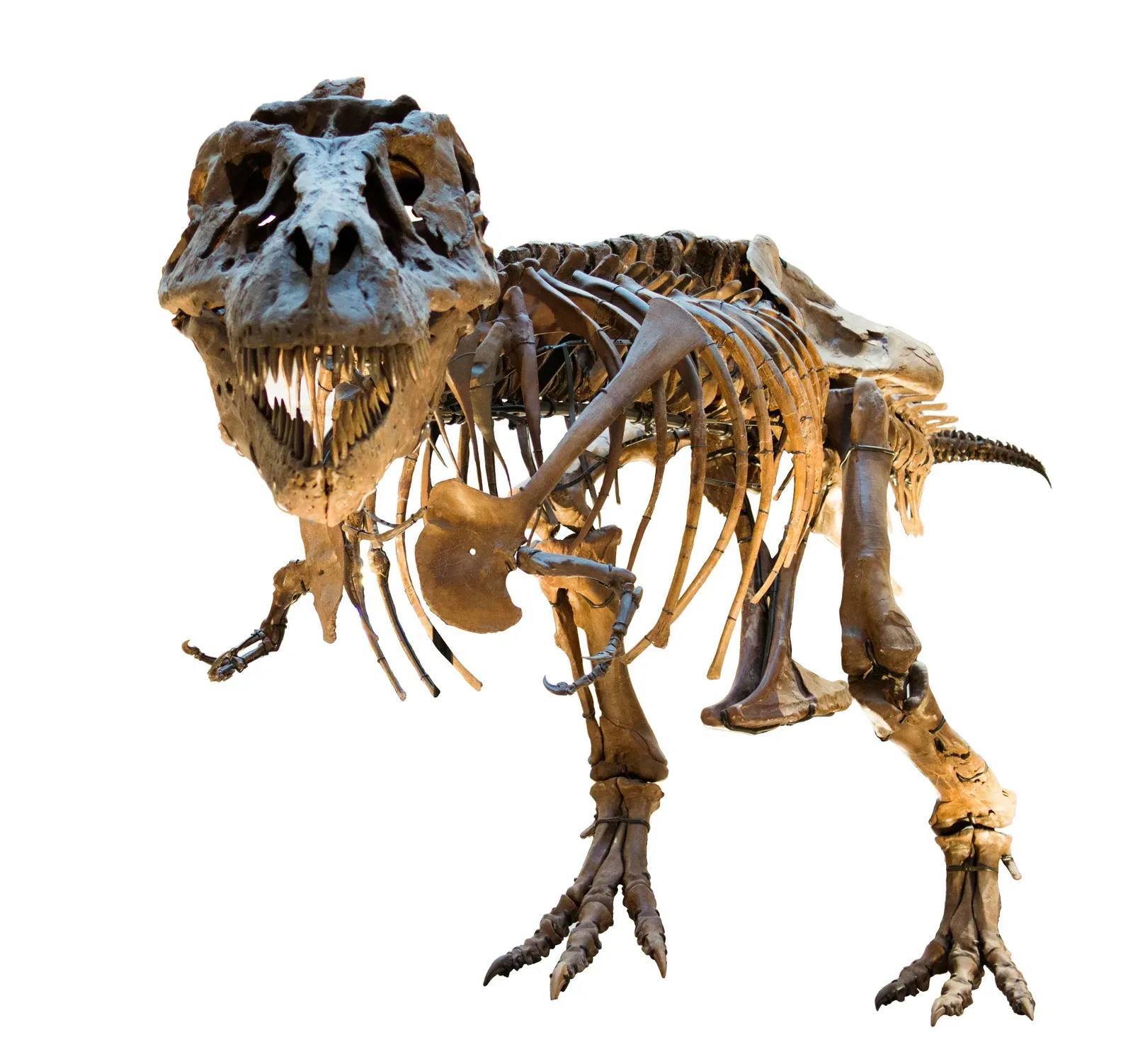
It is hard not to feel a little humbled standing in front of a museum skeleton, knowing that every curve, joint, and hollow you see represents a problem that evolution solved with elegant, sometimes jaw-dropping precision. The dinosaur did not survive by brute force alone. It survived because it was, in many ways, exquisitely built. Perhaps the most thought-provoking idea here is this: if nature engineered something that dominant for that long, what else has it already figured out that we have yet to discover? What do you think about it? Tell us in the comments.