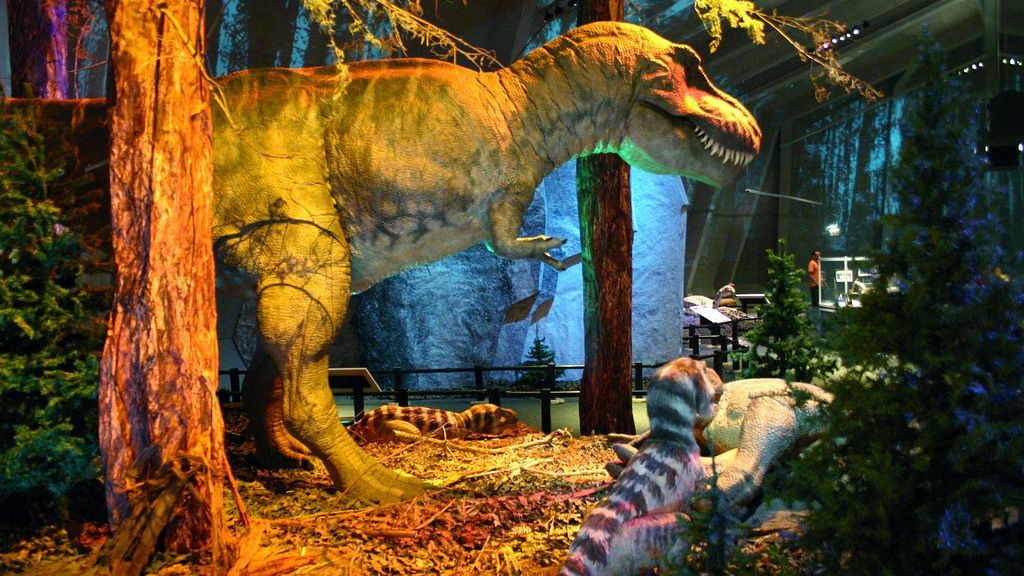
Think you know dinosaurs? You probably know the basics: they were big, they roamed ancient continents, and one unlucky asteroid wiped them out. But here’s the thing – the more scientists dig (literally), the more they realize how deeply complex and surprising these animals actually were. We’re not just talking about what they ate or how fast they ran. We’re talking about intricate social lives, layered communication systems, and behavioral strategies that rival some of the most sophisticated animals alive today.
The story of dinosaur behavior is one of the most exciting frontiers in all of modern science, and we are barely scratching the surface. New fossils, reanalyses of famous specimens, and the use of increasingly sophisticated tools have continued to upend what we thought we knew about how these animals lived, moved, fed, and evolved. Buckle up – because what’s being uncovered is genuinely jaw-dropping.
The Herd Mentality: Ancient Social Lives Hidden in Bone and Stone
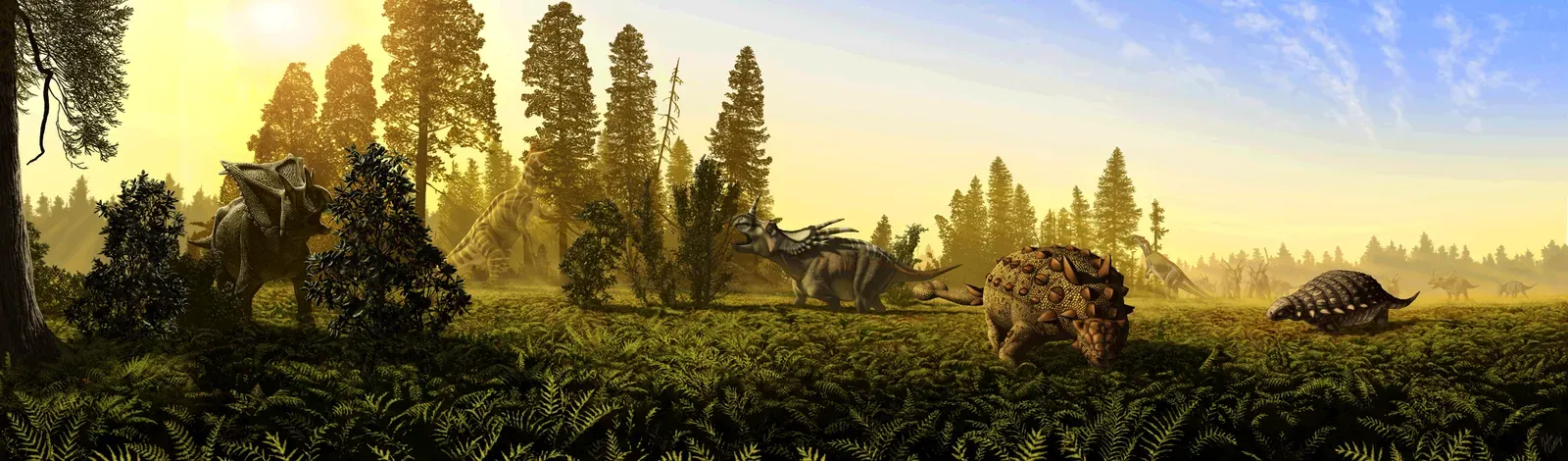
You might assume that dinosaur social behavior is impossible to study – after all, you can’t exactly observe a Brachiosaurus in the wild. But the fossil record tells a surprisingly rich story. Fossil evidence documents herding behaviour in a variety of dinosaurs. The mass assemblage in Bernissart, Belgium, for example, held at least three groups of Iguanodon, and group association is also indicated by the dozens of Coelophysis skeletons of all ages recovered in New Mexico.
What’s really astonishing is how far back this social behavior goes. Researchers found over 100 eggs and skeletal specimens of 80 individuals of the early sauropodomorph Mussaurus patagonicus, ranging from embryos to fully-grown adults, with some articulated skeletons grouped in clusters of individuals of approximately the same age. These discoveries indicate the presence of social cohesion throughout life and age-segregation within a herd structure, providing the earliest evidence of complex social behaviour in Dinosauria, predating previous records by at least 40 million years.
Age Segregation: Dinosaurs Had Their Own Version of Childhood Groups
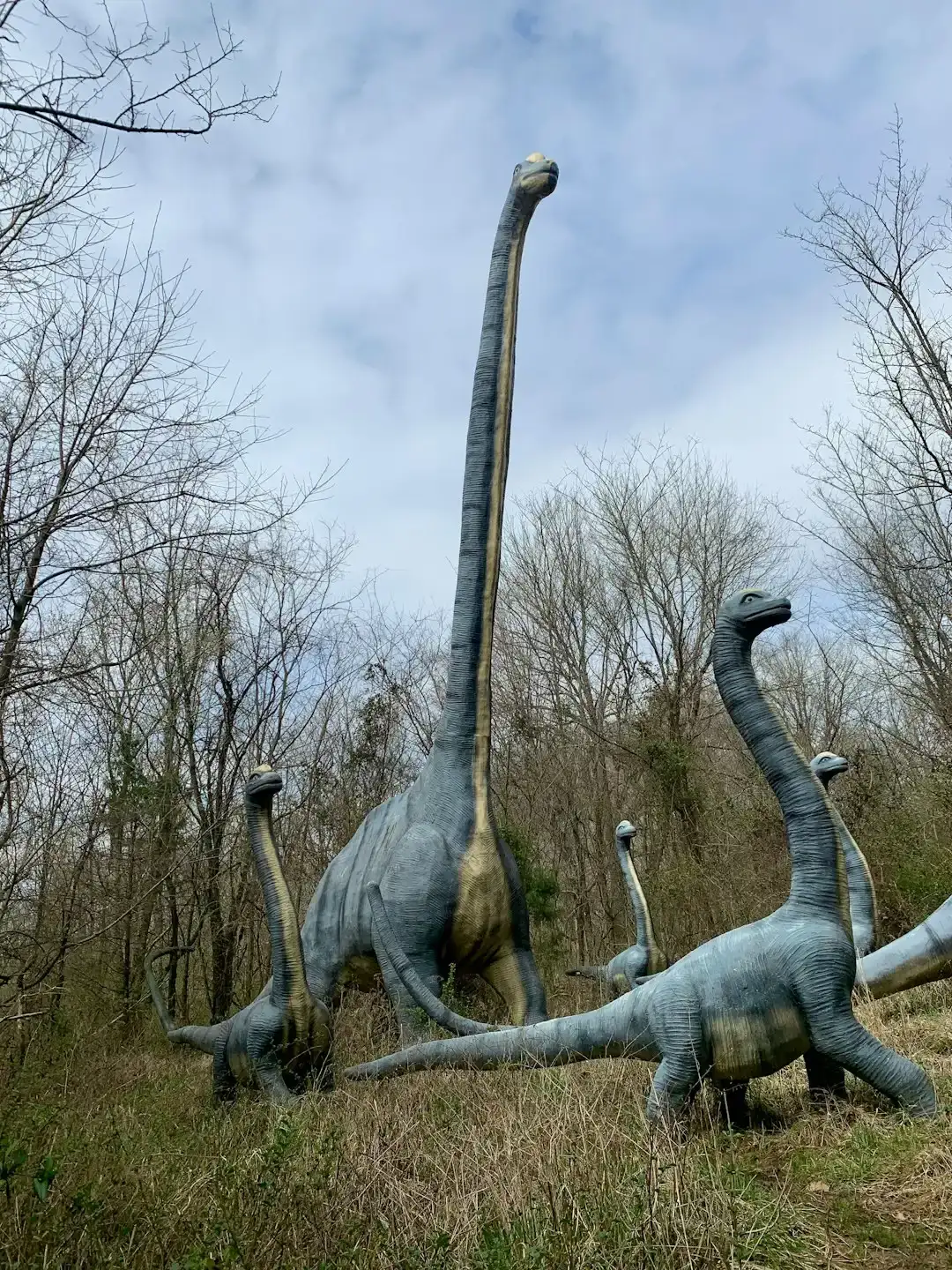
Here’s something I think is genuinely mind-bending: dinosaurs didn’t just travel in herds – they organized those herds by age. Think of it like a school bus system, except it was 193 million years ago. This phenomenon is known as “age segregation” and it is an indication of herding behavior. The young dinosaurs stayed close to each other while the adults protected the herd and foraged for food.
Results show that Mussaurus and possibly other dinosaurs evolved to live in complex social herds as early as 193 million years ago, around the dawn of the Jurassic period. Evidence suggests that Mussaurus optimized foraging potentials during the early Jurassic via age-based social partitioning – neonates, juveniles, and adults apparently foraged, and perished, in age-based groups. That’s not random. That’s sophisticated social organization – a kind of order you’d expect to find in elephants or wolves, not in animals we once dismissed as cold, plodding lizards.
Parental Care: Were Dinosaurs Actually Devoted Parents?
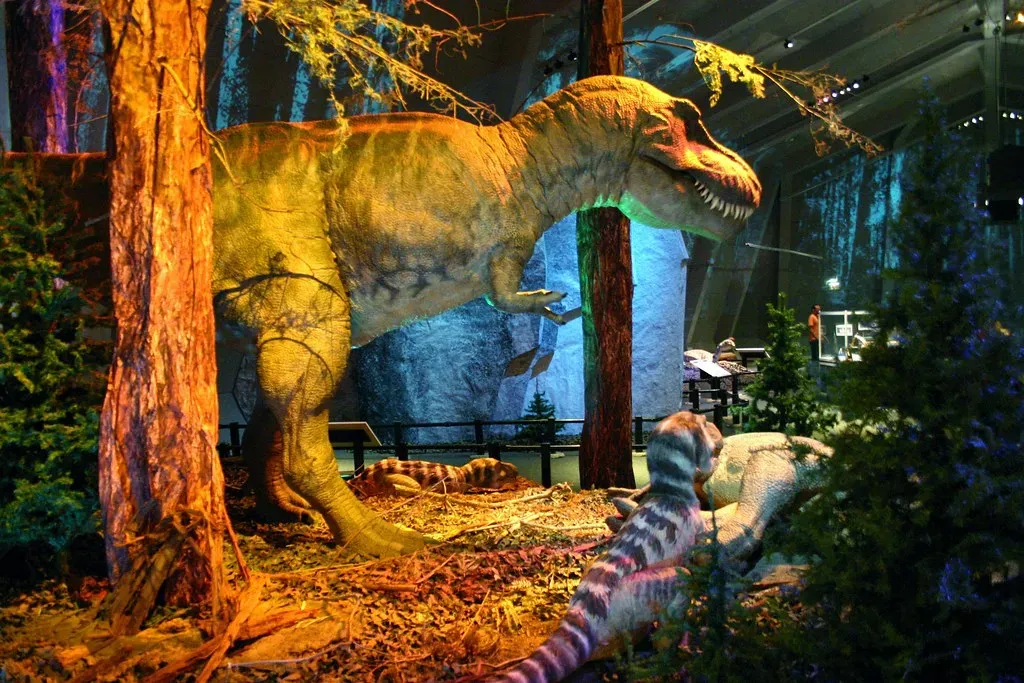
Let’s be real – the image of a cold-blooded, egg-abandoning reptile has long colored how we think about dinosaurs. The reality, though, is far more tender. Jack Horner’s 1978 discovery of a Maiasaura nesting ground in Montana demonstrated that parental care continued long after birth among ornithopods. The name Maiasaura literally translates to “good mother lizard” – and the fossil evidence backs that name up completely.
Osteological studies have shown that young Maiasaura didn’t have fully ossified limbs, which made it difficult for them to walk longer distances. This explains why they stayed in the nests and provides very hard evidence for the hypothesis that hadrosaurs like Maiasaura were likely caring parents. Even more striking: an embryo of the basal sauropodomorph Massospondylus was found without teeth, indicating that some parental care was required to feed the young dinosaurs. These weren’t negligent parents. They were, in many ways, surprisingly devoted ones.
Warm Blood, Cold Blood, or Something in Between?
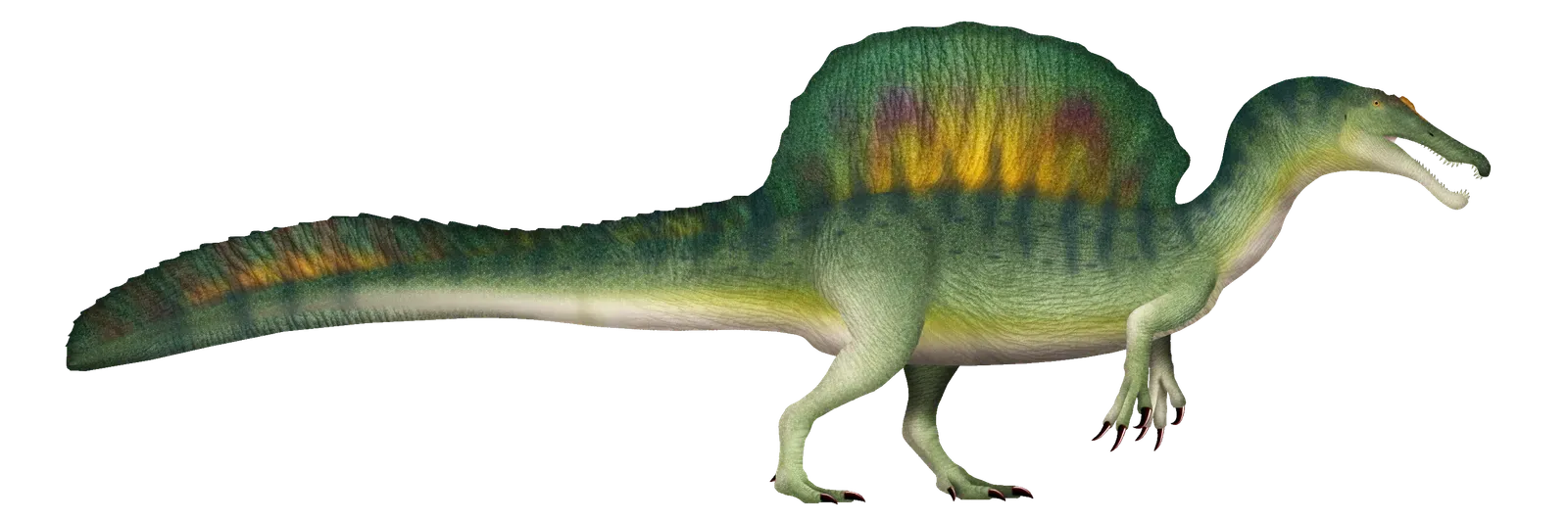
For decades, the warm-blooded vs. cold-blooded debate was one of paleontology’s loudest arguments. Honestly, it still hasn’t been completely resolved – but recent chemical analysis of fossilized bones has brought us closer than ever. A Yale-led research team established that the earliest dinosaurs and pterosaurs had exceptionally high metabolic rates and were warm-blooded animals. That’s a pretty big deal, and it reshapes everything we thought about how active and energetic these creatures were on a daily basis.
Still, it wasn’t a one-size-fits-all answer. The lizard-hipped dinosaurs, including theropods and sauropods – the two-legged, more bird-like predatory dinosaurs like Velociraptor and T. rex and the giant, long-necked herbivores like Brachiosaurus – were warm- or even hot-blooded. Researchers were surprised to find that some of these dinosaurs weren’t just warm-blooded – they had metabolic rates comparable to modern birds, much higher than mammals. Meanwhile, researchers did see a reduction over time in metabolic rates in all major groups of ornithischian dinosaurs, including Stegosaurus and Triceratops. Such low metabolic rates imply that these dinosaurs depended on behavioral thermoregulation, such as sun basking, and seasonal migration into warmer climates.
Mating Rituals: The Ancient Art of Dinosaur Courtship
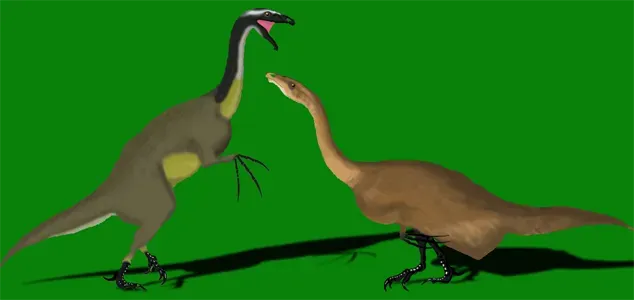
If you think dinosaur romance sounds absurd, think again. Researchers have now uncovered what appears to be genuine physical evidence of dinosaur courtship rituals preserved in rock. About 100 million years ago, large groups of Tyrannosaurus rex-like dinosaurs may have gathered to dance, twisting and kicking in what may have been one of the most elaborate mating rituals in the ancient world, based on an unusual find made at Colorado’s famed Dinosaur Ridge.
Many of the ornate dinosaur features that paleontologists used to think of in terms of defense, such as the horns of ceratopsids like Styracosaurus and the pointed armor of dinosaurs like Stegosaurus, have had at least a dual role as visual display structures. The high degree of variation in arrangements of horns, crests, spikes, and other features suggests that conspicuous features were essentially dinosaurian fashion, meant to signal and communicate to other members of the same species. Honestly, it sounds less like prehistoric survival and more like a very dramatic runway show.
Dinosaur Communication: More Than Just Roars
Jurassic Park gave us roaring, bellowing monsters. Science, however, has a very different picture to paint. Considering that the respiratory system and larynx of dinosaurs was different from that of mammals, most were likely incapable of making comparable noises. This means that dinosaurs were likely not roaring and bellowing at each other. Birds are obviously able to make all sorts of complicated noises, but this is thanks to a structure called a syrinx, which is absent in non-avian dinosaurs.
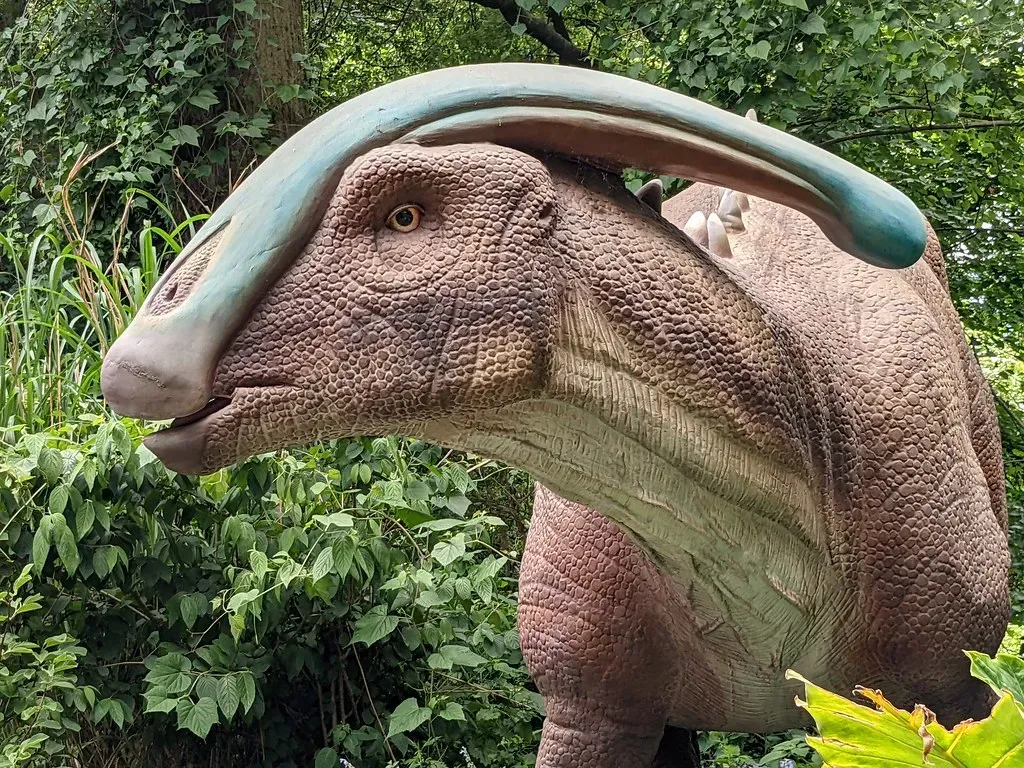
So what did they actually sound like? Current scientific understanding suggests dinosaurs likely produced a diverse range of sounds, from low-frequency rumbles and booms to high-pitched chirps, hisses, and even something akin to birdsong. Their vocalizations likely depended on their species, size, social behavior, and environment, similar to modern animals. Some dinosaurs were even more sophisticated. Studied from an acoustical perspective, researchers found that the crest of Parasaurolophus truly was capable of acting as a resonating chamber for sound. In fact, the internal anatomy of the Parasaurolophus crest was very similar to a woodwind instrument, and adult Parasaurolophus communicated over long distances through low-frequency sounds.
Color and Visual Display: Dinosaurs Were Far More Vivid Than We Imagined
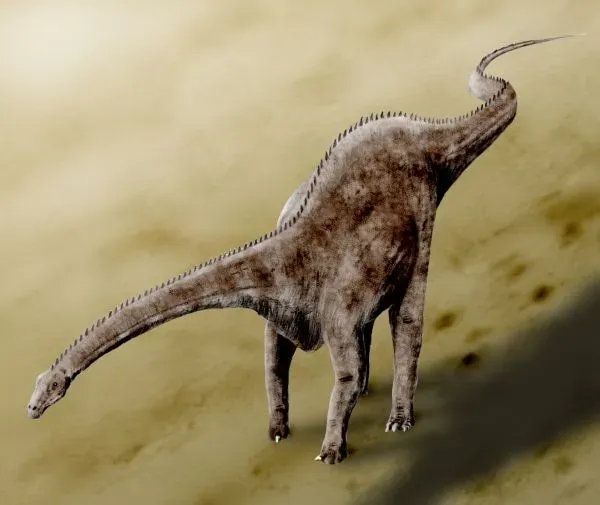
The old image of a gray or muddy-brown dinosaur lumbering across the plain? Scientists are now fairly certain that image is badly wrong. Paleontologists have recently pieced together the colors and patterns of some feathered dinosaurs, using electron microscopes to see tiny preserved structures that used to contain the pigments of the animals in life. This is something that scientists used to think was probably impossible.
From the Jurassic rocks of Montana’s Mother’s Day Quarry, paleontologists uncovered fossils of sauropod skin so delicately preserved that they include impressions of pigment-carrying structures called melanosomes. Some other dinosaur fossils with melanosomes preserved in their scales or feathers have been reconstructed in color. While researchers were reluctant to fully reconstruct the juvenile Diplodocus in color, they detected that the dinosaur would have had conspicuous patterns across its scales. The finding suggests sauropod dinosaurs were not uniformly gray or brown, but had complex color patterns like other dinosaurs, birds, and reptiles. That’s not just fascinating – it fundamentally changes how you’d picture an entire ecosystem.
Baby Dinosaurs and the Food Chain: A Surprisingly Vulnerable Beginning
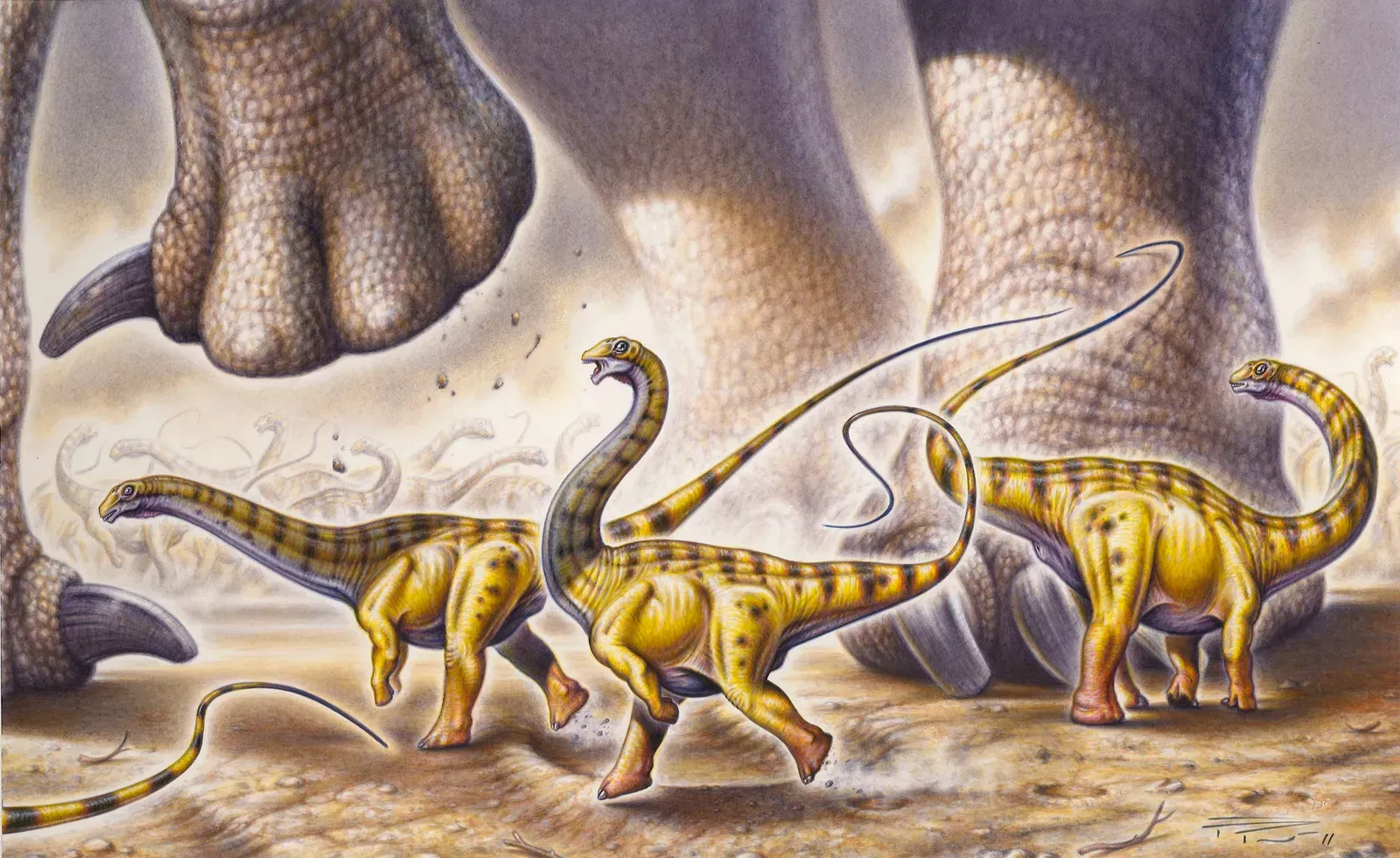
You’d expect the offspring of the largest animals ever to walk the Earth to be, well, somewhat intimidating. The reality was quite the opposite. Despite growing into the largest animals ever to walk on land, sauropods began life small, exposed, and alone. Fossil evidence suggests their babies were frequently eaten by multiple predators, making them a key part of the Jurassic food chain.
A new study led by a researcher from UCL finds that baby and very young sauropods were critical to sustaining predators during the Late Jurassic. Sauropods were long-necked, long-tailed plant eaters that grew into the largest animals ever to walk on land, yet their earliest life stages were small, exposed, and highly vulnerable. Think of it like this: the dinosaur world’s giants started out as something closer to a snack. The behavioral and ecological implications of that vulnerability shaped how entire species evolved their social structures, nesting habits, and parenting strategies.
Dinosaurs Were Thriving Right Until the Very End
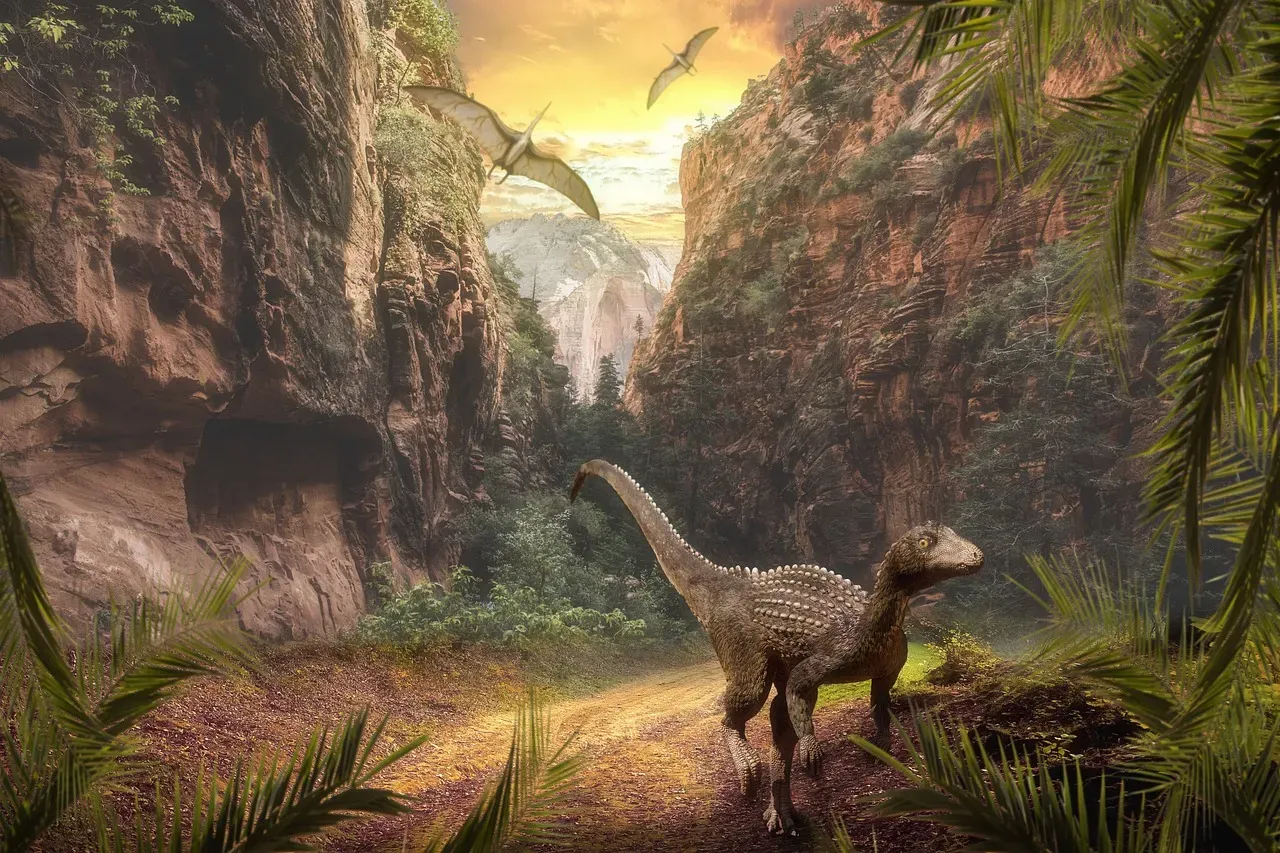
For a long time, scientists held a tidy narrative: dinosaurs were already declining before the asteroid hit 66 million years ago. They were, supposedly, already on their way out. It turns out that story was almost entirely wrong. For decades, many scientists believed dinosaurs were already dwindling in number and variety long before an asteroid strike sealed their fate. But new research from Baylor University, New Mexico State University, the Smithsonian Institution and an international team is rewriting that story. The dinosaurs, it turns out, were not fading away. They were flourishing.
Far from being uniform and weakened, dinosaur communities across North America were regionally distinct and thriving. Using ecological and biogeographic analyses, researchers discovered that dinosaurs in western North America lived in separate “bioprovinces,” divided not by mountains or rivers, but by temperature differences across regions. This tells us something profound about dinosaur behavior: climate wasn’t just a backdrop – it was an active force shaping how communities organized themselves, where they migrated, and what kinds of social and ecological roles they played. The study reveals not a slow fade into extinction but a dramatic ending to a story of flourishing diversity cut short by cosmic chance.
Conclusion
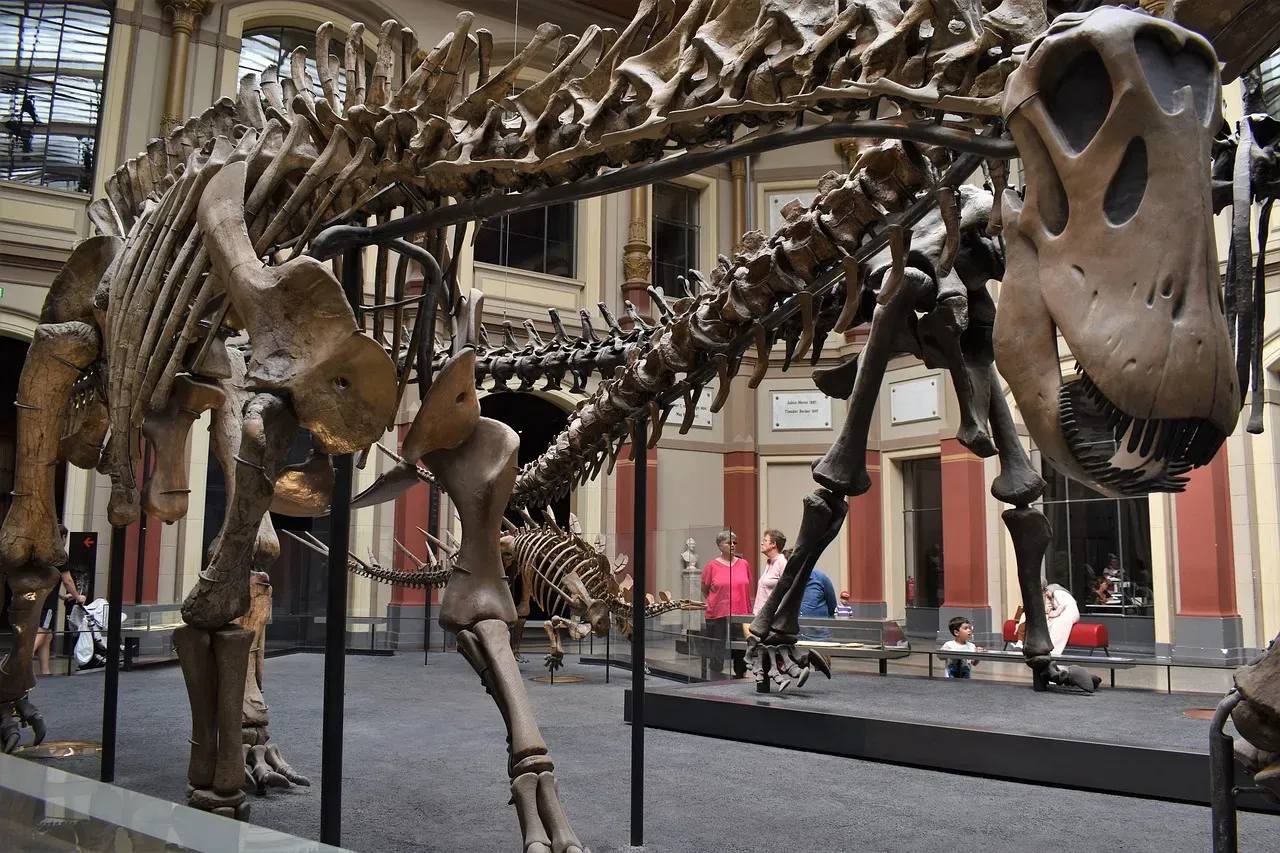
Every new fossil, every upgraded scanning technology, every fresh look at a specimen that’s been sitting in a museum drawer for decades has the potential to overturn something we thought we knew. Dinosaur behavior was not simple. It was not primitive. It was layered, adaptive, and shaped by forces – climate, metabolism, social structure, predation pressure – that researchers are only now beginning to map in full detail.
Scientists are continually getting insights and new lines of evidence about things like how and what dinosaurs ate, their underlying physiology, the environments in which they lived, how they moved, and how they changed as they grew. The deeper you look, the more these ancient creatures reveal themselves as genuinely astonishing animals – not monsters of pure instinct, but complex beings with social bonds, communication systems, and behavioral strategies that echo in the birds singing outside your window right now. The real question isn’t whether there’s more to discover. It’s whether we’re ready for what we’re about to find. What surprises you most about what we’re learning? Tell us in the comments.