When you think of dinosaurs, you might picture massive, lumbering creatures weighed down by impossibly heavy skeletons. That mental image turns out to be wrong in a fascinating way. Recent discoveries about dinosaur bone architecture have revealed something truly remarkable: these ancient reptiles weren’t just built big, they were built smart. Their bones contained engineering solutions that modern aerospace designers would envy.
Let’s be real, the idea that a creature weighing several tons could move with agility seems counterintuitive. Yet the fossil record keeps surprising us with evidence that dinosaurs had skeletal systems that were both incredibly strong and surprisingly lightweight. The secret lies in structures you can’t see from the outside, hidden within the bones themselves.
The Hollow Cylinder Principle in Prehistoric Giants
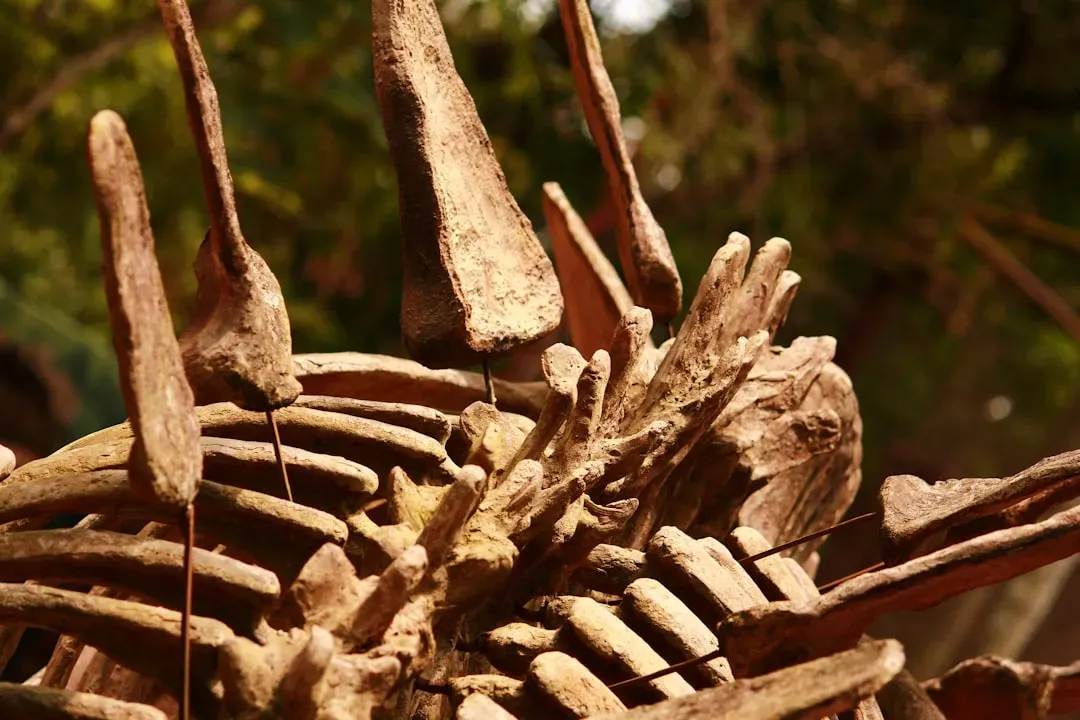
You’ll find that theropods possessed hollow bones and three toes and claws on each limb, creating a skeletal framework that defied conventional expectations for animals of their size. Like present day birds, dinosaurs had hollow bones with inner structures known as air sacs, which made their skeletons lighter and less dense. This wasn’t just a minor adaptation, honestly.
Think about it like this: if you’ve ever held a metal pipe versus a solid rod of the same diameter, you know the pipe is lighter but can still resist bending remarkably well. Hollow bones filled with little air sacs were so important to dinosaur survival, they evolved independently several times in different lineages, including pterosaurs and two dinosaur lineages theropods and sauropodomorphs. That’s convergent evolution screaming that this design was simply too good to pass up.
Trabecular Architecture That Defies Mammalian Logic
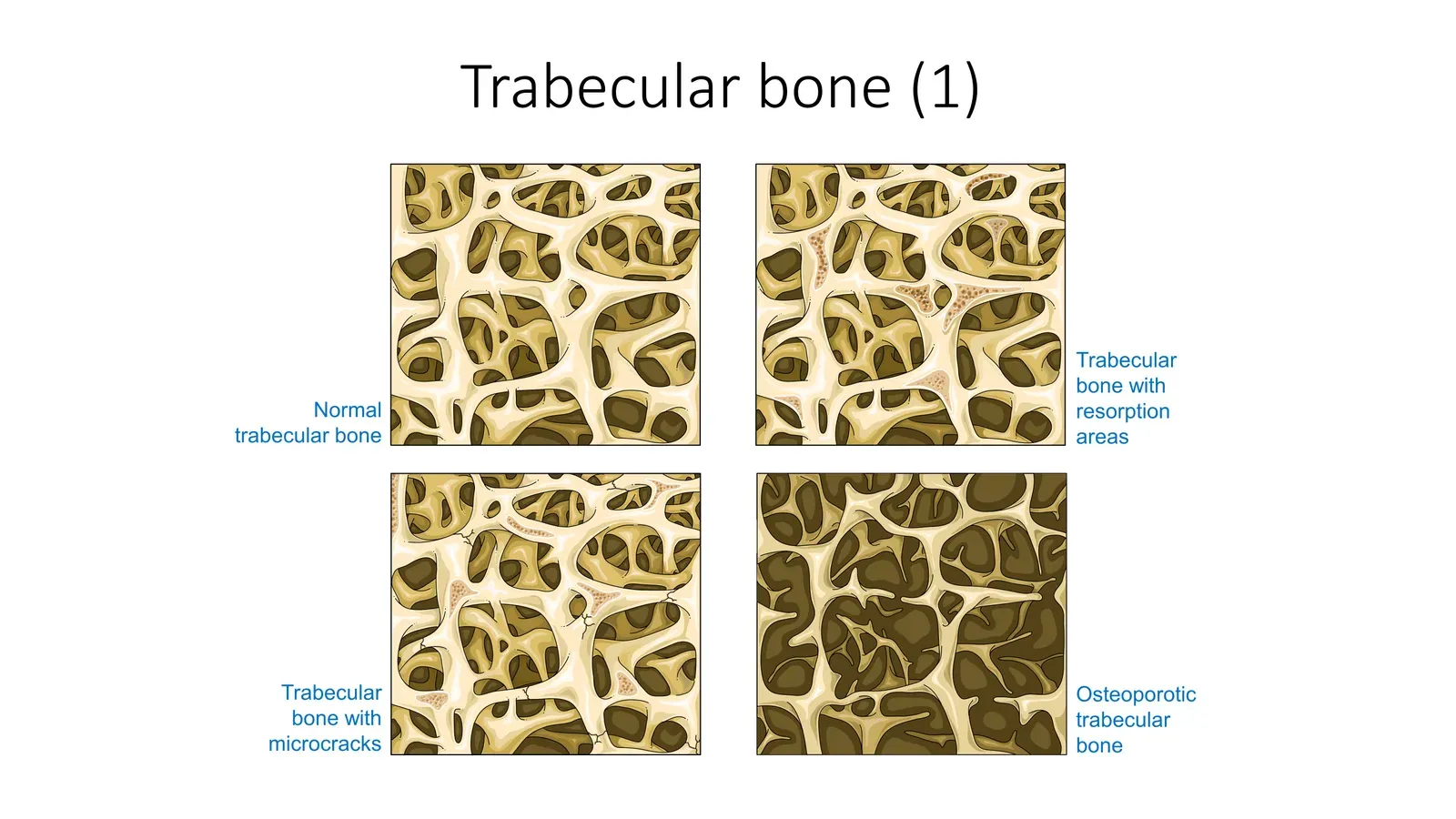
Unlike in mammals and birds, the trabecular bone does not increase in thickness as the body size of dinosaurs increase, instead it increases in density of the occurrence of spongy bone. This might sound like technical jargon, but it’s actually a revolutionary discovery about how dinosaurs solved the weight problem. Scientists examining the interior bone structure found something unexpected in the spongy tissue that forms inside bones.
Without this weight saving adaptation, the skeletal structure needed to support the hadrosaurs would be so heavy, the dinosaurs would have had great difficulty moving. Here’s the thing: mammals solve the problem of getting bigger by making their bone struts thicker. Changes in connectivity density were the primary mechanism for dinosaur bone adaptation, creating a denser network of thinner supports rather than fewer thick ones. That’s engineering genius right there.
Air Sac Systems Integrated Into the Skeleton
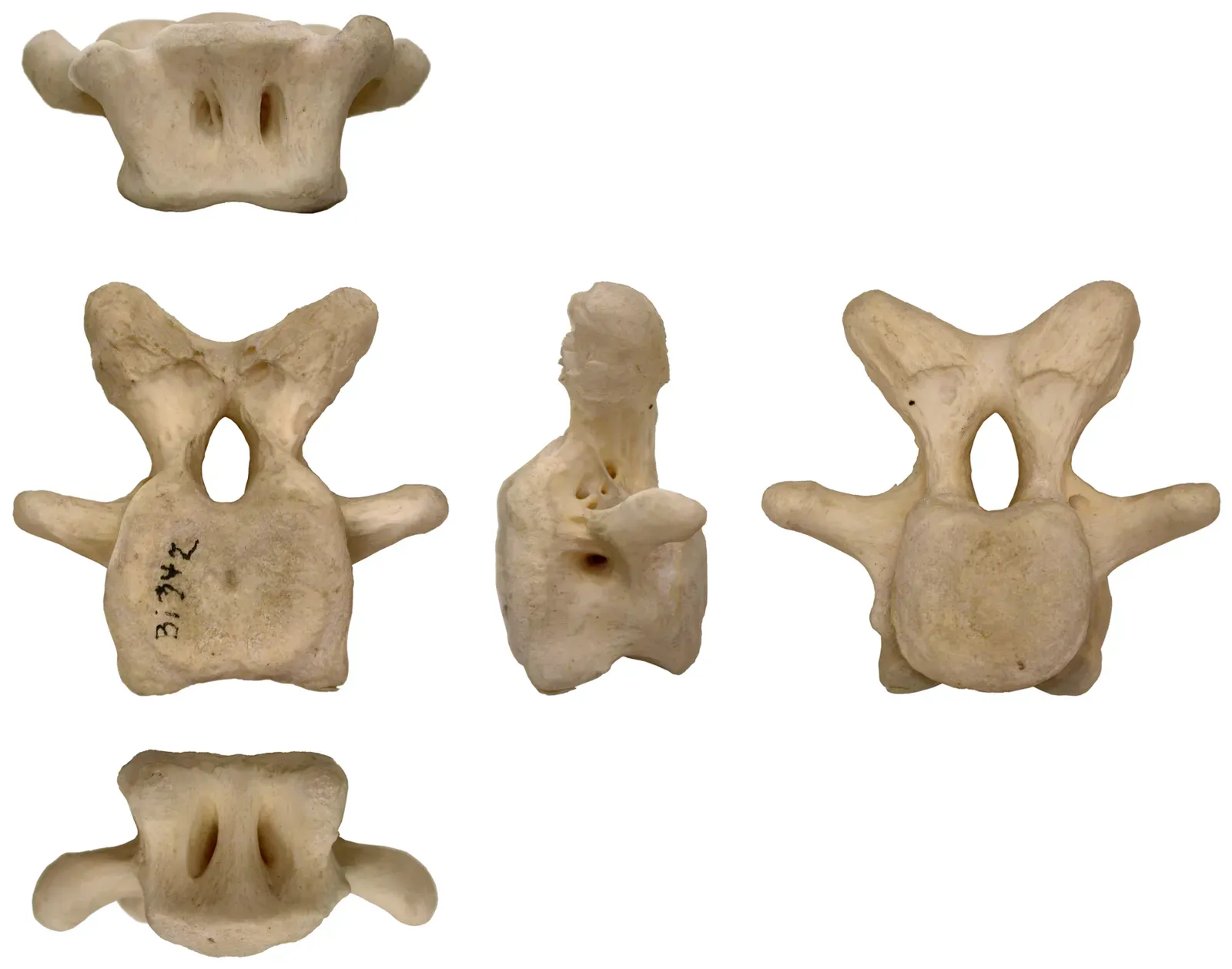
You might wonder how exactly air got into these bones. The air sacs would have buttressed and reinforced the internal structure of the dinosaurs’ bones while creating a greater surface area of attachments for large, powerful muscles. Picture respiratory organs that didn’t just stay in the chest cavity but actually extended outward into the skeleton itself through a network of tubes and pockets.
This would have enabled the bones to grow to a far larger size without weighing the animal down. The system worked something like modern birds, where air sacs connected to the lungs invade the bones during growth. In living birds aerated bones reduce overall mass and volume, while enhancing bone strength and stiffness. Dinosaurs were doing this millions of years before birds took to the sky, which suggests the original purpose wasn’t even about flight.
Cross-Sectional Geometry Reveals Loading Patterns
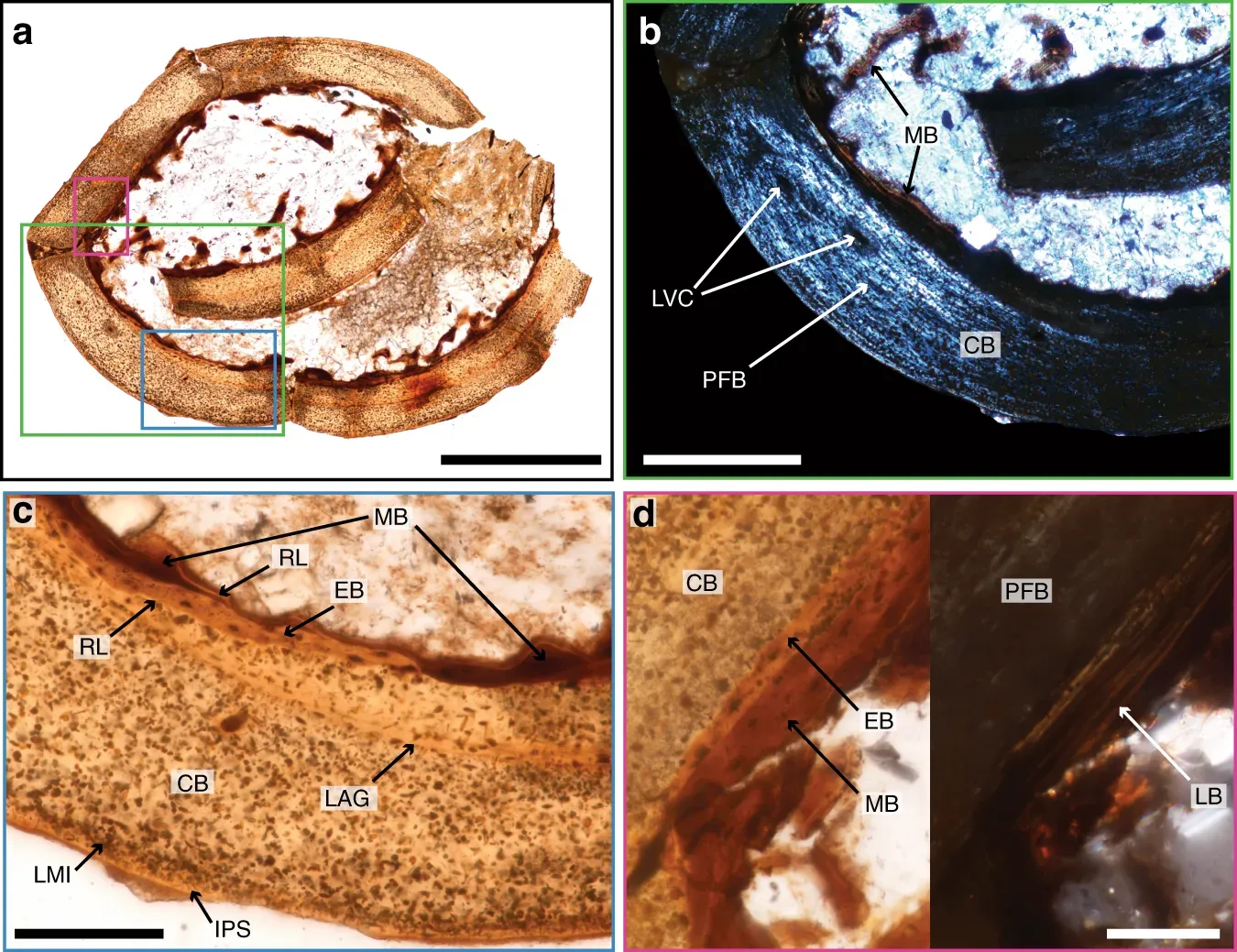
The shape of a bone’s cross-section tells you a lot about the forces it experienced during life. The thick walled, elliptical cross sections often observed in theropod femora suggest adaptation to both bending and torsional loads, consistent with an upright, parasagittal gait. When scientists slice through fossilized bones and examine them under microscopes, they can actually read the mechanical history written in the bone’s architecture.
The microstructure of dinosaur bones provides a direct record of the loads experienced during life, offering invaluable data on posture and movement patterns. It’s hard to say for sure without living subjects, but the evidence suggests these animals were constantly remodeling their skeletons in response to the stresses they encountered. Biomechanically adaptive bone modelling, changes in structure due to stress, in the hadrosaur Maiasaura, demonstrates how bone microstructure can change during growth in response to mechanical loads.
Bone Strength Indicators and Athletic Performance
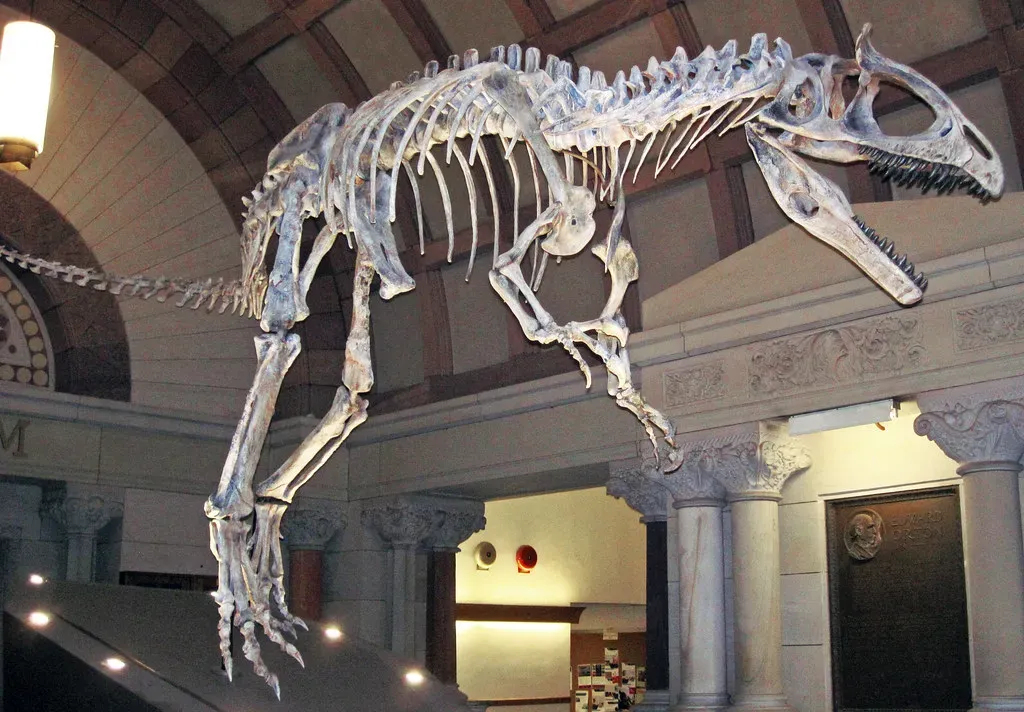
Scientists tried to assess the athleticism of dinosaurs by considering the strengths of their leg bones, using the dimensions of leg bones to estimate the strength indicator, a measure of the strength of the bone in bending in relation to the animal’s weight. The results were surprising and sometimes controversial among paleontologists.
Strength indicators were generally larger for the smaller species, and were used to estimate maximum speeds, though such estimates depend on many doubtful assumptions. Smaller dinosaurs had relatively stronger bones for their size, which should have enabled them to run at higher relative speeds. Small dinosaurs can be expected to have higher strength indicators than similar but larger dinosaurs, meaning a chicken-sized theropod was proportionally more athletic than its bus-sized cousin.
Pneumaticity and the Evolution of Gigantism
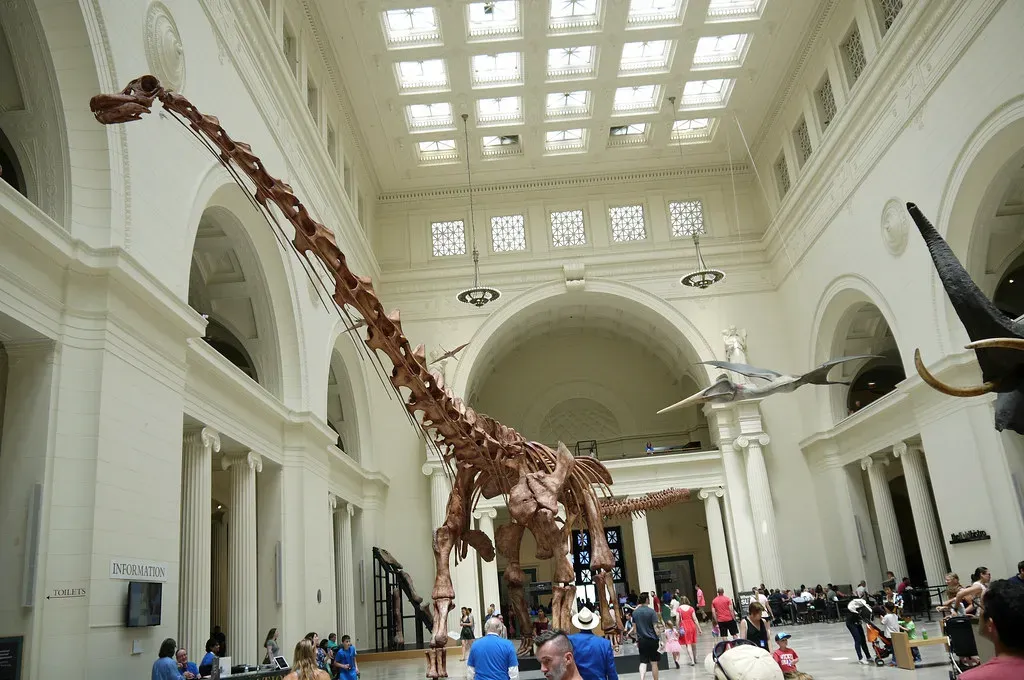
Here’s where it gets truly fascinating. Evidence of the absence of postcranial skeletal pneumaticity in the oldest dinosaurs contradicts the homology hypothesis for an invasive diverticula system and suggests that this trait evolved independently at least three times in pterosaurs, theropods, and sauropodomorphs. The earliest dinosaurs didn’t have this sophisticated air sac system at all, which means it evolved specifically to solve the problems that came with getting bigger.
The trabecular architecture in dinosaurs evolved to maintain bone stiffness and modulate strain levels to prevent failure across a wide range of body masses. Think about that for a moment: these animals were pushing the physical limits of what bipedal and quadrupedal locomotion could achieve. Increasing connectivity is a more efficient stiffening mechanism than increasing strut thickness for animals of this extraordinary size.
Limb Proportions and Cursorial Adaptations
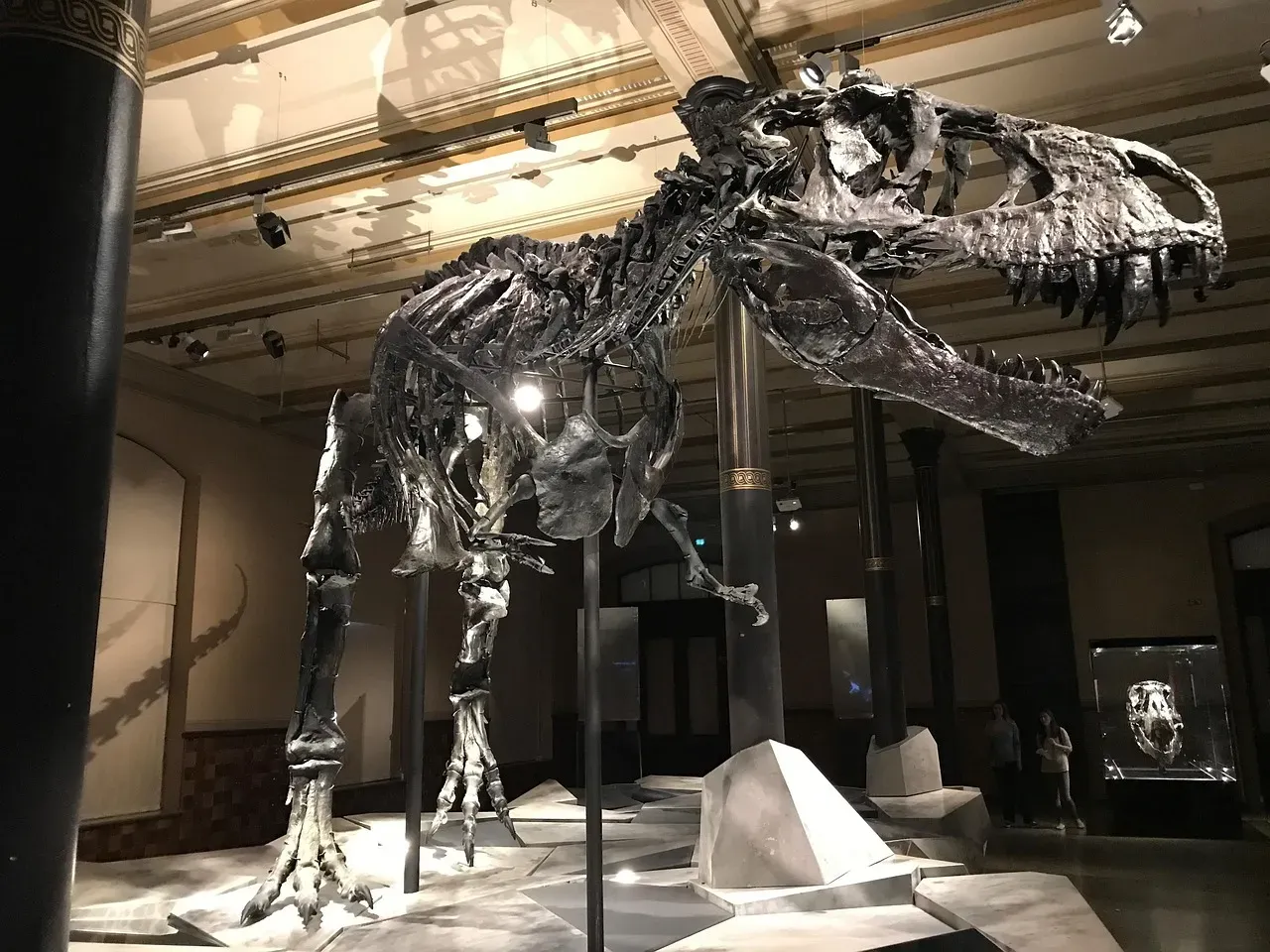
Running ability wasn’t just about having strong bones, it was also about having the right proportions. Cursorial limb proportion scores derived for each of the considered theropod taxa offer a measure of the extent to which a particular species deviates in favour of higher or lower running speeds. Some dinosaurs, like certain tyrannosauroids and troodontids, had hindlimb proportions that indicated they were built for speed.
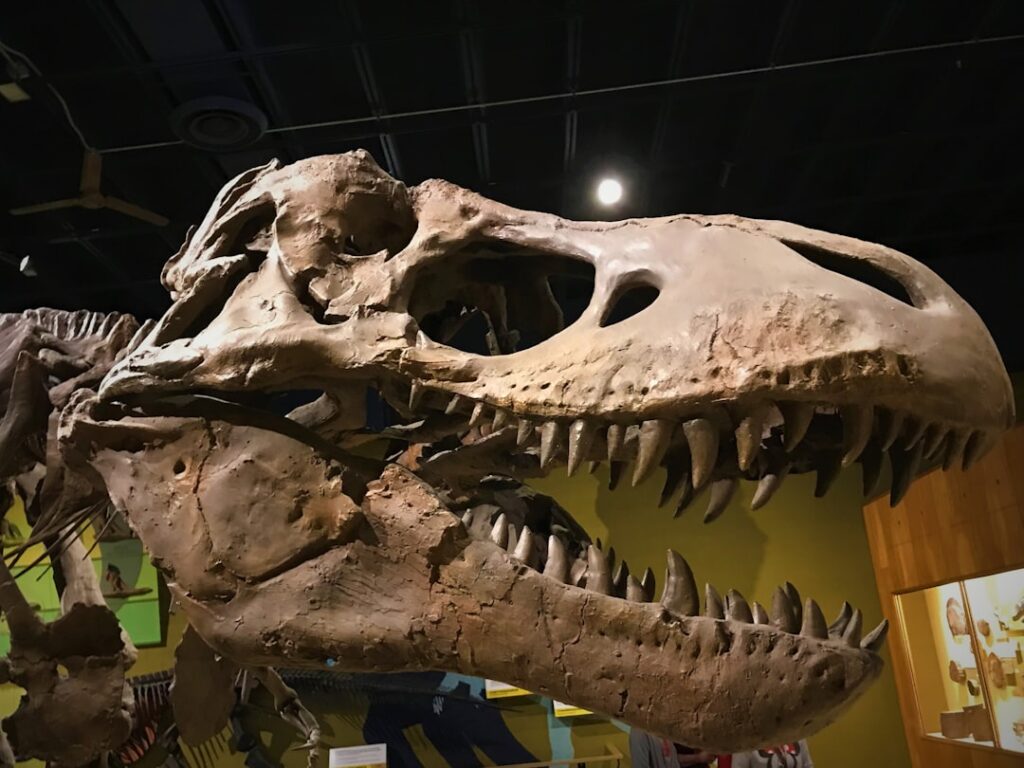
Ribs in the T. rex’s tail were positioned higher on the vertebrae than in modern reptiles, creating more space for the attachment and expansion of large caudofemoralis muscles, which were crucial for generating the power stroke needed for fast forward movement. Every detail mattered when you’re trying to move several tons of predator fast enough to catch prey. The tail alone was a biomechanical marvel, serving as both counterbalance and muscular anchor point.
Modern Implications of Ancient Engineering
These findings have potential implications for novel bioinspired designs of stiff and lightweight structures that could be used in aerospace, construction, or vehicular applications. Engineers today study these ancient bone structures because evolution solved problems that modern designers still struggle with: how do you make something both incredibly strong and incredibly light?
Postulated functions of skeletal pneumatisation include weight reduction in large bodied or flying taxa, and density reduction resulting in energetic savings during foraging and locomotion. The applications go beyond just copying the structure. Understanding how dinosaurs distributed forces through their skeletons, how they grew and remodeled bone tissue, and how they integrated respiratory and skeletal systems offers a masterclass in biological engineering that took millions of years to perfect.
The bone structure of dinosaurs represents an evolutionary achievement that allowed these animals to dominate terrestrial ecosystems for roughly 165 million years. Their skeletons weren’t just adequate for the job, they were optimized in ways that challenge our assumptions about what’s possible in animal design. From the microscopic trabecular networks to the air-filled chambers permeating their vertebrae, every level of organization contributed to making these animals simultaneously massive and mobile. When you look at a dinosaur skeleton in a museum, you’re not just seeing old bones. You’re seeing the physical evidence of natural selection’s ability to innovate solutions that still impress us today. What do you think about the engineering capabilities hidden in these ancient bones?