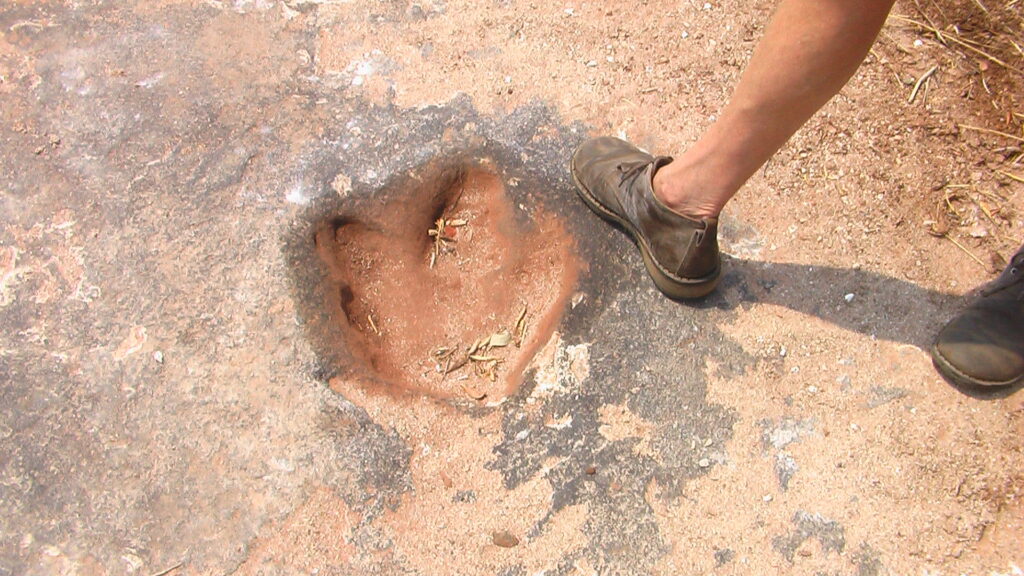
You’ve probably seen pictures of massive dinosaur skeletons in museums, towering over visitors with their reconstructed bones. Impressive, right? Yet there’s something even more extraordinary waiting to be discovered in scattered locations across our planet. Imagine standing exactly where a creature walked millions of years ago, your feet inches from the very impressions it left behind. These preserved tracks offer you a direct connection to a world that vanished long before humans existed.
Think about how rarely footprints survive in our modern world. After rain, muddy tracks vanish within hours. So how did these ancient impressions last for tens of millions of years? The answer lies in a perfect storm of geological circumstances that transformed fleeting moments into permanent records. These fossil footprints reveal behaviors that bones alone never could, showing you whether dinosaurs moved in herds, how fast they ran, and even if they were injured. Let’s dive in to discover the remarkable story behind these time capsules frozen in stone.
The Perfect Recipe for Preservation
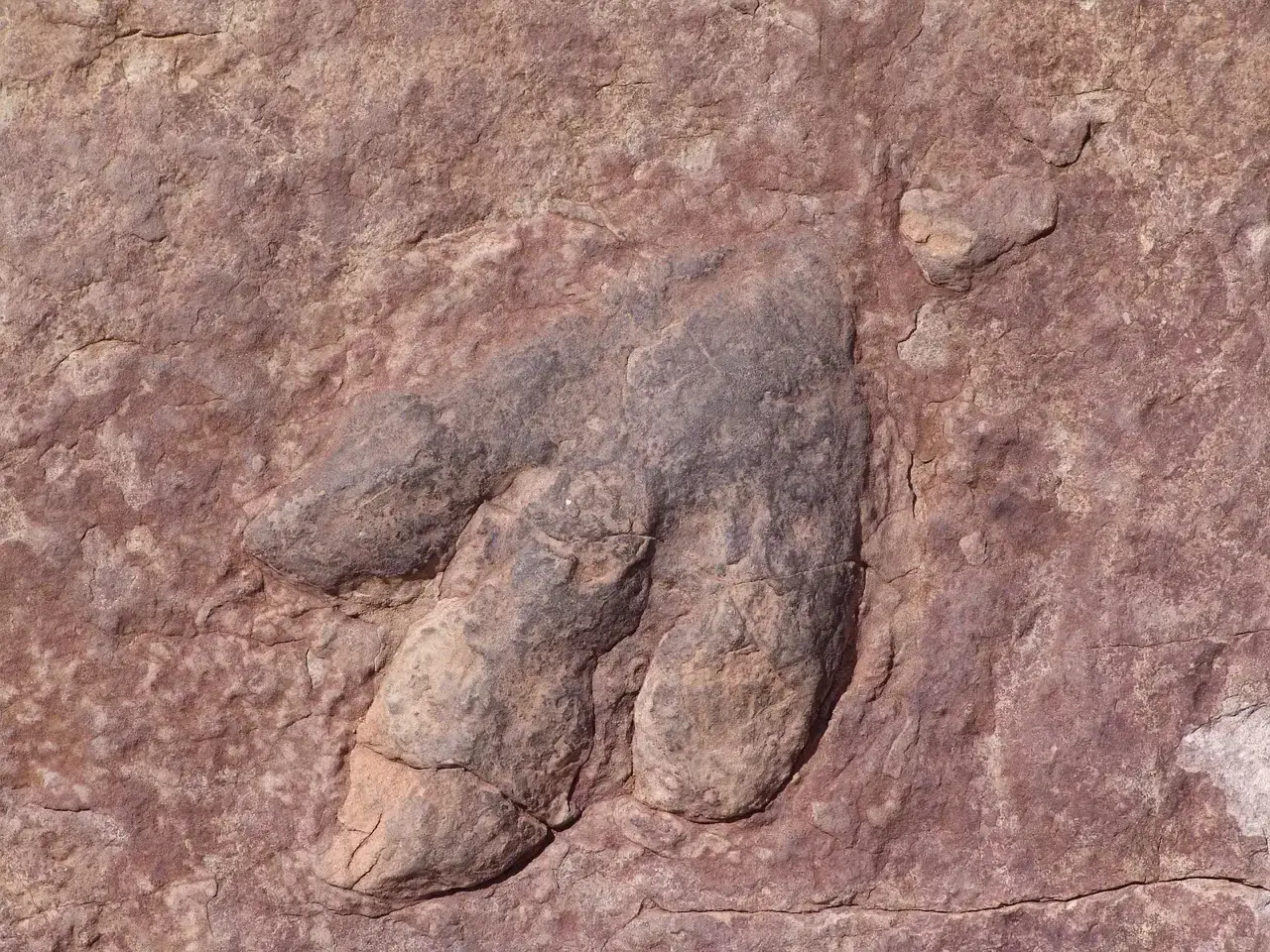
Creating a fossil footprint requires conditions far more specific than you might imagine – dinosaurs formed these impressions by walking on soft ground like mud, but rather than being washed away, evidence of some of these reptiles’ movements has survived for millions of years. The ground consistency matters enormously. If the ground is too hard, the resulting print would be very shallow or not form at all, while ground that’s too soft causes tracks to collapse in on themselves.
Unlike bones, which needed to be covered quickly once a dinosaur died, tracks first needed to be baked hard by the Sun, taking anywhere from days to months depending on the conditions, and only then would a layer of mud, ash or similar help to preserve the tracks. This delicate balance of timing and environmental factors explains why you find trackways relatively rare compared to the billions of steps dinosaurs must have taken. Tracks can be obliterated by being eroded by water, blown apart by wind, stepped on by animals, or damaged by other forces.
Where Ancient Shorelines Tell Stories
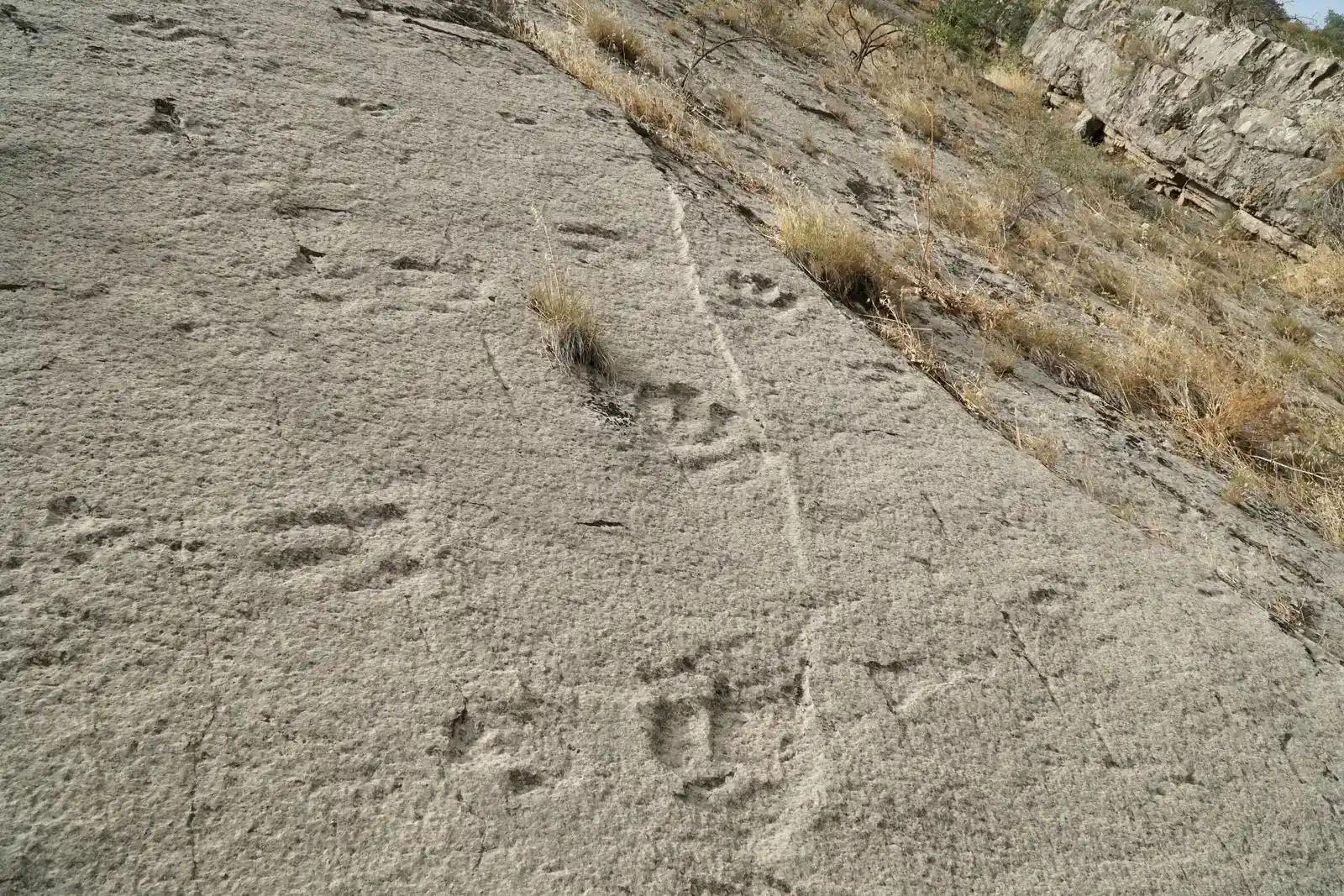
The soft ground of ancient shorelines or mudflats are common locations to find fossilised dinosaur tracks, such as those found at the Red Gulch dinosaur tracksite in Wyoming, USA, which were made during the Jurassic Period when this area was the shoreline of the Sundance Sea. These coastal environments provided ideal conditions because the sediment possessed just the right texture. About 120 million years ago, soft, muddy lime sediment was deposited in bays and lagoons on the west shore of a shallow sea, and groups of dinosaurs walked here across the soft mud while it was still wet.
Lake margins and river floodplains served similar functions. It is common to find tracks in sediments that were deposited along the shores, or in the shallow waters of lakes, including tracks of a web-footed bird found in the Green River Formation of Utah, USA. Dinosaur footprints are found only in sedimentary rocks, which are formed through the deposition and solidification of sediments, with the tracks in the Connecticut River Valley preserved in sandstone, initially fine sand-sized sediment.
When Geology Reshapes the Landscape
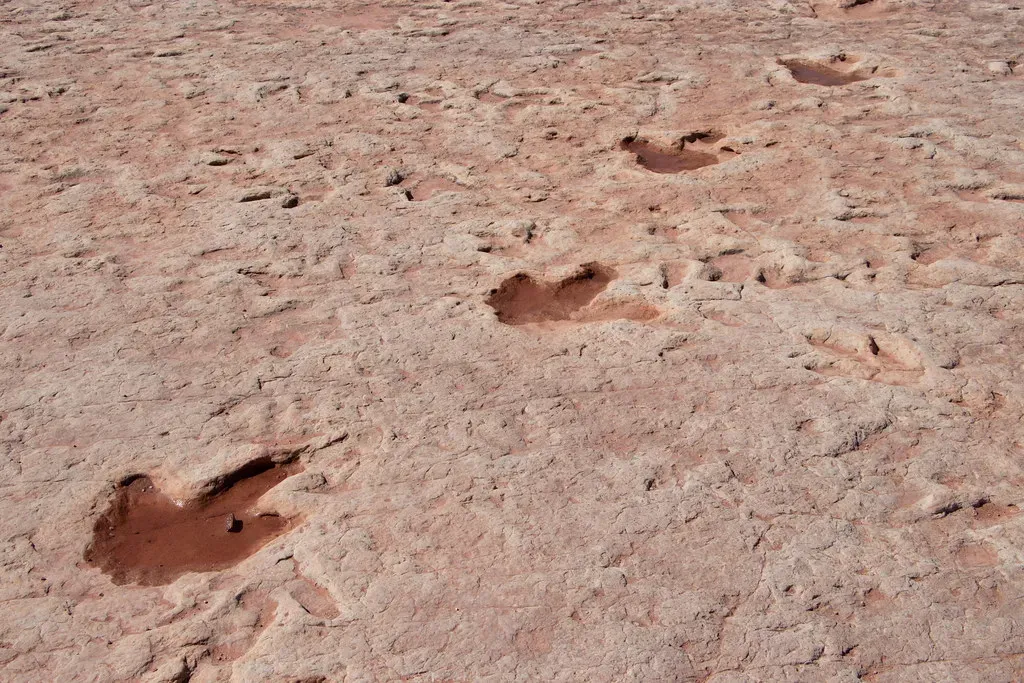
You might wonder why some fossil tracks appear on nearly vertical cliff faces, defying all logic about how dinosaurs could walk. The truth reveals geology’s dramatic transformations over deep time. In some places, fossilised tracks make it look as though dinosaurs would have been walking up impossibly steep inclines, such as the near vertical Cal Orcko tracksite in Bolivia, but the geology of the ground has changed dramatically over millions of years – the dinosaurs would have been walking over much flatter ground as the Cal Orcko site was a riverbed around 200 million years ago.
Over millions of years, layers of sediment hardened into sedimentary rock, and then another long time span of erosion, weathering and geological forces gradually revealed the buried tracks, with these same forces drastically changing the position of the land, moving it from flat to vertical. Honestly, it’s hard to grasp the scale of forces required to tilt an entire landscape ninety degrees. Tectonic plate collisions, mountain building events, and continental drift have all played roles in reshaping where these tracks ended up.
Reading Behavior From Three-Toed Impressions
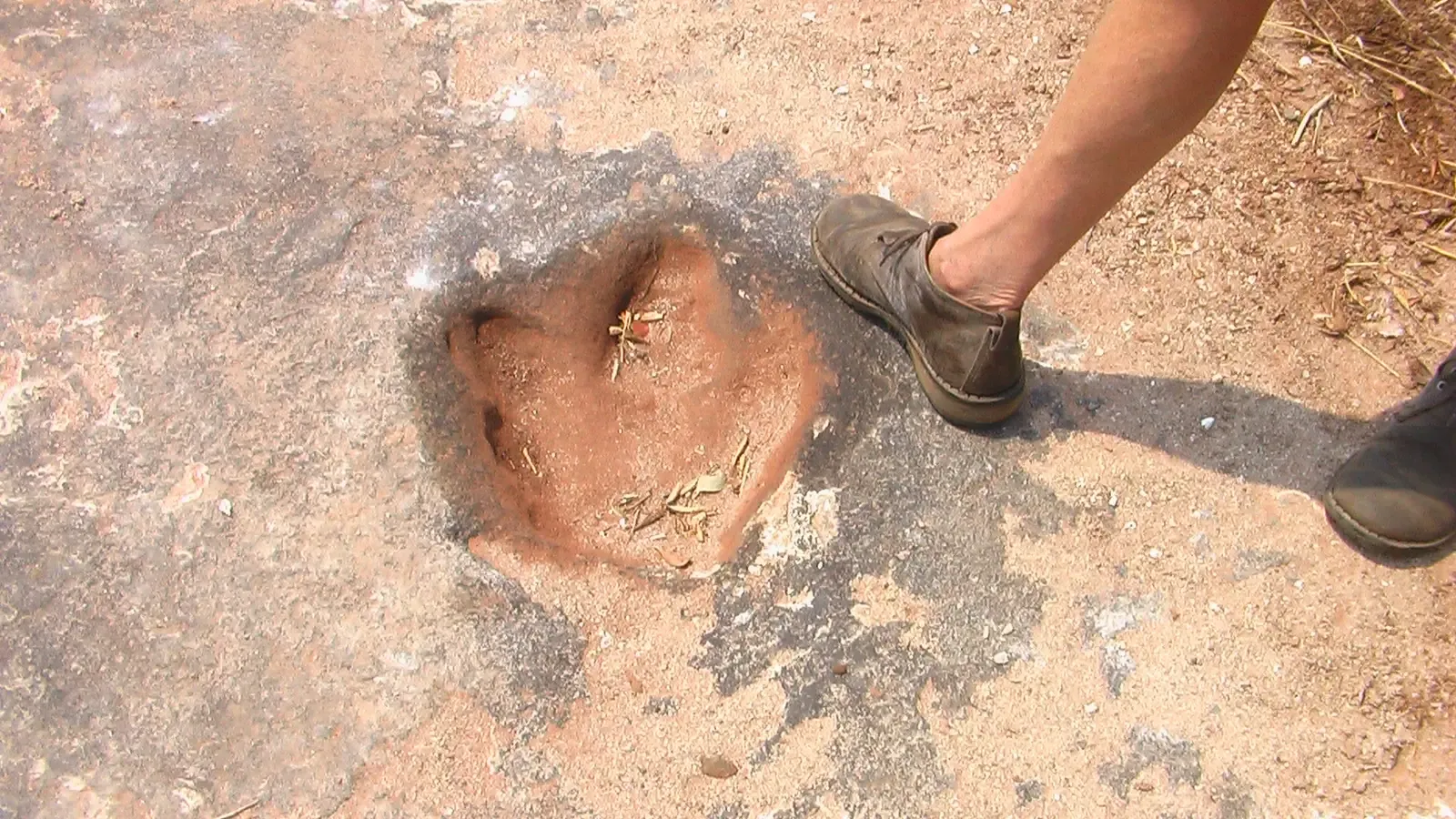
Experts can determine whether a trackway was made by a bipedal or quadrupedal dinosaur – one that moved on two or four legs – with bipedal footprints made by either theropods or ornithopods. The shape tells you even more. Theropods, such as Tyrannosaurus, Baryonyx or Velociraptor, had narrower and longer footprints than ornithopods, with theropod footprints typically having long, slender toes and a V-shaped outline, while ornithopod tracks lack distinctive claw marks and generally have a more rounded appearance with wider digits.
Trackways preserve what skeletons cannot. Most of the trackways discovered so far don’t include the snakelike impressions that would come from a dragging tail, which means the dinosaurs making the tracks walked with their tails held up off the ground. Recent discoveries have pushed interpretation further. Paleontologists analyzed an exceptionally long sauropod trackway at the West Gold Hill Dinosaur Tracksite in Colorado, with their results showing that the giant dinosaur which made it may have been limping. That level of detail brings you face to face with individual animals, not just species.
Bolivia’s Spectacular Dinosaur Highway
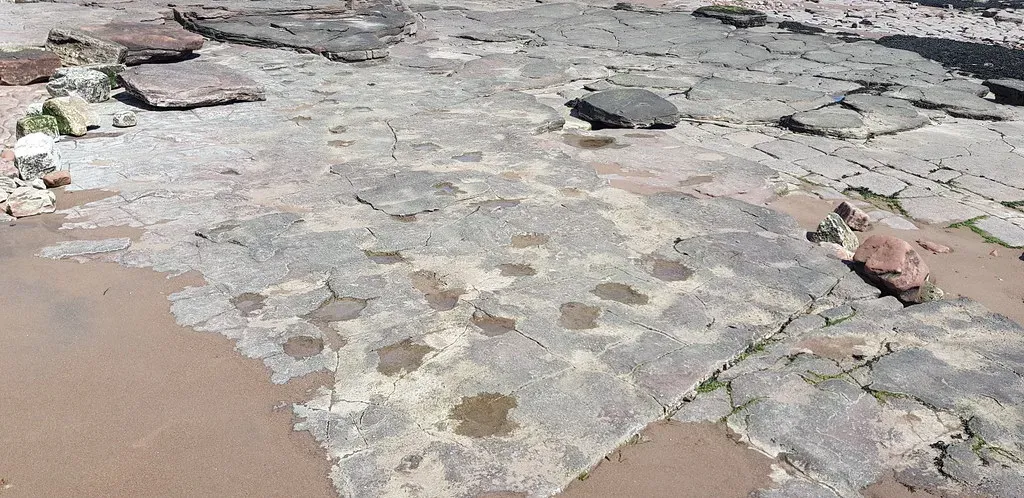
Nearly 18,000 tracks – including 16,600 footprints as well as 1,378 swim tracks and several tail traces – have been located along the Carreras Pampa track site in Torotoro National Park in central Bolivia, making it home to the most preserved dinosaur footprints and highest number of dinosaur swim trackways in the world. This concentration staggers the imagination. Scientists recently counted 16,600 theropod tracks at the Carreras Pampas tracksite where the theropods stamped their feet into the soft, deep mud between 101 million and 66 million years ago, toward the end of the Cretaceous period.
The plethora of tracks shows how the dinosaurs were walking, running and swimming, and the swim tracks were likely imprinted when the theropods scratched the bottom of the water with their middle toe, resulting in grooves that appear straight or curved. The Carreras Pampas tracks are significant because of the different theropod sizes represented, which could reflect multiple species, multiple age classes, or a combination of both.
The Jurassic Highway of Europe
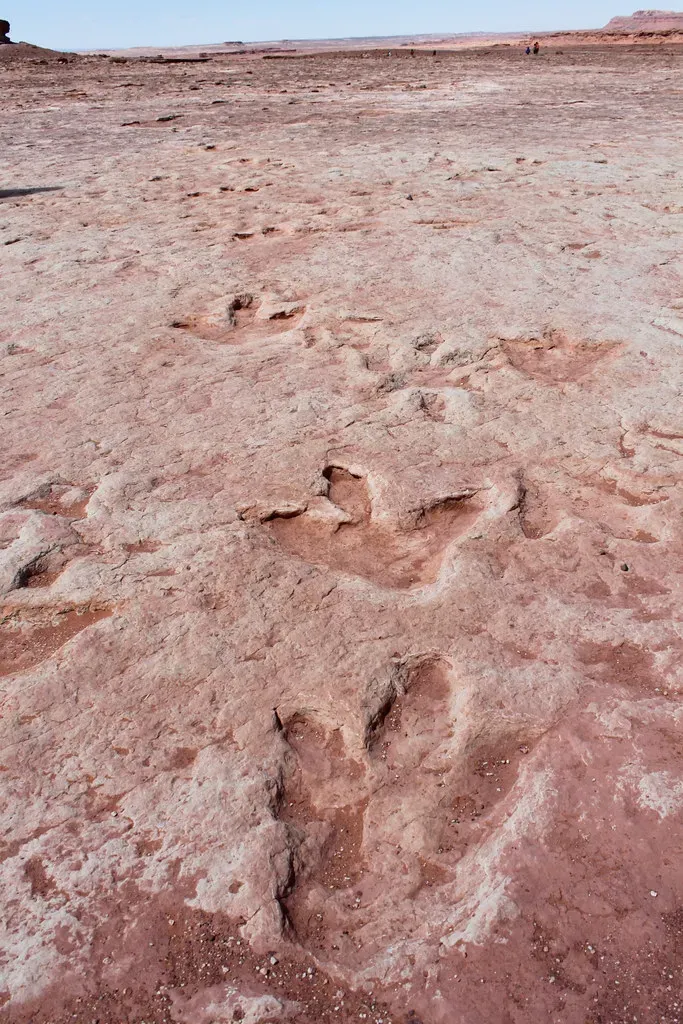
In Switzerland’s Jura Mountains, ancient limestone holds thousands of dinosaur footprints, with a gravel route tracing their path across ridges, valleys, and 150 million years of history. This wasn’t just a random collection of prints. Lommiswil proved to be a groundbreaking discovery for the region, as subsequent finds revealed a connection between the tracks as part of a larger megatracksite called the “dinosaur freeway.”
Similar discoveries continue emerging. A quarry in South East England has yielded a fascinating paleontological discovery: long tracks with a total of 200 footprints left by enormous dinosaurs that roamed the earth during the Middle Jurassic Period, some 166 million years ago. An international team of researchers led by SMU paleontologist Louis L. Jacobs has found matching sets of Early Cretaceous dinosaur footprints on what are now two different continents, with more than 260 footprints discovered in Brazil and in Cameroon. These matching tracks provide evidence of how continents were once connected, revealing ancient migration routes.
Recent Groundbreaking Discoveries
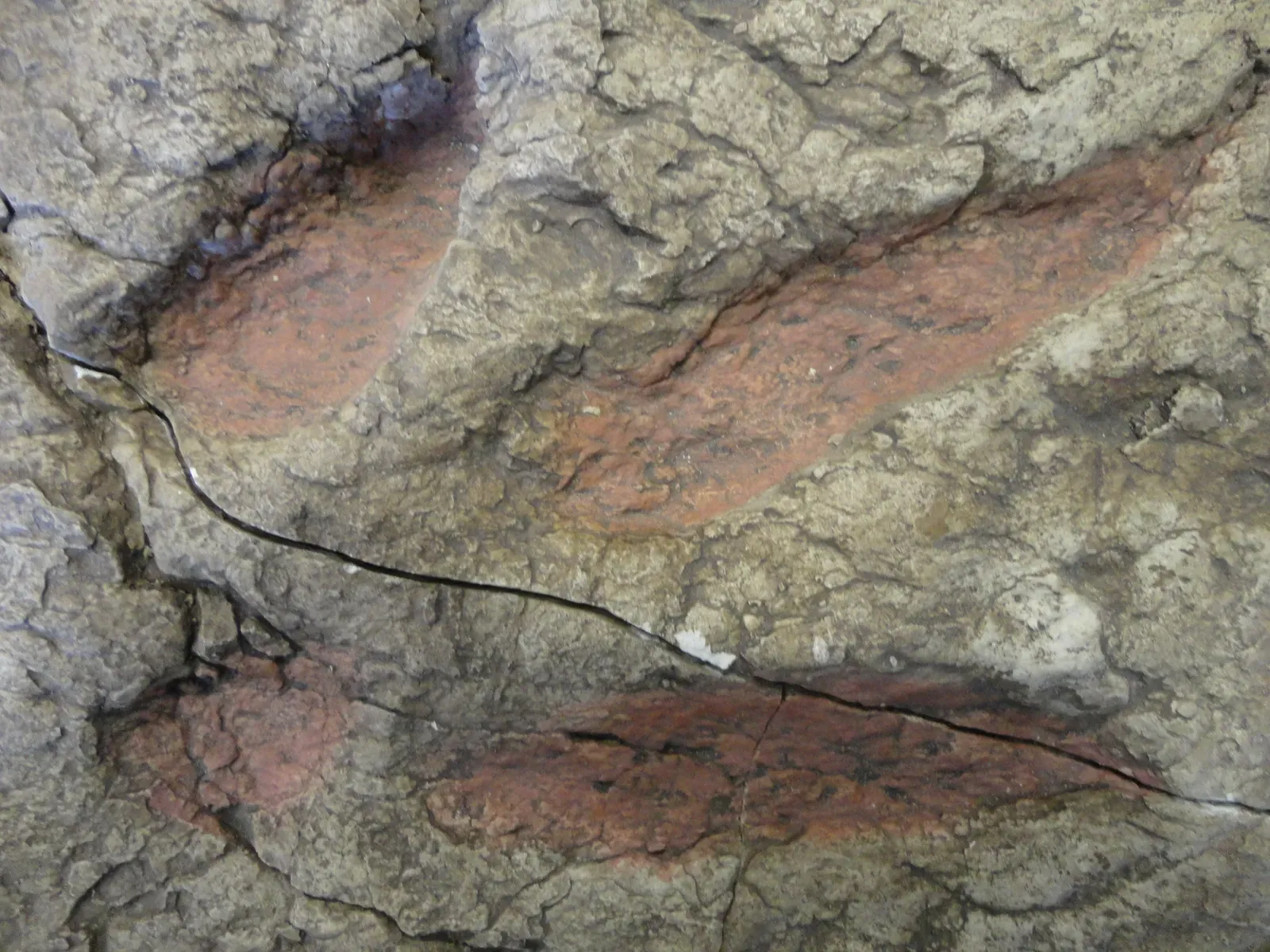
The pace of discovery has accelerated remarkably in recent years. From an investigation that began in the 1960s, it wasn’t until December 2025 that paleontologists from Loma Linda University in California discovered 16,600 footprints left by theropods, the dinosaur group that includes the Tyrannosaurus rex, setting the highest number of theropod footprints ever discovered in the world, with footprint sizes indicating giant creatures roughly 10 meters tall, while also finding tiny theropod footprints the size of a chicken.
Paleontologists from the University of Queensland and the China University of Geosciences employed digital methodologies to re-analyze a 70-m-long theropod dinosaur trackway in China, with the 120-million-year-old dinosaur trackway located southwest of Hanxi Village in Sichuan province. The trackway itself represents the longest theropod trackway in East Asia, comprising 81 successive footprints and spanning nearly 70 m. Technology now allows researchers to study these sites without physically being there, preserving them while extracting unprecedented behavioral details.
What Footprints Reveal That Bones Cannot
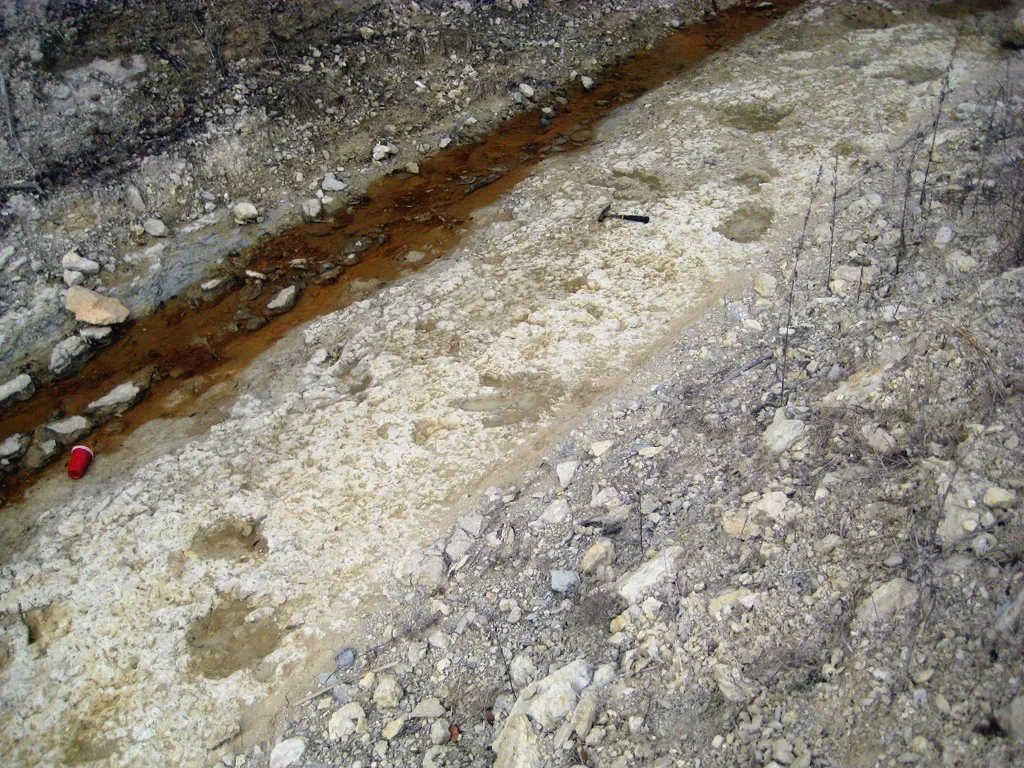
Here’s the thing that makes trackways truly special compared to skeletal remains. Trackways reveal how living animals moved, with a skeleton showing what an animal could do while trackways show what it actually did, moment to moment, recording speed, direction, turning behaviour, slipping, posture, and sometimes group movement. Unlike body fossils, trackways preserve a dinosaur’s connection to a specific location when it was alive, as bones can be transported after an animal’s death.
Each footprint contains evidence of an animal’s foot shape, how it moved, how fast it moved, and the condition of the surface at the time of movement. Scientists can even calculate speed from measurements. The speed of a small dinosaur can be estimated by comparing its hip-height to its stride length, and if the stride length is more than three times the hip-height the animal was probably running. You’re witnessing fleeting moments frozen in time, behavioral snapshots that reveal personalities and circumstances from an incomprehensibly distant past.
These ancient footprints scattered across our modern continents represent far more than geological curiosities. They’re direct evidence of lives lived in vanished worlds, preserved through extraordinary combinations of chance and chemistry. Every trackway tells a story – of injury or health, panic or leisure, solitude or community. The next time you make footprints in wet sand or mud, consider what conditions might need to align for those impressions to last not just hours, but millions of years.
What do you think it would feel like to stand beside a trackway, knowing you’re occupying the exact space a massive creature crossed so long ago?