Have you ever wondered how scientists manage to tell the age of creatures that died millions of years ago? It’s not like we can just count birthday candles on a fossilized cake. The truth is, these ancient reptiles left behind something far more reliable than any birthday record.
Hidden within the fossilized bones of dinosaurs are microscopic rings that work like nature’s own timekeepers. Think of them as prehistoric growth charts, quietly preserving secrets about how long these magnificent beasts lived and how fast they grew. Recent discoveries have even challenged what we thought we knew, revealing that some of the most famous dinosaurs lived far longer than anyone imagined.
Reading the Ancient Records Inside Fossilized Bones
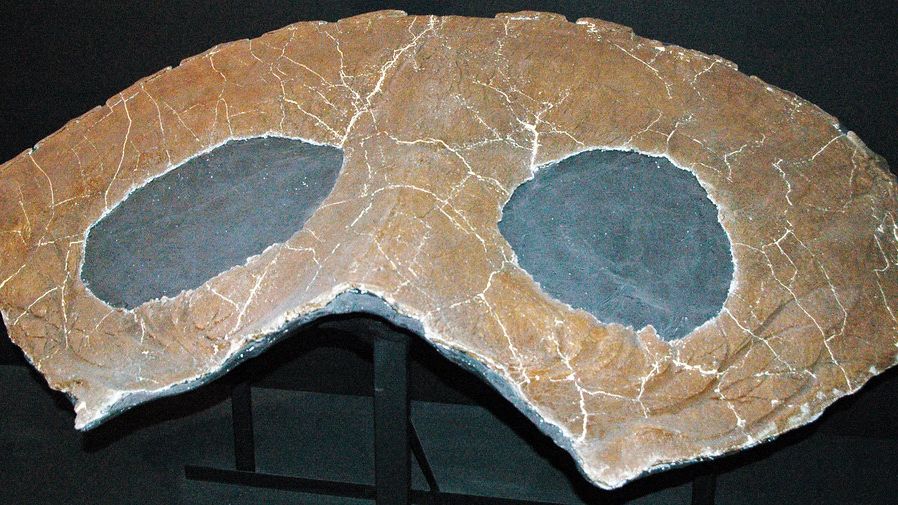
When you slice through a dinosaur bone and examine it under a microscope, something remarkable appears. Scientists can age dinosaurs by cutting thin sections through bones and examining growth lines laid down each year, much like tree rings. These rings form as the dinosaur adds new bone tissue year after year throughout its life.
Here’s the thing though: it’s not as straightforward as counting rings on a tree stump. As bones expand, the earliest growth record gets destroyed, leaving only a record of the animal’s later years. The center of a dinosaur bone remains active throughout the creature’s life, constantly remodeling itself and erasing those earliest marks of youth. Still, paleontologists have gotten pretty clever about working around this problem.
How Growth Lines Actually Form in Dinosaur Bones
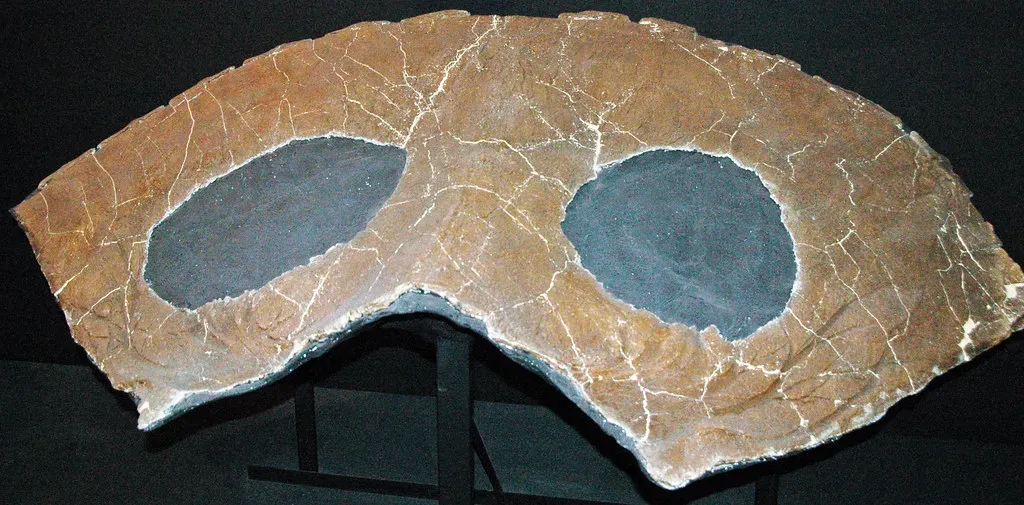
When modern animals deposit growth rings, one ring is typically deposited annually, caused by the slowing or absence of growth during the harshest seasons of the year, and each ring is interpreted as a representation of a year of growth. Dinosaurs appear to have followed similar patterns.
The rings come in different types. Annuli are composed of thin layers of avascular bone with parallel-aligned bone fibers, compressed between broad vascularized regions called zones. There are also thinner structures called lines of arrested growth, or LAGs for short. Both tell stories about pauses in development, metabolic shifts, and seasonal changes the dinosaur experienced. It’s honestly fascinating how much information gets locked into bone tissue.
Recent studies on living crocodiles have thrown an interesting wrench into the works. A two-year-old crocodile was found to have up to five growth marks in its bones, showing extra growth marks formed during its short life. This means we might need to rethink some of our age estimates for dinosaurs.
Recent Discoveries About Tyrannosaurus Rex Growth
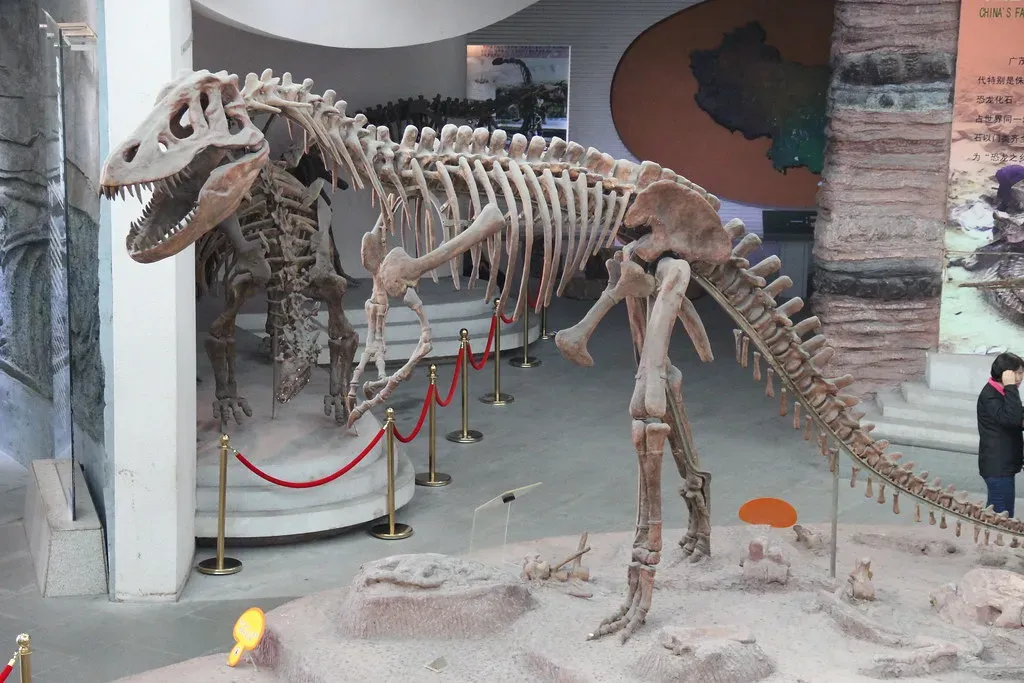
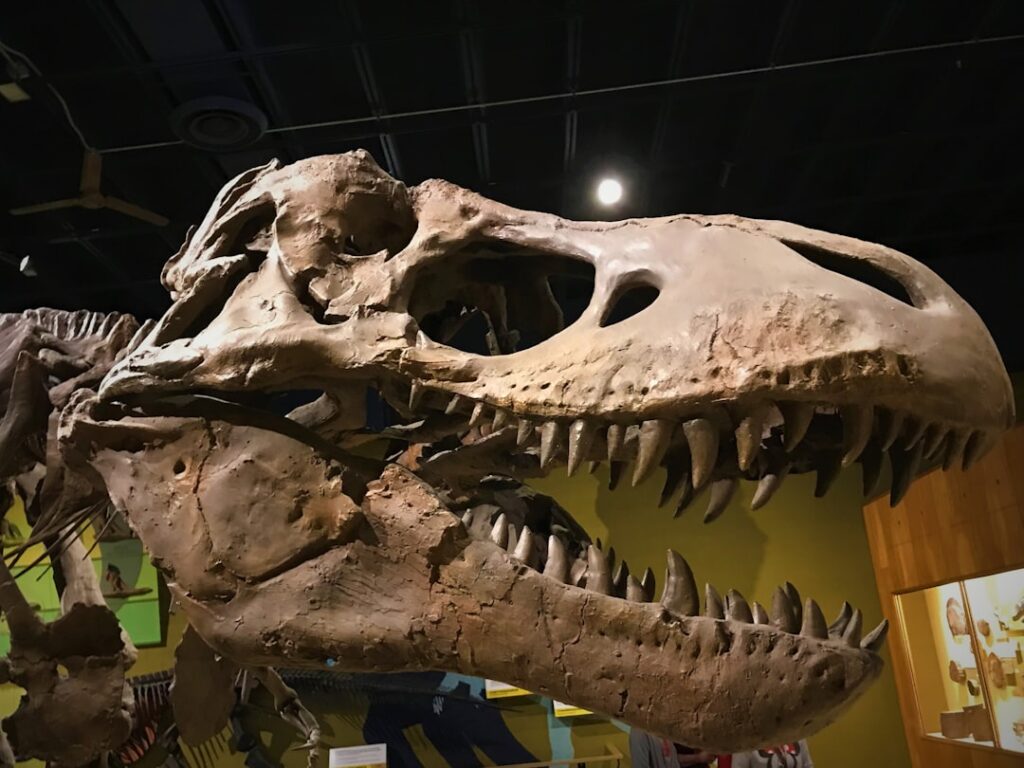
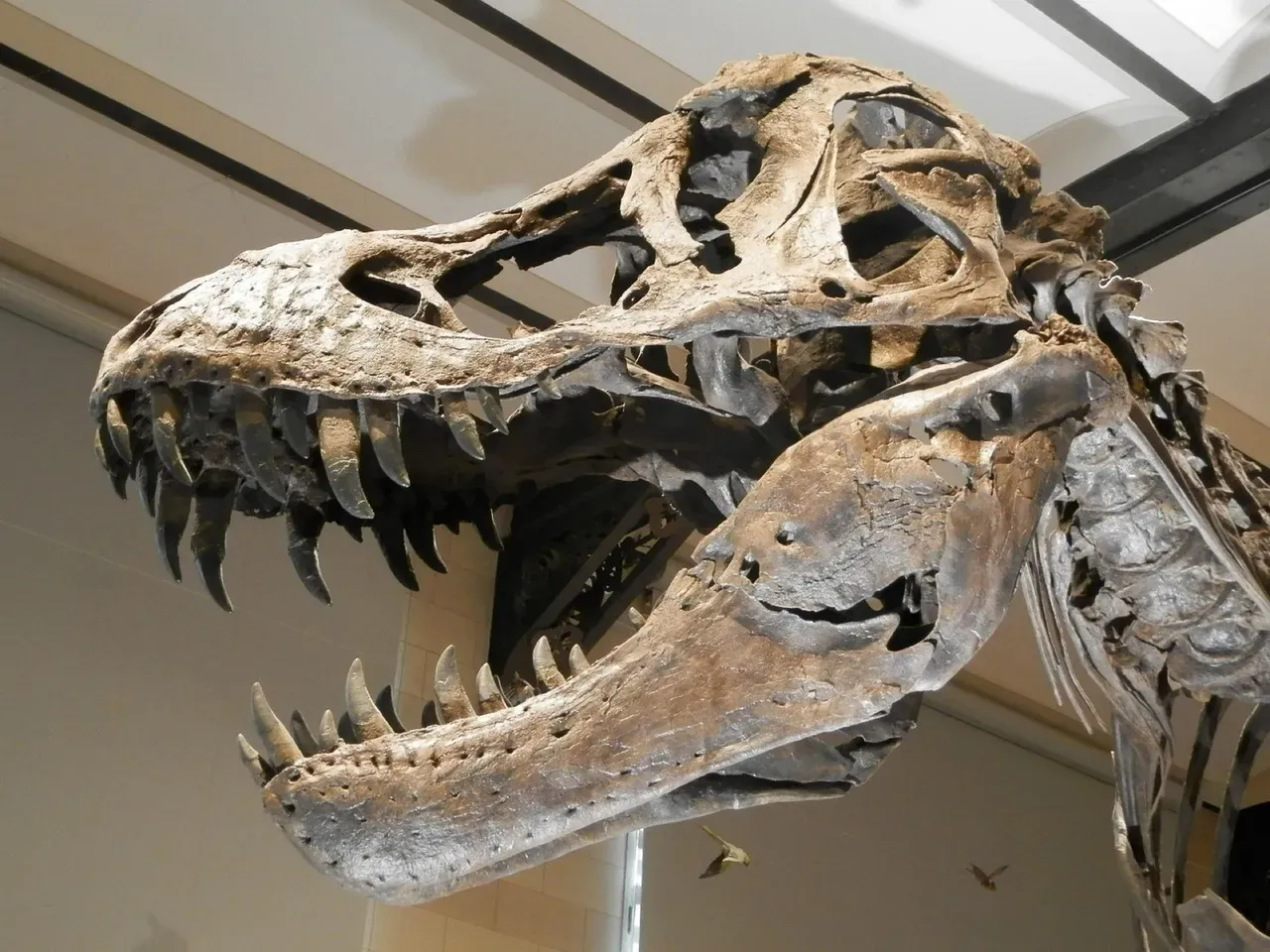
Let’s talk about the king of dinosaurs. For years, scientists believed T. rex reached its full monstrous size relatively quickly, maybe by around age 25. Turns out, that estimate was way off.
New research analyzing bones from 17 specimens indicates these hulking predators actually stopped growing sometime between 35 and 40 years old and typically reached at least 8.8 tons. That’s a pretty significant difference. The discovery came about through using polarized light to reveal previously unseen growth rings from individual specimens.
Instead of growing quickly, T. rex spent most of its life in the mid-body size range rather than achieving a total body length of 40 feet quickly. So these fearsome predators were more like slow bloomers than rapid developers. Makes you wonder what a teenage T. rex looked like, doesn’t it?
The Challenge of Missing Rings and Early Growth
Remember how I mentioned that early growth records get destroyed? This creates real headaches for paleontologists trying to piece together complete life histories. Activity at the center of the bone often erodes the record of growth during the youngest stages of an individual’s life, making it difficult to find a complete record just by counting rings.
Scientists have developed workarounds. By accessing specimens of different ages, each capturing some fragment of the species’ lifespan, researchers can mathematically nest smaller, younger bones within bigger, older ones, yielding a more complete reconstruction of growth. It’s like solving a jigsaw puzzle where you need pieces from multiple boxes to see the full picture.
There’s also something called retrocalculation. Resorption of internal and external bone continues even as new bone is deposited, so growth lines deposited early in development may need to be inferred from the width of remodelled bone and the width between preserved LAGs. Clever, right?
What Growth Patterns Reveal About Different Dinosaur Species
Not all dinosaurs grew the same way. T. rex and its close relatives had a rapid growth phase in adolescence, while their more distant cousins in the allosauroid group grew steadily each year. This tells us something important about evolutionary strategies and metabolism.
The plant-eating Massospondylus took about 15 years to reach a length of two to three meters, the small ceratopsian Psittacosaurus was mature at 13 to 15 years, and Maiasaura reached adulthood at between seven and eight years. The giant sauropods, those long-necked behemoths, kept growing substantially even after reaching maturity.
The spacing between rings varies too. Growth ring spacing varied within individuals, with some years showing substantial growth and others very little, suggesting growth was flexible and likely influenced by resource availability and environmental conditions. Kind of like how you might have grown more during certain years of your childhood.
Modern Technology Reveals Hidden Rings
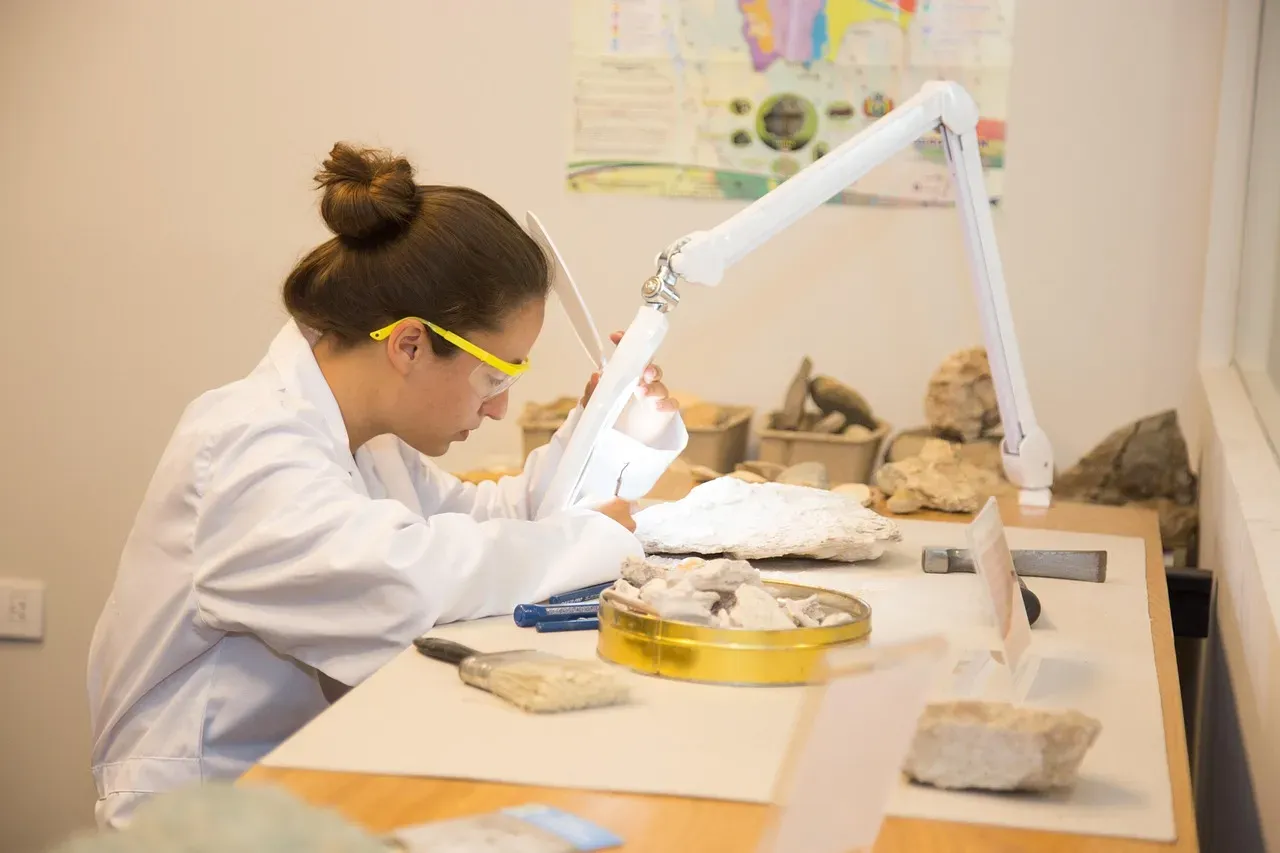
Science keeps getting better at extracting information from ancient bones. In 2026, histology of Tyrannosaurus rex specimens revealed growth marks that only became visible when viewed under cross-polarized light. These hidden rings had been there all along, just waiting for the right technology to make them visible.
The discovery that circularly polarized and cross-polarized light reveal a new kind of dinosaur growth ring could be important in reevaluating the growth of other dinosaurs beyond T. rex. This breakthrough means we might need to revisit age estimates for numerous species. It’s hard to say for sure, but this could reshape our entire understanding of dinosaur development.
The implications extend beyond just counting years. These techniques help scientists understand metabolic rates, seasonal behaviors, and even whether certain fossils represent different species or just individuals of different ages.
The Ongoing Debate About Ring Reliability
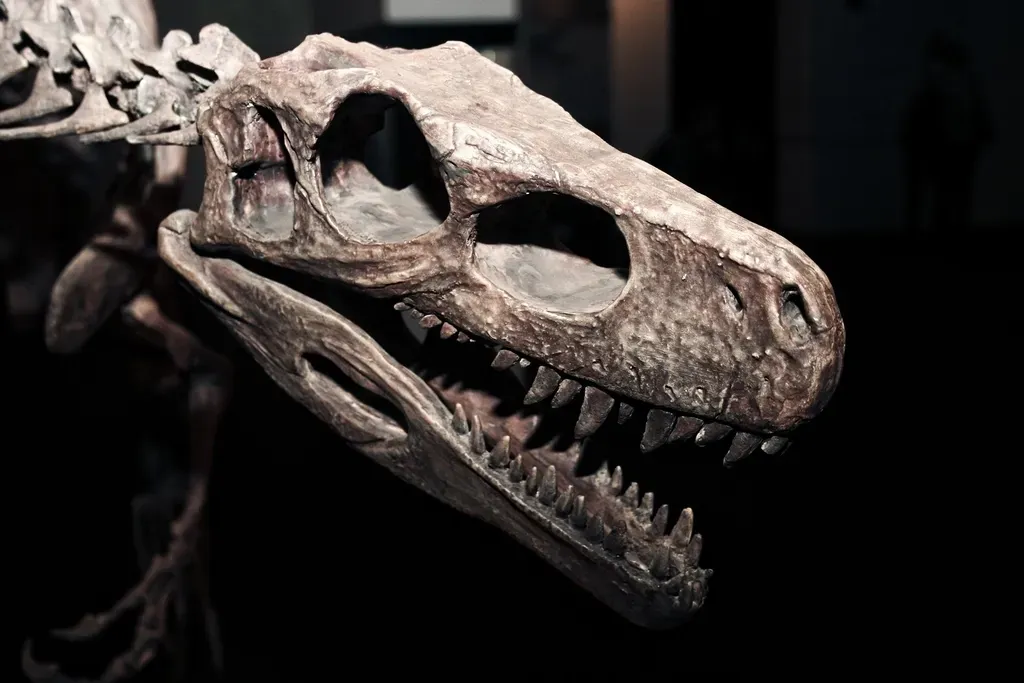
Here’s where things get complicated. While growth rings have been the gold standard for aging dinosaurs, recent research suggests we need to be more cautious. Looking at growth rings in several young Nile crocodiles, researchers found more growth rings than they were expecting.
Studies examining how often growth rings can be reliable are really important, since some animals show annual growth rings while others don’t. Scientists haven’t done as much ground-truthing with modern animals as they probably should have. This uncertainty doesn’t mean we should abandon the method entirely, but it does mean we need to approach age estimates with appropriate caution.
Despite these concerns, bone histology remains our best window into dinosaur lifespans. Growth ring counts are used in conjunction with mass estimates to infer the metabolic status and growth rates of dinosaurs. The technique has opened doors that would otherwise remain firmly shut when trying to understand creatures that vanished 66 million years ago.
Conclusion
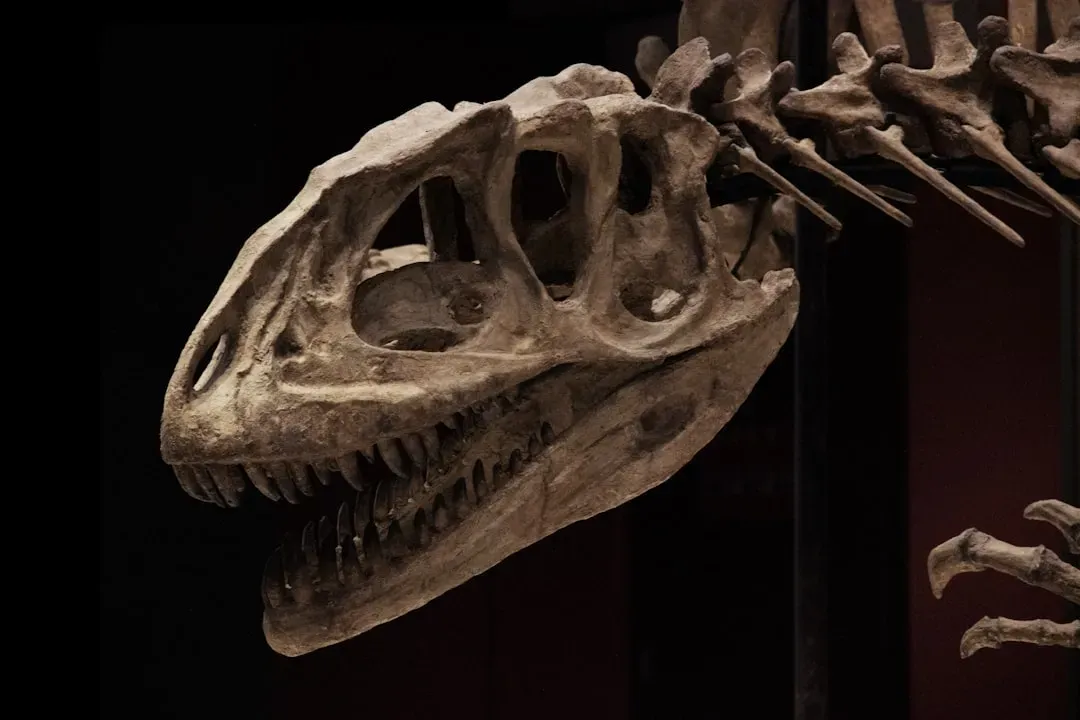
Growth rings in dinosaur bones have revolutionized our understanding of these ancient animals. They’ve shown us that creatures like T. rex lived longer and grew more slowly than we imagined, that different species had wildly different developmental strategies, and that environmental conditions left their mark on bone tissue. New technologies continue to reveal hidden details, while ongoing research with living animals helps refine our interpretations.
The story locked inside fossilized bones keeps getting more complex and more fascinating. Every discovery raises new questions about how these magnificent creatures lived, grew, and ultimately disappeared. What surprises do you think scientists will uncover next as technology continues to improve?