Picture this: a world where massive predators stalk through lush forests, armored giants graze peacefully in river valleys, and winged creatures soar through skies that would soon turn dark forever. Just 66 million years ago, Earth was a dinosaur paradise teeming with life in ways we’re only beginning to understand. Then, in what scientists call the blink of an eye in geological terms, it all changed. The asteroid impact that created the Chicxulub crater didn’t just end the age of dinosaurs—it froze a moment in time, preserving an extraordinary snapshot of what life was like in those final days.
The Thriving Ecosystems of the Late Cretaceous
The Late Cretaceous period, spanning from about 100 to 66 million years ago, represents one of Earth’s most biologically diverse eras. Fossil evidence reveals ecosystems so rich and complex that they rival today’s most vibrant habitats. From the coastal plains of what’s now Montana to the river deltas of ancient Romania, dinosaurs had carved out ecological niches that sustained incredible biodiversity.
What makes this period particularly fascinating is how dinosaurs had evolved into highly specialized forms. Some fossils show evidence of sophisticated social behaviors, complex nesting sites, and even parental care that would make modern birds proud. The Hell Creek Formation in Montana, for instance, preserves evidence of at least 40 different dinosaur species living simultaneously in a single ecosystem.
Giants Walking Among Us: The Apex Predators
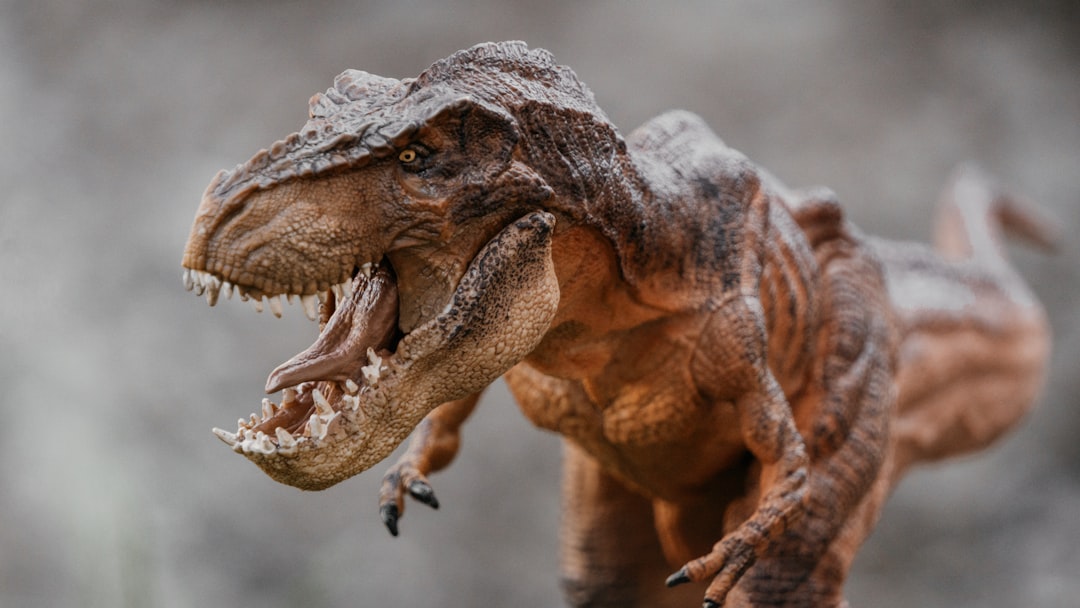
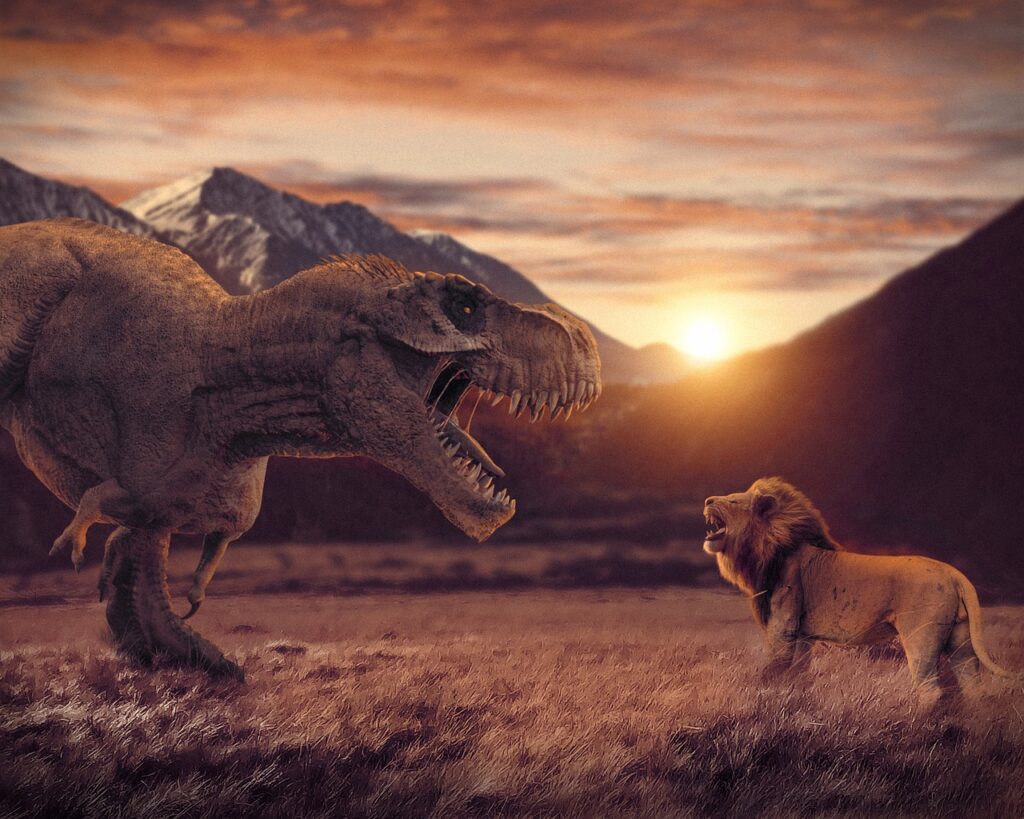
Tyrannosaurus rex wasn’t just a movie monster—it was the undisputed king of the Late Cretaceous food chain. Recent fossil discoveries have revealed that these massive predators lived in family groups and may have hunted cooperatively. Their fossilized bite marks on other dinosaur bones tell stories of epic battles and successful hunts that played out millions of years ago.
But T. rex wasn’t alone at the top. Fossil evidence from different continents shows that each region had its own apex predator perfectly adapted to local conditions. In South America, Giganotosaurus ruled the landscape, while in North Africa, Carcharodontosaurus dominated the ancient river systems. These discoveries paint a picture of a world where massive predators were not just surviving but thriving in diverse environments.
The Gentle Giants: Herbivorous Titans
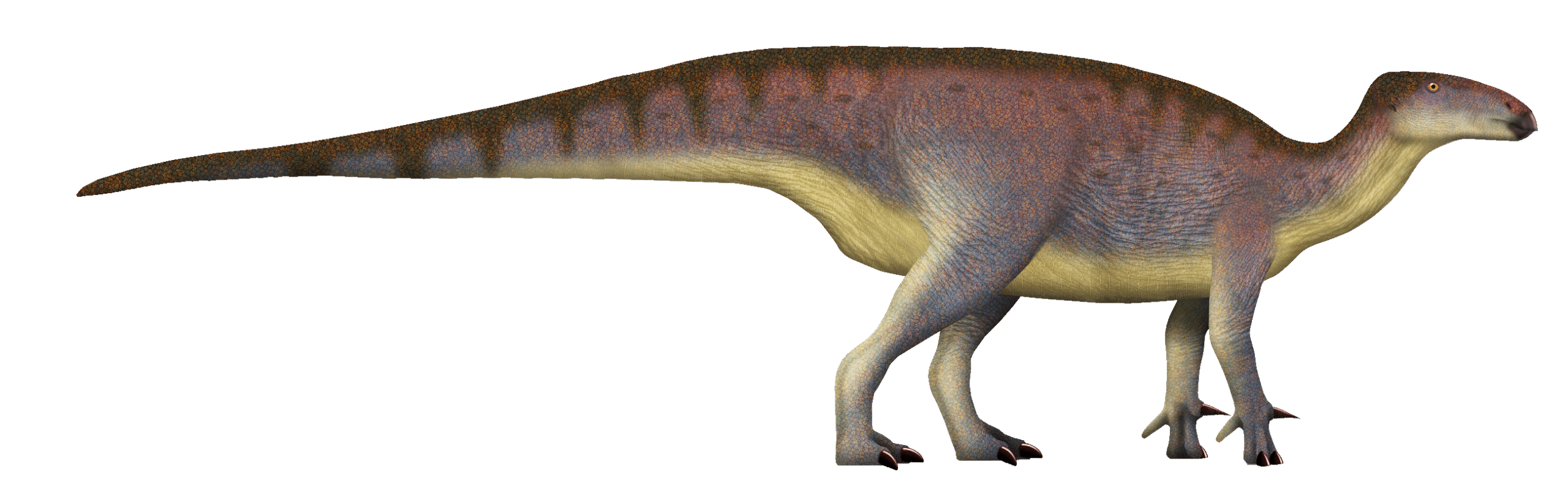
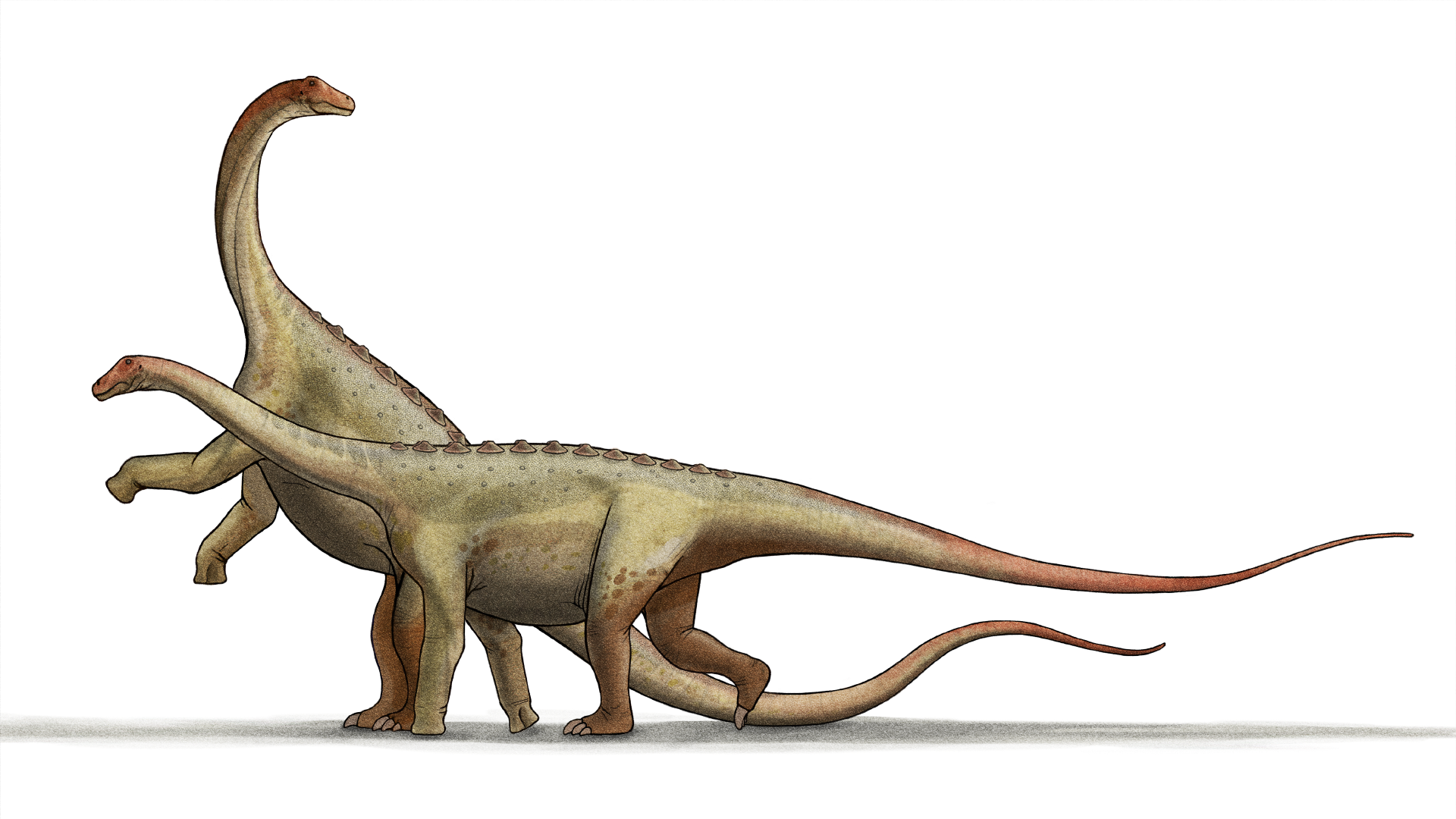
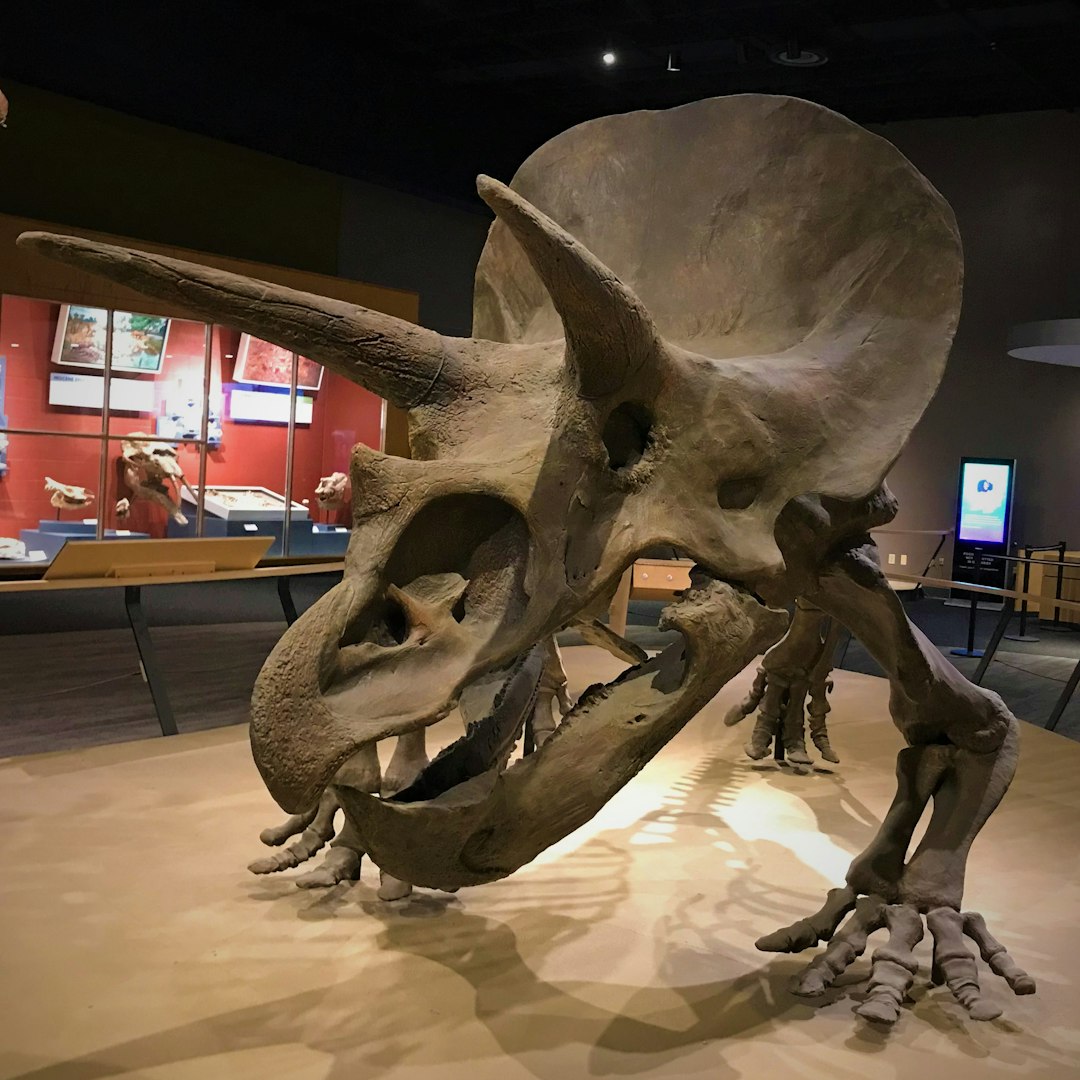
While predators grabbed headlines, the real success story of the Late Cretaceous belonged to the plant-eaters. Fossils of Triceratops, found in remarkable abundance, suggest these three-horned herbivores lived in massive herds that could number in the thousands. Imagine the ground shaking as these five-ton animals migrated across ancient landscapes in search of fresh vegetation.
The diversity among herbivorous dinosaurs was staggering. Duck-billed hadrosaurs developed complex dental systems that could process tough plant material, while armored ankylosaurs evolved into living tanks that could defend themselves against any predator. Recent fossil discoveries have even revealed evidence of seasonal migration patterns, showing these creatures followed predictable routes just like modern wildebeest or caribou.
Feathered Wonders: The Rise of Avian Dinosaurs
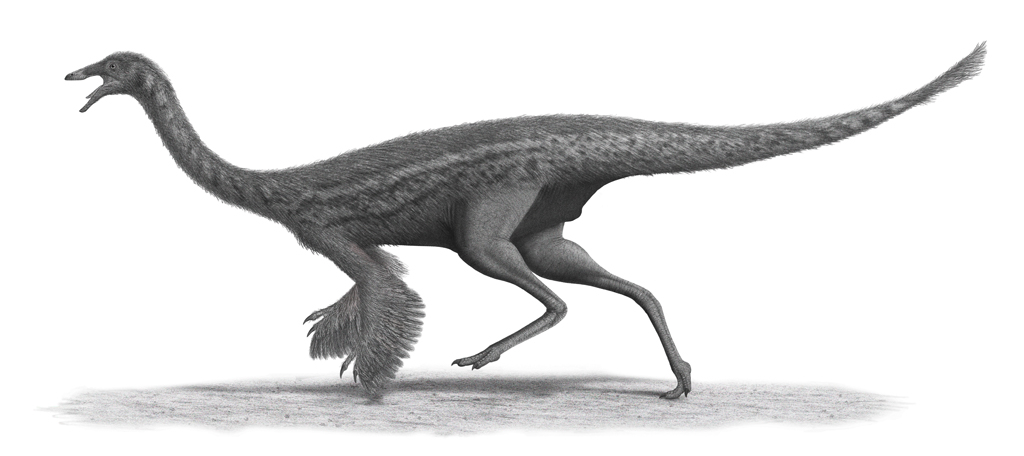
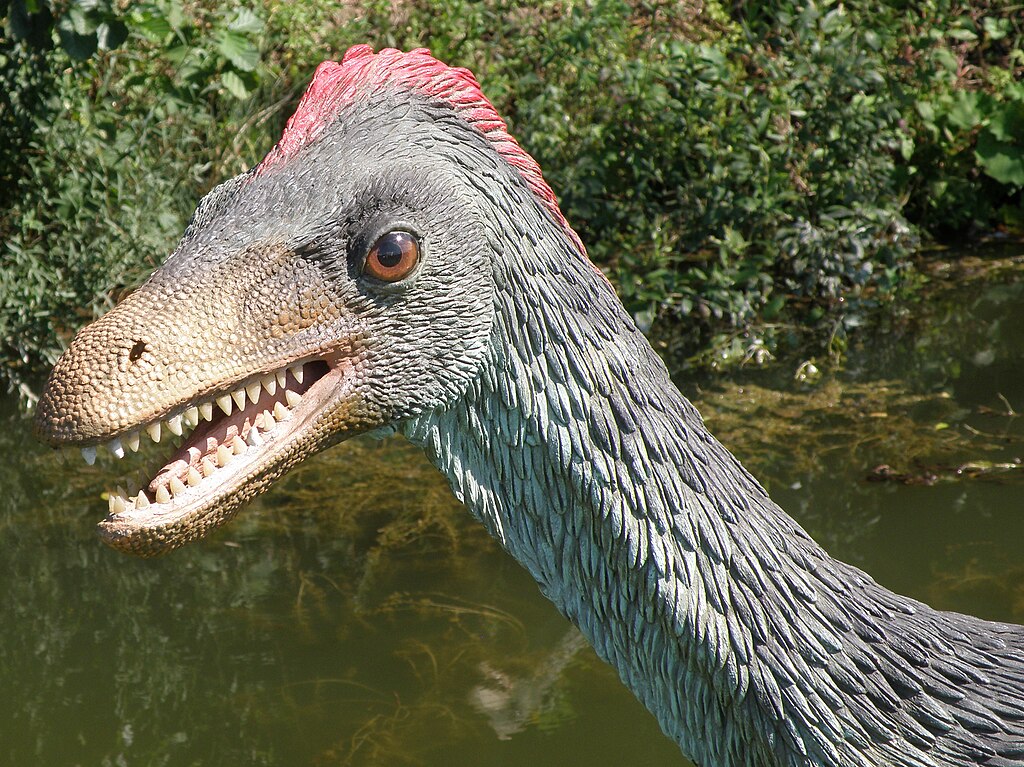
Perhaps the most surprising revelation from Late Cretaceous fossils is just how bird-like many dinosaurs had become. Discoveries in China and Mongolia have uncovered dozens of feathered dinosaur species, some with plumage so elaborate it would make a peacock jealous. These weren’t just primitive proto-birds—they were sophisticated creatures with complex behaviors and stunning appearances.
Fossils preserve evidence of dinosaurs that used their feathers for display, temperature regulation, and even gliding between trees. The famous Microraptor, with its four wings, represents just one example of the evolutionary experimentation happening in the final days of the dinosaur era. These discoveries suggest that the transition from dinosaurs to birds was already well underway when the asteroid struck.
Marine Reptiles: Ocean Rulers of the Ancient Seas
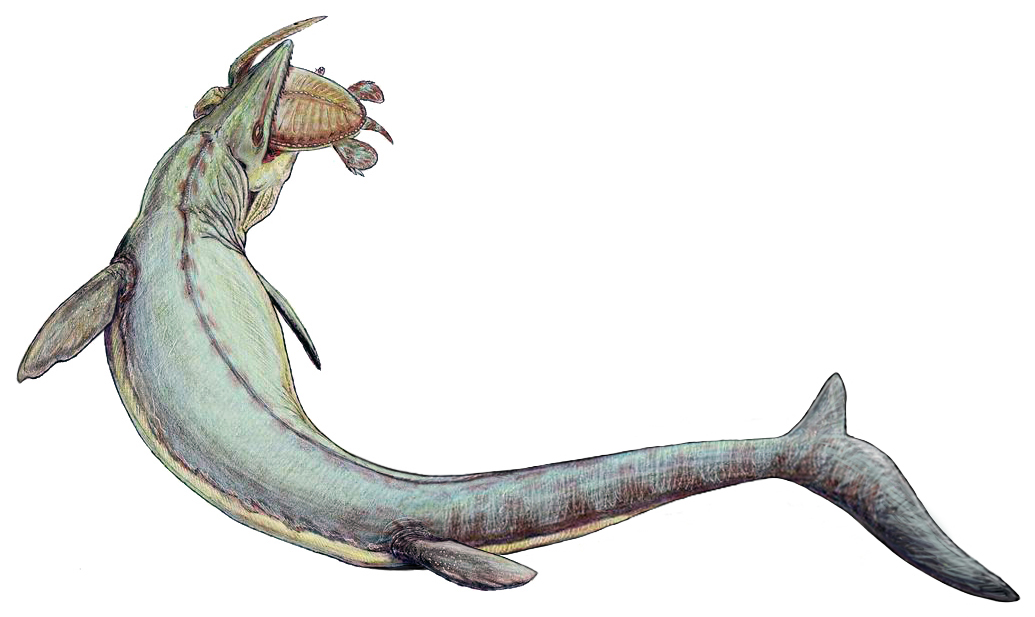
While dinosaurs ruled the land, equally impressive reptiles dominated the oceans. Fossil evidence reveals that marine environments were home to creatures that would dwarf today’s largest whales. Mosasaurs, massive marine lizards, patrolled ancient seas with jaws powerful enough to crush almost anything they encountered.
The diversity of marine reptiles was extraordinary. Long-necked plesiosaurs glided through the water like underwater giraffes, while ichthyosaurs had evolved into dolphin-like forms perfectly adapted for speed and agility. Recent fossil discoveries have even revealed evidence of live birth in some marine reptiles, showing that these creatures had developed sophisticated reproductive strategies.
Plant Life: The Foundation of Dinosaur Civilization
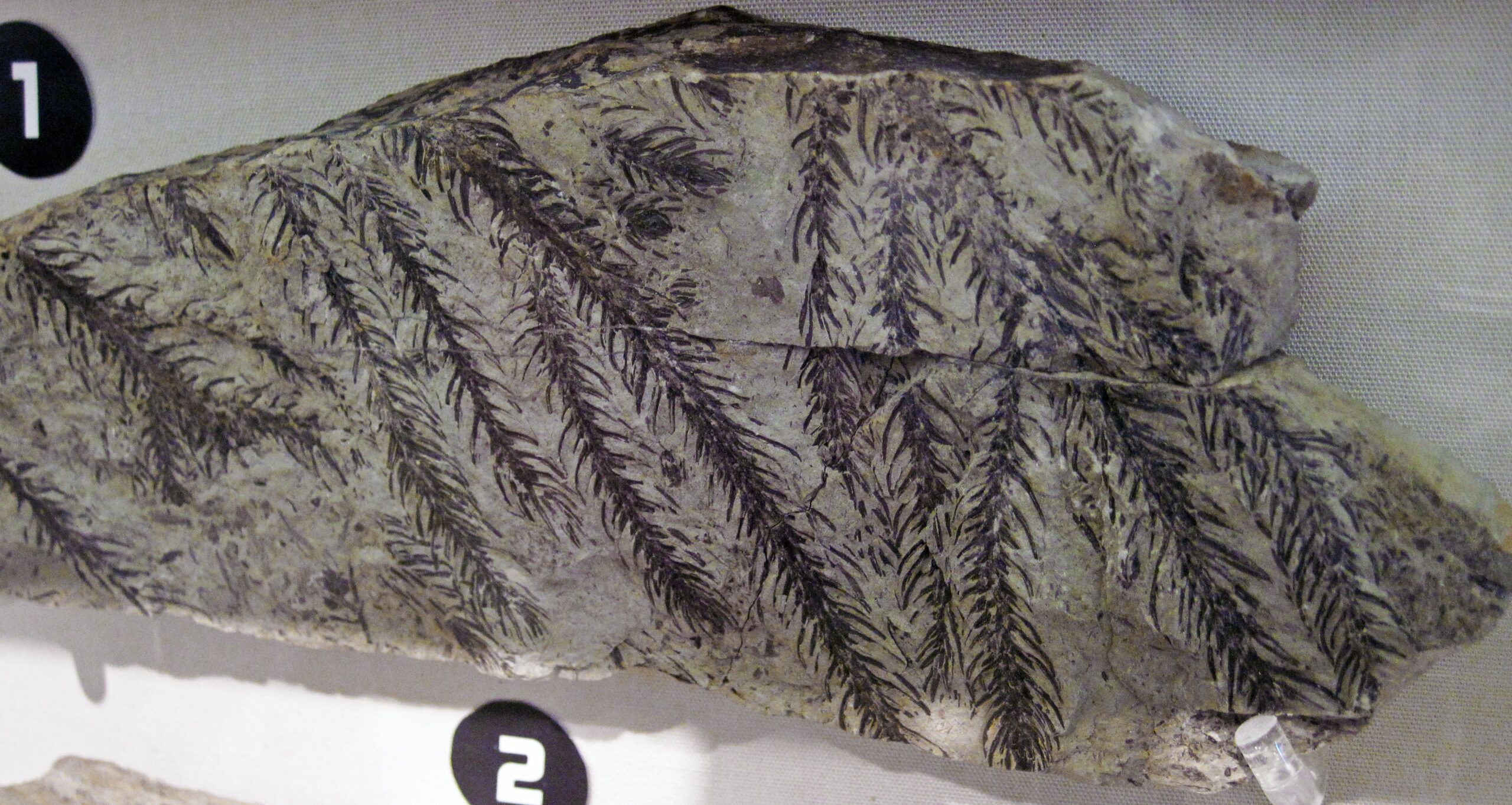
The Late Cretaceous witnessed a botanical revolution that directly supported the incredible diversity of dinosaur life. Flowering plants, which had appeared earlier in the Cretaceous, were rapidly diversifying and taking over ecosystems worldwide. Fossil pollen and leaf impressions reveal landscapes dominated by early relatives of magnolias, roses, and even grasses.
This plant revolution created new ecological opportunities that dinosaurs quickly exploited. The evolution of fruits meant new food sources for smaller dinosaurs, while the development of different plant communities created diverse habitats. Some fossilized dinosaur stomach contents even preserve evidence of seasonal dietary changes, showing how these creatures adapted to changing plant availability throughout the year.
Nesting Grounds: Evidence of Dinosaur Family Life
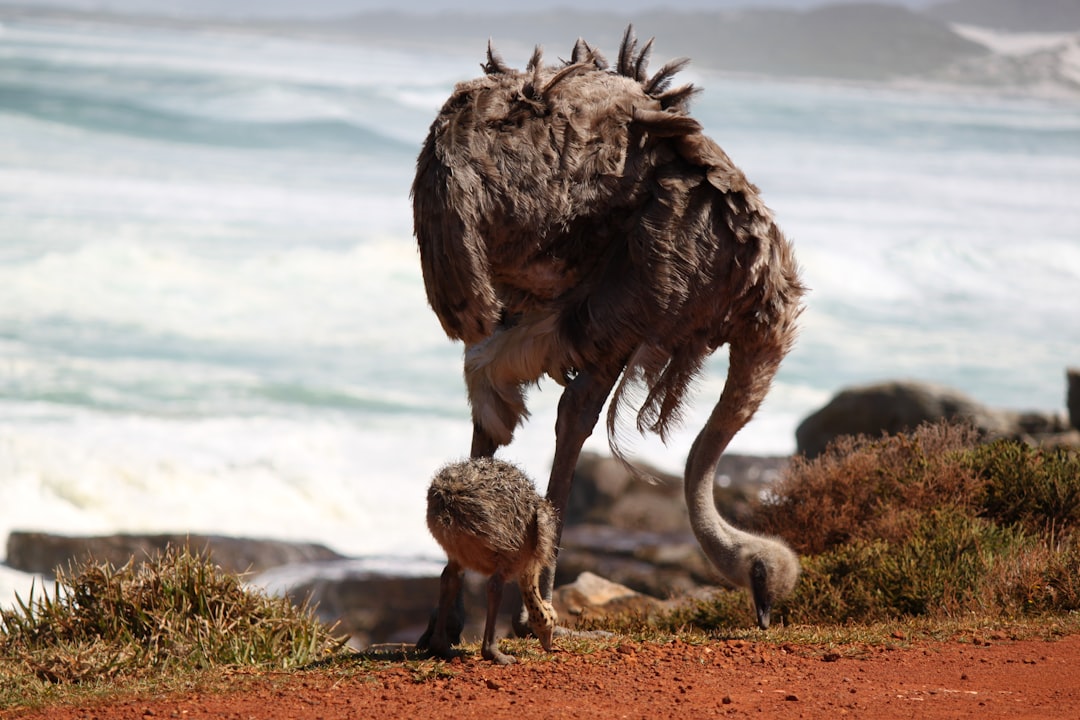
One of the most heartwarming discoveries from Late Cretaceous fossils concerns dinosaur reproduction and parental care. Fossil nesting sites, particularly those of duck-billed hadrosaurs, reveal that many dinosaurs returned to the same nesting grounds year after year, creating vast colonies that could span several acres.
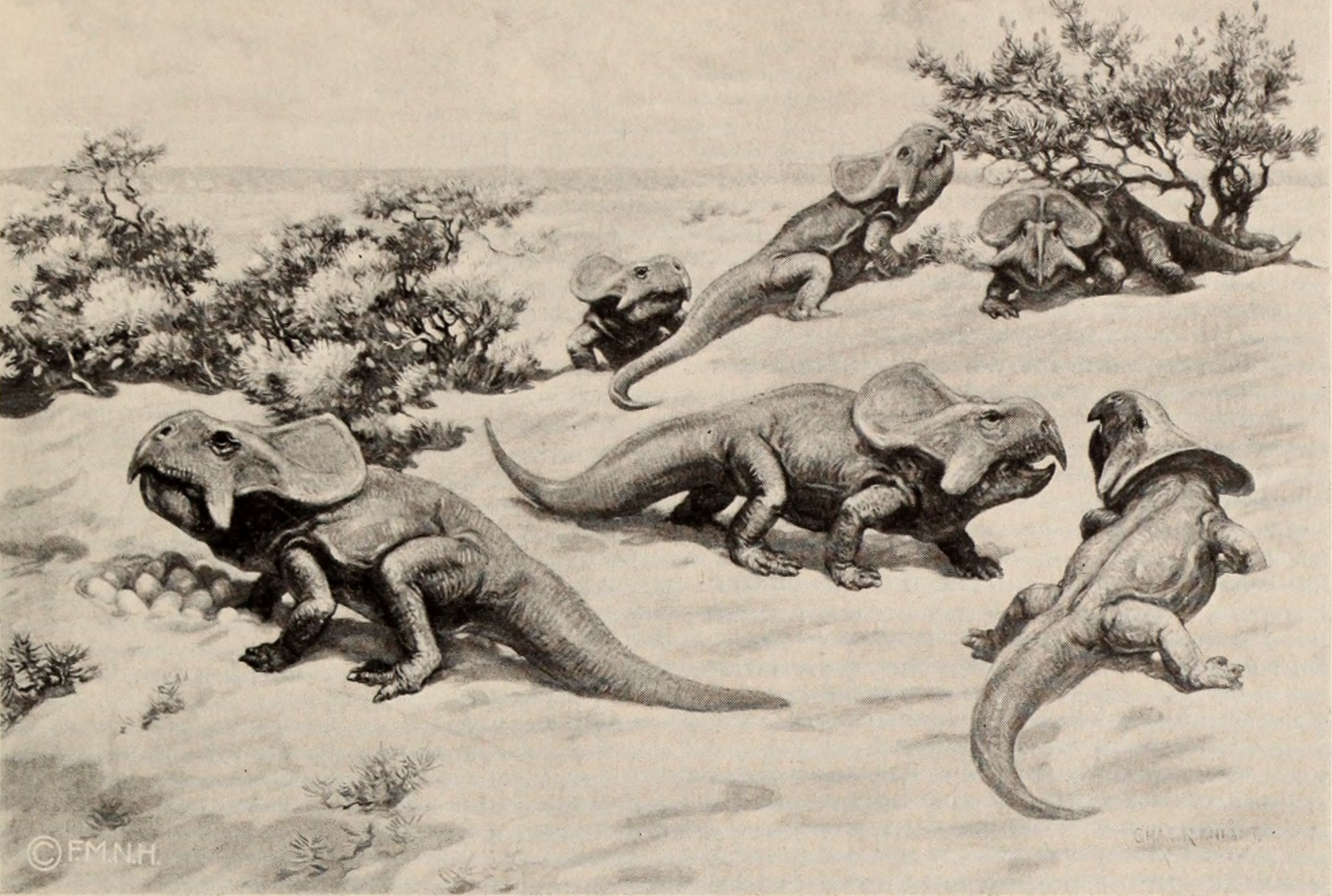
These nesting sites preserve evidence of sophisticated parental behaviors. Fossilized eggs show that some dinosaur parents carefully arranged their nests, brought food to their young, and even defended their offspring from predators. The discovery of juvenile dinosaurs found alongside adults suggests that family groups stayed together for extended periods, challenging old assumptions about dinosaur social behavior.
Migration Patterns: Following Ancient Highways
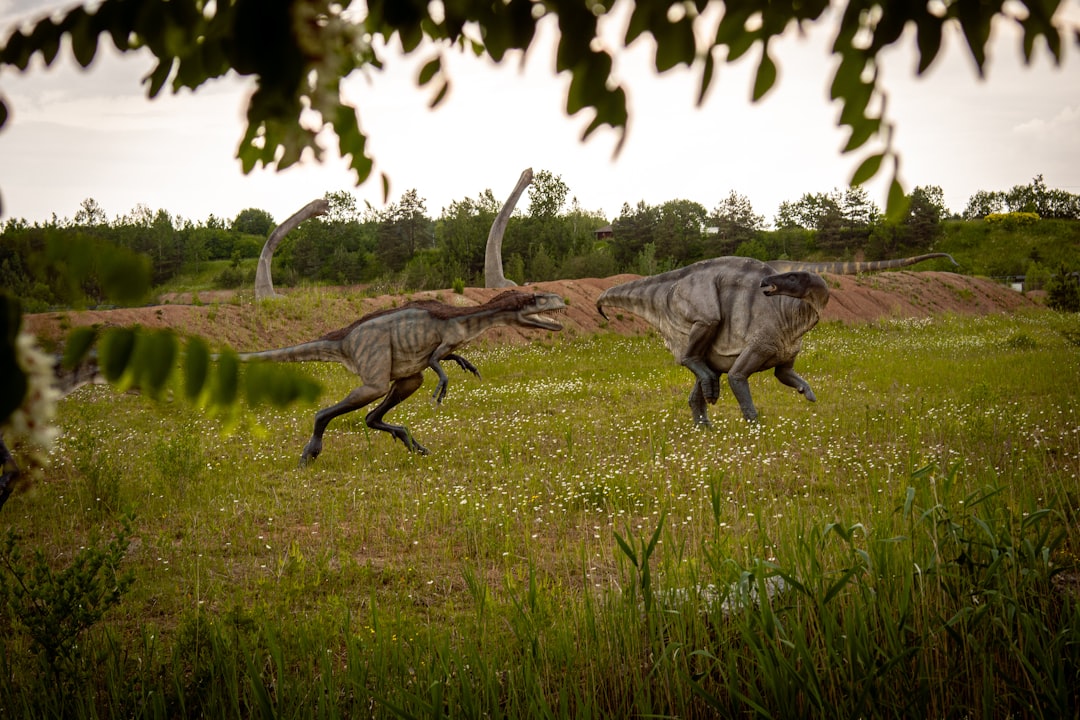
Fossil evidence suggests that many Late Cretaceous dinosaurs were highly mobile creatures that followed predictable migration routes. Trackway fossils from different locations show that some species traveled hundreds of miles seasonally, following food sources and suitable nesting sites. These ancient highways connected diverse ecosystems and allowed for genetic exchange between distant populations.
The scale of these migrations was truly impressive. Some fossil sites preserve evidence of mass gatherings where different species would converge during specific seasons. These temporary communities created complex social dynamics that we’re only beginning to understand through careful analysis of fossil trackways and bone beds.
Climate and Environment: A World in Transition
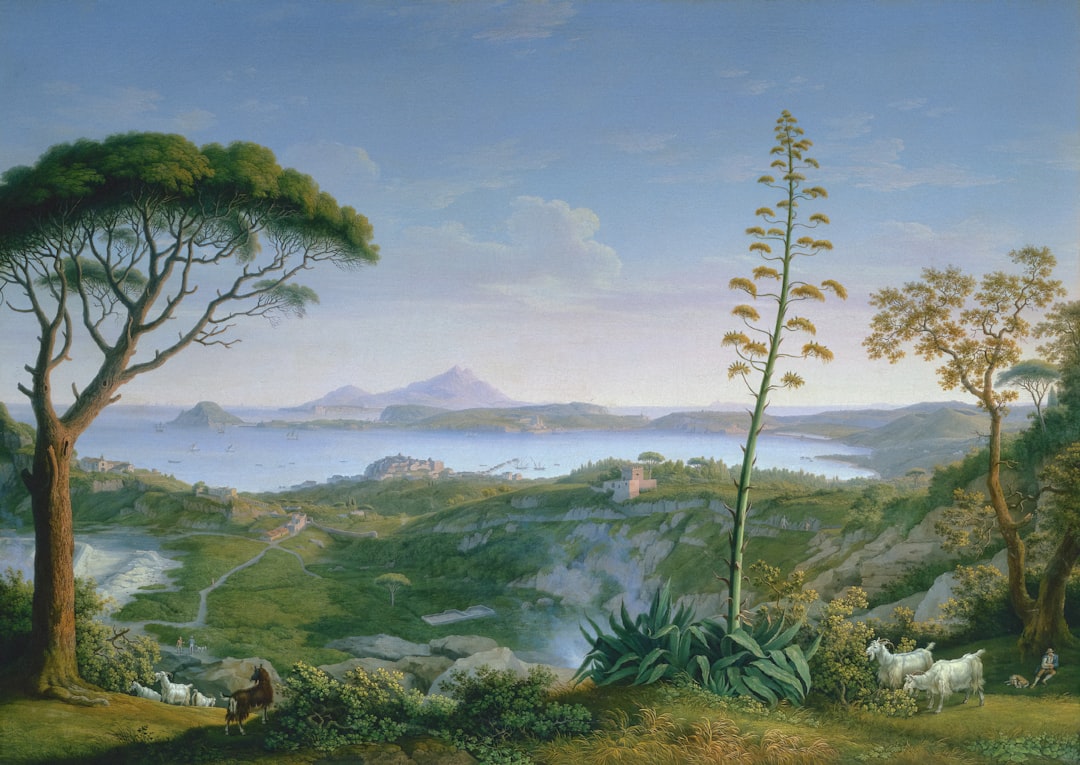
The Late Cretaceous world was dramatically different from today’s Earth. Global temperatures were significantly warmer, and sea levels were much higher, creating vast shallow seas that covered much of what is now North America and Europe. This greenhouse world supported lush vegetation and diverse ecosystems that stretched from pole to pole.
However, fossil evidence also reveals that this world was already changing before the asteroid impact. Climate fluctuations and volcanic activity were beginning to stress ecosystems, and some dinosaur species show signs of adaptation to these changing conditions. These environmental pressures may have made dinosaur communities more vulnerable to the catastrophic events that followed.
The Fossil Record: Windows into Daily Life
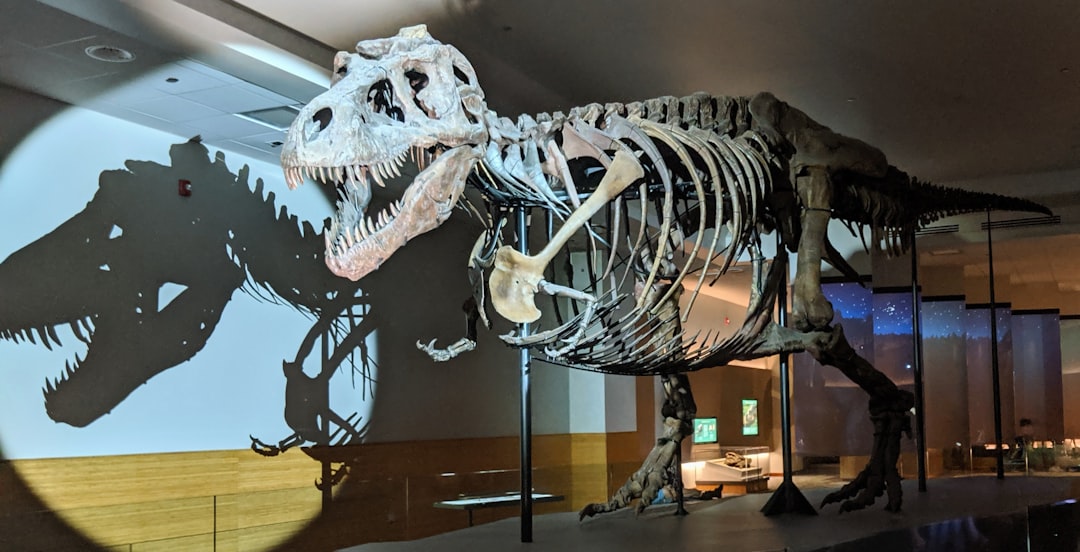
Modern paleontology has revolutionized our understanding of dinosaur life through increasingly sophisticated analysis of fossil remains. Microscopic examination of bones reveals growth patterns, seasonal cycles, and even evidence of diseases that affected individual dinosaurs. Some fossils preserve such fine detail that scientists can determine the age at death, reproductive status, and general health of creatures that lived millions of years ago.
Perhaps most remarkably, some fossils capture moments of drama from the ancient world. Fighting dinosaurs locked in eternal combat, mothers protecting their young, and even evidence of dinosaur skin color have all been preserved in the fossil record. These discoveries transform dinosaurs from museum curiosities into real, living creatures with complex behaviors and social structures.
Regional Variations: Different Worlds, Different Dinosaurs
The Late Cretaceous world was divided into distinct biogeographic regions, each with its own unique dinosaur fauna. North America’s dinosaurs differed significantly from those found in Asia, South America, or Europe, creating a patchwork of evolutionary experiments across the globe. This regional diversity suggests that dinosaur evolution was still actively proceeding when the asteroid struck.
Some regions specialized in particular types of dinosaurs. South America became a haven for massive predators, while Asia developed an incredible diversity of small, feathered species. Europe’s island environments created dwarf dinosaurs that had evolved to fit smaller ecological niches. This global diversity represents one of the greatest losses from the end-Cretaceous extinction event.
The Final Moments: Evidence from the Boundary Layer
The most poignant fossils from the Late Cretaceous are those found in the boundary layer itself—the thin band of rock that marks the end of the dinosaur era. These fossils provide a snapshot of life in the final moments before the asteroid impact. Some sites preserve evidence of normal dinosaur activity right up until the catastrophic event, suggesting that life continued normally until the very end.
What makes these boundary fossils particularly significant is their preservation of both the victims and the immediate aftermath of the impact. Fossilized shocked quartz, impact spherules, and even tsunami deposits tell the story of a world changed in hours. Some dinosaur fossils show evidence of injuries consistent with the chaos that followed the initial impact, providing a haunting glimpse into those final days.
Survivors and Casualties: Who Made It Through
While the asteroid impact marked the end of non-avian dinosaurs, it’s crucial to understand that not all dinosaur lineages were equally affected. Small, feathered dinosaurs that we now recognize as early birds survived the catastrophe and went on to diversify into the incredible variety of bird species we see today. These survivors carried forward the dinosaur legacy in ways that continue to shape our modern world.
The fossil record reveals that the extinction wasn’t immediate or uniform. Some dinosaur species appear to have survived for thousands of years after the initial impact, gradually succumbing to the changed environmental conditions. This extended decline suggests that the end-Cretaceous extinction was as much about environmental change as it was about the dramatic impact event itself.
Legacy in Stone: What These Fossils Mean Today
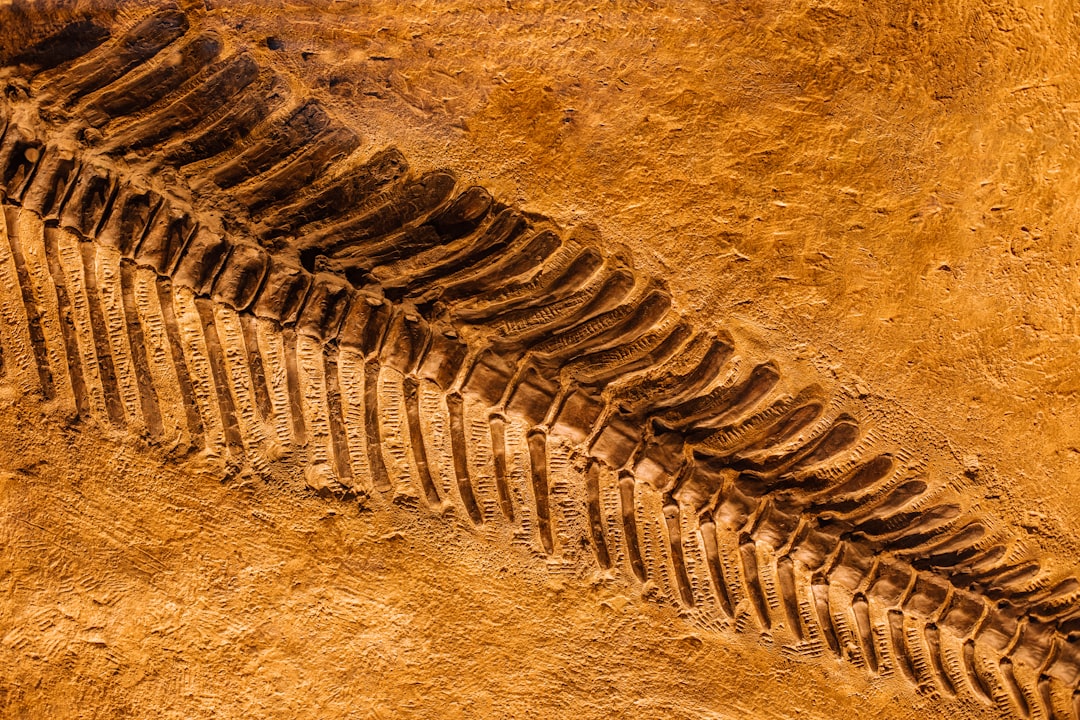
The Late Cretaceous fossil record represents more than just a catalogue of extinct creatures—it’s a testament to the incredible resilience and adaptability of life on Earth. These fossils show us that even in the face of catastrophic change, life finds ways to persist and evolve. The diversity and complexity of dinosaur communities remind us that our planet has supported incredible biodiversity for millions of years.
Modern conservation efforts can learn valuable lessons from studying these ancient ecosystems. The Late Cretaceous world shows us what’s possible when environmental conditions support diverse life forms, while the extinction event demonstrates how quickly complex ecosystems can collapse. These fossils serve as both inspiration and warning for our own relationship with the natural world.
The fossils from the Late Cretaceous period paint a picture of a world bursting with life, innovation, and complexity. From the massive predators that stalked ancient forests to the delicate feathered creatures that danced among flowering plants, these remains reveal an Earth that was home to some of the most remarkable creatures ever to walk, swim, or fly. The tragedy of the end-Cretaceous extinction isn’t just that these magnificent animals died—it’s that their world was cut short just as it was reaching new heights of evolutionary achievement. These stone witnesses to an ancient catastrophe remind us that life is both incredibly resilient and surprisingly fragile, capable of creating wonders beyond imagination yet vulnerable to forces beyond control. What other secrets might these ancient stones still hold, waiting to reshape our understanding of life’s greatest experiment?