There is something almost poetic about the idea of a hundred-tonne sauropod trudging thousands of kilometers across ancient landscapes, following the seasons just like the wildebeest of today’s Serengeti. For decades, most people imagined dinosaurs as creatures rooted to their territories, stomping around the same muddy floodplains for their entire lives. Turns out, that picture could not be more wrong.
Science has been quietly rewriting the story of dinosaur movement, and what researchers are uncovering is nothing short of extraordinary. From chemical signals locked inside ancient teeth to stomach stones carried across entire continents, the evidence is stacking up fast. So buckle up, because the real story of where dinosaurs went is far wilder than you ever imagined.
The Supercontinent Expressway: Pangaea and the First Great Migrations
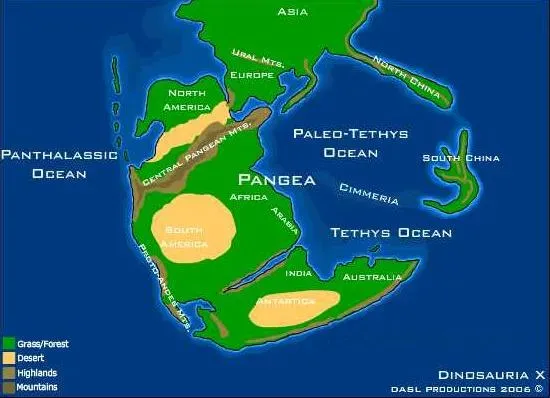
You might picture the ancient world as just one enormous landmass with nowhere to go, but Pangaea was actually the original migration highway. After analyzing the relationships among early dinosaurs, paleontologists hypothesized that the first dinosaurs originated in what is now South America, then dispersed more than 220 million years ago across parts of Pangaea that later became separate continents. That is not just impressive. That is genuinely jaw-dropping when you think about the distances involved.
Between 230 million and 66 million years ago, dinosaurs plodded across the supercontinent Pangaea and migrated from Europe to other parts of the world. Researchers have since been able to visually map these movements using fossil data, painting a picture of ancient highways that connected what we now call separate continents. Think of it like ancient rush hour traffic, except the commuters weighed several tonnes and had absolutely no road signs to follow.
Stomach Stones Don’t Lie: The 1,000-Kilometer Journey Locked Inside a Dinosaur’s Belly
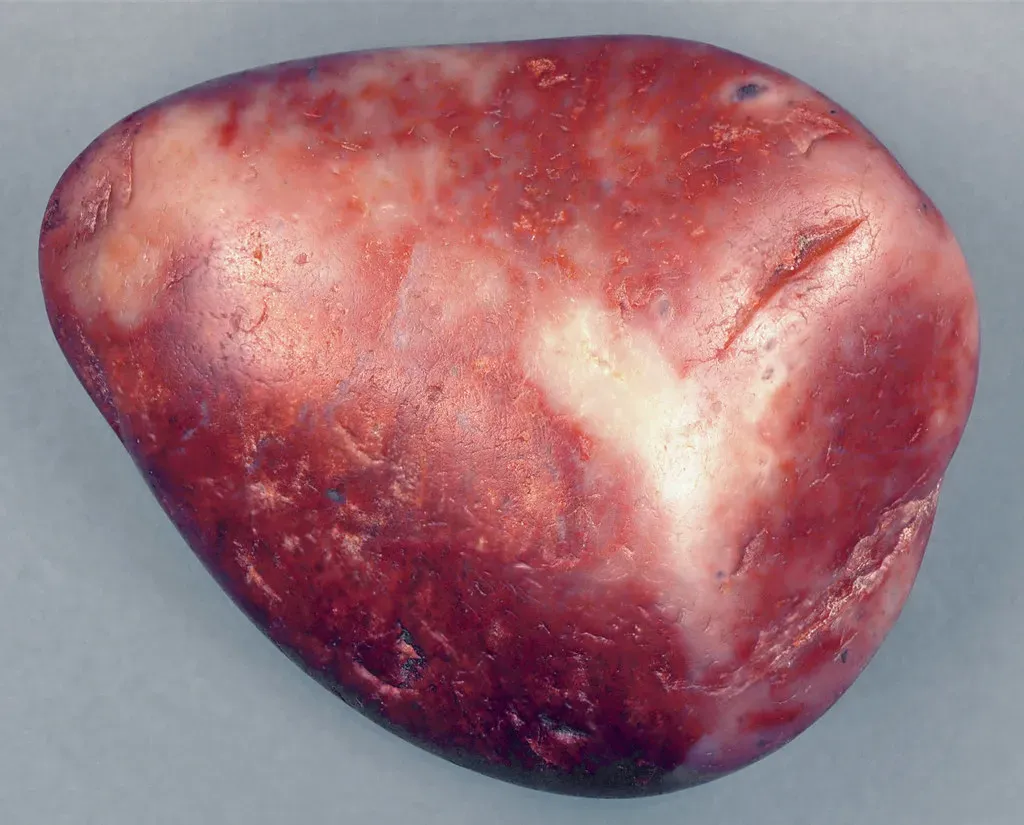
Here’s a story that honestly sounds like something out of a science fiction novel. Some dinosaurs gulped down pink stones in what is now Wisconsin, trekked westward more than 600 miles and then died in the area that is now Wyoming, leaving the stones in a new location. These so-called gastroliths, or stomach stones, became unwilling passengers on one of the longest known dinosaur migrations ever recorded.
Researchers interpreted that these gastroliths were ingested by dinosaurs, most likely sauropods, in the Laurentian midcontinent and then transported in their digestive tracts to the site of deposition, supporting the hypothesis of long-distance dinosaur migration, perhaps following low-energy, continental-scale drainage systems. This new finding has been described as one of, if not the longest inferred examples of nonavian dinosaur migration on record. Science found a way to read a diary written in stone, quite literally.
What Teeth Reveal: Oxygen Isotopes and Seasonal Trekking
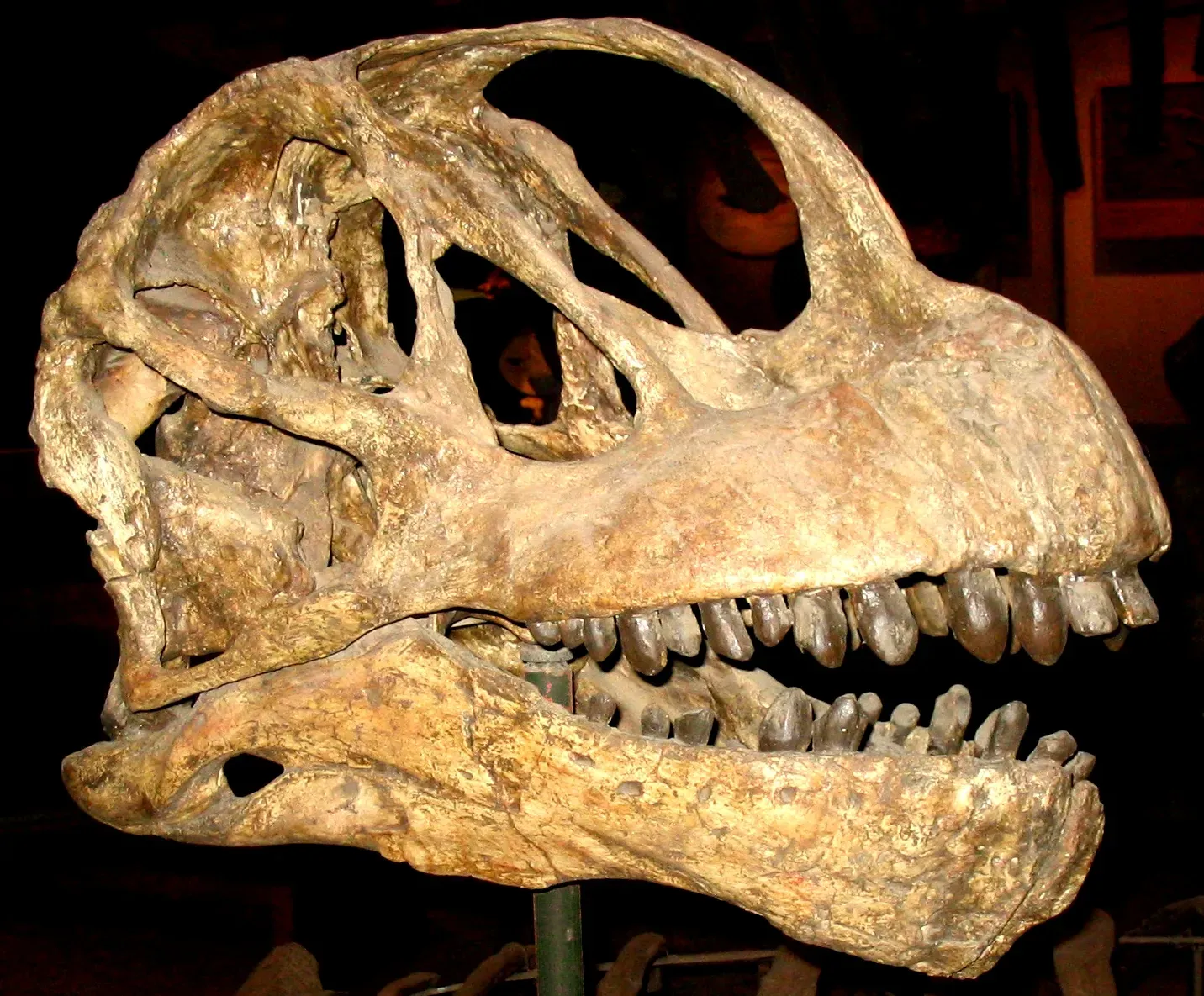
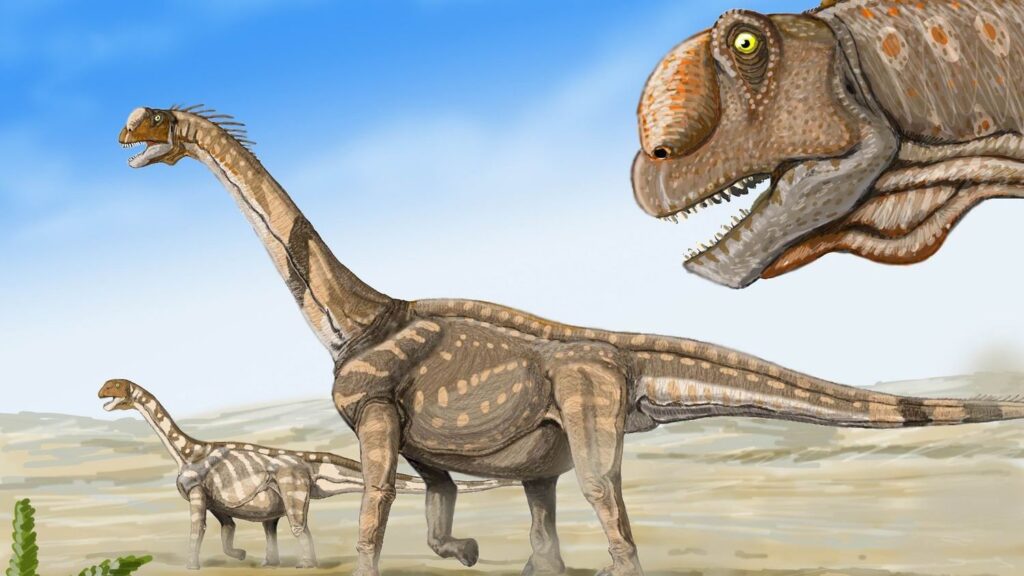
Chemical signals in prehistoric tooth enamel reveal that roughly bus-length Camarasaurus dinosaurs walked hundreds of miles on marathon migrations in late Jurassic North America, responding to shifts in food and water availability. The long-necked plant-eaters likely trudged from floodplain lowlands all the way to distant highland regions and back again as the seasons changed. It is remarkably similar to how modern elephant herds move across Africa today.
Because the dinosaurs’ teeth were replaced roughly every five months, each tooth offers a unique record of what the animal drank during that tooth’s lifespan. The soil and teeth turned out to have distinctly different oxygen-isotope ratios, suggesting the teeth had formed elsewhere. The ratios in the teeth were akin to what you would expect had they grown at high elevations. In other words, you can read a dinosaur’s travel history right there in the enamel. Nature’s passport, if you will.
Climate as the Great Catalyst: CO2 Drops and Dinosaurs on the Move
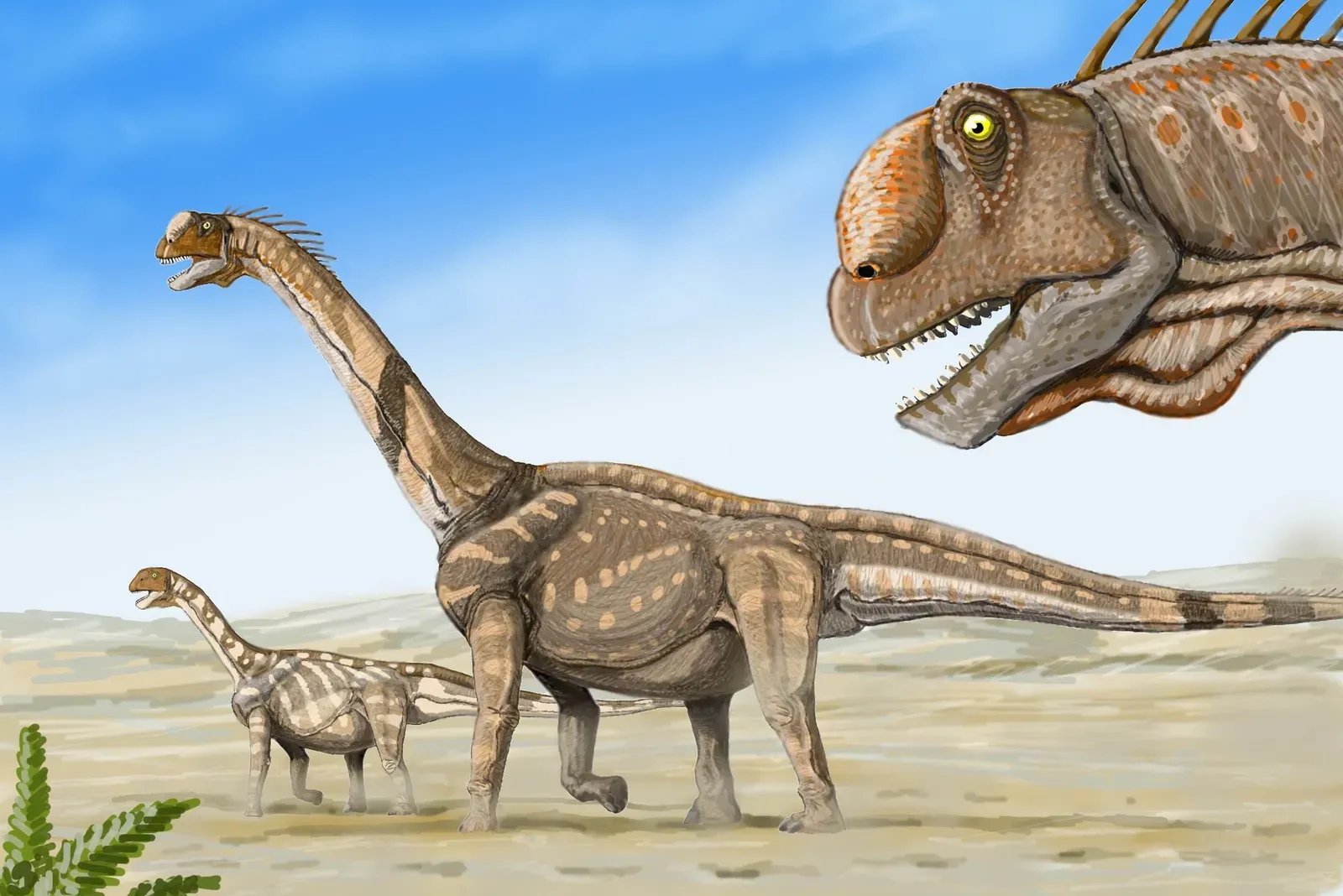
It is easy to forget that climate was not just a backdrop for dinosaurs. It was an active force that literally pushed them across the planet. A drop in carbon dioxide levels may have helped sauropodomorphs, early relatives of the largest animal to ever walk the earth, migrate thousands of kilometers north past once-forbidding deserts around 214 million years ago. Before that drop, the tropical zones were basically a death barrier, scorching and hostile.
During much of the Late Triassic Epoch, Earth’s carbon dioxide levels were incredibly high, as much as 4,000 parts per million, compared to the roughly 415 parts per million we see today. Climate simulations have suggested that level of CO2 would have created hyper-arid deserts and severe climate fluctuations, which could have acted as a barrier to migration. The creatures’ northward push coincides with a dramatic decrease in CO2, which may have removed those climate-related barriers. Climate unlocked the door, and the dinosaurs walked straight through it.
Crossing the Atlantic: Footprints on Both Sides of the Ocean
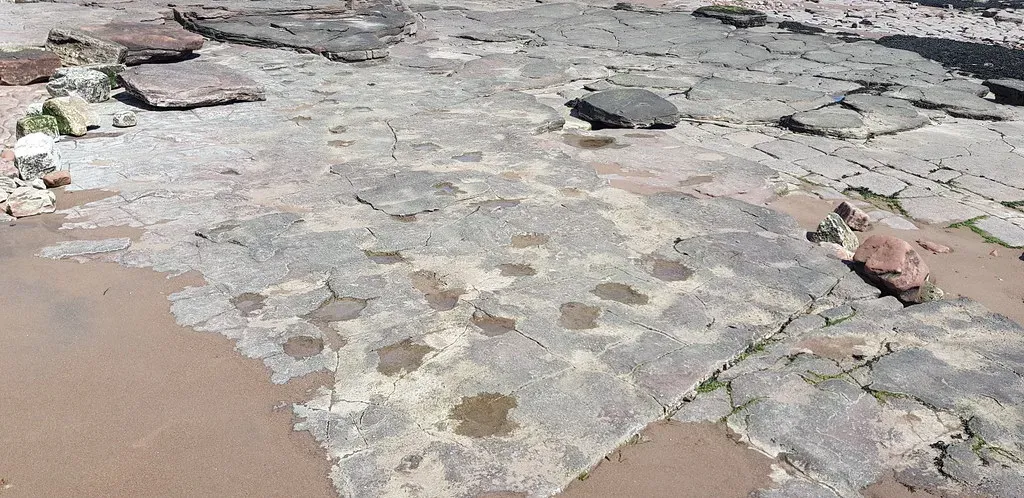
Imagine finding footprints on two different sides of what is now the Atlantic Ocean that are almost perfectly identical. That is exactly what researchers discovered, and it flipped everything we thought we knew about how far dinosaurs could travel. An international team catalogued more than 260 dinosaur tracks in basins across both sides of the Atlantic Ocean and showed that in terms of age, geological context, and shape, these footprints were similar, with the twin sites preserving what researchers now call the Dinosaur Dispersal Corridor.
Together, the African and South American sites confirm that dinosaurs strolled across a contiguous landmass long after Pangaea began unraveling, using the same river corridors that would later drown beneath the Atlantic. Most of the footprints belong to three-toed theropods, the fleet carnivores of their day, while a handful of sauropod and ornithopod impressions round out the roster, hinting at herds of plant-eaters trudging through the same wetlands. This discovery is one of those rare moments in science that genuinely gives you chills.
Herds, Families, and the Social Side of Dinosaur Migration
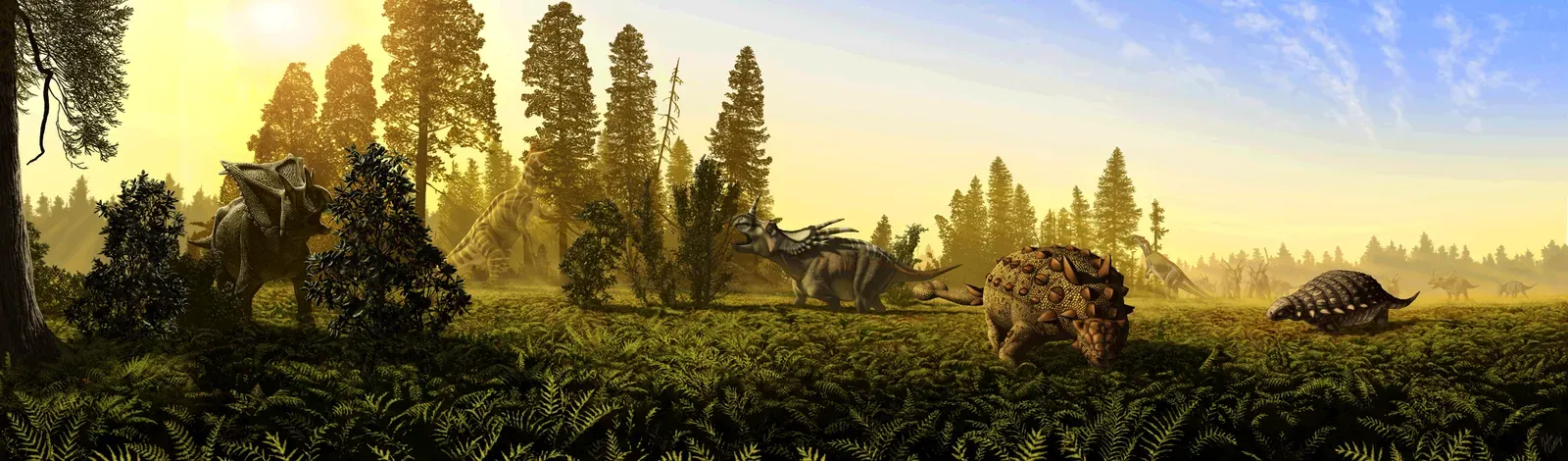
Let’s be real: migration is hard. It is even harder alone. And there is growing evidence that many dinosaurs were not making these journeys solo. One of the most intriguing aspects of dinosaur migration patterns is the emergence of evidence for organized herds among certain species, with researchers using fossil trackways and mass grave sites to identify social structures and collaborative behaviors that may have facilitated long-distance movements.
The discovery of Maiasaura nesting sites in the Cretaceous badlands of Montana provided a glimpse into the familial bonds and cooperative parenting strategies of these hadrosaur dinosaurs. The presence of well-developed nests, hatchling remains, and evidence of adult care suggests that these herbivores may have traveled in multi-generational herds, with older individuals guiding and protecting younger members during their migratory journeys. The image of a dinosaur grandmother leading the family herd across ancient plains is, honestly, kind of beautiful.
The Three Groups That Traveled Differently: Theropods, Sauropodomorphs, and Ornithischians
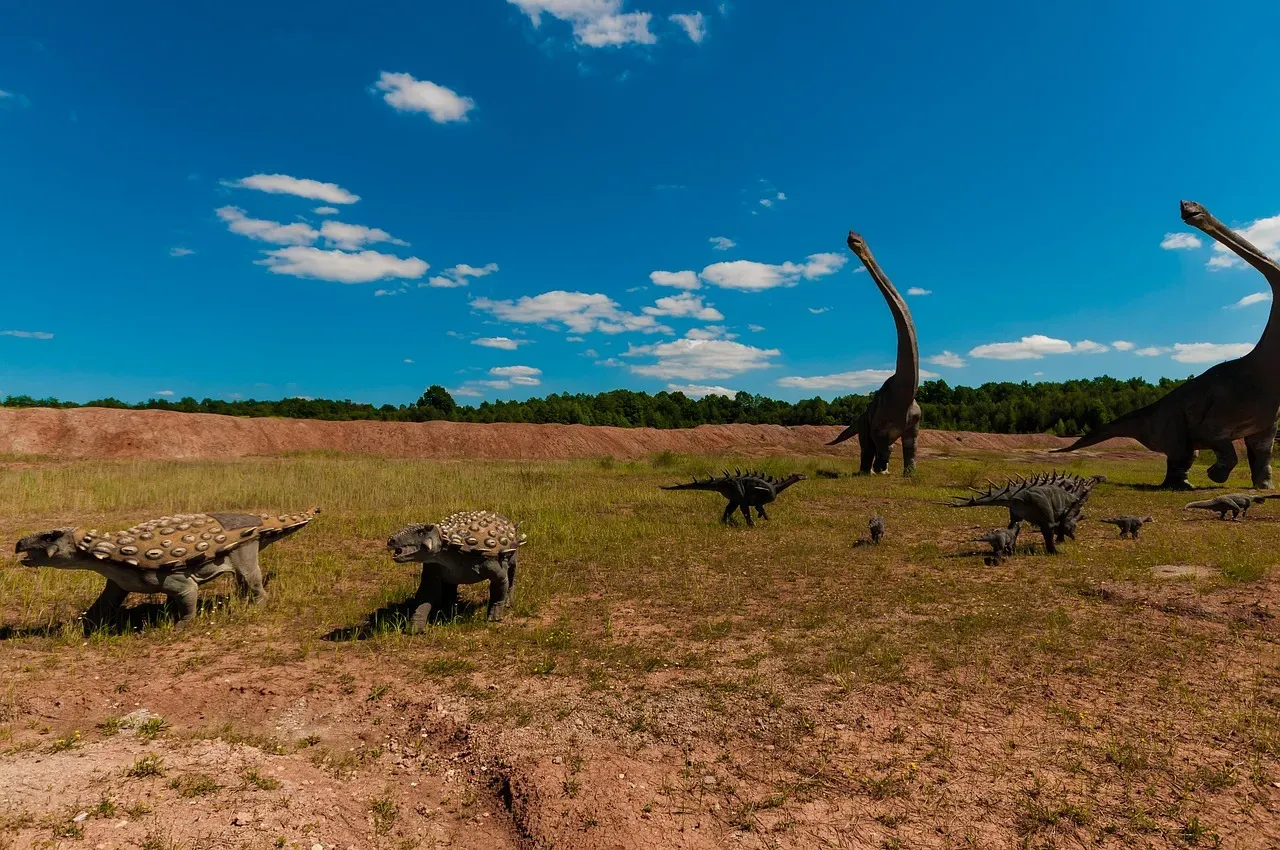
Not all dinosaurs migrated the same way, and researchers have found fascinating distinctions between the three major groups. Researchers separated the dinosaurs by type: the sauropodomorphs, which are huge, long-necked plant-eaters like the Diplodocus and Brachiosaurus; the theropods that include all carnivorous dinosaurs like the Tyrannosaurus rex; and the ornithischians, which include all other plant-eaters such as the Triceratops and Stegosaurus. Each group had its own strategy, its own strengths, and its own limitations.
Sauropodomorphs tended to be less mobile compared to theropods, largely because they were really big animals, probably less likely to swim, and less likely to be able to cross sea channels than some of the other smaller dinosaurs. The theropod family, which also includes birds, were probably mobile enough to still disperse across narrow seaways. Some polar dinosaurs, particularly larger taxa such as the duckbill Edmontosaurus, were biomechanically and energetically capable of migrating over long distances, up to roughly 2,600 kilometers. It is a reminder that generalizing about dinosaurs is a bit like generalizing about all mammals. The diversity is staggering.
Conclusion: Rethinking the Ancient World, One Fossil at a Time
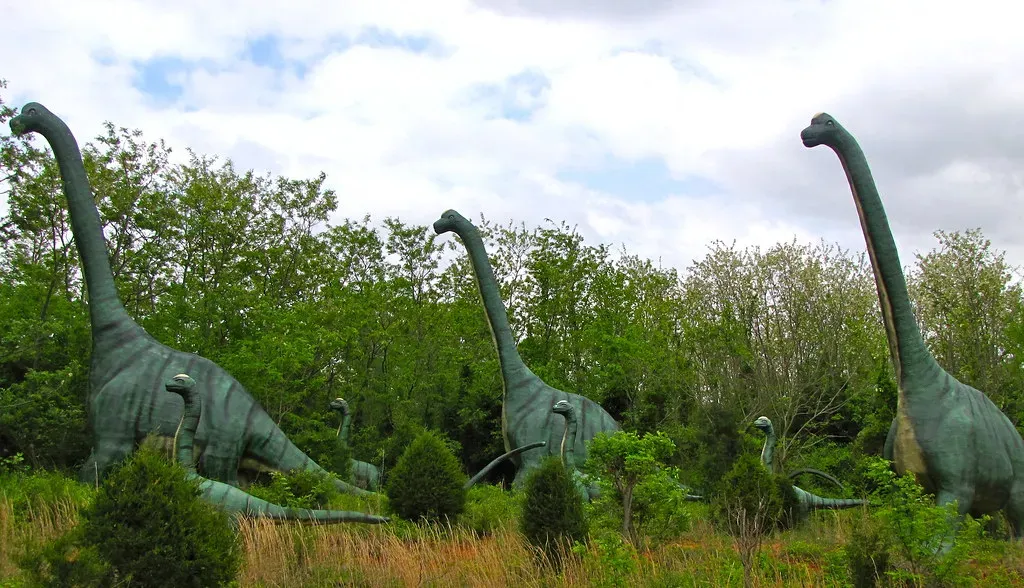
The picture that emerges from all this research is one of a prehistoric world in constant, restless motion. Dinosaurs were not sedentary giants locked to patches of swamp. They were travelers, navigators, and seasonal commuters on a planetary scale. The study of dinosaur migration has far-reaching implications, not just for our understanding of these prehistoric giants but for our broader knowledge of the Earth’s evolutionary history, revealing the complex interplay of tectonic plate movements, climate fluctuations, and the adaptability of life in the face of changing environmental conditions.
Emerging theories suggest that the migration patterns of dinosaurs were influenced by a complex interplay of factors, such as climate fluctuations, resource availability, and even evolutionary adaptations. Every new fossil site, every isotope ratio, every fossilized footprint adds another chapter to a story we are only beginning to read. The more we look, the more we find, and the more humbling it all becomes.
Science has a beautiful way of making the world bigger than you thought it was. You assumed dinosaurs stayed close to home. They were crossing continents. What else about the ancient world are we still getting completely wrong? That might be the most exciting question in all of paleontology right now.