Most people picture dinosaurs as thundering, territorial beasts staking out their patch of ancient earth and never straying far. It’s a simple image. It’s also increasingly wrong. The deeper scientists look, the more they realize these creatures were on the move in ways that rival the great animal migrations we see on Earth today.
What you’re about to discover challenges nearly everything the classic museum dioramas taught you. These weren’t mindless giants stumbling between swamps. They were navigators, seasonal travelers, and in some cases, intercontinental wanderers. So let’s dive in.
Teeth Don’t Lie: The Chemical Clues Hidden in Fossil Enamel
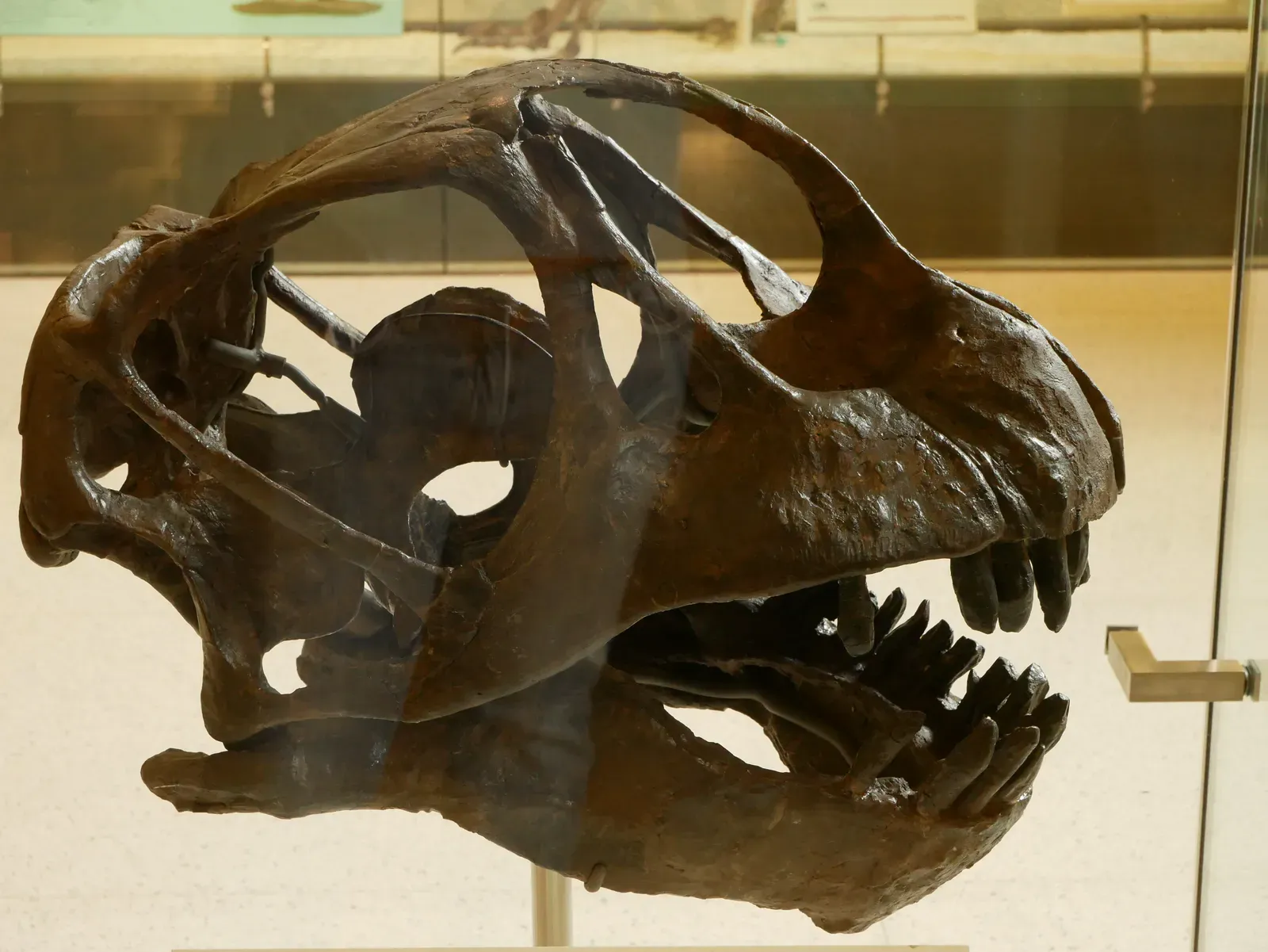
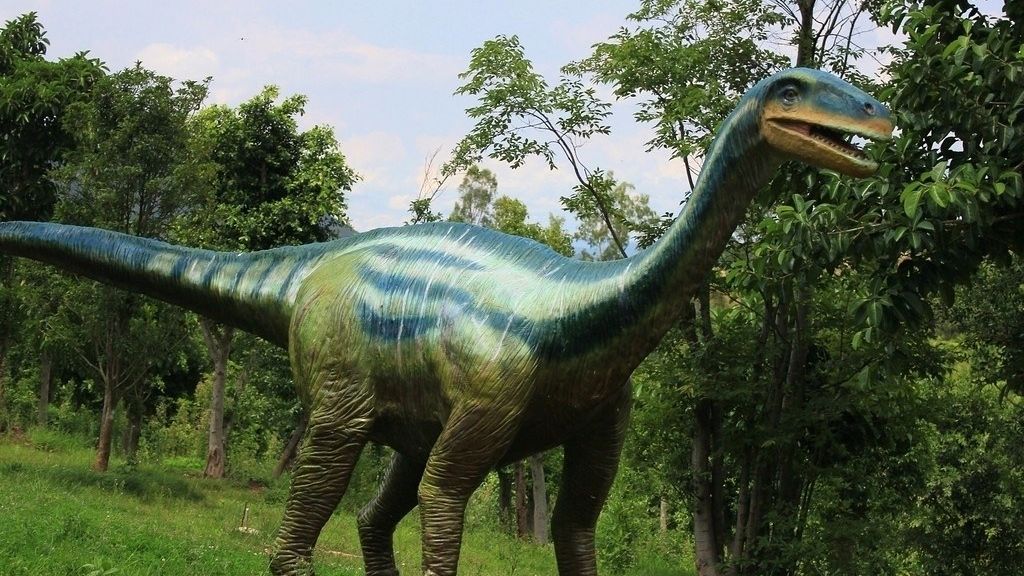
Here’s the thing – some of the most groundbreaking evidence for dinosaur migration didn’t come from bones or footprints. It came from teeth. Chemical signals in prehistoric tooth enamel revealed that roughly bus-length Camarasaurus dinosaurs walked hundreds of miles on marathon migrations in late Jurassic North America. That’s a remarkable conclusion to draw from something as small as a fossilized tooth.
Responding to shifts in food and water availability, the long-necked plant-eaters likely trudged from floodplain lowlands to distant uplands and back again as the seasons changed across parts of what are now Utah and Wyoming. Think of it like the ancient Serengeti, just with creatures ten times the size of any wildebeest. The seasonal logic was the same: follow the food, follow the water, survive.
Researchers compared ratios of oxygen isotopes in fossil Camarasaurus teeth with oxygen isotopes found in prehistoric layers of lowland soil. The results were striking. Because the dinosaurs’ teeth were replaced roughly every five months, each tooth offers a unique record of what the animal drank during the tooth’s life span – and the soil and teeth turned out to have distinctly different oxygen-isotope ratios, with the ratios in the teeth being akin to what you’d expect had the teeth grown at high elevations.
The dinosaurs probably traveled more than 350 miles to find food and water in the highlands. That’s roughly the distance from New York to Boston and back. Every season. Year after year. I think that single fact alone changes how you see these animals forever.
Continental Drift Was Both Road and Roadblock
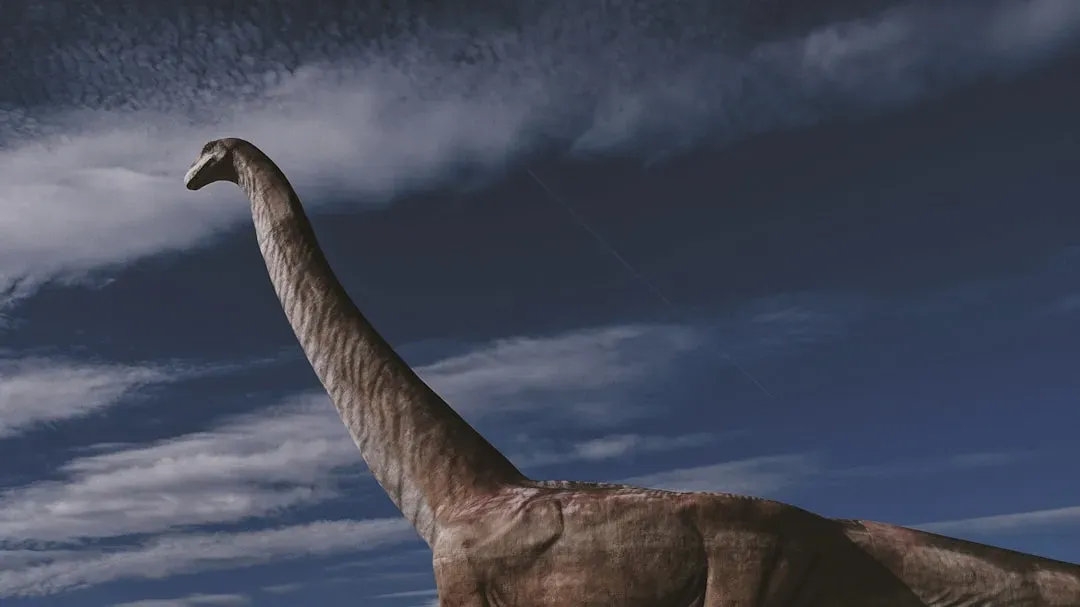
Fossil records revealed that dinosaurs trekked across the supercontinent Pangea some 230 to 66 million years ago. When the land was all connected, movement between what we now call separate continents was simply a very long walk. There were no seas to cross, no impassable oceans to stop a determined herd.
The division of the supercontinent had a significant impact on dinosaur migration patterns. As the continents drifted apart, dinosaurs had a hard time moving between them. However, evidence suggests that some species could still migrate across various boundaries even though the migration process was influenced by the subdivision but wasn’t stopped altogether. Imagine a highway slowly crumbling beneath your feet but you keep finding detours. That’s essentially what some dinosaurs did.
Dinosaurs used to migrate between continents and islands using temporary land bridges, and studies reveal that these bridges might have been formed due to fluctuating sea levels during the Cretaceous period. It’s a humbling reminder of how radically different Earth’s geography was. The map of dinosaur life looked nothing like a map we’d recognize today.
Climate as a Migration Trigger: The Journey to Greenland
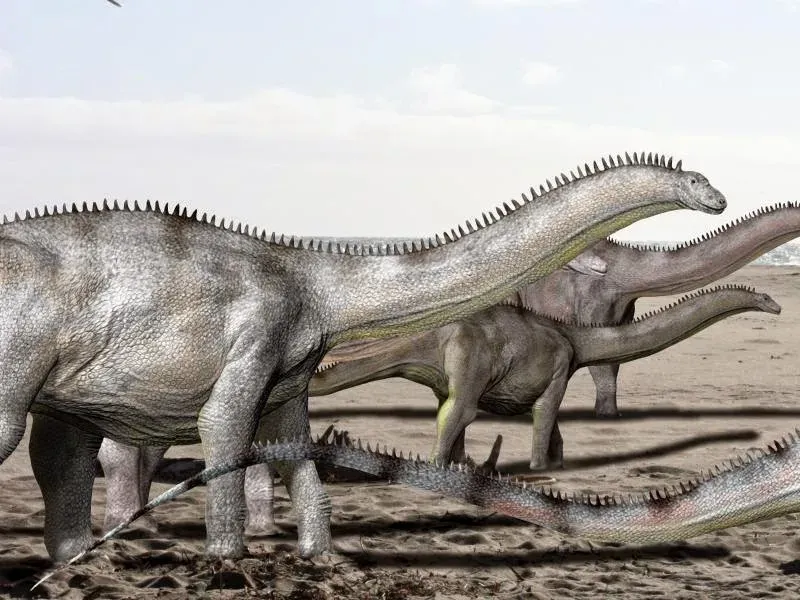
A drop in carbon dioxide levels may have helped sauropodomorphs, early relatives of the largest animal to ever walk the Earth, migrate thousands of kilometers north past once-forbidding deserts around 214 million years ago. That’s a climate-driven migration event on a scale that’s genuinely breathtaking. CO2 as a gatekeeper. Who would have guessed?
During much of the Late Triassic Epoch, Earth’s carbon dioxide levels were incredibly high – as much as 4,000 parts per million, compared to current CO2 levels of about 415 parts per million. Climate simulations have suggested that level of CO2 would have created hyper-arid deserts and severe climate fluctuations, which could have acted as a barrier to the giants’ movement. Once those CO2 levels crashed, the deserts softened, and the path opened up.
Scientists pinpointed the timing of the dinosaurs’ journey from South America to Greenland by correlating rock layers with sauropodomorph fossils to changes in Earth’s magnetic field. Using that timeline, the team found that the creatures’ northward push coincides with a dramatic decrease in CO2. It’s almost poetic – the planet exhaled, and the dinosaurs walked north. If the dinosaurs had walked at the slow pace of one to two kilometers per day, it would have taken them approximately 20 years to reach Greenland.
Network Theory Rewrites the Migration Map
Researchers using a method called “network theory” shed new light on dinosaur migration patterns, posing the question: did Pangea’s fragmentation affect how dinosaur families moved? It’s a tool borrowed from computer science and social media analysis, which makes it sound almost absurdly modern for a field dealing with 200-million-year-old bones. Honestly, it’s a brilliant approach.
The researchers used “network theory” in a new way to see how different dinosaur fossils were connected – essentially a series of points representing entities, then lines drawn between them to show how they interacted. You can picture it like a prehistoric version of a flight map, with ancient continents as the airports and migration routes as the flight paths.
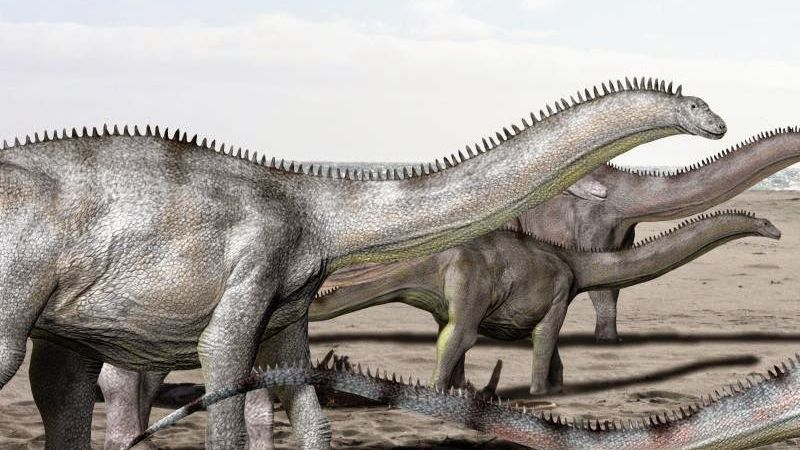
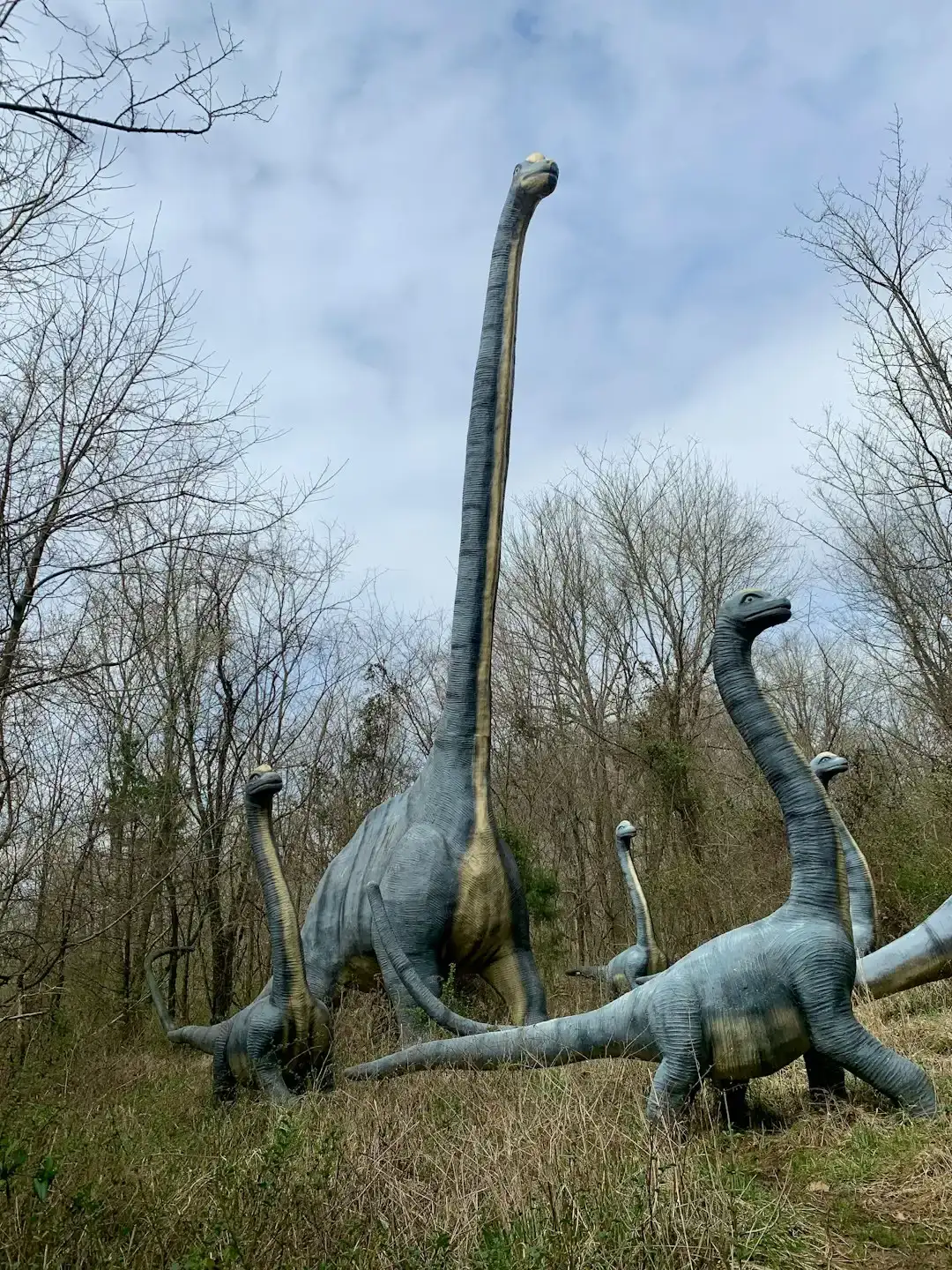
To make the mapping exercise more manageable, the researchers separated the dinosaurs by type: the sauropodomorphs (huge, long-necked plant-eaters like Diplodocus and Brachiosaurus), the theropods (carnivorous dinosaurs like Tyrannosaurus rex), and the ornithischians (other plant-eaters such as Triceratops and Stegosaurus). Each group told a different story of movement and mobility.
One finding was that sauropodomorphs tended to be less mobile compared to theropods – these were really big animals, probably less likely to swim or cross sea routes. The theropod family, which also includes birds, was likely mobile enough to disperse across narrow seaways. Size, it turns out, was as much a limitation as it was an advantage when it came to crossing the ancient world.
Herds, Tribes, and the Social Architecture of Dinosaur Movement
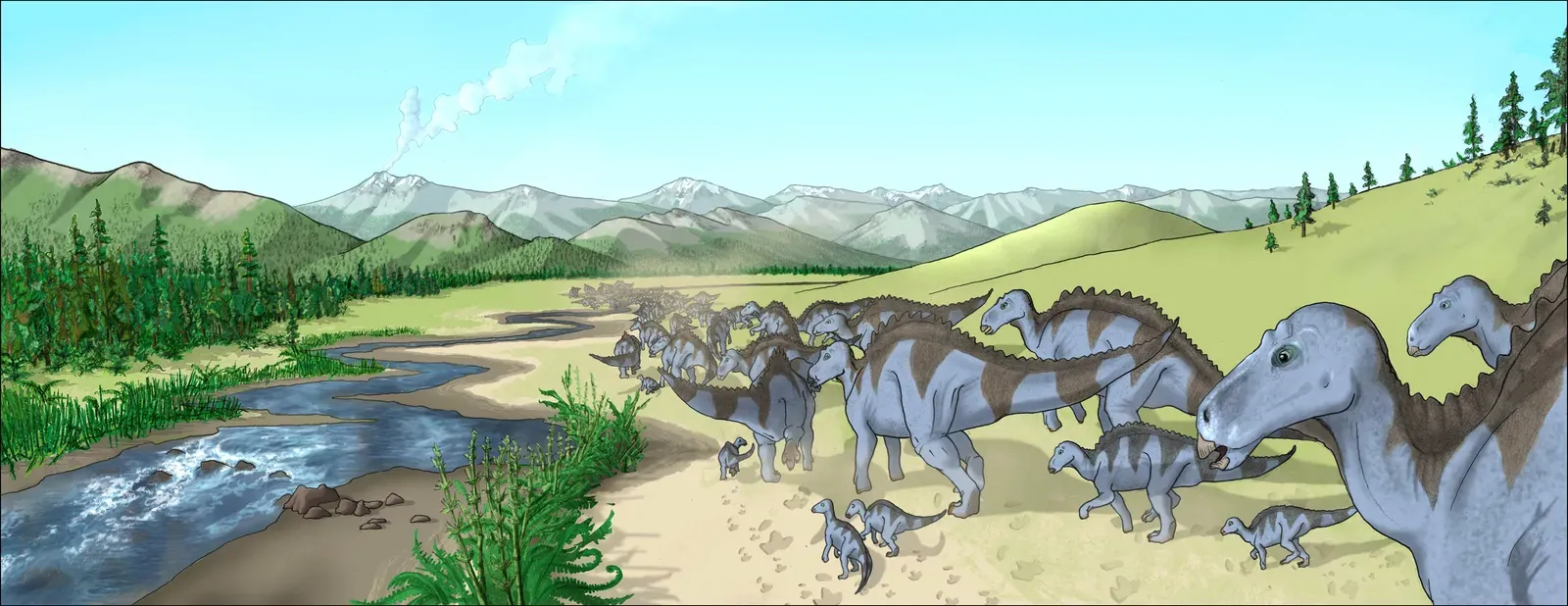
One of the most intriguing aspects of dinosaur migration patterns is the emergence of evidence for organized “tribes” or “herds” among certain species. Through the analysis of fossil trackways and the discovery of mass grave sites, researchers have been able to identify the social structures and collaborative behaviors that may have facilitated long-distance movements of these prehistoric creatures. This is not what classic paleontology predicted. Not even close.
The discovery of Maiasaura nesting sites in the Cretaceous badlands of Montana provided a glimpse into the familial bonds and cooperative parenting strategies of these hadrosaur dinosaurs. The presence of well-developed nests, hatchling remains, and evidence of adult care suggests that these herbivores may have traveled in multi-generational herds, with older individuals guiding and protecting the younger members during their migratory journeys. That’s not animal behavior – that’s family behavior. It’s surprisingly moving.
These bonebeds can number in the hundreds to thousands of individuals, and a standing herd of such numbers would represent serious energy drains on the environment – not ecologically sustainable if those animals did not move from place to place. It’s the same reason you can’t leave a thousand wildebeest in one pasture. The math of survival demanded movement.
Tyrannosaurs Crossed Continents, and Then Crossed Back
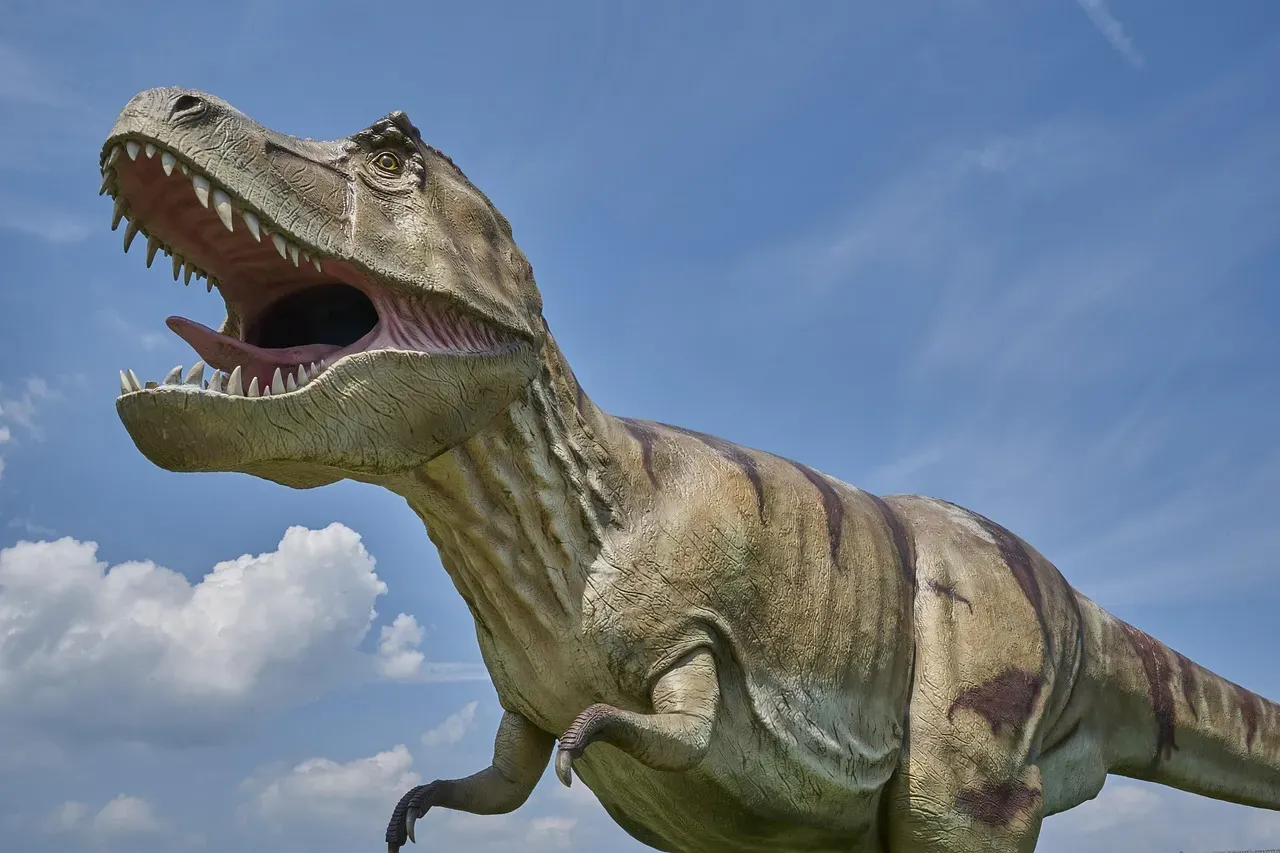
Let’s be real – nobody imagined T. rex had intercontinental roots. Yet that’s increasingly where the evidence points. A newly described dinosaur called Khankhuuluu adjusted the tyrannosaur family tree significantly, with details of multiple tyrannosaur migrations millions of years apart. Khankhuuluu was part of a burst of tyrannosaur evolution that led to slender, agile creatures crossing into prehistoric North America around 85 million years ago, and some of those tyrannosaurs then crossed back into Asia, evolving into new forms and eventually leading one big, bone-crushing lineage to enter North America once more and give rise to the iconic T. rex.
Think of it like a dynasty that kept moving headquarters across the globe over tens of millions of years. The small carnivore Khankhuuluu lived about 86 million years ago in what is now the Gobi Desert. From there, the tyrannosaur lineage would eventually complete its transcontinental loop, returning to produce one of the most recognizable predators in Earth’s history. It’s hard to say for sure just how long those crossings took, but the geological evidence is becoming harder to dismiss.
Polar Dinosaurs and the Question of Overwintering vs. Migration
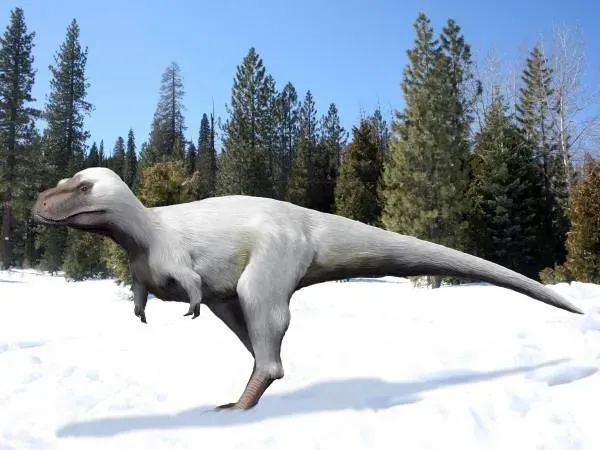
One of the most underrated debates in paleontology is this one: when the polar nights came and temperatures dropped, did dinosaurs leave, or did they stay? Cretaceous polar dinosaur faunas were taxonomically diverse, which suggests varied strategies for coping with the climatic stress of high latitudes. Some polar dinosaurs, particularly larger taxa such as the duckbill Edmontosaurus, were biomechanically and energetically capable of migrating over long distances, up to 2,600 kilometers. That’s an astonishing range for any land animal.
However, current evidence strongly suggests many polar dinosaurs, including sauropods, large and small theropods, and ankylosaurs, overwintered in preference to migration. Certain groups also appear more predisposed to overwintering based on their physical inability to migrate, such as ankylosaurs and many small taxa including hypsilophodontids and troodontids. So the picture wasn’t uniform. Some packed up and left. Others dug in and endured. It mirrors the diversity of strategies we see in modern wildlife, which is fascinating on its own.
A warm-blooded physiology would have allowed dinosaurs to be more active and engage in behaviors that require sustained energy expenditure, such as migration, and would have enabled them to occupy a wider range of ecological niches, including those in colder climates. The physiology debate and the migration debate are deeply intertwined – and both are still evolving in exciting ways.
Conclusion: The Ancient World Was Always on the Move
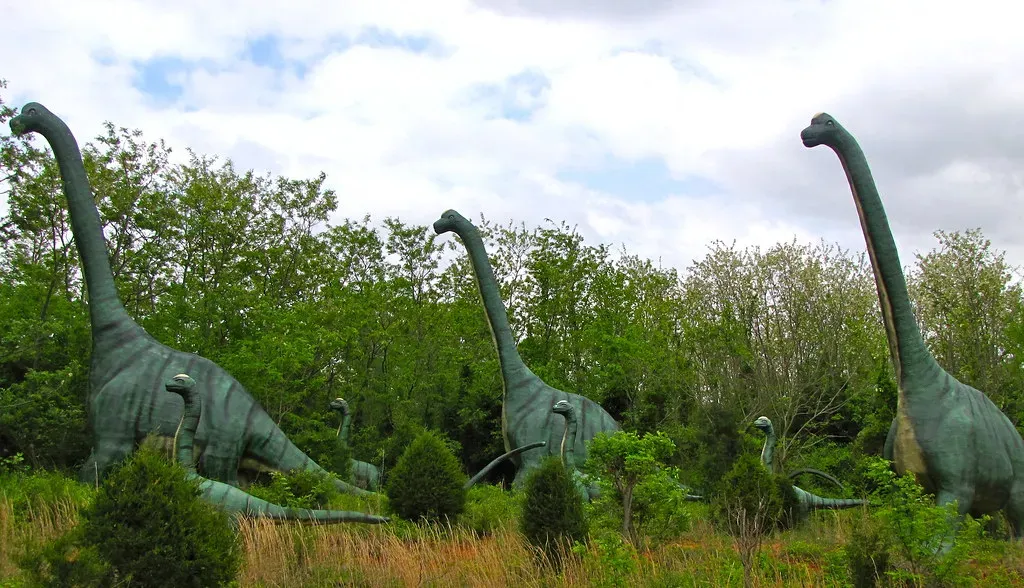
What we once thought of as lumbering, territorial giants were, in many cases, long-distance travelers operating on seasonal schedules, responding to climate, following food, and crossing geological barriers that no longer exist. By tracing the migration patterns and dispersal of dinosaurs, researchers can gain insights into the complex interplay of tectonic plate movements, climate fluctuations, and the adaptability of life in the face of changing environmental conditions. That’s not just prehistoric history – it’s a lens on how life itself works.
The sophistication of dinosaur migration continues to surprise even seasoned researchers. As researchers continue to uncover new fossil evidence and refine their analytical techniques, the understanding of dinosaur migration patterns is constantly evolving. Every new fossil site, every isotope analysis, every fossilized trackway adds another line to a map we’re only beginning to read.
So the next time you stand before a dinosaur skeleton in a museum, don’t just see a static creature frozen in time. See a traveler. One that may have walked a thousand miles in a single year, navigated a world without maps, and somehow found its way home. What does that make you think about the resilience of life on this planet? Tell us in the comments.