You’ve probably seen those dramatic images of towering dinosaurs locked in battle or chasing down prey. Those scenes capture our imagination, sure. Yet what we’re discovering about how these ancient creatures actually lived, how they cared for their young, and how they built their family structures is turning out to be even more fascinating than any Hollywood blockbuster.
It’s wild to think that creatures who went extinct millions of years ago left behind such intimate evidence of their daily lives. Their fossilized nests, eggs, and the arrangements of their bones tell stories that scientists are only now beginning to fully understand. These discoveries are reshaping everything we thought we knew about dinosaur behavior.
The Revolutionary Discovery That Changed Everything
In 1923, scientists from the American Museum of Natural History unearthed the first fossils widely regarded as dinosaur eggs in the Gobi Desert in Mongolia, initially thought to belong to Protoceratops but later found to belong to Oviraptor-like animals. Before this moment, paleontologists could only speculate about how these massive creatures reproduced.
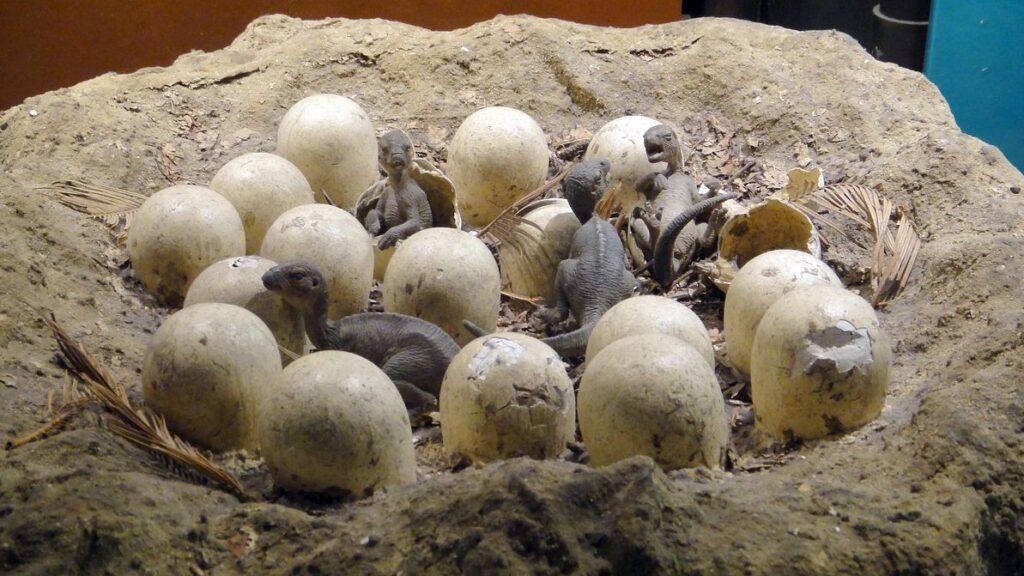
The real game-changer came decades later. In the 1980s, palaeontologists uncovered nests belonging to the duck-billed dinosaur Maiasaura in Montana, USA, alongside fossils of eggs, hatchlings and adult dinosaurs, providing the first strong evidence of how dinosaurs fed and cared for their offspring. This wasn’t just a pile of bones, mind you. It was a snapshot of prehistoric family life frozen in time.
Not All Eggs Were Created Equal
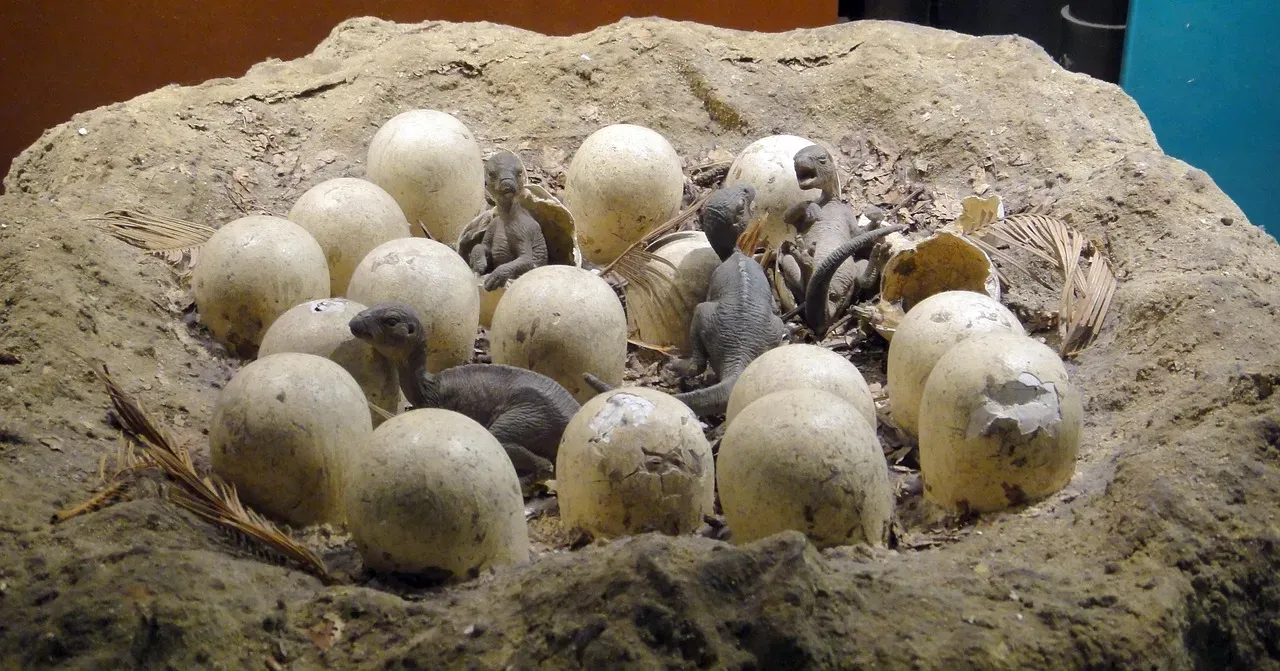
Here’s something that might surprise you. Recent studies found that some dinosaurs, like the 73 million-year-old horned dinosaur Protoceratops and the 215 million-year-old, long-necked dinosaur Mussaurus, laid soft-shelled eggs similar to the leathery eggs of some modern reptiles. This completely flipped what researchers had assumed for years.
The discovery that Protoceratops eggs were soft was completely unexpected since both birds and crocodilians lay hard-shelled eggs, and soft-shelled eggs are more sensitive to the environment because they lose moisture easily in dry conditions, meaning parents could not sit directly on top of them without risking a crushed shell. Think about what that means for a moment. These dinosaurs couldn’t just plop down on their nests like modern birds do. They had to develop entirely different strategies.
Obsessive Parents Who Risked Everything
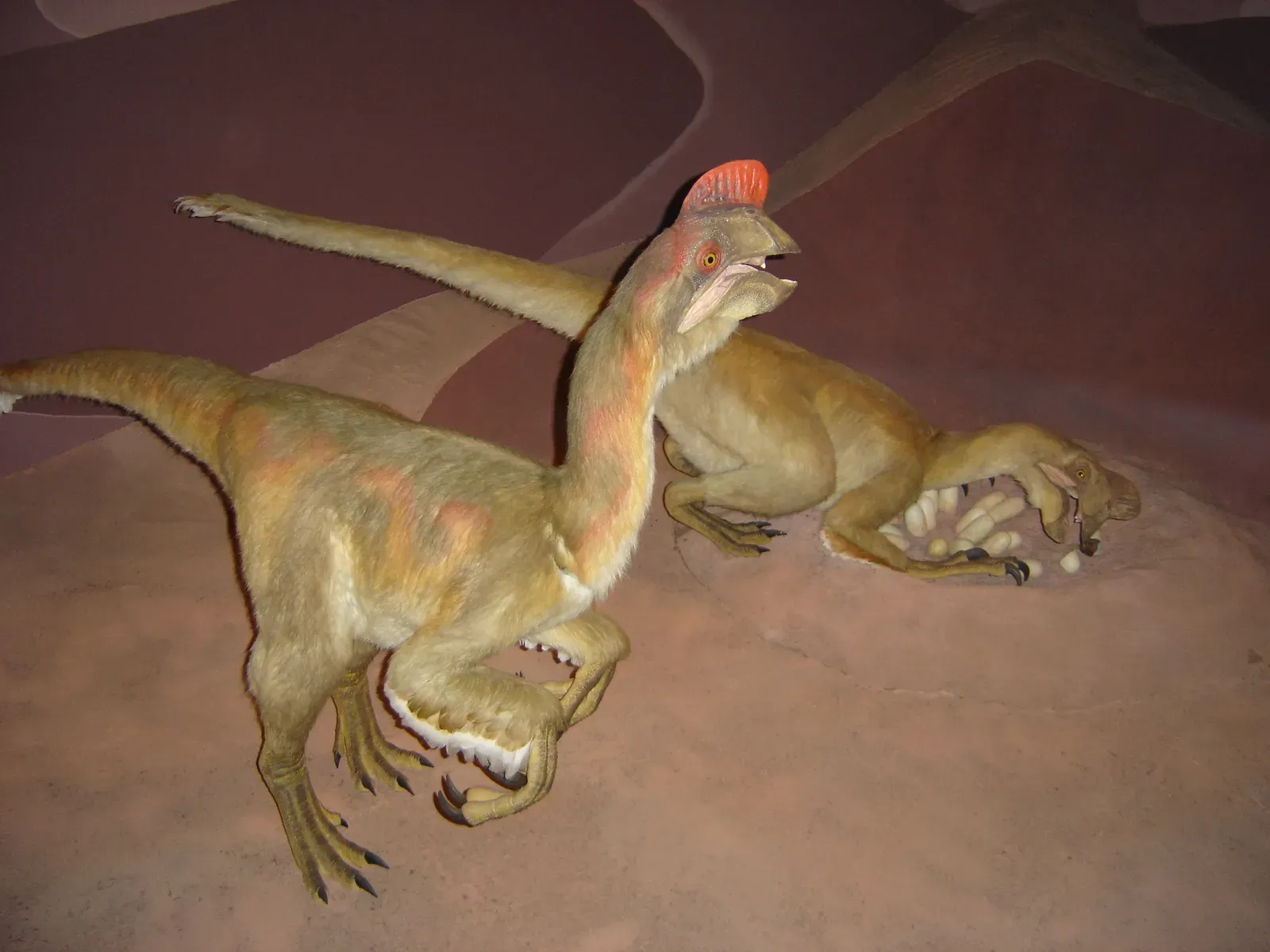
Some dinosaur species were absolutely devoted to their offspring in ways that seem almost unbelievable. Researchers have found a large number of oviraptorosaur nests with adult dinosaur skeletons nearby, suggesting these dinosaurs were completely obsessed with their eggs. Honestly, the dedication is remarkable.
The fossil record even preserves dramatic final moments. A 75-million-year-old oviraptorid known as ‘Big Mama’ was uncovered brooding on a nest of eggs, curled up on its nest and caught in the act, possibly buried by a sandstorm or mudslide, demonstrating protective behaviour to the detriment of the parent. Let’s be real, that’s heartbreaking and beautiful at the same time.
The Latchkey Kids of the Mesozoic
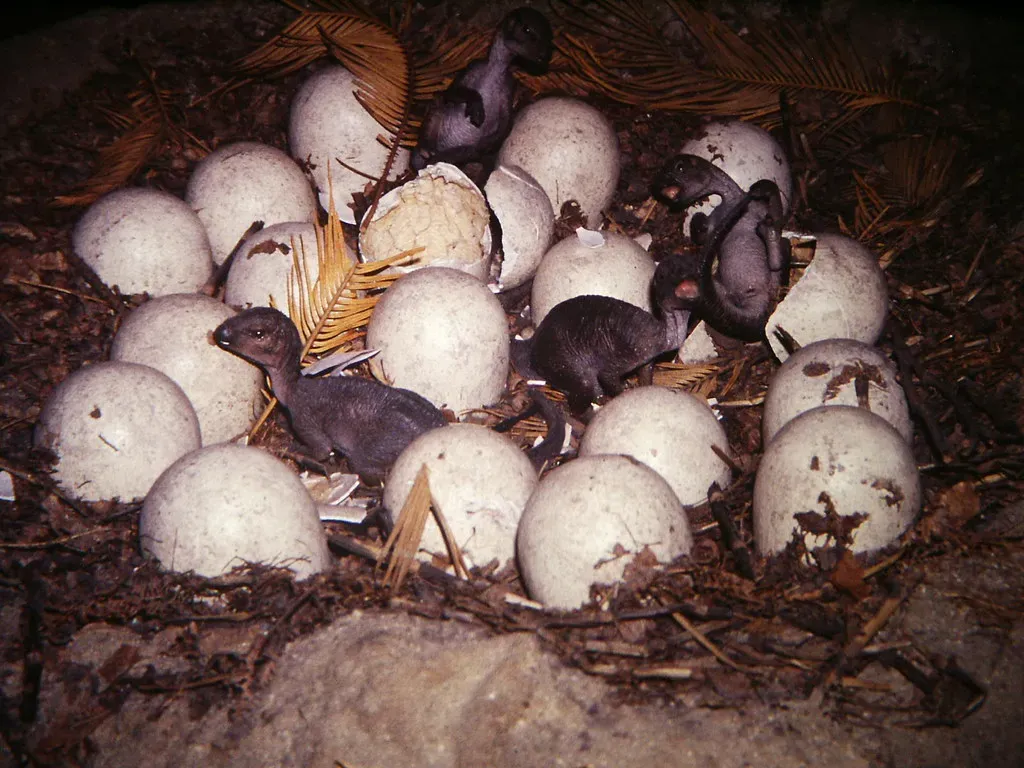
Not every dinosaur species hovered over their young, though. Fossil evidence shows pods of skeletons of youngsters preserved together with no traces of adults nearby, with juveniles tending to travel together in groups of similarly aged individuals, getting their own food and fending for themselves. These baby dinosaurs were essentially on their own from day one.
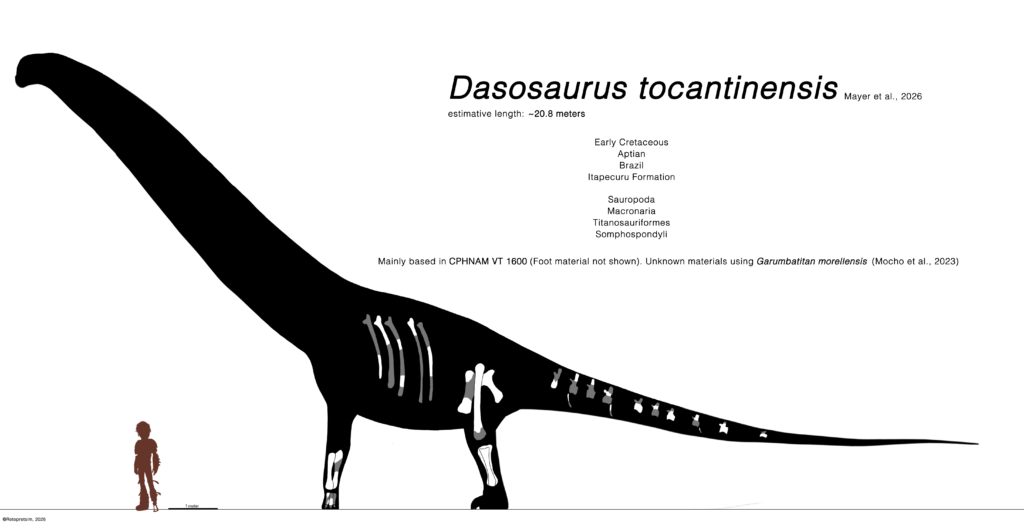
Picture a baby Brachiosaurus the size of a golden retriever, hunting for food with its siblings while dodging predators, meanwhile its parents – towering over 40 feet tall – are dozens of miles away, going about their lives completely unbothered by their offspring’s potential fate. That’s a parenting style you won’t find recommended in any modern childcare books.
Colonial Nesting Colonies Revealed Group Dynamics
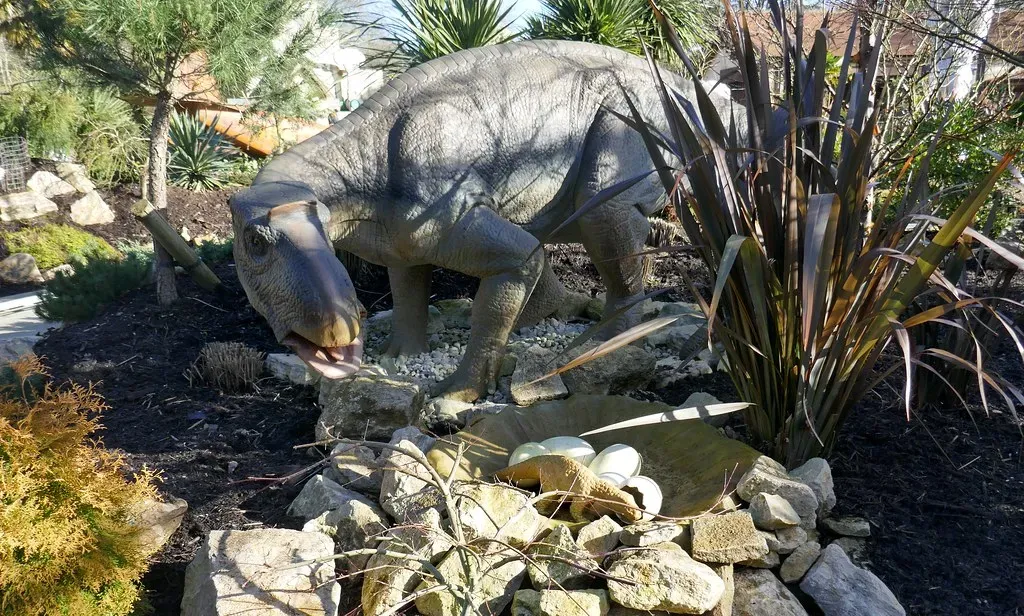
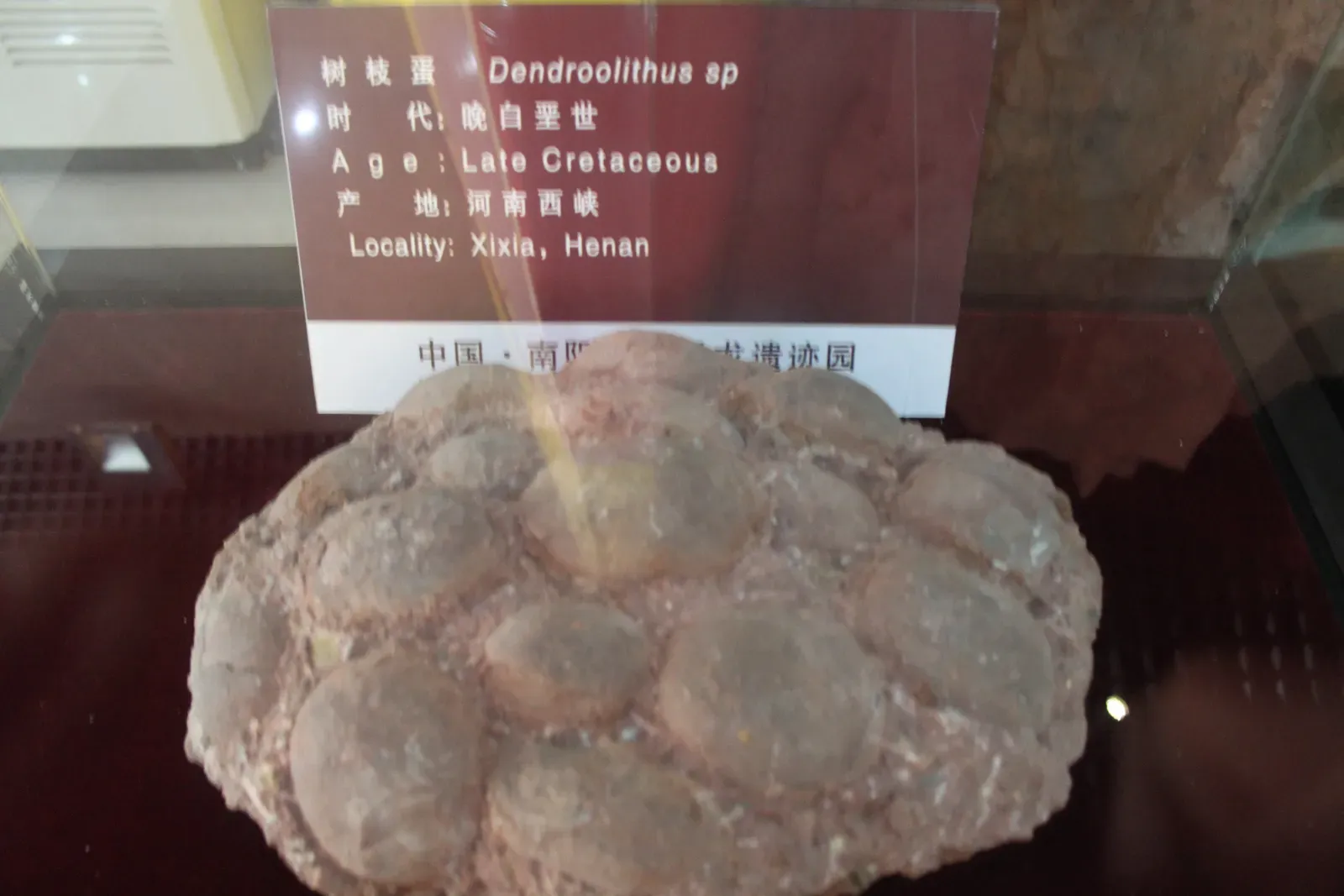
An exquisitely preserved dinosaur nesting site discovered in the Gobi Desert shows that some prehistoric animals nested in groups and protected their eggs, establishing a colony that they likely protected, with the find including fossils of 15 nests and more than 50 eggs that are roughly 80 million years old. The level of social organization this implies is staggering.
A distinctive streak connects all of the eggs, suggesting the dinosaurs laid them in a single breeding season. This is the kind of evidence that makes paleontologists giddy with excitement because it confirms these weren’t just random clusters formed over thousands of years. These dinosaurs deliberately chose to nest together, probably for protection and communal support.
When Geography and Architecture Met Reproduction
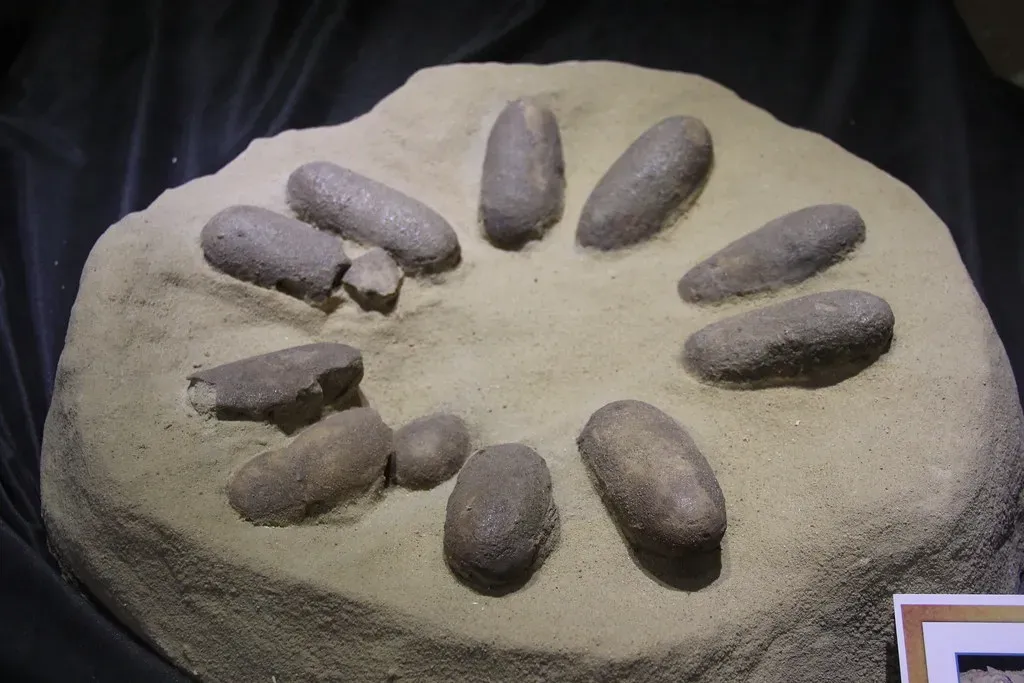
The way dinosaurs arranged their eggs reveals sophisticated behavioral patterns. Oviraptorids laid two eggs at a time in a clutch of 30 or more, meaning the mother would have to stay with or at least return to the nest, lay her pair of eggs, arrange them carefully in the circle, and bury them appropriately every day for two weeks to a month, with those eggs taking months to hatch.
Palaeontologists examined how larger dinosaurs prevented damage by crushing, finding that by laying their eggs in a ring around themselves, heavier dinosaurs could incubate their eggs without having to directly sit on them. That’s problem-solving on an evolutionary scale. Nature always finds a way, doesn’t it?
Color Codes and Environmental Clues
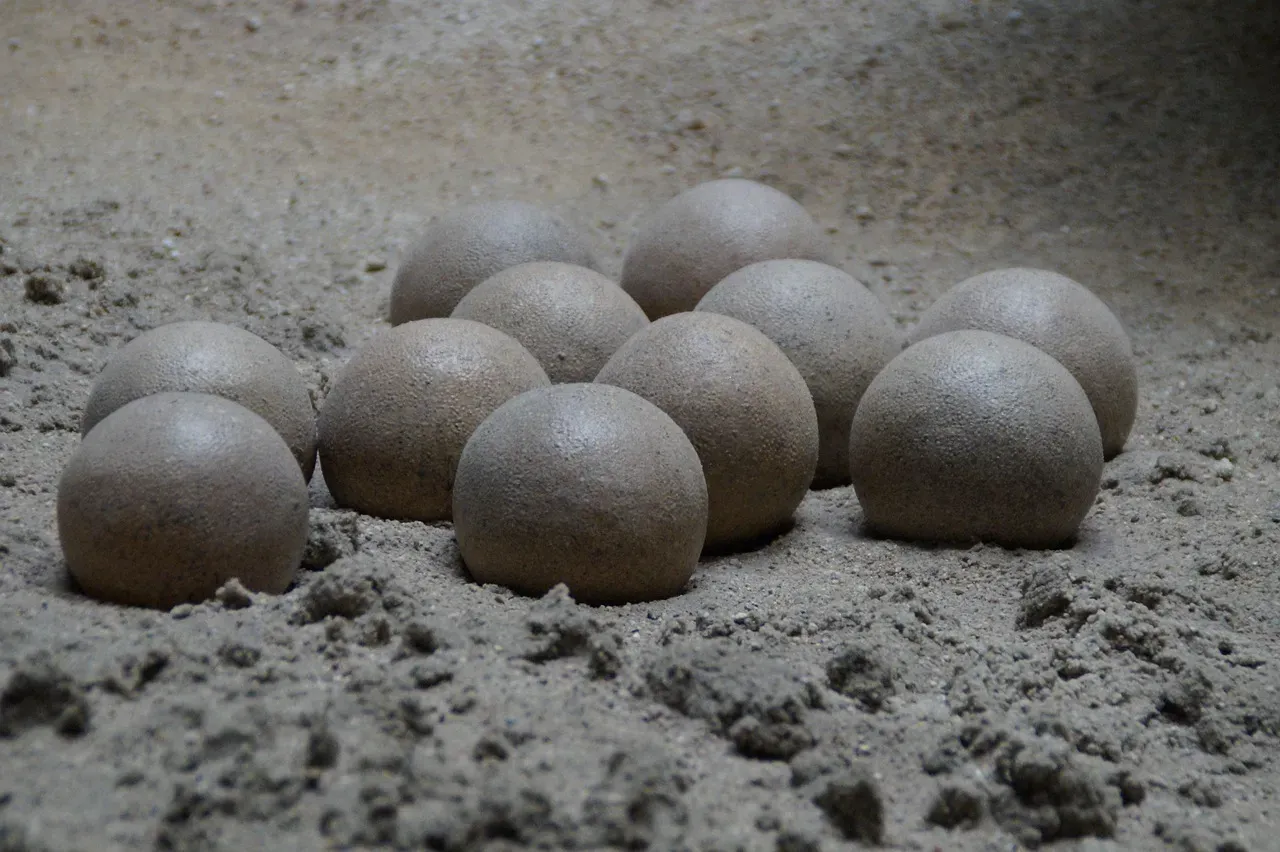
In fossil nests from the oviraptorid Heyuannia, researchers identified pigments in the eggs to determine their original color, finding the eggs in this nest were originally blue-green. The discovery that dinosaur eggs had colors challenges the old assumptions that lumped them together with modern reptiles.
Colorful eggs make no difference in buried nests where they can’t be seen, but for birds that lay eggs in open nests, color can camouflage the clutch from predators or differentiate parents’ eggs from those of other species. So if a dinosaur laid colorful eggs, scientists can reasonably infer it wasn’t burying them completely. Each tiny detail builds a bigger picture of how these animals lived.
The Diversity of Prehistoric Parenting Strategies
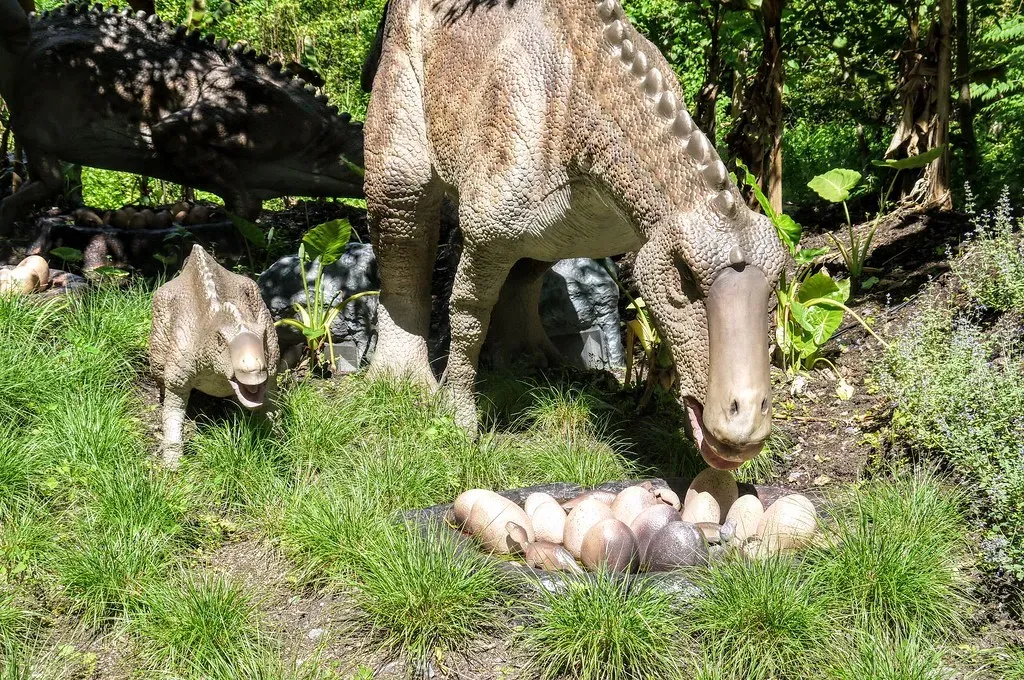
The evolution of dinosaur nesting shows the diversity of strategies that arose during the millions of years these animals walked the Earth, with some recent discoveries emphasizing similarities between theropods and birds, such as colored eggs and evidence of tending nests and young, while some dinosaurs were far from avian in their nesting ecology, burying soft-shelled eggs in the ground like sea turtles to incubate on their own over extended periods.
The biggest dinosaurs might have done little to look after the next generation, with no evidence of post-laying care for sauropods including the long-necked giants like Apatosaurus and Brachiosaurus, with researchers finding no evidence that the parents stuck around, suggesting a strategy of laying eggs carefully but then leaving them. It’s hard to say for sure, but the contrast between species is dramatic.
What This All Means for Understanding Ancient Ecosystems
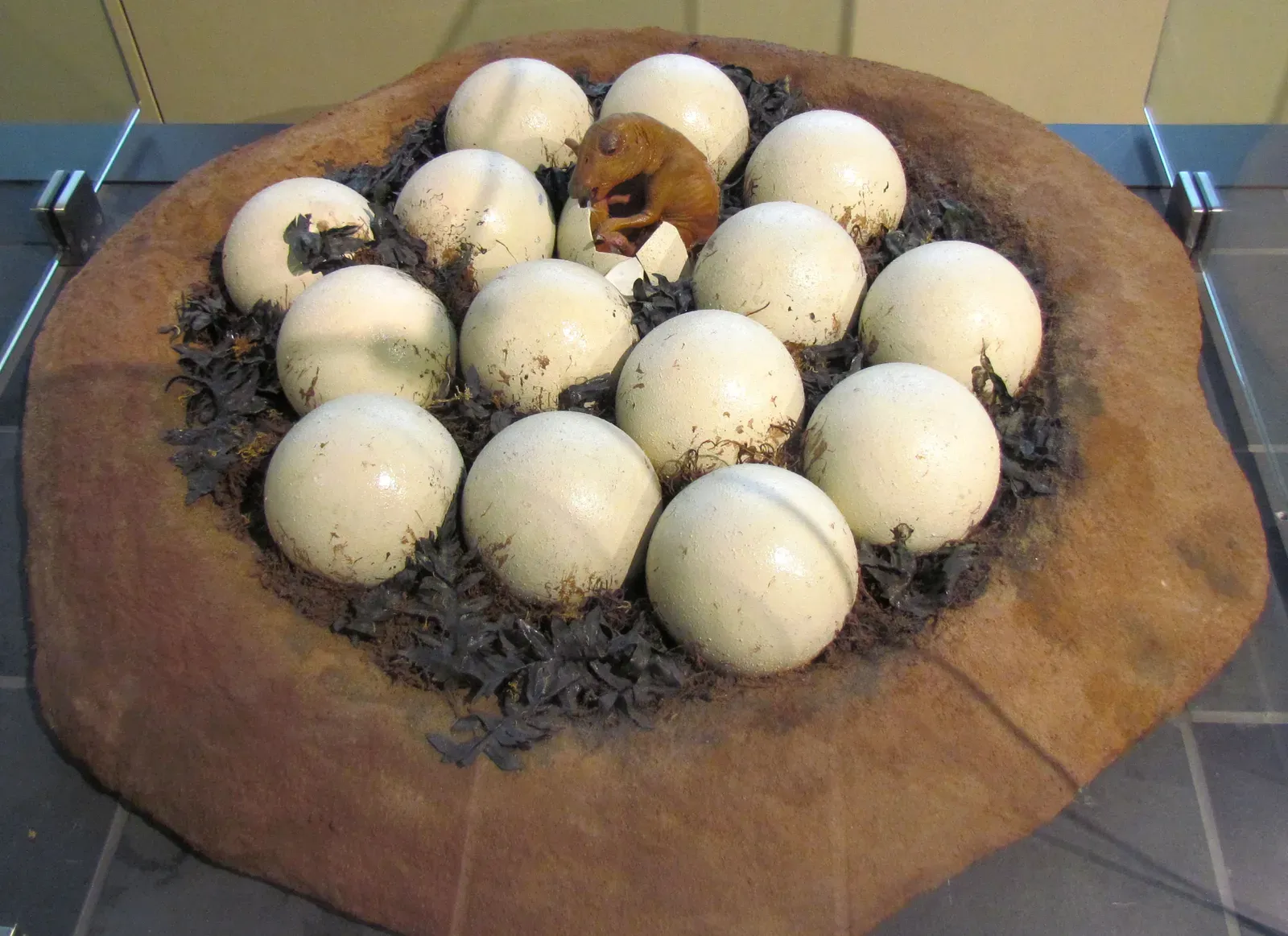
This completely changes how scientists view ecological diversity in that world, with scientists generally thinking that mammals today live in more diverse communities, but when counting young dinosaurs as separate functional species from their parents and recalculating the numbers, the total number of functional species in dinosaur fossil communities is actually greater on average than what we see in mammalian ones.
The implications reach far beyond just understanding individual species. Recent discoveries emphasize the similarities between theropods and birds, such as colored eggs and evidence of tending nests and young, revealing previously unimaginable details about dinosaur family life. Every nest we uncover, every fossilized egg we analyze, adds another piece to this enormous puzzle of how life functioned millions of years ago. These aren’t just cool fossils. They’re windows into worlds we can barely imagine, showing us that the prehistoric past was far more complex and nuanced than we ever suspected. What other secrets are still buried, waiting for someone to dig them up?