Think about finding a snapshot of daily life from millions of years ago. That’s exactly what dinosaur nests offer us today. These ancient structures, fossilized and preserved through countless millennia, tell stories far beyond simple biology textbooks. They reveal something more intimate, more touching than you might expect from creatures we often imagine as fearsome giants.
You might picture dinosaurs as solitary, cold-blooded monsters roaming a harsh landscape. Let’s be real though, the evidence buried in rock formations across the globe paints a surprisingly different picture. Discoveries from Montana to Mongolia show these prehistoric beings formed complex family bonds, built intricate nests, and cared deeply for their young. Ready to see how fossil eggs and nesting grounds completely changed what we know about dinosaur behavior?
The Discovery That Changed Everything
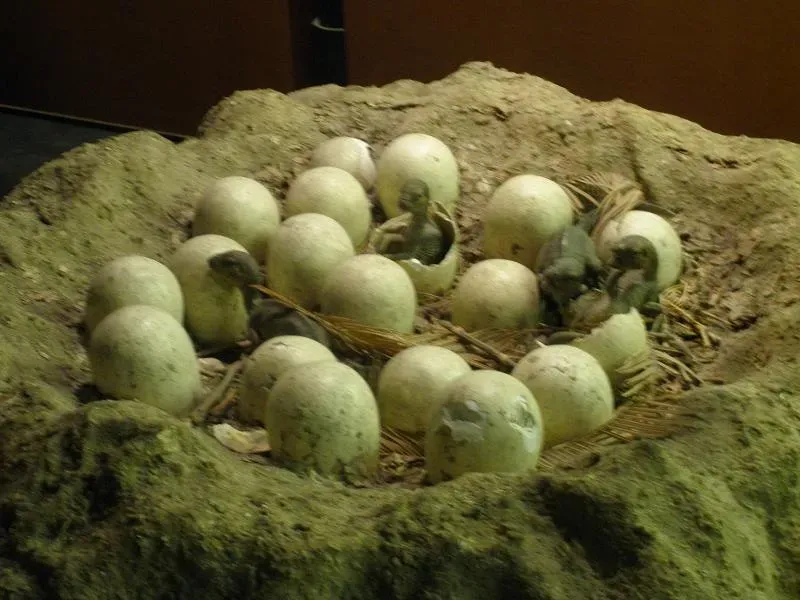
In 1978, Marion Brandvold found baby duck-billed dinosaur bones, leading paleontologists John R. Horner and Robert Makela to discover the first dinosaur nests with associated eggs and babies in the western hemisphere. This wasn’t just another fossil find. These exceptionally well-preserved fossils were the first strong evidence of how dinosaurs fed and cared for their offspring and kickstarted a discussion about the complex social lives of dinosaurs.
The creature they found became known as Maiasaura, which literally means “good mother lizard.” The close proximity of nests indicated these dinosaurs nested in groups, and examination of the fossils suggested this dinosaur cared for its young after they hatched. Before this groundbreaking discovery, most scientists viewed dinosaurs through a reptilian lens, assuming they simply laid eggs and abandoned them. This Montana site shattered those assumptions completely.
Reading Clues From Eggshells and Nest Architecture
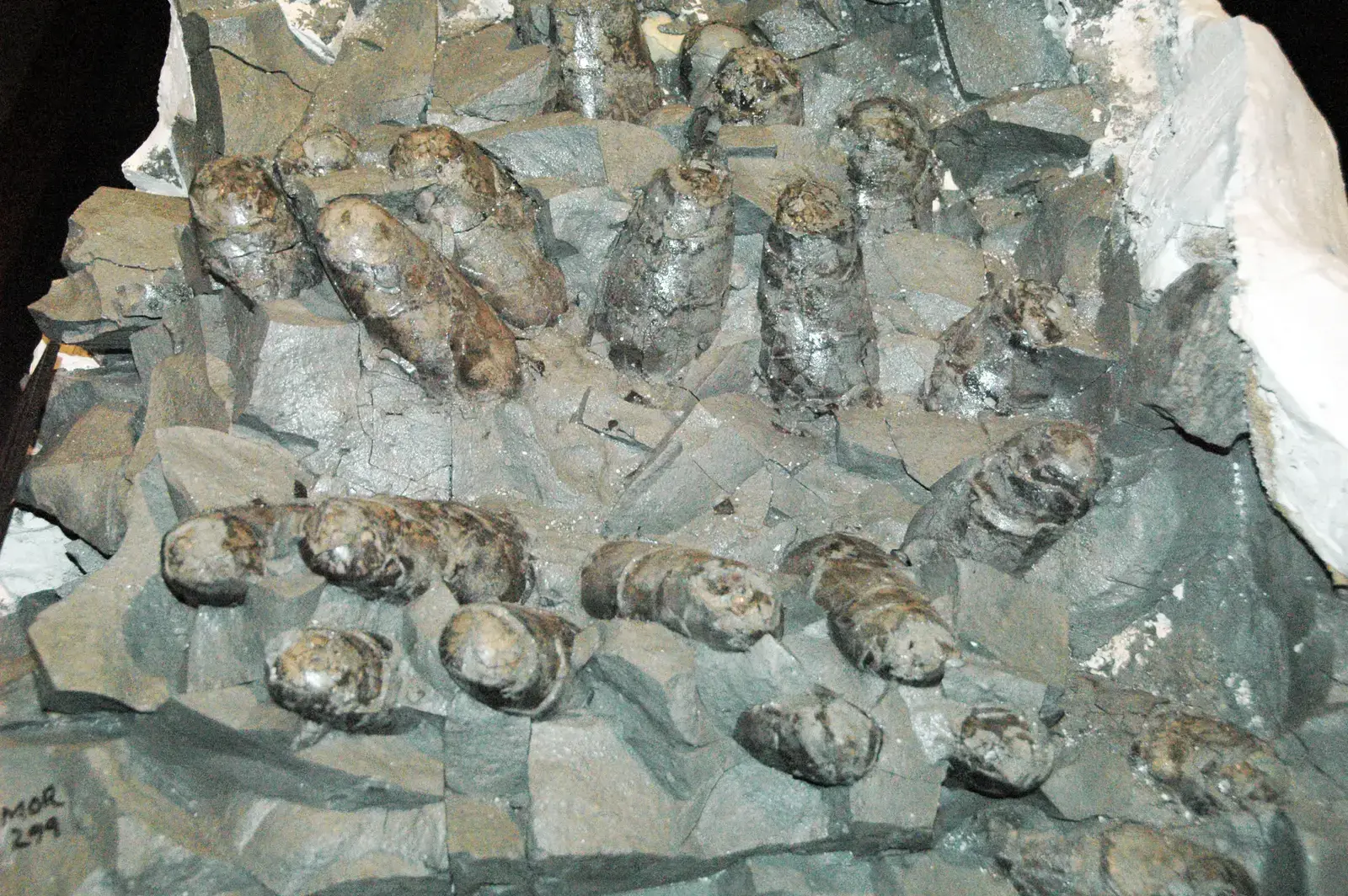
Both eggs and nests yield very significant information about the reproduction of dinosaurs, including data on the method of incubation, parental care and nesting and laying strategies. The shape of an egg, the thickness of its shell, even the pattern of tiny pores across its surface all tell different stories. By analysing the water vapour conductance of the eggshells, researchers can infer whether the eggs were incubated underground, covered by sediment or vegetation mounds, or brooded by an adult sitting on them.
You’d be surprised how much scientists can determine from a broken shell fragment. Some dinosaurs, like the 73 million-year-old horned dinosaur Protoceratops and the 215 million-year-old, long-necked dinosaur Mussaurus, laid soft-shelled eggs similar to the leathery eggs of some modern reptiles. The discovery of soft versus hard shells reveals entirely different parenting strategies and environmental adaptations.
Colonial Nesting Reveals Complex Social Behavior
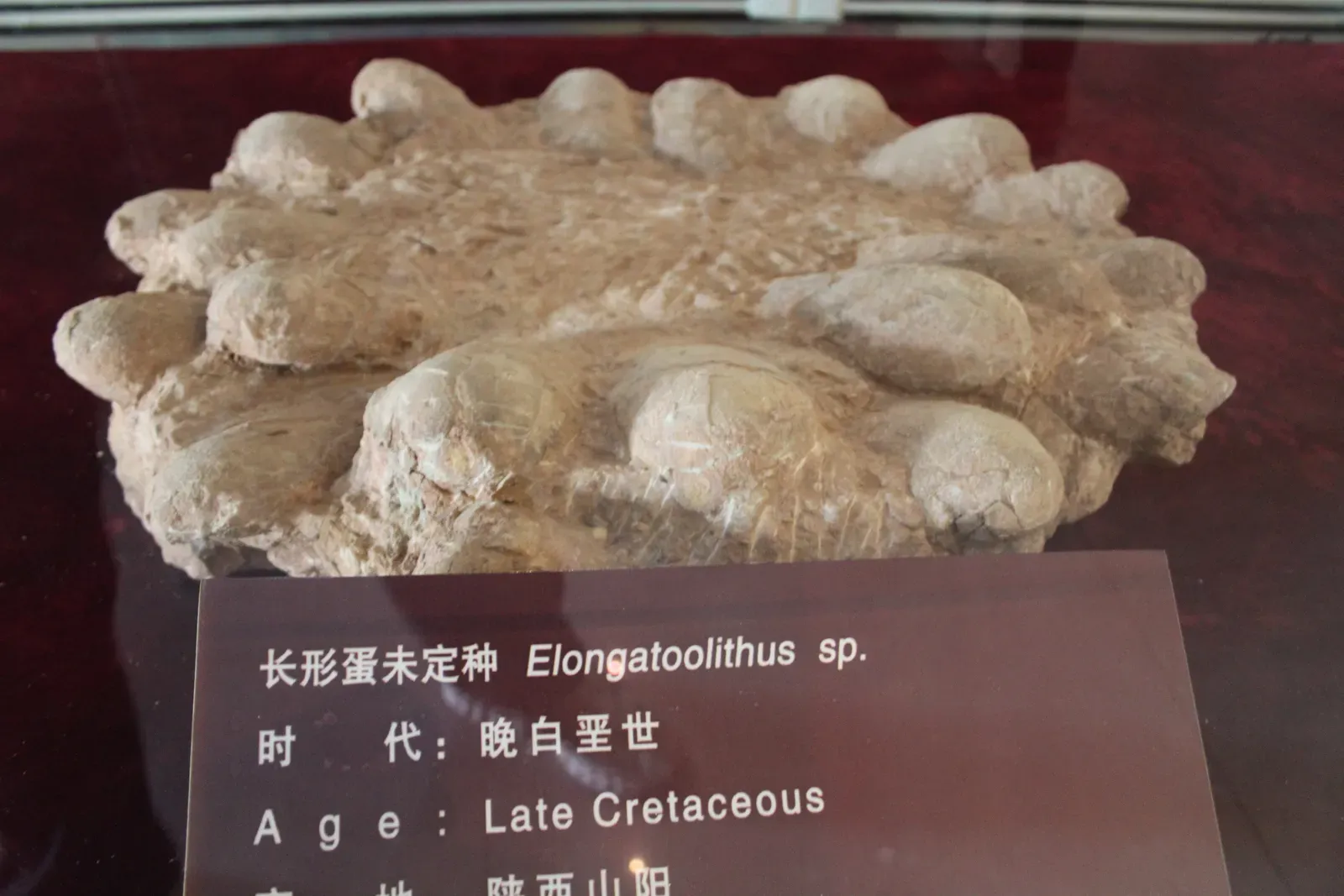
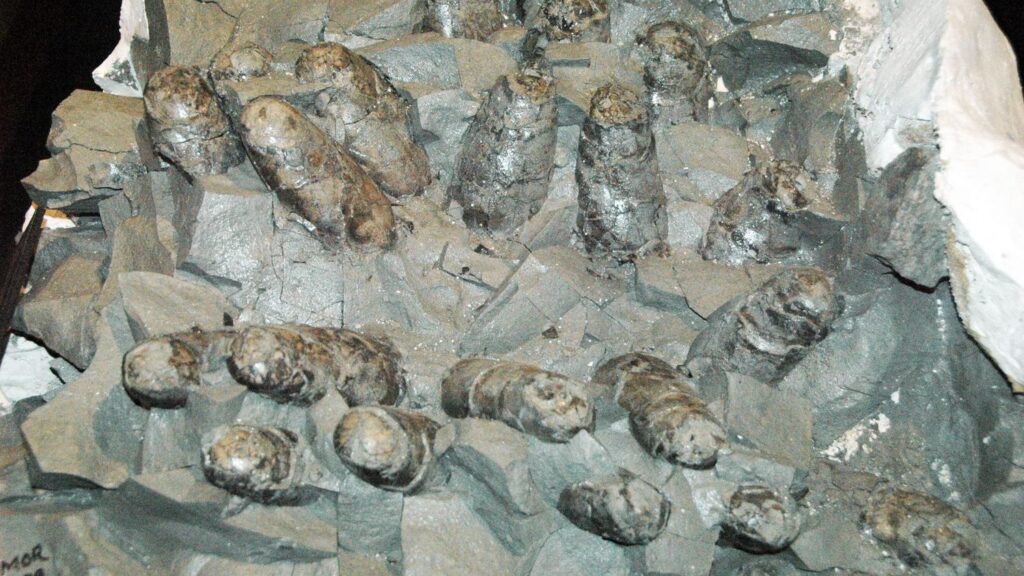
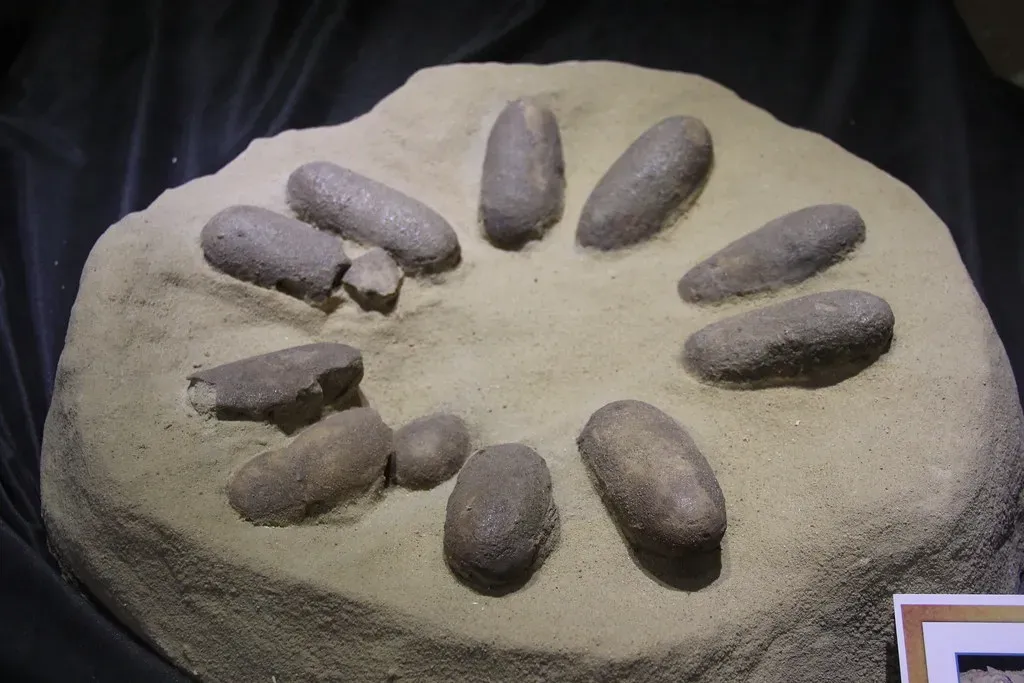
Located in southeast Mongolia, the 286-square-metre formation contains vivid layers of orange and grey, and this site provided something extraordinary. A bright red line connects all of the eggs, suggesting the dinosaurs laid them in a single breeding season. Think about what that means: multiple families gathering at the same time, in the same place, year after year.
All the eggs were laid and hatched in the same nesting season, and about 60% of them hatched successfully, a relatively high hatching rate similar to that of modern birds and crocodilians that protect their eggs. That success rate isn’t random chance. It suggests active protection from predators, possibly communal defense where adults worked together to safeguard the entire colony. Colonial nesting with parental attendance, widespread in living birds, likely evolved initially among non-brooding, non-avian dinosaurs to increase nesting success.
When Dinosaurs Became Protective Parents
Here’s where things get really fascinating. A remarkable fossil of a Citipati positioned over the center of its nest, its forearms spread to protect its eggs, captures a parent frozen in time during a final act of devotion. This Citipati parent was shielding the eggs when it perished in a sandstorm.
The mother would have to stay with or at least return to the nest, lay her pair of eggs, arrange them carefully in the circle, and bury them appropriately every day for two weeks to a month, and those eggs would have taken months to hatch. Honestly, that level of commitment challenges everything we thought about reptilian parenting. The shovel-beaked dinosaur Maiasaura got its name in part from Marion Brandvold’s discovery of a nest containing baby dinosaurs too developed to be newborns, proving these babies stayed under parental care long after hatching.
Different Species, Different Parenting Styles
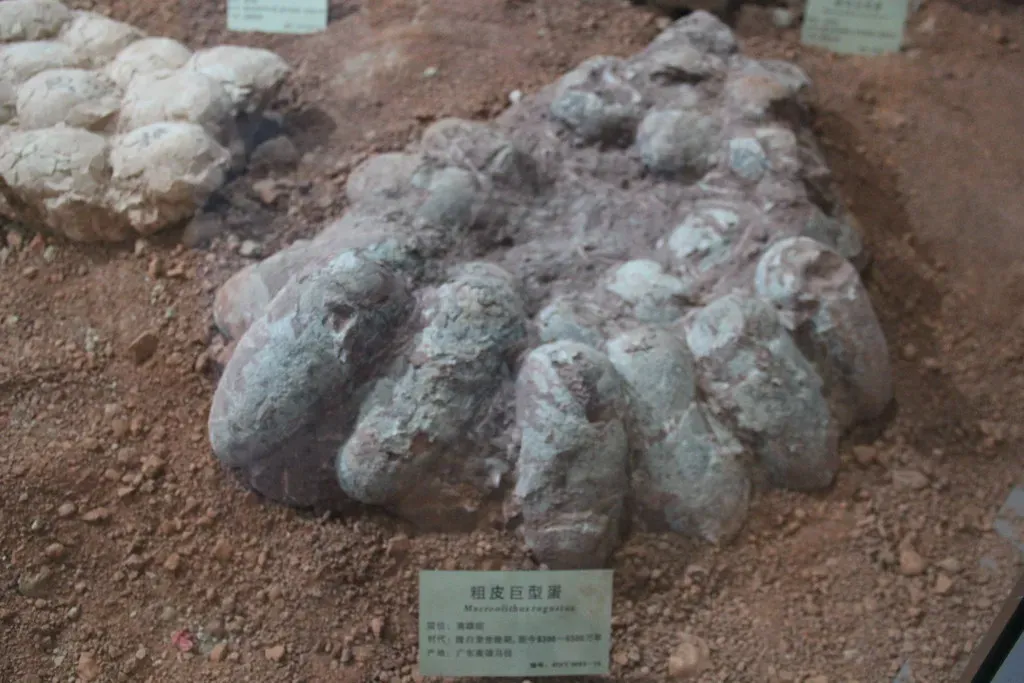
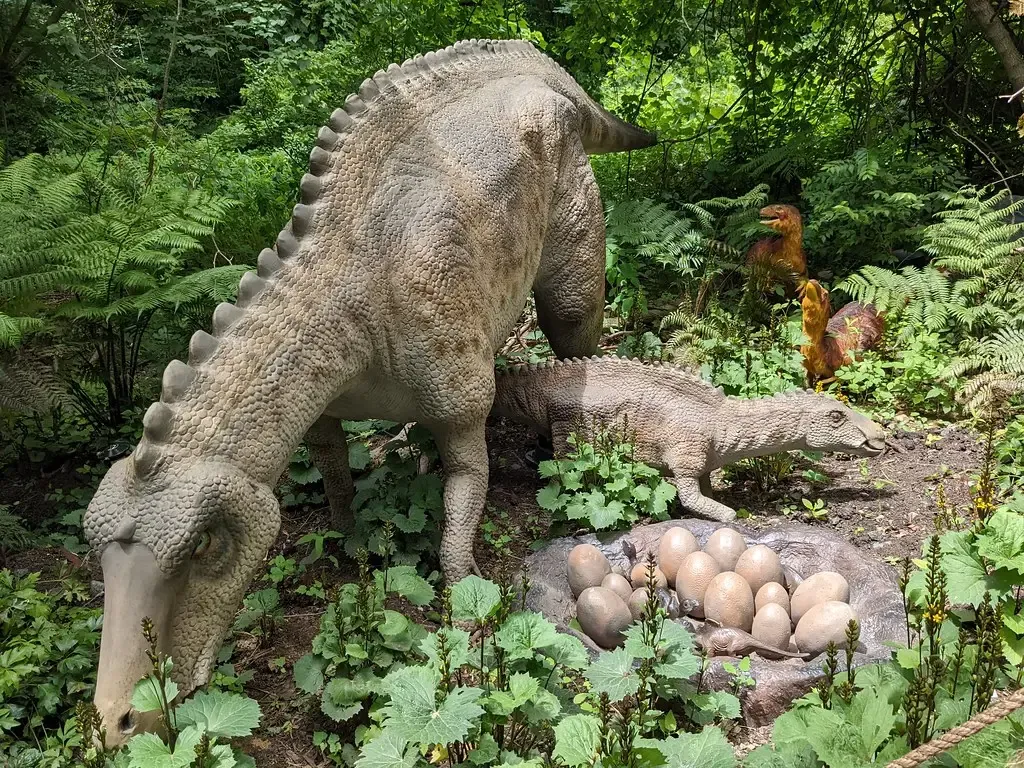
Most dinosaurs fully buried their eggs in vegetation, sand or soil for incubation, and sauropods would have crushed their eggs if they were brooding on them, so they were more likely to lay their eggs and then let them hatch on their own without any parental care. The massive long-necked giants faced a practical problem: weighing several tons meant physically sitting on eggs wasn’t an option.
Smaller theropods had more flexibility. Bird-like dinosaurs that lived up to 74 million years ago shared communal nests where several female nestmates often laid more than 20 eggs together, which these feathery dinos then brooded to keep warm. A single individual could not have laid over 20 eggs in a reasonable amount of time to ensure egg and embryo survival, suggesting that females were nestmates, laying and tending to their eggs in the company of others.
The Evolution From Soft to Hard Eggshells
The common ancestor of all dinosaurs laid soft-shelled eggs buried in moist soil, and hard-shelled eggs evolved multiple times in several lineages. This wasn’t a straightforward progression from primitive to advanced. Soft-shelled eggs are more sensitive to the environment because they lose moisture easily in dry conditions, and parents could not sit directly on top of them without risking a crushed shell.
The shift to hard shells opened up new possibilities. The rise of colored eggs in the fossil record coincides with the shift to partially open nests that dinosaurs incubated by sitting on them, much as many modern birds do. In fossil nests from the oviraptorid Heyuannia, researchers identified pigments in the eggs to determine their original color, finding the eggs in this nest were originally blue-green. Blue eggs from 70 million years ago? That’s something you probably didn’t expect.
What Broken Eggshells Tell Us About Baby Dinosaurs
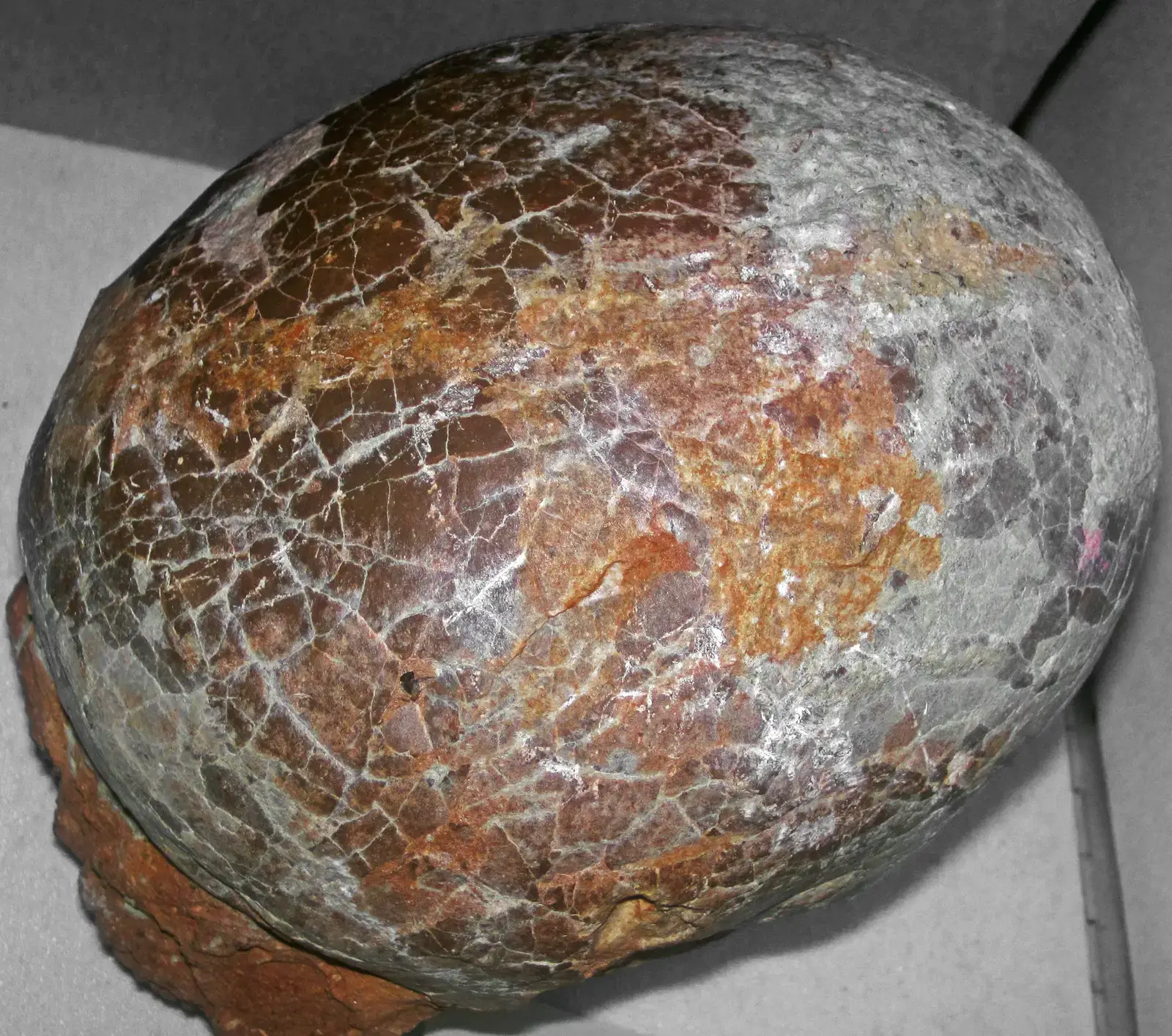
Lots of broken eggshell in a nest has been interpreted as evidence that hatchling dinosaurs remained in the nest for extended periods, and that the hatchlings spent significant time in the nest after hatching implies that adults of at least some dinosaur species provided a degree of parental care for their young. The shells weren’t destroyed by predators or erosion. Baby dinosaurs trampled them while waiting to grow strong enough to leave.
The eggshells in the nests were badly broken, arousing speculation that the hatchlings might have crushed the eggs while moving around the nests, and some paleontologists think this site was a nesting colony, where adult dinosaurs cared for their young during the first several months after hatching. That extended care period mirrors what you see in modern birds far more than modern reptiles. It suggests dinosaurs had metabolic rates and social bonds more complex than cold-blooded lizards basking on rocks.
Everything we discover about dinosaur nests adds another layer to our understanding of these incredible creatures. From communal breeding grounds to devoted parents protecting eggs during catastrophic storms, the fossil record preserves intimate moments of prehistoric family life. These aren’t just scientific data points. They’re glimpses into behaviors that connect us emotionally across millions of years to creatures that lived, loved, and protected their young just like countless species do today. What aspect of dinosaur parenting surprised you most? The evidence keeps growing, and who knows what tomorrow’s discoveries might reveal about these ancient families.