When most people picture dinosaurs, they imagine thundering, cold-blooded creatures concerned only with survival and destruction. The idea of a Tyrannosaurus gently tending to a nest, or a massive herbivore feeding its young, feels almost laughable. Almost. Because the more paleontologists dig into the fossil record, the more a surprisingly tender picture begins to emerge.
It turns out that the ancient world was far more nurturing than we ever gave it credit for. Decades of groundbreaking fossil discoveries, careful bone analysis, and comparisons with living animals are rewriting what we thought we knew about how dinosaurs related to their offspring. The story is stranger, warmer, and far more fascinating than you’d expect. Let’s dive in.
The Old Assumption: Lay and Leave
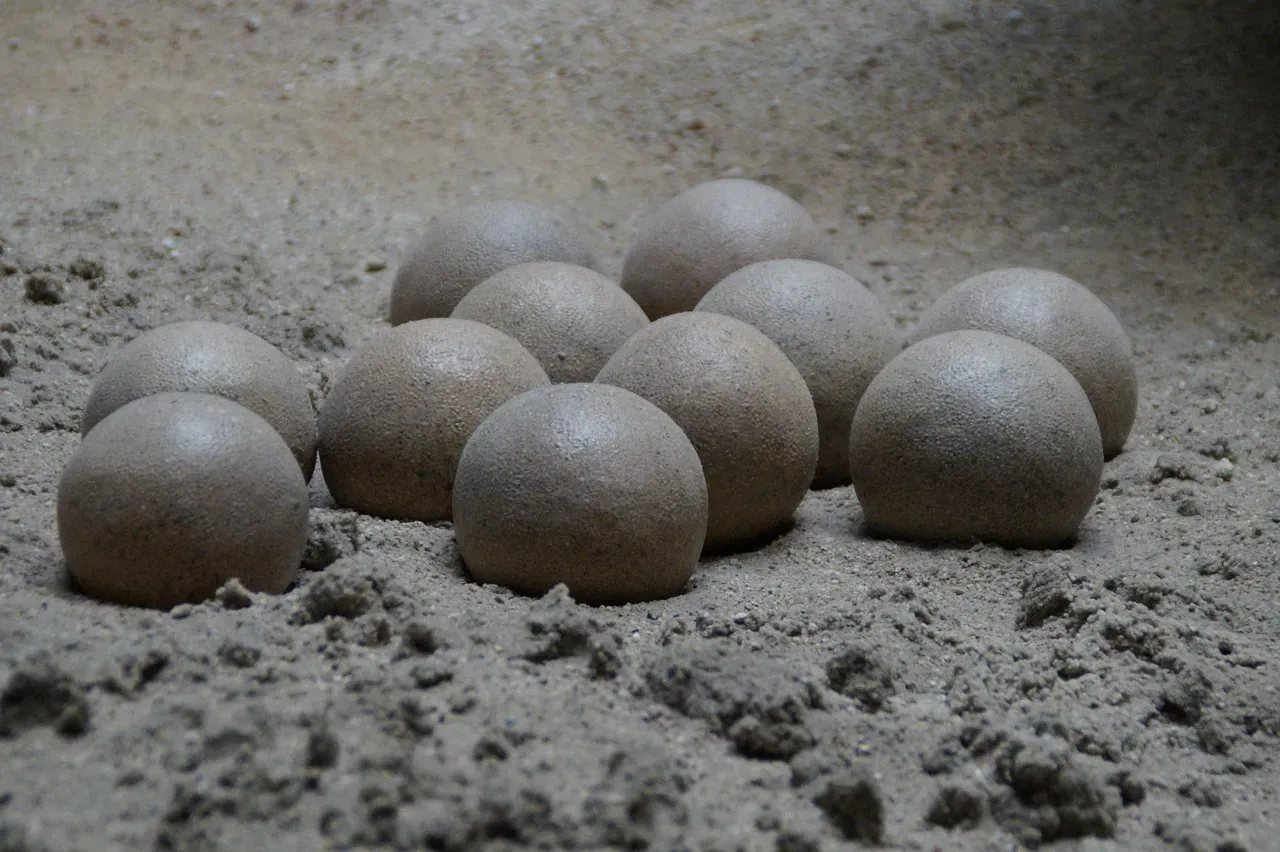
For a long time, scientists assumed that most dinosaurs behaved a bit like sea turtles – deposit your eggs in the sand, walk away, and let nature handle the rest. It was a logical assumption given the limited fossil evidence available and the general notion that dinosaurs were primitive, reptilian creatures with little instinct for nurturing. Honestly, it made sense at the time.
Early paleontologists had limited evidence to work with when considering dinosaur reproduction, often assuming these animals simply laid eggs and abandoned them, similar to modern reptiles like sea turtles. The problem with that assumption, however, is that it underestimated just how behaviorally complex these animals could be. As better fossils emerged and analytical tools improved, that old “lay and leave” theory began crumbling fast.
Maiasaura: The “Good Mother Lizard” That Changed Everything
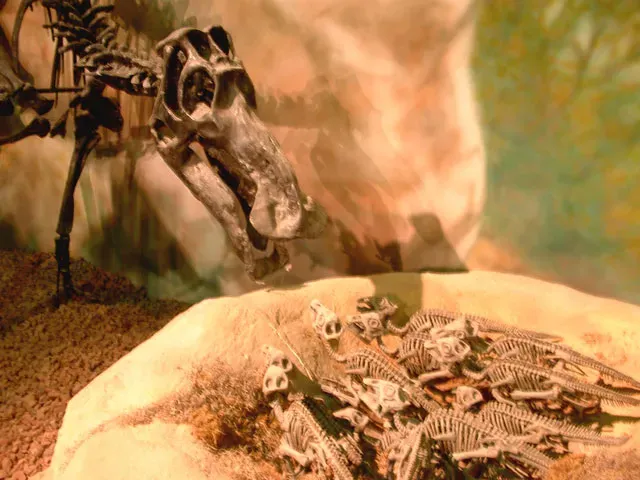
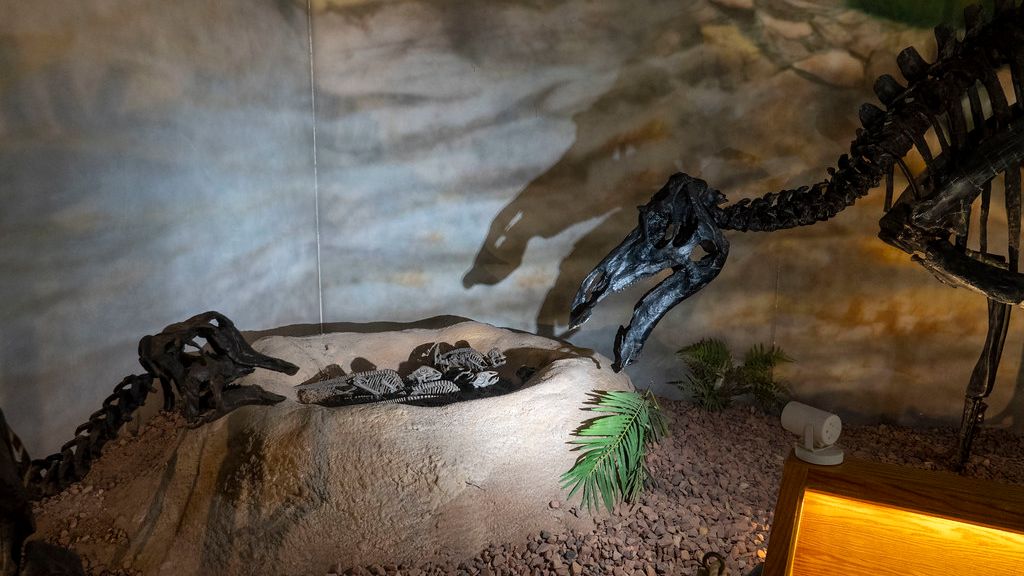
If there is one dinosaur responsible for flipping the script on prehistoric parenting, it is Maiasaura. The duck-billed Maiasaura, a name that means “good mother lizard,” is one of the best-known examples of parental behaviour. These Late Cretaceous dinosaurs, which lived around 80 to 75 million years ago, are thought to have nested in large colonies, and the parents may have extensively provided food and protection for their hatchlings.
In the 1970s, paleontologist Jack Horner discovered what was later dubbed “Egg Mountain” in Montana, a gigantic, fossilized nesting site of hundreds of specimens of duck-billed Maiasaura dinosaurs from up to 80 million years ago. This was one of the first findings that helped researchers learn more about how much some dinosaurs parented, even after their babies hatched. At Egg Mountain, evidence of trampled eggshells suggests that the hatchlings were in the nest for a while. Along with the shells, there was plant matter in the nests, suggesting parents may have fed the young before they ventured out into the world. Think of it like discovering the fossilized remnants of a prehistoric nursery school.
Oviraptors: Misunderstood Protectors
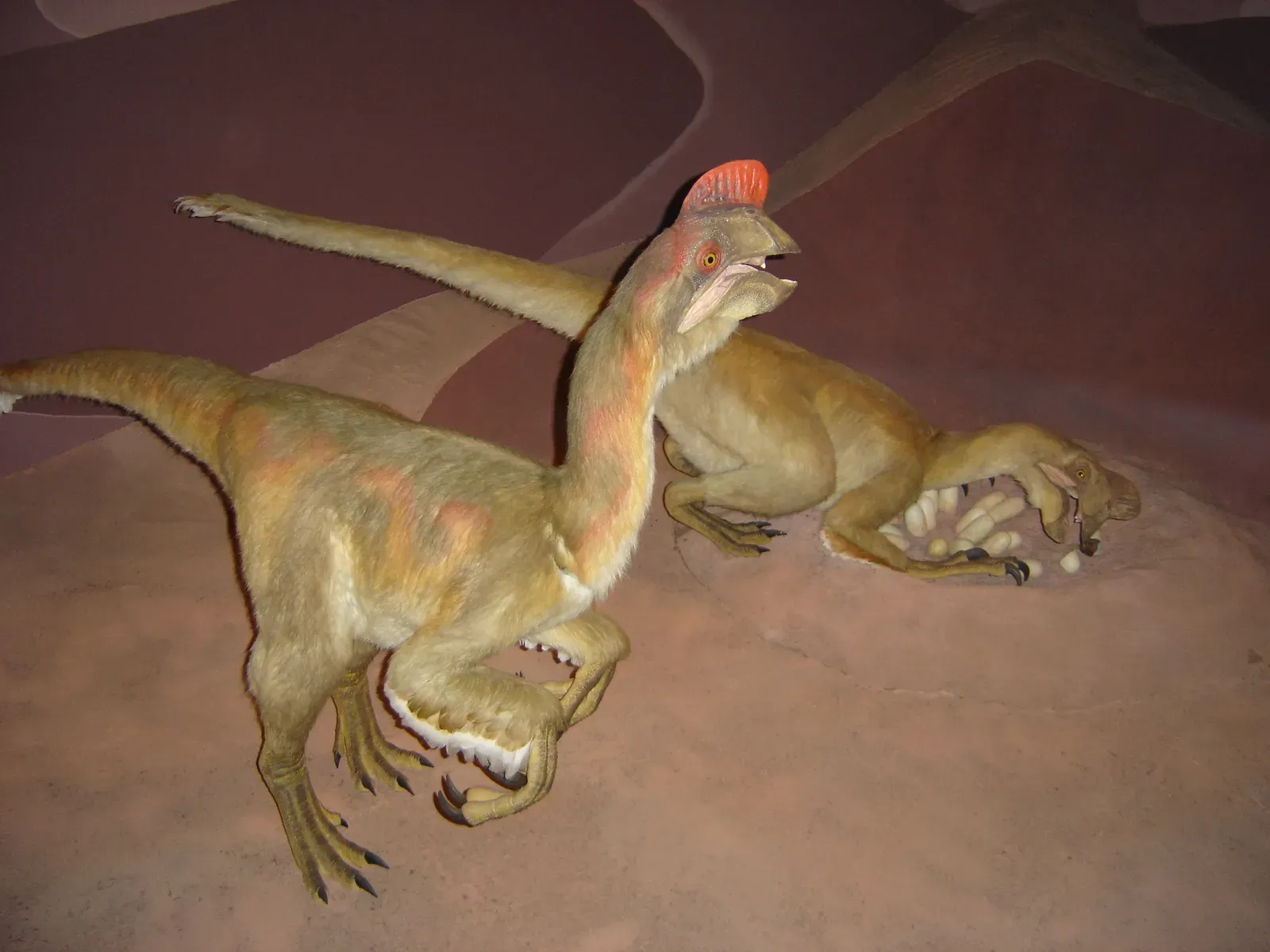
Few dinosaurs have had a more dramatic reputation reversal than Oviraptor. Oviraptor, whose name is derived from the Latin for “egg thieves,” was first discovered in the 1920s in association with eggs that were thought to belong to the small ceratopsian dinosaur Protoceratops. Based on this find, scientists thought that Oviraptor may have stolen and eaten other dinosaurs’ eggs. But it has now been confirmed that the eggs actually belonged to Oviraptor.
There is no other evidence that it stole eggs. In fact, oviraptorids show substantial evidence of putting their lives on the line for their young. Fifty years later, and thanks to additional discoveries, researchers regard Oviraptor fossils as some of the most compelling visual examples suggesting that some dinosaurs hunched over their nests to protect their babies. You have to admire the irony here – a dinosaur named “egg thief” turns out to have been a devoted, selfless parent all along.
“Big Mama” and the Smoking Gun Fossil
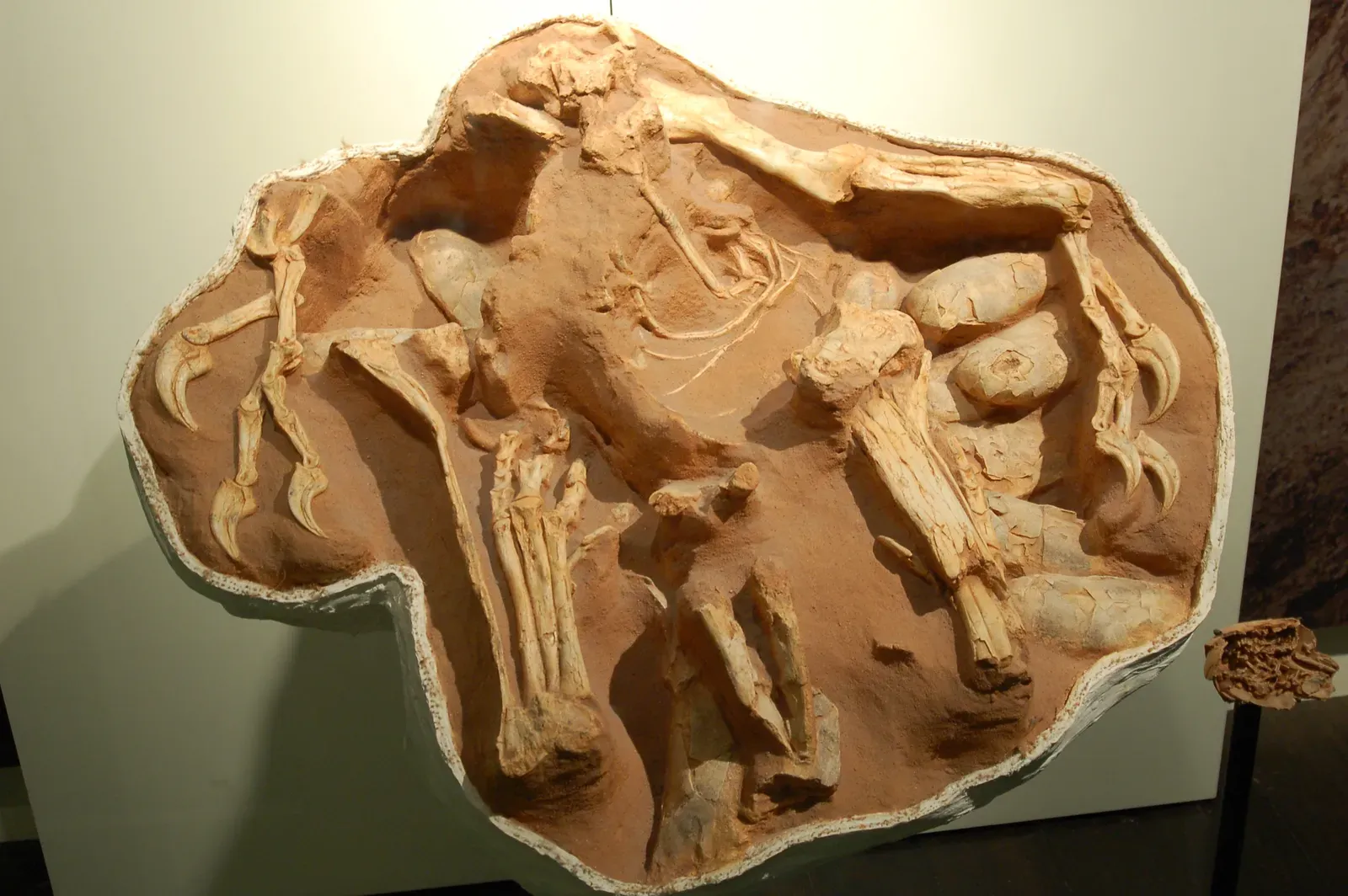
If you want a moment that genuinely stops you in your tracks, look no further than the fossil affectionately nicknamed “Big Mama.” The Citipati osmolskae fossil dubbed “Big Mama” was a discovery that provided substantial evidence for how dinosaurs behaved with their eggs. “Big Mama” is a 75-million-year-old oviraptorid that was uncovered brooding on, meaning sitting on top of, a nest of eggs. The Mongolian dinosaur was revealed to the world in 1995 and named as Citipati in 2001.
This kind of fossil is very rare. It is what researchers call a “smoking gun” fossil. The dinosaur was caught in the act, curled up on its nest. It could have been caught up in a sandstorm or a mudslide and was buried with its eggs – that is definitely protective behaviour to the detriment of the parent. This is not just a parent guarding eggs from a safe distance. This is a creature that chose to stay and die rather than abandon its offspring. That is a bond that transcends millions of years.
Psittacosaurus: One Adult, Thirty-Four Young
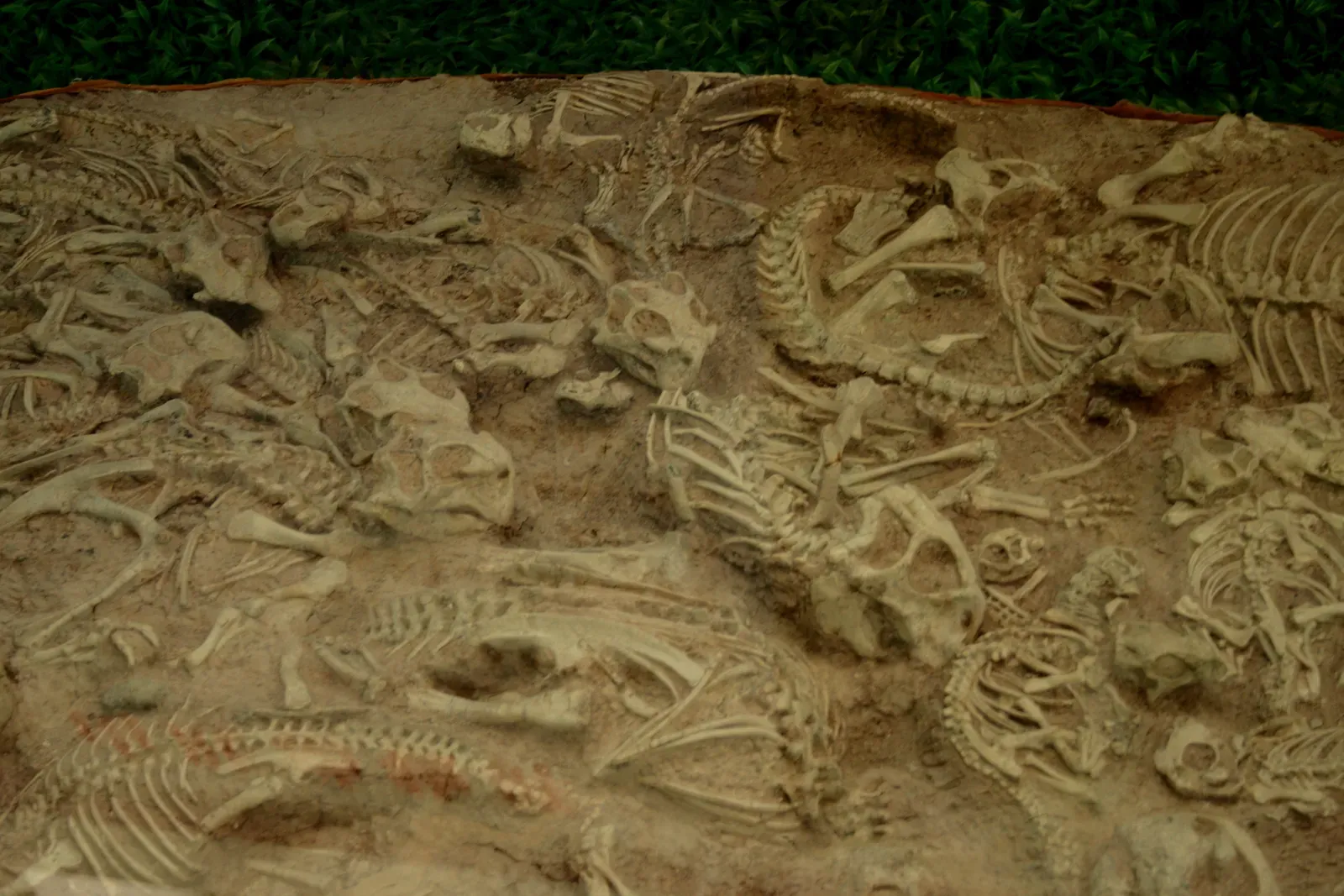
Some fossil discoveries speak louder than any theory ever could. Whether it was toxic gases or a flooded burrow, one group of fossils shows that an adult dinosaur died together with 34 hatchlings. The find offers new evidence about how dinosaurs may have looked after their young charges. That is not a coincidence of geology. That is a parent doing their job.
A dramatic specimen of the small ornithischian dinosaur Psittacosaurus from Liaoning in China reveals a single adult clustered with 34 juveniles within an area of 0.5 square metres, providing strong evidence for post-hatching parental care in Dinosauria. Specimens of Psittacosaurus have been discovered with multiple juveniles of similar age, suggesting adults may have watched over young from several families in a behavior similar to the “creching” seen in modern penguins and ostriches. The idea of a dinosaur running a kind of ancient communal daycare genuinely changes how you see these animals.
Dinosaur Dads and the Surprising Role of Fathers
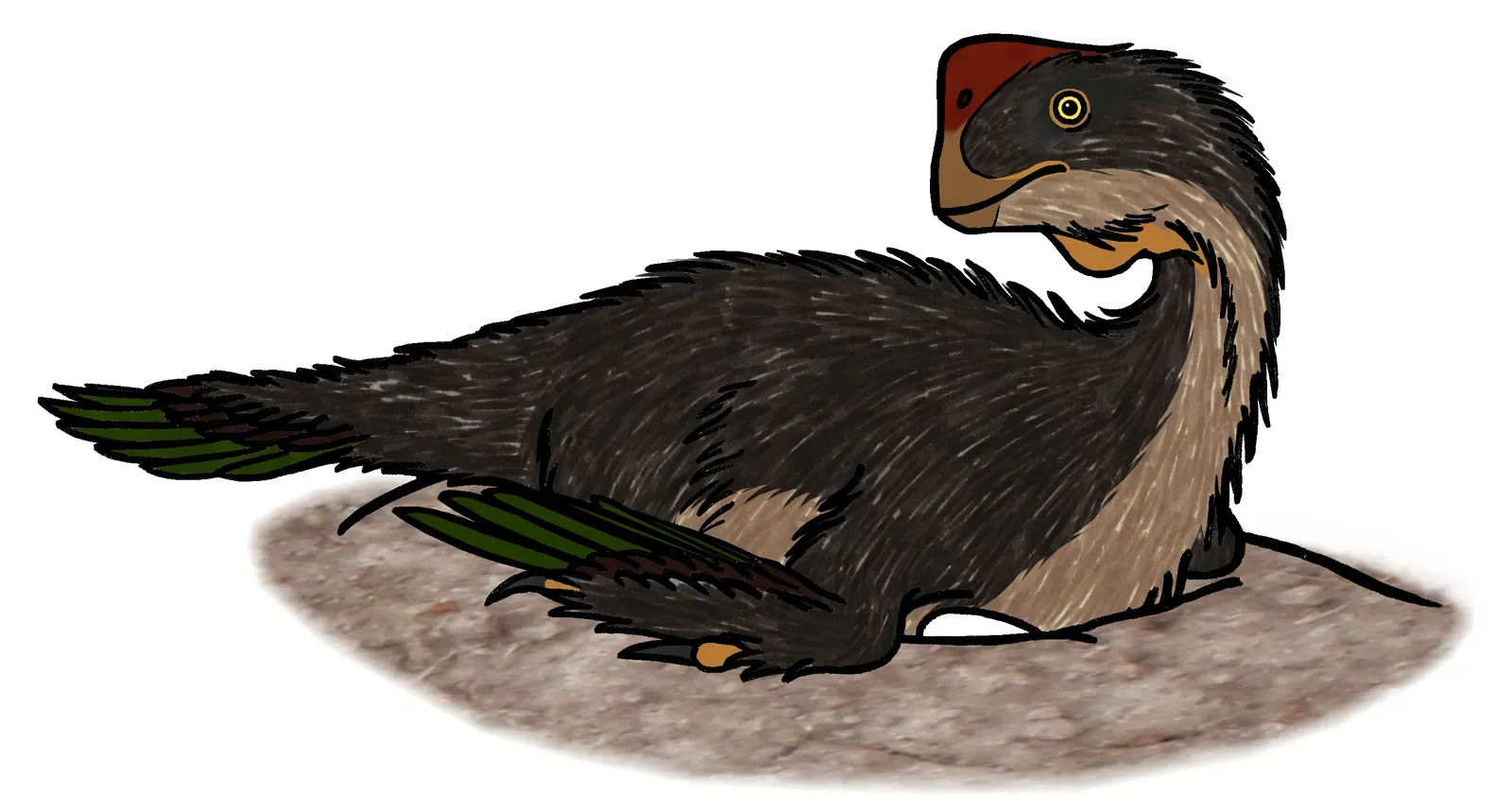
Here is something you probably didn’t expect: in some dinosaur species, it may have been the fathers, not the mothers, who stayed home with the eggs. Researchers report that males in three species were stay-at-home dads that incubated the eggs in their nests. This finding came from analyzing clutch sizes relative to body size across hundreds of living birds and crocodiles, then applying those patterns back to the fossil record.
All three types of dinosaurs – Oviraptor, Citipati, and Troodon – were found on nests, and those nests contained large clutches of eggs, as many as 30 each. Researchers investigated whether they could discern the nesting behavior from the relationship of clutch size and animal body size. Measurements in 433 living birds and crocodiles revealed that, for a given body size, species in which males took care of the nest tended to have the largest clutches. Extrapolated to dinosaurs, the data revealed a pattern of paternal care in the ancient beasts. So yes – dinosaur dads were real, and apparently quite dedicated.
What Living Animals Reveal About Ancient Bonds
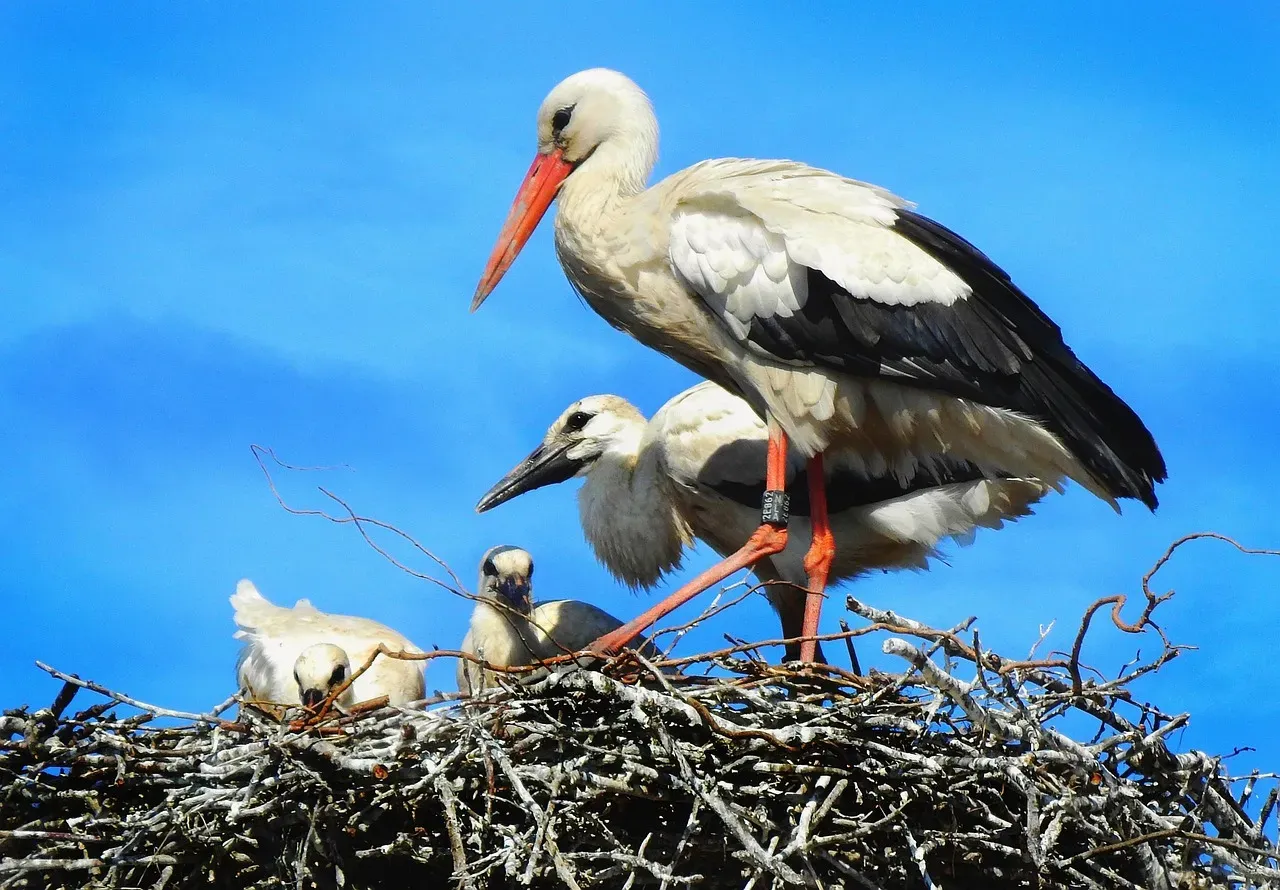
One of the most powerful tools paleontologists have is not a shovel, it is a bird. Parental care of babies for at least several weeks is present in both modern crocodilians and modern birds, and living dinosaurs (birds) and their closest living relatives (crocodilians) share many derived features of reproduction. These are probably ancestral traits shared across the entire group, suggesting that some form of parental care would be expected in all extinct dinosaurs as well.
Palaeontologists can also look at dinosaurs’ modern-day relatives, birds, for theories on ancient reptile behaviour. Parental care in dinosaurs matters in an ecological sense. It can show how behaviour changes in response to climate changes and other events. That could show us how behaviour could change today and tell us if there are animals that we need to be looking at protecting now. In other words, understanding dinosaur family bonds isn’t just an exercise in prehistoric curiosity. It carries real lessons for the living world around you right now.
Conclusion: A Legacy Written in Bones
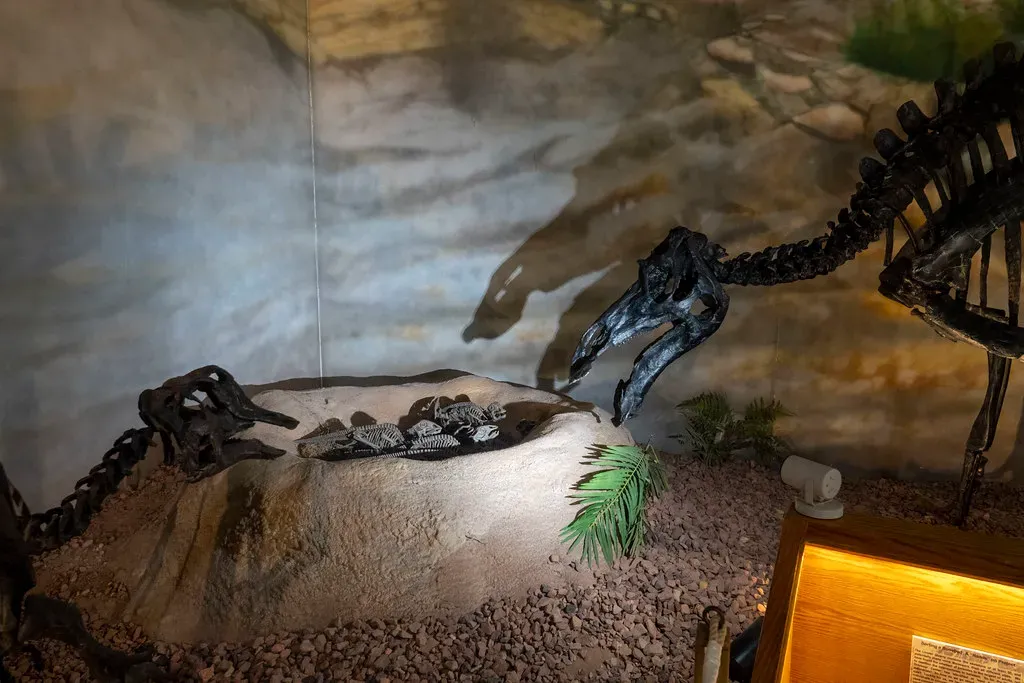
The more researchers unearth, the clearer it becomes that dinosaurs were not the emotionless, solitary monsters that pop culture has long portrayed. Recent paleontological discoveries have dramatically transformed our understanding of dinosaur parenting behaviors, revealing sophisticated nesting strategies, complex familial structures, and nurturing behaviors that challenge our preconceptions. From carefully constructed nests to possible dinosaur “daycare” arrangements, the evidence suggests that many dinosaur species were dedicated parents that invested heavily in their offspring’s survival and development.
These discoveries challenge the popular perception of dinosaurs as ferocious and uncaring creatures, emphasizing their capacity for nurturing and protective behaviors. The main theory is that just like living animals exhibit a variety of behaviors from species to species, it is likely that dinosaurs were also variable in their parenting. Some were neglectful and buried their eggs, while others caringly tended to their nest. The picture that emerges, then, is not of a single ancient parenting style, but of an incredibly diverse range of family bonds. Some cold and distant. Others surprisingly, movingly devoted.
The next time you look at a bird perched outside your window, just remember – you may be watching the great-great-grandchild of one of history’s most surprisingly loving parents. What do you think: does knowing that dinosaurs nurtured their young change how you see them? Tell us in the comments.