When you picture a dinosaur, you probably imagine something cold, instinct-driven, and utterly indifferent to its young. A terrifying predator or a lumbering giant, but never a devoted parent. Honestly, that image is badly outdated. The fossil record has quietly been dismantling that myth for decades, one extraordinary discovery at a time.
What paleontologists have uncovered is something far more nuanced. From brooding oviraptors frozen mid-embrace over their nests to sprawling colonial nurseries in Montana, the evidence keeps pointing in the same direction: dinosaur parental care was not accidental. It was deliberate, diverse, and deeply woven into their survival. So let’s dive in.
The Fossil Evidence That Changed Everything
You might be surprised to learn that the scientific case for dinosaur parenting rests on some genuinely jaw-dropping fossil discoveries. Previous studies arguing for parental care in dinosaurs have been primarily based on fossil accumulations of adults and hatchlings, perinatal and post-hatchlings in nests and nest areas, and evidence of brooding, the majority of which date to the Late Cretaceous. Think of it like finding a crime scene frozen in time, every bone telling a story about what happened in those final moments.
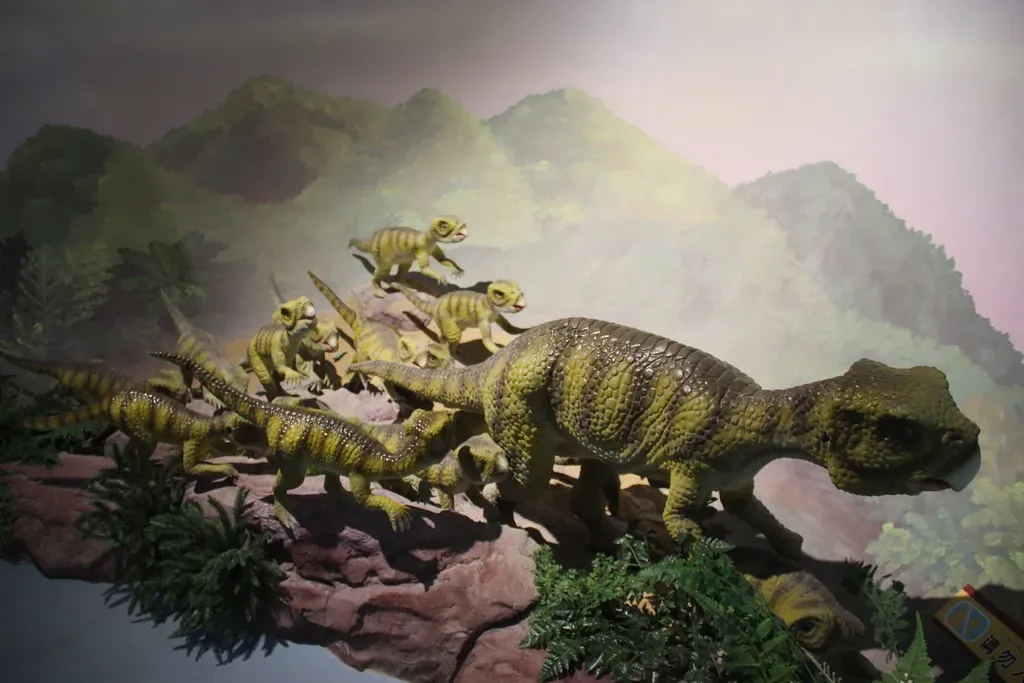
Whether it was toxic gases or a flooded burrow, one remarkable group of fossils shows that an adult dinosaur died together with 34 hatchlings, and the find offers new evidence about how dinosaurs may have looked after their young charges. A fossil from Liaoning in China reveals a single adult clustered with 34 juveniles within an area of roughly half a square metre, providing strong evidence for post-hatching parental care in Dinosauria. That is not a coincidence. That is a parent.
Maiasaura and the Birth of Colonial Nesting
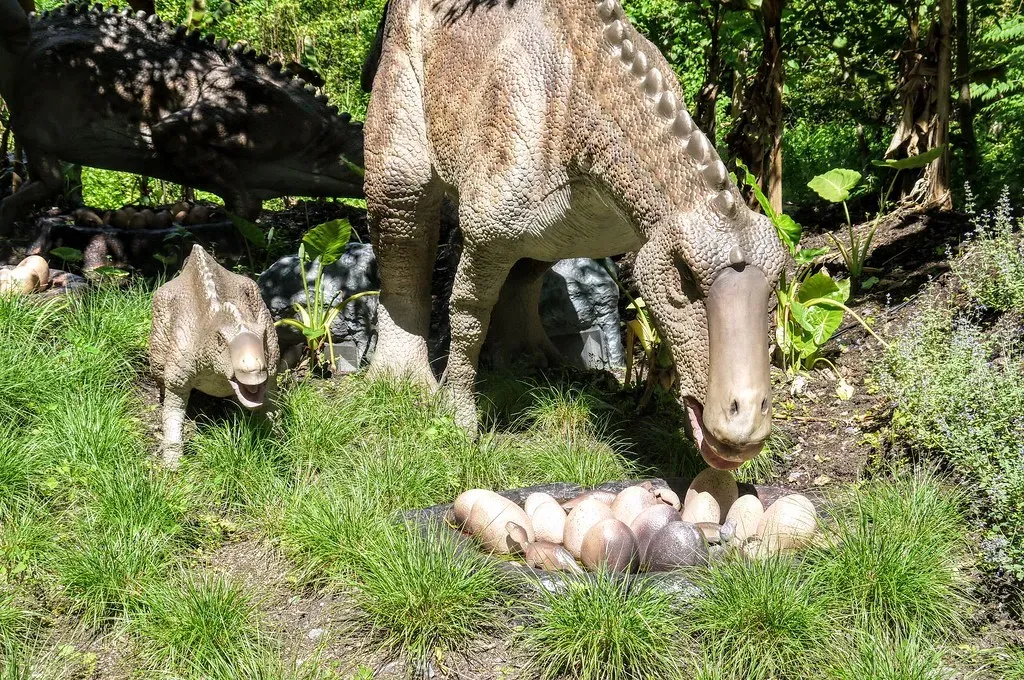
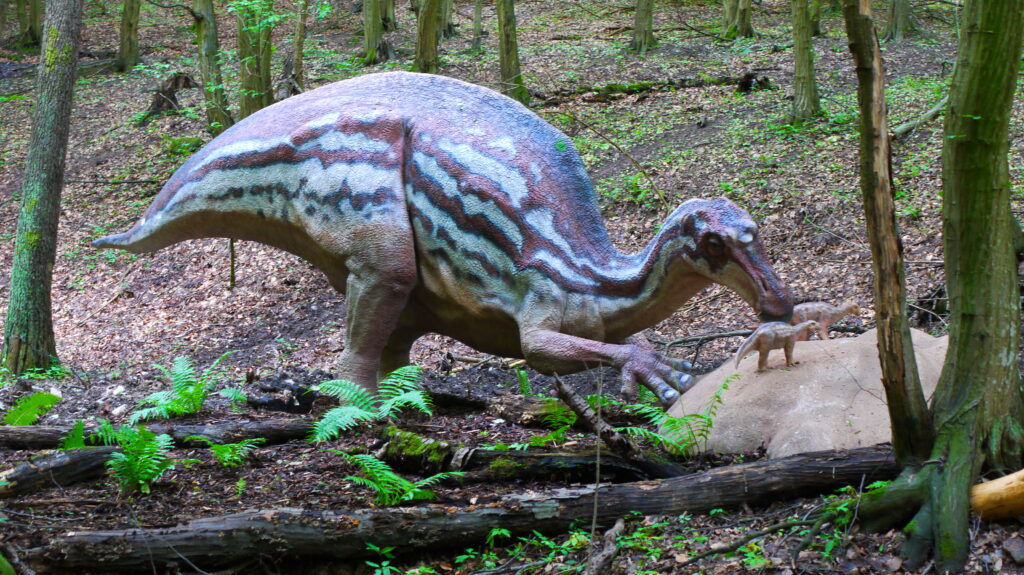
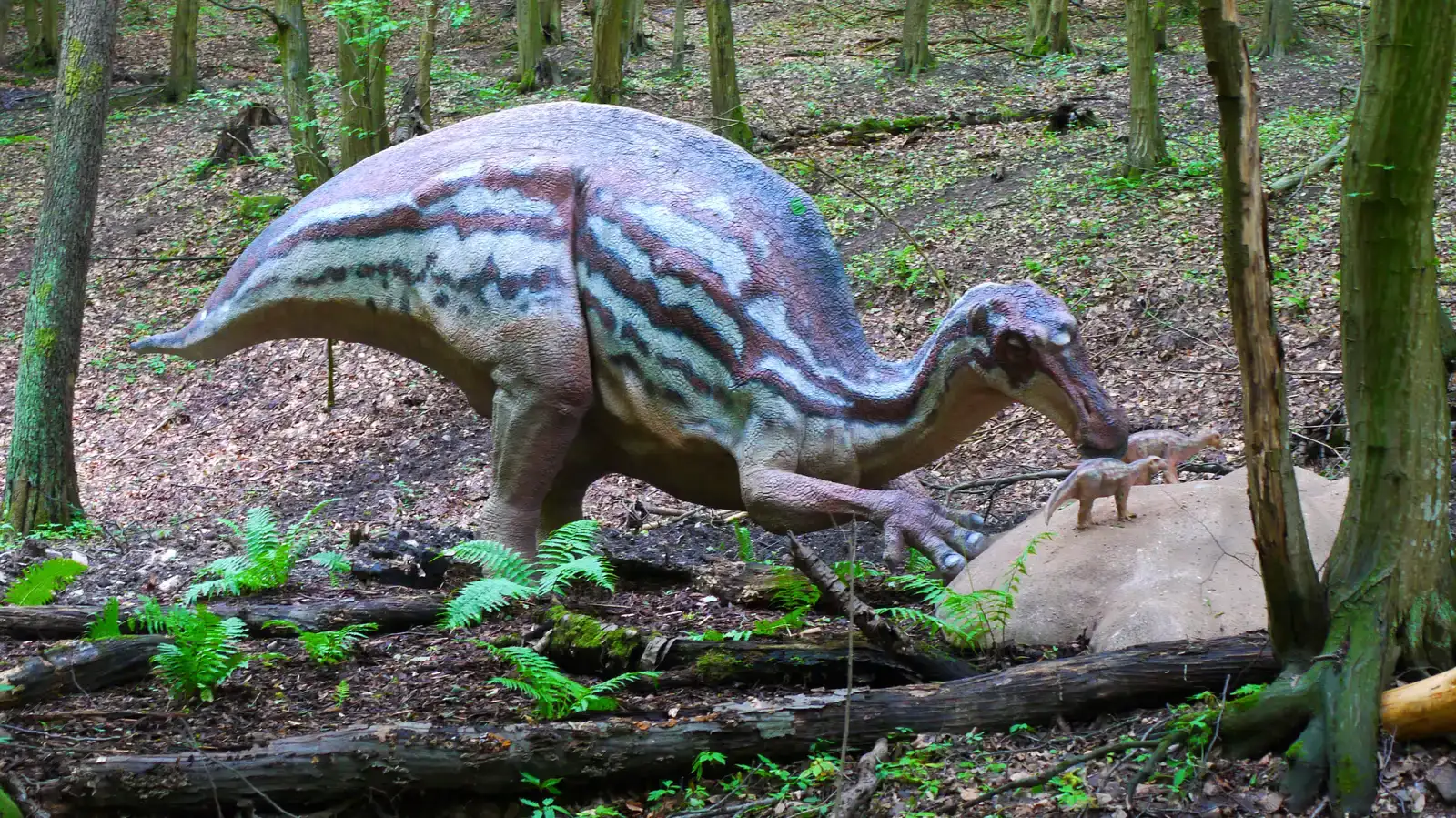
Here’s the thing about Maiasaura: you’d be hard-pressed to find a more famous example of dinosaur parenting in the entire fossil record. Maiasaura peeblesorum is a large hadrosaurid dinosaur from the Late Cretaceous period, renowned for providing the first definitive evidence of parental care among dinosaurs through fossilized nesting colonies. Its very name, derived from the Greek word for “good mother,” tells you everything you need to know about what paleontologists found.
Fossils of baby Maiasaura show that their legs were not fully developed at birth, and they were thus incapable of walking. Fossils also show that their teeth were partly worn, which means that the adults brought food to the nest. Maiasaura engaged in colonial nesting at sites like Egg Mountain in Montana’s Two Medicine Formation, where dense clusters of nests indicate organized social breeding colonies. Nests measured approximately two metres in diameter and were constructed as shallow depressions filled with decaying vegetation to provide heat for incubation, with clutches containing between 15 and 40 eggs arranged in a spiral or circular pattern. These weren’t random gatherings. This was organized, intentional community living.
Oviraptors: From Egg Thieves to Devoted Parents
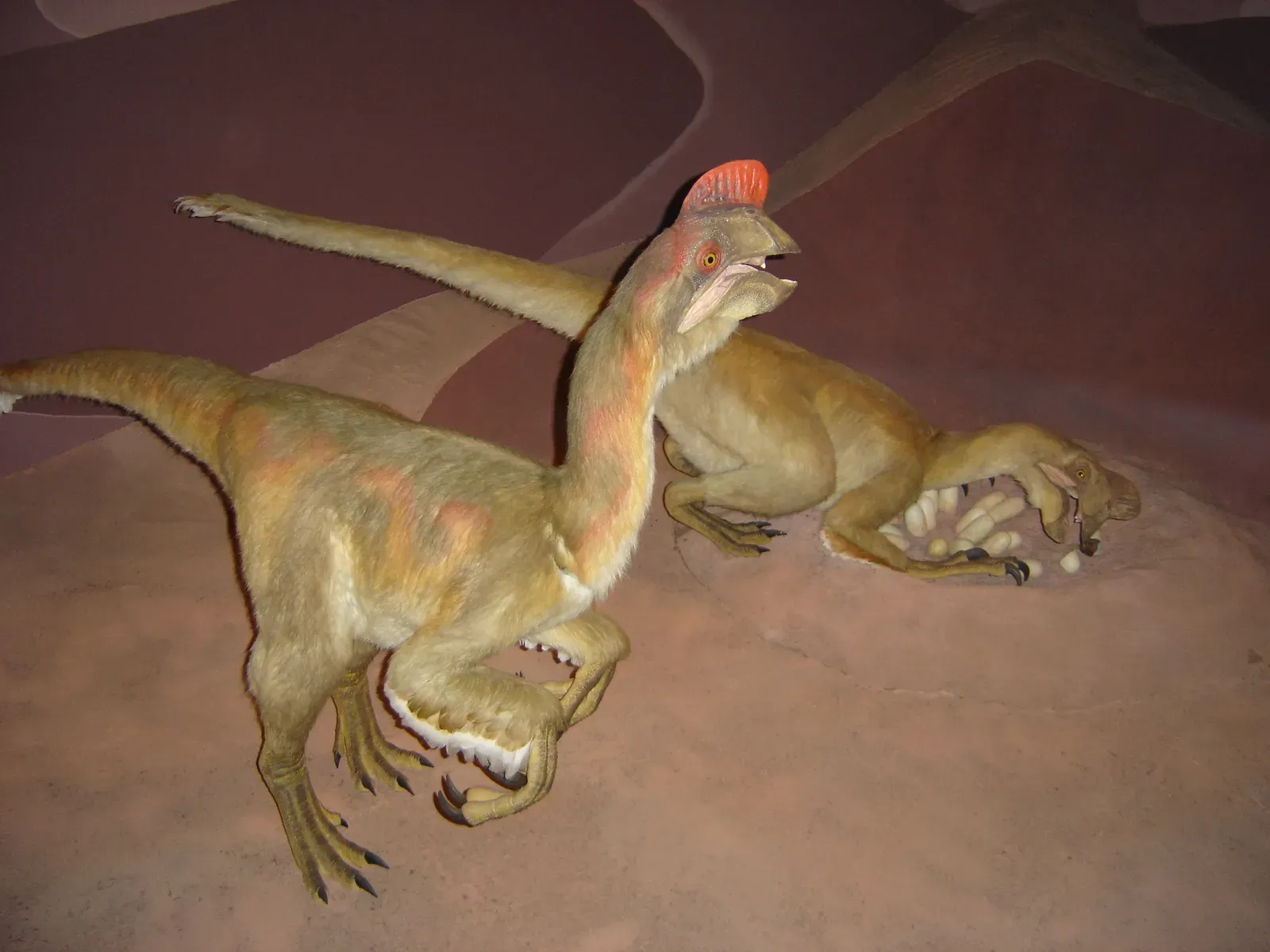
Few cases in paleontology have had such a dramatic reversal as the story of Oviraptor. Oviraptor, whose name is derived from the Latin for “egg thieves,” was first discovered in the 1920s in association with eggs that were thought to belong to the small ceratopsian dinosaur Protoceratops. Based on this find, scientists thought that Oviraptor may have stolen and eaten other dinosaur’s eggs. It has now been confirmed that the eggs actually belonged to Oviraptor itself. Wrongly accused for nearly a century. Not a thief. A parent.
The clutch of ancient eggs belongs to a medium-sized adult oviraptor, and you know that because the parent is actually part of the fossil. The skeleton of this ostrich-like theropod is positioned in a crouch over two dozen eggs, at least seven of which were on the brink of hatching and still contained embryos inside. The ancient scene is unprecedented, and provides the first hard evidence that dinosaurs were brooding parents, laying their eggs and incubating them for quite a long time. Scientists know from previous finds that oviraptorids laid two eggs at a time in a clutch of 30 or more. This means that the mother would have to stay with or at least return to the nest, lay her pair of eggs, arrange them carefully in the circle, and bury them appropriately every day for two weeks to a month.
The Art and Engineering of Nest Construction
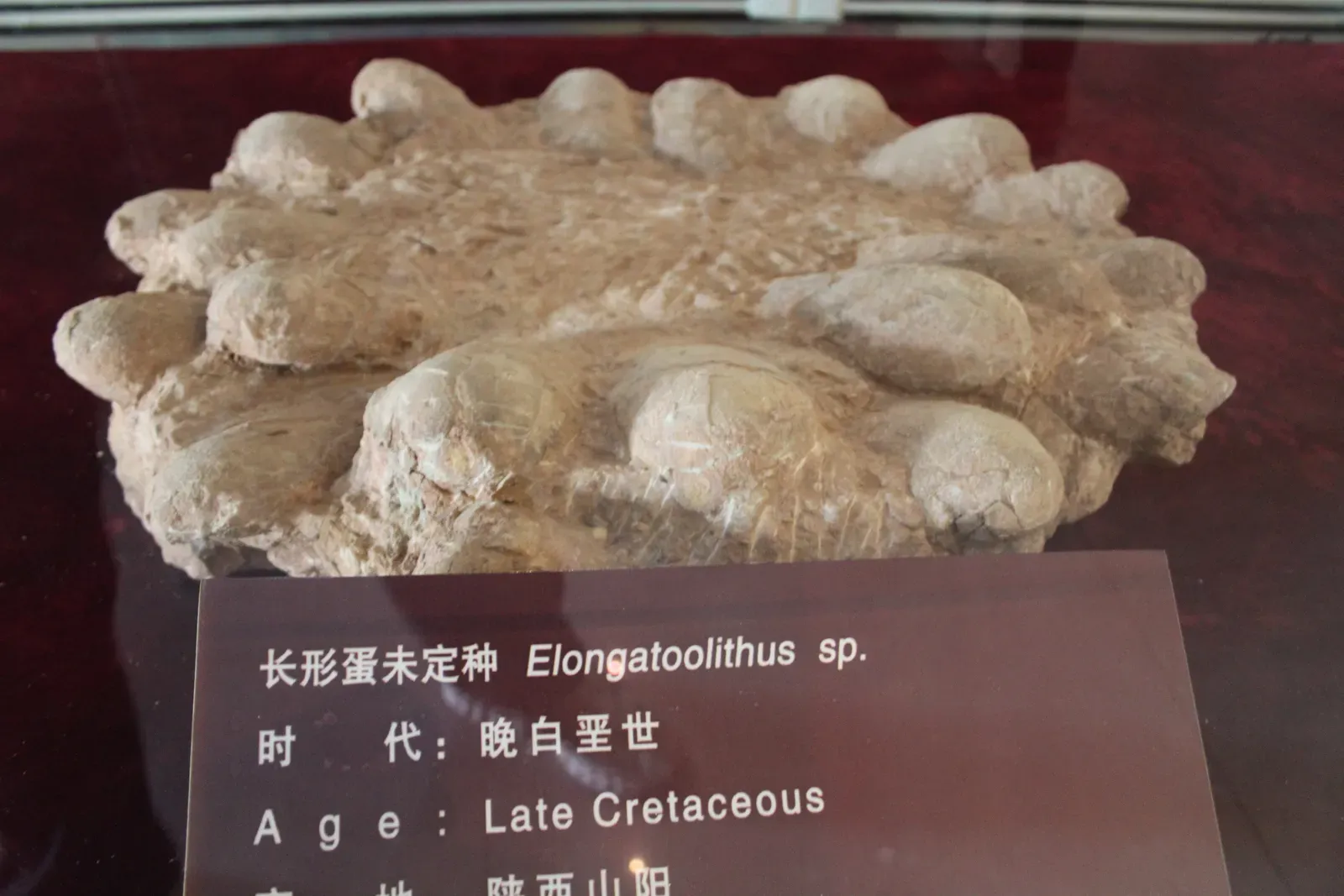
No typical dinosaur nest exists. Some species laid lots of round, hard eggs in a pile. Others laid eggs two-by-two and arranged them carefully. You’d think something as basic as making a nest would be pretty uniform across species. Turns out, it wasn’t even close to uniform. The variety is astonishing, and it reflects real differences in strategy and sophistication.
A new study of dinosaur nests, along with a stunning, newly revealed fossil of a dinosaur that died tending its eggs, shows that heftier dinosaurs did have a strategy to avoid squashing their young: carefully stacking their eggs in a ring around themselves in the nest. The spectacular nesting Citipati fossil provides some of the most remarkable evidence of how these dinosaurs incubated their eggs. The large adult skeleton is preserved at the center of a ring of eggs, with its arms wrapped around the precious clutch. This Citipati parent was shielding the eggs when it perished in a sandstorm. It’s like an architectural blueprint for survival, built entirely out of instinct and intelligence.
Troodontids and the Evolution Toward Bird-Like Brooding
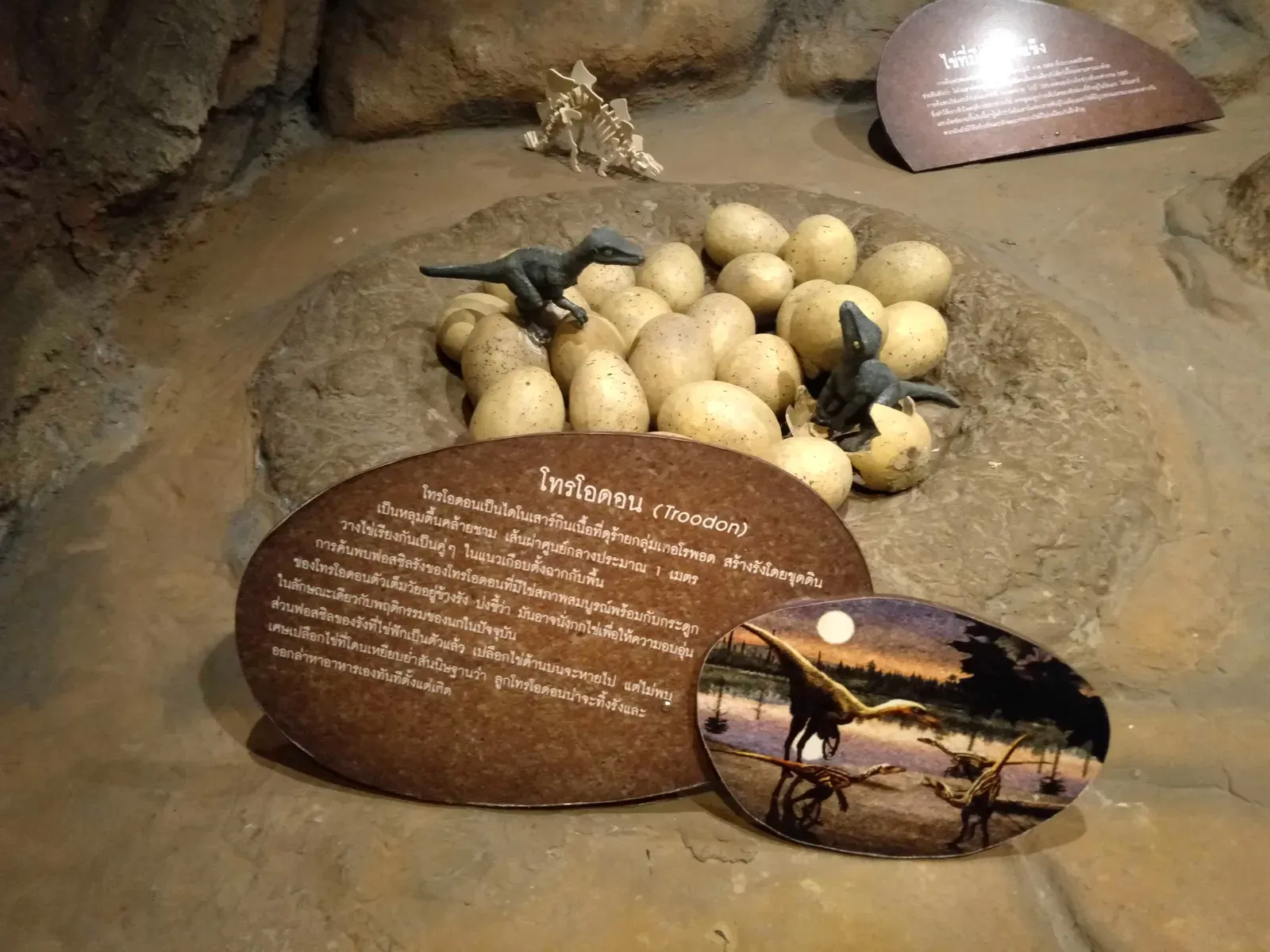
Troodontids, which occupy a branch closer to birds on the evolutionary tree, developed even more advanced nesting strategies. Troodontid nests from North America show an arrangement with the eggs closer to the center. This would allow the brooding parent to cover the entire clutch directly. You can almost see the evolutionary bridge forming right in front of you. From buried eggs to full contact incubation, in a handful of million years.
Advanced theropods like the maniraptorans featured high porosity eggshells, suggesting that they laid and incubated their eggs in open nests in a similar fashion as their most closely related living birds. Other paleontological evidence also revealed that these early open-nesters did, however, still partly bury their eggs. Results show that many oological characters and reproductive behaviors associated with modern birds are rooted among non-avian theropods, and there is a reproductive evolutionary continuum from crocodilians to modern birds. The line between “dinosaur behavior” and “bird behavior” is, it turns out, almost impossible to draw cleanly.
Communal Herding as Extended Childcare
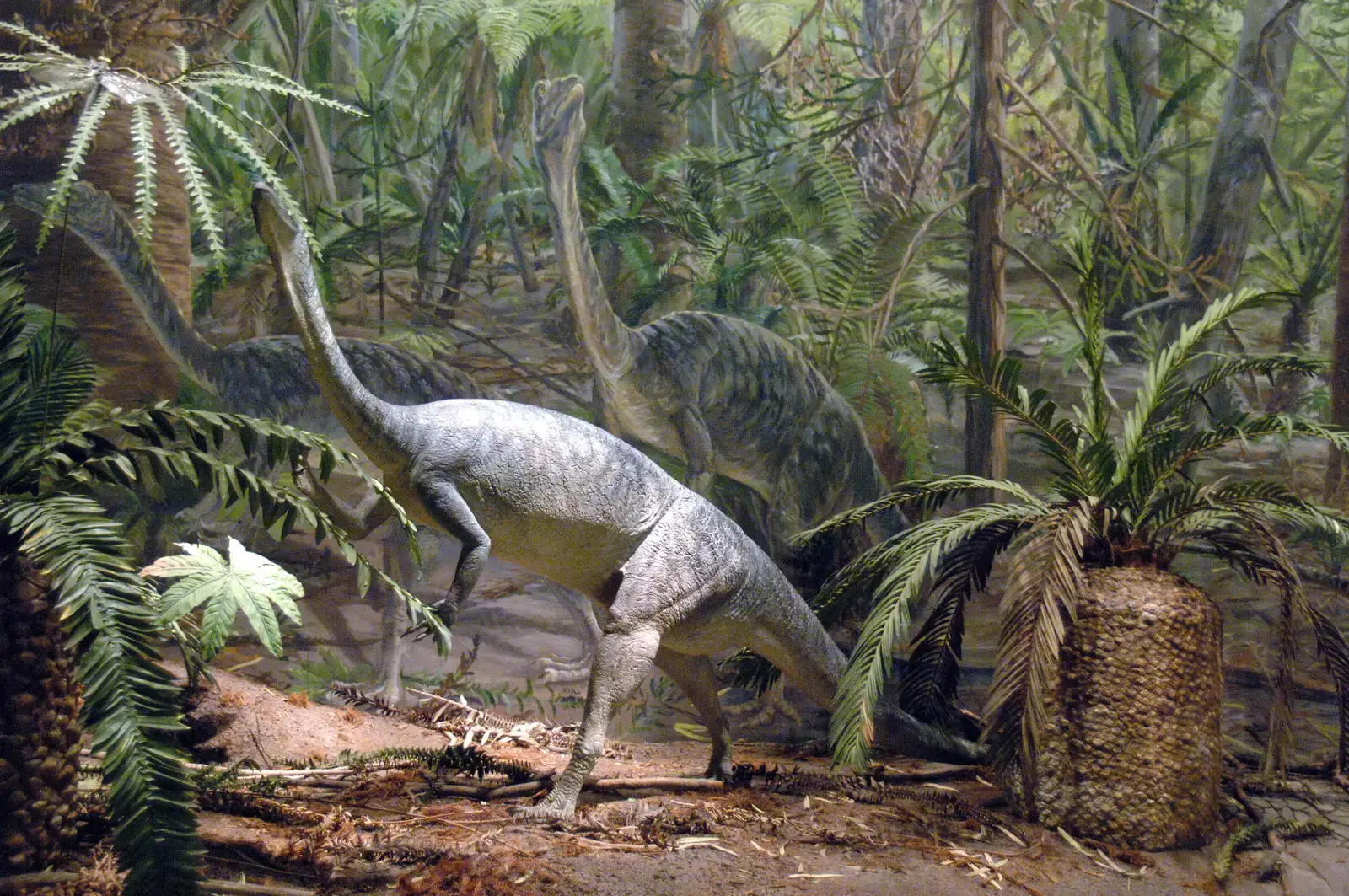
You may not immediately connect herd behavior with parental care, but consider this: in many dinosaur species, caring for young wasn’t just a family activity. It was a community effort. Researchers from MIT, Argentina, and South Africa detail their discovery of an exceptionally preserved group of early dinosaurs that shows signs of complex herd behavior as early as 193 million years ago, roughly 40 million years earlier than other records of dinosaur herding. This pushes sophisticated social organization almost to the very dawn of the dinosaur era.
Researchers observed that the fossils of Mussaurus patagonicus were grouped by age: dinosaur eggs and hatchlings were found in one area, while skeletons of juveniles were grouped in a nearby location. Meanwhile, remains of adult dinosaurs were found alone or in pairs throughout the field site. This “age segregation” is believed to be a strong sign of a complex, herd-like social structure. The dinosaurs likely worked as a community, laying their eggs in a common nesting ground. There’s a larger community structure, where adults shared and took part in raising the whole community. Think of it like a prehistoric village nursery.
The Living Link: How Dinosaur Parenting Lives on in Birds
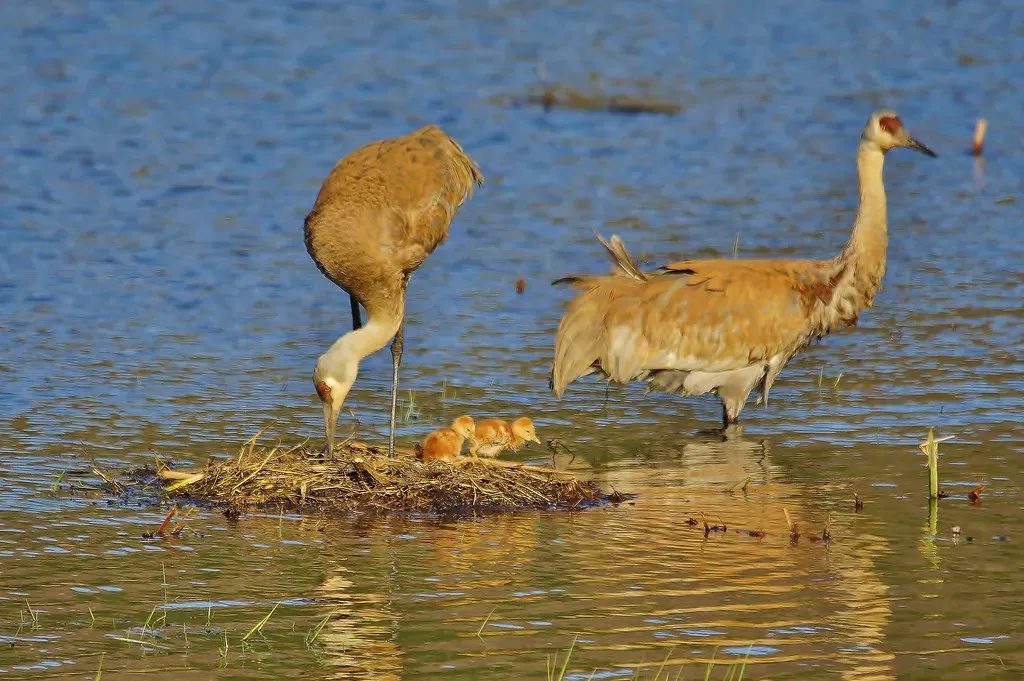
Here’s a perspective shift worth sitting with for a moment. When you watch a robin hovering protectively over its nest, or a penguin warming its egg under folded belly feathers, you are watching a 200-million-year-old inheritance. Paleontologists can look at dinosaurs’ modern-day relatives, namely birds, for theories on ancient reptile behaviour. The behavioral legacy didn’t end with the asteroid. It adapted, took flight, and kept going.
A fossilized dinosaur died with its winglike arms still stretched over 12 eggs. Today’s birds use the same pose to camouflage their eggs or protect them from the elements. As similarities with the altricial pigeon are extensive, researchers propose that hatchling Lufengosaurus would obtain additional needed phosphorus for building bone strength from the food provided by its parents, as the hatchlings would lack the bone strength to do so for themselves. You’re not just looking at an extinct behavior in the fossil record. You’re looking at the origins of something that has never stopped.
Conclusion
What the fossil record has slowly, painstakingly revealed is nothing short of a revolution in how you understand these ancient creatures. Dinosaur parental care wasn’t primitive or accidental. It was strategic, diverse, and in many cases deeply communal. From the “good mother lizard” of Montana to the oviraptor that died shielding its clutch during a sandstorm, the evidence is consistent and compelling.
The old image of the cold, indifferent dinosaur has crumbled just as completely as any bone in the ground. All of this is more evidence of the fact that birds evolved from dinosaurs. Many people were brought up on the idea that dinosaurs were big overgrown lizards, lumbering and dimwitted, and that’s simply not the case at all. Parenting, it turns out, may be one of the oldest survival strategies on Earth. And knowing that, what does it make you think differently about the creatures living alongside you today?