When you picture a dinosaur, your mind probably rushes straight to the classics: enormous jaws, thundering footsteps, a creature built purely for survival and destruction. What probably doesn’t come to mind is a devoted parent carefully arranging eggs in a nest, hauling mouthfuls of vegetation back to hungry hatchlings, or sitting vigil over a clutch of eggs through a sandstorm. Yet that is exactly what the fossil record is beginning to tell us.
The science of dinosaur parenting has exploded over the last few decades, and the picture it paints is nothing short of astonishing. Far from being cold, instinct-driven creatures that walked away from their eggs the moment they were laid, many dinosaurs appear to have been remarkably attentive, even sophisticated, parents. The evidence is fossilized, literally frozen in stone, and it keeps getting more surprising. Let’s dive in.
Egg Mountain: Where Dinosaur Parenting Was First Proven
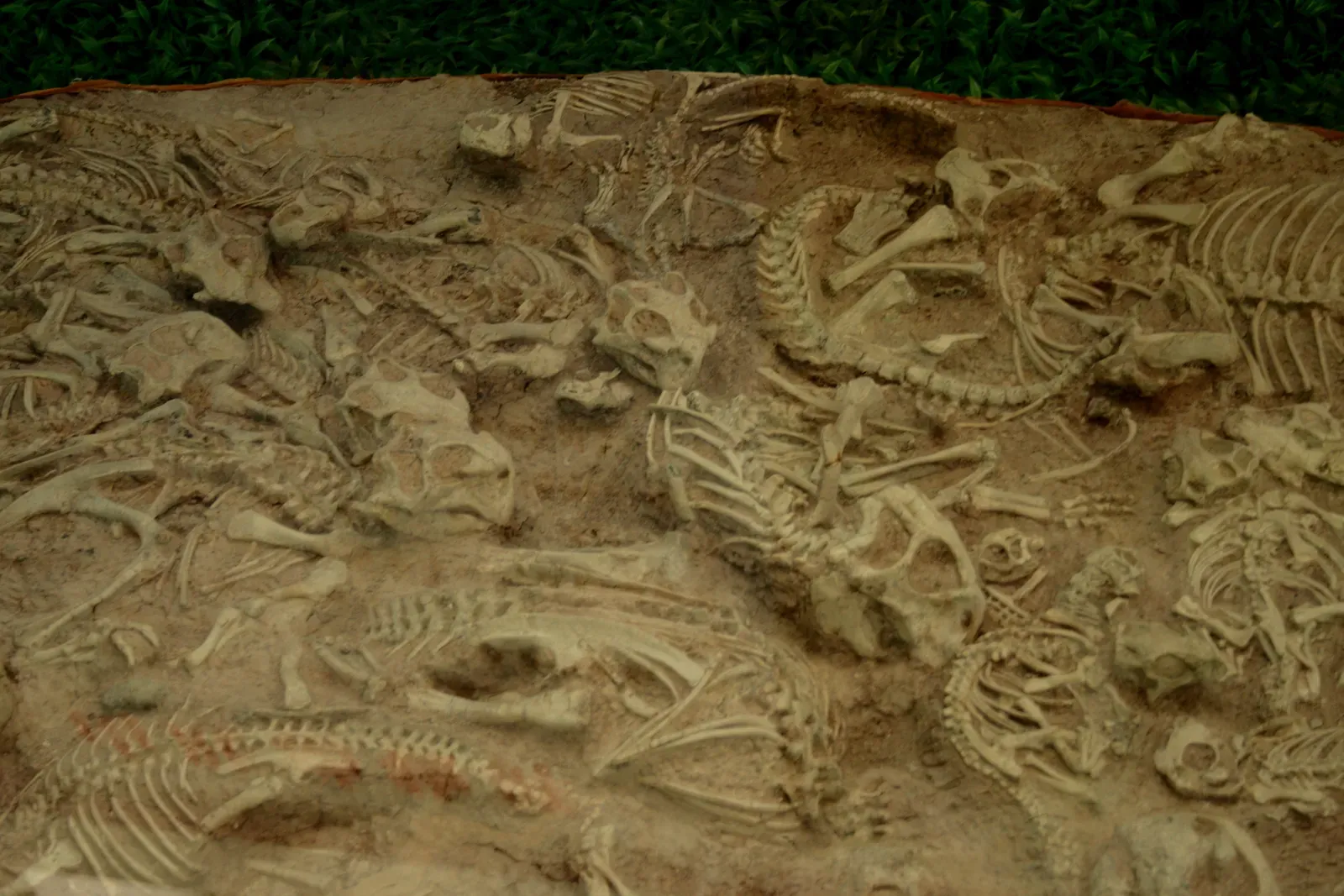
There is a place in the badlands of western Montana that permanently changed how you should think about dinosaurs. Paleontologists discovered a nest with the remains of eggshells and babies too large to be hatchlings in the Two Medicine Formation near Choteau, Montana, and the area quickly became known as “Egg Mountain.” The name stuck, and so did the implications. This was not a random scatter of bones. This was a nursery.
Embryonic and hatchling remains were discovered in a bowl-shaped nest, and analysis of their bone structure suggests that the young were unable to walk. Wear patterns on the hatchling teeth suggested they had been feeding before they died, which led paleontologists Jack Horner and Bob Makela to surmise that the nestlings were being fed, presumably by the mother. Think about what that means. These babies could not walk. They could not forage. Someone was bringing the food to them.
This was the first proof of giant dinosaurs raising and feeding their young. Everything the scientific community thought it knew about dinosaur behavior had to be reconsidered almost overnight. Modern reptiles like lizards and most snakes simply do not do this. You hatch, you scatter, you survive on your own. Dinosaurs, it turns out, had a very different approach.
Maiasaura: The Good Mother Lizard That Rewrote the Rules
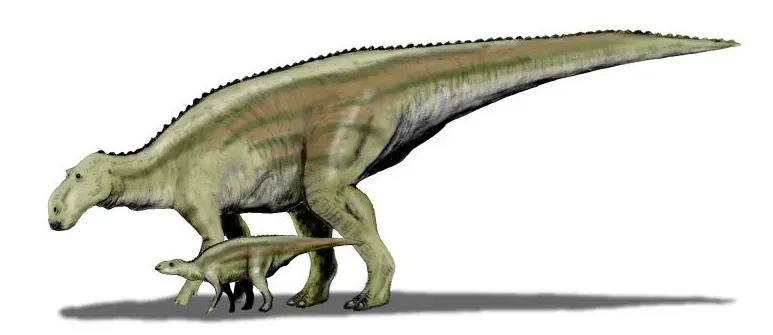
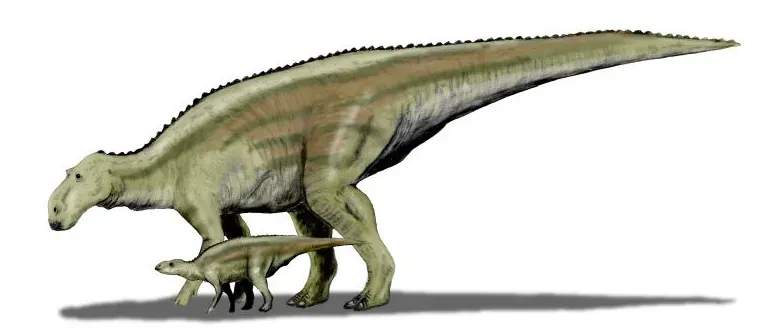
The Maiasaura, commonly known as the “good mother lizard,” is a prime example of dinosaur parental care. These dinosaurs lived during the Late Cretaceous period, around 80 to 75 million years ago, and exhibited remarkable nurturing behaviors. Honestly, the name alone tells you everything about the shift in scientific thinking that this discovery triggered. Nobody names a creature the “good mother lizard” without very good reason.
The nests in the colonies were packed closely together, like those of modern seabirds, with the gap between the nests being around 7 metres, less than the length of the adult animal. The nests were made of earth and contained 30 to 40 eggs laid in a circular or spiral pattern. Then consider this jaw-dropping detail: the eggs were incubated by the heat resulting from rotting vegetation placed into the nest by the parents, rather than a parent sitting on the nest. Upon hatching, fossils of baby Maiasaura show that their legs were not fully developed and thus they were incapable of walking. Fossils also show that their teeth were partly worn, which means that the adults brought food to the nest. That is active, intentional parenting. Full stop.
Big Mama and the Oviraptorids: A Case of Totally Wrong First Impressions
Here is a story about how science sometimes gets it spectacularly wrong before getting it magnificently right. Oviraptor, whose name is derived from the Latin for “egg thieves,” was first discovered in the 1920s in association with eggs that were thought to belong to the small ceratopsian dinosaur Protoceratops. Based on this find, scientists thought that Oviraptor may have stolen and eaten other dinosaur’s eggs. It has now been confirmed that the eggs actually belonged to Oviraptor itself. The creature wasn’t stealing eggs. It was guarding its own.
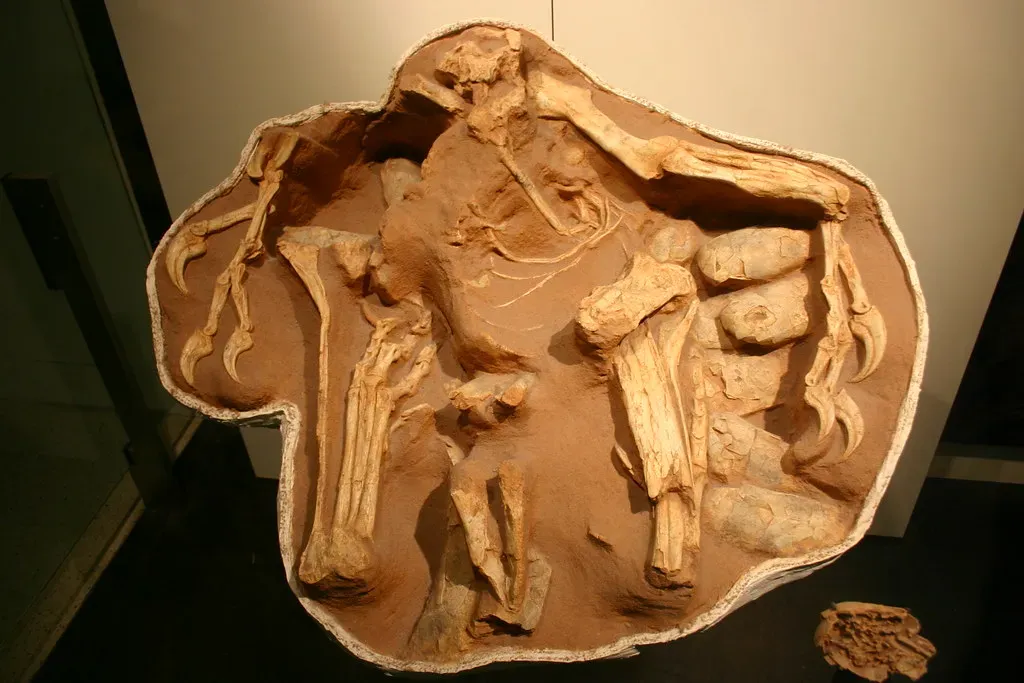
The Citipati osmolskae fossil dubbed “Big Mama” was a discovery that provided substantial evidence for how dinosaurs behaved with their eggs. “Big Mama” is a 75-million-year-old oviraptorid that was uncovered brooding on, meaning sitting on top of, a nest of eggs. The large adult skeleton is preserved at the center of a ring of eggs, with its arms wrapped around the precious clutch. This parent was shielding the eggs when it perished in a sandstorm. The eggs are widely spaced, and it appears the adult avoided sitting directly on top of them, possibly to prevent crushing them. Oviraptorids like Citipati seem to have covered their nests with their feathered arms to insulate them, but avoided direct body contact. That is nuance. That is consideration. That is a level of parental instinct that frankly most people wouldn’t expect from a creature that lived 75 million years ago.
Psittacosaurus and the Shocking Discovery of Post-Hatching Care
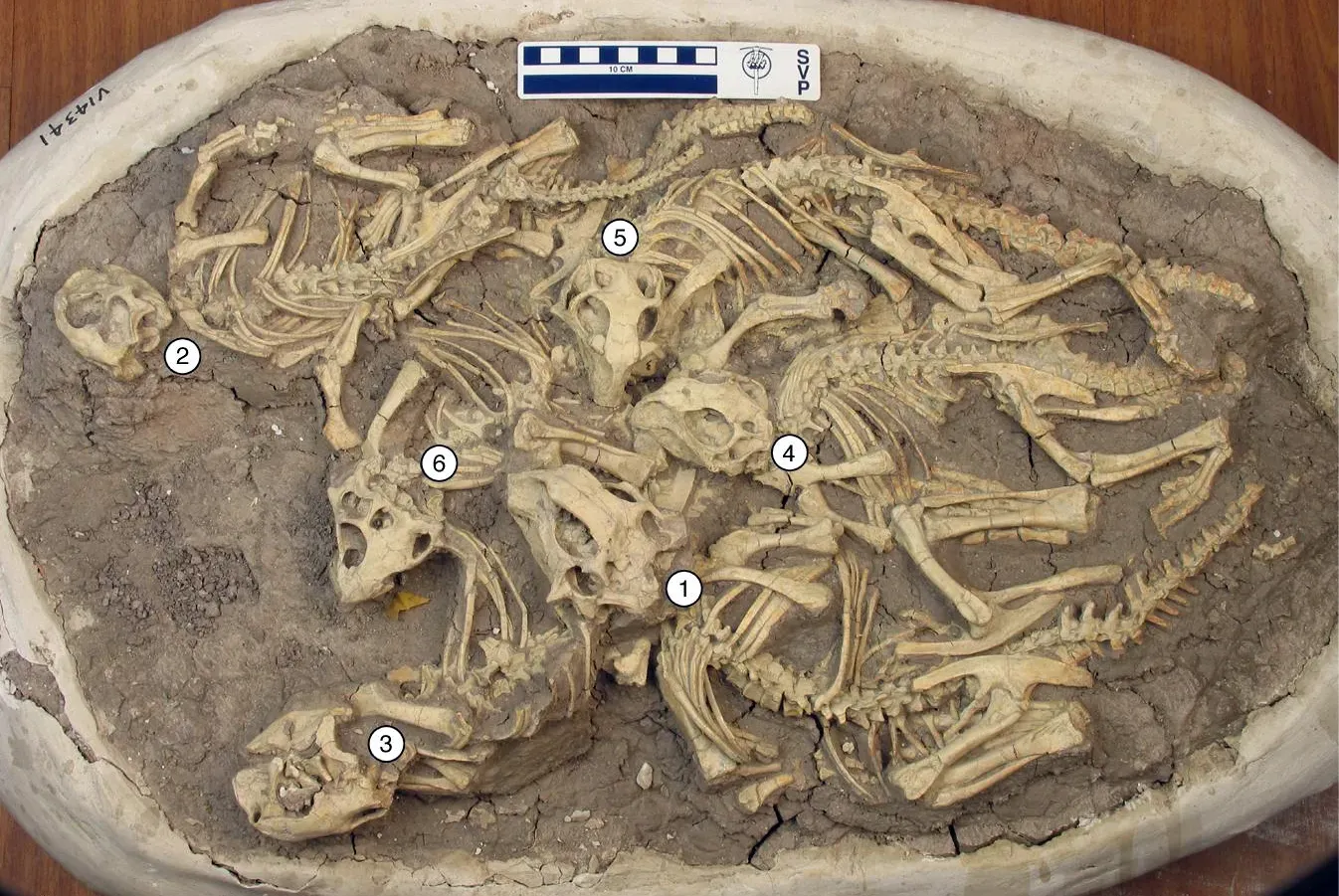
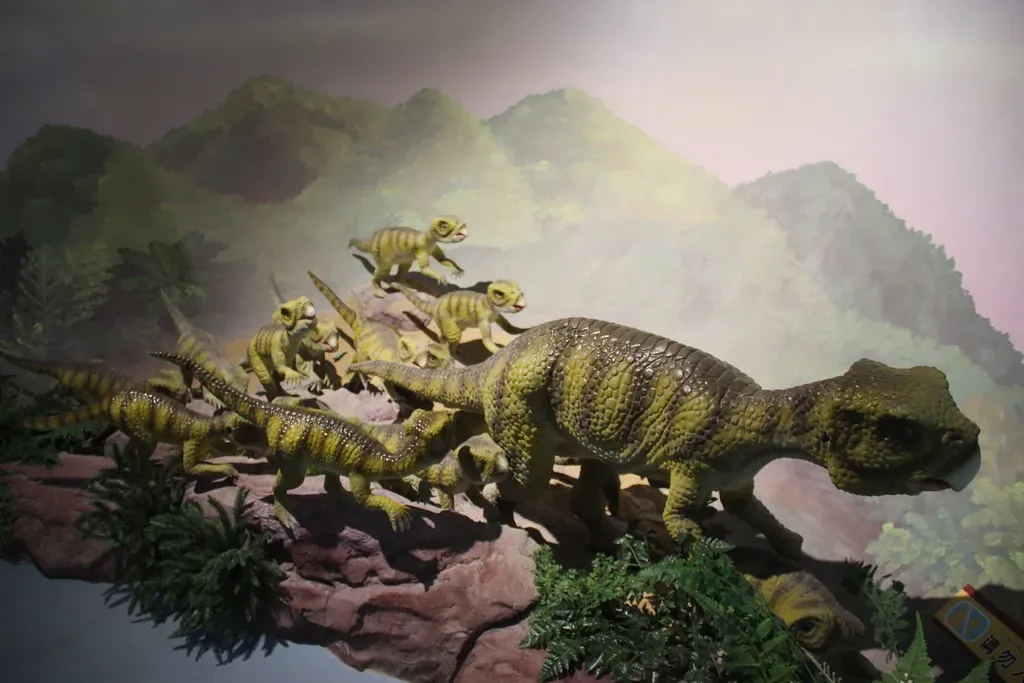
If the Maiasaura and oviraptorid evidence hadn’t already shaken things up enough, a fossil from Liaoning Province in China delivered another bombshell. A fossil from Liaoning in China reveals a single adult clustered with 34 juveniles within an area of just half a square metre, providing strong evidence for post-hatching parental care in Dinosauria. Half a square metre. That is roughly the size of a modest coffee table. Thirty-four youngsters, one adult, all together.
One fossil of Psittacosaurus shows thirty-four juveniles of similar size buried along with an adult, a presumed caretaker. The bone development of the juveniles suggests a slow growth rate, and the overall amount of young found together indicates post-hatching growth that was dependent on extensive parental care. This adult may have been protecting several broods, since it’s hard to imagine one female laying 34 eggs. The notion that this adult was a communal guardian, perhaps watching over the offspring of multiple parents, makes the behavioral complexity here even more staggering.
Troodon and Communal Nesting: Dinosaurs That Shared the Load
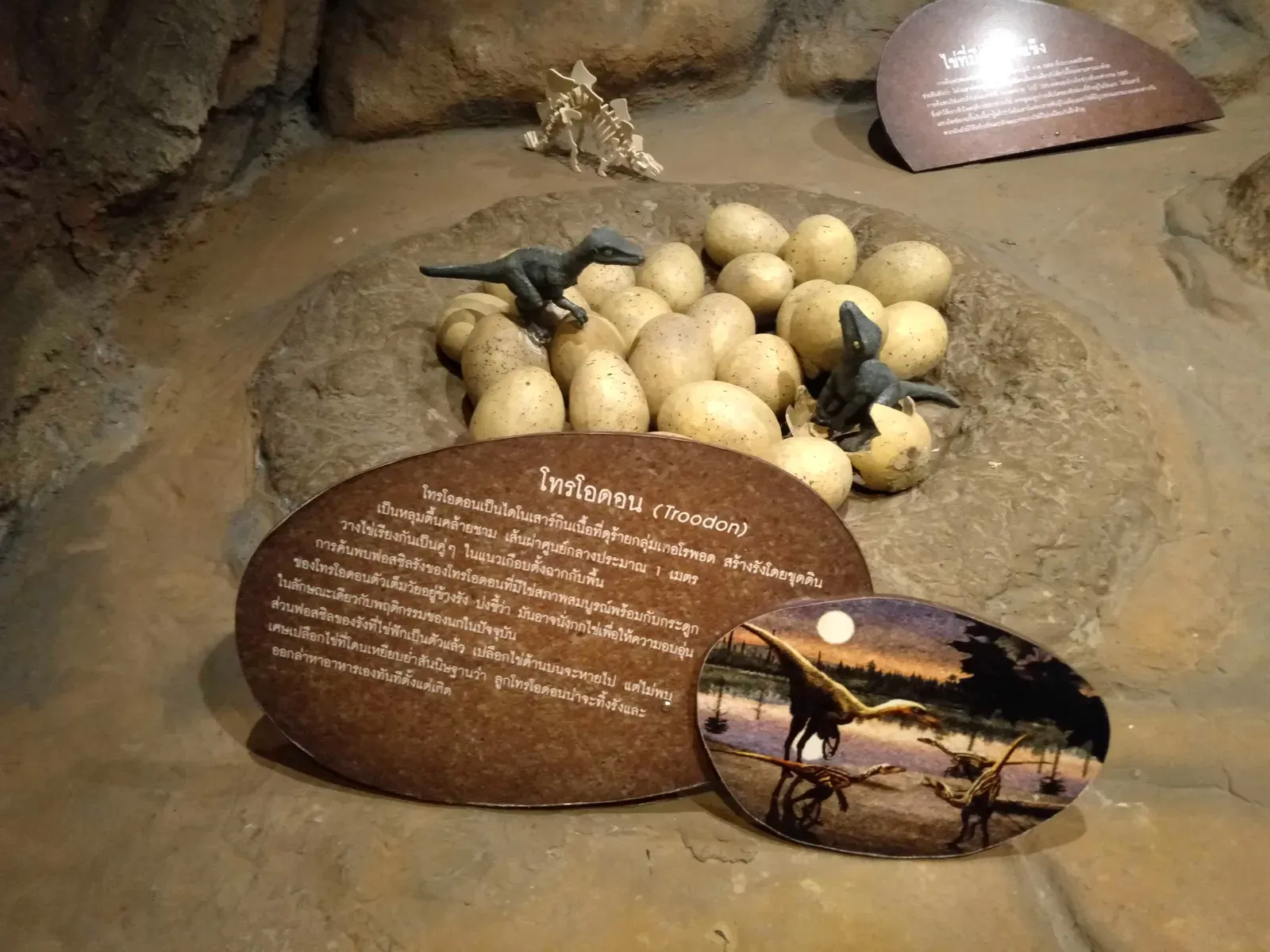
You might assume that parenting, ancient or modern, is a solo or at most a paired endeavor. Troodon, a small birdlike predator from the Late Cretaceous, suggests otherwise. Bird-like dinosaurs that lived up to 74 million years ago didn’t hog nests. Instead, these beaked dinosaurs shared communal nests where several female nestmates often laid more than 20 eggs together, which these feathery dinosaurs then brooded to keep warm. This is genuinely remarkable behavior, one that mirrors what you see today in certain colonial bird species.
Fossilized eggshells have revealed that Troodons were endotherms, meaning they were warm-blooded and could self-regulate their body temperature. New research confirmed that troodontids had high enough body temperatures to brood their eggs in communal nests. These dinosaurs could probably switch between a warm-blooded state and a state of cold-blooded torpor, a strategy common in modern birds called heterothermy. Troodon maintained its body temperature around 107.6 degrees Fahrenheit but could drop to 84.2 degrees to cope with limited food or harsh weather. That kind of physiological flexibility, paired with communal social behavior, is far beyond anything you see in a modern lizard or snake.
Paternal Care: When Dad Was the One Sitting on the Nest
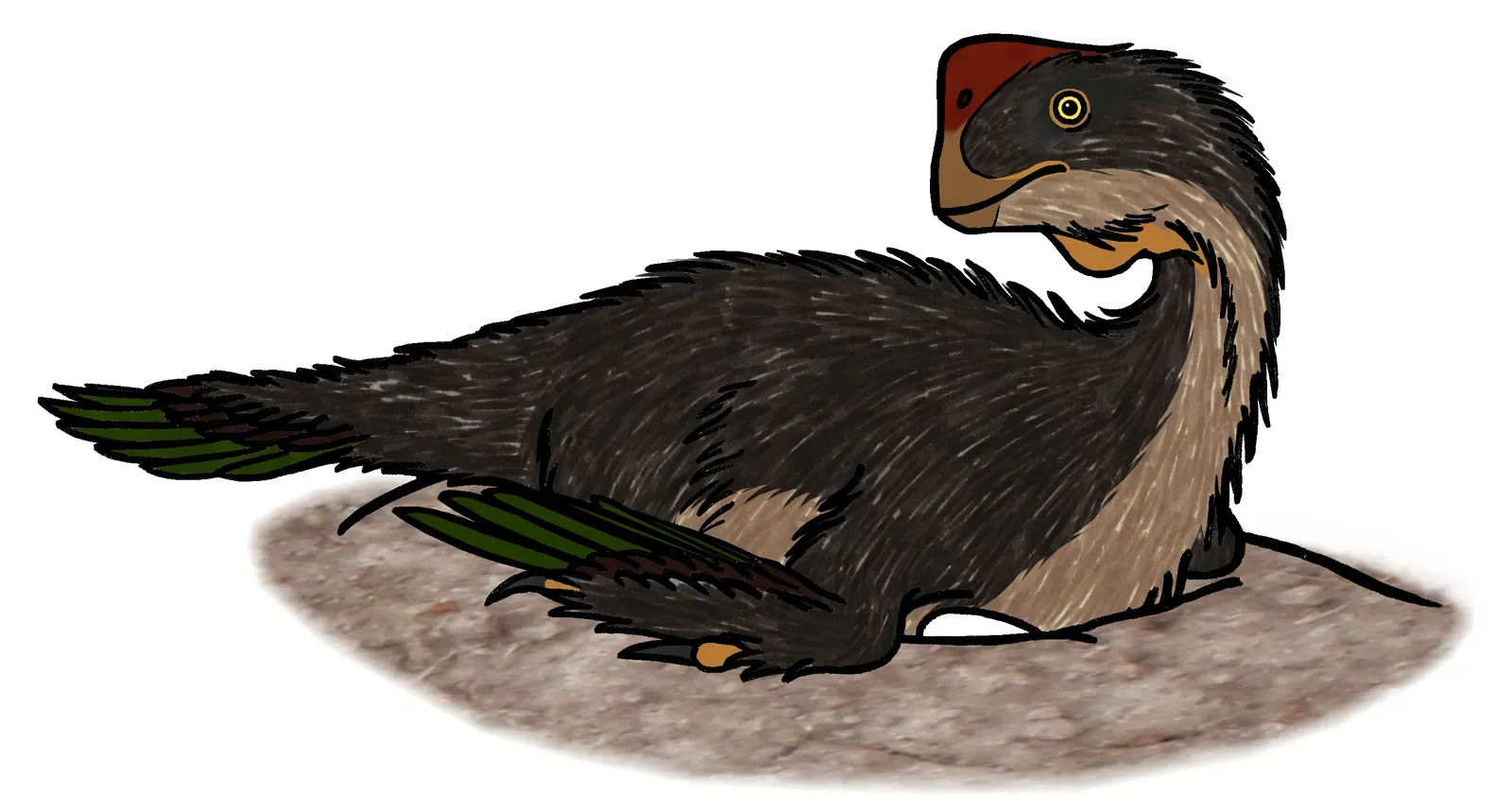
Here is something that might genuinely surprise you. When scientists studied which parent was actually doing the brooding in theropod dinosaurs, the answer pointed strongly toward the fathers. Researchers led by Dr. David Varricchio of Montana State University examined the fossilized bones of three species of theropod dinosaur, including Troodon formosus, Oviraptor philoceratops, and Citipati osmolskae. The fossils had all been found in association with nests and many were preserved in a brooding-like posture. The researchers examined the internal structure of the fossilized bones, looking for bone cavities left after egg formation. The lack of any evidence for bone cavities led the scientists to conclude these fossils represented males, the fathers, brooding the nests.
This finding is particularly striking when you put it in context. In more than 90% of modern bird species, it is the male parent that volunteers to sit on and incubate eggs in the nest. By comparison, males contribute to parental care in fewer than 5% of mammals and even more rarely among crocodiles, lizards, and snakes. So these dinosaur fathers were already exhibiting a parenting strategy that most modern reptiles never developed, a strategy so advanced that it carried forward directly into the birds we see today. It’s hard not to find that deeply compelling.
How Dinosaur Parenting Compares to Modern Reptiles
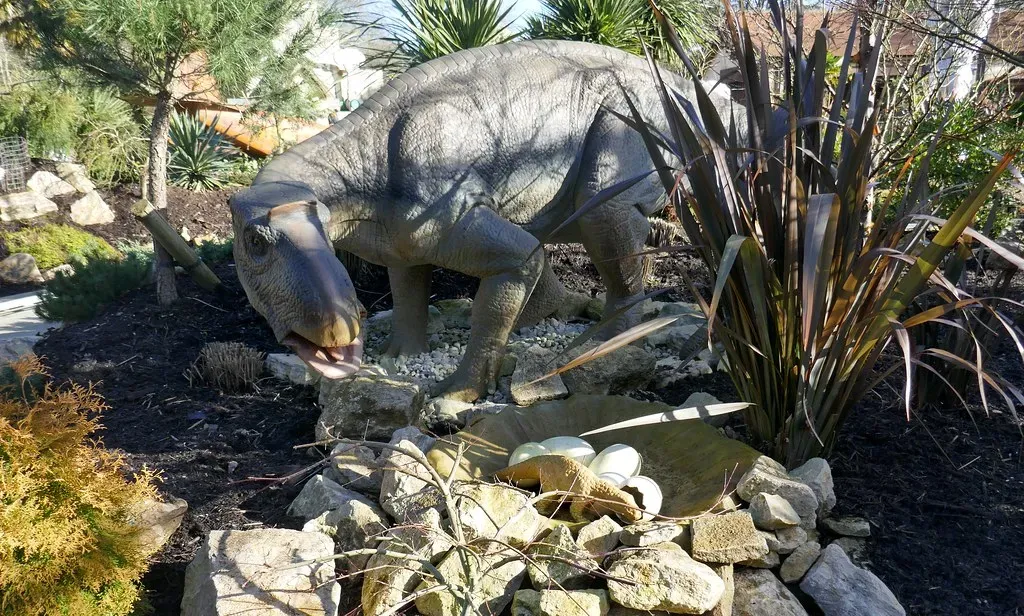
Let’s be real about something. Modern reptiles get a bit of a bad reputation when it comes to parenting, and for the most part, it’s earned. Most lizards lay eggs and walk away. Most snakes never look back. Even crocodiles, which are genuinely attentive by reptile standards, operate within fairly narrow behavioral boundaries. Scientists now know that alligators, along with other types of crocodilian, show a strong bond between their offspring and even the nest. Female alligators guard the nesting sites, protecting the eggs as they incubate. When alerted by the chirping and pipping sounds made by the young as they are about to hatch, the females will dig the nest out and escort the brood down to a nursery area, carrying many of the newly hatched baby alligators in her jaws.
That is genuinely impressive for a reptile. Still, compare it to the full picture of what dinosaurs were doing: birds and their closest living relatives, crocodilians, share many derived features of reproduction, including nests built of vegetation, vocal communication between parents and offspring prior to hatching, and some degree of parental care for at least a few weeks. Dinosaurs appear to have taken all of these traits and, in several lineages, amplified them dramatically. No typical dinosaur nest even exists. Some species laid lots of round, hard eggs in a pile. Others laid eggs two-by-two and arranged them carefully. Some eggs are spheres, some are cone-shaped, and as is the case with modern birds, different egg types relate to the ways adult dinosaurs behaved. That kind of diversity, that kind of behavioral specialization, places many dinosaur species firmly ahead of most modern reptiles on the parenting complexity scale.
Conclusion
It is tempting to think of the prehistoric world as a place of pure, instinct-driven brutality, where survival was everything and tenderness had no place. The fossil record keeps proving that assumption wrong. From the carefully arranged nests of Maiasaura, to a father Oviraptorid shielding its eggs from a sandstorm with outstretched feathered arms, to thirty-four hatchlings huddled beneath the body of a single guardian Psittacosaurus, dinosaurs were parenting with a sophistication that genuinely rivals, and in many cases surpasses, what most modern reptiles ever evolved to do.
Parental care in dinosaurs matters in an ecological sense. It can show how behavior changes in response to climate changes and other events. That could show us how behavior could change today and tell us if there are animals we need to be looking at protecting now. The more the science advances, the more the line between “ancient beast” and “devoted parent” blurs. So next time you watch a bird carefully tend its nest, remember: that behavior has roots going back well over a hundred million years. What would you have guessed?