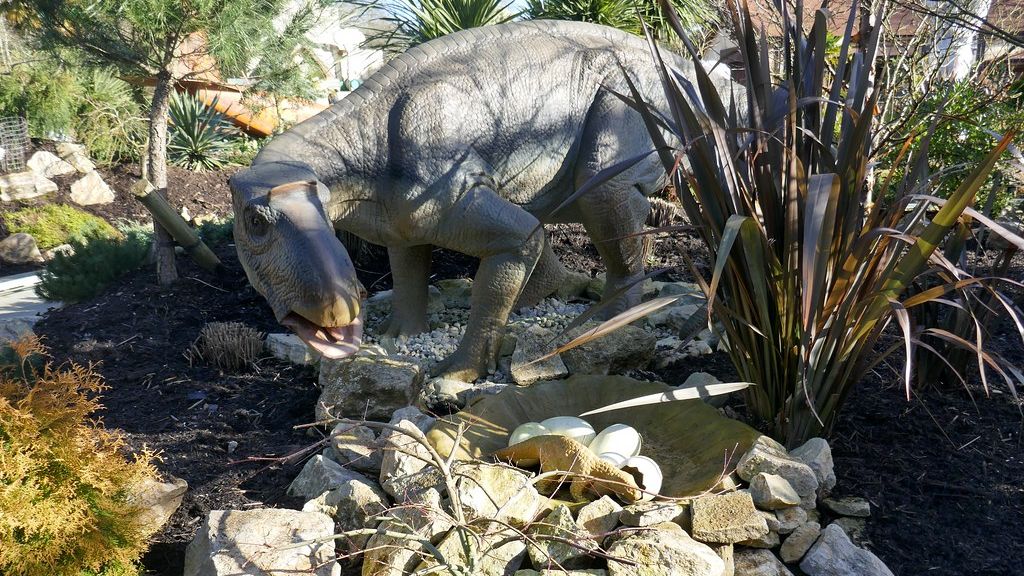
Think of your own childhood for a moment. Parents caring for you, watching over you, teaching you survival skills. We tend to think of parental care as something uniquely mammalian, maybe shared with birds. The image of cold-blooded reptiles leaving their eggs buried in sand feels more familiar when we consider ancient creatures. So here’s an interesting question: did the mighty dinosaurs, those colossal beings that dominated Earth for millions of years, care for their babies? As it turns out, they likely did. Recent fossil discoveries are reshaping our understanding of dinosaur family life in surprising ways.
New evidence shows that an adult dinosaur died together with 34 hatchlings, offering powerful evidence about how dinosaurs may have looked after their young charges. The duck-billed Maiasaura, whose name means “good mother lizard,” is one of the best-known examples of parental behavior, with late Cretaceous dinosaurs living around 80 to 75 million years ago thought to have nested in large colonies and possibly provided extensive food and protection for their hatchlings. This isn’t just speculation anymore. Scientists have documented these behaviors through fossilized remains, preserved nests, and even the tragic final moments of parents protecting their young. Let’s dive in and explore what the evidence tells us about dinosaur family dynamics.
Brooding Parents Caught in the Act
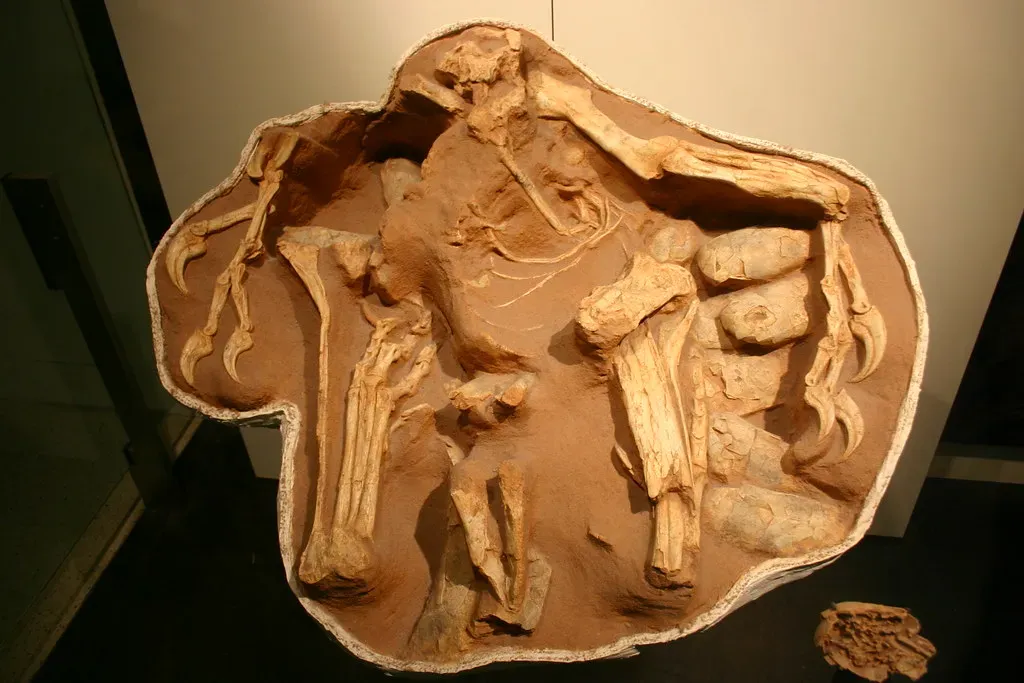
The Citipati osmolskae fossil dubbed “Big Mama” was a discovery that provided substantial evidence for how dinosaurs behaved with their eggs, showing a 75-million-year-old oviraptorid uncovered brooding on a nest of eggs. Honestly, when you look at these fossils, the behavior seems unmistakable. The dinosaur was caught in the act, curled up on its nest, likely caught up in a sandstorm or a mudslide and was buried with its eggs, showing protective behavior to the detriment of the parent.
Paleontologists have found the fossil of a dinosaur sitting on a nest of eggs with embryonic remains, with many of the embryos about to hatch, indicating that the adult was likely incubating its eggs rather than guarding its nest like a crocodile. In the new specimen, the babies were almost ready to hatch, which tells researchers that this oviraptorid had tended its nest for quite a long time, showing that this dinosaur was a caring parent that ultimately gave its life while nurturing its young. This is behavior we associate with modern birds today, not extinct reptiles.
Nesting Colonies and Site Fidelity
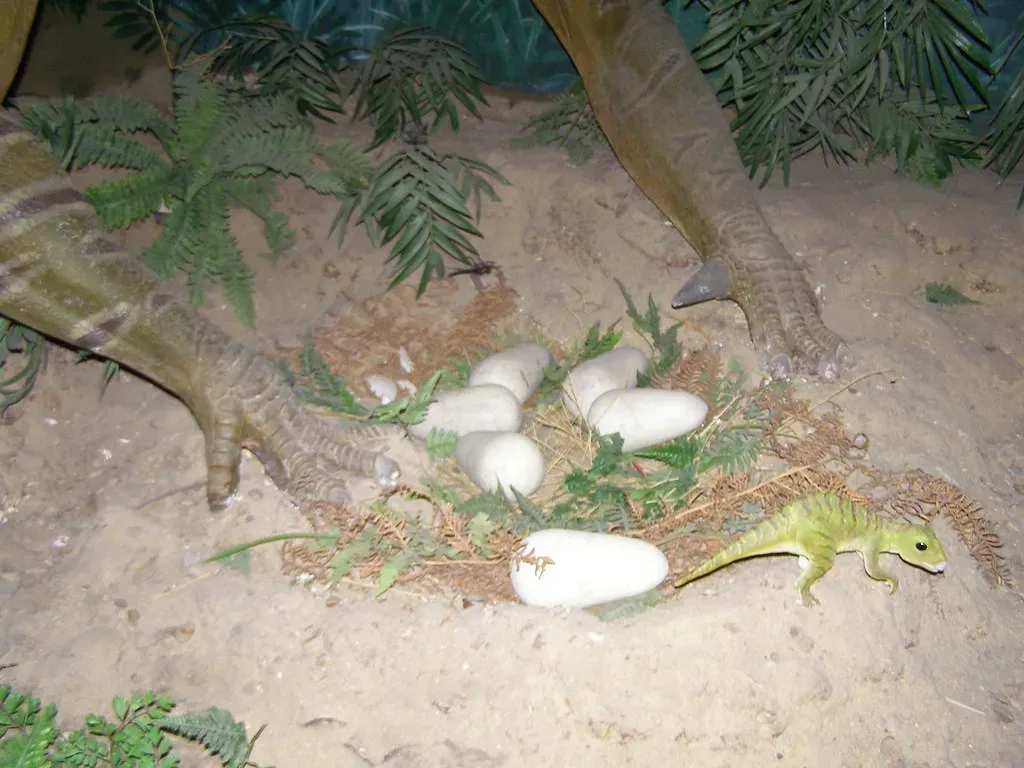
An excavation program started in 2006 yielded multiple in situ egg clutches, documenting the oldest known dinosaurian nesting site that predates other similar sites by more than 100 million years, providing the earliest known evidence of complex reproductive behavior including site fidelity and colonial nesting in a terrestrial vertebrate. Site fidelity means returning to the same location year after year to breed. Think about sea turtles today, how they somehow find their way back to the exact beach where they were born.
Sites show that a number of different dinosaur species made annual treks to the same nesting ground, with particular species returning to the same site year after year to lay their clutches, demonstrating that site fidelity was an instinctive part of dinosaurian reproductive strategy. Multiple occurrences of egg clutches within at least three stratigraphically distinct layers indicate that at least two or more Massospondylus nested at this site on at least four separate occasions, providing evidence used to infer colonial nesting and site fidelity in various Late Cretaceous dinosaurs. The pattern is clear: these weren’t random egg dumps. Dinosaurs deliberately chose safe nesting grounds and reused them across generations.
Evidence of Extended Parental Care
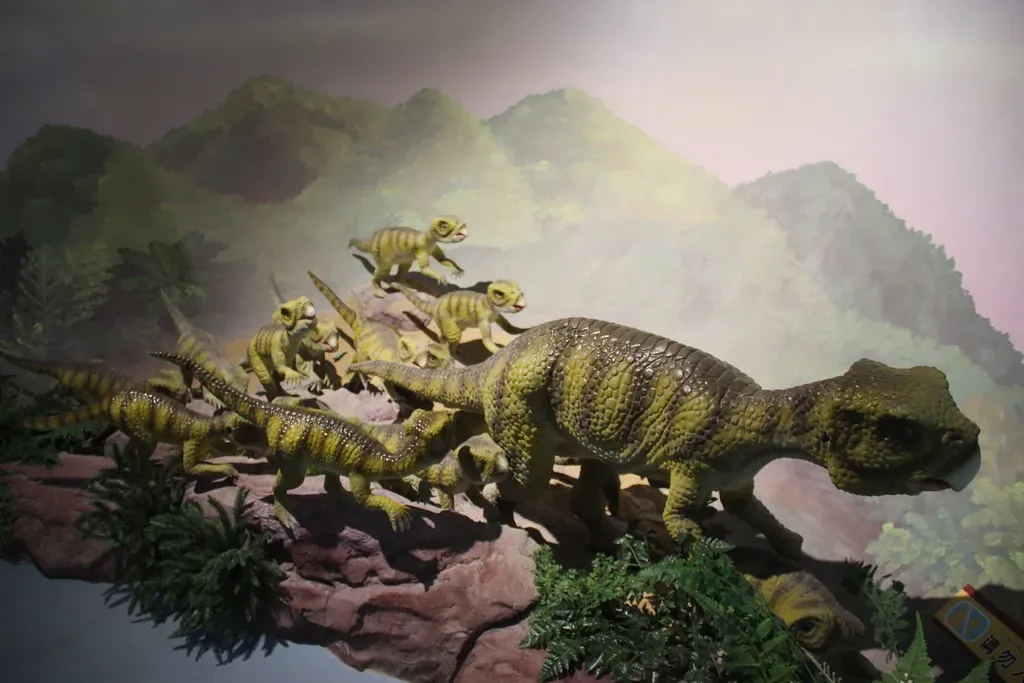
This is where things get really fascinating. At least two class sizes of prints are preserved at the site, with the largest pes prints being roughly 15 millimeters long, indicating that Massospondylus juveniles remained at the nesting site for some time after hatching, long enough for growth to have at least doubled the linear measurements of the foot. Let that sink in. The babies stayed in or near the nest long enough to literally double in size.
A remarkable find was in Montana, where fossils of duckbill dinosaurs including eggs, nests, hatchlings, juveniles, and adults were found together in one death assemblage, with eggshells in the nests badly broken, suggesting that hatchlings might have crushed the eggs while moving around the nests, and some paleontologists think this site was a nesting colony where adult dinosaurs cared for their young during the first several months after hatching. Research indicates babies remained in the nest for perhaps 8 or 9 months, with some evidence indicating that Hadrosaurus parents protected their young from predators and brought food to the nest. Nearly a year of parental care. That’s more commitment than many modern animals show.
Variations in Egg and Nest Architecture
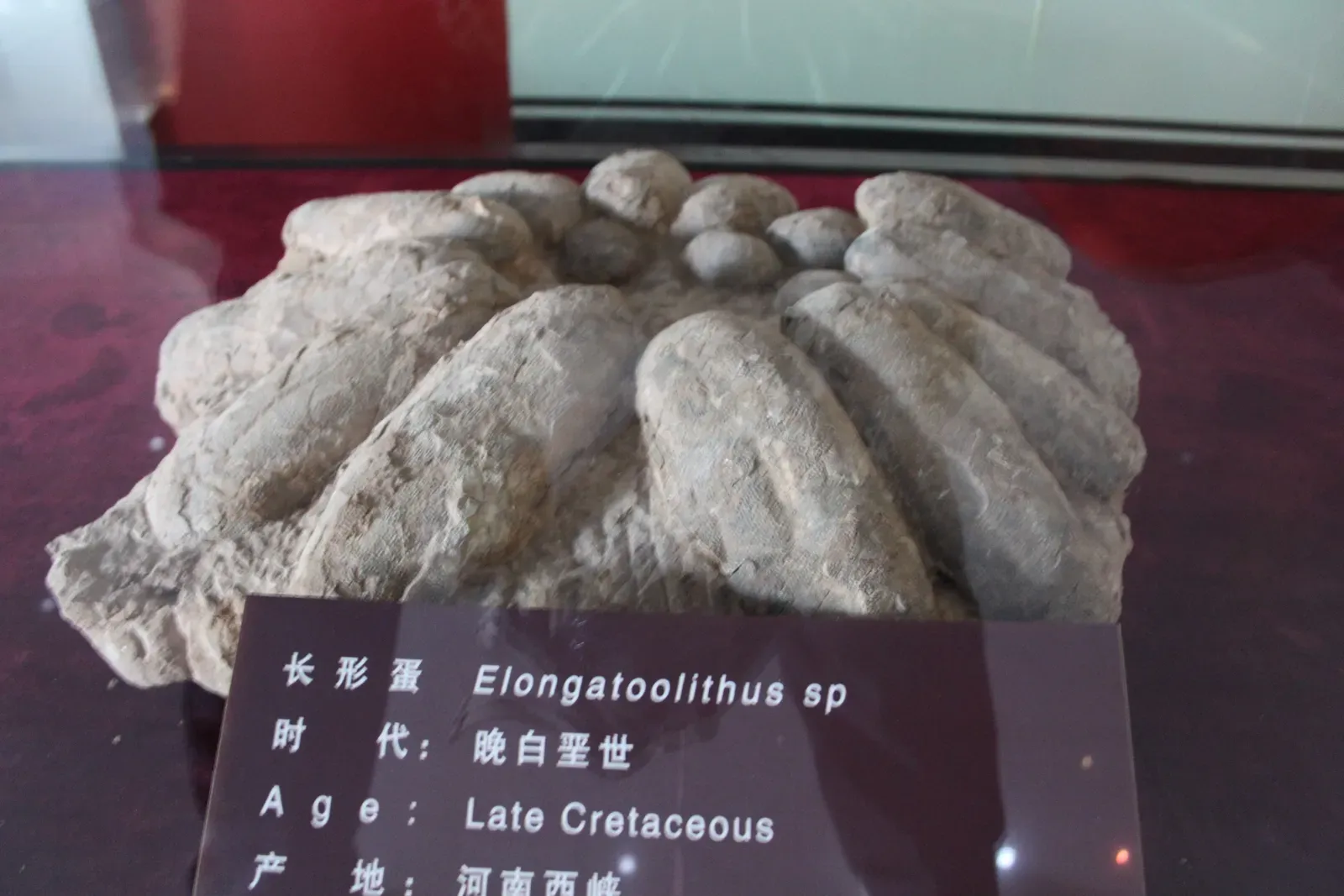
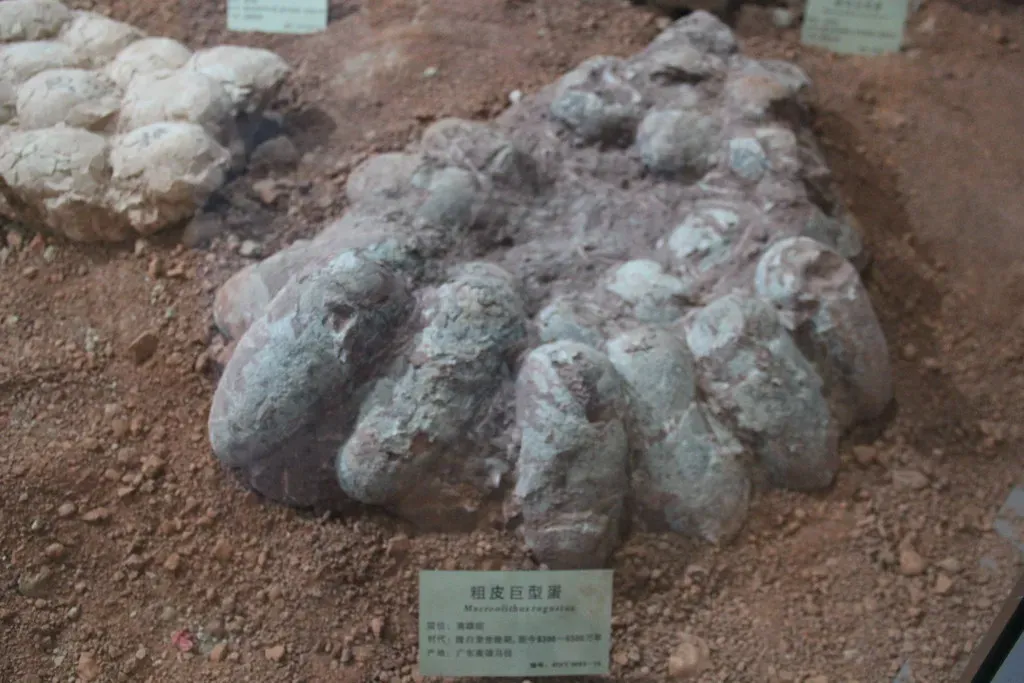
Not all dinosaurs parented the same way, and you can tell by looking at their eggs and nests. No typical dinosaur nest exists, with some species laying lots of round, hard eggs in a pile while others laid eggs two-by-two and arranged them carefully, with some eggs being spheres and some being cone-shaped. Clutches attributed to dinosaurs are either circular or linear, with circular clutches having egg concentrations in smaller areas than linear clutches and only partially covered with sediment, suggesting that parents would have had to give them attention to incubate them and provide protection from predators.
Palaeontologists have looked at how larger dinosaurs prevented damage by crushing, and the arrangement of eggs in the nest could be a major clue, with heavier dinosaurs laying their eggs in a ring around themselves so they could incubate their eggs without having to directly sit on them. In smaller nests, eggs were clustered with little or no open space in the center, but as the dinosaurs and their nests got bigger, the creatures left more and more space in the middle to sit, creating elaborate piles of eggs. Think about that engineering problem: you’re a two-ton dinosaur trying not to crush your precious eggs. Evolution found a solution.
The Debate Over Soft vs. Hard-Shelled Eggs
In 2020, the assumption that all dinosaurs laid hard-shelled eggs was completely overturned, opening an exciting new realm of research on dinosaur reproduction, as that revelation that some dinosaurs laid soft-shelled eggs and other recent discoveries about dinosaur nests offer vivid glimpses into the lives of long-dead dinosaurs. This discovery changed everything paleontologists thought they knew about dinosaur reproduction.
Soft-shelled eggs are more sensitive to the environment because they lose moisture easily in dry conditions, and parents could not sit directly on top of them without risking a crushed shell, so given these limitations, Protoceratops likely buried its eggs in moist sediment and left them to be incubated by external heat sources such as decaying plants or sunlight. Reconstruction of the ancestral state of various eggshell types supports the conclusion that the first dinosaur egg was probably leathery, relatively small, and elliptical, with a leathery eggshell probably the ancestral state of Avemetatarsalia, Archosauria and Testudines. Hard shells evolved multiple times independently across different dinosaur lineages. That’s evolution experimenting with different solutions to the same problem.
The “Free-Range” Parenting Debate
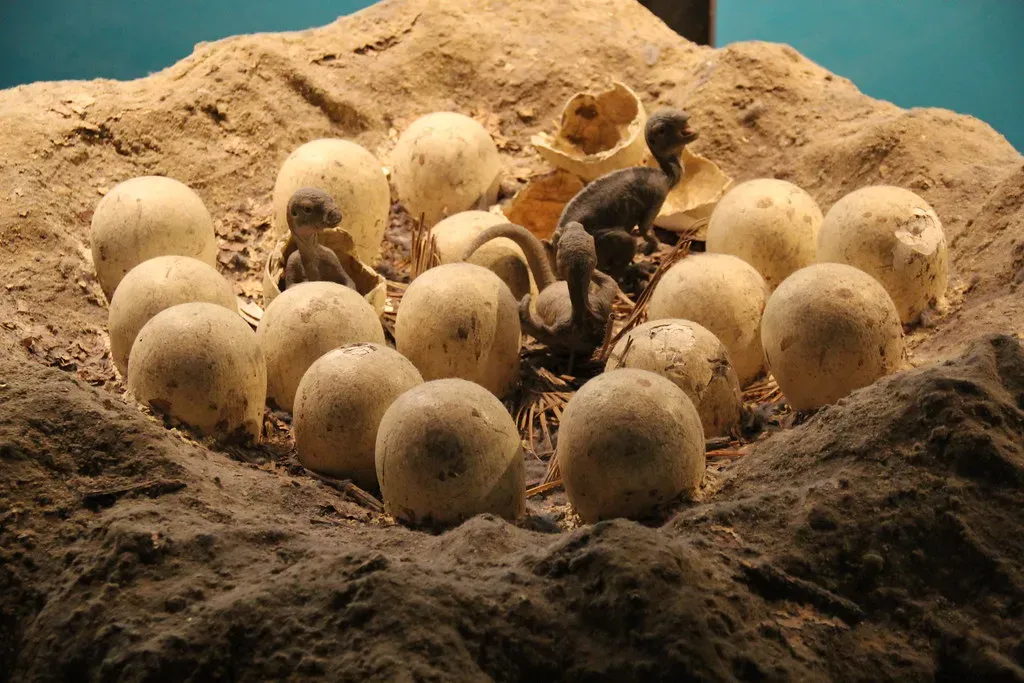
Here’s where things get controversial. Not all scientists agree that dinosaurs were attentive parents. In terms of fossil evidence, researchers found pods of skeletons of youngsters all preserved together with no traces of adults nearby, suggesting these juveniles tended to travel together in groups of similarly aged individuals, getting their own food and fending for themselves. It’s like sending your kids to summer camp and never picking them up.
Dinosaurs’ free-range parenting style complemented the fact that they hatched eggs, forming relatively large broods in a single attempt, and because multiple offspring were born at once and reproduction occurred more frequently than in mammals, dinosaurs increased the chances of survival for their lineage without expending much effort or resources. Scientists generally think that mammals today live in more diverse communities because they have more species living together, but if young dinosaurs are counted as separate functional species from their parents, the total number of functional species in these dinosaur fossil communities is actually greater on average than what is seen in mammalian ones. So maybe the lack of parental care wasn’t a weakness after all. It might have been a different but equally successful survival strategy.
What Modern Birds Tell Us About Dinosaur Parents
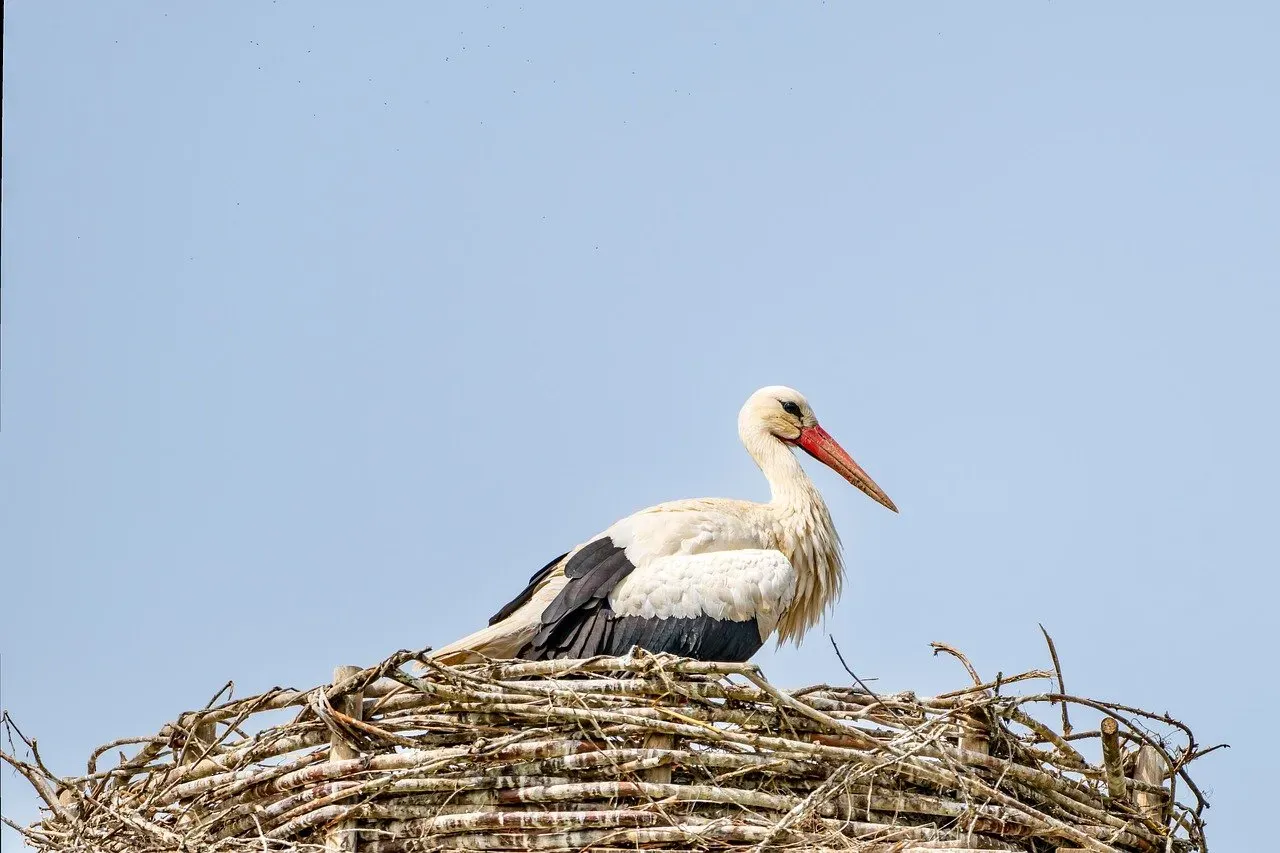
Research suggests this behavior of sitting on the nest evolved first in dinosaurs, with a team studying 40 nests built by oviraptorosaurs, birdlike dinosaurs that lived more than 65 million years ago and ranged in weight from a few pounds to about 4,000 pounds. Birds are living dinosaurs, and studying them gives us a window into the past. Birds have inherited egg-related features from dinosaurs like oviraptorosaurs, including the architecture of eggshell layers, the shape of the egg with one end more pointed, the pigments that cause egg color, an open nest style, and even a nesting behavior called brooding where the parent sits on top of the eggs.
The sex of the fossilized parent may have been male, which suggests the father might have also taken part in brooding, similar to ostrich mothers and fathers who take turns incubating their young, matching other analyses of theropod nests which suggest some level of paternal care. In most modern bird species, it’s actually the male doing the majority of egg-sitting. Perhaps daddy dinosaurs were more involved than we initially thought. That challenges our assumptions about prehistoric gender roles, doesn’t it?
Conclusion: Rewriting Dinosaur Family Life
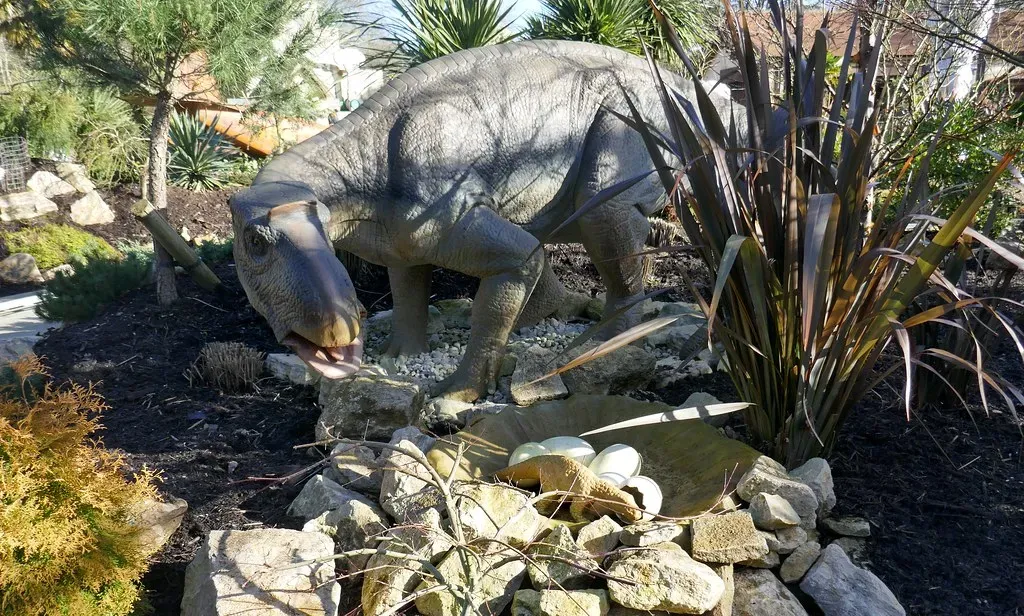
Dinosaur nests evolved from an ancestral state of soft-shelled eggs buried underground to hard, sometimes colorful eggs incubated in partially open nests, with parental care varying across species. The evidence is overwhelming: many dinosaurs were dedicated, caring parents who invested significant time and energy into raising their offspring.
From the protective posture of Big Mama frozen in time on her nest, to the colonial nesting grounds used generation after generation, to juveniles that stayed near their nests for months as they grew stronger, dinosaurs exhibited complex parental behaviors we once thought were exclusively mammalian. Sure, some species might have practiced “free-range” parenting, letting juveniles fend for themselves early on. But that doesn’t diminish the mounting evidence that across many dinosaur lineages.
These discoveries fundamentally change how we view these ancient creatures. They weren’t just massive, instinct-driven eating machines. They were animals with sophisticated social behaviors, capable of tenderness, sacrifice, and devotion to their young. What do you think about it? Does it change the way you picture life in the Mesozoic Era?