Imagine standing next to a creature whose footfall shakes the earth, whose breath rattles the trees, and whose bite force rivals the weight of a full-grown elephant. You are picturing a dinosaur, and for most of us, that image alone is staggering enough. Yet the truly mind-bending part isn’t the size. It’s the biology behind it.
For over a century, scientists pictured dinosaurs as slow, lumbering, cold-blooded giants. That image has been shattered, piece by fossil piece. What we now understand about dinosaur physiology is nothing short of extraordinary, revealing animals engineered, seemingly by nature’s ambition, for feats of power and endurance that continue to humble modern biology. Let’s dive in.
From Sluggish Giants to Athletic Powerhouses: Rethinking Dinosaur Biology
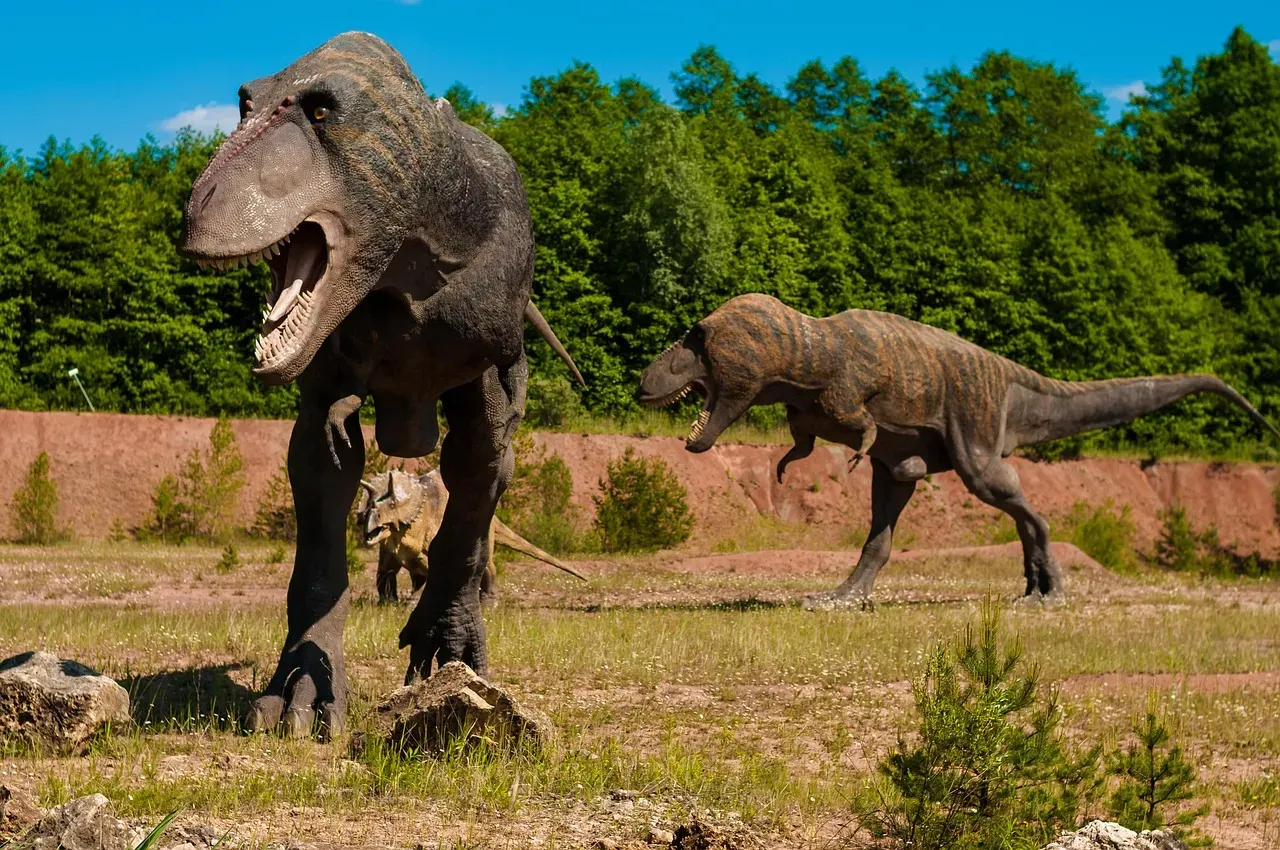
You might be surprised to know that the popular idea of dinosaurs as lazy, dim-witted beasts dragging their tails through swamps only began to crumble in the late 1960s. The Dinosaur Renaissance, beginning in the late 1960s, marked a profound shift in paleontological understanding of dinosaur physiology, moving away from depictions of dinosaurs as sluggish, cold-blooded reptiles. That shift was huge. It rewired how scientists, and eventually the public, understood everything about how these animals moved, hunted, and survived.
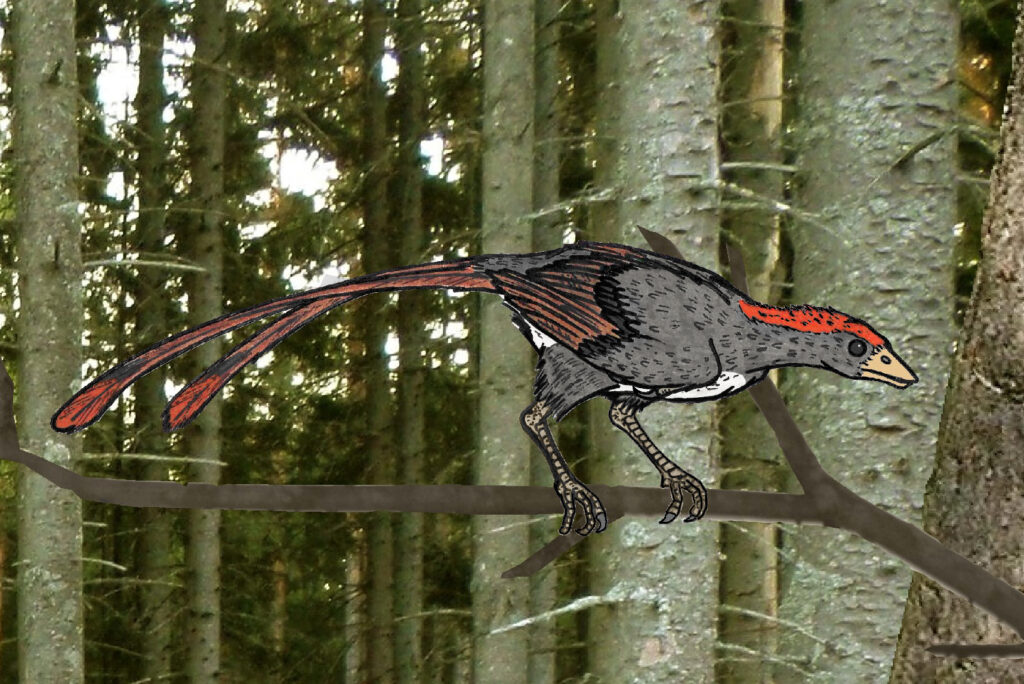
Beginning in the 1960s and with the advent of the Dinosaur Renaissance, views of dinosaurs and their physiology changed dramatically, including the discovery of feathered dinosaurs in Early Cretaceous age deposits in China, indicating that birds evolved from highly agile maniraptoran dinosaurs. Honestly, it’s still one of the most exciting pivots in the history of science. The moment you realize that the pigeon outside your window is essentially a tiny theropod dinosaur, your whole perspective shifts.
The Four-Chambered Heart: A Cardiovascular System Built for Power
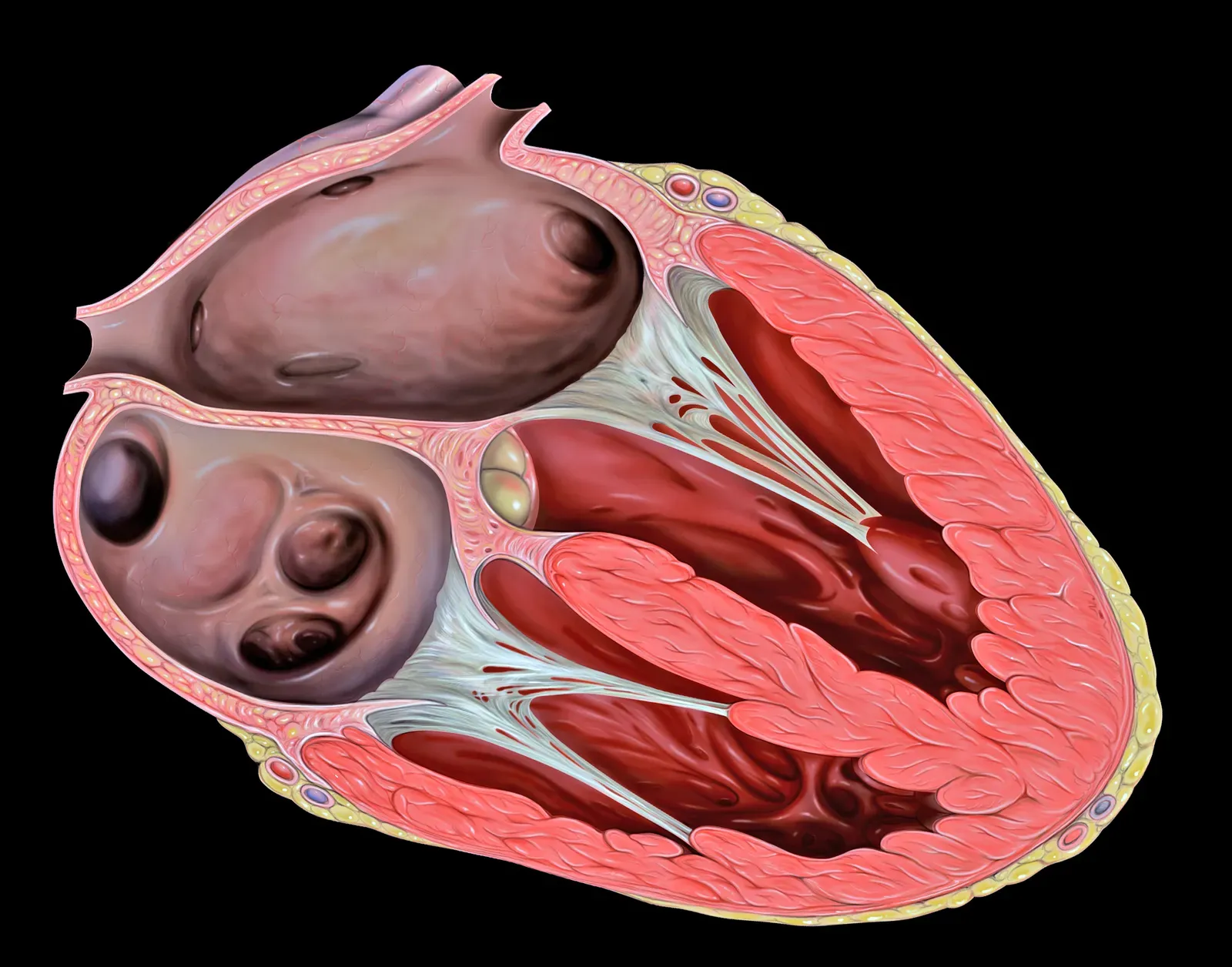
Here’s the thing that surprises most people: dinosaurs almost certainly had hearts more like yours than like a lizard’s. Cardiovascular function in dinosaurs can be inferred from fossil evidence, and skeletal stature alongside nutrient foramen size in fossil femora provide direct evidence of a high arterial blood pressure, a large four-chambered heart, a high aerobic metabolic rate, and intense locomotion. A four-chambered heart is the engine behind sustained, high-performance activity. Without it, the kind of endurance dinosaurs demonstrated simply would not have been possible.
Two-part circulations driven by four-chambered hearts, combined with high aerobic capacity, allowed sustained activity. Think of it this way: a reptile with a three-chambered heart is like a car with a partially clogged fuel line. It moves, sure, but it can’t sustain highway speeds for long. A four-chambered heart changes everything. For dinosaurs carrying bodies the size of trucks, that upgrade was the difference between survival and extinction.
Bone Architecture: Strength Without Unnecessary Weight
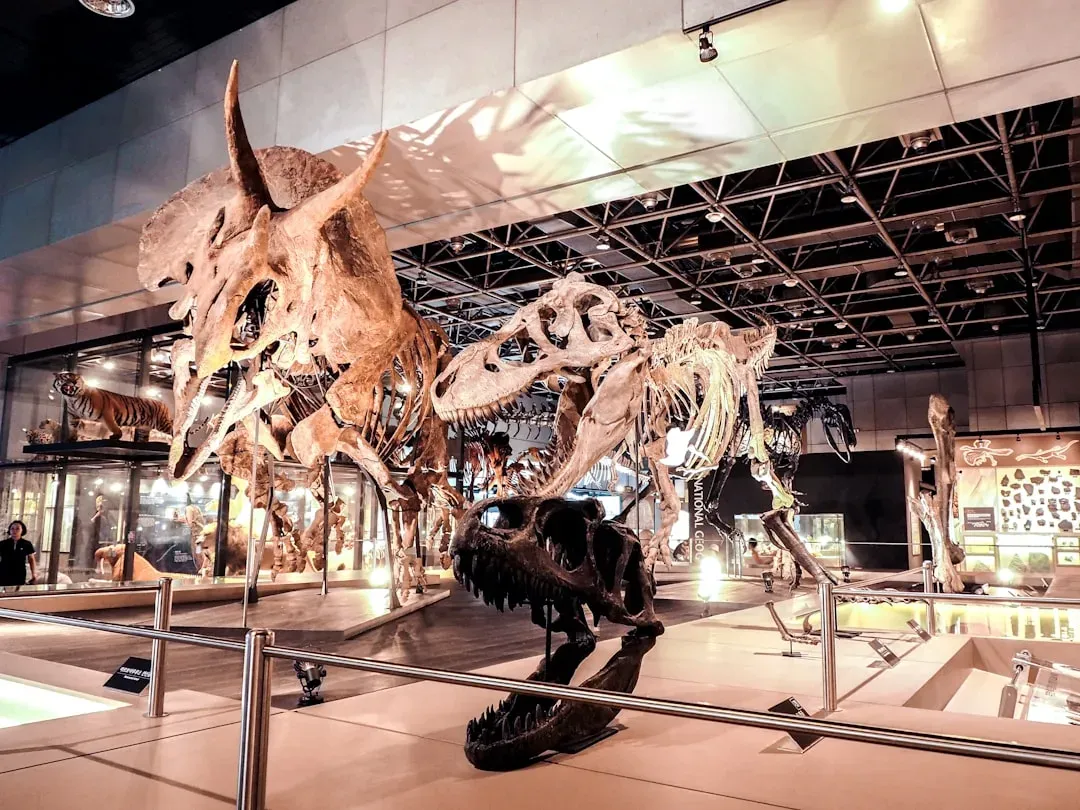
You would expect the bones of massive animals to be solid, heavy, almost castle-wall thick. Yet dinosaur bone architecture was far more sophisticated than that. Pneumatized bones are very light, because they are filled with air instead of the more heavy marrow, which was not only important for active flight, but also for the evolution of gigantism in sauropod dinosaurs. This is the kind of engineering solution that would make a modern aerospace designer envious, hollow structures that remain strong while cutting weight dramatically.
Immense, long-necked dinosaurs like Supersaurus had extraordinarily light bones assisted by a complex system of air sacs that so pervaded their skeletons that you can see exactly where they would have been even though the actual soft tissues decayed away millions of years ago. The most obvious consequence would be that the air sacs allowed sauropods to keep their bones light without sacrificing strength. Light bones meant less energy spent just moving around, which freed up enormous physiological capacity for other tasks. It’s a quiet but profound form of physical genius.
The Air Sac Respiratory System: Breathing Like a Machine
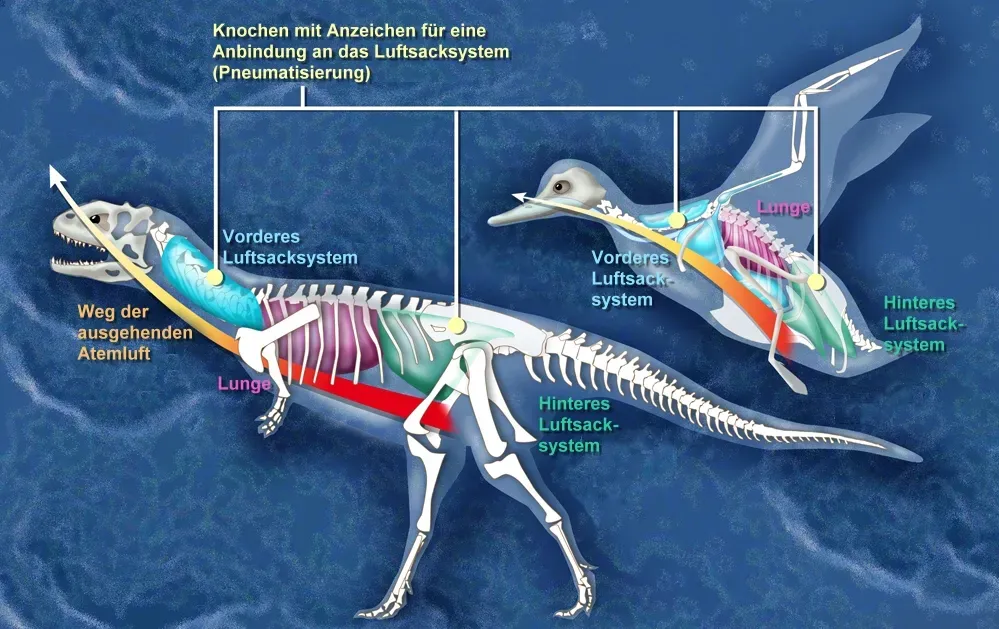
If you have ever struggled to catch your breath after sprinting up a flight of stairs, you have experienced the limitations of a mammalian lung. Dinosaurs, particularly theropods and sauropods, had a very different setup. Both sauropods and theropods have birdlike vertebrae and ribs, and combined with data from pneumaticity in these groups, this suggests that they had a birdlike respiratory system with an immobile lung ventilated by air sacs. That system enables something called unidirectional airflow, meaning oxygen passes through the lung continuously, even during exhalation.
Air sacs are bellows-like protrusions of the lung, and their volume changes cause the air flow in the separate gas exchanger. This functional separation is crucial for the exceptional efficiency of this respiratory system. Air sacs are an important component of the avian respiratory system, and corresponding structures were also crucial for the evolution of sauropod dinosaur gigantism. In practical terms, this means a large sauropod could sustain intense physical effort for longer than any comparably sized mammal today. No wonder they dominated terrestrial ecosystems for so many millions of years.
Metabolic Fire: The Question of Warm Blood and Endurance
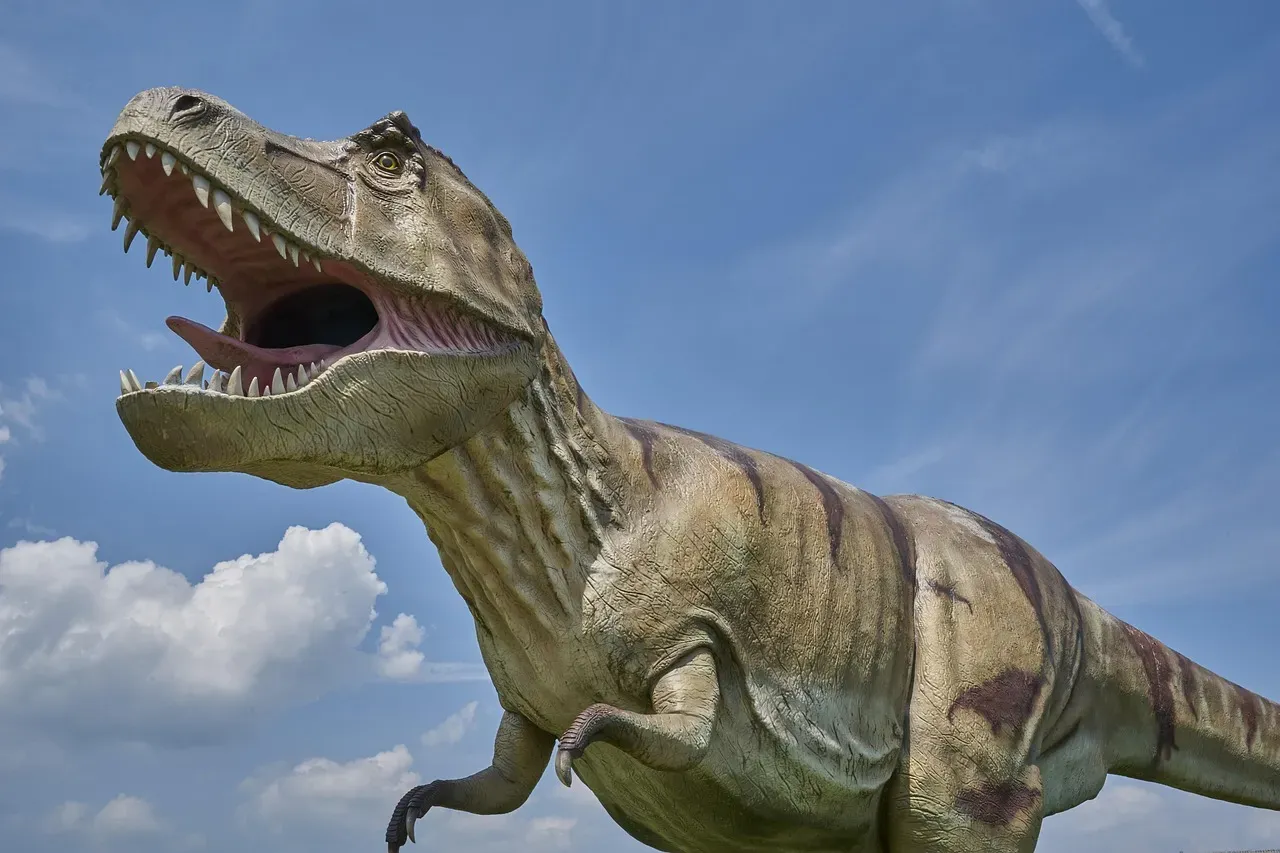
Let’s be real: the debate over dinosaur metabolism has been one of the spiciest arguments in paleontology for decades. Were they cold-blooded like lizards, warm-blooded like birds, or something in between? Recent evidence is pushing hard toward the warm end of that spectrum. In 2022, Wiemann and colleagues used a different approach, the spectroscopy of lipoxidation signals, which are byproducts of oxidative phosphorylation and correlate with metabolic rates, to show that various dinosaur genera including Tyrannosaurus had endothermic metabolisms on par with that of modern birds and higher than that of mammals.
Central to dinosaur physiology is their metabolism, with advanced lipoxidation end-products in fossil bones indicating that most non-avian dinosaurs, excluding certain ornithischians, were obligate endotherms capable of internally generating heat, though some exhibited secondary ectothermy. Endothermy is the physiological foundation of endurance. It means you don’t have to wait for the sun to warm you up before you can function at full capacity. For a predator like T. rex, that would have been an enormous competitive advantage in a Cretaceous world that never slept.
Muscle Power and Leg Engineering: How Dinosaurs Actually Moved
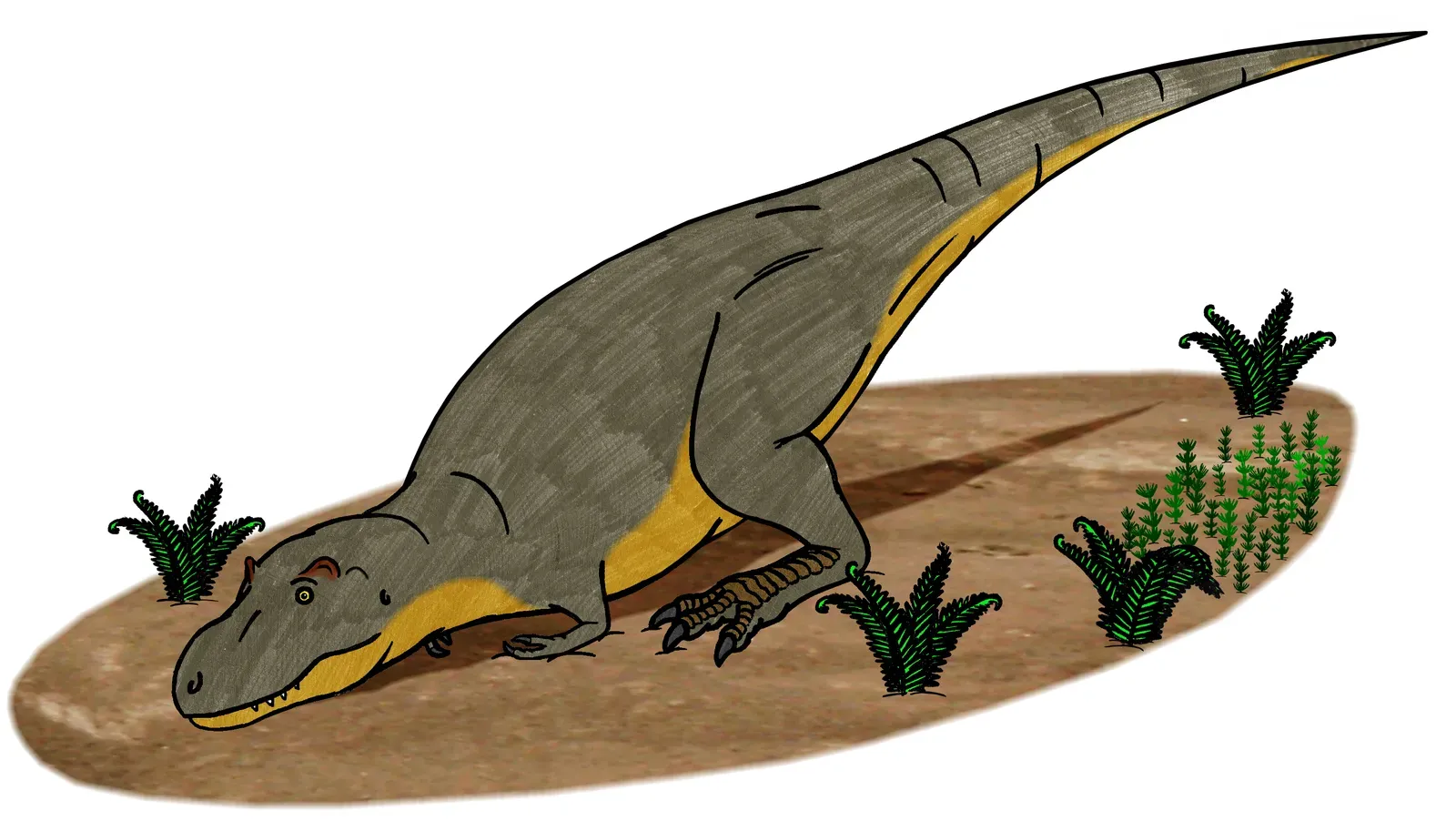
You might picture dinosaurs as simply walking around on sturdy legs, but the reality of their locomotor biomechanics is much richer than that. A groundbreaking study used 13 three-dimensional biomechanical computer models to reveal how the functions of 35 leg muscles in dinosaurs evolved over approximately 230 million years. That kind of research gives us a window into not just how these animals stood, but how they accelerated, turned, and absorbed the shock of their own enormous weight with every step.
Researchers discovered that the ability of the hindlimb muscles to support and move the body changed drastically before and during the transition to birds. Hip muscles changed in complex ways but overall, facilitated the more crouched leg pose characteristic of birds versus a relatively upright pose in early dinosaurs. Knee muscles also reflected these changes, from a hip-driven early locomotor mode to a more knee-driven one, as seen in birds today. It’s essentially a story of continuous fine-tuning. Nature kept experimenting with dinosaur legs for hundreds of millions of years, optimizing them toward ever greater athletic efficiency.
The Bone-Crushing Bite of Tyrannosaurus rex: Strength Redefined
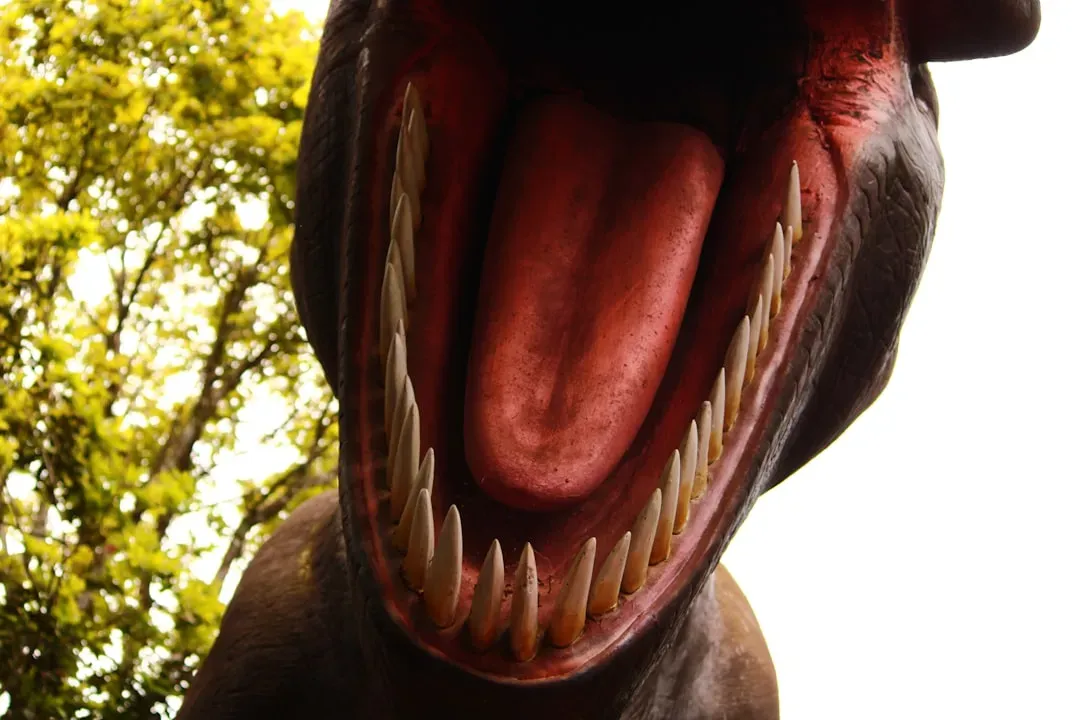
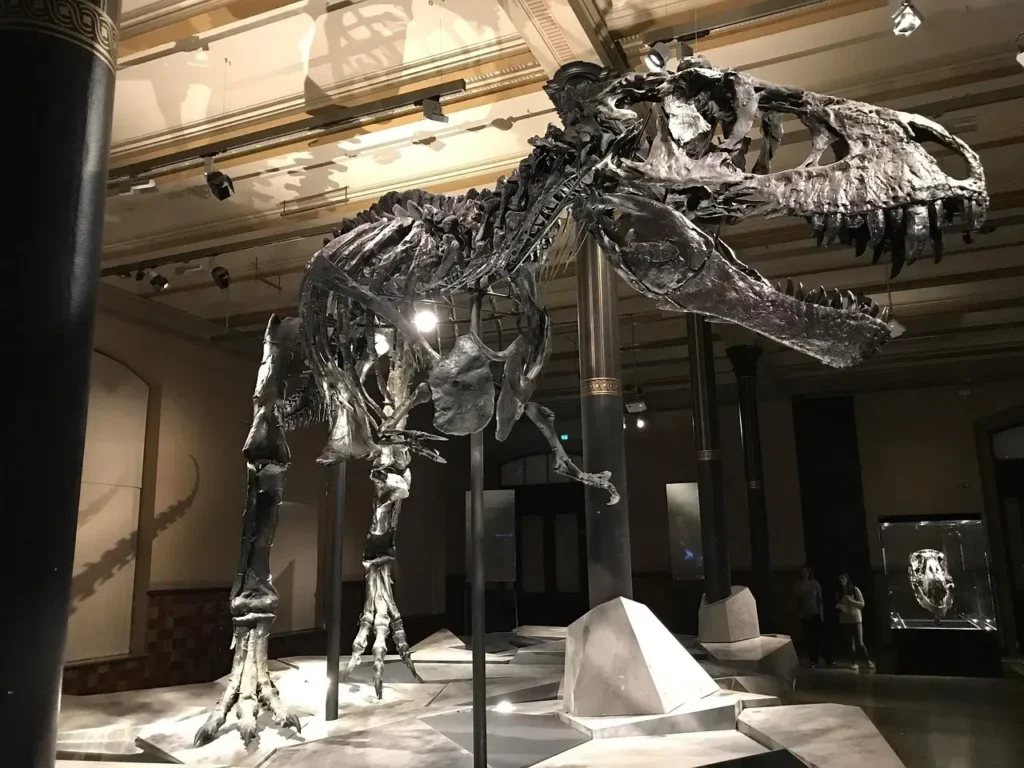
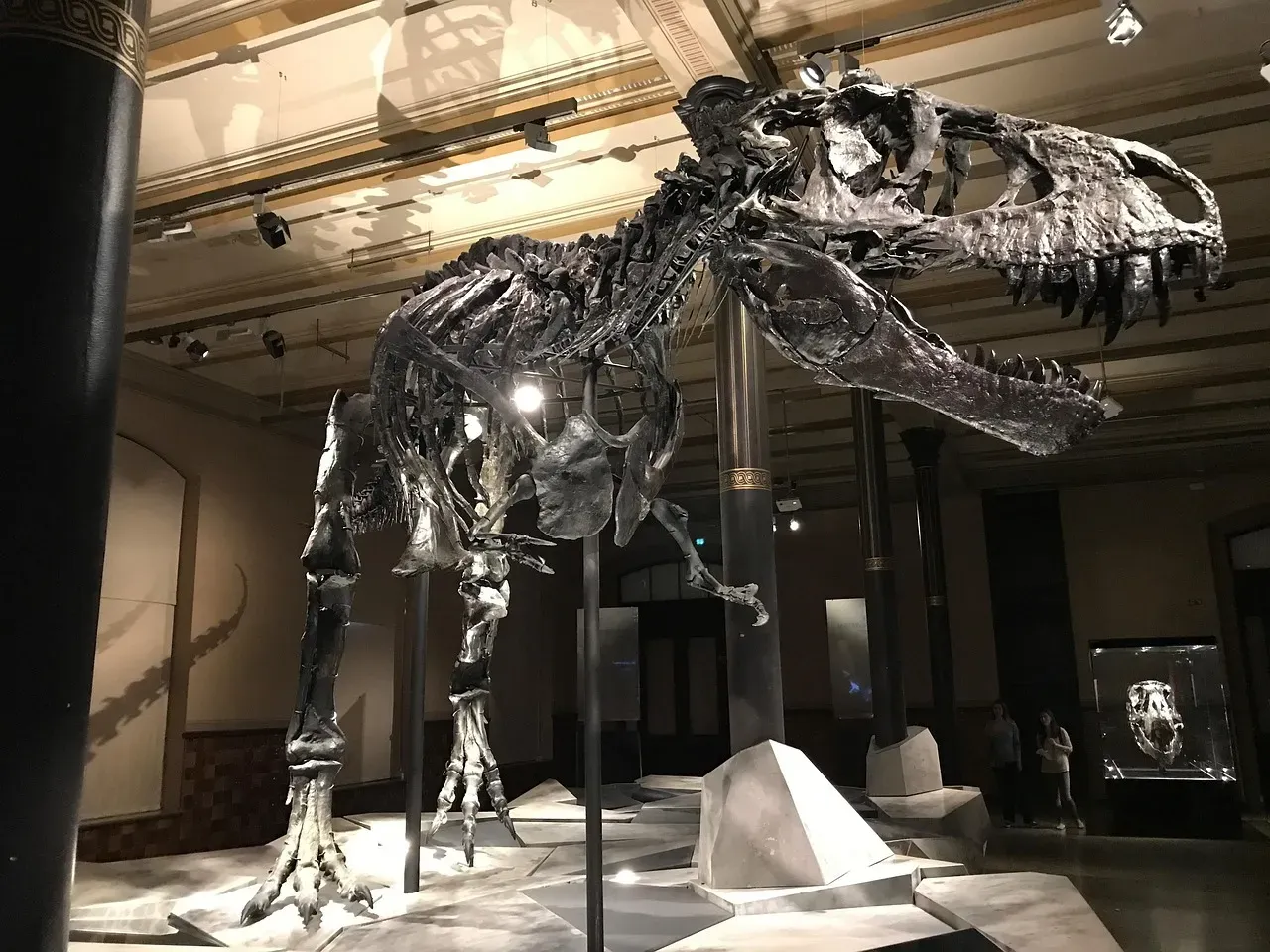
If there is one dinosaur trait that captures the imagination of almost everyone, it’s the bite force of Tyrannosaurus rex. It’s the stuff of prehistoric nightmares, and the numbers don’t let you down. An adult Tyrannosaurus could deliver as much as 5,800 kilograms of force with one back tooth, where the animal’s bite was strongest. That’s much more than earlier estimates, which postulated no more than about 1,350 kilograms of force, and nearly 10 times more powerful than the bite of modern alligators. Let that sink in for a moment.
North American tyrannosaurids, including the giant 13-metre theropod dinosaur Tyrannosaurus rex, stand out for habitually biting deeply into bones, pulverizing and digesting them, and how this mammal-like capacity was possible, absent dental occlusion, remained unknown. The fearsome Tyrannosaurus rex could generate tremendous bone-crushing bite forces thanks to a stiff lower jaw, and that stiffness stemmed from a boomerang-shaped bit of bone that braced what would have been an otherwise flexible jawbone. It’s an engineering marvel hiding inside a skull that could swallow you whole. Structural ingenuity at its most terrifying.
Thermoregulation and the Secret to Long-Term Endurance
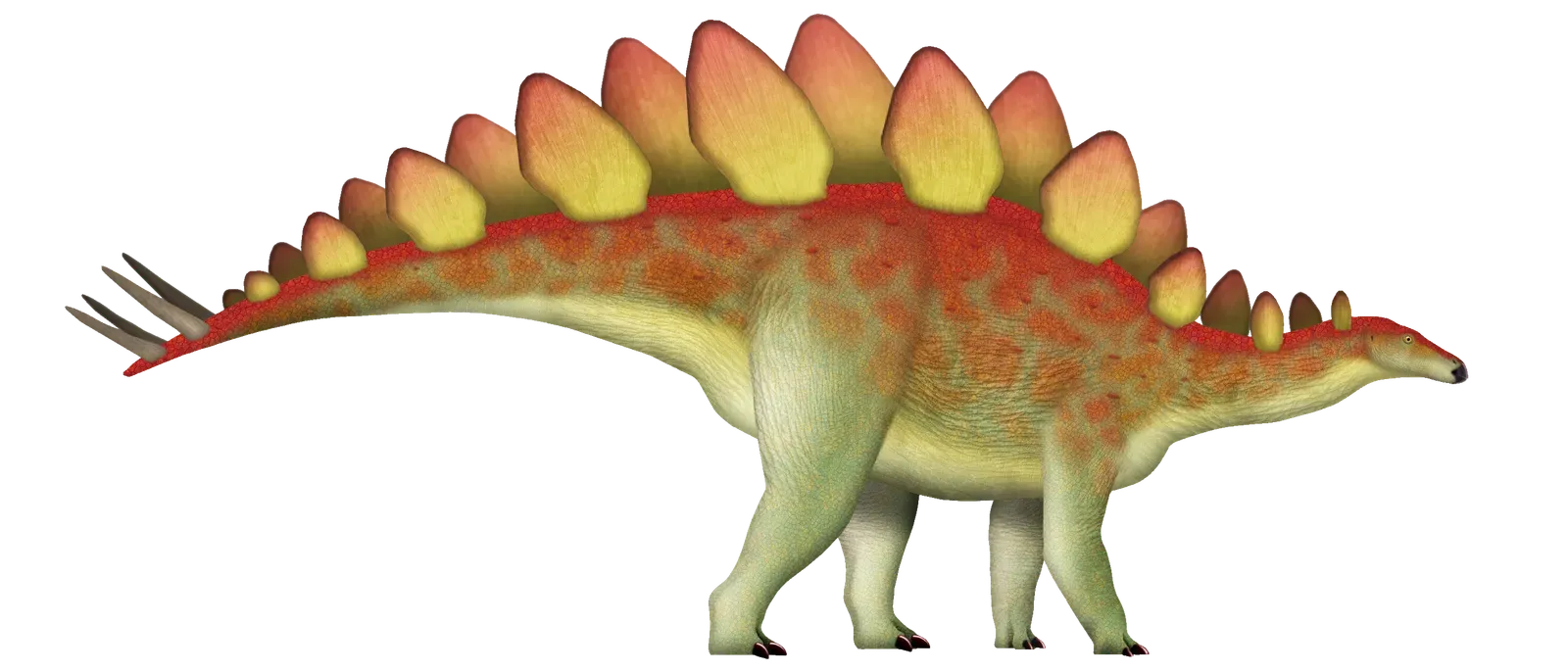
Sustaining power over time isn’t just about muscles and lungs. It’s about keeping your body temperature stable under pressure. Thermoregulation was achieved through mechanisms such as elongated nasal passages in large-bodied forms like ankylosaurs, which warmed inhaled air to approximately 35 degrees Celsius, and clumped isotope analyses of tooth enamel estimated body temperatures of 36 to 38 degrees Celsius in sauropods, supporting active internal heat management. These were not passive creatures at the mercy of ambient temperature. They actively maintained internal conditions that kept their physiology running at peak performance.
Paleontologists have found that sauropods had birdlike respiratory systems that combined lungs with a system of air sacs, and such a system would have been attuned to cope with an active, endothermic lifestyle, including a way to dump excess heat. Non-avian dinosaurs were around for about 150 million years, so it is very likely that different groups evolved different metabolisms and thermoregulatory regimes, and that some developed different physiologies from the first dinosaurs. That span of evolutionary time is almost incomprehensible. It’s longer than the time separating us from the very first mammals. In 150 million years of fine-tuning, nature had ample opportunity to perfect the art of dinosaur endurance.
Conclusion
What you have just explored is not simply the biology of ancient creatures. It is a story about what becomes possible when evolution has time, pressure, and ambition on its side. Dinosaurs were not the plodding monsters of outdated museum dioramas. They were physiologically sophisticated animals whose hearts, lungs, bones, and muscles were shaped by hundreds of millions of years of relentless natural selection into some of the most powerful biological machines the planet has ever produced.
Every new fossil, every CT scan, every biomechanical computer model peels back another layer of a story that is far more astonishing than even the biggest Hollywood blockbuster dares to imagine. The science of dinosaur physiology is still young, and the discoveries ahead may yet redefine our understanding of what animal bodies are truly capable of. So, what surprises you the most about the physical reality of these ancient giants? Tell us in the comments.