When most people picture dinosaur reproduction, they imagine a massive creature dropping leathery eggs into a sandy pit, then stomping off without a second glance. That image, honestly, could not be further from the complex, layered reality that paleontologists are uncovering today. The story of how dinosaurs reproduced is one of the most surprising chapters in natural history – and it keeps getting rewritten.
From elaborate mating dances frozen in stone to color-coded eggs and devoted parents dying beside their nests, the reproductive lives of these ancient animals were vibrant, varied, and surprisingly emotional. You might think you already know this story. You probably do not. Let’s dive in.
The Great Egg Myth: Not All Dinosaur Eggs Were Hard-Shelled
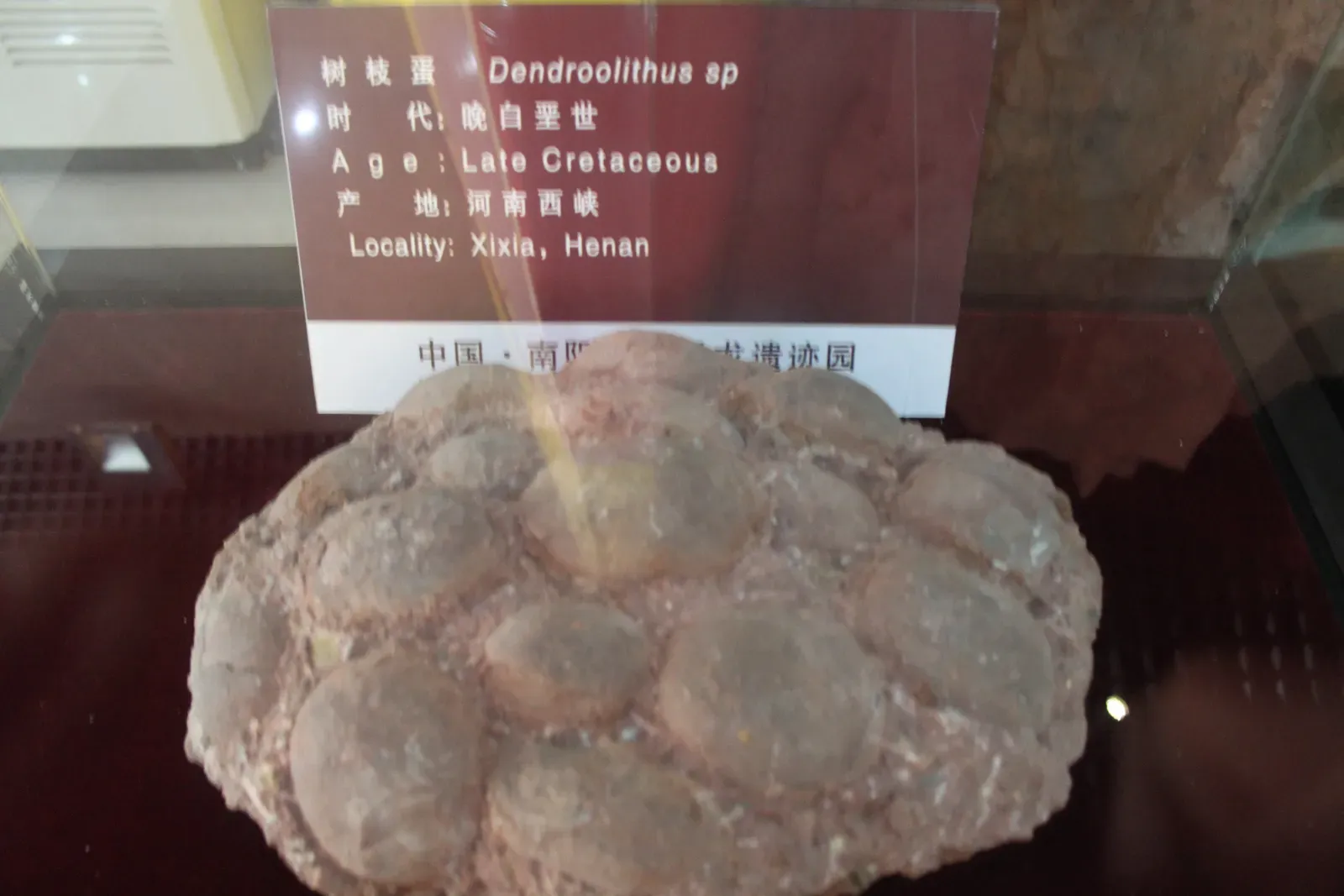
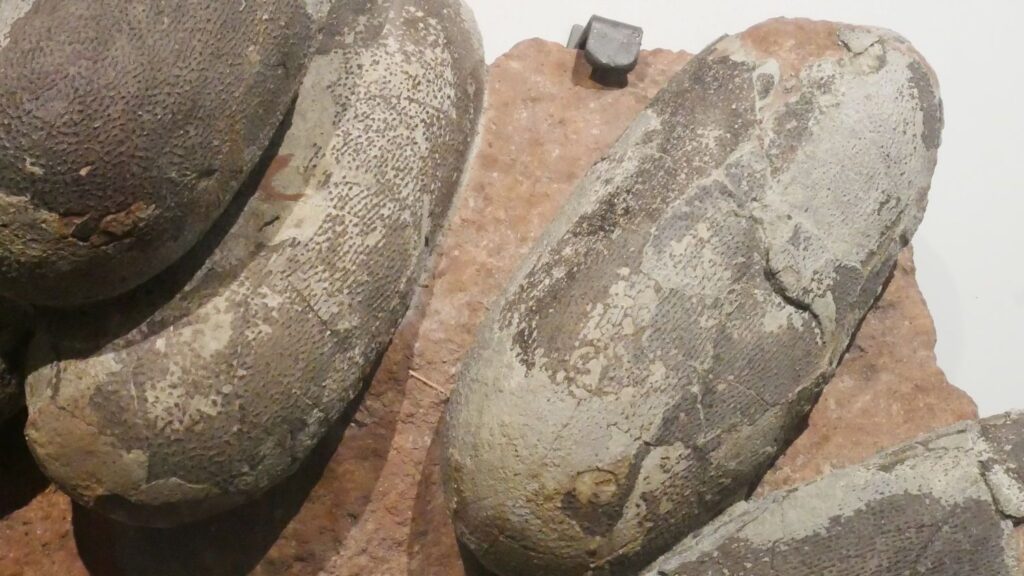
Here is something that will genuinely catch you off guard. For well over a century, scientists were completely certain that all dinosaurs laid hard-shelled eggs – the kind that crunch underfoot like a ceramic pot. For more than a century, most paleontologists hypothesized that all dinosaurs laid hard-shelled eggs, an assumption that seemed safe because the closest living relatives of dinosaurs, crocodilians and birds, also lay hard-shelled eggs. It felt like solid logic – look at the relatives, make the inference. Simple enough.
Then 2020 arrived and turned everything on its head. That assumption was completely overturned, opening an exciting new realm of research on dinosaur reproduction. The revelation that some dinosaurs laid soft-shelled eggs, along with other recent discoveries about dinosaur nests, offers vivid glimpses into the lives of long-dead dinosaurs. A study found that some dinosaurs, like the 73 million-year-old horned dinosaur Protoceratops and the 215 million-year-old, long-necked dinosaur Mussaurus, laid soft-shelled eggs similar to the leathery eggs of some modern reptiles. Think of it like discovering that penguins once flew – it reshapes the entire picture.
Hard Shells Evolved Multiple Times, Independently
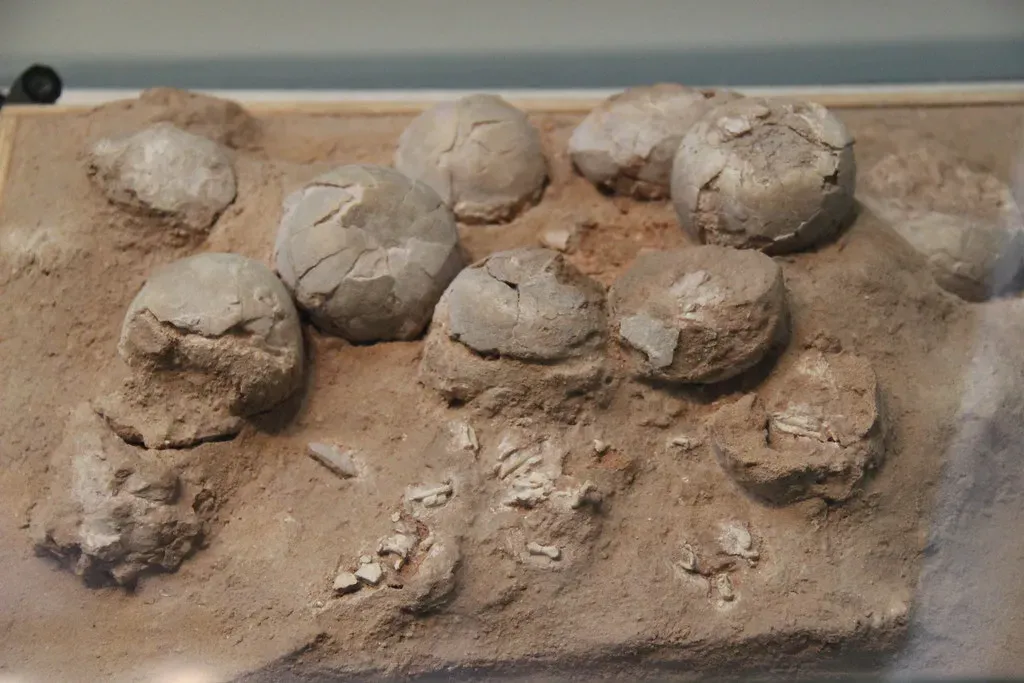
This is where the story gets almost startlingly complex, and I think it is one of the most underappreciated facts in paleontology today. Hard-shelled eggs were not some ancient inheritance passed uniformly down the dinosaur family tree. Instead, nature came up with the same solution again and again on separate branches, like different engineers independently inventing the wheel. At least three separate dinosaur lineages evolved hard-shelled eggs independently: theropods, sauropods, and hadrosaurs.
The very first dinosaur egg was probably soft as well. Soft eggs were laid by the ancestors of the giant long-necked sauropod dinosaurs, as well as by the winged pterosaurs, which are considered by most paleontologists to be close relatives of dinosaurs. So the lineage that would eventually give us some of the largest animals to ever walk the earth started life wrapped in soft, leathery shells buried in moist soil. Other groups of dinosaurs evolved a hard calcite shell that locked in moisture and allowed them to nest in a wider range of environments, giving certain species a massive ecological advantage.
Dinosaurs Danced to Win a Mate
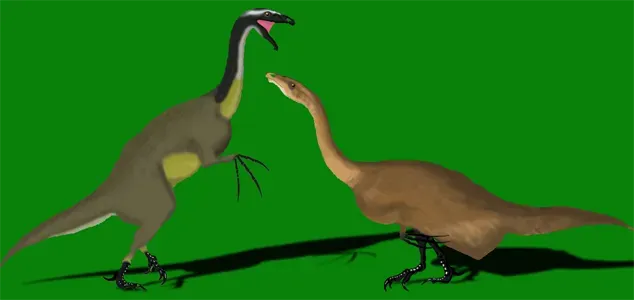
Let’s be real – this one sounds almost too cinematic to believe. Roughly 100 million years ago, male dinosaurs gathered in specific outdoor arenas to perform choreographed mating displays for watching females. These findings indicate the area was once a “lek,” an outdoor spot where dinosaurs would have gathered to perform mating dances and courtship displays. Several species of modern birds – which are the descendants of dinosaurs – congregate at leks for the same reason. You are essentially looking at the ancient ancestor of a peacock’s fan dance, preserved in rock.
Paleontologist Martin Lockley led an international research team that discovered large scrapes in the prehistoric Dakota sandstone of western Colorado. These ancient scrapes are similar to a behavior known as “nest scrape display” or “scrape ceremonies” among modern birds, where males show off their ability to provide by excavating pseudo nests for potential mates. The latest marks identified at Dinosaur Ridge suggest that multiple individuals participated in mating display behavior there during the Cretaceous period. The sheer scale of it is breathtaking – dozens of scrape marks clustered together, evidence of a dinosaur social scene that stretches the imagination.
Colorful Eggs and the Rise of Open Nesting
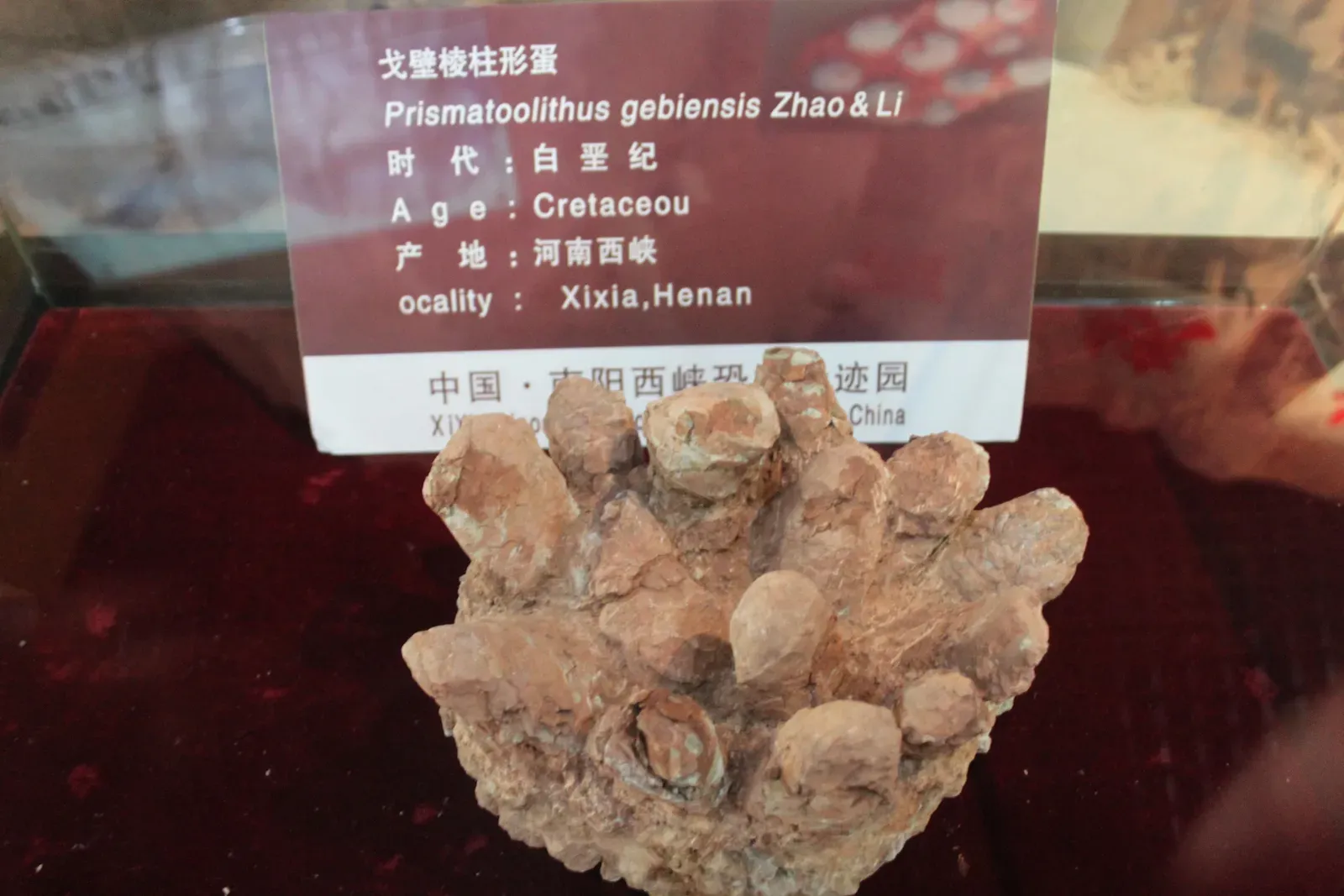
You might assume dinosaur eggs were plain white or beige, tucked quietly underground. That assumption, it turns out, belongs in the recycling bin. Using mass spectroscopy, researcher Jasmina Wiemann identified pigments called protoporphyrin and biliverdin in the eggs of oviraptorids and other dinosaurs. These two versatile pigments combine in different ways to make up the palette of colors found in modern bird eggs. Examining chemical signatures in layers of eggshell, Wiemann reconstructed the color patterns of dozens of dinosaur eggs.
The oviraptorid Heyuannia and the famous sickle-clawed dromaeosaur Deinonychus turned out to have laid colorful blue-green eggs. Some troodontid eggs were found to have been brown, while others were white with speckled or spotted patterns. Why the color? The new incubation strategies explored by oviraptorids and troodontids required the eggs to be partially exposed at the surface, leaving them visible for the first time in dinosaur evolution. The appearance of colored eggs coincides with the evolution of these partially open nests, and so may have been driven by new selective pressures. Brown speckled eggs, for example, may have been better camouflaged from predators when the parents left the nest to feed. Nature, as always, had a plan.
Parental Care Ranged from Devoted to Completely Absent
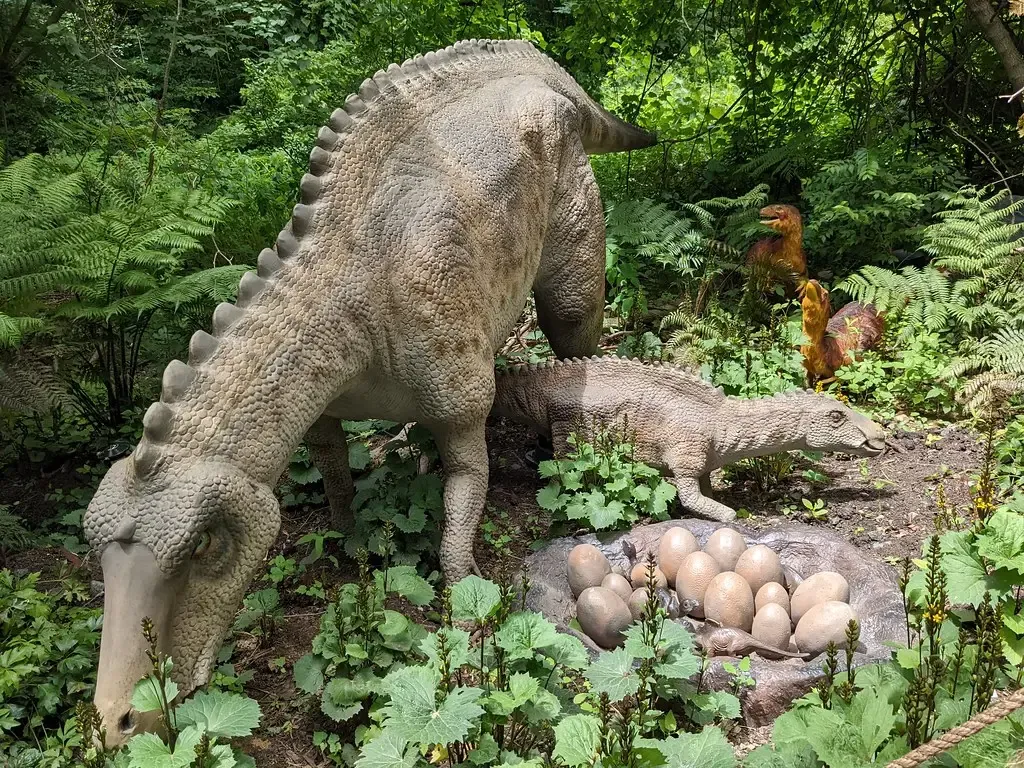
Here is the thing – not every dinosaur parent was equally invested in the next generation, and that contrast is genuinely fascinating. Even among only the hard eggs of dinosaurs, there are considerable differences in the architecture of the eggshell. Such varied eggshell structure indicates vastly different nest styles, incubation methods, and times between egg-laying and hatching. The answer as to whether parents stayed or left seems to vary by species. Think of it as the spectrum between a sea turtle and a penguin – same basic biology, wildly different levels of commitment.
On one extreme, you have the sauropods – those enormous long-necked giants. For some groups, like sauropods, we have no evidence of post-laying care. Paleontologists have found their expansive nesting grounds, including some sites where dinosaurs laid eggs in areas that were warm with geothermal activity, perhaps to incubate the offspring. Researchers have no evidence that the parents stuck around. On the other extreme, you have oviraptorids, whose fossilized skeletons have been found curled protectively over nests of eggs. The spectacular nesting Citipati fossil provides some of the most remarkable evidence of how these dinosaurs incubated their eggs. The large adult skeleton is preserved at the center of a ring of eggs, with its arms wrapped around the precious clutch. This Citipati parent was shielding the eggs when it perished in a sandstorm.
Oviraptorosaurs: A Completely Unique Reproductive Blueprint
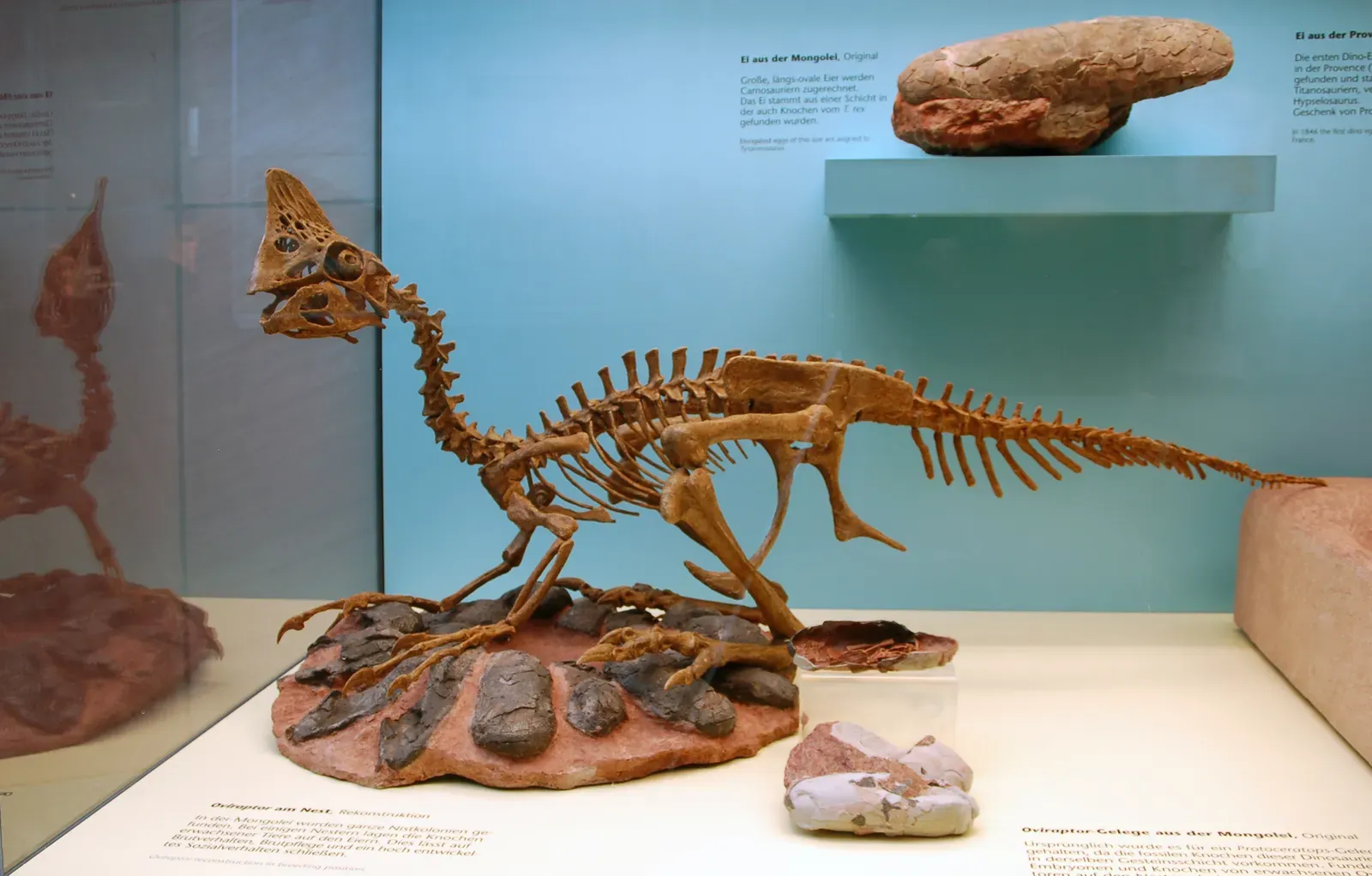
If you had to pick one group that best illustrates just how diverse and strange dinosaur reproduction could get, oviraptorosaurs would win by a considerable margin. These animals were, reproductively speaking, unlike anything alive today. Oviraptorosaurs exhibit many unique reproductive biology traits, such as cuticle-coated and pigmented eggshells, highly organized clutches, hatching asynchrony, communal nesting behaviour and polygamy, forming a peculiar group that is not analogous to any modern birds or reptiles. Their spatially highly organized clutches represent a unique reproductive trait not seen in living birds or reptiles.
They essentially invented a reproductive strategy that has no direct living counterpart. Oviraptorosaurs seem to be the first dinosaurs, evolutionarily speaking, to figure out how to incubate and hatch their eggs without completely burying them. Oviraptorids like Citipati seem to have covered their nests with their feathered arms to insulate them, but avoided direct body contact. It is hard to say for sure exactly what that looked like in action, but the image of a feathered dinosaur spreading its arms like a living tent over a carefully arranged ring of eggs is one of the most vivid scenes prehistoric science has offered us.
Nesting Sites, Colonial Behavior, and the Science Hidden in Shells
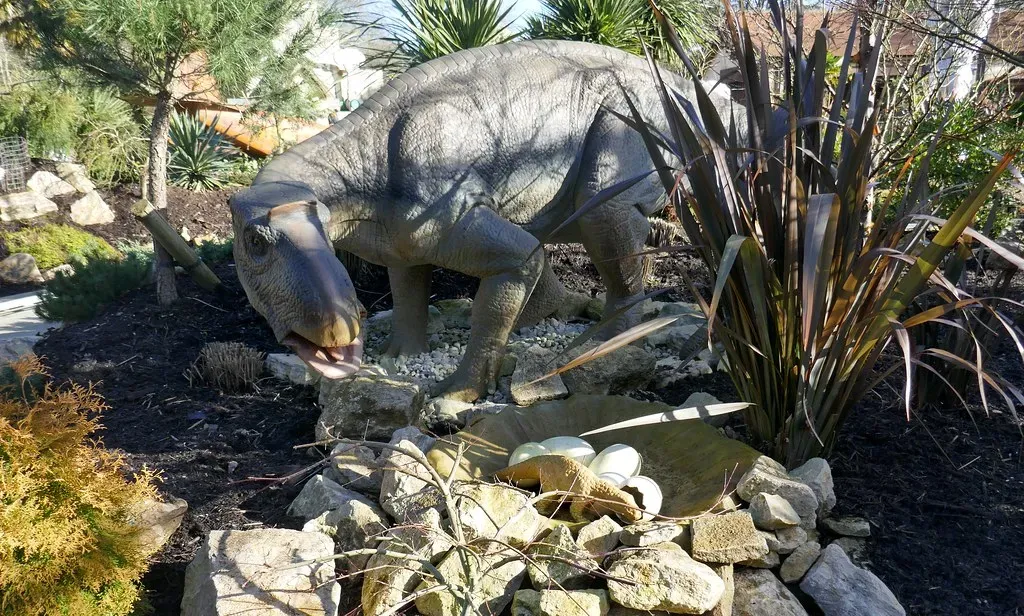
Beyond individual nests, the reproductive landscape of the Mesozoic was far more socially complex than you might expect. Discoveries of multiple layers of nests within the same area have led researchers to suspect that some localities have been used by the same species of animal over multiple breeding seasons, suggesting that returning to the same nesting ground was a deeply ingrained behavior for some species. The duck-billed Maiasaura, for example, is believed to have nested in colonies and provided extensive food and protection for its hatchlings. Colonial nesting also meant competition, predation pressure, and complex social dynamics – a real prehistoric neighborhood.
The eggshells themselves are packed with information that scientists are only beginning to fully decode. Both eggs and nests yield very significant information about the reproduction of dinosaurs, including data on the method of incubation, parental care and nesting and laying strategies. By analysing the water vapour conductance of the eggshells, researchers can infer whether the eggs were incubated underground, covered by sediment or vegetation mounds, or brooded by an adult sitting on them. The arrangement of eggs has been used to infer the number of functioning ovaries in the egg-layer. Eggs that appear to be paired in a nest suggest that the egg-layer had two functioning ovaries, in which two eggs were formed at the same time and then laid one after the other. A single fossil nest, interpreted carefully, can tell you more about an animal’s biology than an entire skeleton sometimes.
Conclusion: The Mesozoic Was a World Full of Reproductive Surprises
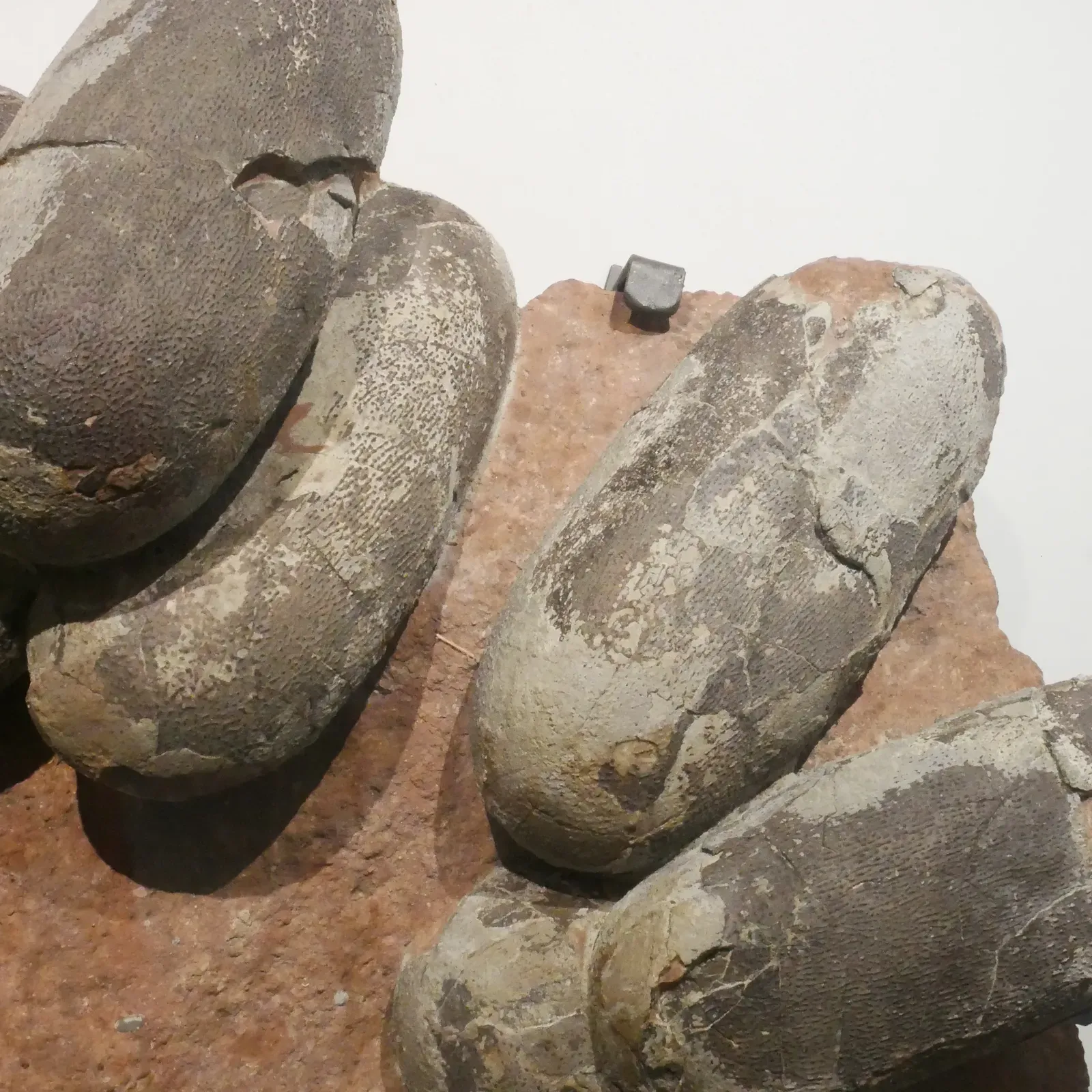
The old image of dinosaur reproduction – simple, primitive, and uniform – has been shattered by decades of careful, innovative research. What you are left with is something far more compelling: a mosaic of strategies, behaviors, and biological solutions that rival the diversity we see in modern animals today. Soft eggs and hard eggs evolved in parallel. Some parents danced for their mates, others brooded their eggs with feathered arms, and some simply walked away after laying. Hard-shelled dinosaur eggs have impressive stories to tell, revealing the complex diversity of reproductive biology and behaviors among dinosaurs.
Since the start of the twenty-first century, there has been a notable increase in annual publications focusing on dinosaur reproduction and ontogeny, with researchers using these data to address a range of macroevolutionary questions. Ontogeny impacts several key research areas, such as taxonomic diversity, population dynamics, palaeoecology, macroevolution, as well as the physiological and reproductive factors driving ecological success. Every new fossil nest, every chemically analyzed eggshell, and every scrape mark preserved in ancient sandstone adds another layer to a story that is endlessly richer than the textbooks once suggested. What surprises you most about how these ancient creatures brought new life into the world? Tell us in the comments – the answer might be different than you’d expect.