Ever wonder what it would be like to reach out and touch a dinosaur? Not the smooth plastic of a toy, but the actual texture of their skin? For most of history, we had to guess. Sure, we had bones that told us about their shapes and sizes, but the real surface details seemed lost forever. Then something incredible started happening. Scientists began finding skin impressions, perfectly preserved in rock, that opened a window into a world we thought we’d never truly see. And what they discovered wasn’t just texture. These fossils revealed colors and patterns so sophisticated that they changed everything we thought we knew about how dinosaurs lived and survived.
Let’s be real, this stuff is wild. When you think about the ancient world millions of years ago, you might picture gray or brown beasts lumbering through jungles. Turns out, many of them were using clever tricks to stay alive, blending into their surroundings with patterns that would make a modern chameleon jealous.
The Clay Mask That Fooled Everyone
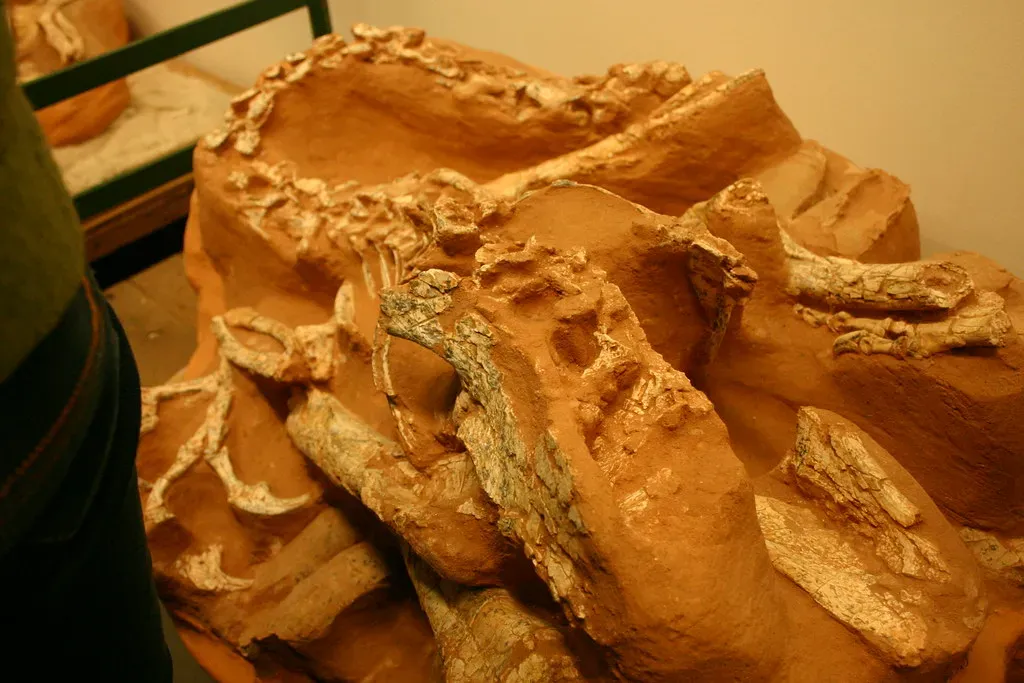
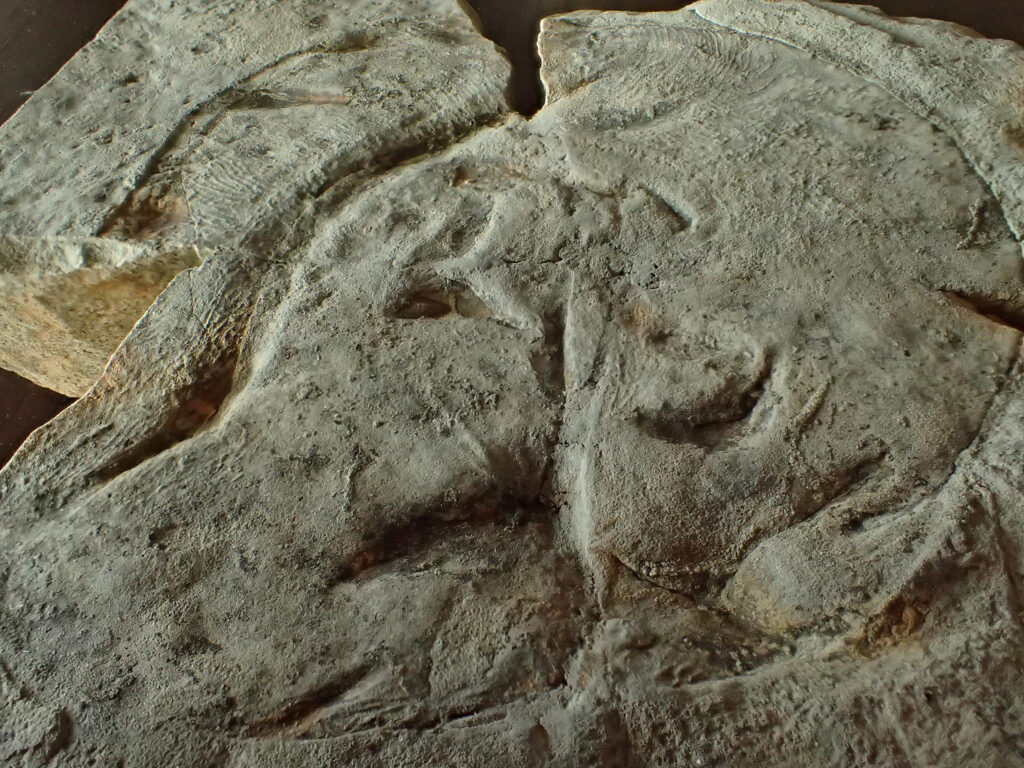
Some of the most spectacular skin preservation happens in what scientists call dinosaur “mummies,” particularly specimens of the duck-billed Edmontosaurus that were discovered over a century ago, which preserve a fleshy crest and even hooves on their toes. Here’s the thing though. These aren’t actually soft tissue at all, but rather an incredibly thin layer of clay, less than one-hundredth of an inch thick, that formed on top of the animals’ skin.
Think about that for a second. The clay templates formed on the surface of buried carcasses during decay, capturing every detail before soft tissues disappeared. The creature’s skin was thin enough to produce delicate wrinkles over the rib cage and was dotted with small, pebble-like scales. It’s hard to say for sure, but the preservation is so perfect that researchers were initially fooled into thinking they had actual fossilized flesh.
Countershading: Nature’s Optical Illusion
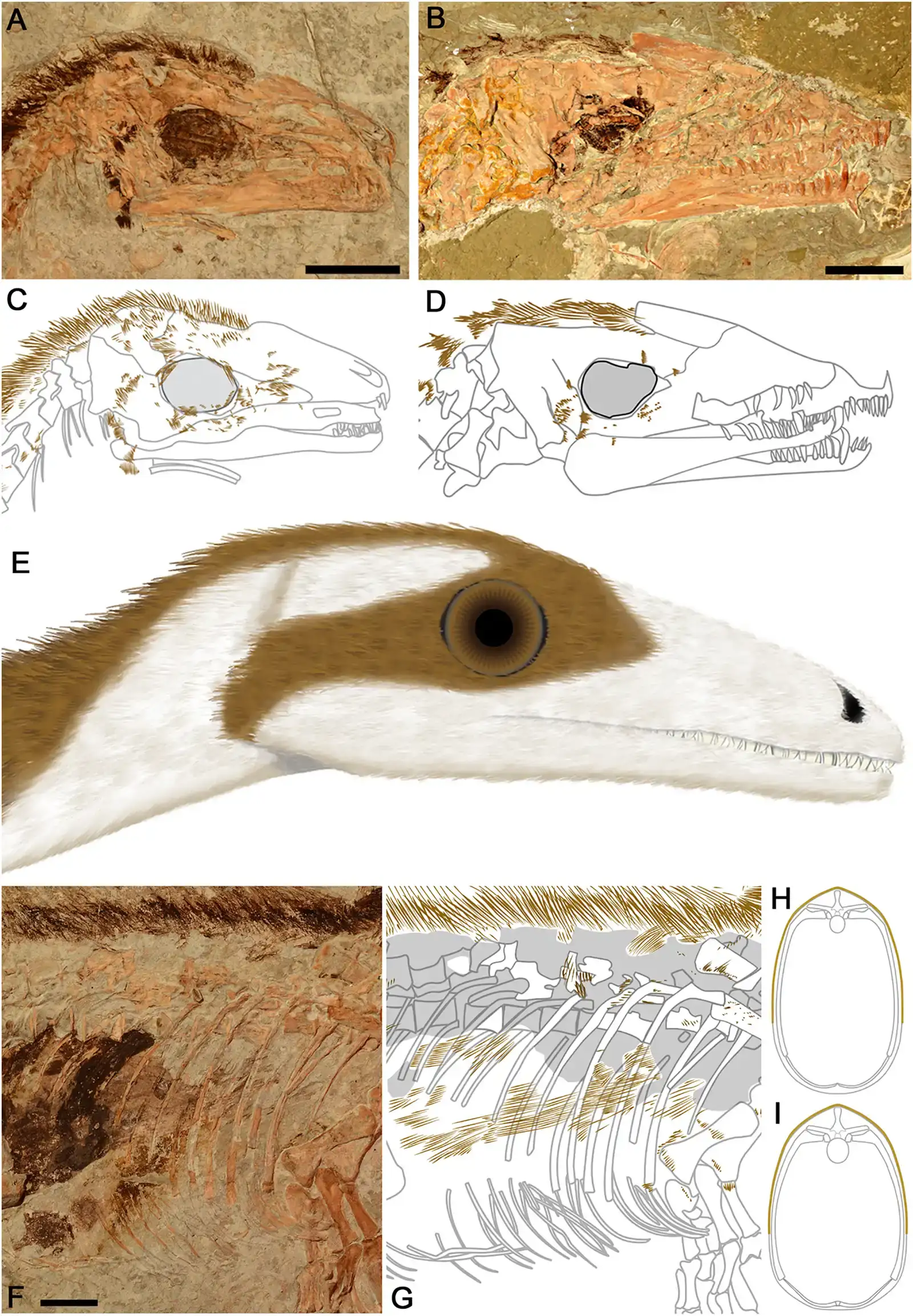
Scientists have discovered complex coloration in dinosaurs like Psittacosaurus, featuring countershading camouflage and speckling, while the ankylosaur Borealopelta revealed whole body camouflage with orange coloring. Now, countershading is actually pretty genius when you think about it. A dark back and light belly counteract the gradient created by illumination from above, obliterating cues to 3D shape.
Psittacosaurus was indeed countershaded with a lighter belly and darker back, while its chest was also darker than the abdomen, confirming the animal stood upright on its hind legs. What makes this discovery so fascinating is that scientists didn’t just look at color patterns and shrug. Researchers built a life-size model of Psittacosaurus, painted it gray, and photographed it at a botanic garden on clear and cloudy days to test the camouflage, finding the coloring worked best in diffuse light rather than full sun. The result? This small ceratopsian likely lived in a closed light environment such as under a forest canopy.
Spotted Sauropods Break the Mold
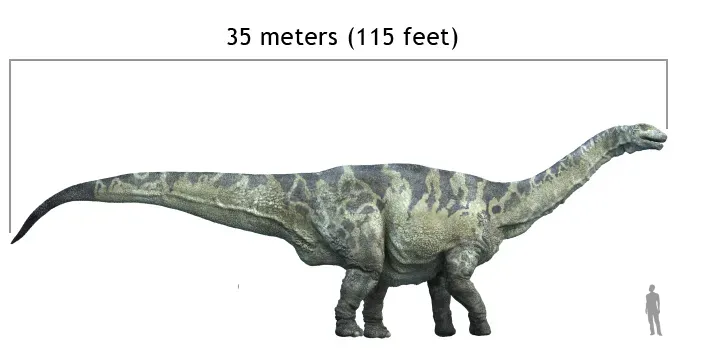
Most people assume that giant long-necked dinosaurs didn’t need camouflage. They were huge, right? Why would something the size of a school bus need to hide? Well, juvenile sauropods tell a different story. Fossil skin from young Diplodocus showed two distinct melanosome forms, with most appearing oblong or oval, a shape that links to dark colors in modern reptiles and birds.
Here’s where it gets interesting. Some melanosomes appeared flat and disc shaped, resembling platelet melanosomes found in bird feathers that reflect light and enhance brightness. Both shapes appeared together in small clusters rather than spread evenly, suggesting a speckled or spotted look instead of one solid color. Honestly, imagining a baby Diplodocus with spots makes them seem way less like walking telephone poles and much more like the vulnerable youngsters they actually were.
Reading Ancient Pigments Like a Map
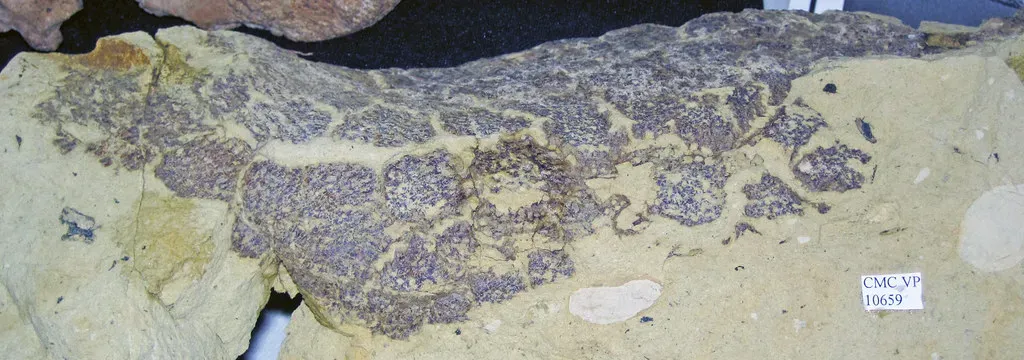
Integumentary fossils have improved understanding of dinosaur physiology and appearance, with fossil melanin and melanosome organelles making it possible to reconstruct color patterns and evidence fundamental behaviors like camouflage. The process is incredibly technical. Scientists used CT scanning, 3D imaging, electron microscopy and X-ray spectroscopy to analyze dinosaur mummies.
Physical structures within skin or feathers can sometimes preserve within fossilized organic residue, and these structures leave a trace visible at the microscopic level through comparisons with modern reptiles or birds. What blows my mind is how much information is locked inside something that looks like a random rock. The integument varies in the presence of dark-colored organic material, interpreted as melanin residues from original skin pigmentation. Each tiny impression tells part of a bigger story about survival in an ancient world.
The Armored Giant That Still Hid in Shadows
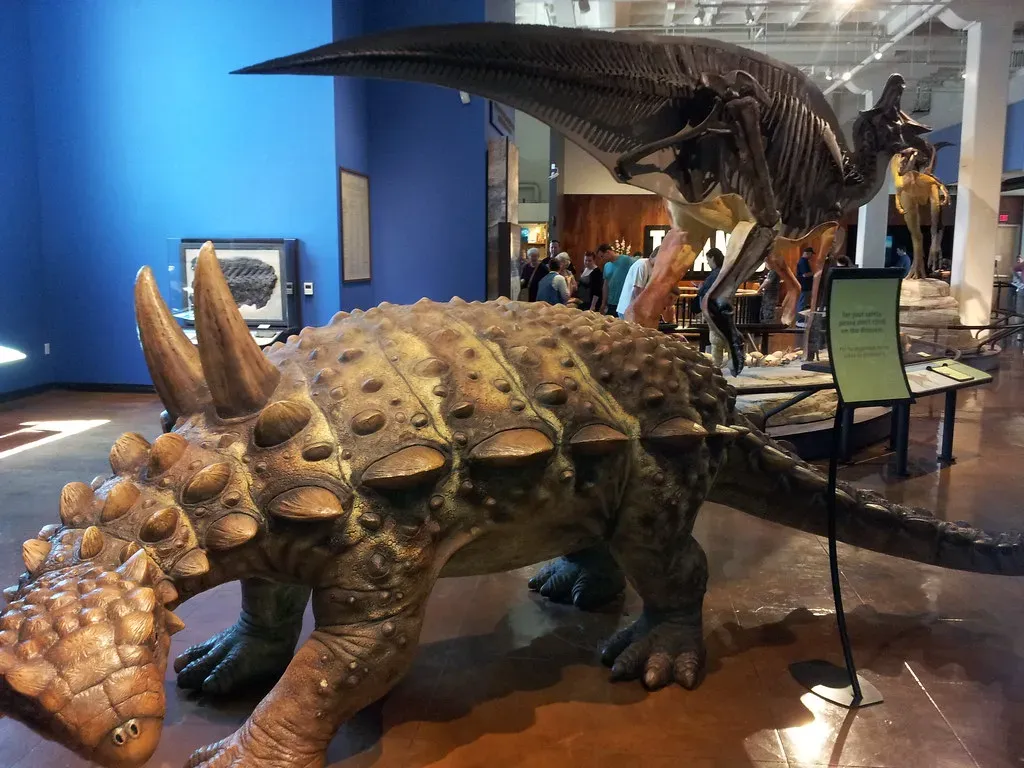
You’d think a dinosaur covered in armor wouldn’t need to worry about being spotted. The exceptionally preserved ankylosaur Borealopelta revealed a reddish-brown top coloration with countershading, suggesting this heavily-armored dinosaur still relied on camouflage to avoid predation. The intensity of pigmentation decreased from the dino’s back to its sides, with the variation in color providing effective camouflage by keeping the animal’s top half darker even in direct sunlight, allowing it to blend in with the ground.
If Borealopelta was indeed camouflaged, it would significantly change thinking about prey-predator dynamics, since scientists have always assumed massive dinosaurs would be shielded from predators, but this suggests bulky dinosaurs might have been preyed on by even larger ones. Let’s be real, that paints a pretty terrifying picture of the Cretaceous world.
Bandit Masks and Striped Tails
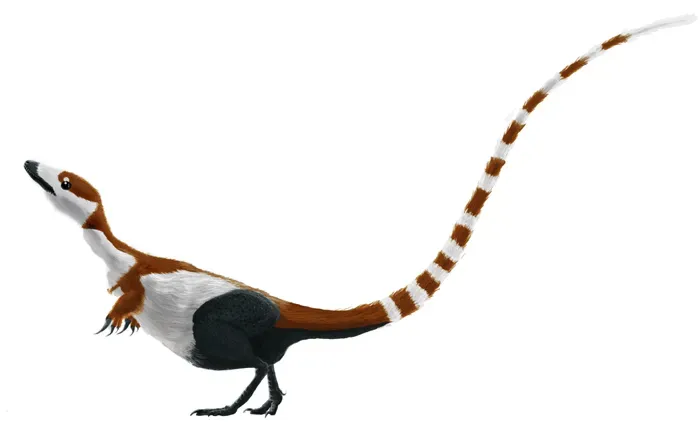
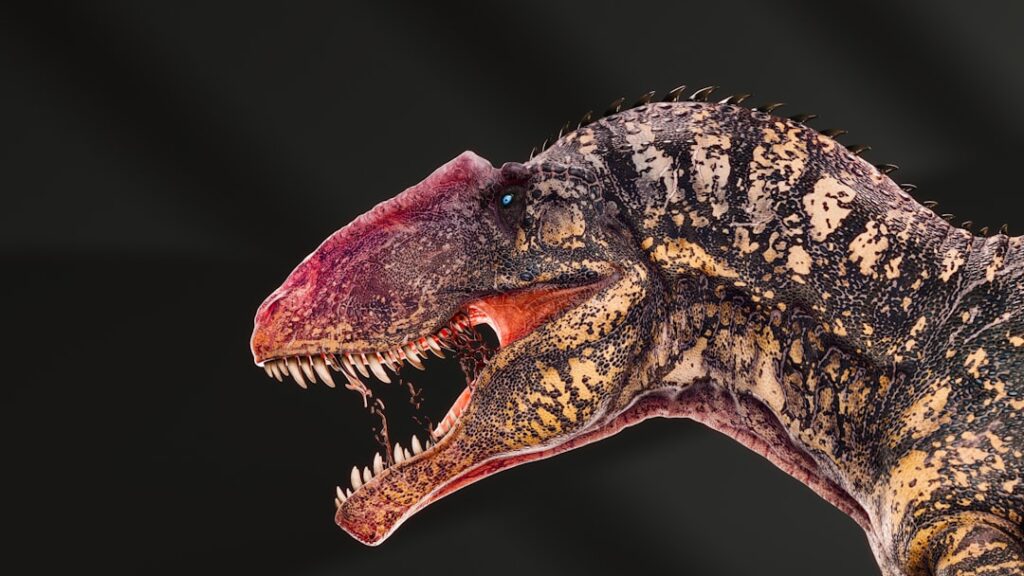
Sinosauropteryx was a small fluffy carnivore that became the first dinosaur known to have had feathers, later revealed to be countershaded with dark on top and light underneath, sporting a bandit mask on its face resembling that of a raccoon. Dark markings around the eyes helped break up natural facial lines, increased intraspecies recognition, and helped reduce glare from the sun.
In living species, bandit masks may have been useful for species in lakeside environments to reduce glare, while banded tails could have served to confuse predators by drawing eyes away from more vital parts of the animal. Under direct light, shadows formed on 3D models more closely matched the dinosaur’s plumage patterns compared to diffuse light, suggesting Sinosauropteryx probably lived in open habitat like a savannah rather than a forest. The evolutionary arms race between predator and prey created patterns we still see in raccoons, badgers, and other modern animals today.
Why Camouflage Mattered So Much
Dinosaurs in the early Cretaceous period probably had tetrachromatic vision, meaning they could see four colors, giving them significant advantage over today’s mammalian predators with poorer vision, requiring really good camouflage. These color patterns are a testament to an arms race between predator and prey that took place roughly 120 million years ago.
Optimal countershading varies strongly with light environment, and comparative evidence from modern ungulates shows that interspecific variation matches predictions, with sharp dark-light transitions high on the body in open habitats versus smoother gradations in closed habitats. I know it sounds crazy, but these patterns mean predators were actively hunting using sophisticated visual cues. The predators of camouflaged species most likely used shape-from-shading cues in detecting prey, and optimized countershading obliterates this information. Survival wasn’t about being the biggest or strongest. Sometimes it was about not being seen at all.
Conclusion: A Technicolor Mesozoic
Discoveries have transformed our visualization of dinosaurs from drab, reptilian creatures to colorful animals whose appearance likely played important roles in their behavior and ecology. What started as a few scattered impressions in stone has become a revolution in how we picture the ancient world. Some dinosaurs were camouflaged to blend in with their surroundings, while others may have been as brightly colored as the most ostentatious bird species, and even scaly dinosaurs were likely just as colorful as modern birds.
The next time you see a dinosaur reconstruction, whether in a museum or a documentary, remember that those colors aren’t just artistic guesses anymore. They’re based on real evidence, preserved for millions of years in microscopic structures that scientists can now read like a detailed instruction manual. The Mesozoic wasn’t gray. It was vibrant, strategic, and full of creatures doing everything they could to survive another day.
What surprises you most about these discoveries? Do you think there are even more camouflage strategies waiting to be found in fossils we haven’t examined closely enough yet?