Speed has always been a survival advantage in the natural world, whether it’s escaping predators or chasing down prey. Millions of years ago, dinosaurs ruled the Earth, and among them were incredible sprinters that could rival modern-day cheetahs in sheer pace. These dinosaurs weren’t just massive lizards lumbering across the landscape—they were finely tuned athletes built for speed, agility, and survival. Today, paleontologists can estimate their velocities through fossilized footprints, skeletal structures, and comparisons with modern animals. The results are fascinating, revealing a world where some dinosaurs could quite literally run for their lives.
Let’s take a look at the top eight fastest dinosaurs that once thundered across prehistoric plains. Each of these creatures combined agility and power, painting a picture of a prehistoric ecosystem where speed was often the difference between life and extinction.
1. Ornithomimus – The “Ostrich Mimic”
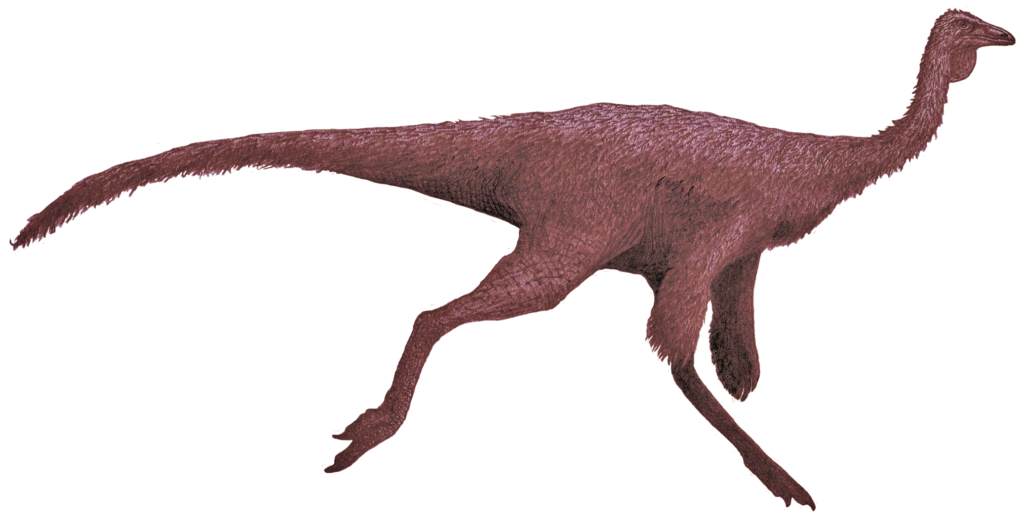
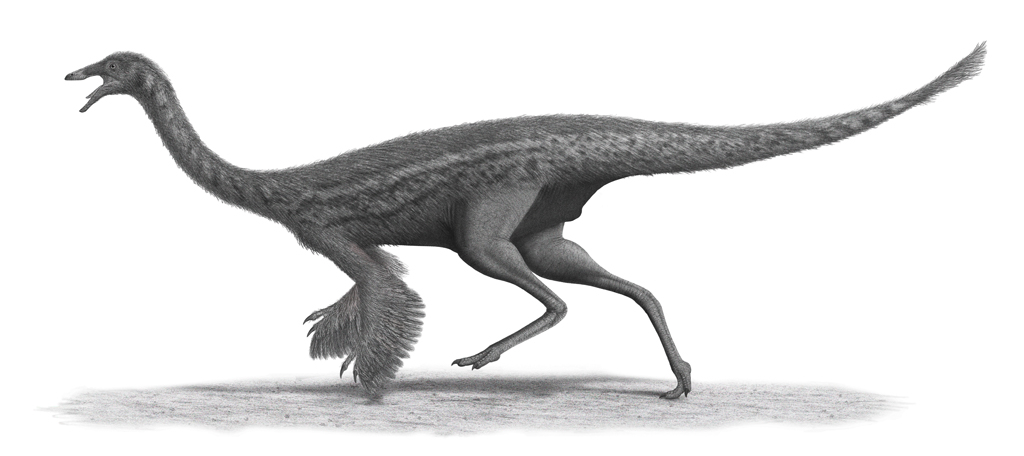
Ornithomimus, whose name means “bird mimic,” lived around 75 million years ago in what is now North America. With its long legs, lightweight body, and toothless beak, this dinosaur looked remarkably similar to a modern ostrich. Scientists estimate that it could sprint at speeds of up to 40–50 miles per hour, making it one of the swiftest dinosaurs of all time.
Its speed wasn’t just for show—it likely helped Ornithomimus evade predators like the fearsome tyrannosaurs. This incredible velocity, combined with sharp eyesight and agility, gave it a serious advantage in survival, darting across open plains and wetlands in search of plants, insects, and small prey.
2. Gallimimus – The Herd Sprinter
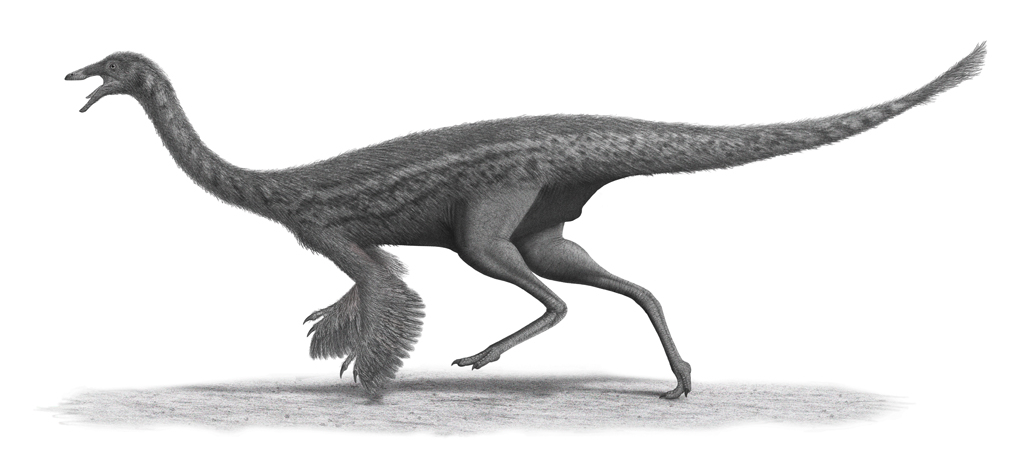
Made famous by its cameo in Jurassic Park, Gallimimus was a larger cousin of Ornithomimus. Stretching over 20 feet long, it was among the fastest dinosaurs to roam the late Cretaceous landscapes of Mongolia. Despite its size, Gallimimus could run at speeds of 30–45 miles per hour, thanks to its powerful legs and hollow bones that reduced weight.
Gallimimus often traveled in herds, which not only provided safety but also gave it the appearance of a thunderous stampede when threatened. Its speed and agility were essential for escaping predators such as Tarbosaurus, the Asian relative of Tyrannosaurus rex.
3. Struthiomimus – Built for the Chase
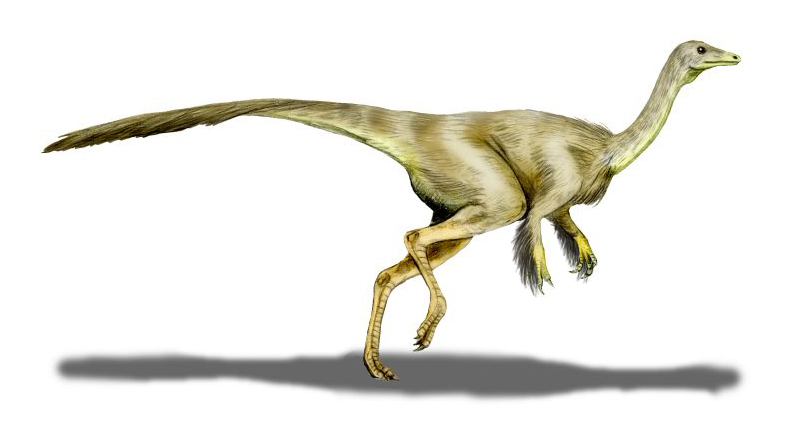
Struthiomimus, another ostrich-like dinosaur, earned its name from its uncanny resemblance to the modern-day Struthio, or ostrich. Measuring about 12 feet long and weighing around 300 pounds, this dinosaur was an expert sprinter that could likely reach 40–50 miles per hour on open ground.
Unlike some other fast dinosaurs, Struthiomimus had long arms ending in claws, which may have been used for gathering plants or even catching small animals. Its combination of speed and dexterity made it a versatile survivor in its Late Cretaceous ecosystems.
4. Velociraptor – The Deadly Sprinter
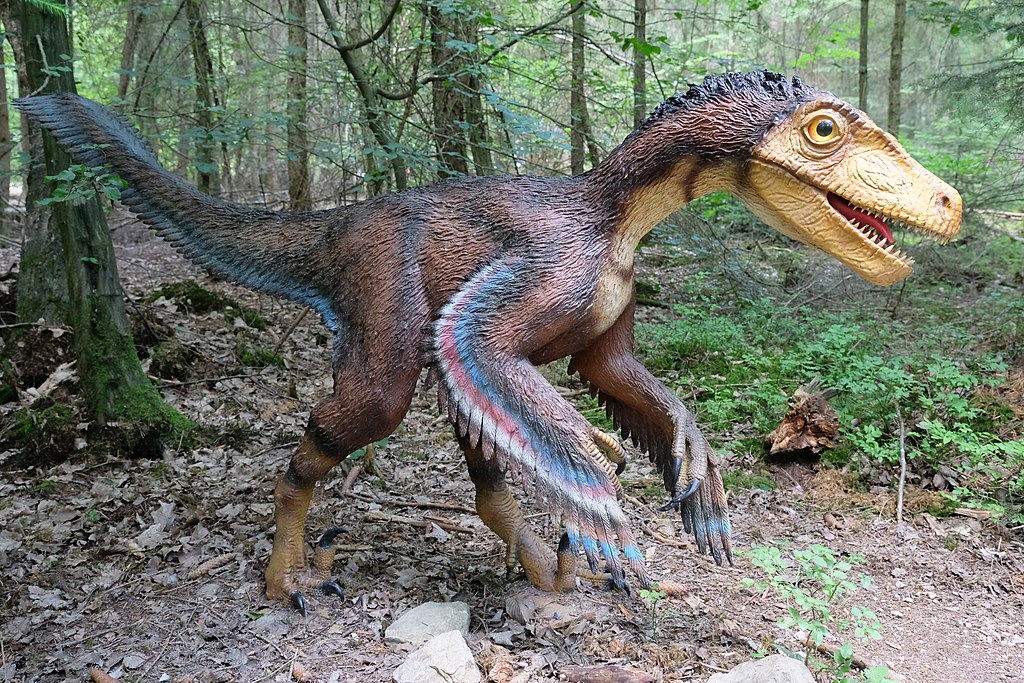
While Hollywood exaggerated its size, the real Velociraptor was still a fearsome predator, about the size of a turkey but much faster. It likely clocked in around 25–40 miles per hour, quick enough to outpace most prey. With its sickle-shaped claw and pack-hunting strategies, speed was its ultimate weapon.
Velociraptors thrived in the dry, desert-like regions of Mongolia about 75 million years ago. Their agility allowed them to dart, leap, and ambush prey, making them some of the most effective hunters of the dinosaur age.
5. Compsognathus – The Small Speed Demon
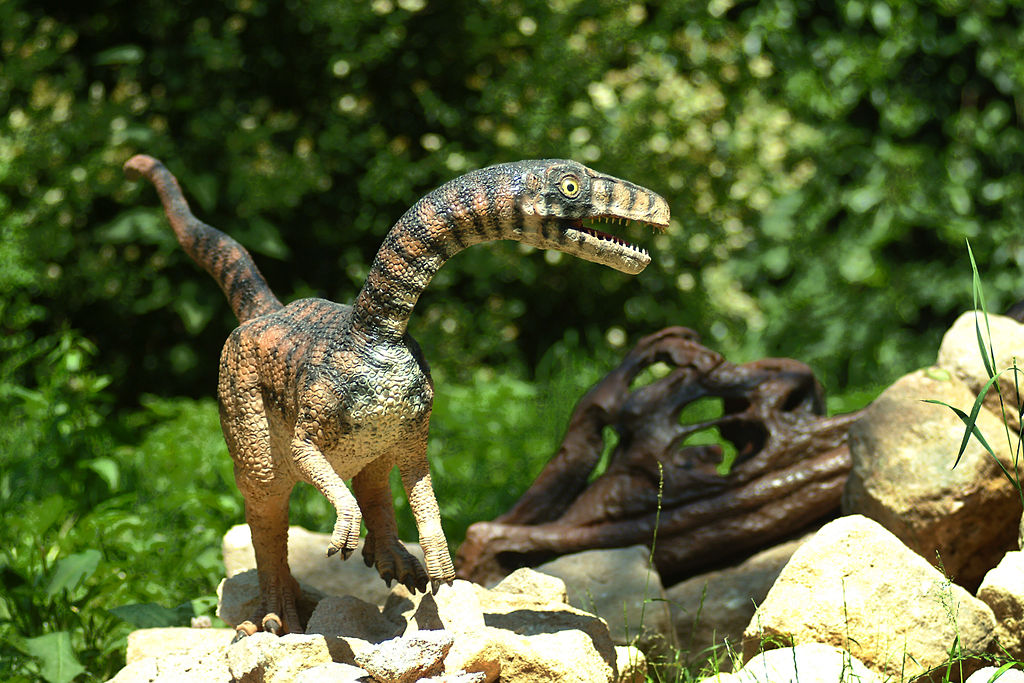
Don’t let its size fool you—Compsognathus, only about the size of a chicken, was lightning-fast. Living in Europe around 150 million years ago, this tiny theropod could hit speeds close to 40 miles per hour, allowing it to catch insects, lizards, and even small mammals.
Its speed also served as protection from larger predators that dominated the Jurassic world. Agile and nimble, Compsognathus lived in environments where quick reflexes often meant the difference between being a hunter and becoming prey.
6. Troodon – The Smart Runner
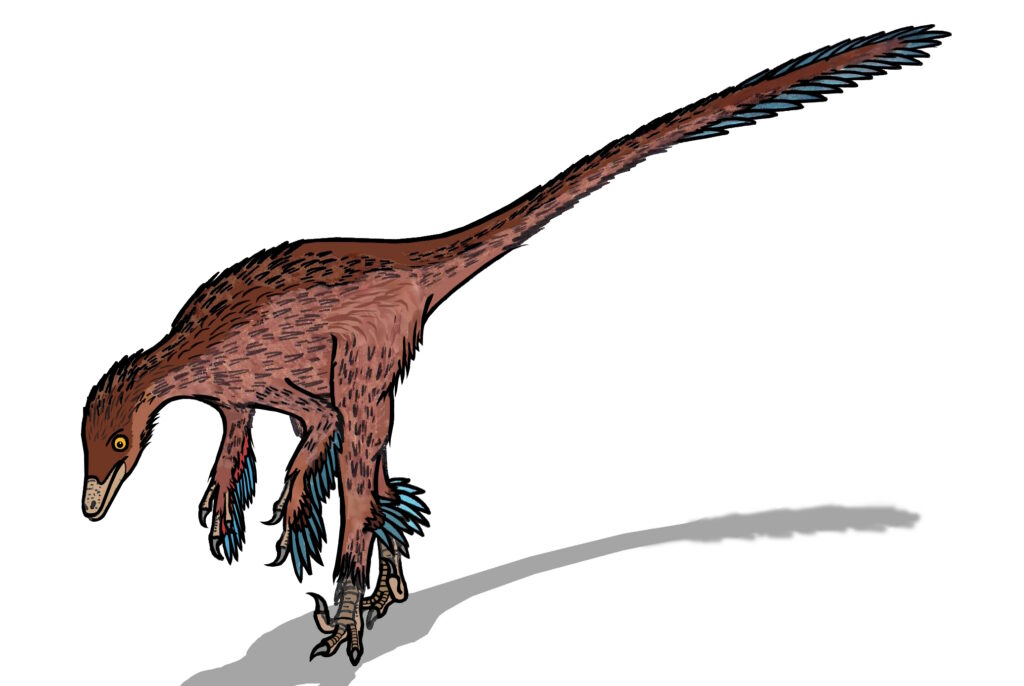
Troodon wasn’t just fast—it was also one of the most intelligent dinosaurs ever discovered, with a brain-to-body ratio similar to modern birds. Measuring around 8 feet long, Troodon is believed to have run at speeds between 30–40 miles per hour, aided by its slender legs and lightweight build.
Its speed and intelligence made it a formidable predator. Troodon could chase down smaller prey with ease, but it also likely relied on ambush tactics. This dual advantage made it one of the most adaptive and resourceful hunters of the Cretaceous.
7. Dromiceiomimus – The Cretaceous Sprinter
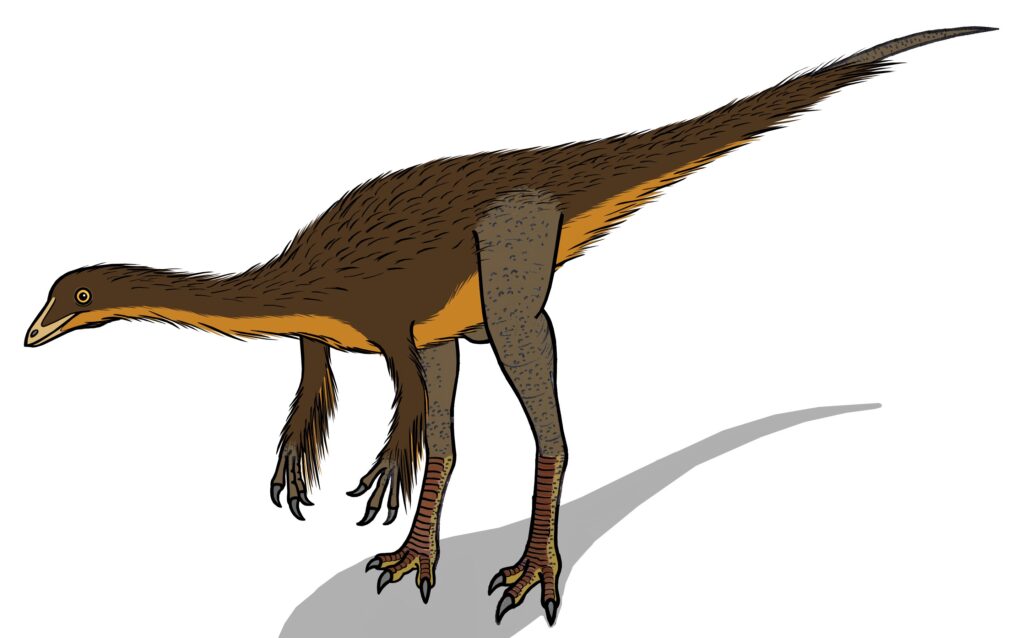
Dromiceiomimus, another ostrich-like dinosaur, lived about 75 million years ago in Canada. With long, thin legs and a streamlined body, paleontologists estimate it could sprint at 40–50 miles per hour. Its name literally translates to “emu mimic,” reflecting its resemblance to today’s large flightless birds.
This dinosaur likely used its speed for both survival and foraging. As an omnivore, it may have darted between food sources and predators, thriving in environments where swiftness was the ultimate insurance policy.
8. Utahraptor – The Heavyweight Sprinter
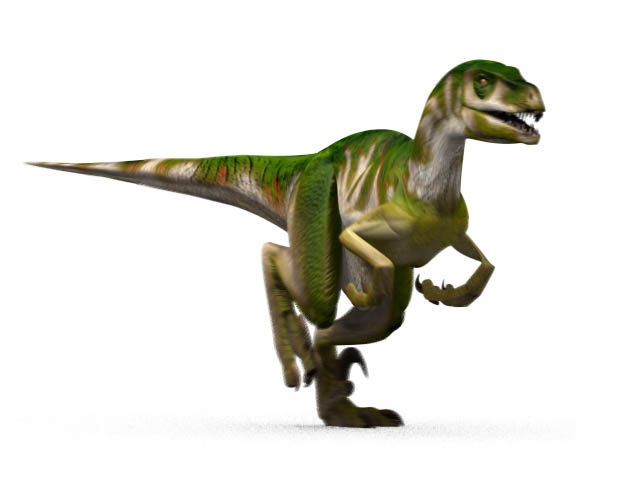
Utahraptor was the largest known raptor, measuring up to 23 feet long and weighing more than 1,000 pounds. Despite its size, it was still remarkably quick, likely reaching 20–25 miles per hour. While slower than its smaller cousins, Utahraptor’s combination of bulk, claws, and speed made it one of the deadliest predators of the Early Cretaceous.
Living in what is now Utah, this dinosaur likely relied on ambush tactics, sprinting short bursts to tackle large prey. Its ability to combine raw strength with bursts of speed made it a top predator in its ecosystem.
Speed was one of evolution’s greatest gifts to the dinosaur kingdom. From the ostrich-like Ornithomimus to the cunning Velociraptor, these prehistoric sprinters show us that survival wasn’t always about size or ferocity—it was often about how fast you could run. Many of these dinosaurs parallel today’s fastest animals, reminding us that the race for survival has always been a universal story. Their fossilized footprints continue to whisper tales of adrenaline-fueled chases across plains, deserts, and forests, where the swiftest often triumphed.
Would you have stood a chance trying to outrun one of these prehistoric sprinters? Probably not—but imagining the race sparks a thrill that connects us to the wild, untamed heartbeat of Earth’s ancient past.