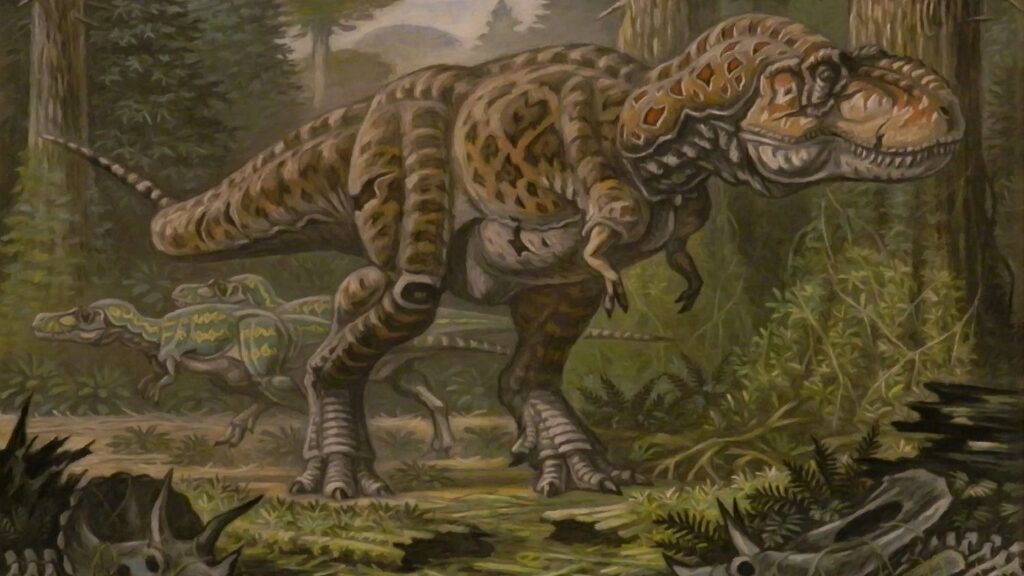
Imagine a world where the sky is choked black with volcanic ash, global temperatures swing violently between extremes, and nearly three-quarters of all life on Earth is wiped from existence. Most creatures vanish. Yet one group not only survives but surges forward, diversifies, and goes on to rule the planet for over 160 million years. That group, of course, is the dinosaurs. Their story isn’t just ancient history. It’s one of the most jaw-dropping survival tales ever recorded in the fossil record.
What made dinosaurs so extraordinarily tough? Was it dumb luck, or was something deeper written into their bones, their biology, and their behavior? You might be surprised to learn how many near-extinction events they actually weathered before finally meeting their end. Let’s dive in.
Rising From the Ashes of the Permian-Triassic Catastrophe
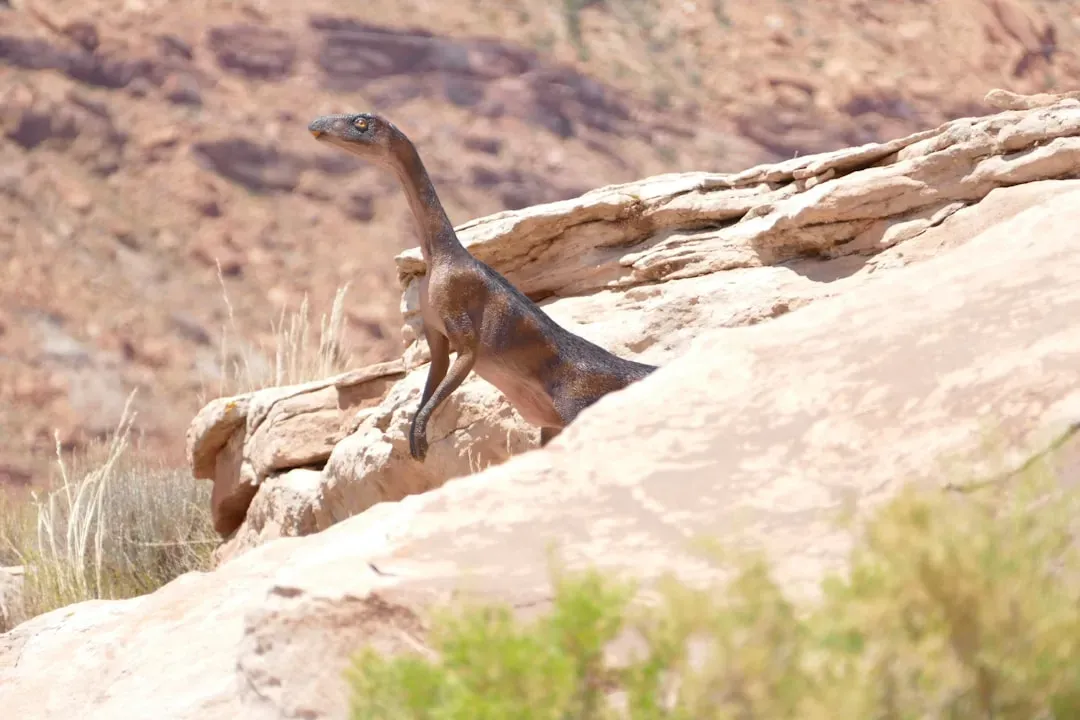
Before dinosaurs ever appeared, Earth endured its most devastating extinction event. The Permian-Triassic extinction wiped out approximately 96 percent of marine species. It was, without exaggeration, the closest life on Earth has ever come to complete annihilation. The world that survived on the other side was a scorched, oxygen-depleted wasteland with very few large creatures left standing.
Here’s the thing though. That catastrophic clearing of the ecological board is precisely what created the opportunity for dinosaur ancestors to rise. Emerging evidence, based on a suite of new fossil finds and more advanced analytical techniques, has begun to track how the ancestors of dinosaurs and other reptiles outpaced protomammals to pull off a major ecological takeover. The devastation wasn’t the end of the story. It was the opening chapter of the Age of Reptiles.
The Breathing Advantage That Changed Everything
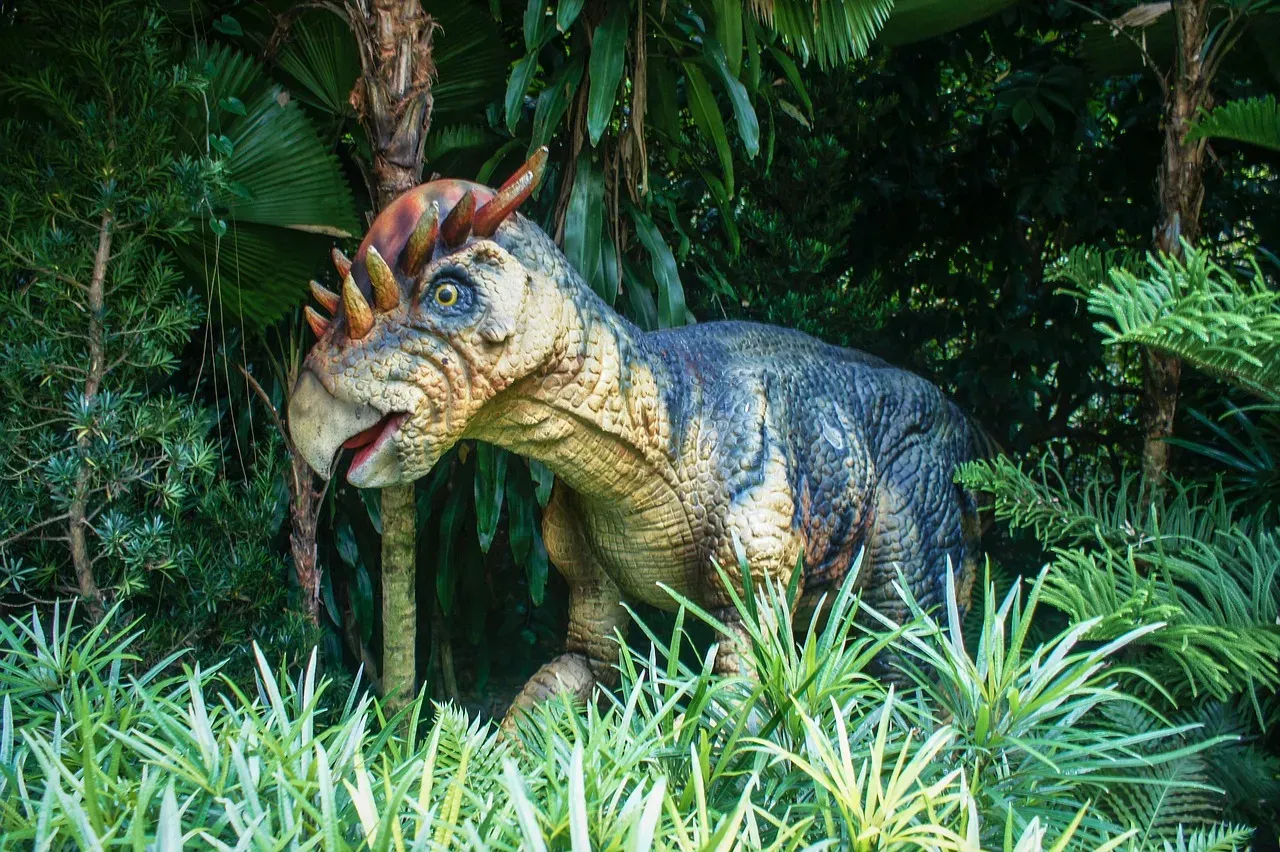
One of the most underrated survival tools the early dinosaur ancestors possessed was, quite simply, the way they breathed. Reptiles, including the ancestors of dinosaurs, breathed in a different way: one part of the lung pumped, while the other part took up oxygen. This anatomical setup has allowed reptiles, including species today from snakes to birds, to breathe more efficiently at high altitudes or in other low-oxygen conditions. When the post-Permian atmosphere turned thin and oxygen-poor, this was a game-changing advantage.
The reptiles were therefore better suited to withstand the atmospheric changes that played out for millions of years after the extinction event. Drops in oxygen levels would have put protomammals at a disadvantage while doing little to hold back the reptiles. Think of it like two athletes trying to race at high altitude. One collapses halfway through. The other barely breaks a sweat. That was the dinosaur lineage versus nearly everything else competing for dominance on land.
Feathers: The Unexpected Cold-Weather Survival Weapon
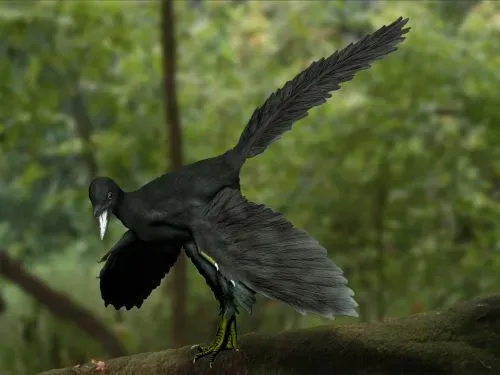
You might picture dinosaurs lounging in tropical heat, but science has a genuinely shocking rebuttal to that image. Widespread volcanic eruptions around 202 million years ago had a profound effect on Earth’s climate, triggering a mass extinction event that killed off three-fourths of the planet’s species, including many large reptiles. Yet dinosaurs, somehow, survived and went on to thrive. The secret weapon? Feathers.
Thanks to those insulating feathers, dinosaurs were able to survive the lengthy winters that ensued during the end-Triassic mass extinction. Dinosaurs might then have been able to spread rapidly during the Jurassic, occupying niches left vacant by less hardy reptiles. Meanwhile, paired together, warm body temperatures and insulating coats allowed dinosaurs to better survive the swings between warm and cold climates at the end of the Triassic. Other reptiles that lacked such insulation, such as the many crocodile relatives, were more vulnerable to the shifts and the environmental changes that came with them.
Surviving Volcanic Winters in the Ancient Arctic
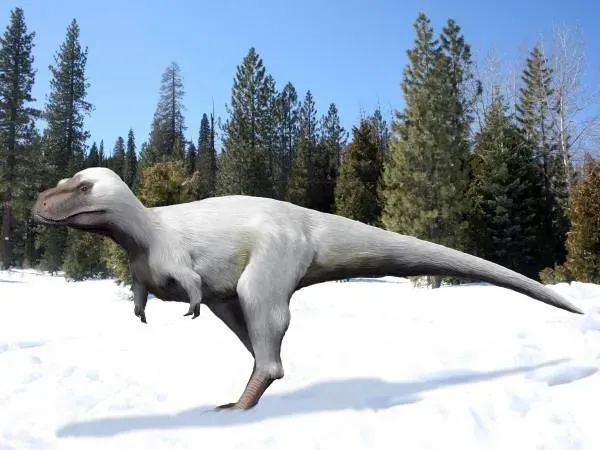
Here’s something that will completely reshape how you picture dinosaurs. Researchers discovered fossilized dinosaur footprints in what was once the High Arctic, right alongside ancient ice debris. Abundant lake ice-rafted debris in Late Triassic and earliest Jurassic strata of the Junggar Basin of northwestern China, at a paleolatitude of roughly 71 degrees north, indicates that freezing winter temperatures typified the forested Arctic, despite a persistence of extremely high levels of atmospheric CO2. Dinosaurs were apparently walking around in frozen tundra-like conditions while other animals perished.
Transient but intense volcanic winters associated with massive eruptions and lowered light levels led to the end-Triassic mass extinction, decimating all medium- to large-sized nondinosaurian, noninsulated continental reptiles. In contrast, insulated dinosaurs were already well adapted to cold temperatures, and not only survived but also underwent a rapid adaptive radiation and ecological expansion in the Jurassic. It’s almost poetic, isn’t it? The very catastrophe that eliminated their rivals became the launchpad for their global dominance.
The Triassic-Jurassic Extinction: A Crisis Turned Opportunity
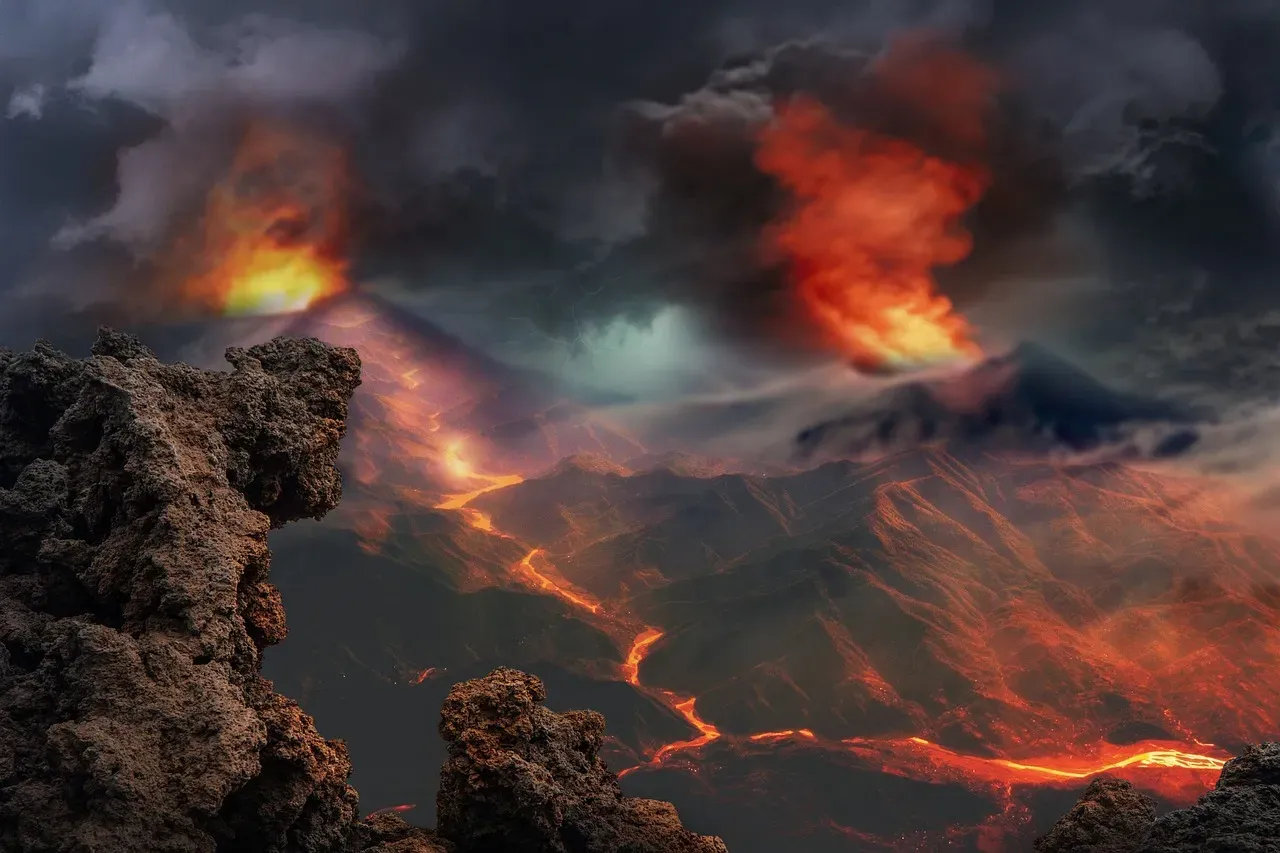
About 201.6 million years ago, one of Earth’s five great mass extinctions took place, when three-quarters of all living species suddenly disappeared. The wipeout coincided with massive volcanic eruptions that split apart Pangaea, a giant continent then comprising almost all the planet’s land. Millions of cubic miles of lava erupted over some 600,000 years, separating what are now the Americas, Europe and North Africa. That scale is almost incomprehensible. For context, imagine every volcano on Earth erupting simultaneously and not stopping for tens of thousands of years.
This extinction is perhaps best known for eliminating many groups of terrestrial vertebrates, leaving many niches open that were soon filled by dinosaurs. Rather than being crushed by this catastrophe, dinosaurs stepped into it and expanded. It marked the end of the Triassic period and the beginning of the Jurassic, the period when dinosaurs arose to take the place of Triassic creatures and dominate the planet. Honestly, it is hard not to be at least a little impressed.
Warm-Blooded Metabolism: The Engine of Resilience
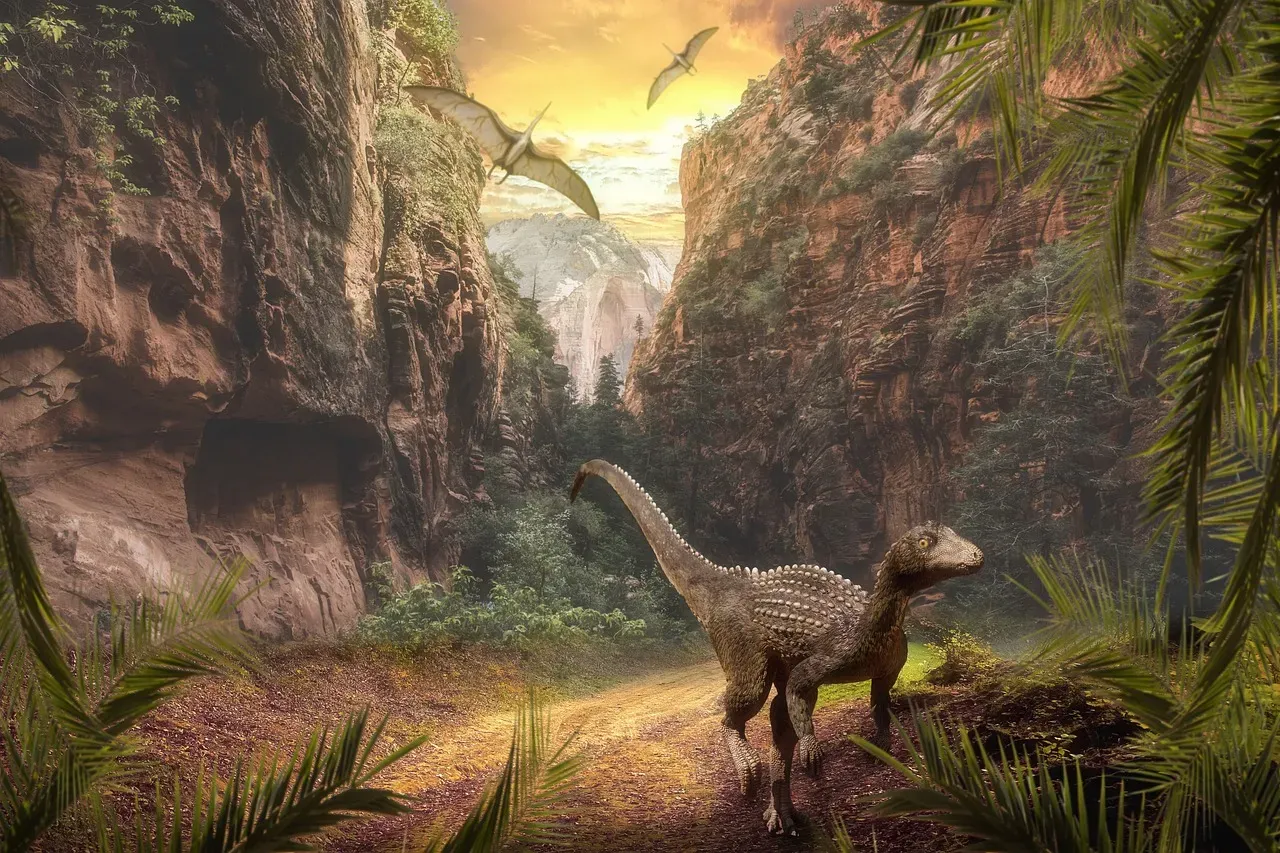
For decades, scientists assumed dinosaurs were sluggish, cold-blooded creatures. That image has been dramatically overturned. Many dinosaurs were likely warm-blooded with high metabolic rates that resembled those of modern birds, according to a study published in Nature. Comparing samples from more than 50 vertebrate species, researchers found evidence that endothermy, or warm-bloodedness, was already widespread before the mass extinction event at the end of the Cretaceous period. This fundamentally changes how you should think about dinosaur survival.
The evolution of endothermy, or warm-bloodedness, occurred in theropods and ornithischians during the Early Jurassic period. This development was potentially triggered by environmental pressures like the Jenkyns event. It gave them a significant edge over their cold-blooded counterparts. Think of metabolism as an engine. A cold-blooded animal in a freezing volcanic winter is like a car without a working heater in a blizzard. Warm-blooded dinosaurs kept their engines running regardless of the temperature outside.
The Upright Posture Advantage and Long-Term Ecological Dominance
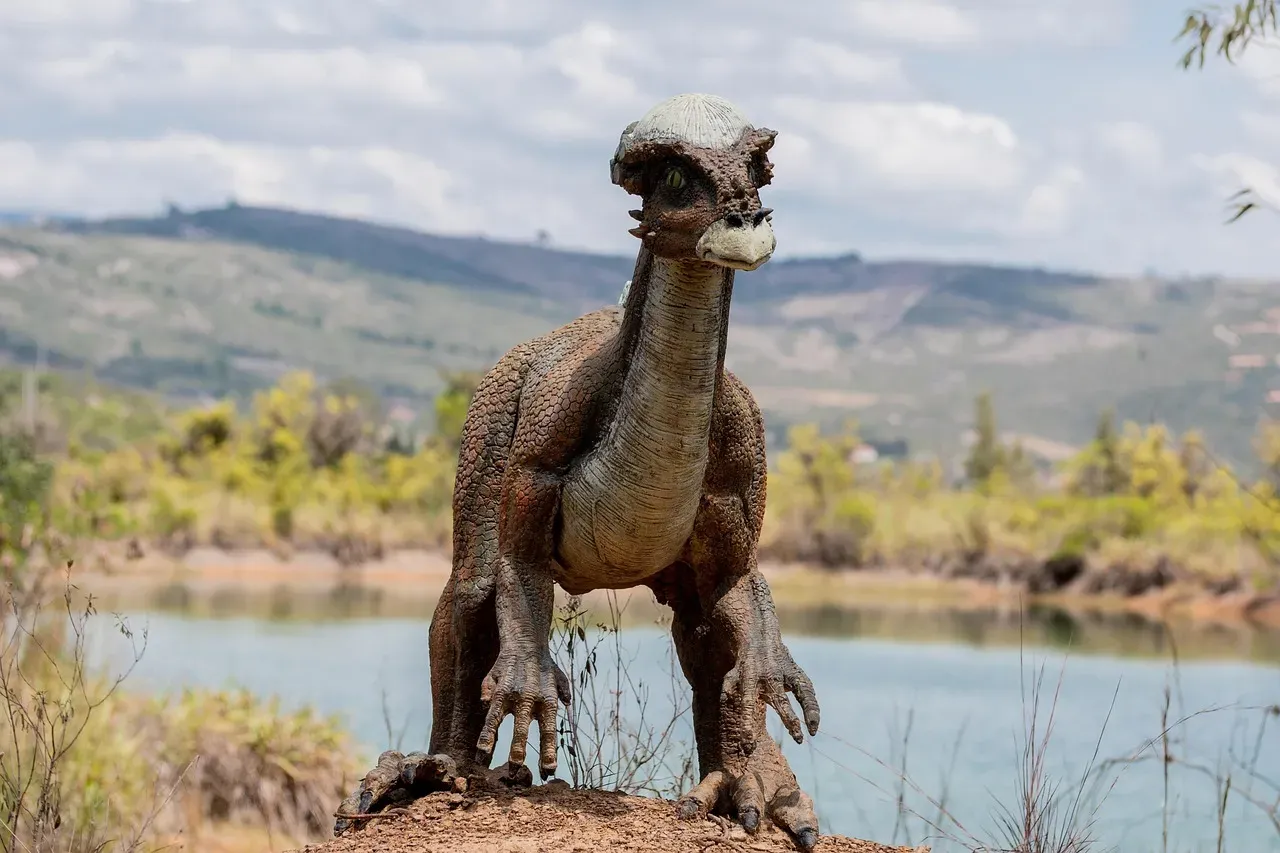
Beyond feathers and warm blood, dinosaurs held another structural ace. Walking upright can have great advantages. It means the stride can be longer and the animal can move with much less stress on the knee and elbow joints. Upright walking was the key to the success of the dinosaurs, which originated 25 million years after the great end-Permian crisis. The first dinosaurs were all bipeds and they also became very large. Their posture allowed them to cover ground efficiently and grow to enormous sizes that sprawling animals simply could not achieve.
The key to their survival wasn’t always size. It was specialization. In every ecosystem, dinosaurs adapted to specific roles. Small theropods evolved sharp vision and claws for hunting insects and small vertebrates. Duck-billed hadrosaurs developed intricate dental batteries capable of grinding tough plant material. Add to that their upright stance, and you have a group of animals that could thrive in nearly any environment the planet threw at them. To thrive in diverse ecosystems, dinosaurs developed a range of adaptations, from specialized teeth to feathers, enhancing their survival and dominance. These evolutionary tactics allowed them to exploit various ecological niches, from dense forests to open plains.
Conclusion
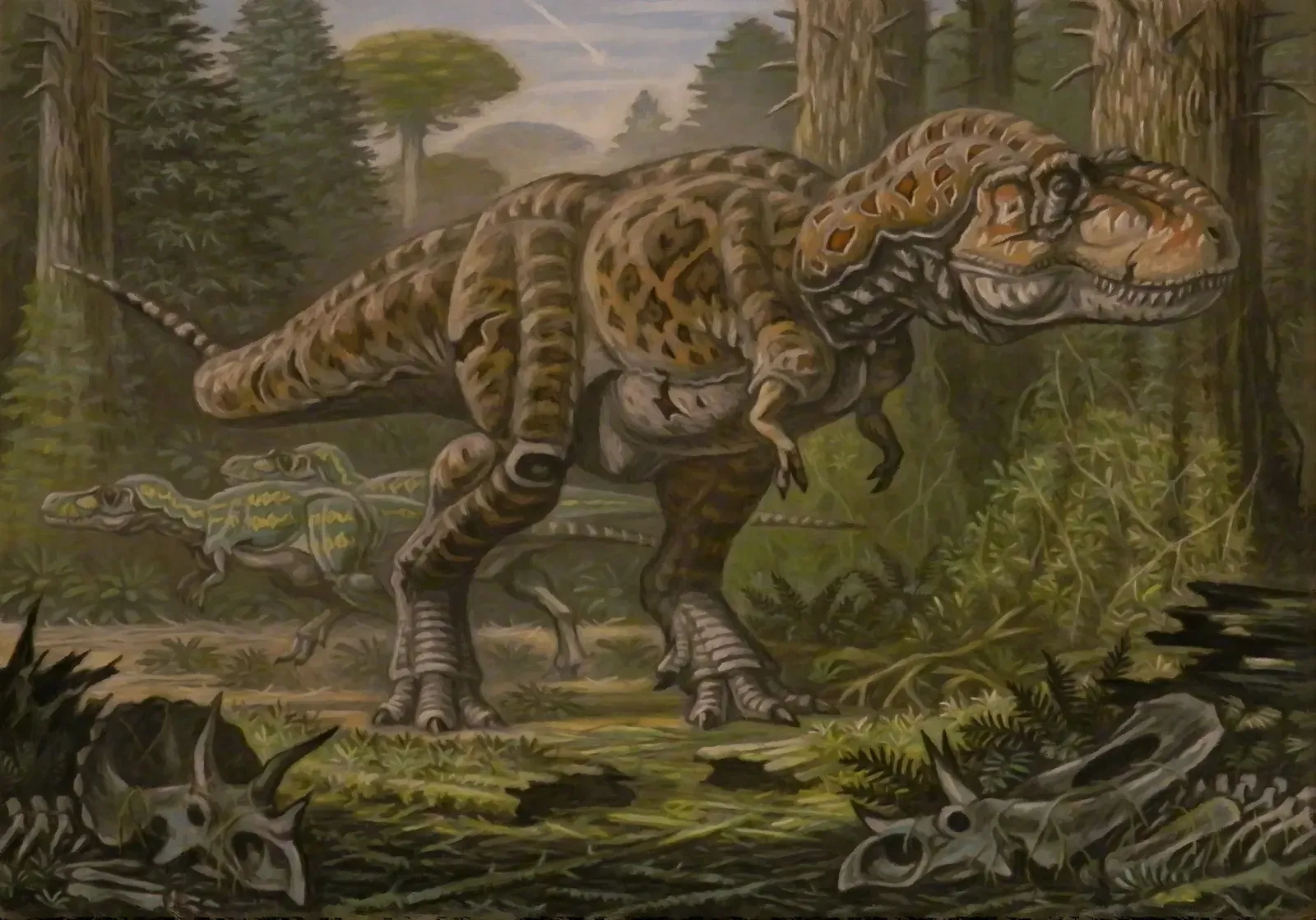
The story of dinosaur resilience is not simply a tale of big animals stomping through prehistoric jungles. It is a story of biological ingenuity operating at an astonishing scale across hundreds of millions of years. From their superior respiratory systems, to their insulating feathers, to their upright posture and evolving metabolism, dinosaurs were extraordinarily well-equipped for a world that never stayed stable for long. Every catastrophe that cleared the field seemed to suit them perfectly.
What makes this even more remarkable is how many times they should have lost. Volcanic winters, oxygen crashes, continent-splitting eruptions, climate swings from deep freeze to greenhouse inferno. They weathered it all. Dinosaurs were more than just survivors. They were shape-shifters in the grand theatre of evolution, constantly innovating to meet the challenges of an ever-changing world. So the next time you hear birdsong outside your window, remember: you are listening to the only dinosaurs that made it to the other side of all that chaos. What do you think – does knowing all of this change how you see them? Drop your thoughts in the comments below.