Close your eyes and picture a Tyrannosaurus rex. Chances are, you’re imagining something brownish, grayish, or maybe a swampy shade of green. That’s what Hollywood gave us. That’s what decades of museum illustrations told us. For most of paleontology’s history, dinosaur color was considered permanently unknowable – a question for artists, not scientists.
Then something extraordinary happened. Researchers began finding answers buried inside the fossils themselves, locked inside structures so tiny you could fit dozens of them across the width of a human hair. What they discovered didn’t just update a few nature documentaries. It overturned one of the most persistent assumptions in natural history. Dinosaurs were not the drab, gray-green beasts you’ve been picturing all your life. Let’s dive in.
The Great Gray Myth: Why We Got Dinosaur Colors So Wrong
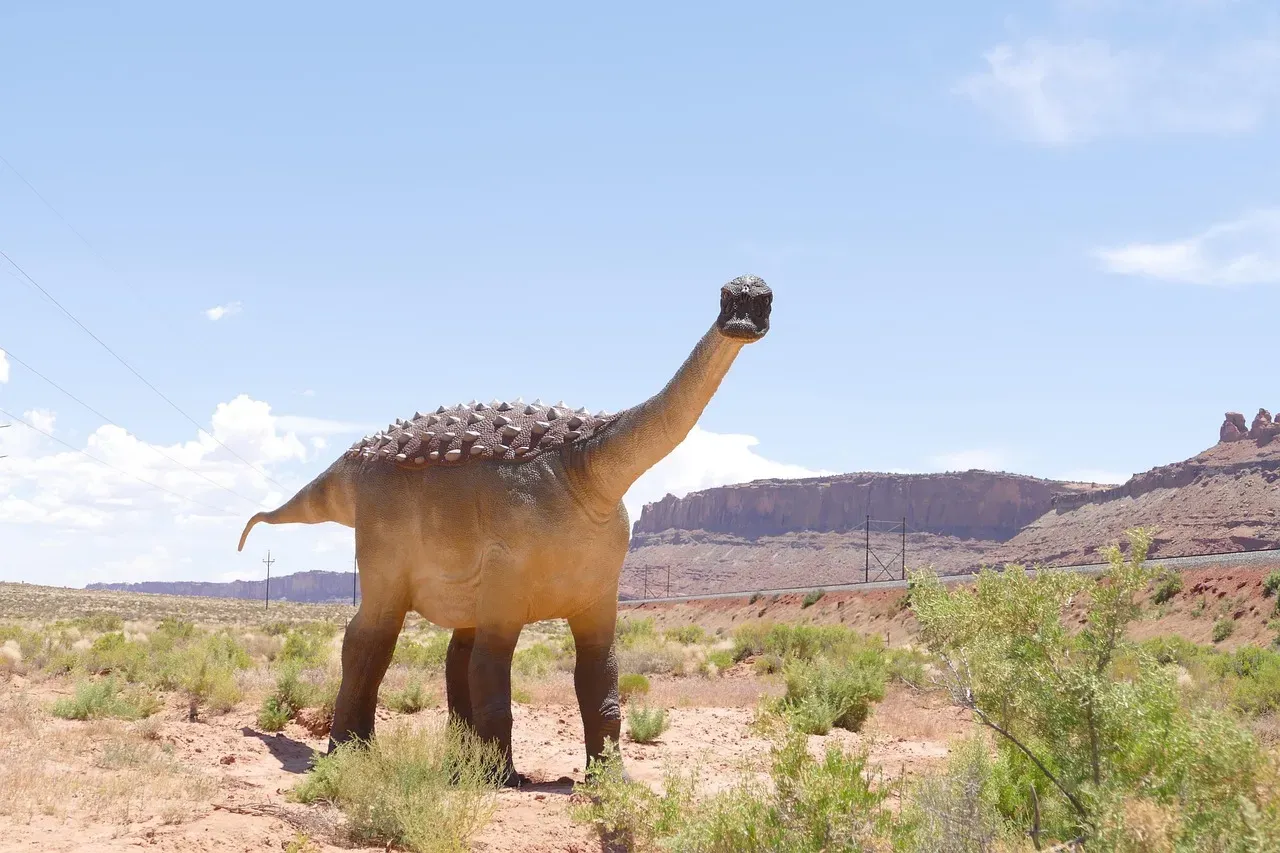
For most of the 19th and 20th centuries, artists and scientists had a silent agreement: when in doubt, paint the dinosaur something boring. For a long time, artists portrayed dinosaurs in the drab grays, greens, and browns of most reptiles. It wasn’t malice or laziness – it was a logical assumption, grounded in the closest living relatives people thought dinosaurs had. Reptiles are often earth-toned. So, naturally, dinosaurs must have been too, right?
Here’s the thing – that reasoning was built on a flawed family tree. Birds are living dinosaurs, having first evolved in the Jurassic and standing as the only dinosaur lineage to survive the mass extinction at the end of the Cretaceous, meaning that by looking at living dinosaurs, paleontologists could gain new insights into the lives of extinct, non-avian dinosaurs. Once scientists started treating birds as the true descendants of dinosaurs rather than lizards, the whole color narrative began to crumble – and a much more vibrant picture started to emerge.
Melanosomes: The Tiny Time Capsules Hidden in Fossils
Melanosomes are organelles within cells that synthesize, store, and transport melanin, the pigment responsible for skin, hair, eye and feather colors. Think of them like tiny sealed paint canisters – and remarkably, they can survive for millions of years inside fossilized feathers and skin. Melanosomes are colour-bearing organelles buried within the structure of feathers and hair in modern birds and mammals, giving black, grey, and rufous tones such as orange and brown; because melanosomes are an integral part of the tough protein structure of the feather, they survive when a feather survives, even for hundreds of millions of years.
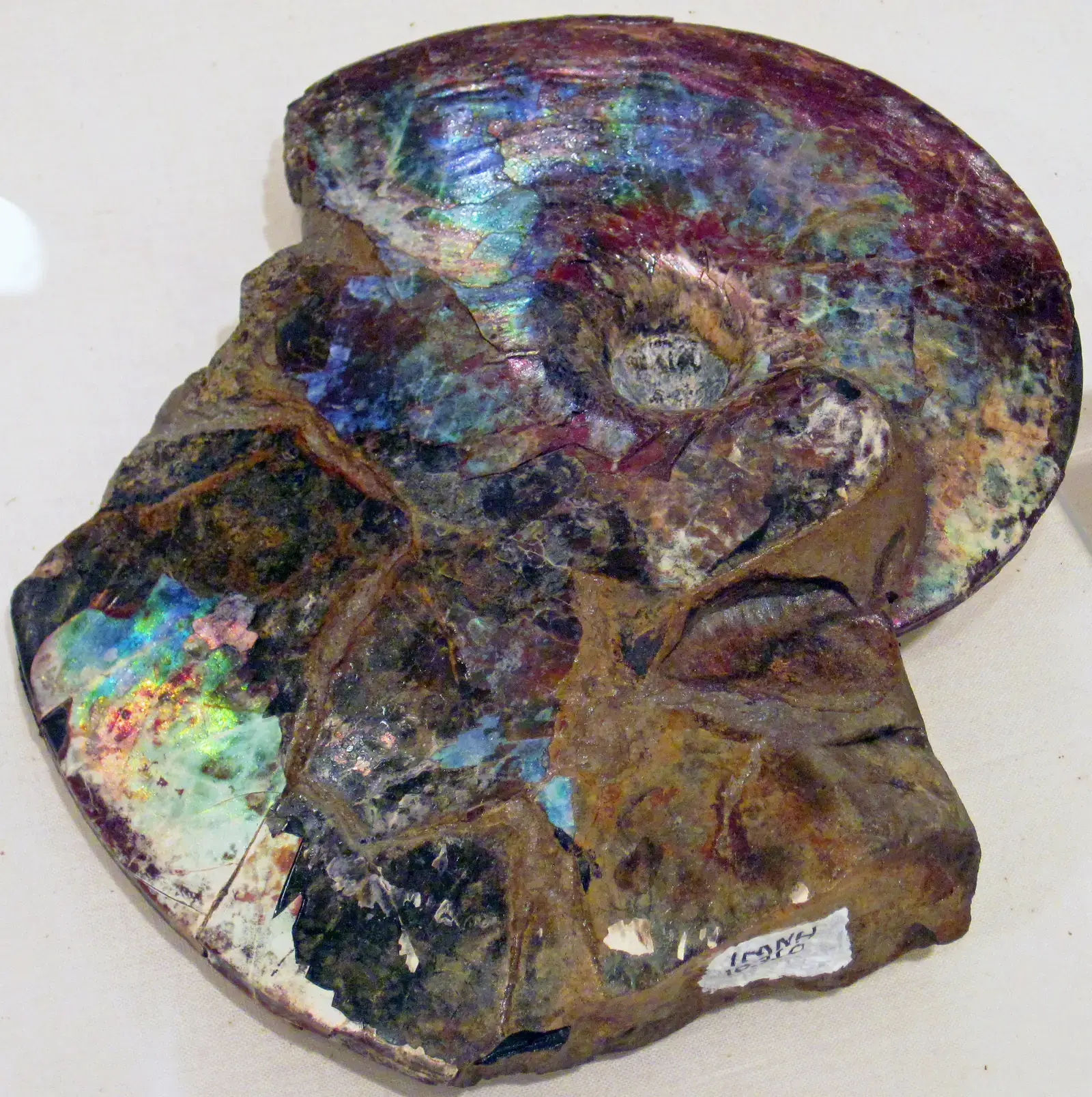
The real breakthrough came from a completely unexpected direction. In 2006, paleontologist Jakob Vinther was looking at a fossilized cephalopod under a microscope when he noticed little blobs in the invertebrate’s ink sac – tiny orbs that had previously been dismissed as fossilized bacteria, but which Vinther found were actually pigment-carrying organelles called melanosomes. That single observation set off a chain reaction that transformed our understanding of prehistoric life. If melanosomes could survive inside squid ink for millions of years, they could survive inside dinosaur feathers too.
Reading the Shape of Color: How Scientists Decode Ancient Hues
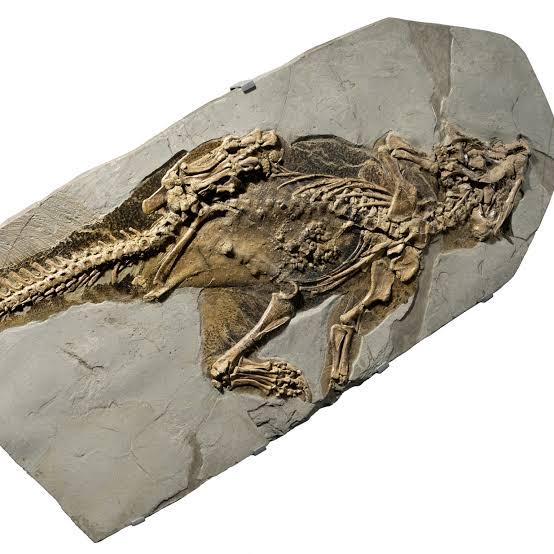
Vinther came up with a method to predict dinosaur colors based on how the creatures’ melanosomes appeared under the microscope – whether they looked like sausages, meatballs, something in between, or entirely different. It’s an almost absurdly simple idea once you hear it, but its implications are enormous. The shape of a melanosome reliably predicts the color it produces – and that rule holds just as true in a 125-million-year-old fossil as it does in a living bird today.
The two most common types of melanin found in modern birds are eumelanin, associated with black and grey feathers, and phaeomelanin, found in reddish brown to yellow feathers. By looking at the density of melanosomes in a particular area, scientists could determine hues of brown, black, red and white. It’s a bit like reading a barcode – a specific arrangement of microscopic shapes tells you exactly what color used to exist there, even when the color itself is long gone.
Anchiornis and Sinosauropteryx: The First True-Color Dinosaurs
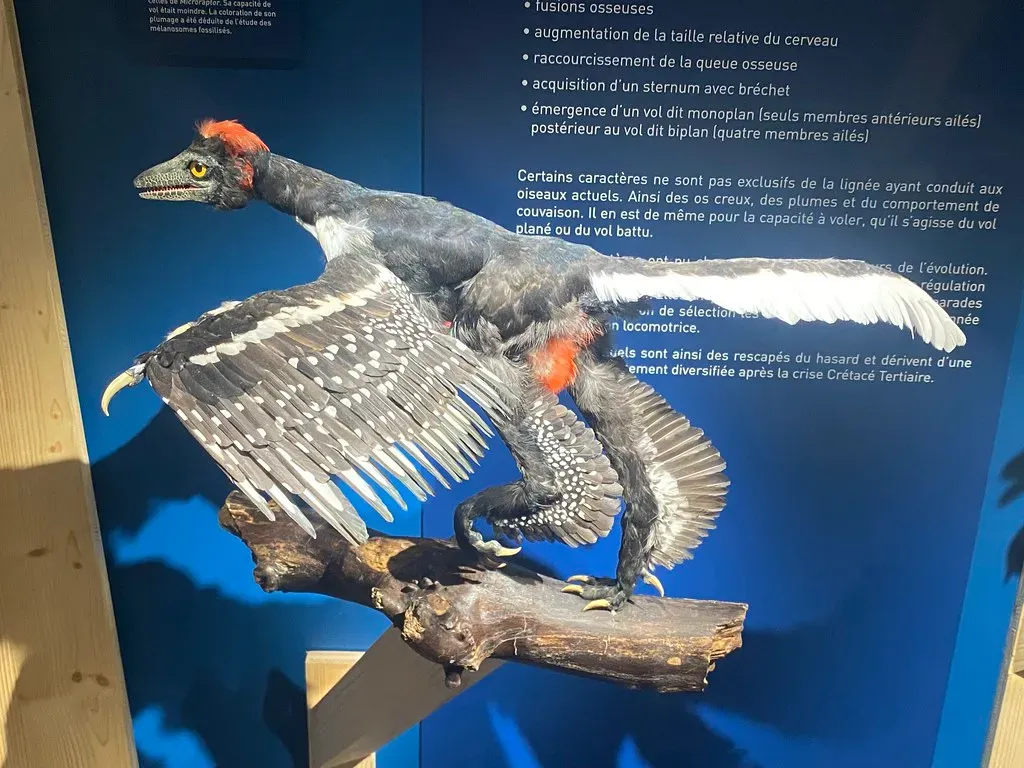
In 2010, Vinther’s team completed the first-ever dinosaur color reconstruction: according to their estimates, the bird-like Anchiornis was mostly gray, save for its black-and-white banded wings and striking mohawk-like reddish brown crest. That moment was genuinely historic. For the first time in the history of science, you could look at an illustration of a dinosaur and say with real confidence: this is what it actually looked like.
Meanwhile, another team was working on a different dinosaur with equally striking results. The dinosaur Sinosauropteryx, from the Early Cretaceous, had featherlike bristles running across its head, back, and tail – and these bristles turned out to contain pheomelanosomes, revealing that the dinosaur had reddish-brown stripes covering the tail. A 2017 study further revealed that the body coloration of Sinosauropteryx extended to the face, creating a raccoon-like “mask” around the eyes, and that its countershaded pattern with the banded tail likely acted as camouflage in an open environment. Honestly, that’s far more nuanced and fascinating than any Hollywood creature design.
Microraptor’s Glossy Black Secret: When Dinosaurs Dressed to Impress
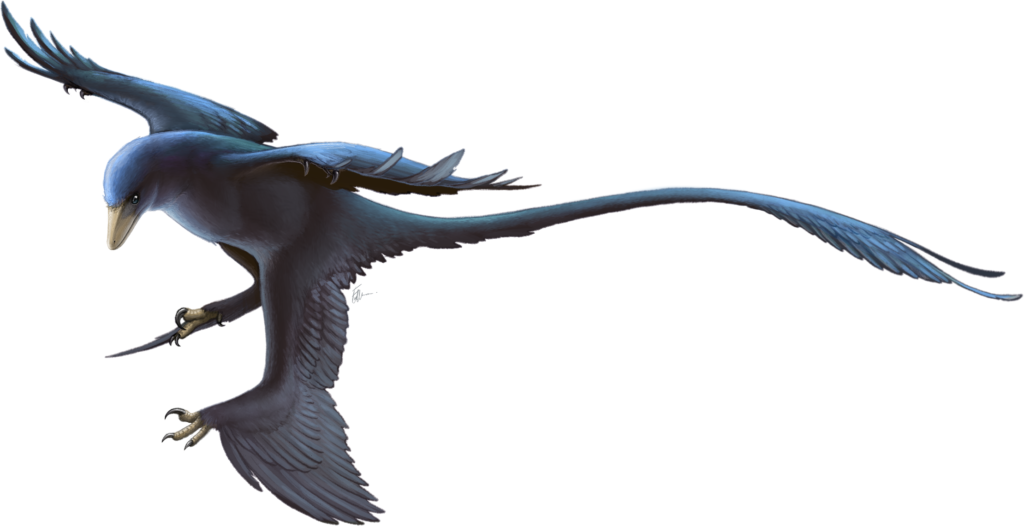
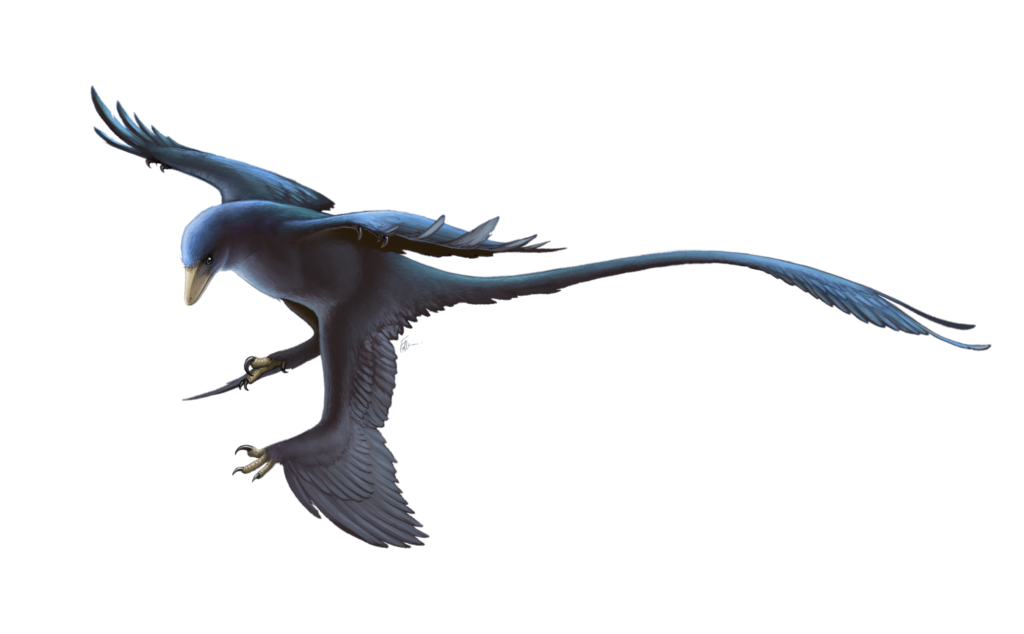
A team of American and Chinese researchers revealed the color and detailed feather pattern of Microraptor, a pigeon-sized, four-winged dinosaur that lived about 130 million years ago – and the non-avian dinosaur’s fossilized plumage, which had hues of black and blue like a crow, is the earliest record of iridescent feather color, with findings suggesting the importance of display in the early evolution of feathers. Iridescent. Like a crow. Like a raven. Not gray, not green – shimmering, glossy black with a blue sheen.
Iridescence arises when the melanosomes are organized in stacked layers. These findings also contradict previous interpretations that Microraptor was a nocturnal animal, because dark glossy plumage is not a trait found in modern nighttime birds. The color wasn’t just decorative either – in living birds, iridescence is often related to sexual selection, and the fact that Microraptor boasted at least two ornaments – the iridescence and the long tail feathers – is a strong indication that sexual selection was a key player in the early evolution of feathers.
Borealopelta: The Armored Tank That Still Needed to Hide
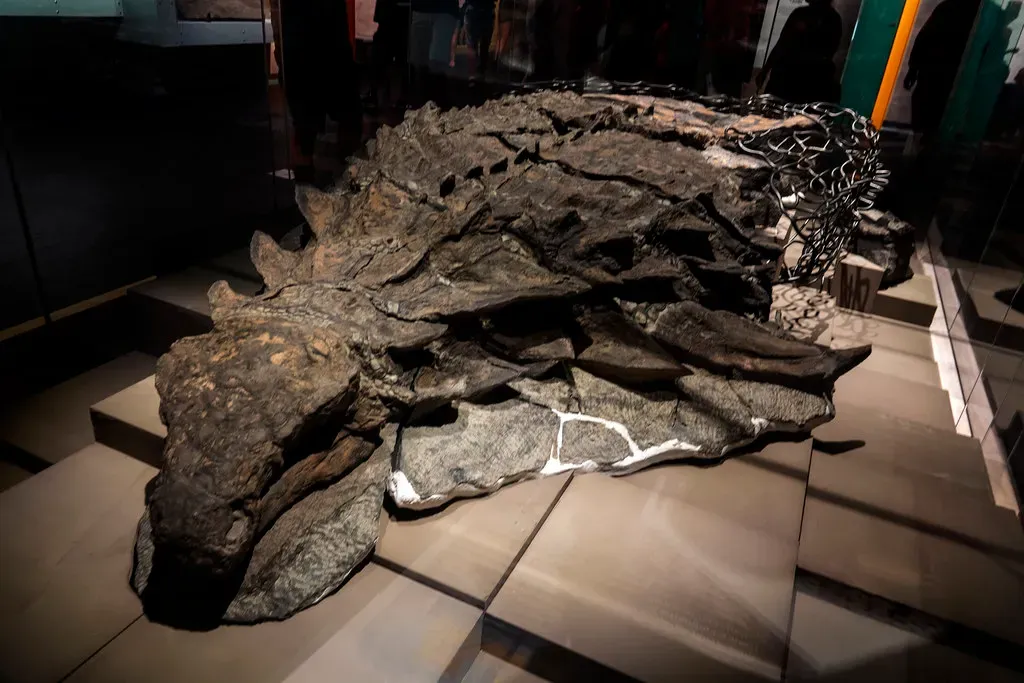
Here’s something that should genuinely astonish you. An analysis of the fossilized skin of Borealopelta markmitchelli, the most well-preserved of the armored dinosaurs ever unearthed, revealed that the ancient creature had a reddish-brown coloration and camouflage in the form of countershading, and that despite being the size of a tank, it was still hunted by carnivorous dinosaurs. Let that sink in for a moment. An armored, spike-covered herbivore weighing over a ton needed camouflage to survive.
Using chemical analysis of organic compounds in the horns and skin to infer the dinosaur’s pigmentation pattern, scientists found that the skin exhibited countershading – a common form of camouflage in which an animal’s underside is lighter than its back – with the top of the animal coloured a reddish-brown that contrasted with the lighter shaded, paler underbelly. The likely predators of Borealopelta, such as large theropods like Acrocanthosaurus or allosauroids, were visually acute, color-seeing hunters possibly with tetrachromatic or UV vision, similar to modern birds and reptiles – traits that would have made visual camouflage essential, even for well-armored adults.
The Diplodocus Discovery and What Remains Unknown
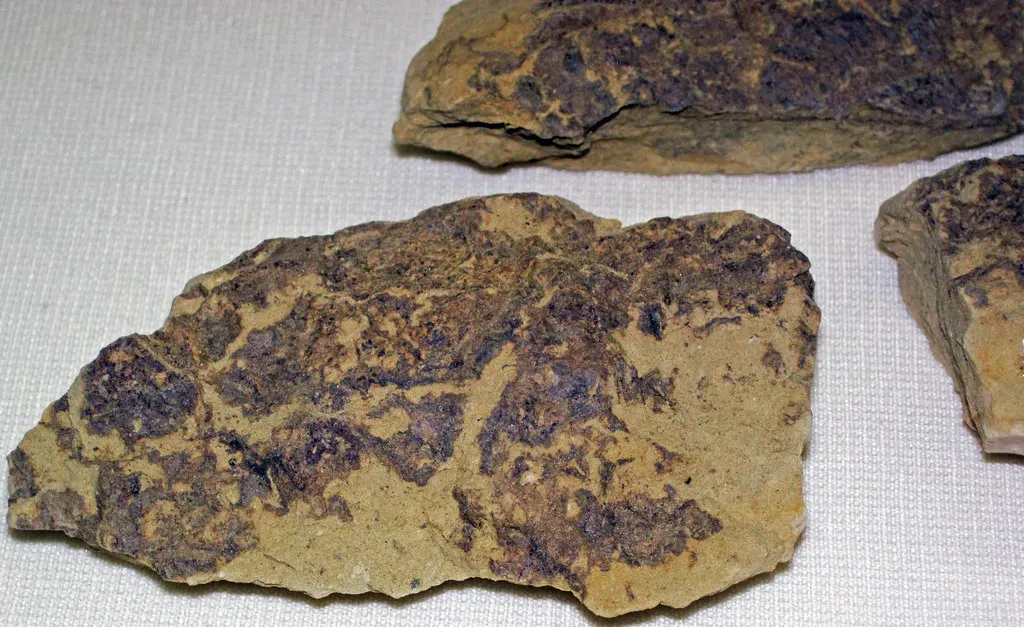
A study published in the journal Royal Society Open Science describes a new clue relating to the Diplodocus – a member of the sauropod group of dinosaurs, known for their large size and long necks. Fossilized skin from a juvenile Diplodocus shows two distinct types of melanosomes, suggesting possible speckled color patterning. This is remarkable because before this study, there had been no evidence indicating color patterning in sauropods, only that they would have likely had a textured and reptilian appearance.
Still, let’s be real – there are significant gaps in what science can currently tell us. Fossils that preserve melanosomes in skin or feathers are relatively rare and take a long time to study in detail, and while melanosomes can help detect some colors such as black, gray, reddish brown, and iridescent, there are some parts of the dinosaur color range we can’t quite detect. We will probably encounter limitations to the detail with which we can reconstruct paleocolors, since over millions of years some information is bound to be lost forever. Colors produced by carotenoids, the same pigments that make flamingos pink and canaries yellow, largely remain out of reach for now.
Conclusion: A Mesozoic World in Vivid Color
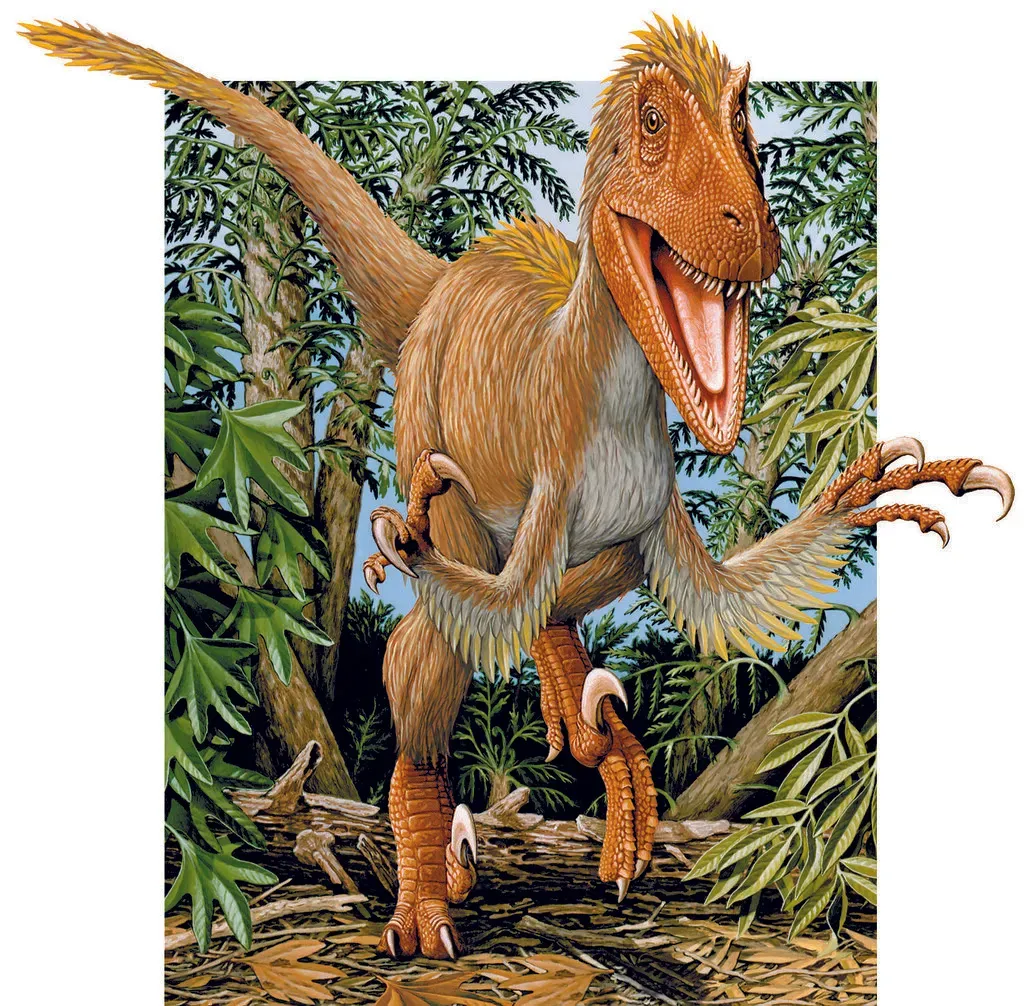
The dinosaurs that roamed this planet were not the lumbering gray monsters of old imagination. They were countershaded, striped, iridescent, speckled, and vibrantly patterned creatures that used color to hide, communicate, and attract mates – just as birds and reptiles do today. Some feathered dinosaurs wore dark, iridescent sheens like ravens, others had red-and-white striped tails, and some wore rainbow shades, not all that different from some birds.
Science is steadily painting a more truthful, more extraordinary picture of life in the Mesozoic. As techniques advance, new discoveries will undoubtedly change our understanding of the past faster than ever before, bringing us closer to seeing dinosaurs and other prehistoric creatures as they really were, in full Technicolor glory. Every new fossil with preserved melanosomes chips away a little more of the gray, drab mythology and replaces it with something far more alive.
The next time you walk past a crow gleaming in the sunlight, or watch a peacock spread its tail, you’re looking at the living legacy of creatures that were, in many ways, just as spectacular. The Mesozoic wasn’t a world of shadows – it was one of the most colorful eras in Earth’s history. Does it change the way you picture the ancient world? It probably should.