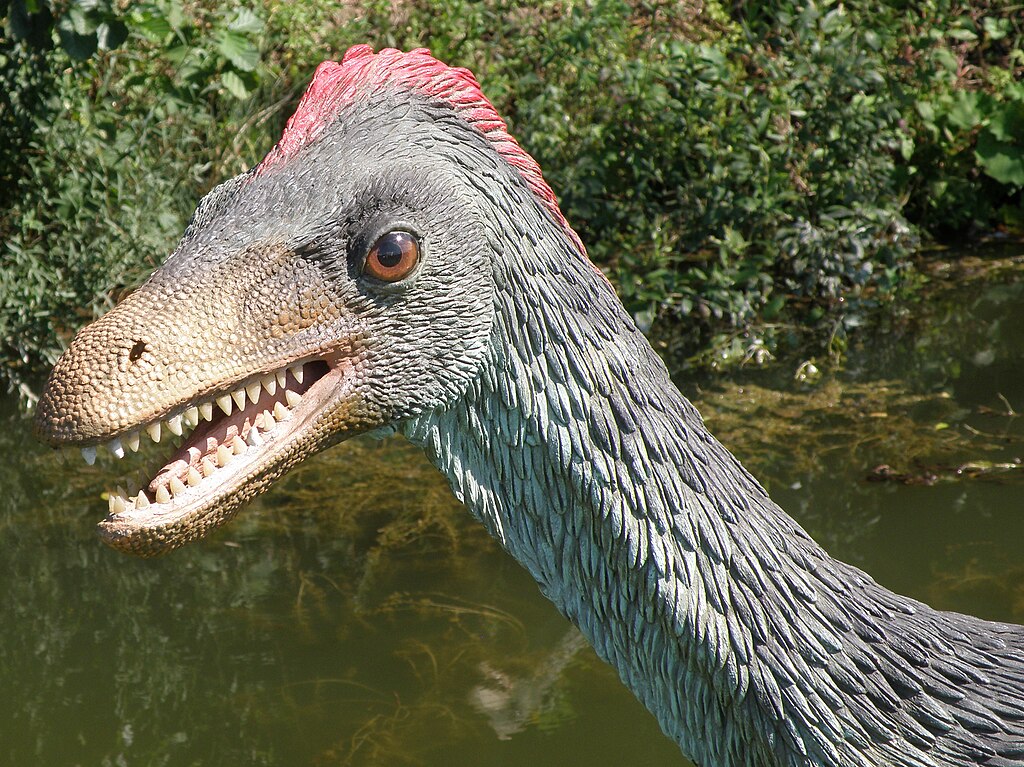
Long before Jurassic Park brought dinosaurs to life on the silver screen, these magnificent creatures were already wreaking havoc and inspiring wonder in the colorful panels of comic books. From the earliest comic strips of the 1930s to today’s blockbuster graphic novels, dinosaurs have captured the imagination of readers worldwide, serving as everything from terrifying villains to unlikely heroes. This prehistoric invasion of sequential art has shaped how generations view these ancient beasts, often mixing scientific accuracy with pure fantasy in ways that continue to influence popular culture today.
The Dawn of Dinosaur Comics in the Golden Age
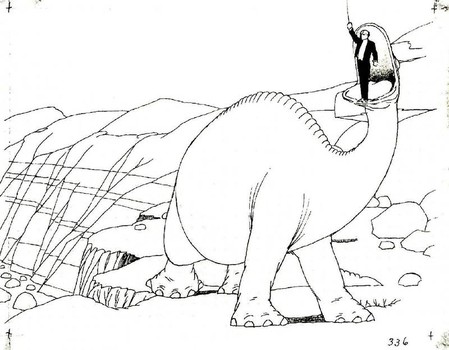
The 1930s marked a pivotal moment when dinosaurs first stomped into comic book history, coinciding with the medium’s own evolutionary leap. Publishers quickly recognized that these ancient creatures possessed an irresistible appeal that could captivate both children and adults alike. The timing was perfect – paleontology was experiencing a renaissance, and the public’s fascination with these prehistoric giants was at an all-time high.
Early comic creators faced a unique challenge: how to accurately depict creatures that no living person had ever seen. They relied heavily on museum displays, scientific illustrations, and their own creative interpretations. This led to some wonderfully imaginative but scientifically questionable depictions that would become iconic in their own right.
Turok: The Dinosaur Hunter Who Changed Everything
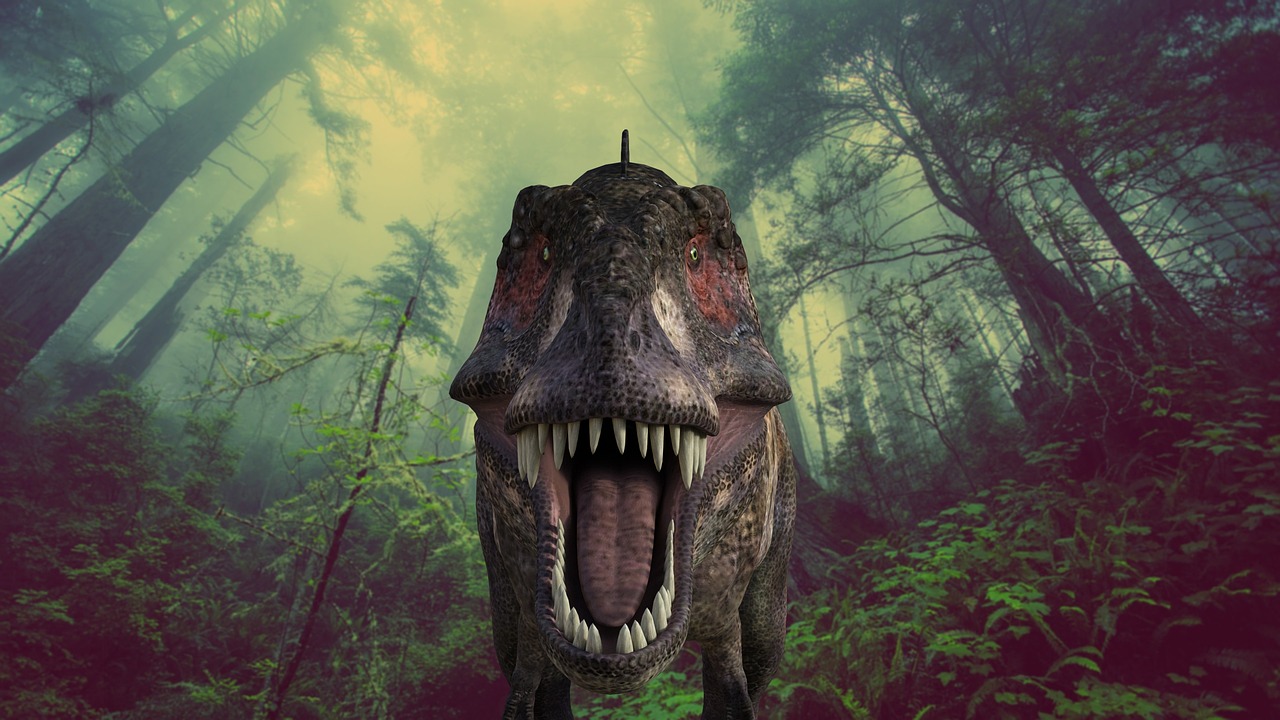
When Dell Comics introduced Turok, Son of Stone in 1954, they unknowingly created a character that would become synonymous with dinosaur comics. This Native American warrior, trapped in a mysterious valley filled with living dinosaurs, represented a perfect blend of adventure, survival, and prehistoric wonder. Turok’s adventures weren’t just about hunting dinosaurs – they explored themes of environmental balance and respect for nature that felt surprisingly modern.
The series ran for decades, spawning numerous iterations and adaptations. What made Turok special wasn’t just the dinosaur action, but the way it treated these creatures as complex beings with their own behaviors and ecosystems. The comic educated readers about different dinosaur species while delivering thrilling adventures that kept them coming back for more.
Devil Dinosaur: Marvel’s Prehistoric Experiment
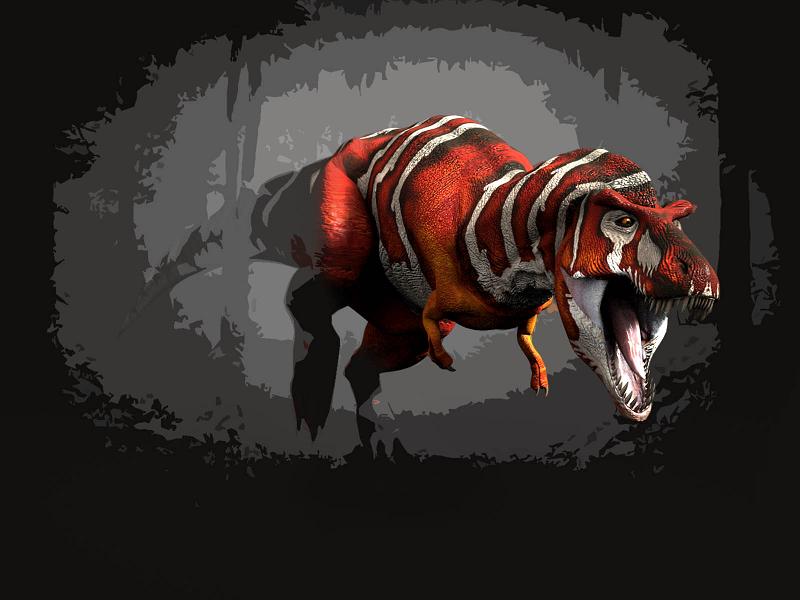
Jack Kirby’s 1978 creation Devil Dinosaur pushed the boundaries of what dinosaur comics could be. This bright red Tyrannosaurus rex, paired with his human companion Moon-Boy, transported readers to a savage prehistoric world where survival was everything. Kirby’s bold artistic style and innovative storytelling transformed the dinosaur comic from simple adventure tales into something approaching science fiction.
The series only lasted nine issues, but its impact on the comic book industry was profound. Devil Dinosaur proved that dinosaur characters could carry their own series without relying solely on human protagonists. This opened doors for more experimental approaches to prehistoric storytelling in comics.
Dinosaurs as Supervillains: When Prehistoric Meets Present
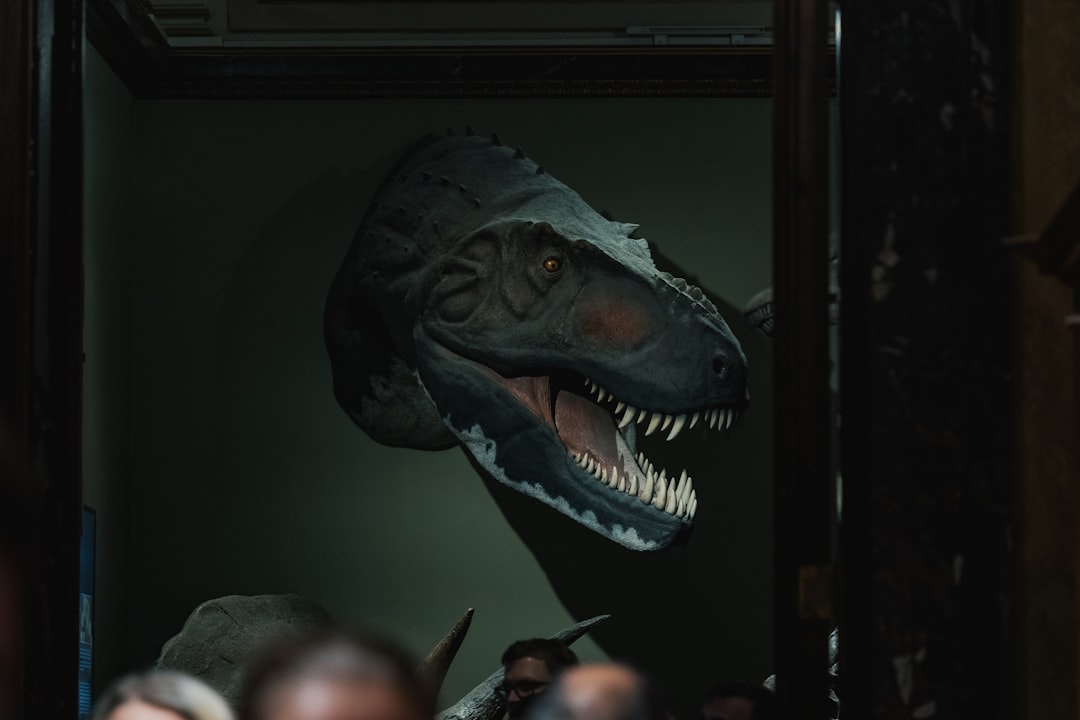
The integration of dinosaurs into superhero comics created some of the most memorable and bizarre storylines in comic book history. Characters like Sauron from the X-Men universe demonstrated how dinosaur DNA could be weaponized, while time-traveling dinosaurs became regular threats for heroes to face. These storylines often explored themes of evolution, extinction, and humanity’s relationship with nature.
What’s fascinating is how different publishers approached this concept. DC Comics created Dinosaur Island, a mysterious location where World War II soldiers encountered living dinosaurs. Marvel took a more scientific approach, often explaining dinosaur appearances through time travel, genetic manipulation, or hidden underground worlds.
The Savage Land: Marvel’s Lost World

Perhaps no fictional location has done more to cement dinosaurs in comic book lore than Marvel’s Savage Land. This hidden prehistoric preserve in Antarctica has served as the backdrop for countless adventures featuring the X-Men, Spider-Man, and the Avengers. The Savage Land represents the perfect comic book solution to the dinosaur problem – how do you have living dinosaurs in a modern world?
The location’s rich ecosystem, complete with primitive humans, saber-toothed cats, and every conceivable dinosaur species, has allowed writers to explore evolutionary themes while delivering spectacular action sequences. It’s become such an integral part of Marvel continuity that its destruction and restoration have become major plot points across multiple series.
Independent Comics: Where Dinosaurs Run Wild
Independent comic publishers have often been the most creative with dinosaur content, freed from the constraints of established superhero universes. Series like “Xenozoic Tales” by Mark Schultz created entirely new worlds where humans and dinosaurs coexisted in post-apocalyptic settings. These comics often featured more scientifically accurate dinosaur depictions while exploring environmental themes.
The indie scene has also produced some of the most experimental dinosaur comics, from horror stories featuring zombie dinosaurs to romantic comedies with dinosaur protagonists. This creative freedom has allowed for more diverse storytelling approaches that mainstream publishers might consider too risky.
Scientific Accuracy vs. Comic Book Fantasy
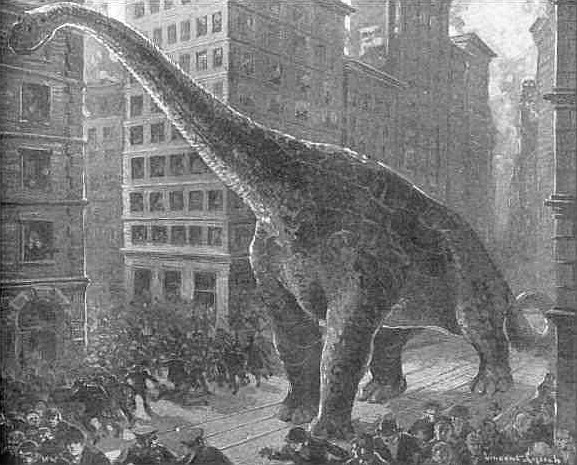
One of the most intriguing aspects of dinosaur comics has been the ongoing tension between scientific accuracy and narrative necessity. Early comics often depicted dinosaurs as savage, primitive beasts, reflecting the scientific understanding of their time. However, as paleontology advanced, comic creators faced the challenge of updating their prehistoric stars.
Modern dinosaur comics increasingly incorporate current scientific knowledge about dinosaur behavior, social structures, and even feather patterns. This evolution reflects the comic book medium’s unique ability to educate while entertaining, though many creators still choose dramatic license over strict accuracy when it serves the story.
The Art of Drawing Dinosaurs: Visual Evolution

Creating convincing dinosaurs in comics requires a unique blend of artistic skill and scientific knowledge. Artists must convey the massive scale of these creatures while maintaining dynamic action sequences that fit within panel constraints. The challenge becomes even greater when depicting dinosaurs alongside human characters, requiring careful attention to scale and proportion.
The artistic representation of dinosaurs in comics has evolved dramatically over the decades. Early comics relied heavily on upright, lizard-like poses that we now know were inaccurate. Modern artists consult with paleontologists and study fossil evidence to create more scientifically grounded depictions, though they still maintain the dramatic flair necessary for compelling comic book storytelling.
Dinosaur Comics for Different Age Groups

The appeal of dinosaur comics spans all age groups, but different series have targeted specific demographics with varying degrees of success. Children’s comics often feature friendly, cartoon-like dinosaurs that teach basic facts about prehistoric life. Teen-oriented series might include more action and adventure elements, while adult comics can explore complex themes like extinction, evolution, and environmental destruction.
This segmentation has allowed the dinosaur comic genre to flourish across multiple markets simultaneously. Publishers have learned to tailor their prehistoric content to specific audiences while maintaining the core appeal that makes dinosaurs such compelling comic book subjects.
International Dinosaur Comics: A Global Phenomenon
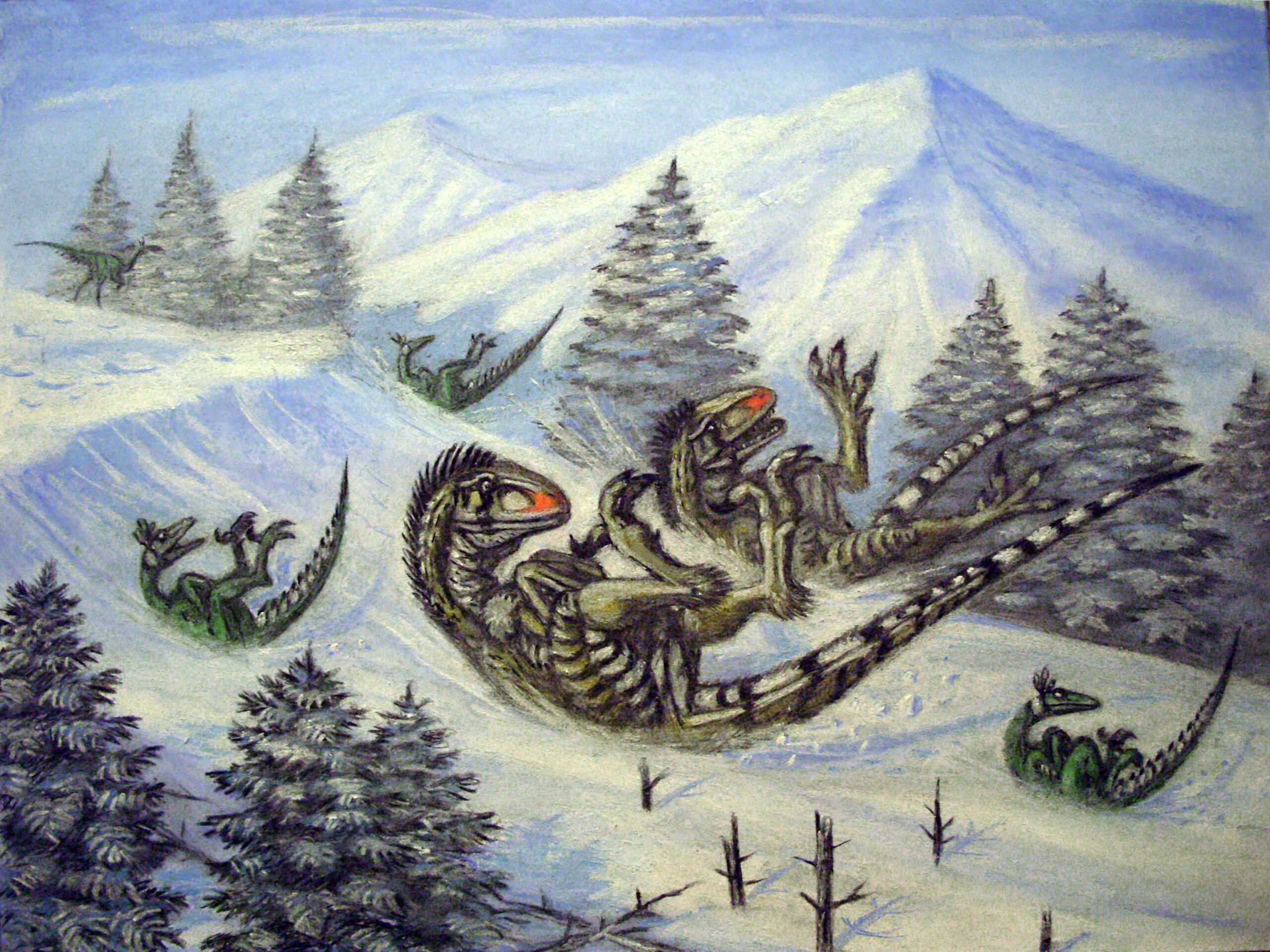
Dinosaur comics aren’t just an American phenomenon – they’ve found audiences worldwide, with different countries bringing their own cultural perspectives to prehistoric storytelling. Japanese manga has produced some particularly innovative dinosaur series, often blending scientific accuracy with fantastical elements in ways that American comics rarely attempt.
European comics have contributed their own unique approach, often emphasizing the educational aspects of dinosaur content while maintaining high artistic standards. These international perspectives have enriched the global dinosaur comic landscape, introducing new artistic styles and storytelling techniques that continue to influence creators worldwide.
The Digital Age: Dinosaurs in Webcomics
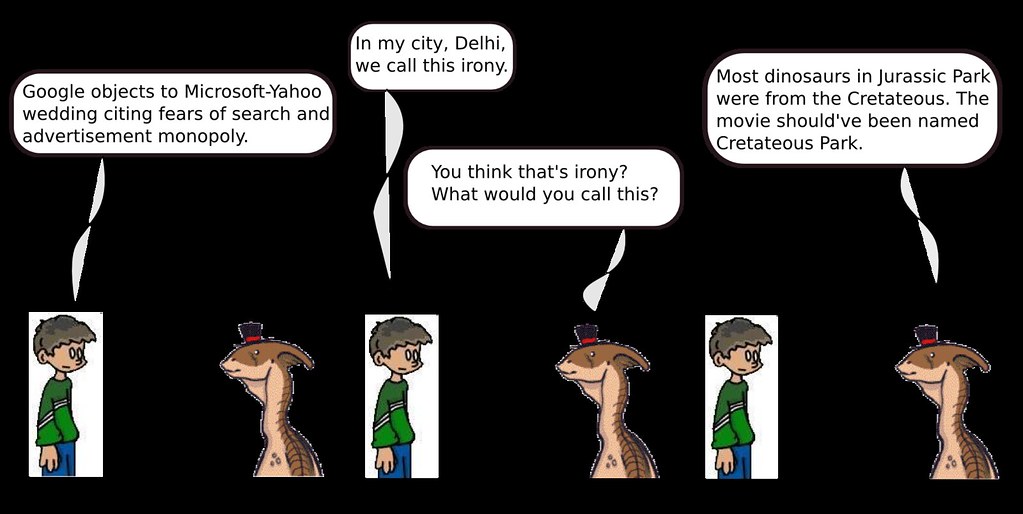
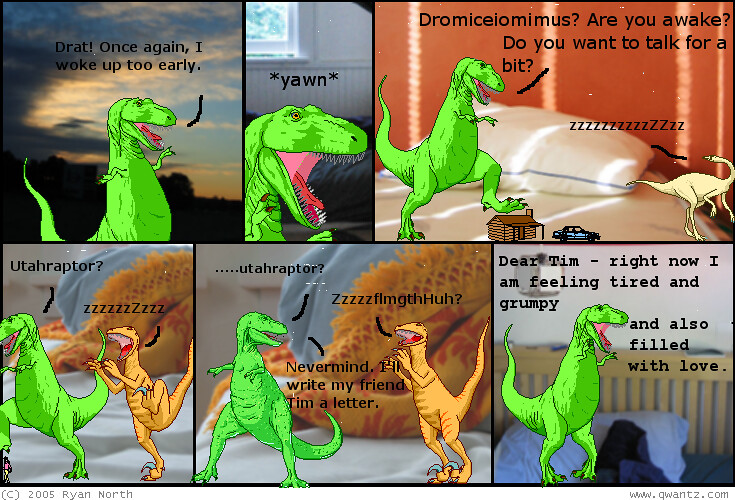
The rise of digital comics has opened new possibilities for dinosaur storytelling. Webcomics like “Dinosaur Comics” by Ryan North have used the prehistoric theme in innovative ways, creating ongoing narratives that couldn’t exist in traditional print formats. The digital medium allows for interactive elements, animation, and reader participation that enhance the dinosaur comic experience.
Online platforms have also democratized dinosaur comic creation, allowing independent creators to reach global audiences without traditional publishing constraints. This has led to an explosion of diverse dinosaur content, from scientifically rigorous educational series to experimental art projects that push the boundaries of what dinosaur comics can be.
Merchandising and Cross-Media Success

The success of dinosaur comics has extended far beyond the printed page, spawning toys, games, television shows, and movies. Characters like Turok have been adapted into video games, while series like “Dinosaucers” began as comics before becoming animated series. This cross-media pollination has helped dinosaur comics reach broader audiences while generating revenue streams that support continued comic production.
The merchandising potential of dinosaur comics has also influenced their creation, with publishers increasingly considering toy and licensing opportunities when developing new prehistoric properties. This commercial aspect has both supported and sometimes constrained creative expression in the genre.
Educational Value: Comics as Learning Tools
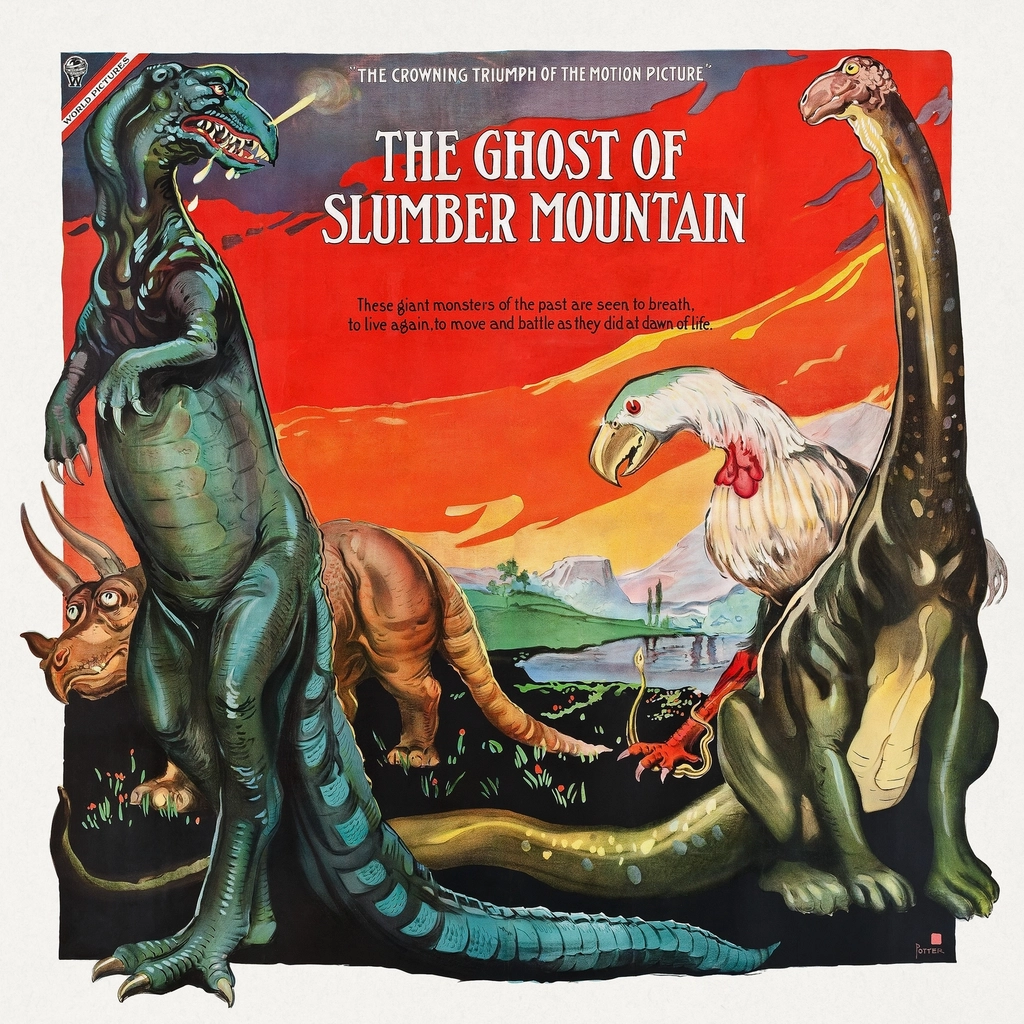
Many dinosaur comics serve dual purposes as entertainment and education, introducing readers to paleontological concepts in accessible ways. Series like “Dinosaur Train” comics teach children about different dinosaur species, their habitats, and the prehistoric timeline. These educational comics often work closely with scientists and museums to ensure accuracy while maintaining engaging storytelling.
The visual nature of comics makes them particularly effective for conveying complex scientific concepts. Readers can see dinosaur anatomy, behavior, and environments in ways that pure text cannot provide. This educational potential has made dinosaur comics valuable tools for science teachers and parents seeking to engage children with prehistoric life.
Modern Innovations: Where Dinosaur Comics Are Heading
![Modern Innovations: Where Dinosaur Comics Are Heading (image credits: did it myself based on [1],[2],[3],[4],[5],and [6], Public domain, https://commons.wikimedia.org/w/index.php?curid=993636)](https://dino-world.com/wp-content/uploads/2025/07/1752378990410_Achelousaurus_dinosaur.png)
Today’s dinosaur comics continue to evolve, incorporating new scientific discoveries and technological innovations. Virtual reality comics allow readers to experience prehistoric worlds in unprecedented ways, while augmented reality features bring dinosaurs off the page and into the real world. These technological advances are creating new possibilities for dinosaur storytelling that early comic creators could never have imagined.
Contemporary series are also exploring more sophisticated themes, using dinosaurs as metaphors for extinction, climate change, and humanity’s impact on the natural world. This evolution reflects the medium’s maturation and its audience’s growing sophistication, proving that dinosaur comics can tackle serious subjects while maintaining their fundamental appeal.
The Lasting Impact on Popular Culture
Dinosaur comics have fundamentally shaped how popular culture views these prehistoric creatures. The heroic dinosaurs of comics influenced later movies, television shows, and video games, creating a legacy that extends far beyond the comic book medium. Characters and concepts from dinosaur comics have become part of our collective imagination, influencing everything from children’s toys to major Hollywood productions.
This cultural impact demonstrates the unique power of comics to create lasting mythologies around scientific subjects. By making dinosaurs accessible and exciting, these comics have inspired countless readers to pursue careers in paleontology, biology, and related fields. The genre’s influence on popular culture continues to grow, with new generations of creators building upon the foundation laid by their predecessors.
The journey of dinosaurs through comic book history reveals a fascinating intersection between science, art, and popular culture. From their humble beginnings in 1930s adventure strips to today’s sophisticated digital narratives, these prehistoric creatures have proven their staying power in sequential art. They’ve educated millions of readers about paleontology while providing thrilling entertainment that spans generations. As our understanding of dinosaurs continues to evolve and new technologies emerge, comic creators will undoubtedly find fresh ways to bring these ancient giants to life on the page. The enduring appeal of dinosaur comics suggests that our fascination with these magnificent creatures will continue to inspire creators and captivate readers for generations to come. What new discoveries about dinosaurs do you think will reshape how they’re portrayed in tomorrow’s comics?