Picture this: You’re standing on a frozen wasteland where temperatures plummet to -40°F, where polar bears roam and the aurora borealis dances across endless winter nights. Now imagine that same landscape 70 million years ago, teeming with massive dinosaurs grazing under a surprisingly warm sun. This isn’t science fiction – it’s the revolutionary story of Arctic dinosaur discoveries that completely shattered our understanding of prehistoric life.
The Shocking Discovery That Stunned Scientists
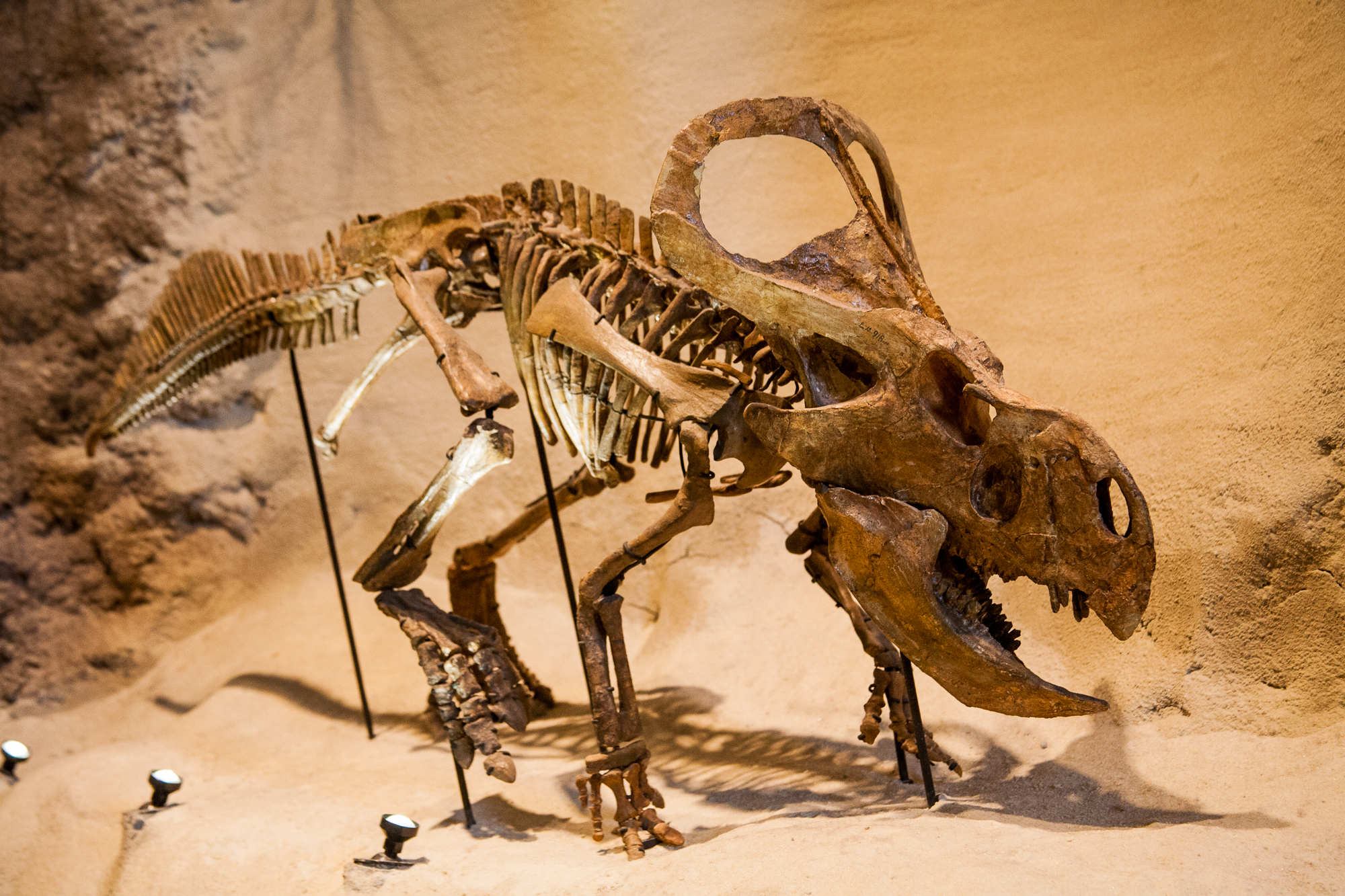
When paleontologist Robert DePalma first spotted unusual bone fragments jutting from the permafrost in northern Alaska, he nearly dismissed them as recent whale bones. The idea that dinosaurs could survive in polar regions was so radical that it challenged decades of established scientific thinking. These weren’t just any dinosaur remains – they were perfectly preserved specimens that would rewrite textbooks worldwide.
The discovery site, located on Alaska’s North Slope, revealed something extraordinary: complete dinosaur skeletons buried in what was once a polar ecosystem. Unlike fossils found in tropical regions, these remains showed clear evidence of creatures adapted to extreme seasonal changes. The implications were staggering – dinosaurs weren’t just warm-weather tropical animals confined to equatorial regions.
Breaking the Tropical Dinosaur Myth
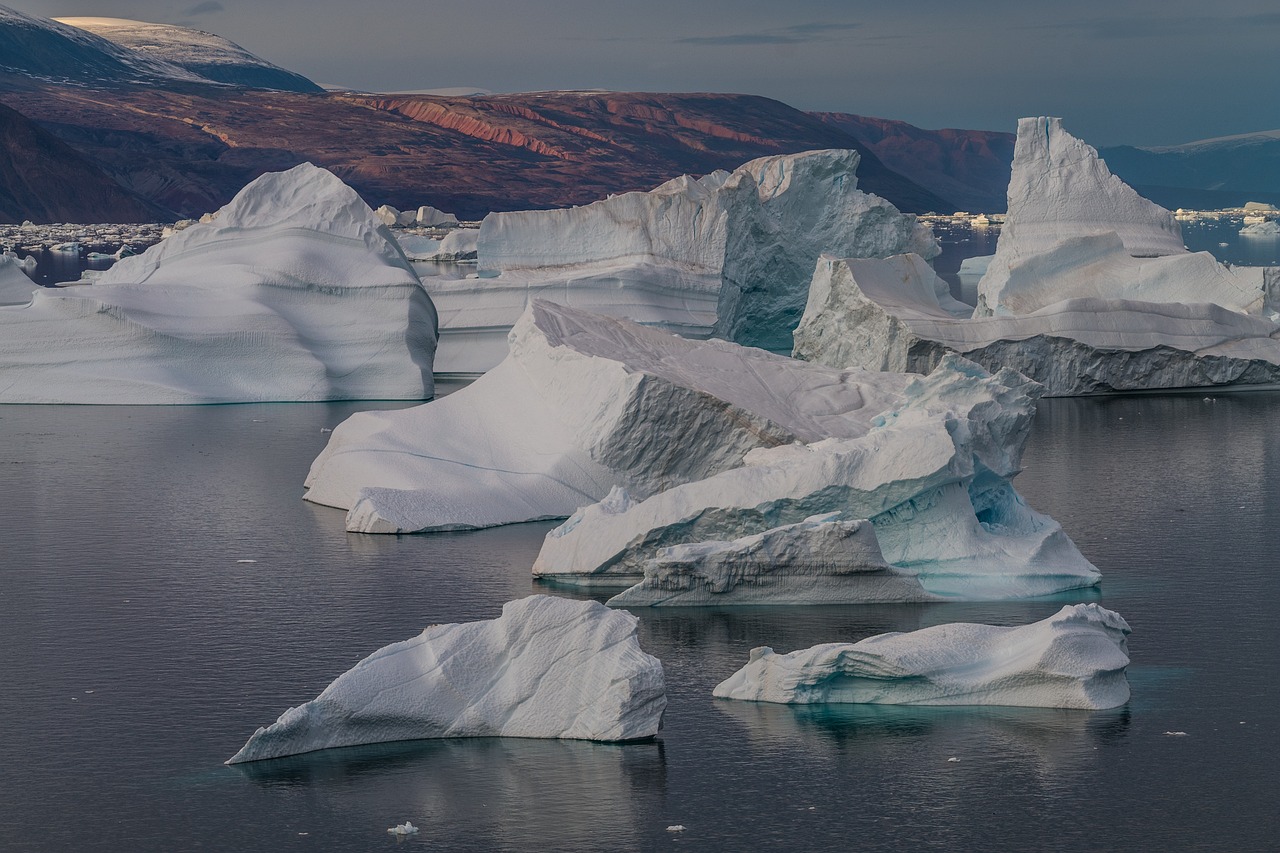
For over a century, scientists believed dinosaurs were exclusively tropical creatures, much like modern reptiles that bask in warm climates. This assumption seemed logical – after all, today’s crocodiles and lizards can’t survive freezing temperatures. The Arctic discoveries completely demolished this long-held belief, proving that dinosaurs were far more adaptable than anyone imagined.
The fossil evidence revealed sophisticated adaptations that allowed these ancient giants to thrive in polar conditions. Some species developed thick, insulating feathers, while others showed metabolic changes that enabled them to maintain body heat during harsh winters. This wasn’t just survival – it was evolutionary mastery of extreme environments.
The Polar Giants: Meet the Arctic Dinosaurs
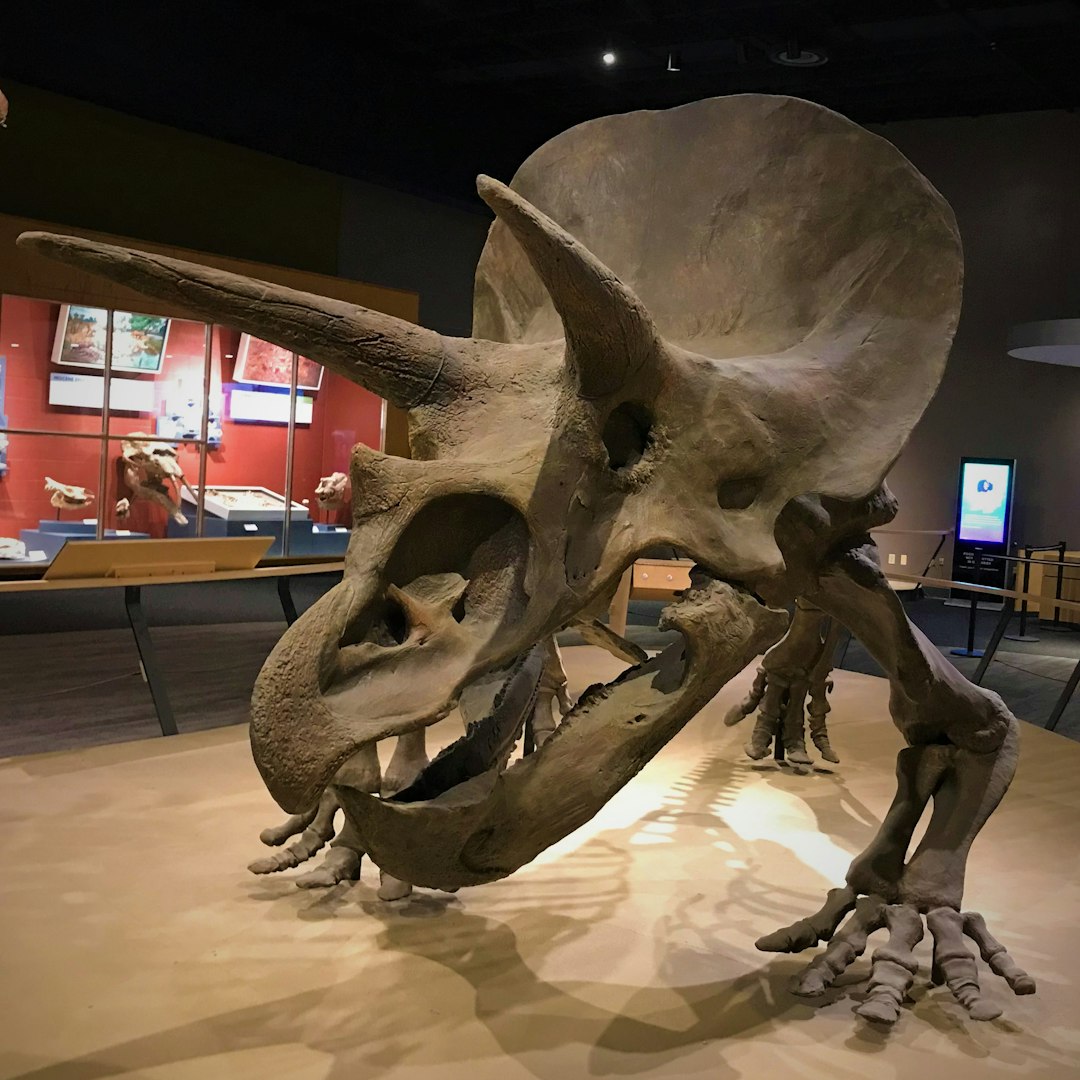
Among the most remarkable discoveries was Triceratops, the three-horned herbivore, found with specialized bone structures suggesting cold-weather adaptations. These weren’t smaller, struggling survivors – they were massive, thriving creatures that dominated their polar ecosystem. Their fossilized remains showed evidence of seasonal migration patterns, similar to modern caribou.
Equally stunning was the discovery of Edmontosaurus, a duck-billed dinosaur whose remains revealed sophisticated social behaviors adapted to polar life. These creatures lived in large herds, sharing body heat and working together to survive the harsh Arctic conditions. Their fossilized trackways told stories of organized group movements across frozen landscapes.
Feathered Dinosaurs in Frozen Wastelands
The Arctic fossils provided the first concrete evidence of fully feathered dinosaurs in polar regions. These weren’t the simple, hair-like proto-feathers found in warmer climates – these were complex, multi-layered insulation systems that rivaled modern bird feathers. The preservation quality was so exceptional that scientists could study individual feather structures under microscopes.
One particularly stunning specimen, a small theropod dinosaur, was found with its entire feather coat intact. The creature resembled a massive, prehistoric penguin, perfectly adapted for life in a polar environment. These discoveries proved that feathers evolved not just for flight, but as sophisticated climate control systems.
Warm-Blooded Revelations
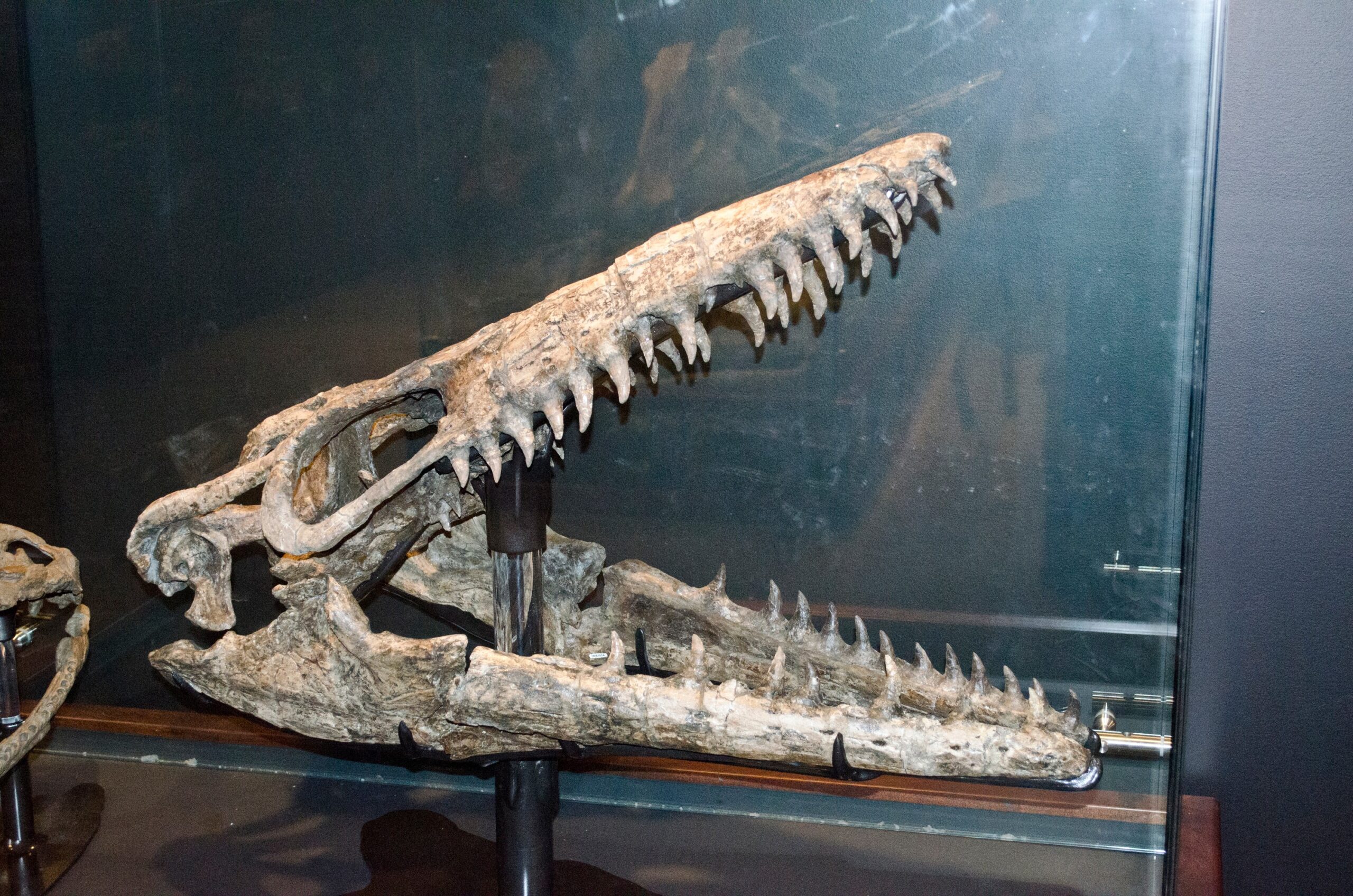
The Arctic dinosaur discoveries provided crucial evidence in the long-debated question of dinosaur metabolism. Cold-blooded creatures simply cannot survive in polar regions – the energy requirements are too demanding. The fact that dinosaurs not only survived but thrived in these conditions strongly suggests they were warm-blooded, or at least had advanced metabolic control systems.
Bone analysis revealed growth patterns consistent with warm-blooded animals, showing rapid growth rates even during cold seasons. This metabolic evidence, combined with their polar success, painted a picture of dinosaurs as dynamic, energy-efficient creatures far removed from the sluggish, cold-blooded image once portrayed in popular culture.
The Great Migration Mystery
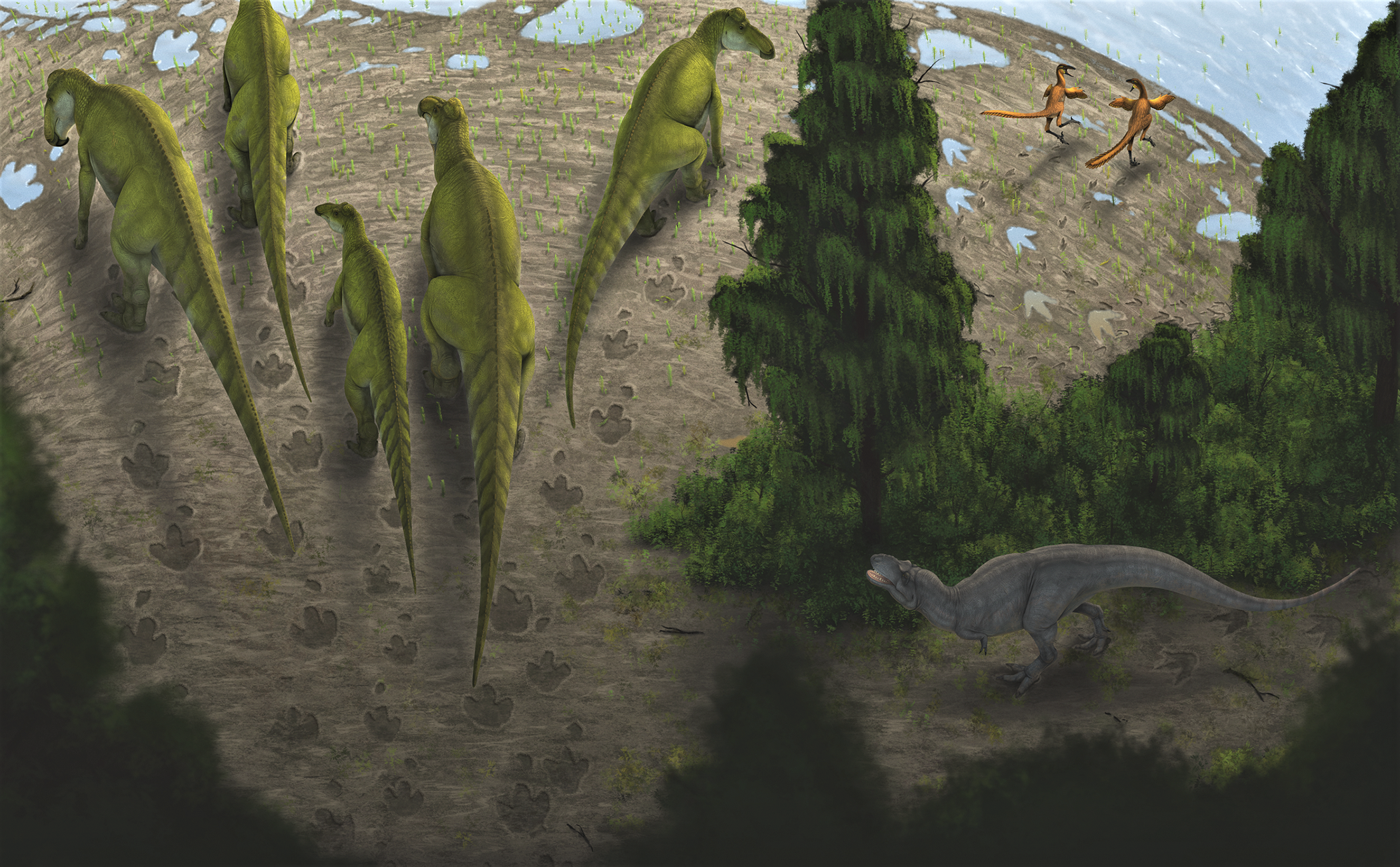
Perhaps the most intriguing aspect of Arctic dinosaur life was their migration patterns. Fossil evidence suggests massive seasonal movements, with entire herds traveling thousands of miles to escape the harshest winter conditions. These migrations would have been among the most spectacular natural phenomena in Earth’s history, involving creatures weighing several tons moving across vast frozen landscapes.
The logistics of such migrations boggle the mind. How did a 30-foot-long Triceratops navigate across frozen rivers and snow-covered mountains? The fossil evidence suggests sophisticated navigation abilities and social coordination that rivals modern migratory animals. These weren’t mindless beasts – they were intelligent, social creatures with complex survival strategies.
Baby Dinosaurs in the Arctic
One of the most heartwarming discoveries was evidence of dinosaur nurseries in polar regions. Fossilized nests containing baby dinosaur remains proved that some species didn’t migrate – they stayed and raised their young in the Arctic. This discovery revealed unprecedented parental care behaviors, with adult dinosaurs protecting their offspring through months of polar winter.
The baby dinosaur fossils showed rapid growth rates, suggesting parents provided constant care and possibly even shared body heat to keep their young warm. These family structures were more complex than anything seen in modern reptiles, resembling the sophisticated parental care of modern birds and mammals.
Ancient Climate Clues
The Arctic dinosaur sites have become treasure troves of climate information, revealing what Earth’s polar regions looked like millions of years ago. The presence of dinosaurs indicates that Arctic temperatures were significantly warmer than today, with average temperatures possibly 20-30 degrees higher than current levels. However, the region still experienced months of darkness during polar winters.
Plant fossils found alongside dinosaur remains paint a picture of lush polar forests, complete with giant sequoias and ferns. This wasn’t the tropical paradise of equatorial regions, but rather a unique ecosystem adapted to extreme seasonal light variations. The dinosaurs weren’t just surviving in this environment – they were perfectly integrated into it.
Revolutionary Preservation

The Arctic’s unique preservation conditions have created an unprecedented fossil record. The combination of rapid burial, permafrost, and minimal geological disturbance has preserved dinosaur remains in extraordinary detail. Scientists have recovered soft tissue, skin impressions, and even possible DNA fragments from these Arctic specimens.
This exceptional preservation has allowed researchers to study dinosaur biology in ways never before possible. Muscle attachment points, blood vessel patterns, and even stomach contents have been preserved, providing intimate details about how these creatures lived and died. Each new discovery adds another piece to the puzzle of dinosaur life in extreme environments.
The Dinosaur-Bird Connection
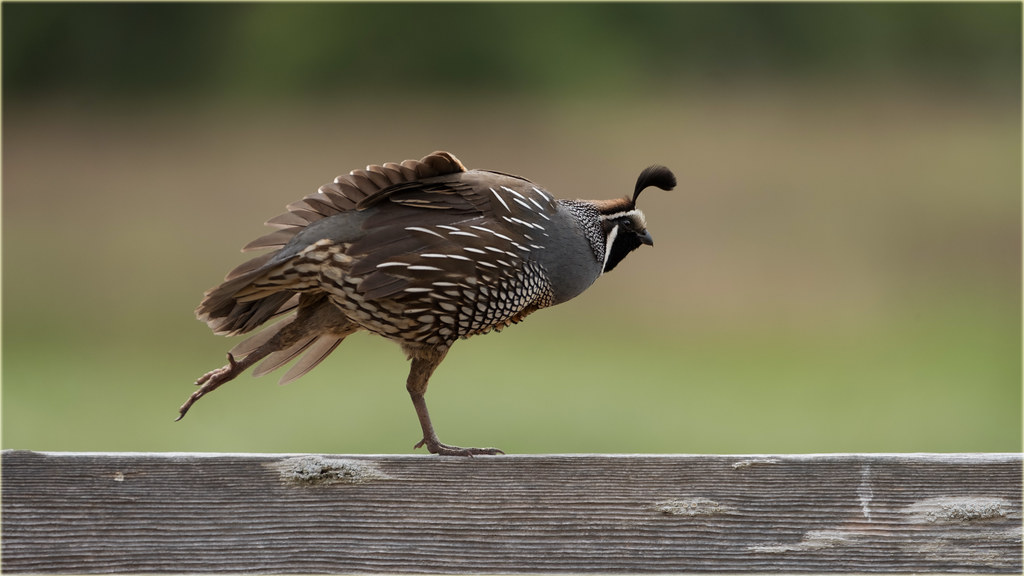
Arctic dinosaur discoveries have strengthened the evolutionary link between dinosaurs and modern birds. Many of the adaptations seen in polar dinosaurs – sophisticated feather systems, complex social behaviors, and advanced parental care – are direct precursors to modern bird characteristics. The Arctic served as an evolutionary laboratory where many bird-like traits first developed.
The most compelling evidence comes from small theropod dinosaurs that show remarkable similarities to modern Arctic birds. Their bone structure, feather arrangement, and even their nesting behaviors mirror those of contemporary polar species. This suggests that the harsh Arctic environment drove evolutionary innovations that ultimately led to the rise of modern birds.
Changing Everything We Know

These Arctic discoveries have fundamentally changed paleontology, forcing scientists to reconsider almost everything they thought they knew about dinosaur biology and behavior. The old image of dinosaurs as slow, cold-blooded creatures confined to tropical swamps has been completely replaced by a new understanding of them as dynamic, adaptable animals capable of conquering any environment on Earth.
Museum exhibits worldwide have been redesigned to reflect these new discoveries, showing dinosaurs in snowy landscapes alongside their traditional tropical settings. Children’s books now feature feathered dinosaurs building snow nests, a concept that would have been laughable just decades ago. The Arctic fossils have literally rewritten the dinosaur story for a new generation.
Modern Implications
The study of Arctic dinosaurs has profound implications for understanding modern climate change and animal adaptation. If dinosaurs could adapt to extreme polar conditions millions of years ago, what does this tell us about current species facing rapid environmental changes? The fossil record provides a unique laboratory for studying long-term adaptation strategies.
Conservation biologists are now studying dinosaur adaptation mechanisms to better understand how modern species might respond to changing climates. The Arctic dinosaur discoveries have become an unexpected resource for protecting today’s endangered species, offering insights into survival strategies that worked for millions of years.
The Future of Arctic Paleontology

As climate change melts Arctic permafrost, new dinosaur discoveries are emerging at an unprecedented rate. Each summer brings fresh revelations as previously frozen fossil sites become accessible to researchers. The race is on to excavate these treasures before they’re lost to erosion and decay.
Advanced technologies like ground-penetrating radar and satellite imagery are revolutionizing Arctic fossil hunting. Scientists can now identify potential fossil sites from space, dramatically increasing the rate of discovery. The next decade promises to reveal even more stunning evidence of dinosaur life in polar regions.
Conclusion: A New Age of Discovery

The Arctic dinosaur discoveries represent more than just exciting fossil finds – they’ve fundamentally transformed our understanding of life’s ability to adapt and thrive in extreme environments. These remarkable creatures didn’t just survive in polar conditions; they flourished, creating complex ecosystems that challenge our assumptions about the limits of life on Earth.
From feathered giants migrating across frozen landscapes to devoted parents raising young through polar winters, these discoveries paint a picture of dinosaurs as remarkably sophisticated creatures. The Arctic fossils have given us a new appreciation for the ingenuity of evolution and the incredible diversity of life that once existed on our planet.
As we continue to uncover these frozen treasures, each new discovery adds another layer to the incredible story of dinosaur survival and adaptation. The Arctic has become paleontology’s most exciting frontier, where the impossible becomes possible and our understanding of ancient life continues to evolve. Who knows what other revolutionary discoveries lie buried beneath the ice, waiting to change everything we think we know about the age of dinosaurs?