When most people think of dinosaurs, they picture massive jaws, thundering footsteps, and the kind of brute force that would shake the earth. Honestly, that image is hard to shake. Hollywood burned it into our brains so effectively that almost everything else about these animals got lost in the noise.
Here’s the thing though: the real story of dinosaurs is far more astonishing than any movie has ever managed to capture. You’d be surprised to learn just how sophisticated, sensory, social, and even stealthy these creatures actually were. So let’s dive in.
Surprising Sensory Superpowers Hidden in Plain Sight
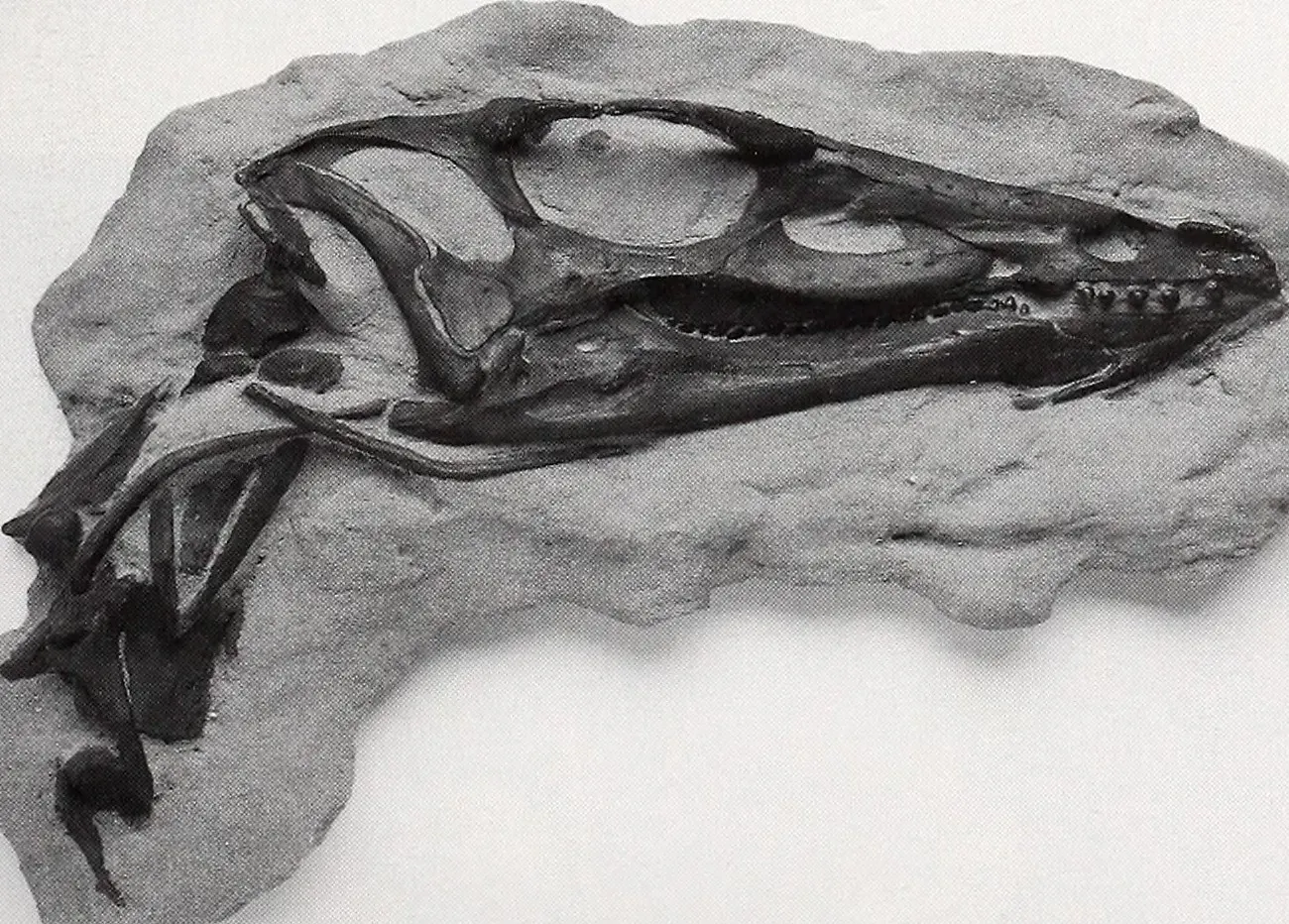
You might assume that a creature weighing several tons didn’t need much more than size to dominate. Think again. Research has revealed that some dinosaurs possessed serious sensory superpowers, with new technology showing that certain species could have been thriving in environments as challenging as underground life, surviving right beneath the feet of their fearsome predators. Scientists used CT scanning to reconstruct the soft tissue of a well-preserved skull from a species called Thescelosaurus neglectus, and what they found was startling.
A species long dismissed as plain and boring had its reputation completely upended, with fascinating sensory discoveries suggesting it lived a unique and successful life underground. It was the first time research had ever linked specific sensory development to subterranean behaviors in any dinosaur. Let’s be real: the idea that a creature was quietly thriving under the soil while T. rex stomped overhead is almost poetic.
Advanced Color Vision That Puts Humans to Shame
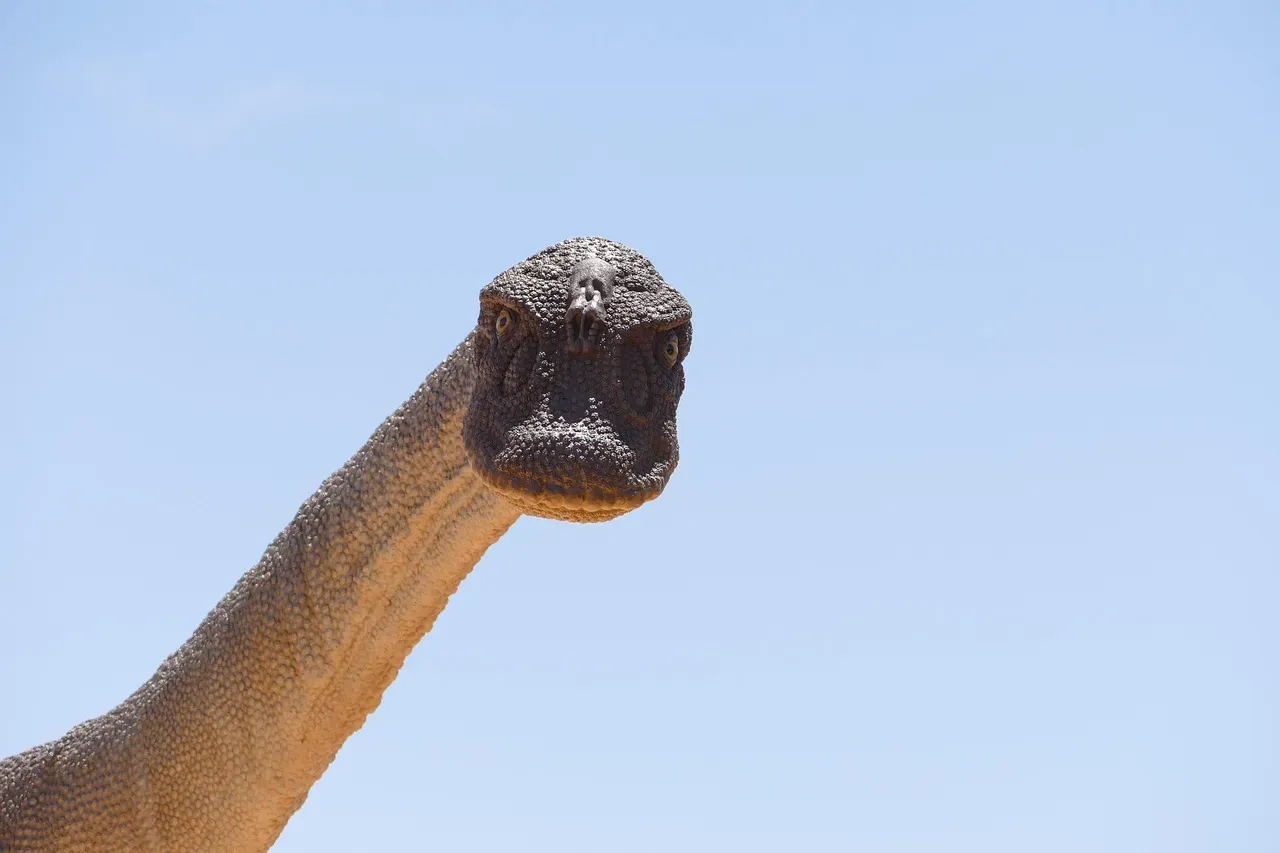
Researchers postulate that dinosaurs had a highly developed ability to discern color, and that the evolution of feathers made them more colorful, which in turn had a profoundly positive impact on communication, the selection of mates, and their overall procreation. Think about that for a moment. They weren’t just seeing the world in muted greens and browns like we might imagine.
After analyzing dinosaurs’ genetic relationships to reptiles and birds, researchers determined that dinosaurs not only possessed three color receptors for red, green, and blue as the human eye does, but likely could also see extremely short-wave and ultraviolet light by means of an additional receptor. You could be forgiven for feeling a little envious. Similarly to modern birds, dinosaurs in the early Cretaceous period probably had tetrachromatic vision, meaning they could see four colors, which might have given them a significant advantage over today’s mammalian predators, which tend to have poorer vision.
Master Camouflage Artists of the Prehistoric World
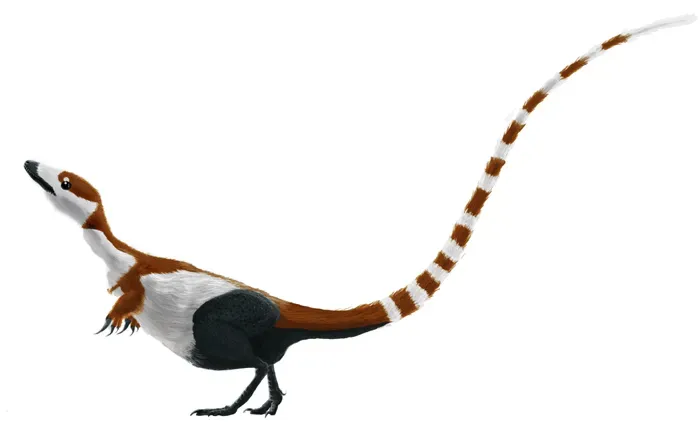
Researchers from the University of Bristol revealed how the small feathered dinosaur Sinosauropteryx used its color patterning, including a bandit mask-like stripe across its eyes, to avoid being detected by predators and prey alike. By reconstructing its likely color patterning, researchers showed that it had multiple types of camouflage which likely helped it survive in a world full of larger meat-eating dinosaurs. This is far from the gray, lumbering beast of old picture books.
Sinosauropteryx was countershaded, dark on top and light underneath, and it also sported a bandit mask on its face, resembling that of a raccoon. This countershading is a camouflage strategy seen in many modern animals, which cancels out the shadow cast by the body, making the animal less three-dimensional and harder to spot by predators. It’s the exact same trick used by deer, certain sharks, and even military aircraft today. Evolution doesn’t waste a good idea.
Feathers That Were Never Meant for Flying
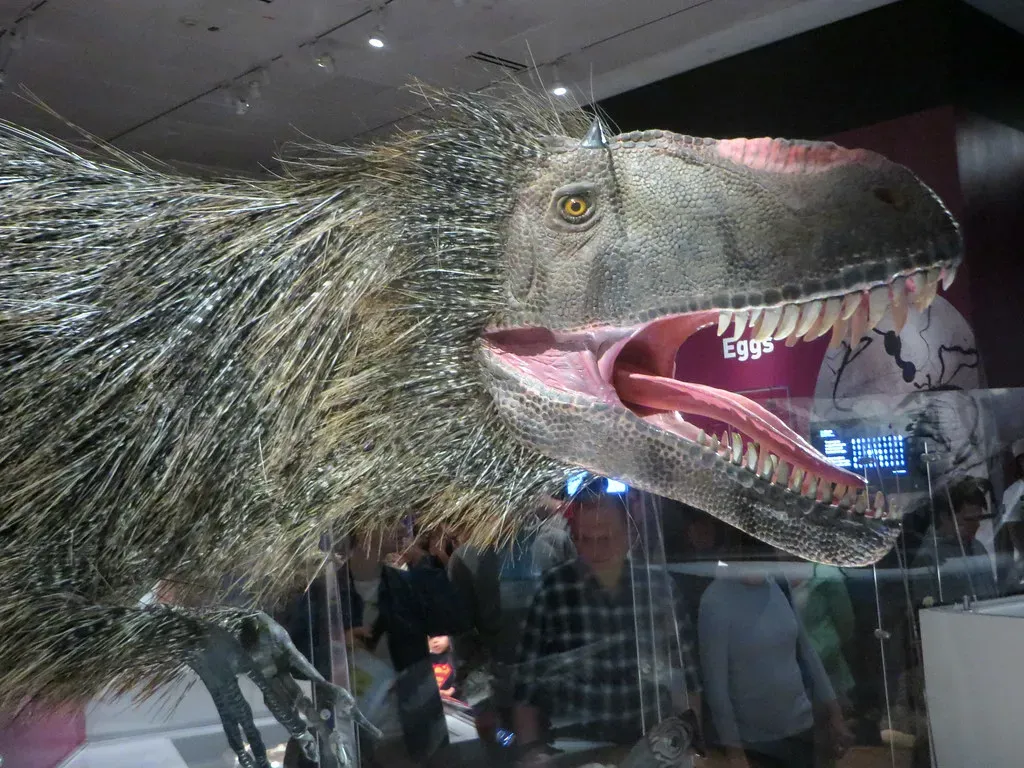
Paleontologists have found feathers and related structures on many dinosaurs that never would have flapped into the air, like the 30-foot-long Yutyrannus. Among these flightless dinosaurs, plumage served a variety of other functions, from keeping warm to camouflage. It’s a bit like wearing a wool coat not because you’re planning to ski, but because the winter is brutal.
Feathers likely played a significant role in helping dinosaurs maintain their body temperatures. Much like a modern-day bird fluffing its feathers to keep warm, dinosaurs with feathers could have used them for insulation. This would have been especially advantageous during colder periods or in regions with fluctuating climates. The insulating properties of feathers might have contributed significantly to the survival success of feathered dinosaurs. The more you look at it, the more their feathers read like a Swiss Army knife of evolution.
Unexpected Night Vision and Low-Light Hunting
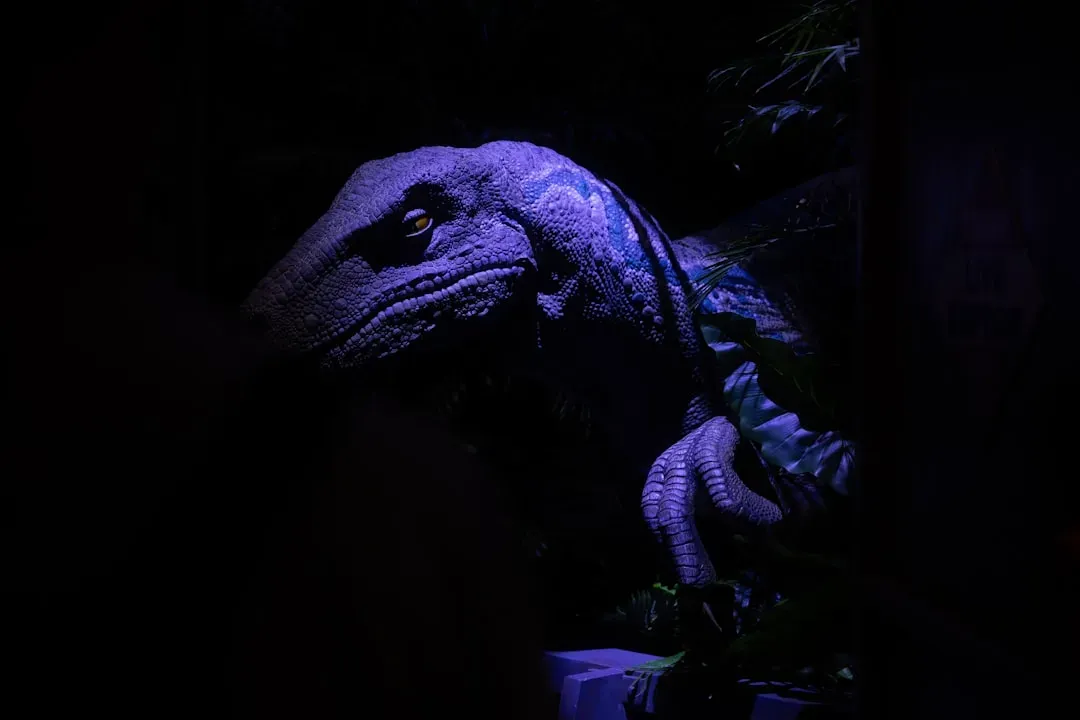
Dinosaurs, lizards, and birds all have bony rings in their eyes that mammals lack, and by comparing the dimensions of these rings in raptors’ eyes with those of today’s animals, researchers were able to determine that they were capable of nighttime vision that rivaled modern stealth hunters. That changes the story considerably. Raptors weren’t the only ones stalking the Mesozoic by moonlight; other predators had night vision too, like the Troodon, which evolved super-wide eyes in order to see in the dark of a polar winter.
Studies of dinosaur eye sockets and brain size suggest that some dinosaurs may have been adapted for nocturnal activity. Imagine an ancient predator slipping through complete darkness, eyes scanning, while everything around it was blind. That’s not the sluggish reptile of early textbooks. That’s something altogether more frightening and more fascinating. I think this is one of the most underappreciated revelations in modern paleontology.
Remarkable Intelligence and Social Brain Power
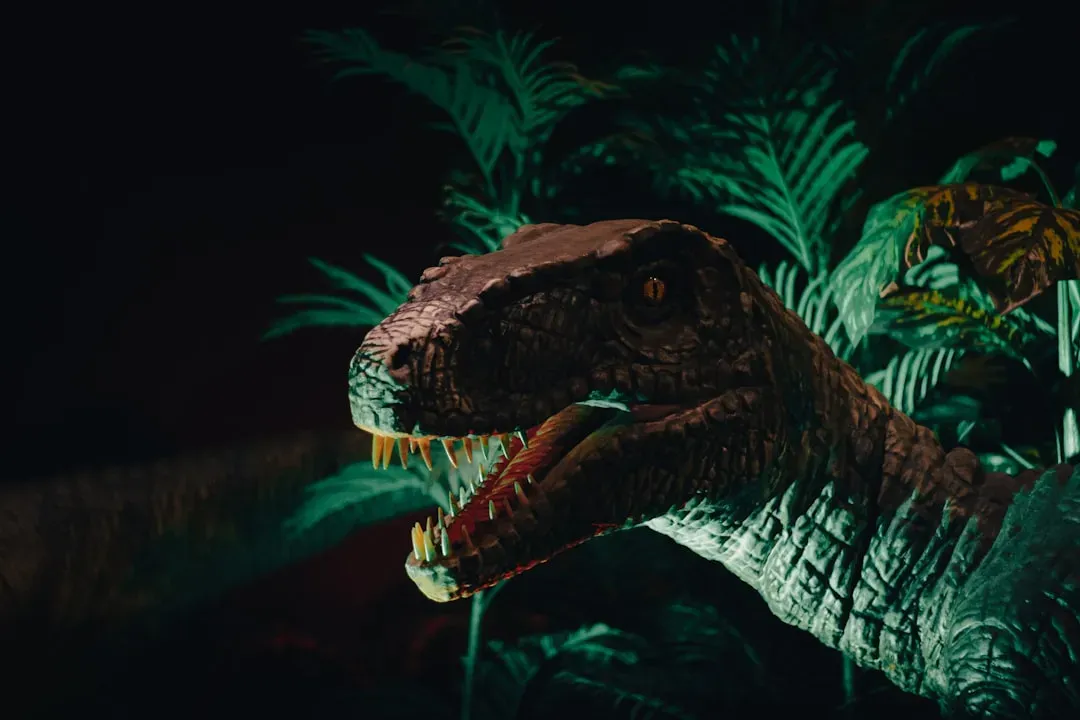
Over the past fifty years, the scientific view of dinosaur intelligence has undergone considerable transformation. While dinosaurs were once considered to be slow-witted, slow-moving reptiles, many species are now recognized to have functioned at an avian level of behavioral complexity. That places them firmly in the company of modern birds, many of which, like crows and parrots, are capable of genuinely impressive cognitive feats.
By comparing the relationship between brain size, number of neurons, and body size in numerous bird and reptile species, researchers have concluded that a large dinosaur such as Tyrannosaurus rex could have housed two to three billion neurons in its pallium, a number similar to that of a baboon. If so, it’s possible that large dinosaurs were highly intelligent animals. That’s a number that should make you pause. A T. rex with a baboon-level mind is a very different creature from the roaring scenery-chewer we grew up watching.
Sophisticated Communication Systems
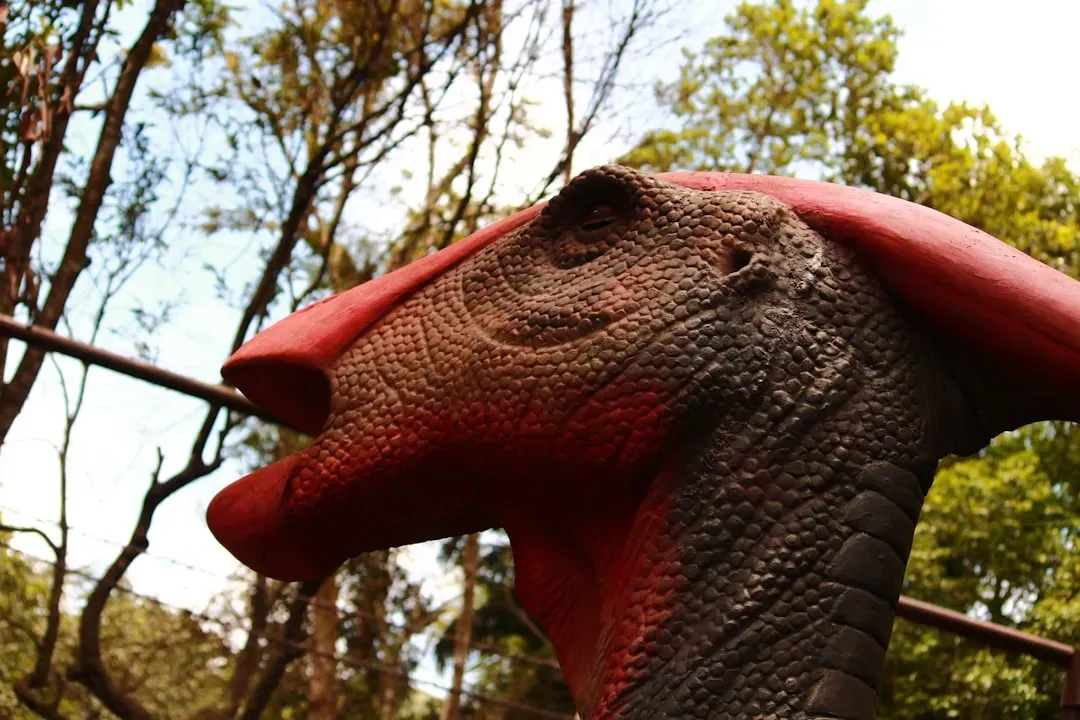
Paleontologists have uncovered evidence suggesting that dinosaurs possessed a diverse array of communication methods, from vocalizations and visual displays to potential chemical signaling. You can almost picture it: elaborate crests flashing, tails lashing, deep resonating calls rolling across an ancient plain. The bony crest on the hadrosaur Parasaurolophus formed a long resonating tube that connected to the nasal cavity, somewhat like a built-in didgeridoo that produced a deep, somber note whenever the animal breathed through it.
Studies suggest that dinosaurs with feathers may have used them as visual signals to attract potential mates or intimidate rivals. Fossils have revealed the presence of vivid colors, such as red crowns or iridescent feathers, indicating the importance of color in their communication. Furthermore, feathers were likely used for elaborate displays and showmanship. Some dinosaurs had long feathers on their forearms that could have been used to capture attention during mating rituals or territorial displays. It sounds more like a courtship dance than the behavior of a mindless killing machine.
Devoted Parenting and Complex Family Structures
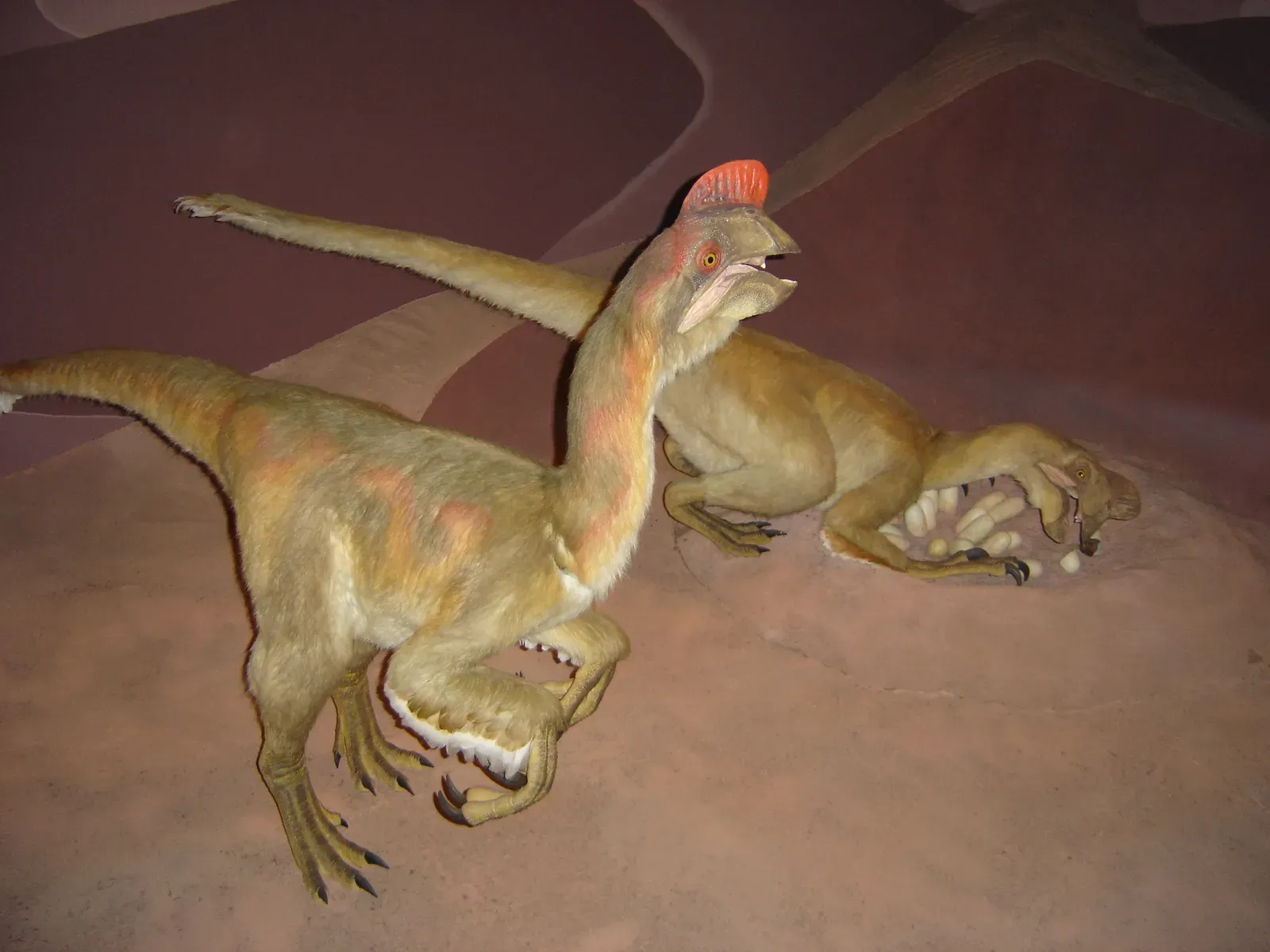
The discovery and study of dinosaur nesting sites has indicated that theropod, sauropod, and ornithopod dinosaur species nested in groups and engaged in maternal care of hatchlings, with some evidence suggesting bi-parental care. That’s right. Some dinosaurs were, by all available evidence, genuinely attentive parents. The duck-billed Maiasaura, whose name means “good mother lizard,” is one of the best-known examples of parental behavior. These Late Cretaceous dinosaurs are thought to have nested in large colonies, with parents possibly providing extensive food and protection for their hatchlings.
One remarkable Citipati fossil was discovered preserved at the center of a ring of eggs, with its arms wrapped around the precious clutch. This parent had been shielding the eggs when it perished in a sandstorm. That image is extraordinary when you sit with it. A creature millions of years removed from us, dying in the act of protecting its young. Evidence suggests that dinosaurs stayed together in family groups, with larger adults protecting juveniles, and in some cases the tracks indicate that adult dinosaurs actively shielded their young from predators.
Conclusion
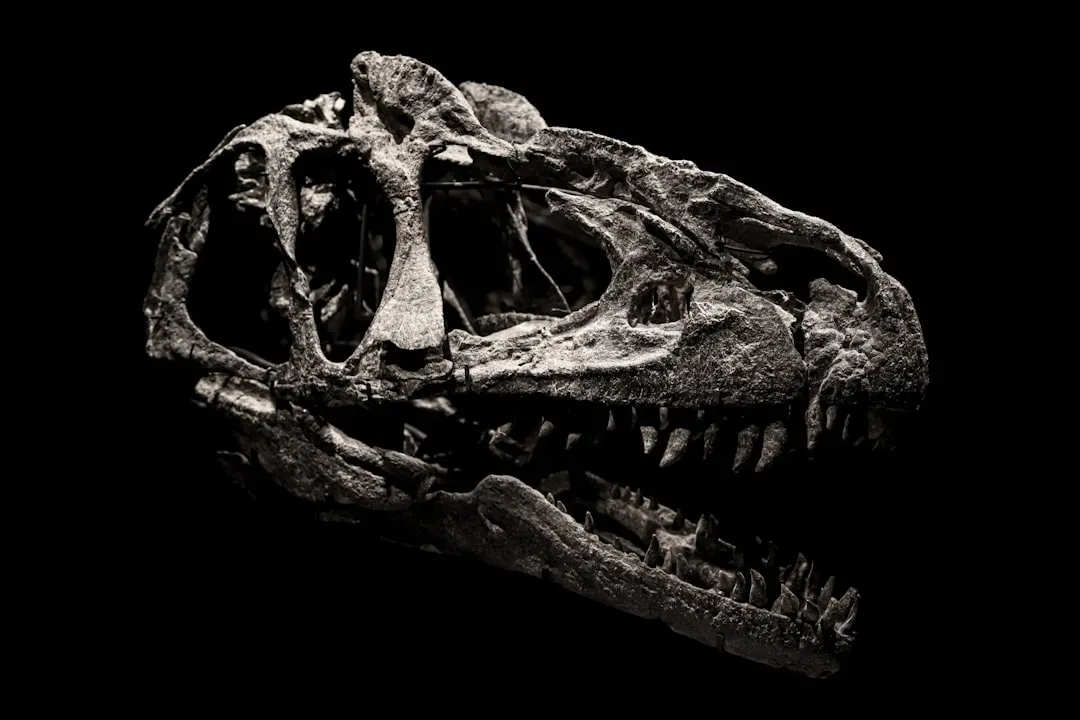
The dinosaurs you grew up fearing and admiring were only half the story. The other half is still being excavated, scanned, and reconstructed from ancient bones and footprints, and it turns out to be richer than almost anyone expected. They communicated, they strategized, they parented, they hid, and they perceived the world in colors you and I will never see.
Science keeps revising the picture, and every revision makes these creatures more compelling, not less. The real dinosaurs weren’t just monsters. They were extraordinarily capable animals shaped by hundreds of millions of years of relentless evolution. Perhaps the most thought-provoking takeaway is this: if creatures this sophisticated once roamed our planet and we only recently began to understand them, what other wonders are still buried just beneath our feet? What do you think? Drop your thoughts in the comments below.