Most people picture dinosaurs stomping through steaming jungle valleys or baking desert plains. You probably imagine them somewhere warm, dramatic, and distinctly tropical. So when you hear that these prehistoric giants once roamed across every single continent on Earth, including the frozen, ice-locked landmass we now call , it can genuinely stop you in your tracks.
The truth is, the story of dinosaurs is far bigger, far stranger, and far more global than any museum display could fully capture. It stretches from the dense fossil beds of North America to the remote, wind-blasted peaks of the Transantarctic Mountains. And the closer you look, the more fascinating it gets. Stick around, because this story is only getting started.
One Giant Supercontinent: The Starting Point of It All
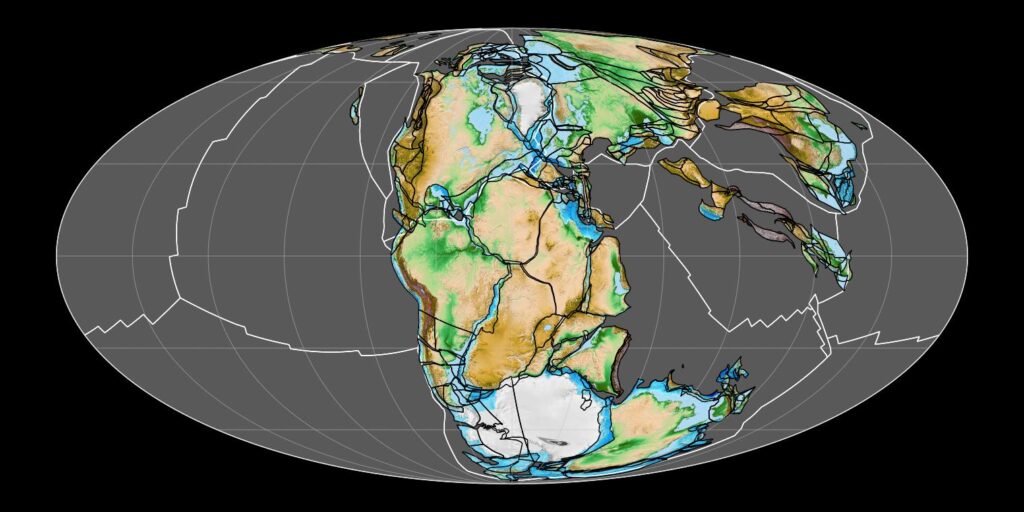
To understand how dinosaurs ended up literally everywhere, you have to rewind the clock by roughly 230 million years. Dinosaurs lived on all of the continents. At the beginning of the age of dinosaurs, during the Triassic Period about 230 million years ago, the continents were arranged together as a single supercontinent called Pangea. Think of it like this: every landmass you can name today was essentially glued together into one enormous slab of earth. No oceans between them. No barriers at all.
The unified landmass of Pangaea facilitated unprecedented migration opportunities for early dinosaurs, allowing successful lineages to expand across vast territories without oceanic barriers. This continental connectivity explains the remarkably cosmopolitan distribution of many early dinosaur groups. Honestly, it’s a bit like releasing one species into a single connected park and watching it spread to every corner. They had nowhere to go but everywhere.
Pangaea assembled from earlier continental units during the Carboniferous period approximately 335 million years ago, and began to break apart about 200 million years ago, at the end of the Triassic and beginning of the Jurassic. That breakup would change everything about how dinosaurs evolved, but by then, the seeds of global distribution had already been planted.
The Age of Dinosaurs: A Global Takeover
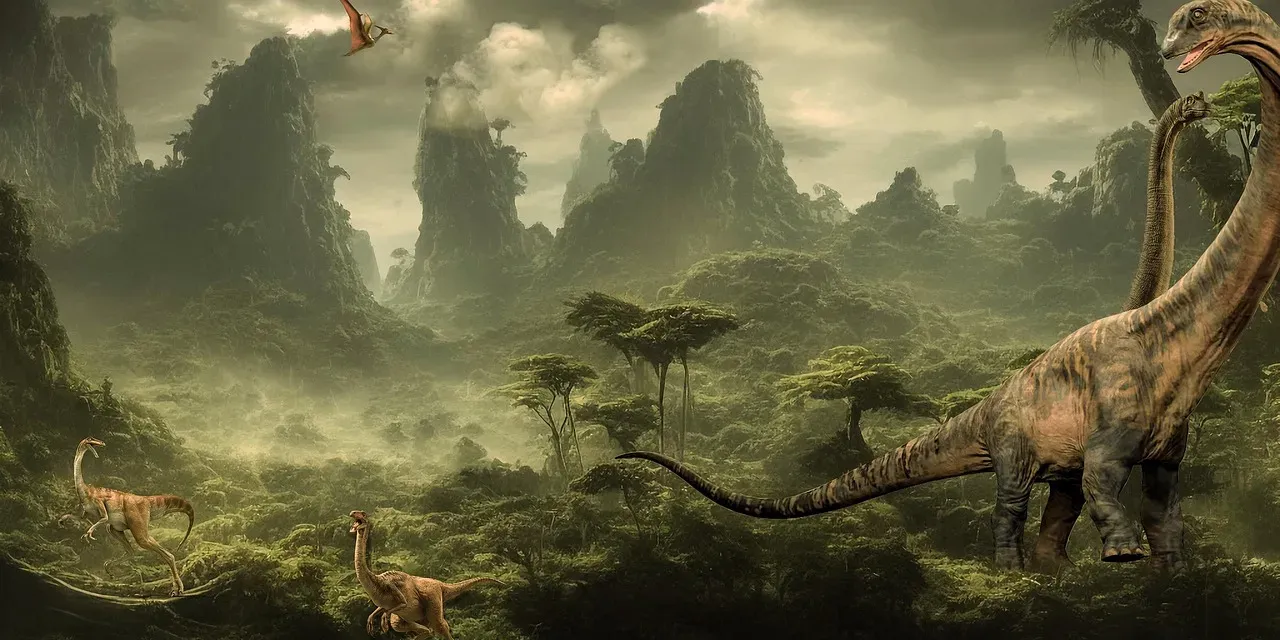
Fossils show that dinosaurs had achieved global distribution by the Early Jurassic epoch at latest. That is a staggering fact when you sit with it. By the time the Jurassic period was in full swing, these creatures had already spread across what would become every modern continent. Using fossil evidence, paleontologists have identified over 900 distinct genera and more than 1,000 different species of non-avian dinosaurs.
The earliest known dinosaur fossils come from Argentina, so it follows that South America is thought to be where they originated. There is, however, a rich fossil record of dinosaur specimens which have been and continue to be found all over the world. How did one ancestral species that existed more than 230 million years ago produce hundreds of subsequent species that spread from South America to become the dominant, terrestrial organisms across the entire globe? That is the central mystery driving paleontology today.
Extinctions within the Triassic allowed the dinosaurs to expand into many niches that had become unoccupied. Dinosaurs became increasingly dominant, abundant, and diverse, and remained that way for the next 150 million years. Let’s be real, that kind of staying power is almost incomprehensible. For perspective, modern humans have been around for roughly 300,000 years.
When Was a Lush, Warm World
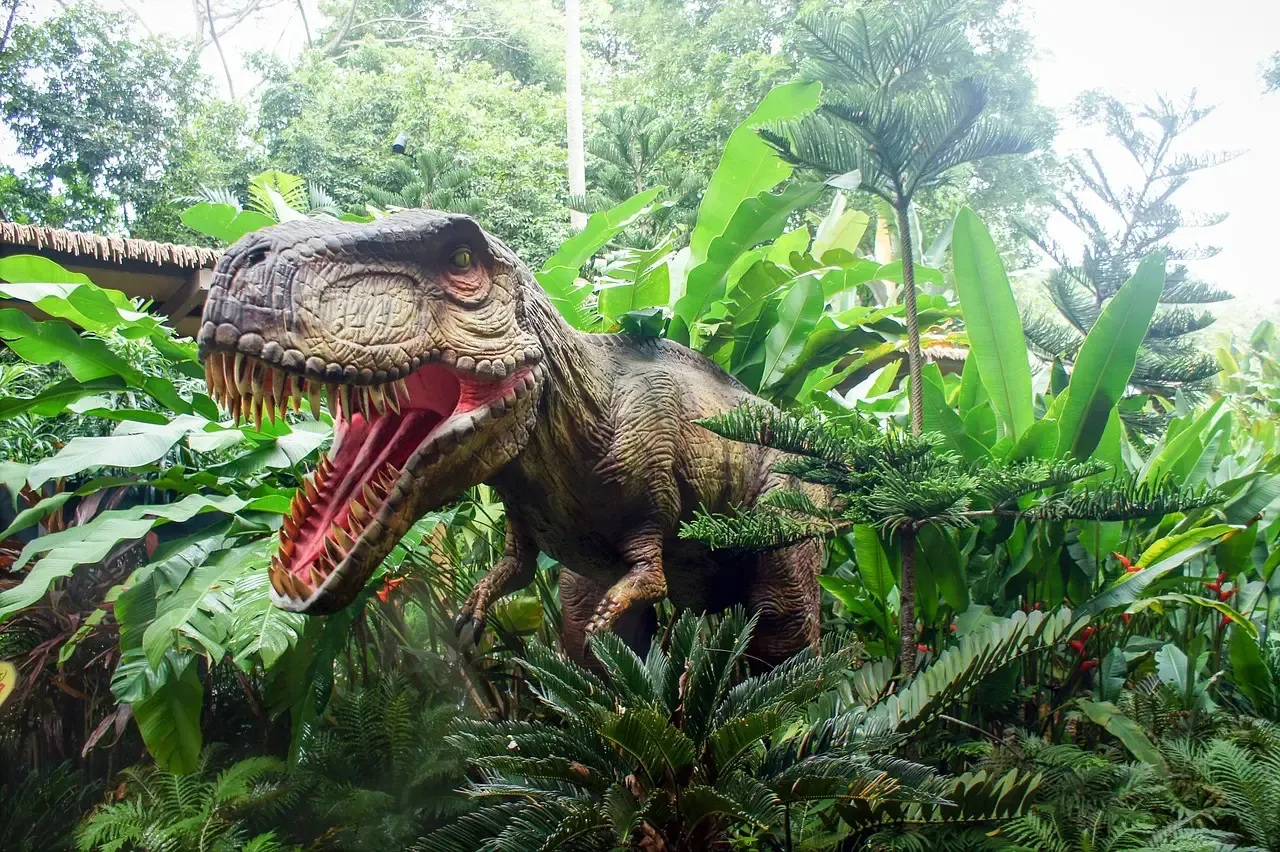
Here is the thing that blows most people away. People are often surprised that dinosaurs once lived in , because it has such a frozen, inhospitable environment today. But fossils tell us that at one time, looked quite different. We are not talking about slightly different. We are talking about a completely transformed planet.
was not covered in ice. Earth had no polar ice caps back then. In fact, most regions of the globe were much hotter and drier than they are today. by comparison offered a lush, temperate environment. Can you imagine? The place we now associate with brutal subzero survival was once a relative paradise compared to drier regions of the ancient world.
Scientists have discovered remnants of a swampy temperate rainforest that thrived in about 90 million years ago. They were surprised to find fossil remnants of this forest in a sediment core sample retrieved from the ocean floor in the Amundsen Sea off the coast of West . Temperate rainforests and even palms once covered parts of , providing habitat for dinosaurs and a plethora of other creatures.
The First Discoveries: Unearthing ‘s Dinosaur Past
Fossils of a Late Cretaceous ankylosaur, Antarctopelta, found on James Ross Island off the Antarctic Peninsula in 1986 were the initial dinosaur remains identified in . Think about the sheer remoteness of that discovery. You are talking about researchers braving one of the most extreme environments on Earth just to chip rock from a frozen island. So far, eight dinosaur species have been found. The first was Antarctopelta, meaning “Antarctic shield,” discovered in 1986 among rocks assigned to the Upper Cretaceous, and this find took scientists several field seasons to collect because of the difficult weather.
In 1990 to 1991, scientists made the first discoveries of dinosaur fossils in the central Transantarctic Mountains of . A site on Mt. Kirkpatrick, near the Beardmore Glacier, yielded the bones of Cryolophosaurus ellioti, a species wholly new to science. The team found the remains in a rock formation around the altitude of 4,000 meters high and about 640 km from the South Pole. That is not exactly an easy dig site.
The fossils were painstakingly removed from the ice and rock using jackhammers, rock saws, and chisels under extremely difficult conditions over two field seasons. Every single bone pulled from that frozen mountain required extraordinary effort. It makes the discovery feel even more earned, more meaningful.
Meet the Antarctic Dinosaurs Themselves
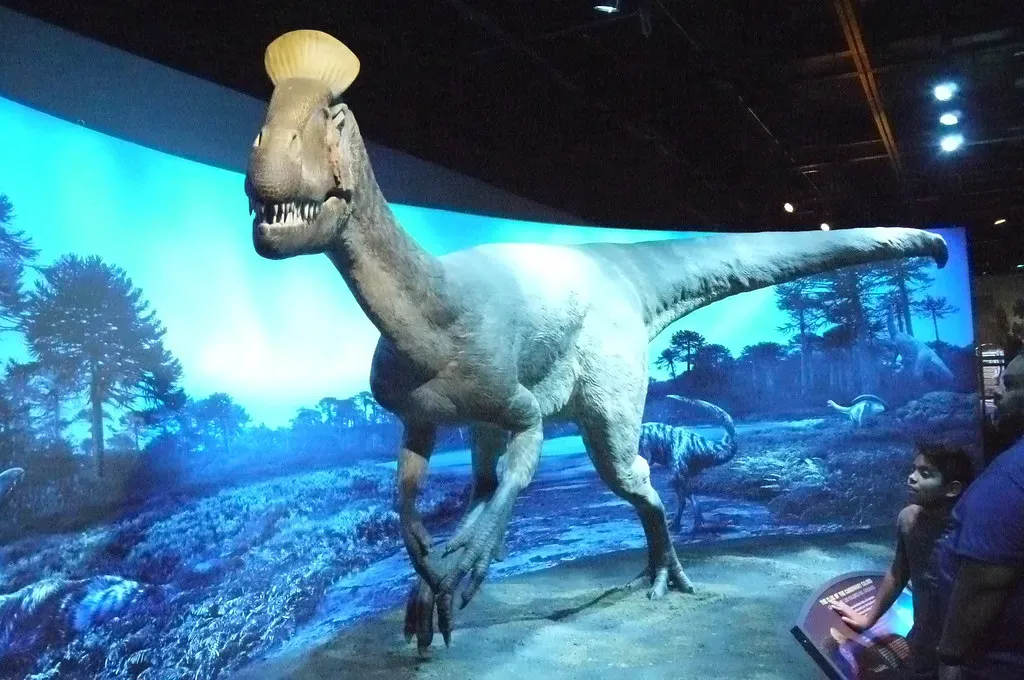
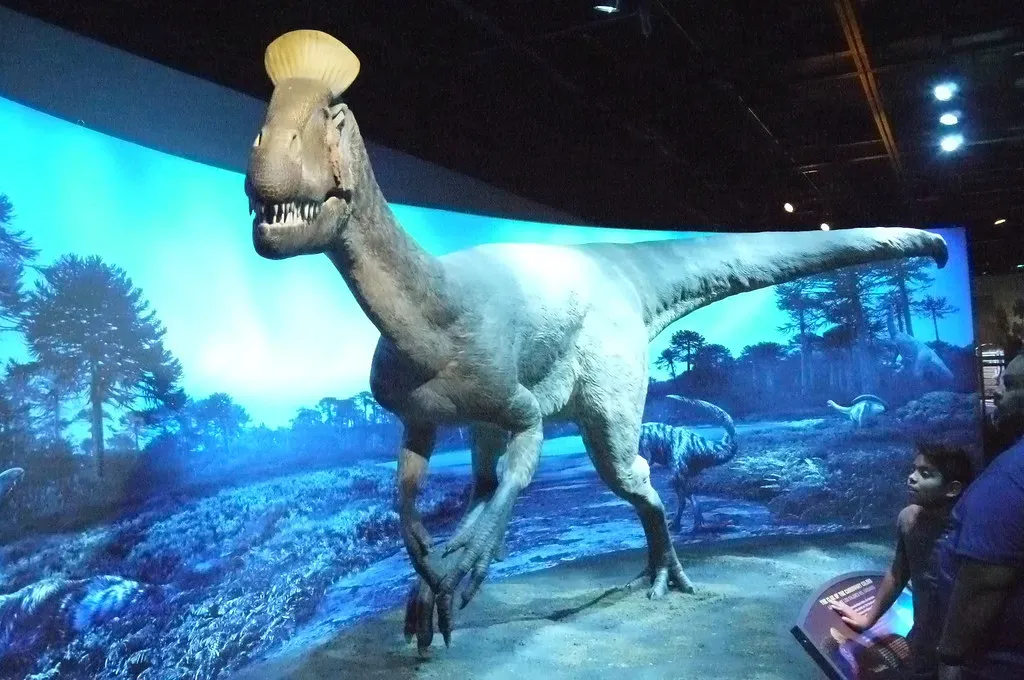
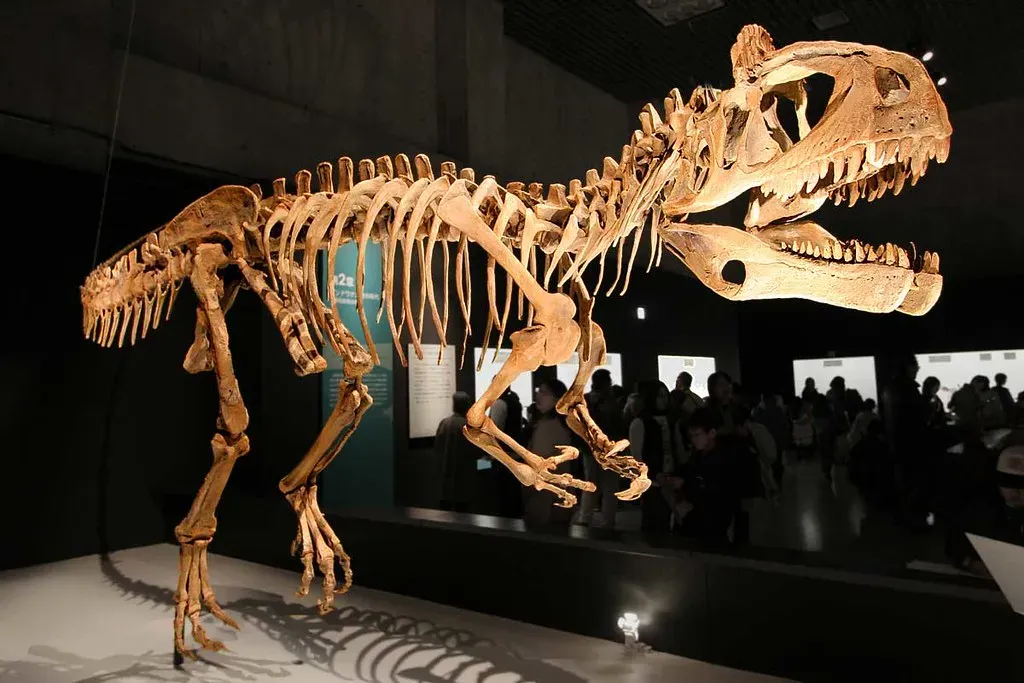
You might be wondering exactly who these Antarctic dinosaurs were. Two dinosaurs have been found from the Jurassic Period in : the aptly named plant-eating Glacialisaurus and the 21-foot-long crested meat-eater Cryolophosaurus. Weighing in at more than 1,000 pounds, Cryolophosaurus was one of the largest theropods of its time. This dinosaur is also notable for its head crest, which looks a bit like a Spanish comb.
Cryolophosaurus was the first carnivorous dinosaur to be discovered in , and the first non-avian dinosaur from the continent to be officially named. The sediments in which its fossils were found have been dated to about 196 to 188 million years ago, representing the Early Jurassic Period. It has even earned a charming nickname. A Field Museum exhibit featured a model of the Cryolophosaurus dinosaur species nicknamed an “Elvisaurus,” due to its pompadour-like crest. Its fossils were found on .
A new genus and species of dinosaur from the Jurassic was discovered in . The massive plant-eating primitive sauropodomorph is called Glacialisaurus hammeri and lived about 190 million years ago. The plant-eating dinosaurs Antarctopelta and Trinisaura have both been found in Cretaceous rocks in as well, revealing that dinosaur life there spanned multiple geological periods.
A World Connected: How Dinosaurs Crossed Continents
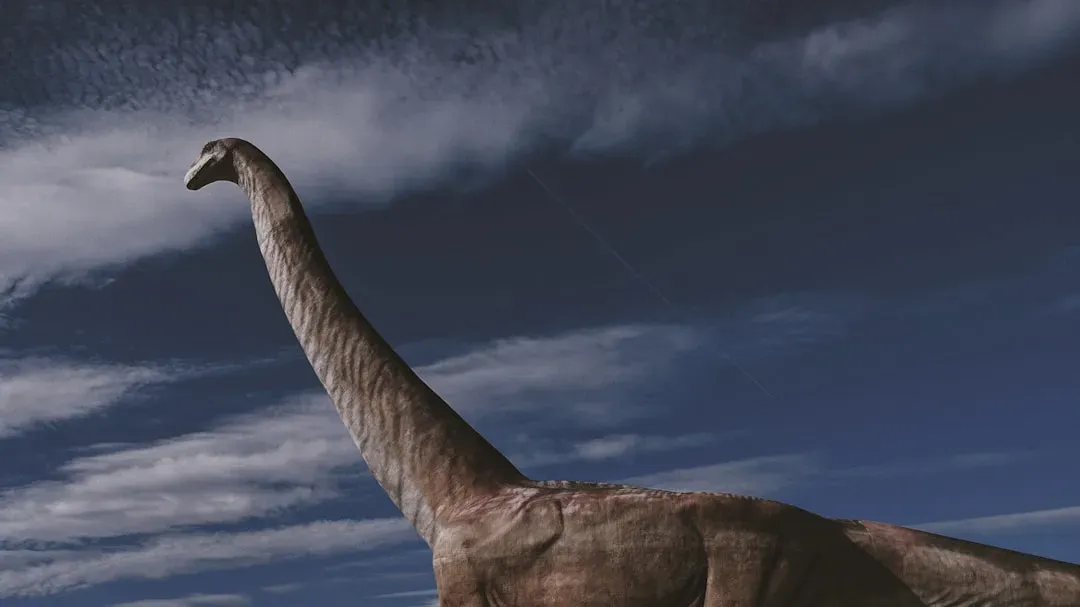
Paleontologists have documented striking similarities between Triassic and Early Jurassic dinosaur assemblages from locations as disparate as modern-day Argentina, South Africa, and , all once-connected territories within Pangaea. It is exactly like finding the same coin design on three different continents today. The connection is undeniable and the implications are enormous.
Dinosaurs may have been able to move across continents, and between islands, by the formation of temporary land bridges, which could have formed because of fluctuating sea levels during the Cretaceous era. Even after Pangaea broke apart, the story did not simply end. As continents drifted apart and new oceans formed, dinosaur populations found themselves isolated on different landmasses. This separation triggered one of the most fascinating chapters in paleontology: the divergent evolution of dinosaur species across newly formed continents.
The northern portion, called Laurasia, included what would become North America, Europe, and Asia, while the southern chunk, Gondwana, contained the future South America, Africa, , Australia, and India. Each of these landmasses became its own evolutionary stage, producing unique creatures you would not find anywhere else on the ancient planet.
The Fossil Record: Proof Written in Stone Across Every Continent
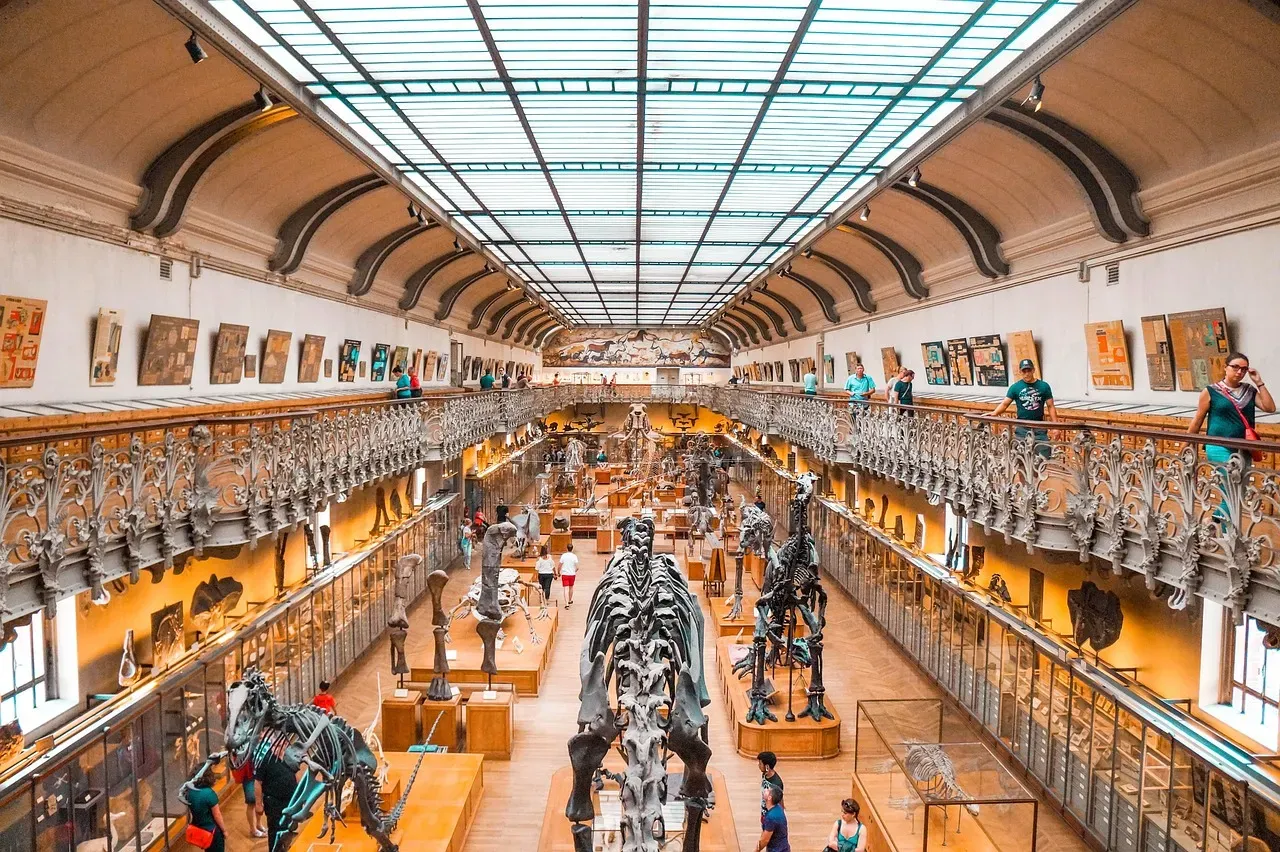
Dinosaurs are represented on every continent by both extant species such as birds, and fossil remains. That is not a hypothesis or a theory. It is a documented, verified fact backed by physical evidence from every corner of the planet. Dinosaur fossils have been uncovered on every continent on Earth. The most significant finds are in North America, Asia, and South America.
In the last few decades, China has emerged as a hotspot for dinosaur fossils. The country’s Liaoning Province is especially famous for its well-preserved feathered dinosaur specimens. These fossils provide crucial evidence of the link between dinosaurs and birds. Meanwhile, the Argentinian part of Patagonia is especially rich with finds. It is home to the Argentinosaurus, one of the largest known dinosaurs.
Although most of lies covered by ice sheets, making paleontological research mighty challenging indeed, exposed portions of the continent and its islands have yielded some amazing fossil discoveries. These have helped paint a picture of ‘s deep past, not least its comparatively lush and life-filled days as part of Gondwana and Pangaea. It is hard to say for sure just how many more species lie buried beneath kilometers of Antarctic ice, but the possibilities are genuinely exciting.
Conclusion: The World Belongs to Those Who Walk It First
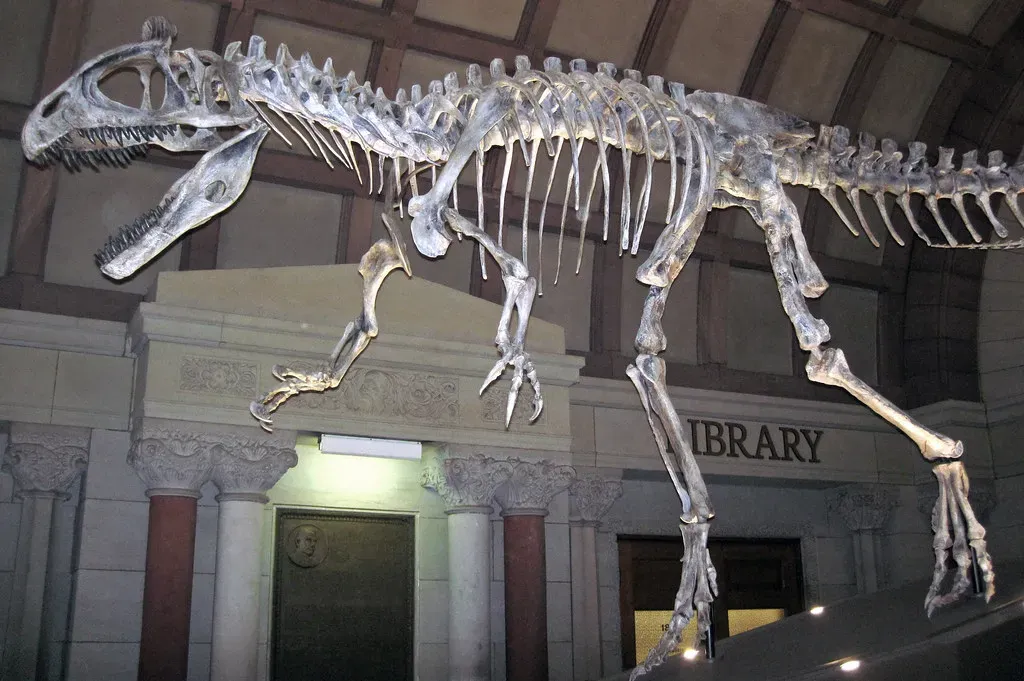
When you piece it all together, the story of how dinosaurs conquered every continent on Earth is really a story about opportunity. They emerged into a world recovering from catastrophic extinction, spread freely across a connected supercontinent, adapted as that landmass broke apart, and even thrived in what is now one of the coldest places on Earth. The dinosaurs initially moved quickly across the Earth, which had recently been decimated by one of the largest mass extinctions in its history. This left an almost clean slate for them to spread into and populate.
‘s frozen surface holds secrets that are still being pried out of the rock with jackhammers and sheer determination. Collecting fossils in is challenging and demanding. So few people have been there that almost everything you collect represents a fossil animal or plant previously unknown to science. Every new field season brings the possibility of a species that rewrites what we thought we knew about prehistoric life at the poles.
The next time you think about the world’s most remote, inhospitable places, consider that a 1,000-pound predator with a pompadour-like crest once prowled the very ground that is now buried under kilometers of Antarctic ice. Dinosaurs did not just survive the world as it existed. They thrived in it, shaped it, and left their mark everywhere. What other secrets do you think are still waiting beneath the ice?