You tend to imagine dinosaurs as slow, doomed giants marching toward extinction, but for well over a hundred million years they were the ultimate survival experts. They endured supercharged volcanic eruptions, wild climate mood swings, shifting continents, and brutal predator–prey arms races, and they still came out on top. If any group of animals ever “cracked the code” of living on a dangerous planet, it was the dinosaurs.
As you look at their world through modern science, you start to see a simple truth: dinosaurs did not just survive extremes, they used those extremes as opportunities. From icy polar nights to baking deserts and stormy coasts, they reengineered their bodies, behaviors, and entire life strategies. When you break down their survival toolkit, you can spot patterns that echo in today’s animals – and even in the way you think about resilience in your own life.
Supercharged Bodies: The Metabolic Edge That Kept Dinosaurs Moving
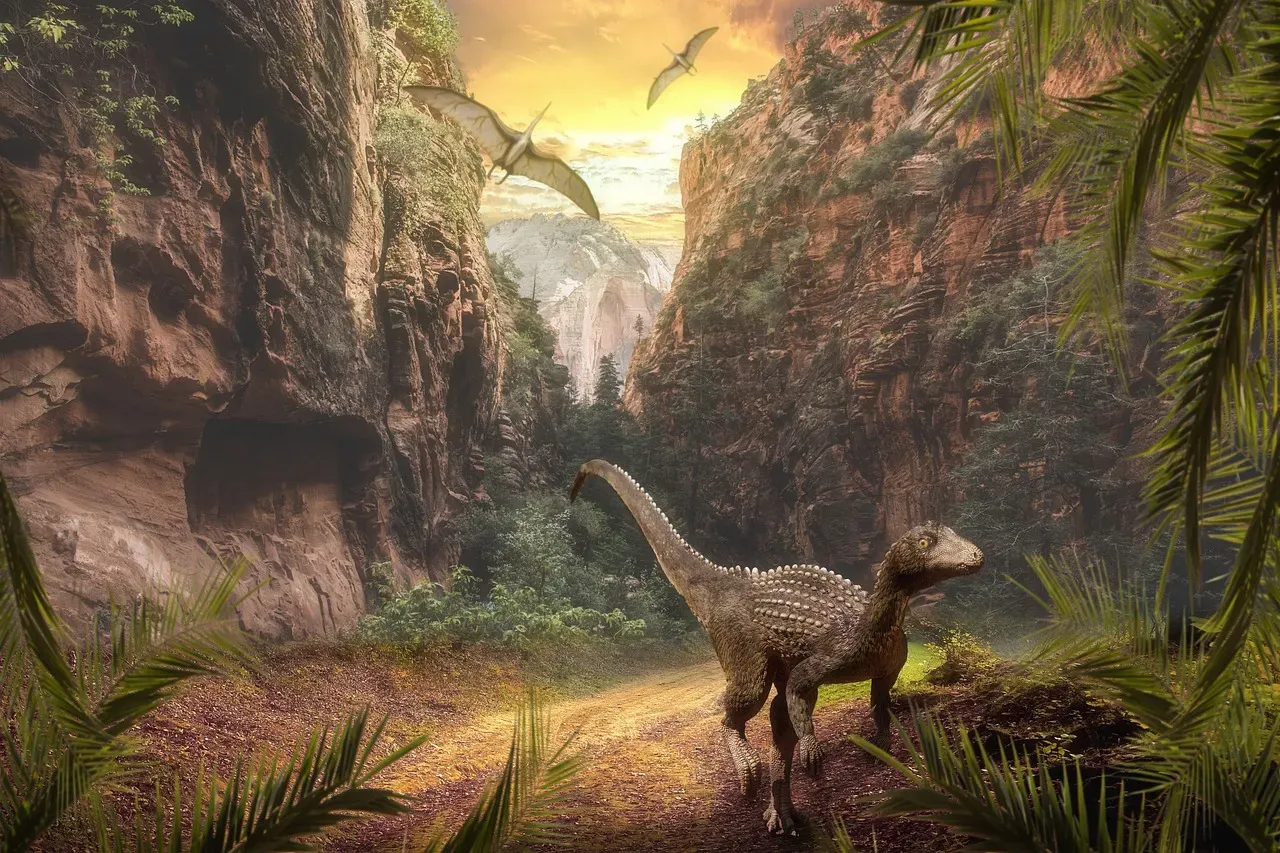
If you dropped into the age of dinosaurs, one of the first things you would notice is how “alive” many of them seemed compared to the classic picture of sluggish reptiles. Evidence from bone structure, growth rings, and even fossilized blood vessel impressions suggests that many dinosaurs ran on a metabolism closer to birds and mammals than to modern lizards. That means they could stay active for longer, recover from effort faster, and keep going in cooler conditions where a cold-blooded reptile would slow to a crawl.
You can see this “metabolic edge” written into their bones: some dinosaur skeletons show patterns of rapid growth more like what you’d expect from a fast-growing farm animal than from a slow-growing crocodile. If you picture a world where food was not always predictable and temperatures could swing wildly, having an internal engine that kept your body temperature and activity level steady was a powerful advantage. Instead of waiting for the sun to warm them up, many dinosaurs could hunt, migrate, or defend themselves at dawn, at dusk, or through cooler seasons, grabbing opportunities while other creatures were still warming up.
Built for Heat and Cold: Adapting to Wild Climate Swings
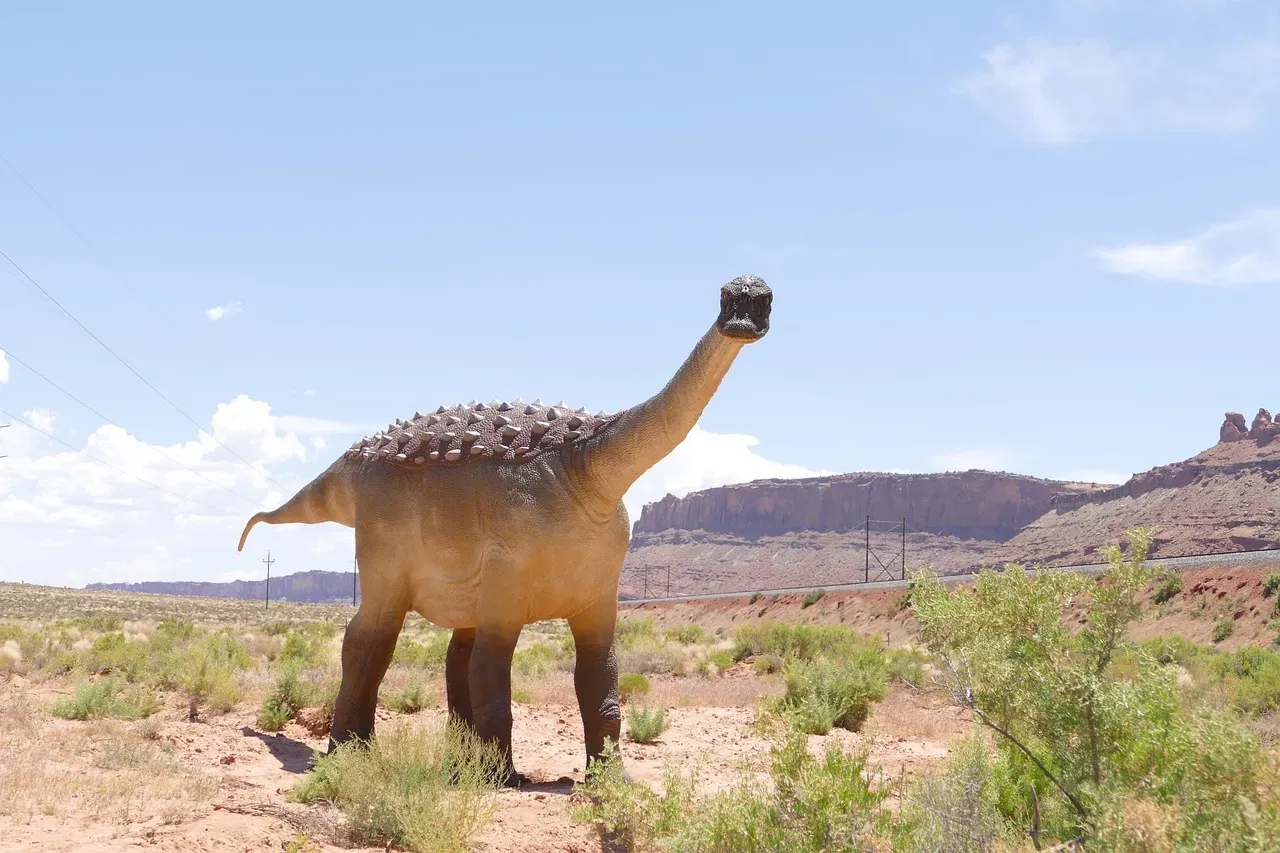
One of the most surprising things you learn about dinosaurs is that they did not just live in tropical jungles; some of them made a living near the poles. Fossil discoveries in places like Antarctica and the Arctic show that certain dinosaurs tolerated months of darkness and chilly, seasonal climates. To cope with that, they likely relied on a mix of higher metabolism, insulation like feathers or filament-like coverings, and group behaviors that helped them conserve heat and find food during lean months.
On the flip side, other dinosaurs thrived in scorching, seasonal interiors of the continents, where droughts and heat waves would have crushed less flexible animals. Here, being able to regulate body temperature, move long distances in search of water, and store energy efficiently became essential survival tools. When you imagine a dinosaur, it helps to think less of a static creature locked into one climate and more of a rugged “all‑terrain model,” fine-tuned to take advantage of whatever conditions its particular region threw at it.
Armored, Horned, and Armed: Surviving a World of Super-Predators
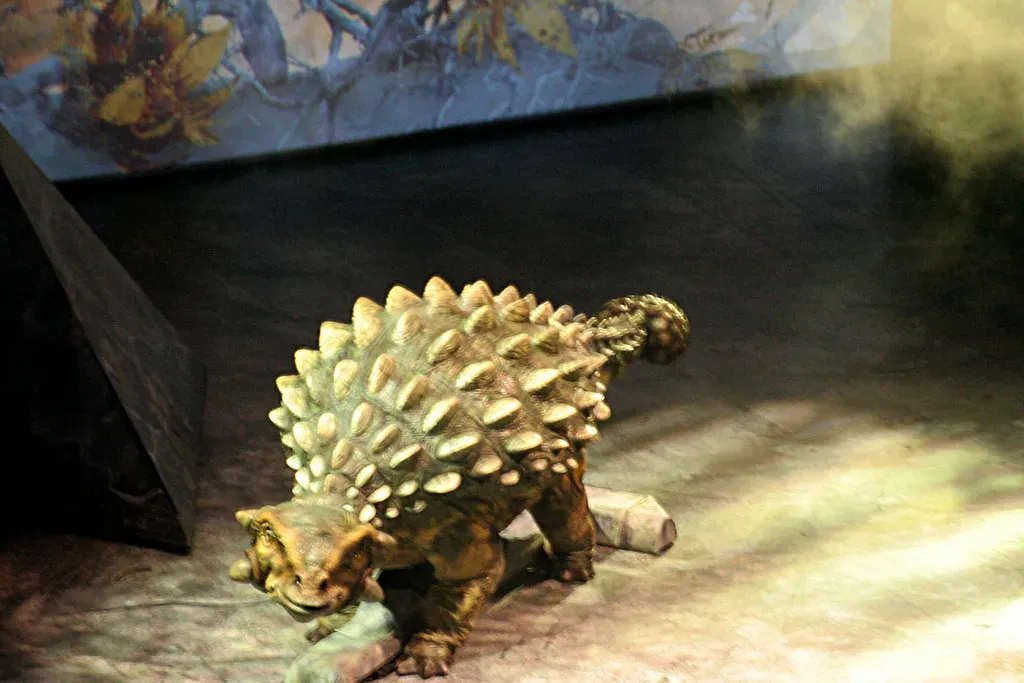
If you picture yourself living alongside ten-meter-long predators with bone-crushing jaws, you quickly understand why so many dinosaurs evolved outrageous armor and weaponry. Club-tailed ankylosaurs, horned ceratopsians, and spike-covered stegosaurs show you just how far natural selection will go when the stakes are life or death. These animals did not just carry passive protection; many of them wielded active defenses that could shatter bones or impale attackers when cornered.
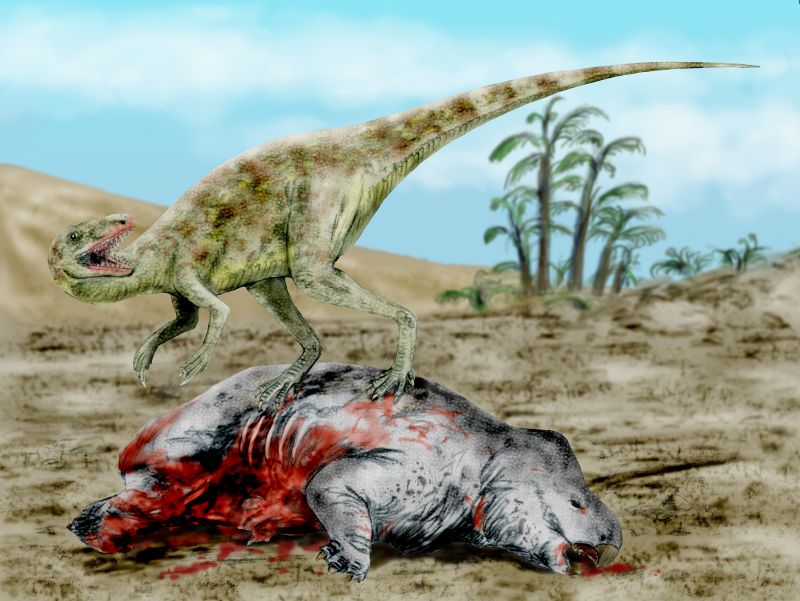
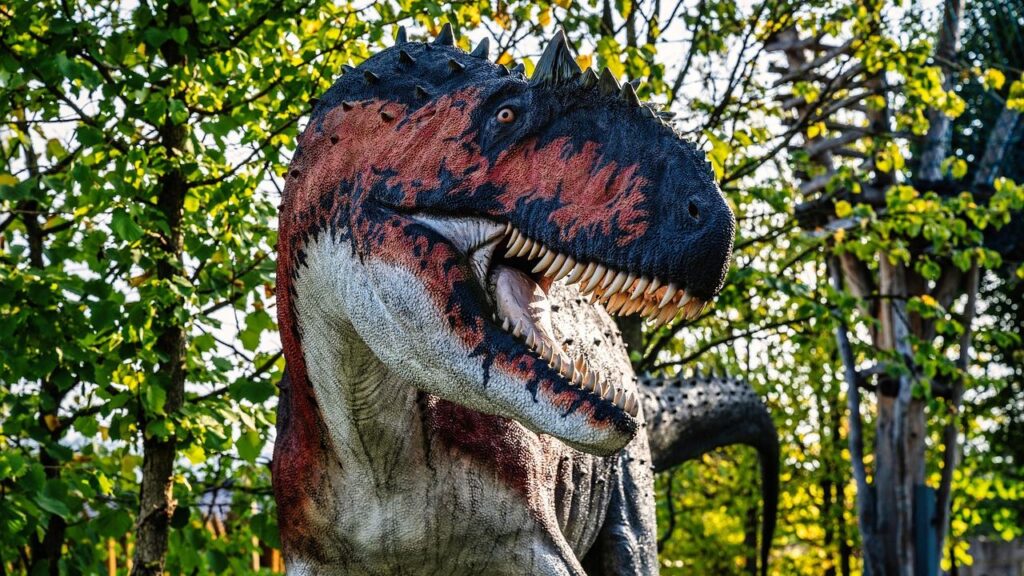
Predatory dinosaurs responded in their own way, sharpening claws, strengthening bite forces, and improving their balance and speed. This constant back-and-forth between attack and defense is often called an evolutionary arms race, and you can think of it like two sides endlessly upgrading their technology. For prey dinosaurs, armor and horns were not just about fighting; they were also about sending a clear signal that attacking them would be risky and expensive. In a harsh environment where every wasted hunt could mean starvation, deterring a predator could be as valuable as defeating it.
Feathers, Air Sacs, and Super Lungs: Breathing Through a Harsh Atmosphere
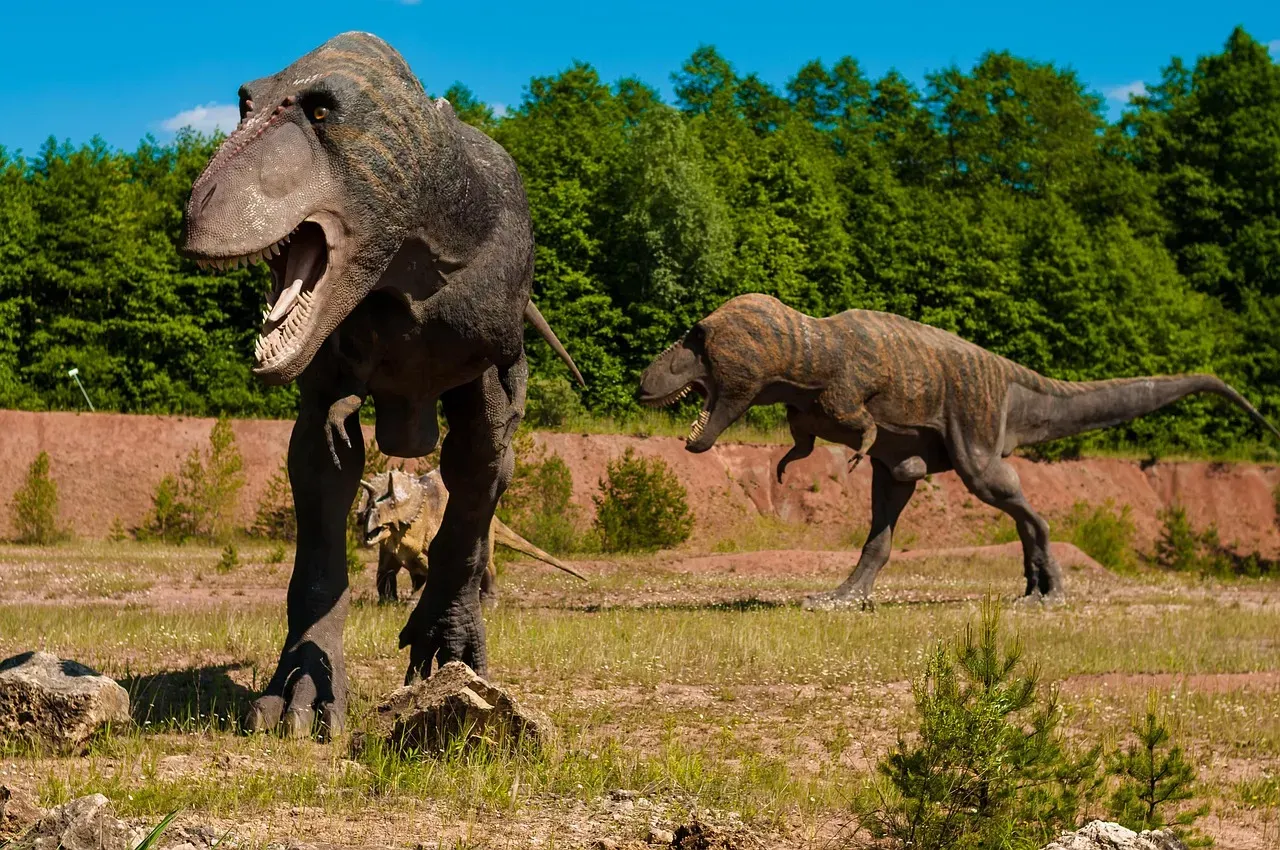
When you learn that many theropod dinosaurs – and eventually birds – had complex air sac systems connected to their lungs, you start to see them as high-performance breathing machines. This kind of respiratory setup lets air flow in a more efficient loop, delivering oxygen with every breath in and out, rather than just in short bursts. In an ancient atmosphere that sometimes had different oxygen levels than today, this kind of breathing system gave dinosaurs a serious endurance advantage.
Feathers, which you might think of only for flight, likely started as insulation and maybe even as display structures before they ever lifted anything into the air. For a small dinosaur in a volatile climate, being able to trap heat with a feathered coat or regulate temperature by fluffing or flattening those feathers could mean the difference between life and death. You can think of these animals as walking, self‑adjusting climate systems: super lungs keeping the oxygen flowing, and feathered coverings fine‑tuning their temperature so they could stay active whether the environment swung cold, hot, or something in between.
Smart Brains and Social Lives: Outsmarting Tough Environments
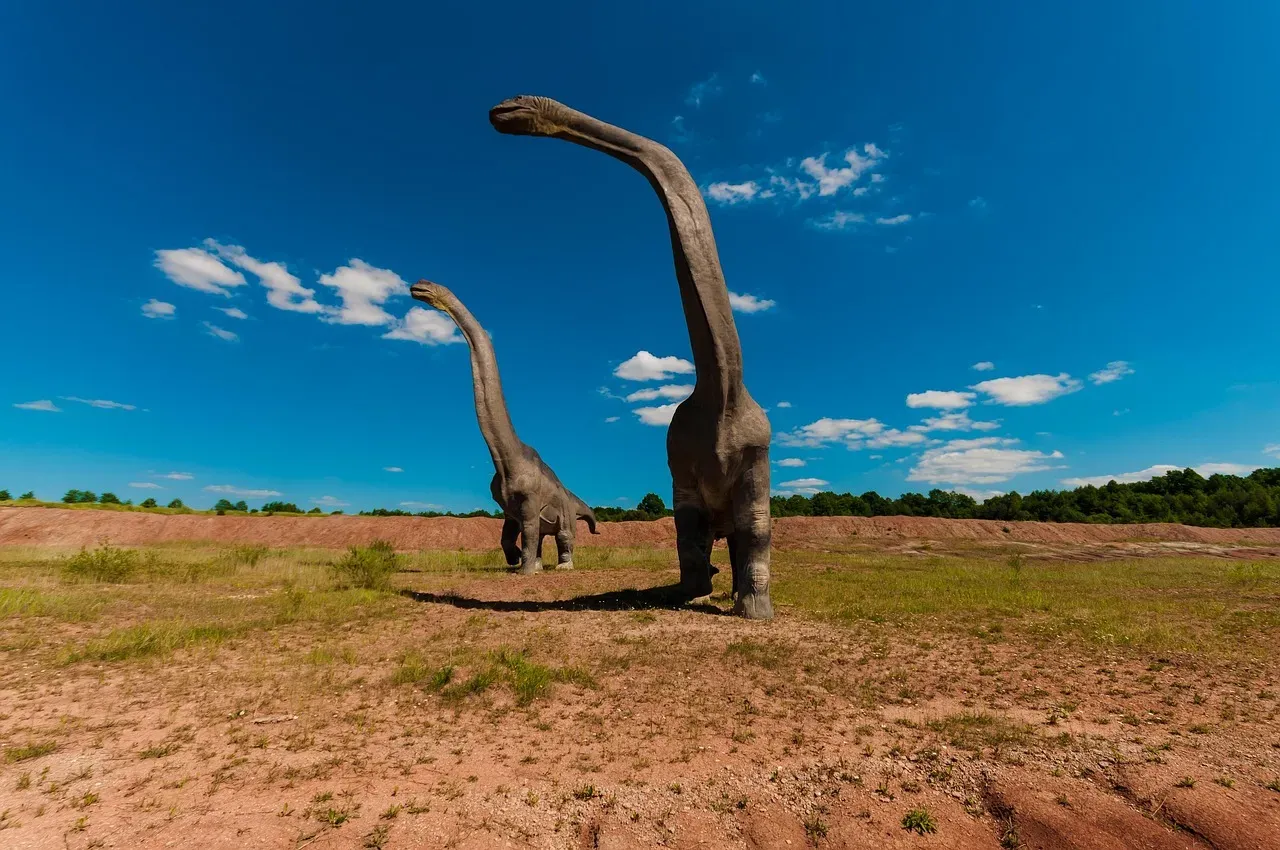
Dinosaurs are often painted as mindless brutes, but when you look at skull cavities and trackways, a different picture emerges. Some species, especially smaller predatory dinosaurs and early birds, had relatively large brains for their body size. That hints at more complex behavior: better problem solving, more flexible hunting strategies, and even social structures where individuals coordinated or communicated. In a world where conditions could shift quickly, this mental agility let them adapt their behavior without waiting for evolution to catch up.
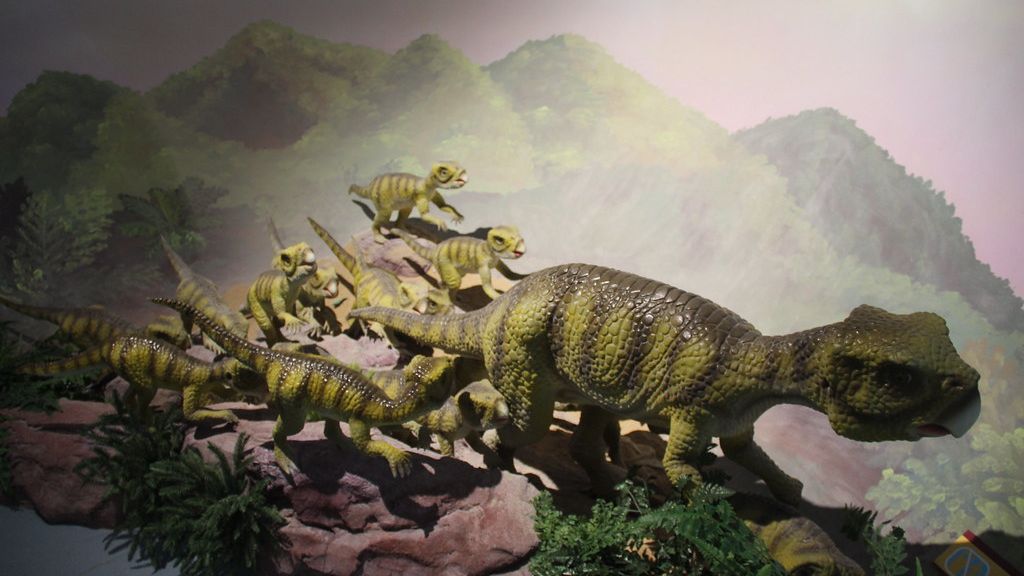
There is also mounting evidence that many dinosaurs nested in colonies, cared for their young, or moved in herds. If you imagine raising your offspring in an extreme environment, you can see how cooperation and social behavior would help: more eyes watching for predators, more bodies helping protect nests, and shared knowledge of feeding or migration routes. In that way, brains and social bonds became survival tools just as real as claws and teeth. The smarter and more connected a group was, the better its chances of weathering sudden droughts, cold snaps, or ecosystem disruptions.
Eggs, Growth Spurts, and Rapid Life Cycles: Beating the Clock
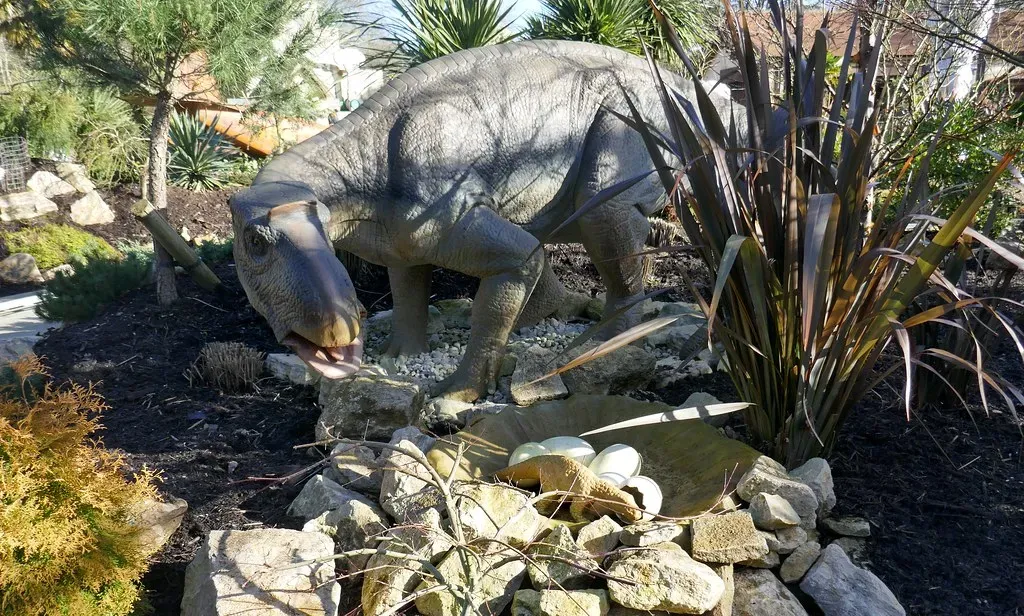
When you think about survival in unstable environments, reproducing quickly and flexibly becomes a major advantage. Many dinosaurs laid numerous eggs at once, sometimes in carefully arranged nests or communal nesting grounds. That strategy meant that even if predators took some of the eggs or chicks, enough offspring might still survive to keep the population going. Fossilized nests and eggshell fragments show you that these were not random scatterings; they were part of a planned reproductive strategy tuned to their surroundings.
On top of that, bone studies suggest that many dinosaurs grew fast once they hatched, racing through vulnerable life stages. Fast growth meant you could reach a safer size in a shorter time, which you can think of like a child sprinting out of the danger zone instead of slowly wandering through it. In extreme environments, from floodplains to volcanic regions, this rapid life cycle allowed dinosaurs to bounce back more quickly after local disasters. Where a slower-growing animal might struggle to recover from one bad season, dinosaurs could fill the gaps again in just a few generations.
Living on Shifting Continents: Spreading Out to Survive Change
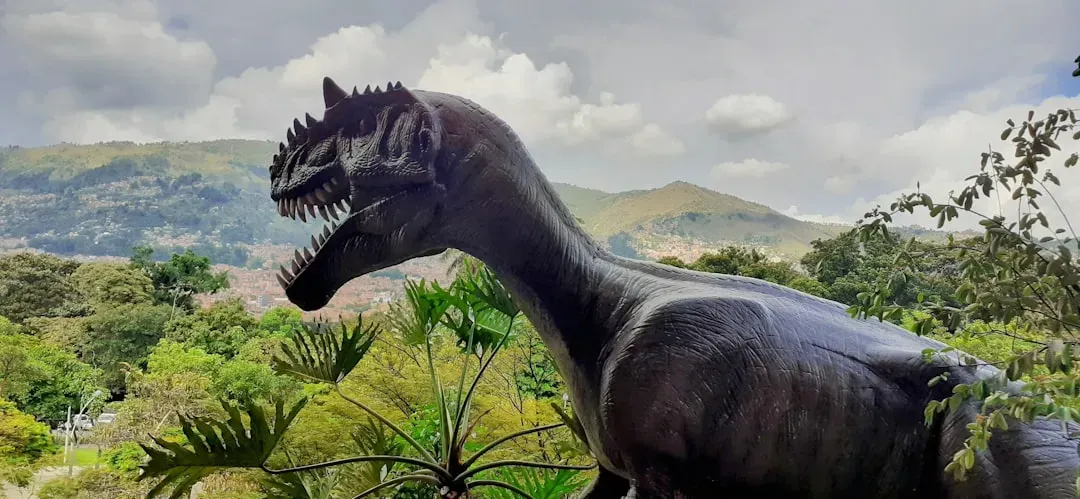
During the age of dinosaurs, continents were on the move, with supercontinents breaking apart and oceans opening up. Instead of being trapped in one narrow climate band, many dinosaur groups spread across vast regions as landmasses drifted and new habitats appeared. When you look at similar dinosaur fossils found on what are now distant continents, you are seeing the fingerprints of animals that took advantage of this constant geological reshuffling.
By occupying many different niches – coasts, floodplains, forests, uplands – dinosaurs reduced their risk of being wiped out by a single local catastrophe. You can compare it to spreading your investments instead of putting all your money into one risky bet. If one ecosystem collapsed due to volcanic activity, sea-level changes, or climate swings, other populations living elsewhere could carry the lineage forward. This broad geographic reach, combined with their flexible biology, turned dinosaurs into long-term survivors in a world that literally never stopped changing under their feet.
From Disaster to Opportunity: How Dinosaurs Turned Chaos Into Advantage
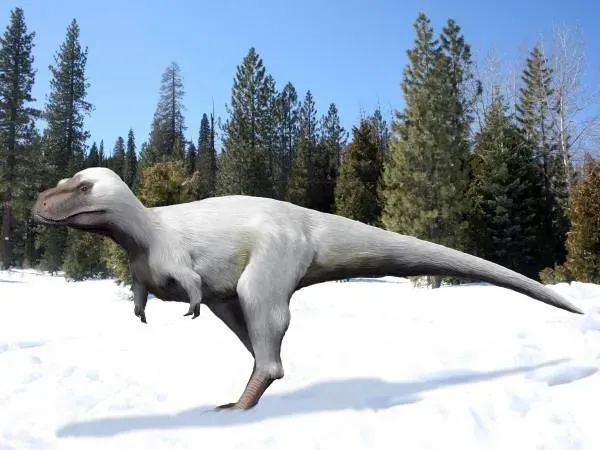
One of the most striking themes you see in dinosaur history is how often they rose after other groups fell. Early on, they lived in the shadow of older reptile lineages, but major extinctions and environmental upheavals cleared space for them to expand. Instead of being permanently knocked down by disaster, dinosaurs often moved into the ecological gaps left behind, evolving new forms to take over roles once held by vanished creatures. Their combination of active bodies, flexible metabolisms, and diverse lifestyles meant they were ready when opportunity suddenly appeared.
When you step back, it starts to look less like they were just lucky and more like they were built for turbulence. Fast growth, efficient lungs, insulation, social behavior, wide geographic spread – each trait made them a little more shock-resistant. Put together, these features gave dinosaurs a kind of resilience package that let them ride out volcanic winters, shifting coastlines, and ecosystem shakeups for tens of millions of years. You might never walk alongside a living Triceratops, but the survival blueprint that kept its ancestors thriving in extremes is still written into countless birds overhead – and, in a way, into how you think about adapting to a changing world.