Picture this. For decades, we imagined dinosaurs as dim-witted reptilian giants, plodding through jungles with brains the size of walnuts. They were cold-blooded, slow, evolutionary dead ends that stumbled toward extinction without much going on upstairs. That’s what scientists thought for the longest time, anyway.
Turns out, that picture might have been wildly wrong. Recent discoveries are shaking up everything paleontologists once believed about dinosaur intelligence. These ancient creatures weren’t just mindless eating machines. Some of them had impressive cognitive abilities, social structures that rivaled modern mammals, and sensory systems that would put many living animals to shame. Let’s dive into the surprising world of dinosaur brains and discover just how clever these prehistoric beasts really were.
The Brain Size Revolution That Changed Everything
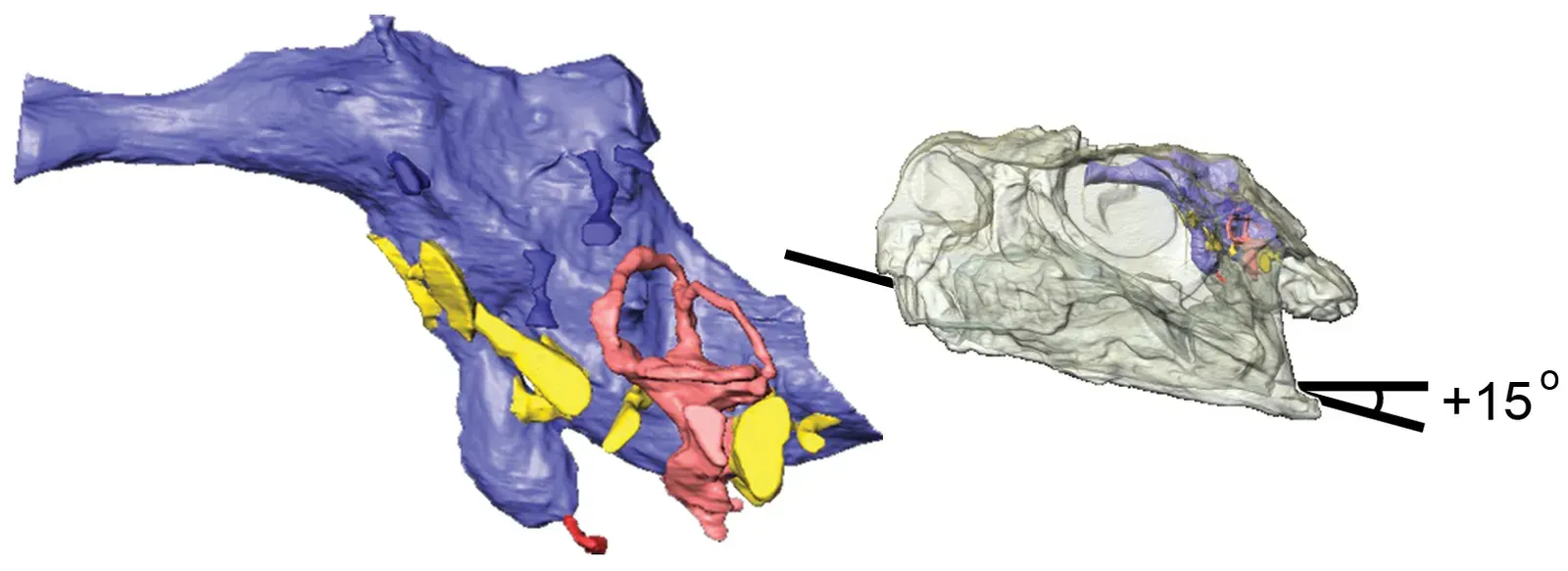
Scientists spent years measuring dinosaur skulls and scratching their heads over one simple question: how smart were these things, really? The traditional method involved calculating something called the encephalization quotient, or EQ for short. It’s basically a fancy way of comparing brain size to body size. For a long time, the results weren’t exactly flattering for dinosaurs.
Here’s the thing, though. Recent research utilizing computed tomography has enabled scientists to create accurate models of dinosaur brains, and what they’re finding is genuinely surprising. Some of the smaller carnivores had above average intelligence for reptiles. When you compare their brain-to-body ratios to modern animals, certain species start looking a lot smarter than anyone expected. The real kicker? This wasn’t just about raw brain size. It was about what those brains could actually do.
Troodon Takes the Crown as Prehistoric Einstein
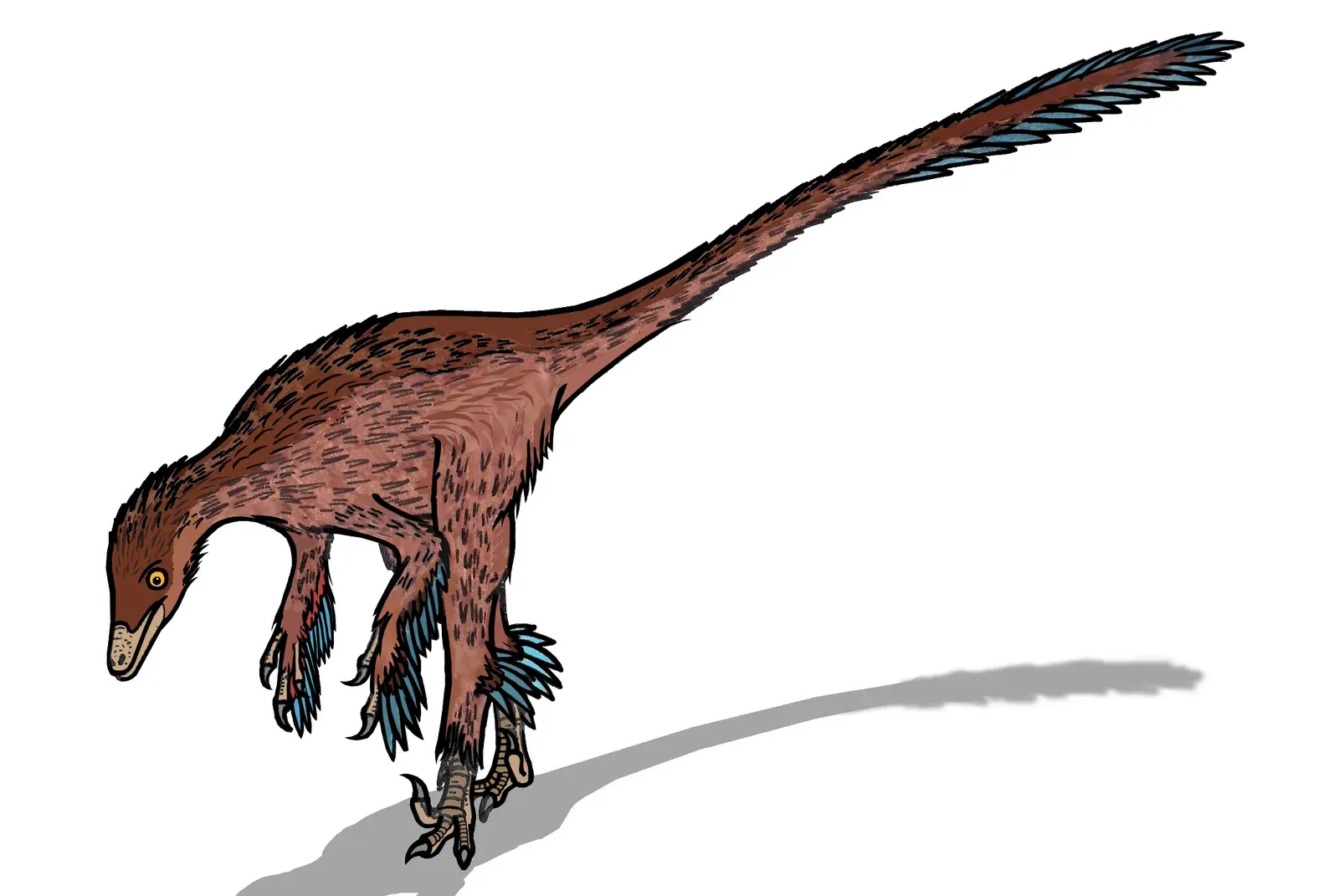
If there’s one dinosaur that makes paleontologists rethink everything, it’s Troodon. This relatively small meat-eater from the Late Cretaceous has earned a reputation as the brainiac of the dinosaur world. Troodon is believed to be the smartest dinosaur ever, with an EQ of 5.8, and had a huge brain, especially considering its size.
What made Troodon so special? For starters, it had massive eyes that faced forward, giving it incredible depth perception. Fossil evidence suggests it had large, forward-facing eyes, giving it excellent depth perception – perfect for stalking prey. Add to that its grasping hands and lightning-fast speed, and you’ve got a creature that was basically built for thinking on its feet. Some scientists even speculate it might have hunted in coordinated packs, which would require serious brainpower to pull off.
The brain itself was roughly golf-ball sized. Small by human standards, sure, but absolutely massive for a dinosaur weighing roughly 50 to 175 pounds. It had a proportionally larger brain than living reptiles, so its intelligence level might be on par with that of modern birds.
Velociraptor Wasn’t Just Hollywood Hype
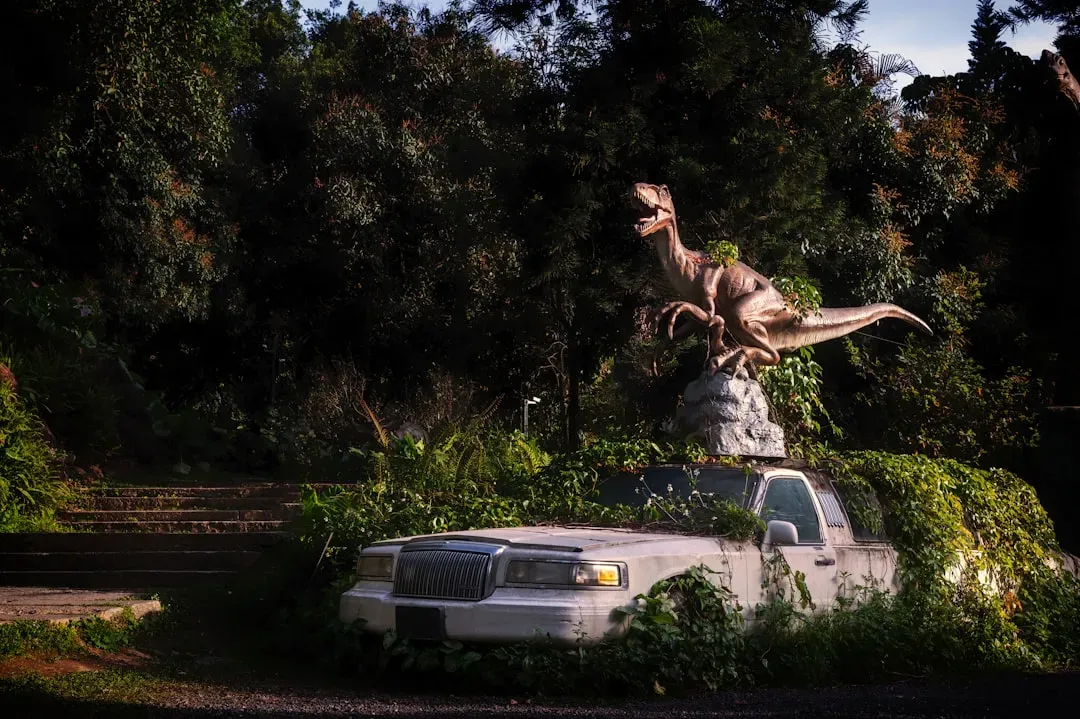
Let’s be real, Jurassic Park turned Velociraptors into icons. The movie version was exaggerated in size, but the intelligence part? That might not have been too far off. Most paleontologists agree that Velociraptors were highly intelligent, with a large brain-to-body ratio.
These turkey-sized hunters had proportionally large forebrains, the part of the brain linked to higher reasoning and planning. Studies of velociraptor fossil skulls suggest these dinosaurs had proportionally large forebrains, which is the part of the brain associated with higher reasoning, planning, social behaviors, and intelligence. Their brains shared structural similarities with both modern reptiles and predatory birds. Honestly, that’s impressive when you think about it.
There’s evidence suggesting they may have coordinated hunts and engaged in problem-solving behaviors. Covered in feathers and equipped with sharp claws, they hunted in packs to take down prey much larger than themselves, and fossil evidence suggests these clever hunters were capable of sophisticated social behaviors. Pack hunting isn’t something brainless animals do. It requires communication, strategy, and understanding group dynamics.
Tyrannosaurs Were Smarter Than You’d Think
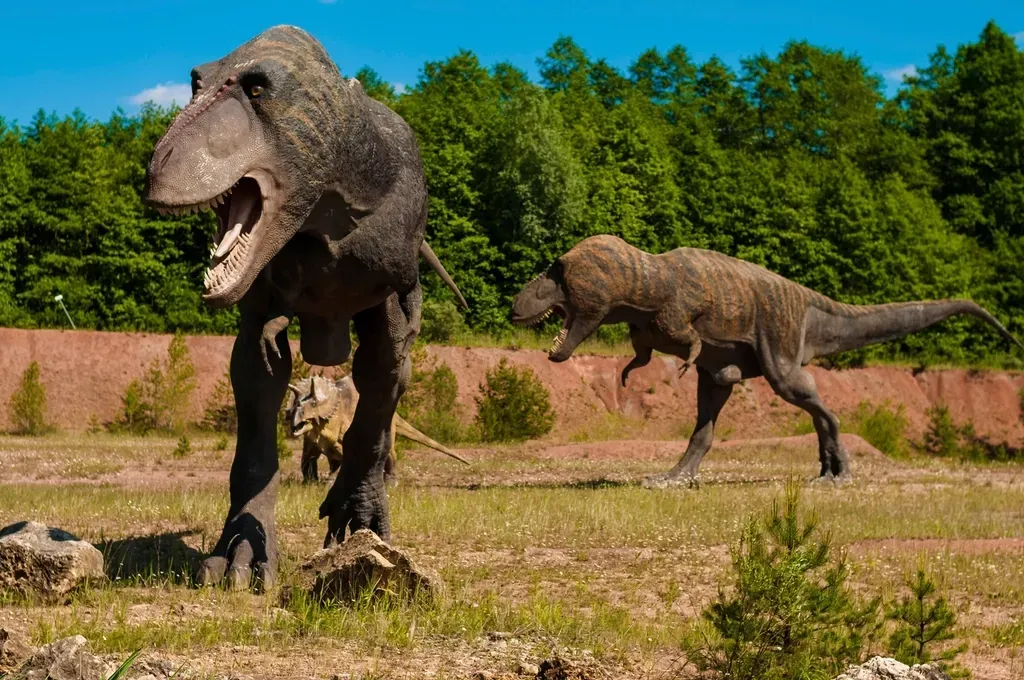
The mighty Tyrannosaurus rex has been portrayed as everything from a ruthless killer to a clumsy scavenger that couldn’t see you if you stood still. Both extremes miss the mark. Recent studies paint a much more nuanced picture of T. rex intelligence, and it’s fascinating. Dinosaurs like tyrannosaurs might have been approximately similar in intelligence to certain lizards or crocodylians.
Yet there’s more to the story. Certain theropod groups, in particular tyrannosaurids and deinonychosaurs, had quite good overlap in binocular vision, meaning they had depth perception comparable to modern birds of prey. T. rex also had an exceptional sense of smell and hearing. Put it all together, and you’re looking at a predator with serious sensory and cognitive chops.
There was even a controversial study suggesting T. rex might have had neuron counts similar to baboons, though this claim has been heavily debated. Their brain size had been overestimated and thus neuron counts as well, and neuron count estimates are not a reliable guide to intelligence. Still, the debate itself shows how far we’ve come from dismissing these animals as brainless brutes.
Social Behavior Reveals Hidden Complexity
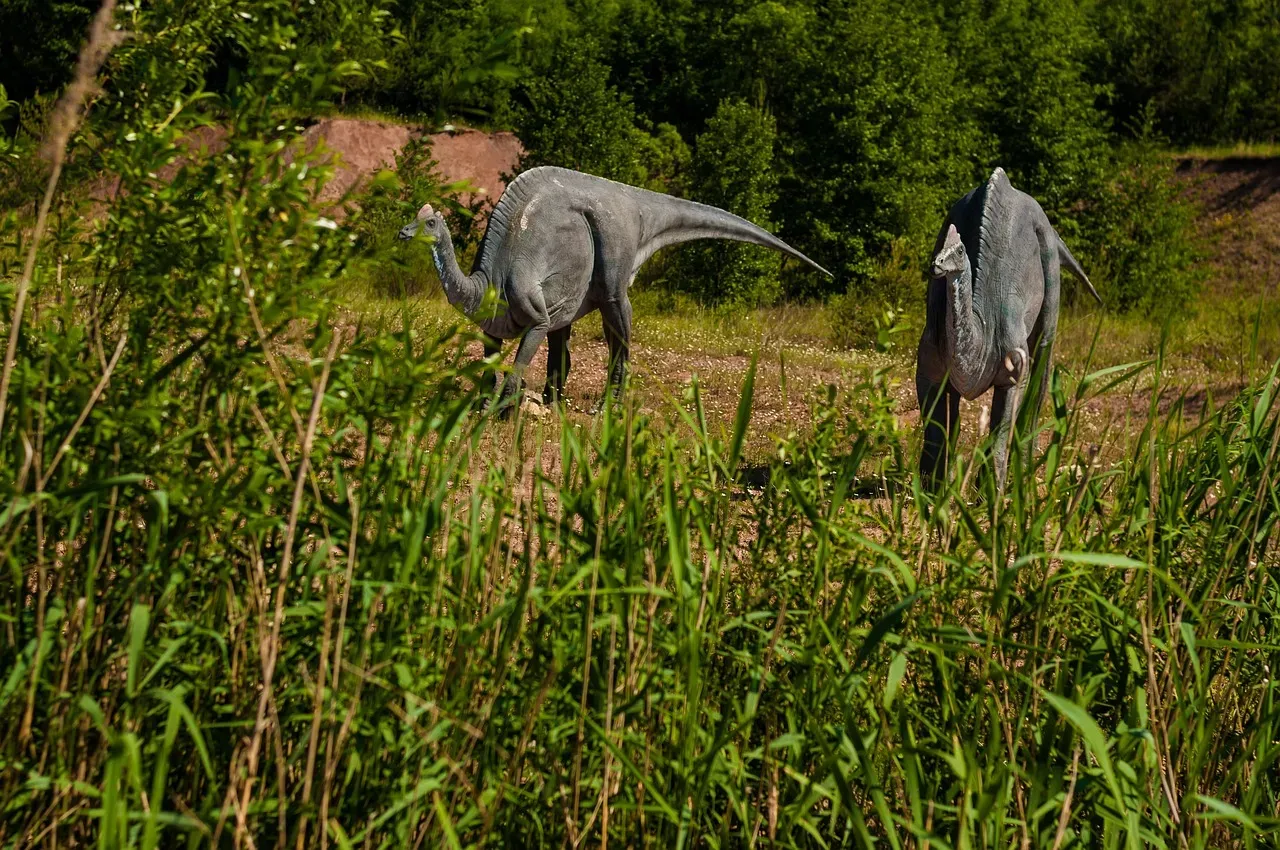
Intelligence isn’t just about brain size. It’s about what animals do with it. And when you look at dinosaur behavior, the evidence for smarts starts piling up fast. Studies of dinosaur trackways indicate herding behavior and adult care of juvenile members among various theropod, sauropod and ornithopod dinosaurs, and nesting sites indicated they nested in groups and engaged in maternal care.
Think about what that means. These animals weren’t just mindlessly wandering around. They were organizing themselves, protecting their young, and working together. Studies of trackways of carnivorous theropod dinosaurs provided evidence that they hunted in packs. That’s the kind of behavior you see in wolves, lions, and other highly intelligent modern predators.
Some species even created elaborate display arenas for courtship. Large theropods created extensive physical evidence of substrate scraping behavior considered compelling evidence of display arenas or leks, constituting a previously unknown category of large dinosaurian trace fossil. That level of ritualized behavior suggests complex social structures and communication systems.
Communication Methods That Still Puzzle Scientists
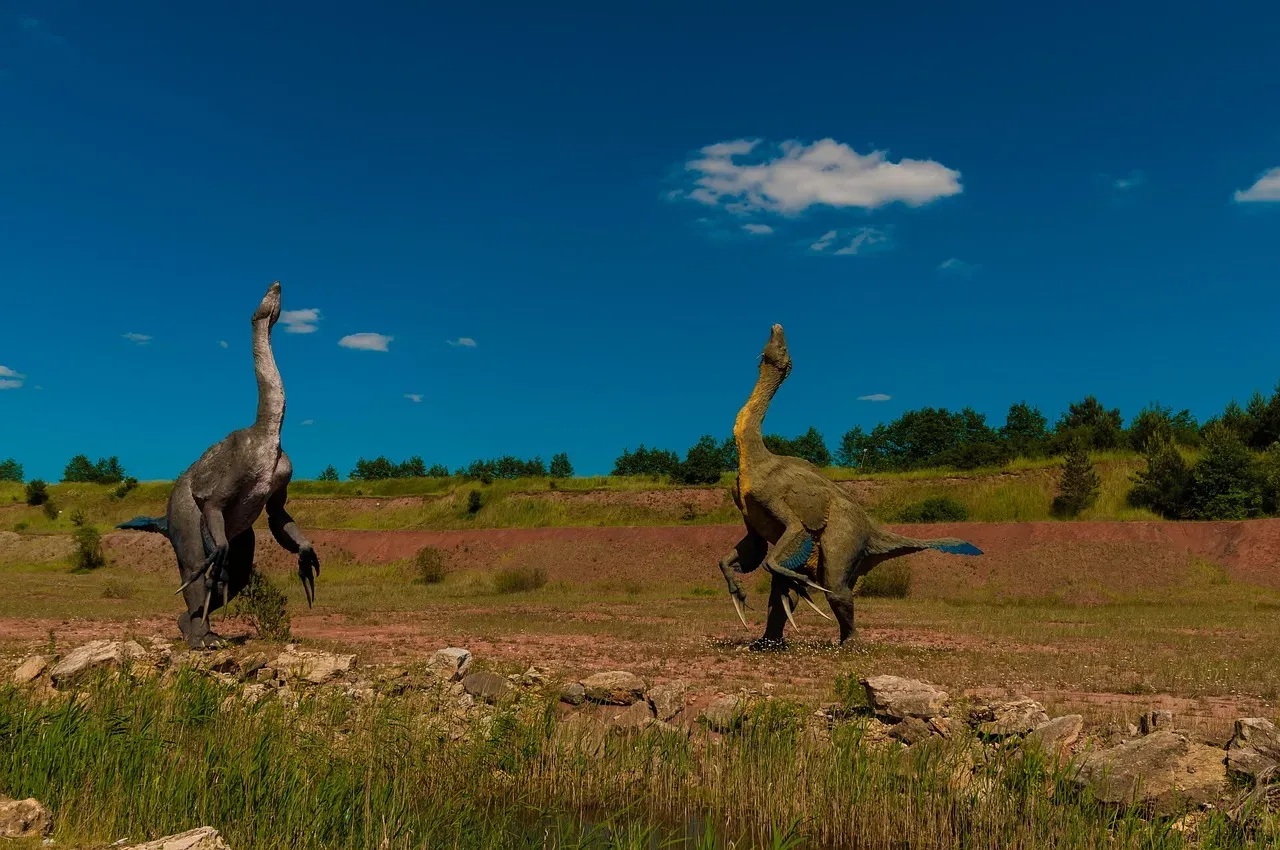
How do you figure out how an extinct animal talked to its buddies? It’s not easy, but researchers have found some clever clues. Dinosaurs almost certainly communicated through visual displays, and like most sauropsids, were probably very vision-oriented animals, able to see colour and shapes better than mammals.
Visual communication likely played a huge role. Elaborate crests, frills, horns, and colorful feathers weren’t just for show, they were conversation pieces. Literally. Visual displays played a significant role in dinosaur communication, with elaborate crests, frills, and horns serving as their language. Dinosaurs probably used body language extensively, just like modern animals do. Posturing, tail movements, head bobbing, all of it could have carried specific meanings.
Then there’s sound. Similar to their modern-day avian relatives, dinosaurs relied on closed-mouth vocalizations to communicate, emitting coos through the skin in the neck area. Some larger species may have used low-frequency rumbles that traveled through the ground, similar to what elephants do today. The idea of dinosaurs communicating through vibrations is honestly mind-blowing.
Nesting and Parental Care Show Advanced Thinking
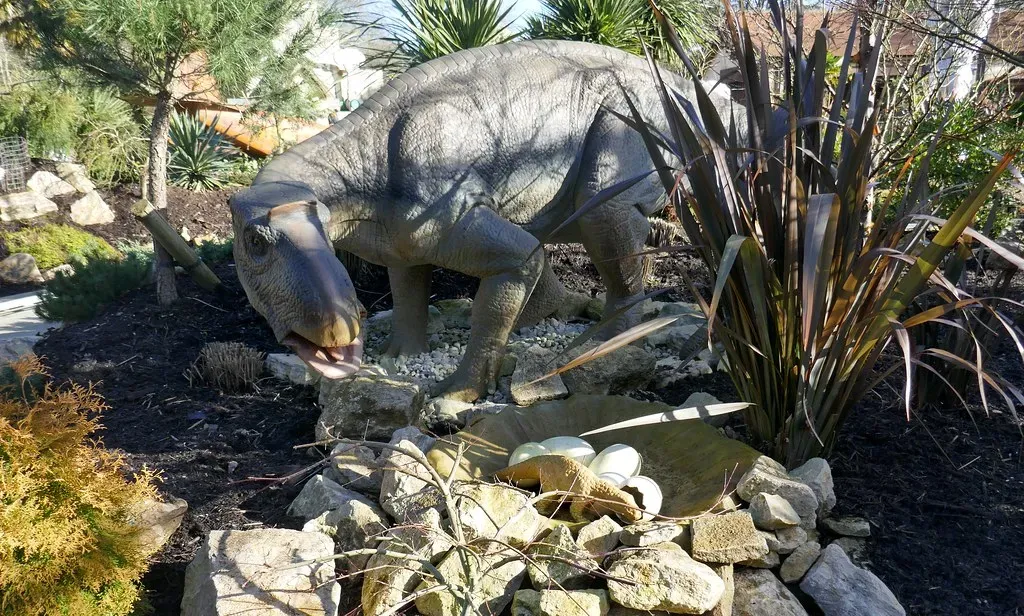
Nothing screams intelligence quite like good parenting. And guess what? Many dinosaurs were surprisingly attentive parents. Nearly 80% of skeletal remains found were juveniles, suggesting groups or colonies of nests, and circular clutches suggested parents would have had to give them attention to incubate them and provide protection.
The arrangement of nests tells scientists a lot. Some species built their nests in tight clusters, suggesting colonial nesting behavior where individuals cooperated to protect their young. Species like Maiasaura are thought to have been attentive parents, and nesting site layouts suggest planned arrangements and communal protection strategies. That’s not random. It’s organized, strategic, and absolutely requires cognitive ability to pull off.
Evidence of juveniles staying with adults long after hatching points to extended parental care. Young dinosaurs weren’t just abandoned to fend for themselves. They were taught, protected, and raised within complex family structures. Such social and parental behaviors are largely uncharacteristic of extant reptiles and are more reminiscent of the flocking, hunting and parental behaviors shown by birds and mammals.
What Modern Science Still Gets Wrong
Despite all these discoveries, there’s still plenty we don’t know, and plenty scientists argue about. Estimating intelligence is problematic even in living species, but far more difficult in extinct animals, and without the ability to conduct behavioral studies, theories on dinosaur intelligence can never be well corroborated.
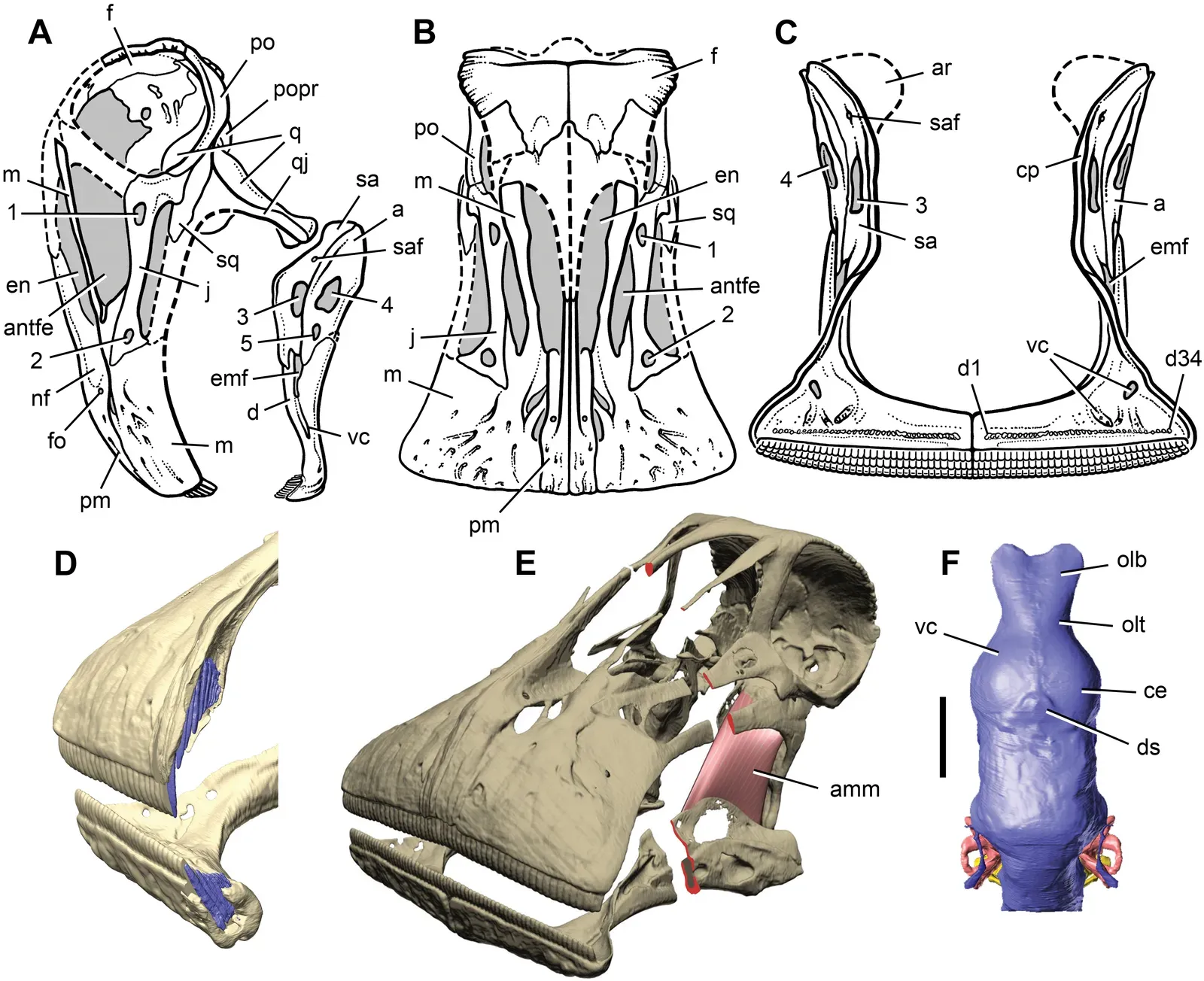
The biggest challenge? Brains don’t fossilize. What scientists work with are endocasts, basically casts of the brain cavity inside skulls. A key problem for paleoneurology lies in the fact that an endocast does not necessarily reflect the morphology of an animal’s brain, as endocasts of most non-avian dinosaurs differ markedly in size and shape from the actual brain. In many reptiles, the brain doesn’t even fill the entire skull cavity, making size estimates tricky.
There have been bold claims, like the idea that some theropods could use tools or possessed primate-like cognition. It was claimed that dinosaurs like T. rex had an exceptionally high number of neurons and were substantially more intelligent than assumed, that these neuron counts could inform on intelligence and metabolism, and that T. rex was monkey-like in habits including cultural transmission of knowledge and tool use. Most of those claims have been walked back after closer scrutiny, but the debates they sparked have been incredibly valuable.
Dinosaurs Were Among the Smartest Animals of Their Time
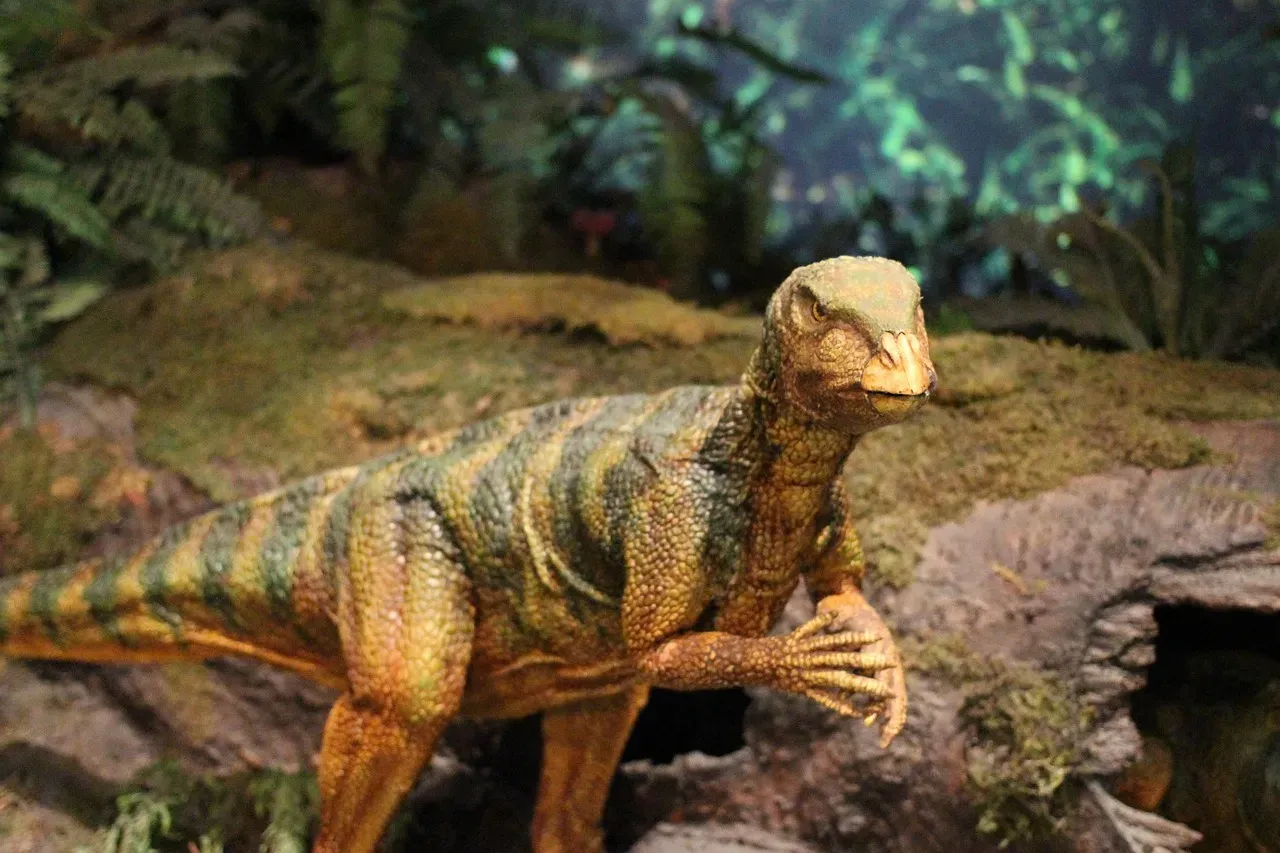
So where does all this leave us? Here’s what we know for sure. Dinosaurs were among the most complex and intelligent animals in the Mesozoic and their ancestors, the birds, have evolved into some of the most intelligent animals in the modern world. They weren’t the dim-witted lizards of old textbooks. They were sophisticated, adaptable creatures with sensory abilities, social structures, and cognitive skills that allowed them to dominate their world for over 160 million years.
Members of many dinosaur species are now recognized to have functioned at an avian level of behavioral complexity, supported by paleontological evidence regarding social behavior and brain size-body size relationships. That’s a far cry from the slow, stupid monsters of popular imagination. When you look at the evidence, from their complex nesting behaviors to their coordinated hunting strategies to their elaborate communication systems, it becomes clear these animals had a lot more going on upstairs than we ever gave them credit for.
The more scientists dig, the more they find. Every new fossil, every CT scan, every footprint preserved in ancient mud adds another piece to the puzzle. Dinosaurs weren’t perfect thinkers, and they certainly weren’t human-level intelligent. Still, within the context of their time and their ecological niches, many of them were remarkably clever. And that’s something worth celebrating.
What do you think? Does it change how you picture these ancient giants, knowing they might have been solving problems, raising families, and chatting with each other in ways we’re only beginning to understand?