Picture the classic movie dinosaur: enormous, thundering, dragging its tail across the mud, barely lifting its feet. It’s an image so burned into popular culture that most people accept it as fact. But here’s the thing – science has been quietly dismantling that picture for decades, and the latest research is driving the final nail into that outdated coffin.
What you thought you knew about dinosaur movement is almost certainly wrong. From fossilized footprints in Mongolia to 3D computer simulations of muscle and bone, researchers in 2026 have more tools than ever to reconstruct how these ancient animals actually moved. The results are nothing short of astonishing. So let’s dive in.
The Old Myth: Where Did the “Sluggish Reptile” Idea Come From?
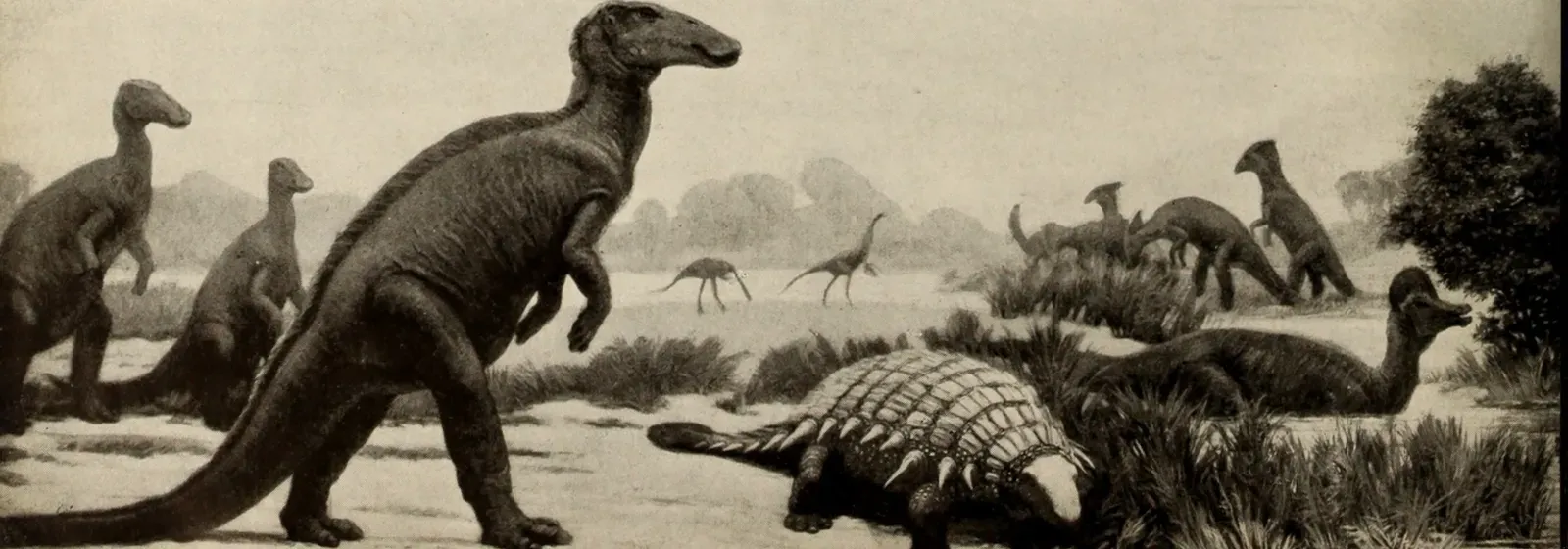
For nearly three quarters of the time since scientists first named dinosaurs, these creatures were seen as slow, lumbering, cold-blooded animals. It is honestly a little embarrassing when you think about it. Early paleontologists, working with incomplete fossils and limited tools, modeled dinosaurs on the living reptiles they knew best – lizards and crocodiles, animals that genuinely do sprawl and drag.
During the early years of dinosaur paleontology, it was widely considered that they were sluggish, cumbersome, and sprawling cold-blooded lizards. However, with the discovery of much more complete skeletons in the western United States, starting in the 1870s, scientists began making more informed interpretations of dinosaur biology and physiology. The problem is that popular culture never fully caught up with the science, and old-school museum poses of upright, tail-dragging behemoths stuck around far longer than they should have.
The Dinosaur Renaissance: A Scientific Revolution You Probably Missed
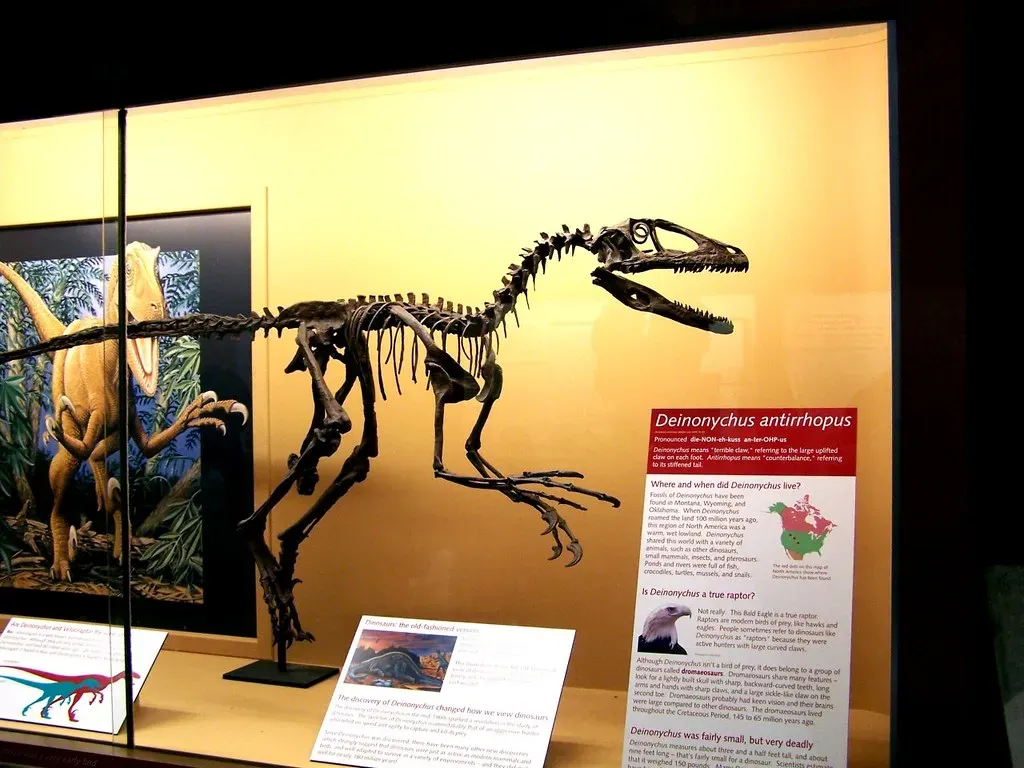
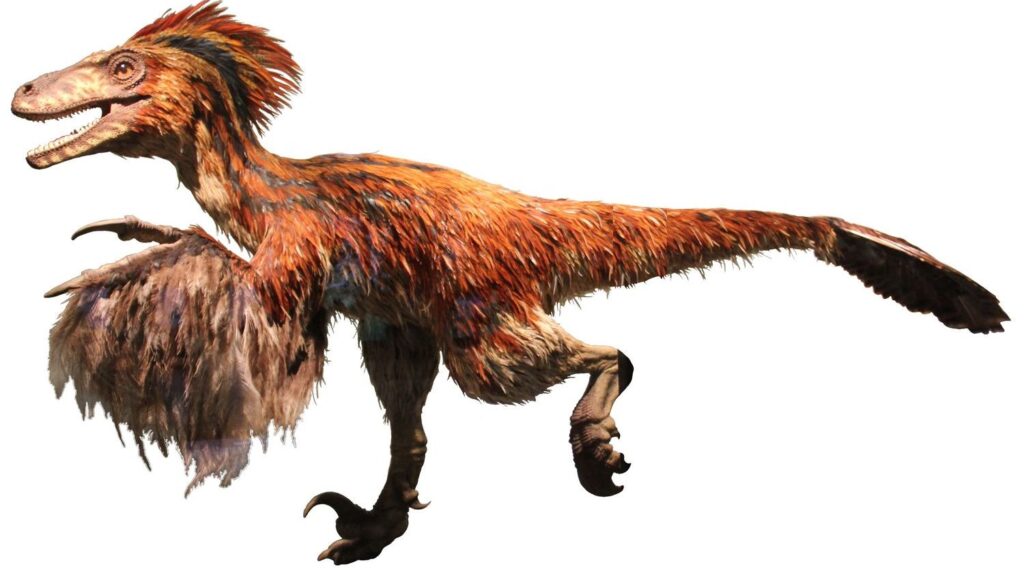
The renewed scientific interest in dinosaur movement has roots in a major discovery from 1964, when paleontologist John Ostrom and his team uncovered Deinonychus – a dinosaur with a lightweight body, long claws, and strong legs. Its features challenged the long-held image of dinosaurs as sluggish reptiles and instead pointed to an active, fast-moving predator. This discovery helped launch what scientists call the “dinosaur renaissance,” a major shift in how experts understood dinosaur behavior.
Instead of slow-moving reptiles, some dinosaurs began to be seen as fast, smart, and built for speed. Think of it like the moment scientists realized that whales were mammals, not fish. The reclassification sounds simple but it completely rewired everything we thought we knew. That dinosaur renaissance was just the beginning of a long march of discoveries that continues right now, today, in 2026.
Fossilized Footprints Tell a Story Bones Cannot
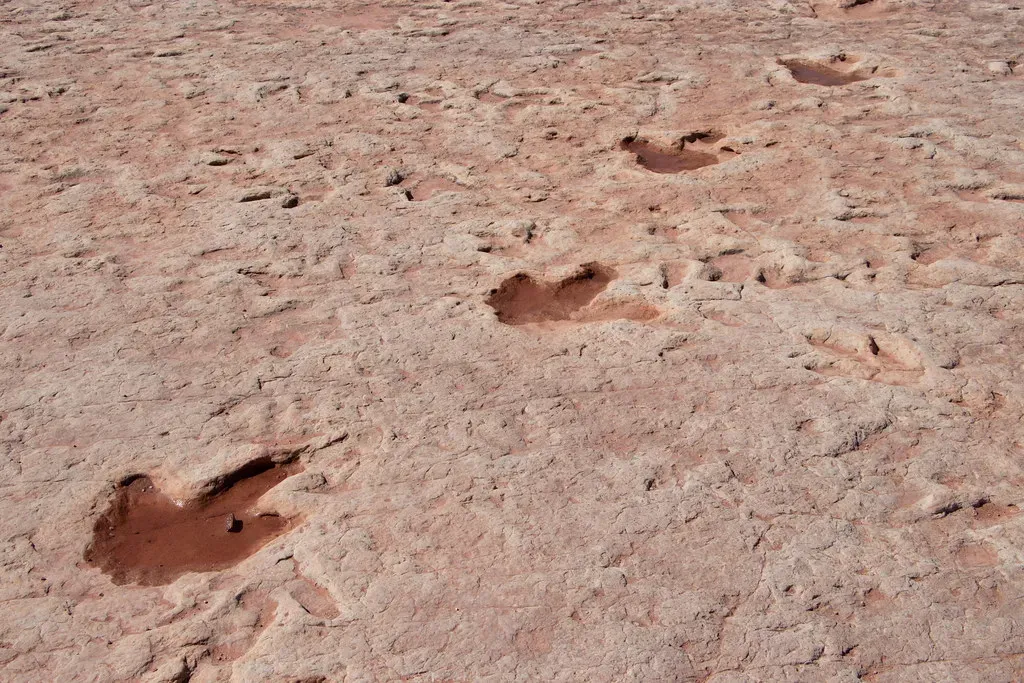
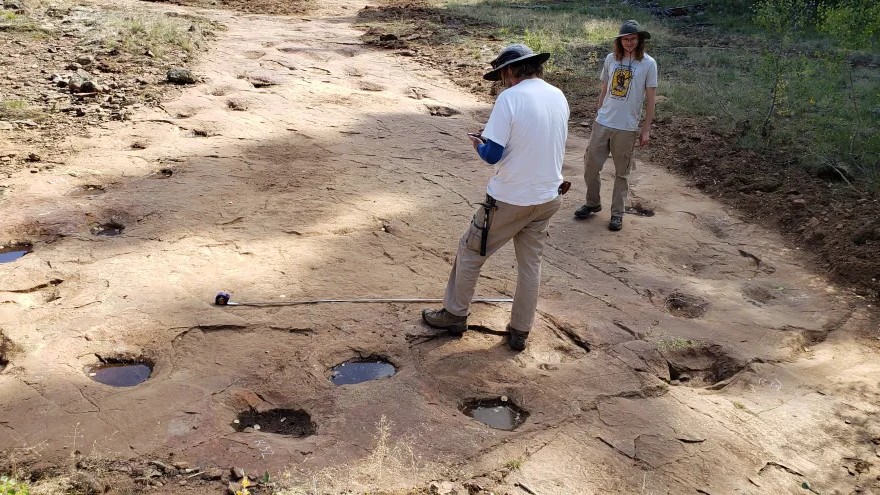
Fossilized footprints are our only direct record of motion and can provide important snapshots of extinct animals, shedding light on speed, gait and posture. You can think of them like freeze-frames caught in stone – a moment of real, living movement, preserved across millions of years. That is something no skeleton, no matter how complete, can give you.
Newly discovered fossilized footprints in Mongolia reveal that some dinosaurs could run at speeds rivaling top cyclists. This surprising discovery is changing how scientists think about dinosaur movement and confirms long-standing theories that smaller dinosaurs were actually fast sprinters. The tracks found in Mongolia, dating back around 120 million years, have given scientists fresh insight into the speed and agility of one dinosaur, which appears to have sprinted at speeds that could match those of professional cyclists. Honestly, that comparison alone should make you rethink everything.
Supercomputers Step In: Simulating Dinosaur Muscle and Movement
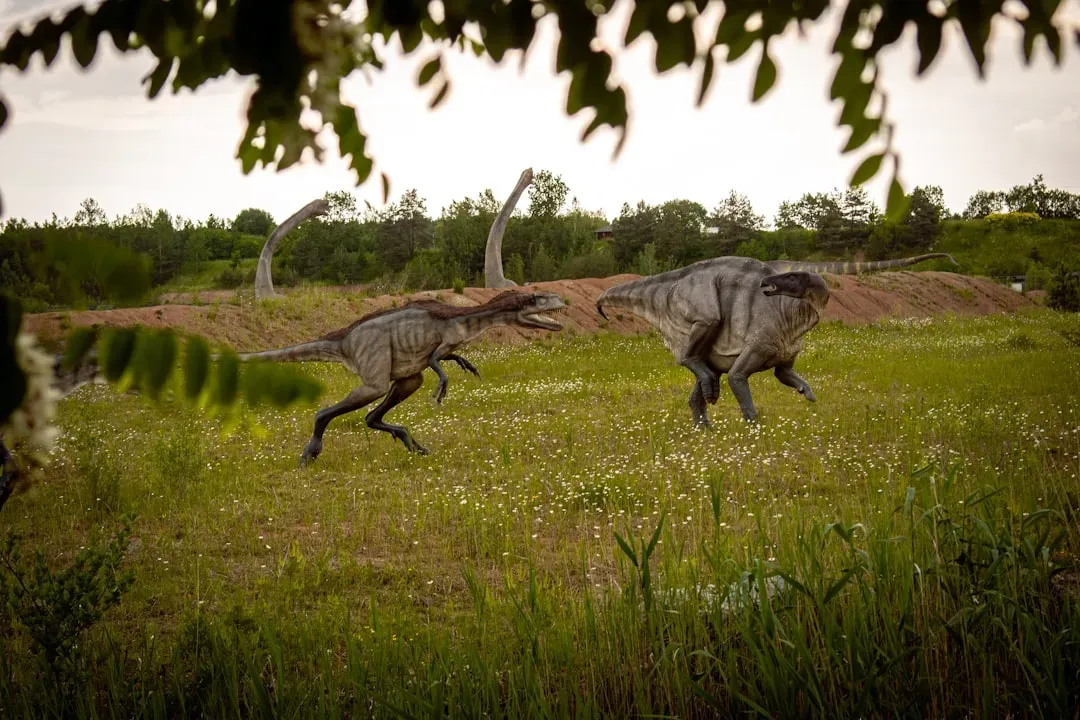
To get better results about dinosaur speed, scientist William Sellers at the University of Manchester used computers and digital models to study how dinosaurs may have moved. He created 3D skeletons and added estimates of muscle size and weight, allowing him to simulate how the animals might have walked or run. It’s almost like playing a very, very complicated video game – except the stakes are scientific truth about the most iconic creatures that ever walked the Earth.
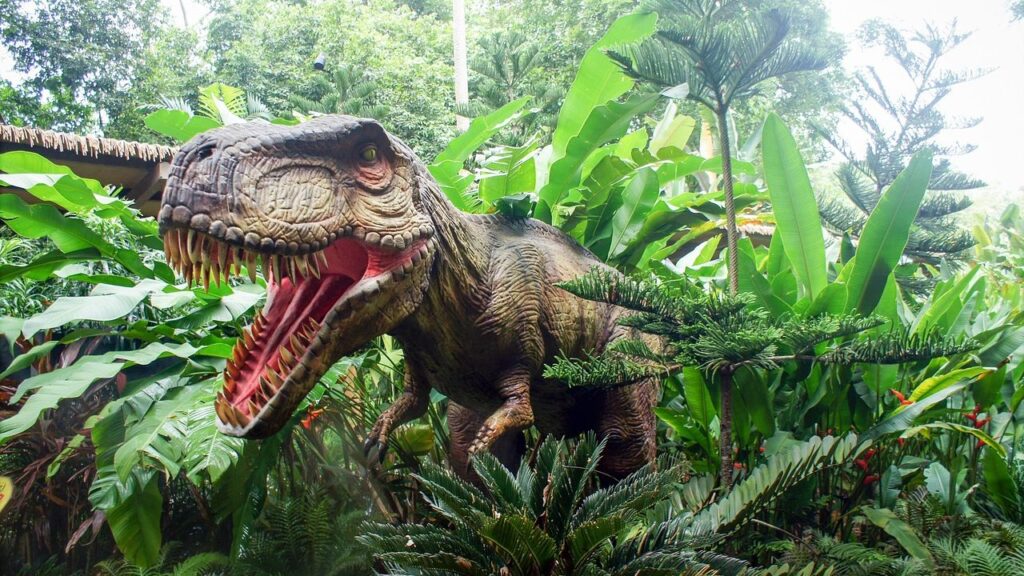
Sellers tested five meat-eating dinosaurs: Tyrannosaurus rex, Velociraptor, Allosaurus, Dilophosaurus, and Compsognathus. His results showed that Compsognathus was likely the fastest, reaching nearly 40 miles per hour. Velociraptor came in second at about 24 miles per hour. The slowest was T. rex, which likely moved around 18 miles per hour due to its heavy body. Even the “slowest” of the group could outrun most humans with ease.
The Surprising Role of Muscle Models in Unlocking Dinosaur Athletic Performance
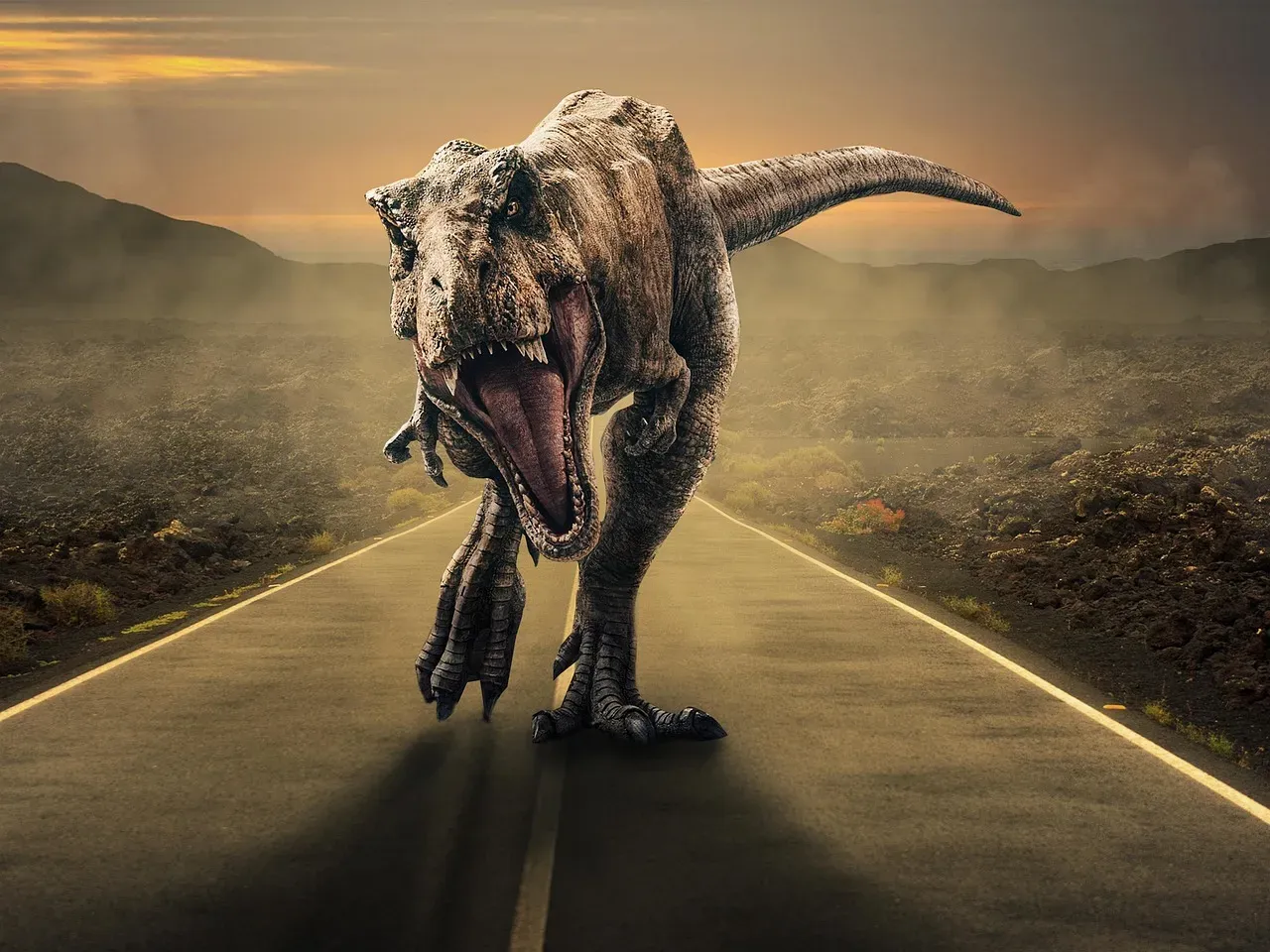
A ground-breaking study used 13 three-dimensional biomechanical computer models to reveal how the functions of 35 leg muscles in dinosaurs evolved over approximately 230 million years. That is an extraordinary undertaking. Imagine trying to reconstruct how your own body moves, but you have only the bones to work from and no living person to observe.
The most surprising discovery was that relatively large-bodied, carnivorous theropod dinosaurs using two hind legs for walking, throughout the early Jurassic Period (about 200 million years ago), evolved an unusually specialized suite of muscle functions correlated with more mobile leg joints, which might have been related to taking on larger prey. In current follow-on studies, researchers are using such biomechanical models in simulations to predict how individual species moved in terms of efficient walking, maximal-speed sprinting, jumping and turning – and how athletic performance evolved. The picture that emerges is of genuinely athletic animals, not the lumbering giants of old movies.
The Tail: Not Just for Show, but a Speed and Balance Machine
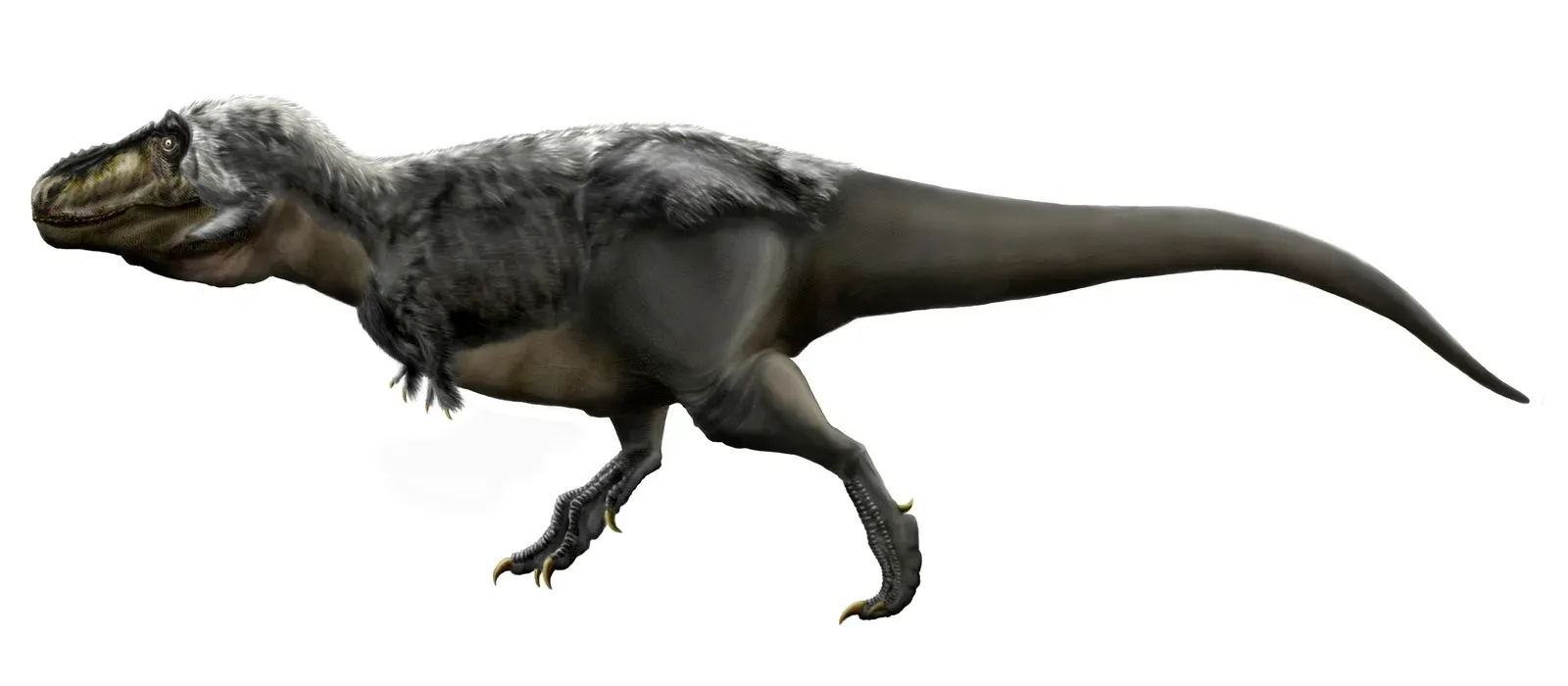
Here’s something that will blow your mind. You’ve probably never given much thought to what a dinosaur’s tail actually did. Most people assume it was just a counterbalance, like the boom of a construction crane. Let’s be real – it was so much more than that.
Computer simulations involved pronounced lateroflexion movements of the tail. Rather than just being a static counterbalance, simulations indicate that the tail played a crucial dynamic role, with lateroflexion acting as a passive, physics-based mechanism for regulating angular momentum and improving locomotor economy, analogous to the swinging arms of humans. The presence of a long tail would have had a critical influence on the execution of straight-line locomotion such as fast running. Locomotion studies of bipedal non-avian dinosaurs frequently consider just the hindlimbs, but researchers caution that this reductionist approach may miss important contributions from other body parts.
Warm Blood, High Energy: The Metabolism Debate Finally Has an Answer
You cannot run fast if you don’t have the engine for it. And for years, scientists fiercely debated whether dinosaurs had that engine – in other words, whether they were warm-blooded. The answer changes everything about how we picture them living and moving.
A Yale-led research team established that the earliest dinosaurs and pterosaurs had exceptionally high metabolic rates and were warm-blooded animals. The analysis showed that many early dinosaurs had a metabolic rate comparable to that of modern birds. These were remarkably swift and agile animals with energy levels like those of modern warm-blooded animals, and they notably evolved the exceptional metabolism of modern birds long before active flight. Today, it is generally thought that many or perhaps all dinosaurs had higher metabolic rates than living reptiles, but also that the situation is more complex and varied than previously proposed. A high metabolism is, essentially, a high-performance engine – and that engine drove real athletic capability.
Small and Medium Dinosaurs: The Real Speed Demons of the Mesozoic
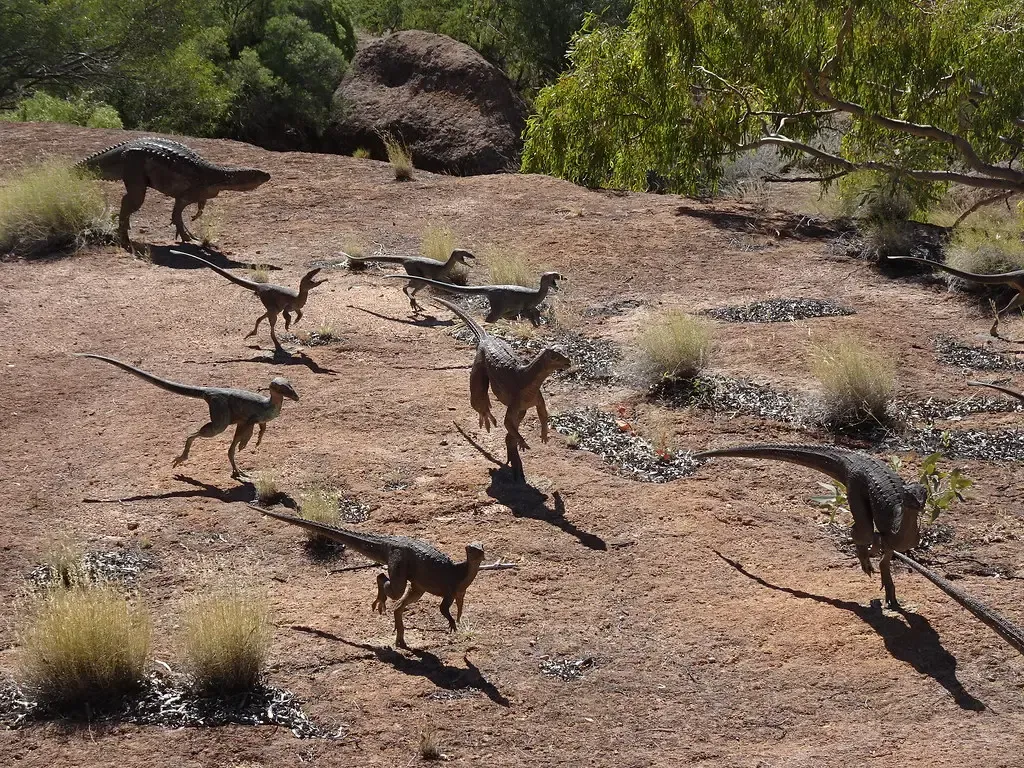
While everyone obsesses over T. rex, the smaller and medium-sized dinosaurs were doing something arguably far more impressive on the speed front. Research proves that medium-sized theropods were not only agile but also much faster than previously thought, adding another layer to understanding of their abilities. It’s a bit like assuming the largest player on the basketball court is always the most athletic – size doesn’t tell the whole story.
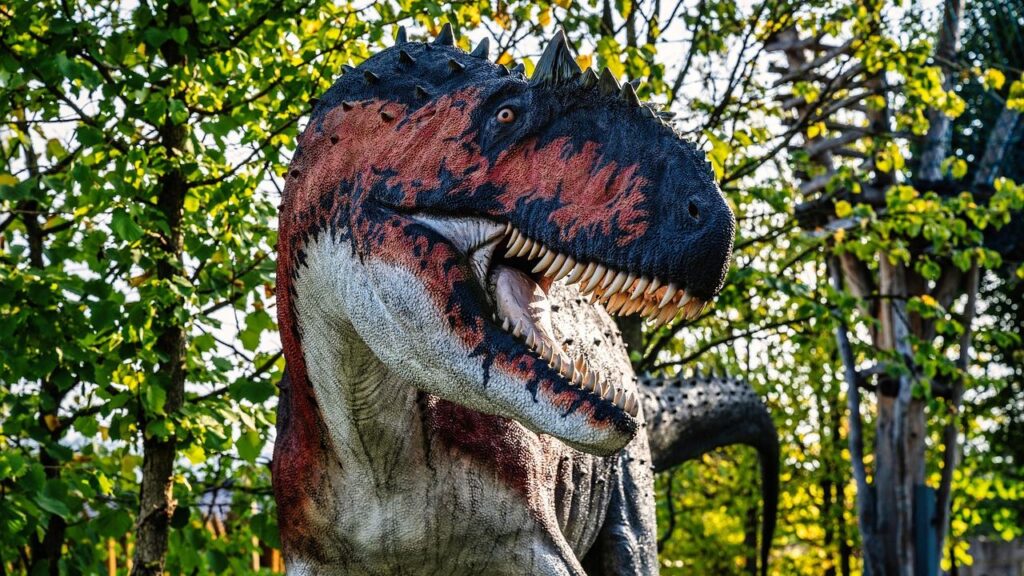
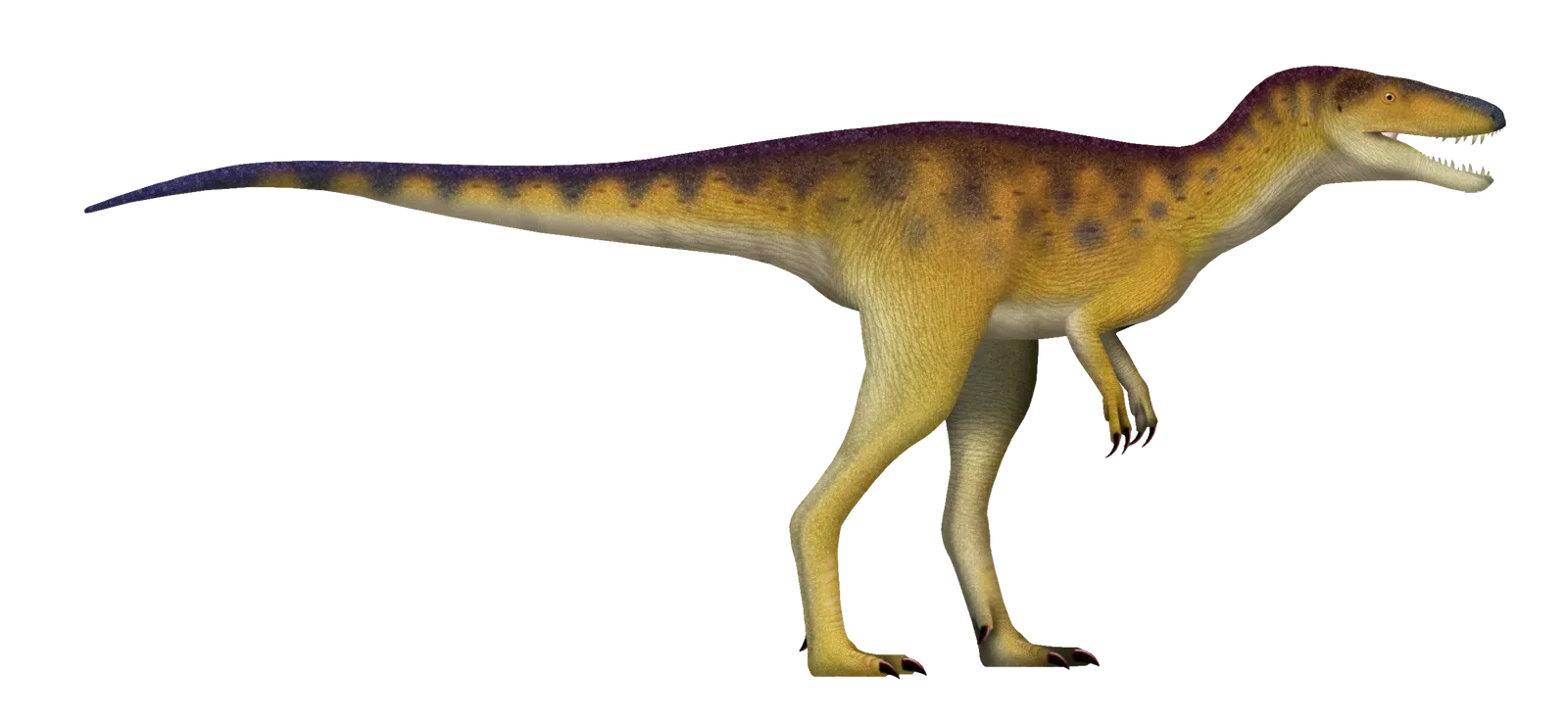
Studies have revealed Nanotyrannus as a slender, agile pursuit predator, built for speed. Khankhuuluu was part of a burst of tyrannosaur evolution that led to slender, agile creatures crossing into prehistoric North America around 85 million years ago and proliferating there. The emerging picture across multiple species is one of incredible diversity in speed and agility – not a single, slow, dragging template.
What This Means for How You Think About Dinosaurs Today
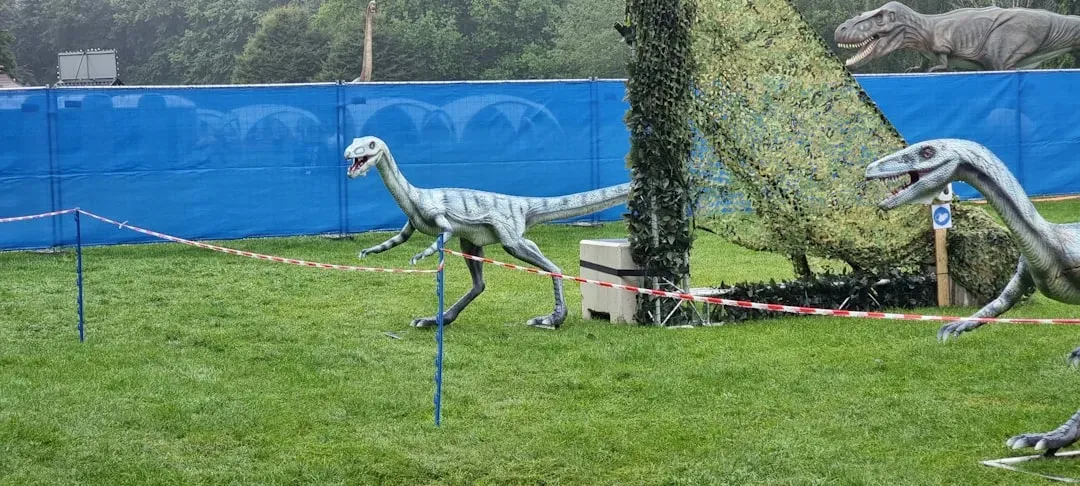
Here is the part where it gets genuinely exciting. Dinosaur locomotor biomechanics are of major interest because locomotion of an animal affects many, if not most, aspects of life reconstruction, including behaviour, performance, ecology and appearance. In other words, how fast they moved shapes everything – how they hunted, how they escaped, how they lived. It is the difference between imagining a slow, swampy world and a dynamic, fast-paced one.
Detailed bone studies show that some dinosaurs matured quickly with bird or mammal-like metabolism, while their teeth and posture hint at fast, agile lives in dense forests. A golden era in dinosaur science is driving this fascination with dinosaurs. Around 1,400 dinosaur species are now known from more than 90 countries, with the rate of discovery accelerating in the last two decades. Every new fossil, every new simulation, every new footprint track is quietly rewriting the history of life on Earth in ways that popular culture is only just beginning to grasp.
Conclusion
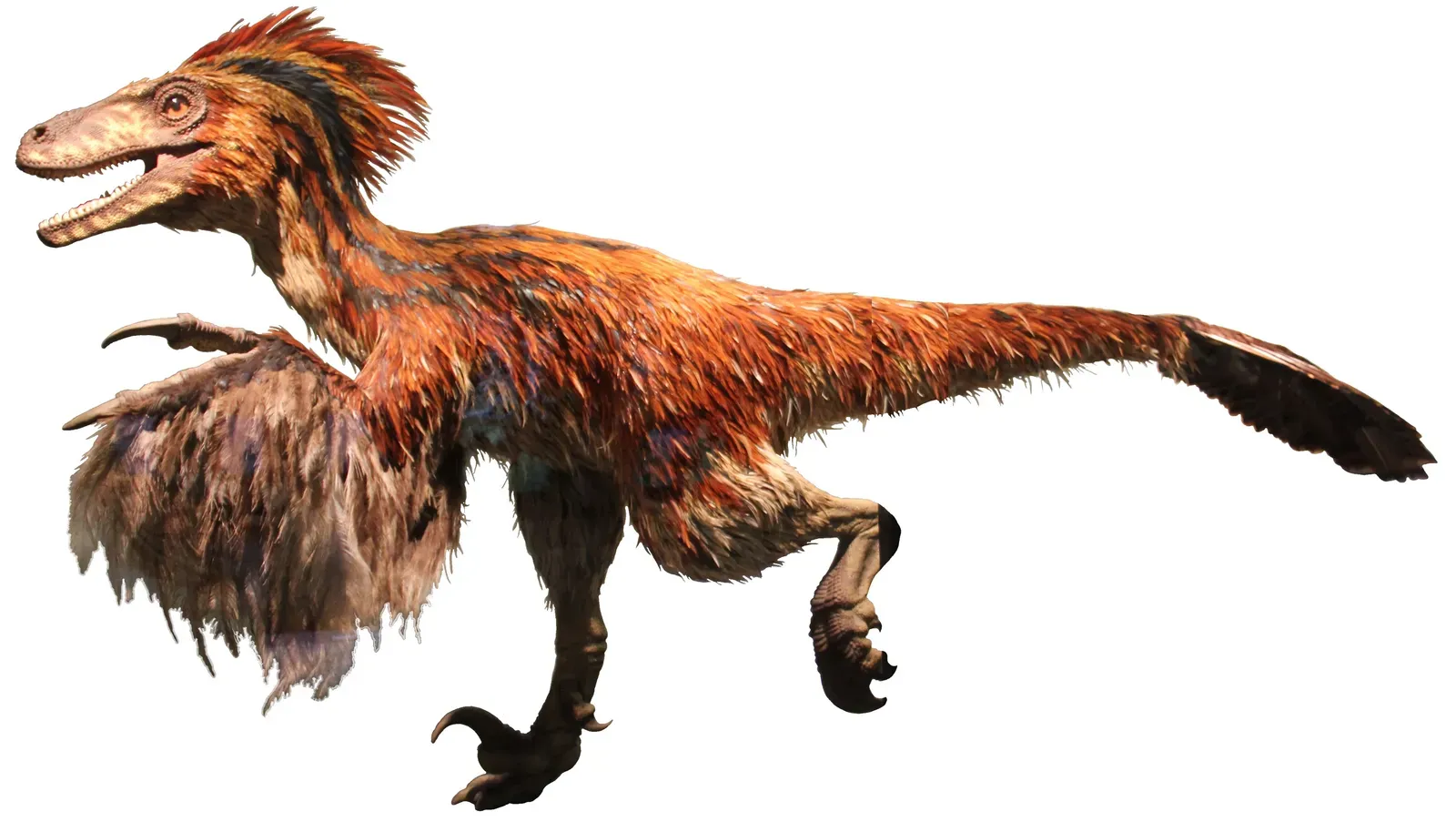
The slow, tail-dragging, cold-blooded dinosaur is a myth – and science has been proving it wrong for decades. What you now know, armed with the latest research, is that these were dynamic, energetic, and in many cases genuinely fast animals. Some could match a cyclist’s pace. Many burned calories like modern birds. Their tails worked like swinging arms for balance and speed. Their muscles, reconstructed digitally from fossils, reveal a level of athletic sophistication that would have felt at home in today’s animal kingdom.
It’s hard to say for sure exactly how the full picture will look once the next wave of discoveries lands – but one thing is certain: the more we learn, the more impressive these creatures become. So the next time someone repeats the old cliché of a plodding, dim-witted dinosaur, you’ll know better. The question is – does it change how you feel about the world these creatures actually lived in? Tell us what you think in the comments below.