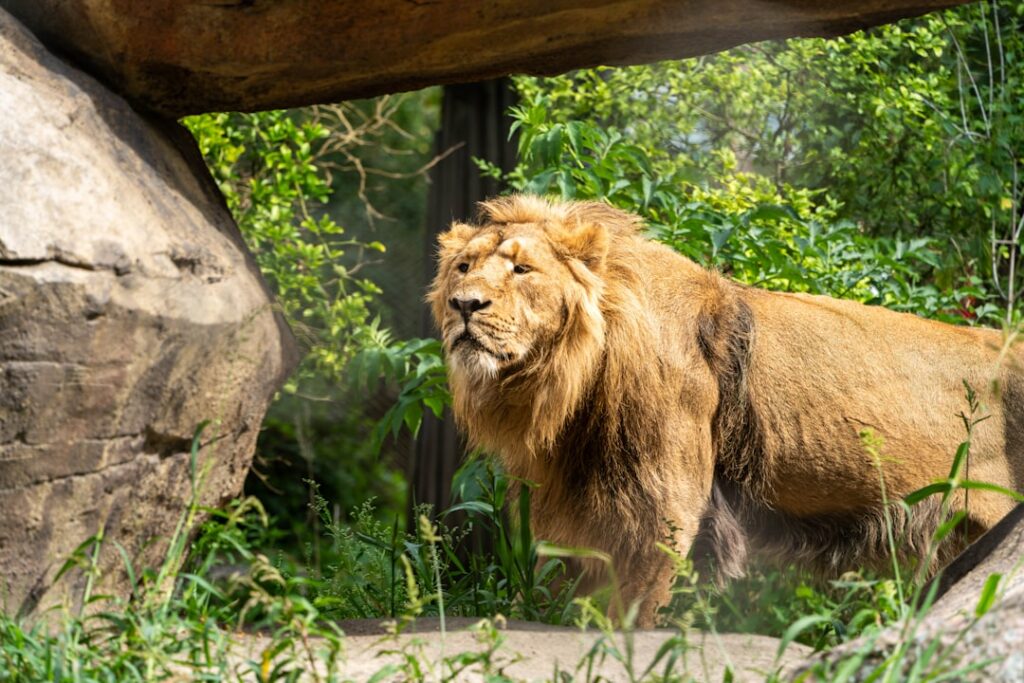
A young male Asiatic lion perished after a 50-foot plunge from a coastal cliff near Diu Fort, revealing the hazards of the species’ growing presence far beyond Gir National Park.
Grim Retrieval from a Rocky Gorge
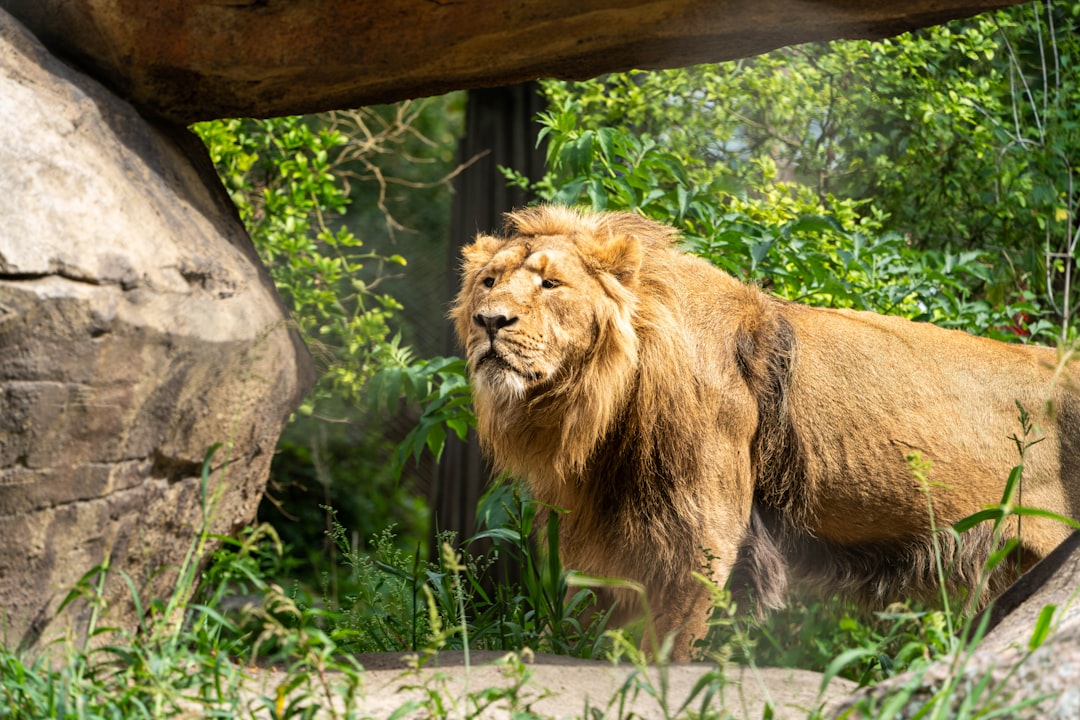
Grim Retrieval from a Rocky Gorge (Image Credits: Unsplash)
Forest officials spotted the lion’s carcass wedged deep in a steep, rocky cliff beside the Arabian Sea. The animal, estimated at five years old, lay at the base of the 50-foot drop near the historic Diu Fort.
Retrieval proved challenging due to the rugged terrain. A team from the Diu Forest Department, led by Range Forest Officer L.B. Bharwad under Deputy Conservator of Forests Vikas Yadav, deployed a heavy-duty crane to hoist the body. Officials then transported the remains to Jasadhar Animal Care Centre for a post-mortem examination.
Early assessments pointed to an accidental fall during roaming or hunting. The lion might have slipped from the jagged edge, suffering fatal injuries or drowning. Investigators also considered whether the animal died elsewhere and washed ashore.
Population Surge Drives Bold Dispersals
Gujarat’s Asiatic lion numbers reached 891 in the 2025 census, a 32 percent jump from 674 in 2020. This growth strained Gir National Park’s forests, prompting young males like this one to venture into satellite areas.
Sightings have multiplied in coastal zones over the past two years. Lions swam tidal creeks from Una and Rajula to reach Diu, expanding into unfamiliar landscapes. Such movements marked a conservation success but introduced new vulnerabilities.
Dangers Lurk in Human-Dominated Edges
As lions push into agricultural fields, highways, and tourist spots, they encounter lethal threats. Cliffs like the one near Diu Fort pose immediate risks to dispersing animals.
- Steep drops and rocky gorges along coasts.
- Open wells in farmlands.
- Speeding vehicles on roads.
- Human settlements and infrastructure.
- Disease from domestic animals, such as canine distemper virus.
These hazards claimed numerous lives recently. Gujarat recorded 322 lion deaths over two years, including adults and cubs. The latest incident served as a stark reminder.
Urgent Calls for Landscape Protection
Experts urged stronger habitat corridors and safety measures in expansion zones. Landscape-level planning could link Gir to coastal belts, easing navigation for dispersers.
Forest departments monitored movements closely. Enhanced fencing, awareness campaigns, and veterinary support aimed to curb losses. Post-mortem results from this case would inform future strategies.
Key Takeaways
- Asiatic lion population hit 891 in 2025, fueling dispersal beyond Gir.
- Coastal cliffs and human areas present deadly risks to young males.
- Targeted conservation could turn expansion into sustainable growth.
This tragedy highlighted a double-edged triumph: booming numbers demanded proactive safeguards. As lions reclaim wider territories, their survival hinged on human adaptation. What steps should authorities prioritize next? Share your thoughts in the comments.