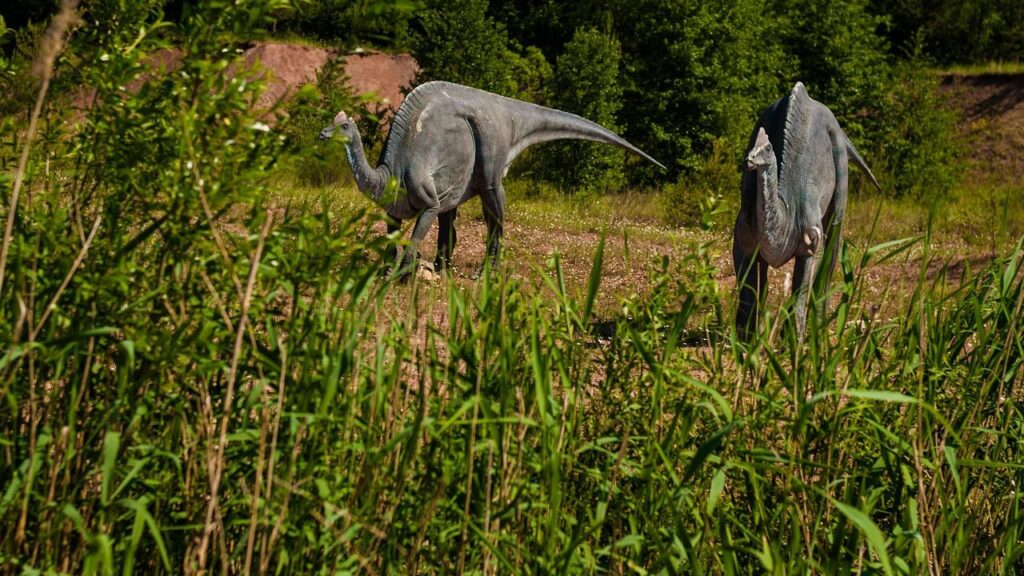
When most people think about the Mesozoic era, they probably picture a world essentially divided into two simple categories: enormous, lumbering dinosaurs and everything else cowering in their shadow. That image is deeply outdated. Honestly, it is almost embarrassingly incomplete. Over the past few years, a flood of new fossil finds and research breakthroughs have painted a far more vivid, complex, and startlingly rich picture of life between 252 and 66 million years ago.
You might be surprised to learn that the world of the Mesozoic was not a monotonous parade of reptiles stomping through fern forests. It was a teeming, layered, ecologically intricate world, full of competing predators, surprising social relationships, and biological creativity that rivals anything alive today. So let’s dive in, because what researchers have uncovered recently is genuinely jaw-dropping.
The Mesozoic Was Already Richer Than You Thought
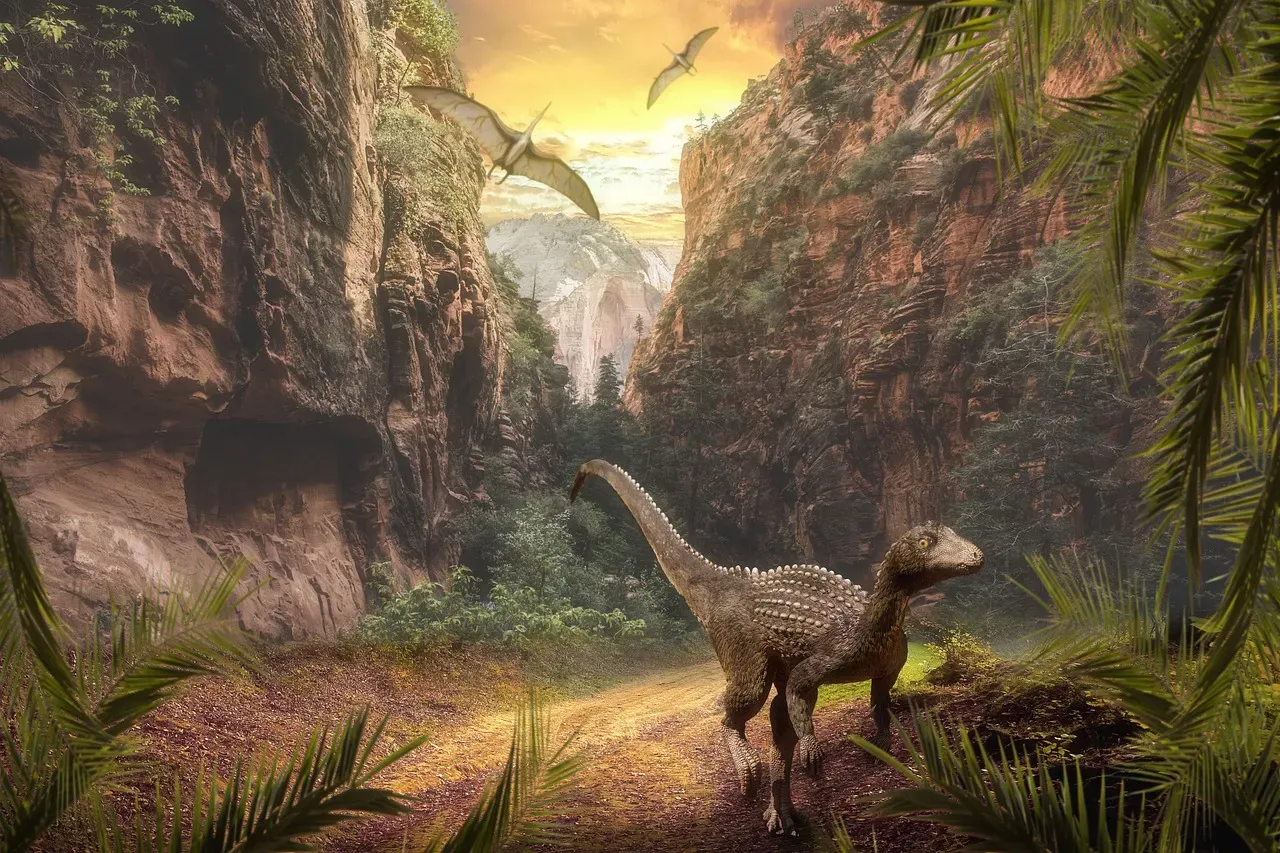
Let’s be real: the old textbook version of the Mesozoic was almost comically simplified. The reality, as scientists are now confirming, is far more compelling. The Mesozoic era, which spanned from approximately 252 to 66 million years ago, is renowned for its incredible diversity of flora and fauna, including the awe-inspiring dinosaurs. That word “incredible” is doing a lot of heavy lifting here, and recent findings are finally giving it the weight it deserves.
The fauna and flora of the Mesozoic were distinctly different from those of the Paleozoic, the largest mass extinction in Earth history having occurred at the boundary of the two eras. At the start of the Mesozoic, the remaining biota began a prolonged recovery of diversity and total population numbers, and ecosystems began to resemble those of modern days. Think of it like rebuilding a city after a catastrophic fire. Life had to essentially start over, and what it built this time was astonishing.
New Dinosaur Finds Keep Rewriting the Story
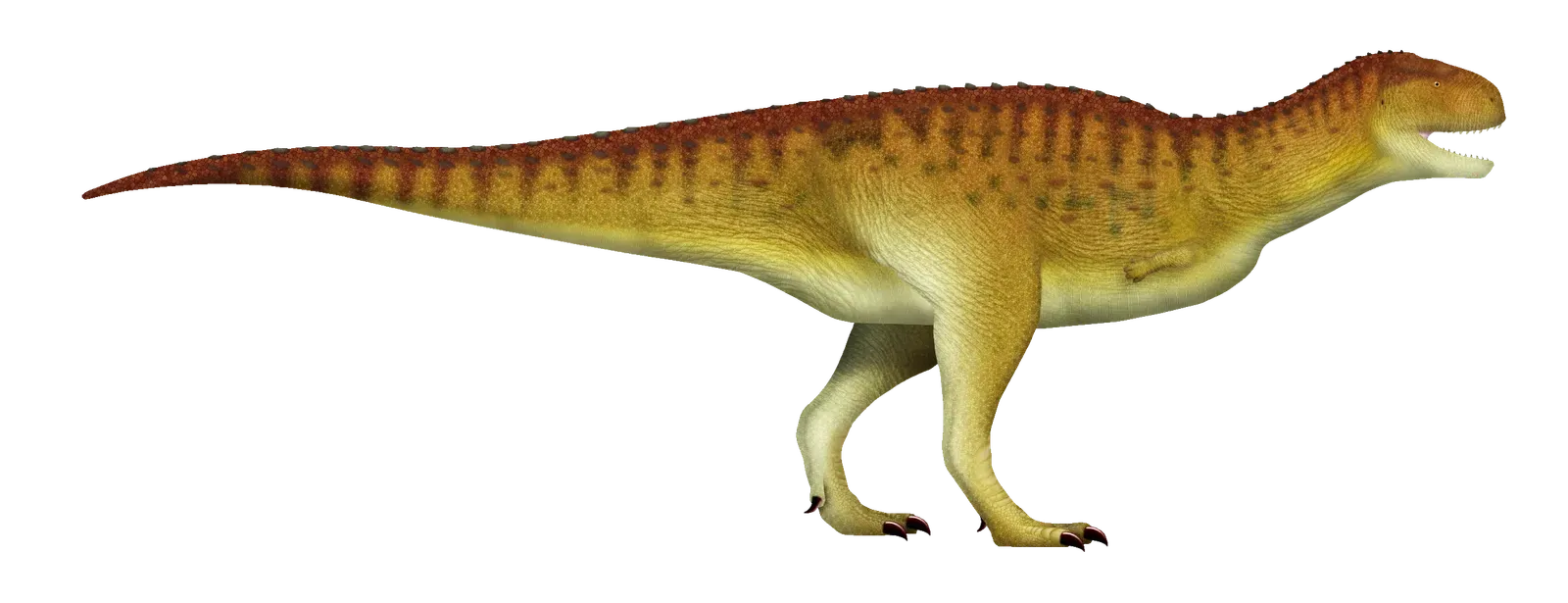
Every year brings new dinosaur species to light, and each one adds another layer to our understanding of just how diverse these animals truly were. On average, paleontologists have found more than 45 new dinosaur species every year since 2003. That is not a slow trickle of discoveries. That is a torrent. Think about that for a moment, roughly one new species every single week.
In recent decades, new species have been unearthed in remote regions of the world, from the arid deserts of the American Southwest to the frozen tundra of the Arctic. Each new find has added to our understanding of the incredible diversity and adaptability of these ancient creatures, challenging our preconceptions and opening up new avenues of research. In 2024 alone, a new tyrannosaur relative was found in Patagonia, and a feathered dinosaur was unveiled in Sichuan, China. The picture keeps getting richer.
Climate Dictated Where Dinosaurs Could Live, and It Created Separate Worlds
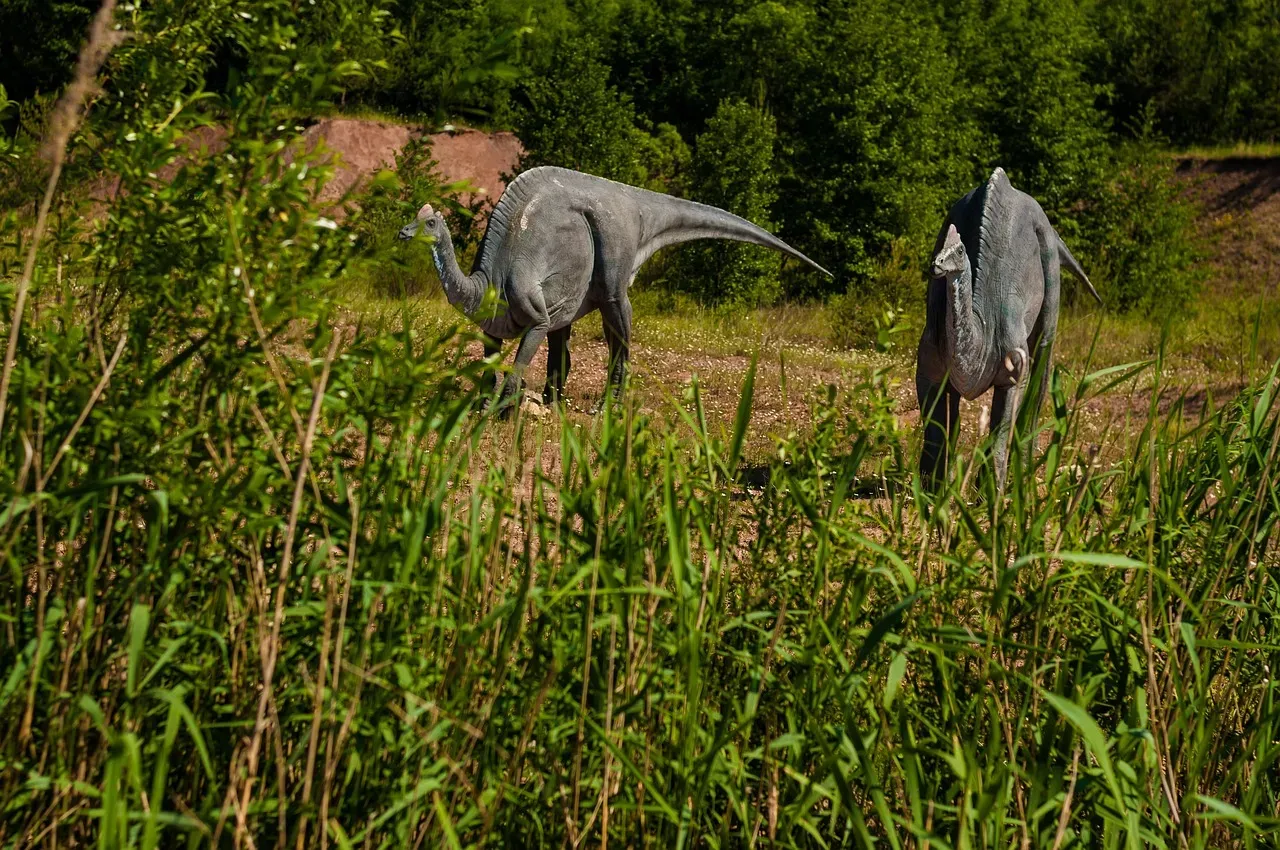
Here is something that I think completely changes how you visualize the Mesozoic. Dinosaurs were not all roaming the same landscape side by side. Different groups thrived in radically different climatic zones, almost like separate ecological kingdoms. Ornithischians and theropods increased their climatic niche disparity compared with sauropodomorphs and ancestral dinosauromorphs. Ornithischia and Theropoda were both projected toward cooler niches, with a preference for more humid conditions in the former.
Uniquely among dinosaurs, sauropods occupied climatic niches characterized by high temperatures and strongly bounded by minimum cold temperatures. This constrained the distribution and dispersal pathways of sauropods to tropical areas, excluding them from latitudinal extremes, especially in the Northern Hemisphere. The greater availability of suitable habitat in the southern continents, particularly in the Late Cretaceous, might be key to explaining the high diversity of sauropods there, relative to northern landmasses. In other words, you had warm-loving giants in the south while colder-adapted groups explored the north. It was a kind of prehistoric biogeographic partition you would not have guessed existed.
Mesozoic Mammals Were Far More Than Tiny Survivors
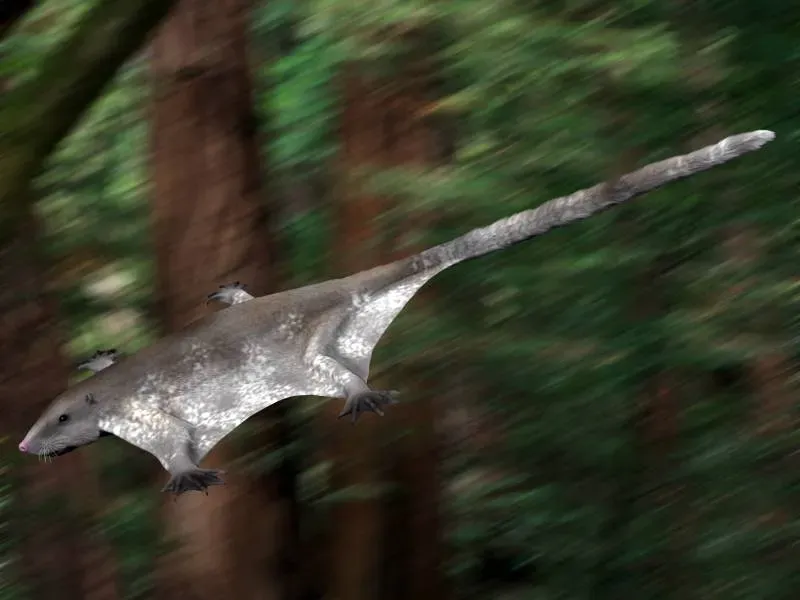
You have probably heard the classic line that early mammals were small, skittish, nocturnal insectivores hiding under the feet of dinosaurs. That narrative is collapsing fast. In contrast to common depictions of early mammaliaforms as small terrestrial and scansorial insectivores, new fossils demonstrate that Mesozoic mammaliaforms invaded a variety of ecological niches, from semi-aquatic to gliding forms, and even dog-sized forms that preyed on juvenile dinosaurs. Gliding mammals. Swimming mammals. Mammal predators of dinosaurs. That is extraordinary.
Although mammals were small during the Mesozoic, they actually had a lot of different ecologies. Fossils show that these mammals were burrowing, climbing trees, swimming, and even gliding. It is like discovering that the quiet kid in the back of the classroom was secretly running three side businesses. Mesozoic mammals were quietly diversifying in ways nobody suspected.
A Mammal Attacked a Dinosaur, and We Have the Fossil Proof
This is probably the single most jaw-dropping recent discovery related to Mesozoic ecological complexity. A fossil from China preserves, in frozen-in-time detail, a mammal in the act of attacking a living dinosaur. An extraordinary fossil from the Lujiatun Member of the Lower Cretaceous Yixian Formation in China preserves a mammal and dinosaur in close association. Their entwined skeletons suggest that the fossil is not a forgery, and the completeness of the skeletons indicates that they were not transported prior to burial. The lack of bite marks on the dinosaur skeleton, the position of the mammal atop the dinosaur, and the grasping and biting actions of the mammal collectively signal that the mammal was preying on the weakened dinosaur when the two were suddenly entombed by a volcanic debris flow.
Mesozoic mammals are usually depicted as having lived in the shadows of their larger dinosaurian contemporaries, but this new fossil convincingly demonstrates that mammals could pose a threat even to near fully-grown dinosaurs. The dinosaur in question was roughly three times the body mass of the mammal. It is the prehistoric equivalent of a house cat taking on a large dog and winning. The Yixian Formation, and the Chinese fossil Jehol Biota more broadly, have played a particularly important role in revealing the diversity of small-bodied dinosaurs and other fauna.
Lost Fossils From Australia Reveal a Surprise Marine World
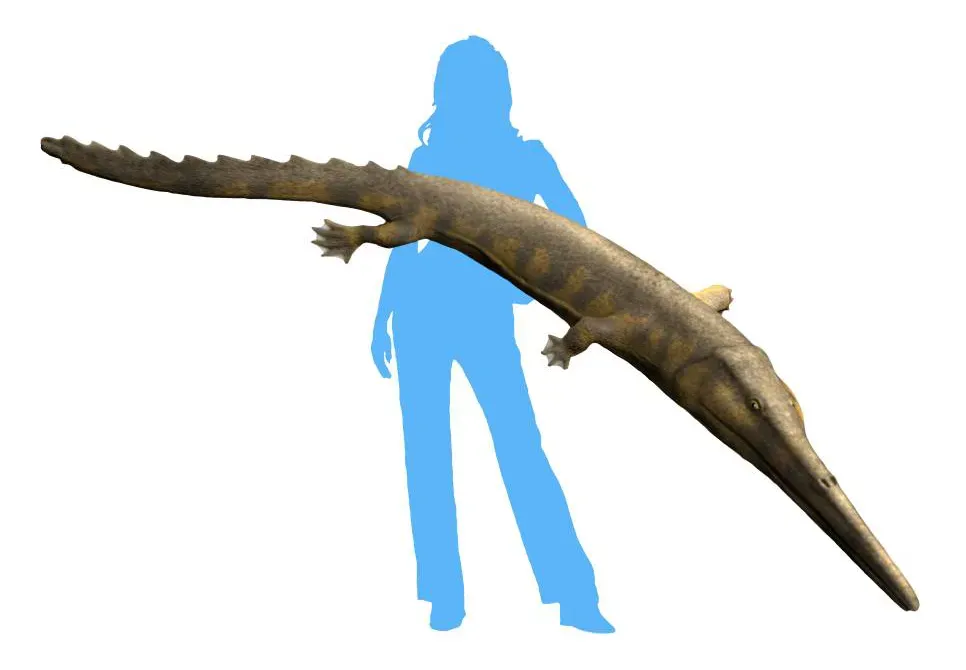
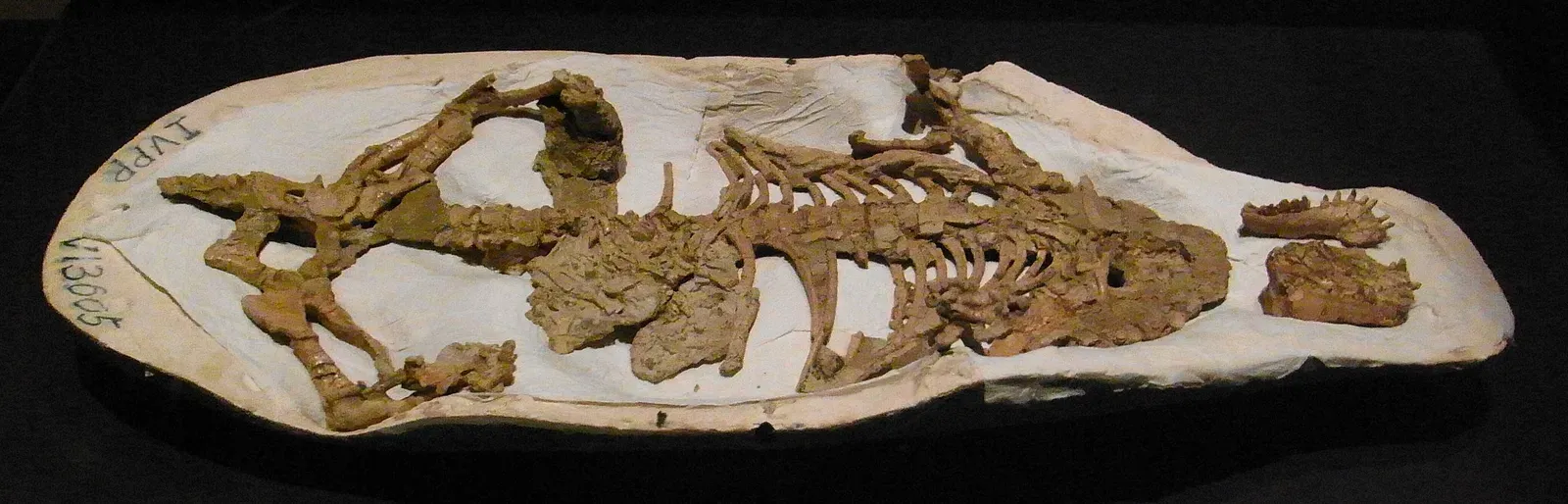
In a story almost too dramatic for fiction, lost fossils from Australia were rediscovered in 2024 after an international search through museum collections, and what they revealed upended our understanding of early Mesozoic marine life. A lost cache of 250-million-year-old fossils from Australia has rewritten part of the story of life after Earth’s worst mass extinction. Instead of a single marine amphibian species, researchers uncovered evidence of a surprisingly diverse community of early ocean predators. One of these creatures had relatives stretching from the Arctic to Madagascar, showing that some of the first sea-going tetrapods spread across the globe with remarkable speed.
High-resolution 3D scans of the Erythrobatrachus skull indicate it measured about 40 cm long when complete and belonged to a large-bodied predator with a broad head. Aphaneramma was similar in overall size but had a long, narrow snout suited for snapping up small fish. Both species swam through open water in the same environment, yet they likely targeted different prey. Two completely different predatory strategies coexisting in the same bay. That is niche partitioning in action, and it is a hallmark of genuinely complex ecosystems.
The Mesozoic Marine Revolution Reveals an Ocean Teeming With Complexity
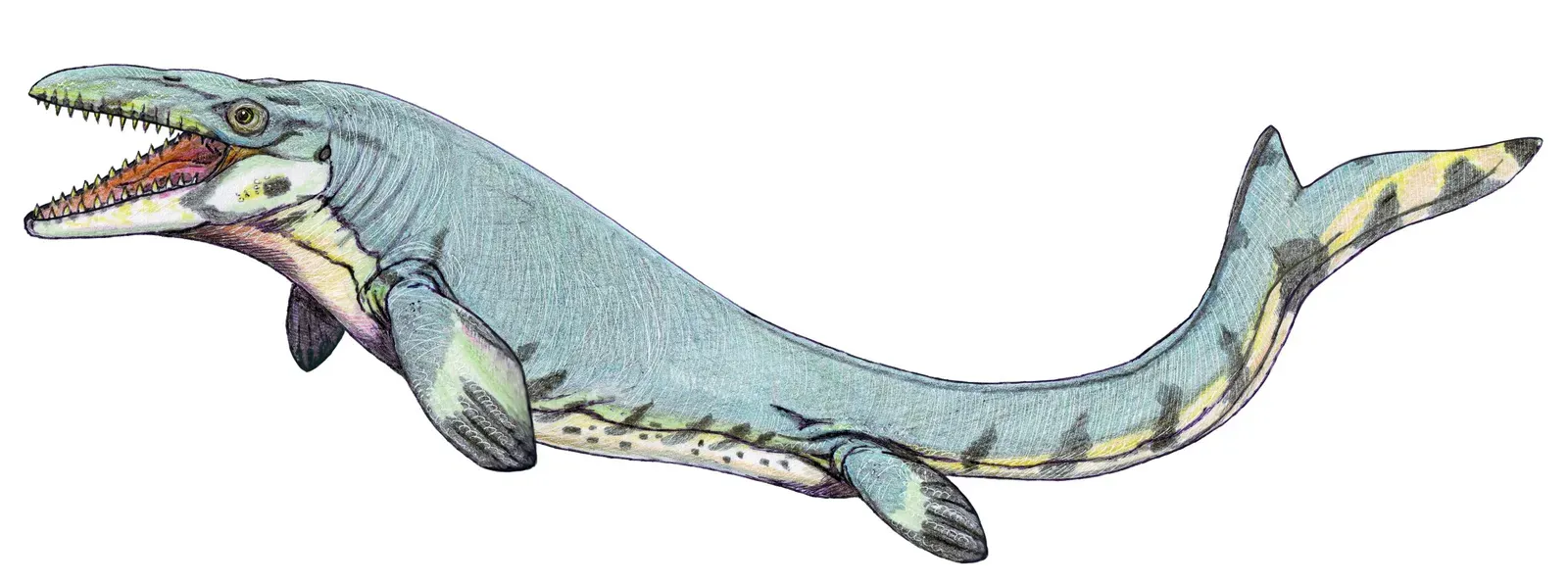
The oceans of the Mesozoic were undergoing their own dramatic transformation, one so significant that scientists gave it a name. During the Jurassic and Cretaceous, the ecology of marine ecosystems began to change, as shown by a rapid increase in diversity of marine organisms. It is believed that increasing predation pressures caused many marine organisms to develop better defenses and burrow more deeply into the seafloor. In response, predators also evolved more effective ways to catch their prey. These changes are so significant that they are called the “Mesozoic Marine Revolution.”
Today’s diversity of sharks, rays, and skates was influenced by a number of events during the Mesozoic era. However, it is still not entirely clear what the driving forces behind these diversity patterns are. Evidence suggests that climate and plate tectonics, as well as varying atmospheric CO2 concentrations, were key factors underlying these patterns. Even the ocean floor itself was being reshaped by this ecological arms race, with creatures burrowing deeper and predators evolving sharper senses. It was arms race after arms race, layer after layer, and the result was breathtaking biodiversity.
Conclusion
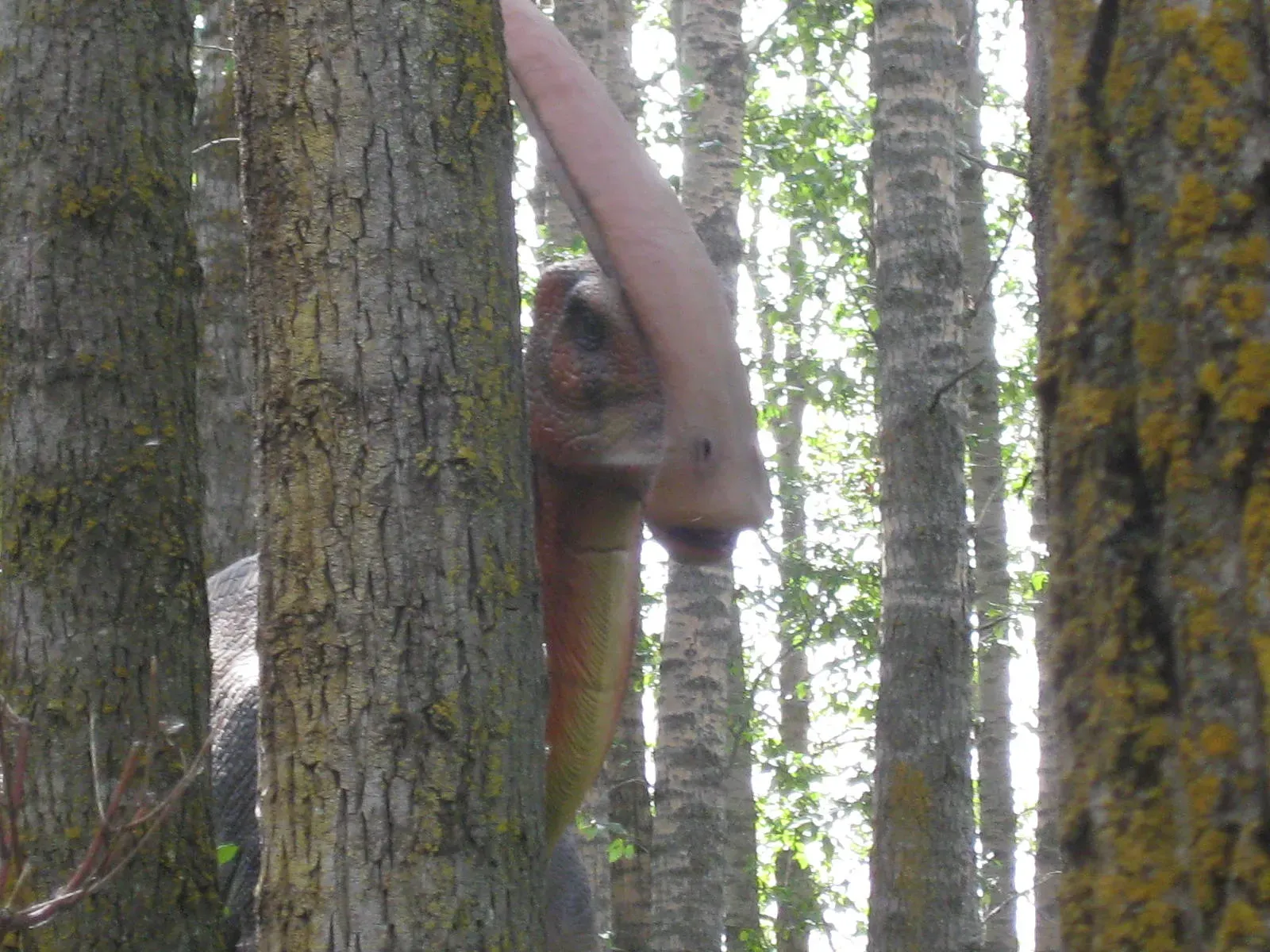
The Mesozoic was not a world of a few dominant giants lording over cowering prey. It was a world of extraordinary complexity, complete with ecological partitioning across continents and climate zones, mammals attacking dinosaurs, marine amphibians diversifying with stunning speed across interconnected supercontinents, and an entire underground world of burrowers, gliders, and swimmers that most people have never heard of.
Recent discoveries are not just adding names to a list of ancient species. They are fundamentally changing how you should imagine life on this planet during one of its most fascinating chapters. Dinosaurs thrived for over 160 million years in Mesozoic ecosystems, displaying diverse ecological and evolutionary adaptations. The more researchers dig, the more layered and surprising that story becomes. The Mesozoic was not the Age of Dinosaurs. It was the age of everyone. What does that make you wonder about what we might still be missing?